
Side-impact crashes are among the most dangerous collision types on the road. Unlike front and rear crashes, the side of a vehicle offers very little crumple zone between the door and the occupant. When the Insurance Institute for Highway Safety (IIHS) updated its side-impact test in 2022, it dramatically raised the bar.
The new test uses a heavier, taller barrier, one that simulates the front end of a modern SUV or pickup truck. It strikes at 37 mph, compared to the old 31 mph test with a lighter barrier.
The result was a reckoning for the auto industry. Dozens of vehicles that previously earned “Good” ratings under the old protocol suddenly received “Poor” or “Marginal” ratings under the new, stricter standard.
Automakers scrambled to respond. Engineers reinforced door structures, redesigned side curtain airbags, updated seat-mounted torso airbags, and introduced new center airbags.
Manufacturers responded at different speeds to the new testing requirements. Some implemented corrective measures quickly, while others needed more extensive redesigns that were introduced during model updates. Despite these different timelines, the eight vehicles featured here followed a similar path. Each faced challenges under the stricter evaluation criteria before undergoing substantial engineering improvements that ultimately resulted in a “Good” rating.
These are not cosmetic fixes. Each story involves real structural and safety engineering decisions that ultimately made these vehicles safer for the people inside them.
1. Toyota Camry (2022–2023 Update)
The Toyota Camry has long been America’s best-selling sedan and a benchmark for reliability. When the IIHS introduced its updated side-impact test, the Camry received a “Poor” rating.
While many assumed this result reflected structural shortcomings, the actual issue identified by IIHS involved dummy kinematics, specifically, the dummy’s head slipping below the side curtain airbag and striking the windowsill.
Contrary to assumptions regarding structural integrity, the IIHS explicitly noted that the Camry’s safety cage held up well during the test. The lower rating was primarily attributed to the side curtain airbag not providing adequate head protection under the specific impact geometry created by the newer, more aggressive test barrier.
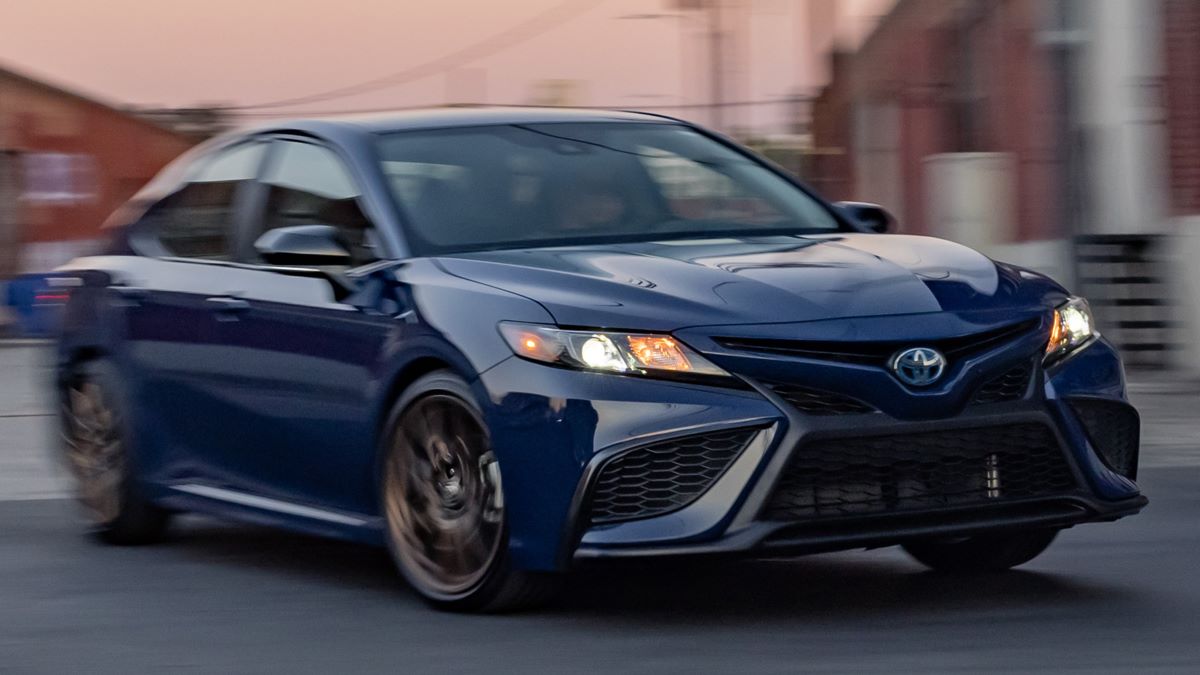
Toyota’s engineering team responded by refining the vehicle’s occupant protection systems. Updates introduced for the 2023 Camry focused on ensuring that the side curtain airbag and seat-mounted airbags maintained proper coverage and positioning to reduce head excursion during side impacts.
These improvements demonstrated that addressing modern crash-performance challenges did not necessarily require a full chassis redesign but could instead be achieved through targeted enhancements to restraint systems.
When IIHS retested the updated 2023 Camry, the sedan earned a “Good” rating, the highest possible score. The Camry’s turnaround became an important lesson for the industry: the integrity of the safety cage is only one part of crash protection, while airbag geometry and deployment timing are equally critical factors in meeting the demands of modern, high-energy impact tests.
Specifications:
- Engine: 2.5L Dynamic Force 4-cylinder (base) / 3.5L V6 (optional)
- Horsepower: 203 hp (4-cylinder) / 301 hp (V6)
- Torque: 184 lb-ft (4-cylinder) / 267 lb-ft (V6)
- Length: 192.1 inches
- Width: 72.4 inches
2. Honda Accord (An All-New Standard)
The Honda Accord, a long-standing favorite in the midsize sedan segment, faced an important benchmark when the Insurance Institute for Highway Safety (IIHS) introduced its updated side-impact testing protocol.
Designed to better reflect real-world collisions involving larger SUVs, the revised evaluation uses a heavier barrier traveling at a higher speed, making the test significantly more demanding than previous standards.
The previous-generation 2022 Honda Accord underwent this updated assessment and received a “Marginal” rating. However, this result applied specifically to the outgoing generation and should not be confused with the redesigned model that followed.
When Honda introduced the all-new 2023 Accord, the vehicle arrived on a newly engineered platform developed with evolving safety requirements in mind. Unlike claims suggesting the redesigned Accord initially struggled under the updated test or required major revisions afterward, the 2023 model was built from the outset to perform under the stricter evaluation criteria.
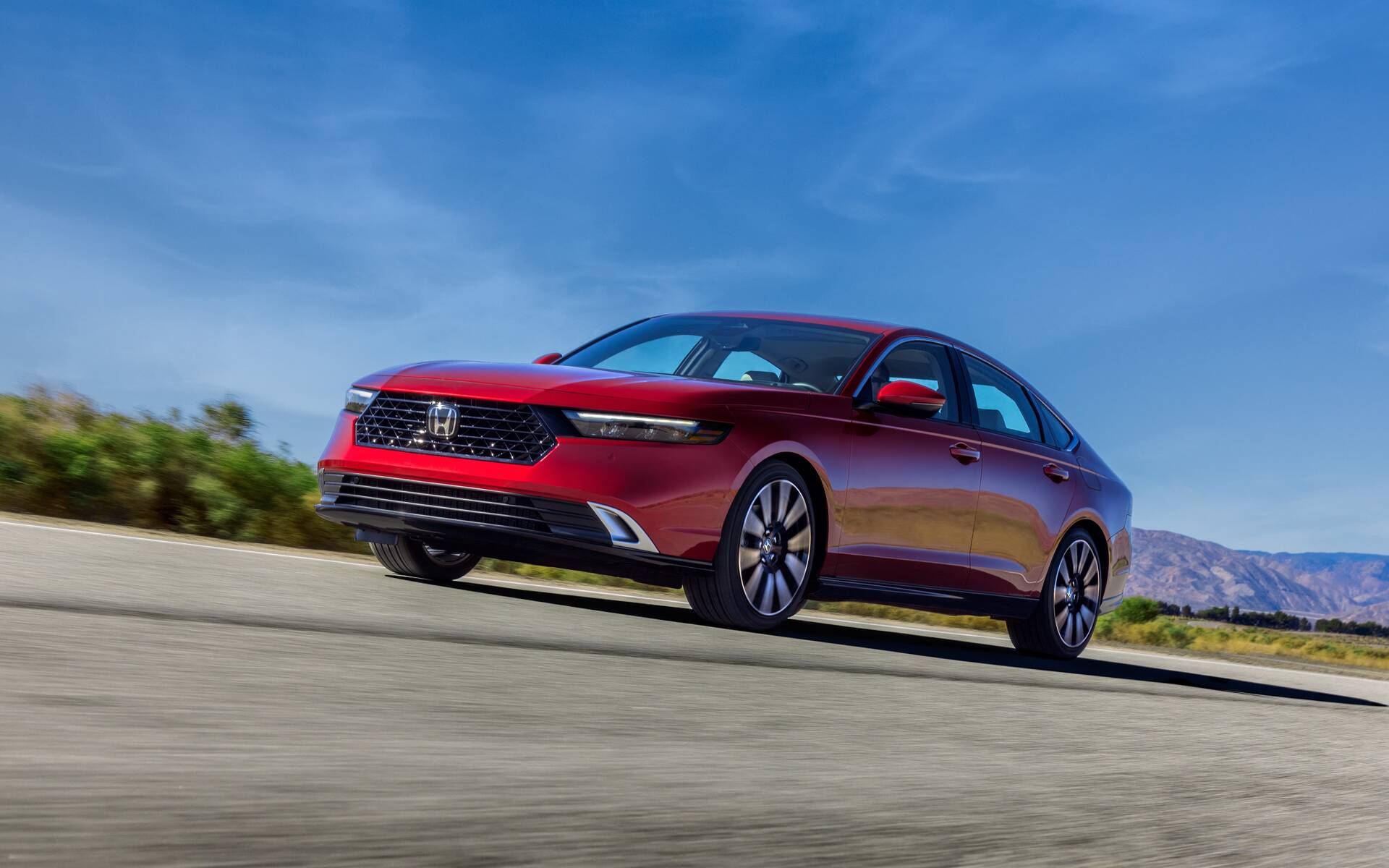 Honda Accord (2023)
The redesigned structure incorporated increased body rigidity, strengthened side-impact protection areas, and refined side-curtain airbag deployment strategies. As a result, the 2023 Honda Accord achieved a “Good” rating, the highest possible score in the updated IIHS side-impact test immediately upon evaluation.
The Accord’s progression highlights how a full generational redesign can successfully address limitations identified in earlier testing and adapt to changing automotive safety standards.
Specifications:
- Engine: 1.5L Turbocharged 4-cylinder / 2.0L Turbocharged 4-cylinder
- Horsepower: 192 hp (1.5T) / 252 hp (2.0T)
- Torque: 192 lb-ft (1.5T) / 273 lb-ft (2.0T)
- Length: 195.7 inches
- Width: 73.3 inches
3. Chevrolet Silverado 1500 (2023 Updated Build)
The Chevrolet Silverado 1500 is one of the top-selling trucks in the United States. When the IIHS introduced its updated side-impact barrier, the Silverado faced an unexpected problem.
A truck hitting like an SUV during the new test exposed weaknesses in the door structure and side airbag geometry that weren’t apparent in the older, lighter-barrier test. The rating came back “Marginal,” a significant concern for a vehicle that millions of working Americans rely on daily.
General Motors engineers dug into the test data. The primary issue was that the side curtain airbag did not adequately cover the driver’s head when the barrier representing a taller, heavier SUV front end struck at the door’s midpoint.
Structural analysis also showed that the door’s inner beam was not positioned optimally to redirect crash loads away from the occupant space. The Silverado’s cab structure needed targeted reinforcement.
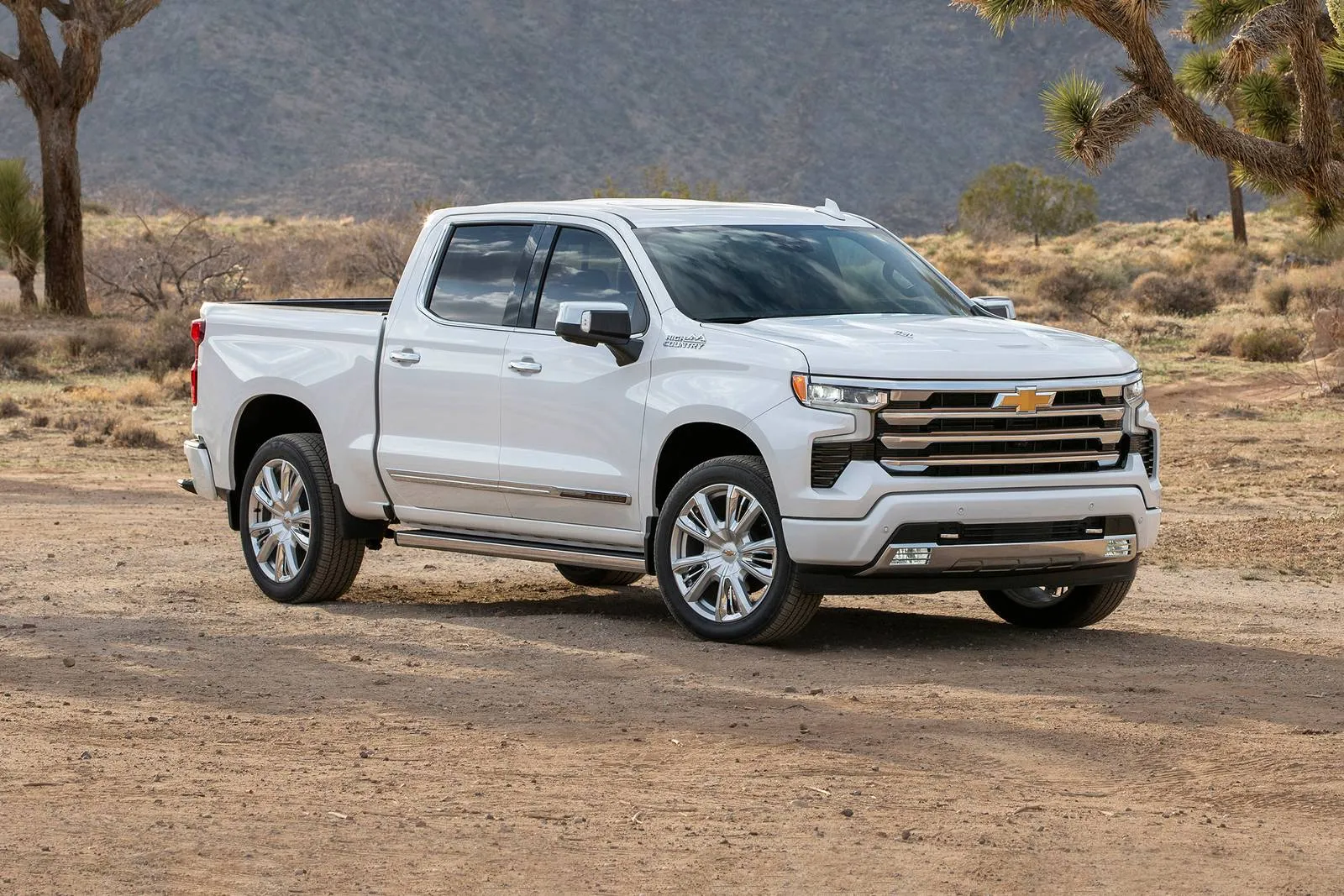
GM responded with changes to the 2023 production build. The side curtain airbag was redesigned with a larger inflatable volume and a revised tether geometry that kept the bag positioned closer to the window glass throughout the crash event.
The door beam was repositioned and upgraded to higher-strength steel. Sensor calibration was also updated to initiate airbag deployment earlier in the crash sequence.
The updated Silverado earned a “Good” rating on retest. The head excursion metric dropped substantially. GM’s engineers proved that even large body-on-frame truck platforms that are harder to modify mid-cycle could be upgraded to meet tougher standards without a full redesign.
Specifications:
- Engine: 2.7L Turbocharged 4-cylinder / 5.3L V8 / 6.2L V8
- Horsepower: 310 hp (2.7T) / 355 hp (5.3L) / 420 hp (6.2L)
- Torque: 430 lb-ft (2.7T) / 383 lb-ft (5.3L) / 460 lb-ft (6.2L)
- Length: 231.7 inches (crew cab, short bed)
- Width: 81.2 inches
4. Ford F-150 (Consistent Performance)
The Ford F-150 is the best-selling vehicle in the United States, and its performance in safety evaluations is closely monitored by the industry. When the IIHS introduced its updated side-impact protocol, which uses a heavier barrier traveling at a higher speed to better simulate modern SUV collisions, the F-150 was among the vehicles that demonstrated strong performance, earning a “Good” rating.
The F-150’s success in this evaluation highlights the effectiveness of its structural design. By utilizing a high-strength steel frame and a robust side-impact protection system, the F-150 effectively dissipated crash energy, protecting both front and rear passengers without requiring emergency mid-cycle revisions to its side-impact architecture.
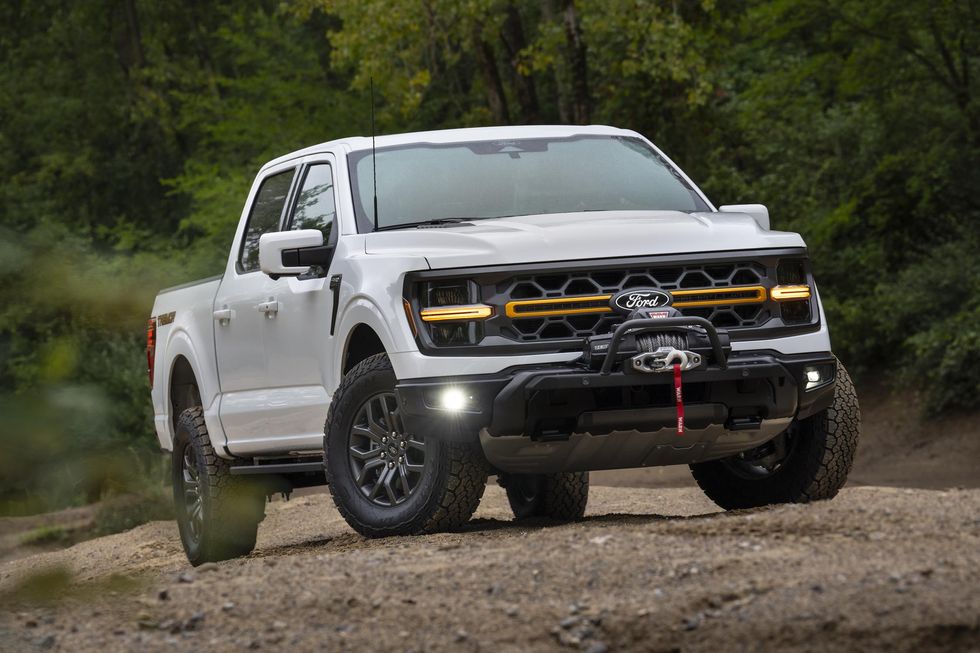
It is important to distinguish this success in side-impact testing from other, more recent IIHS evaluations. For example, like several other large pickups, the F-150 has faced challenges in the newer, updated moderate overlap front crash test, which places a heavier emphasis on rear-seat passenger safety.
Ford continues to refine its safety systems to meet these evolving, more rigorous testing benchmarks across all test categories. The F-150’s ability to excel in the side-impact test demonstrates the foundation of its safety engineering, providing a reliable benchmark for occupant protection in the modern era.
Specifications:
- Engine: 2.7L EcoBoost V6 / 3.5L EcoBoost V6 / 5.0L V8
- Horsepower: 325 hp (2.7L) / 400 hp (3.5L) / 400 hp (5.0L)
- Torque: 400 lb-ft (2.7L) / 500 lb-ft (3.5L) / 410 lb-ft (5.0L)
- Length: 231.9 inches (SuperCrew, 5.5-ft bed)
- Width: 79.9 inches
Also Read: 7 Cars With Built-In Features Made For Camping And Overlanding
5. Hyundai Tucson (2022–2023 Structural Update)
The Hyundai Tucson had built a strong safety reputation in the years leading up to the IIHS test overhaul. It was regularly praised for its crashworthiness and earned top marks under older protocols.
The updated side-impact test was a different story. The 2022 Tucson received a “Marginal” rating, with test data showing that the driver’s head moved dangerously close to the barrier during impact. The side curtain airbag coverage was found to be insufficient in the critical upper-door zone.
Hyundai’s response was notable for its speed. Within a single model year cycle, the Korean automaker pushed through structural and airbag system updates.
The revised side curtain airbag featured a larger, forward-extending chamber that better protected the A-pillar region of the window opening. The door’s inner structure received reinforcement at the hinge pillar interface, a zone that proved critical in the new test geometry.
Hyundai also addressed the seat-mounted side airbag, recalibrating it for better thorax protection. The collision detection system was updated to improve deployment timing, which is critical because the new IIHS barrier transfers energy more aggressively than the previous one. These changes were introduced across the Tucson lineup for the 2023 model year.
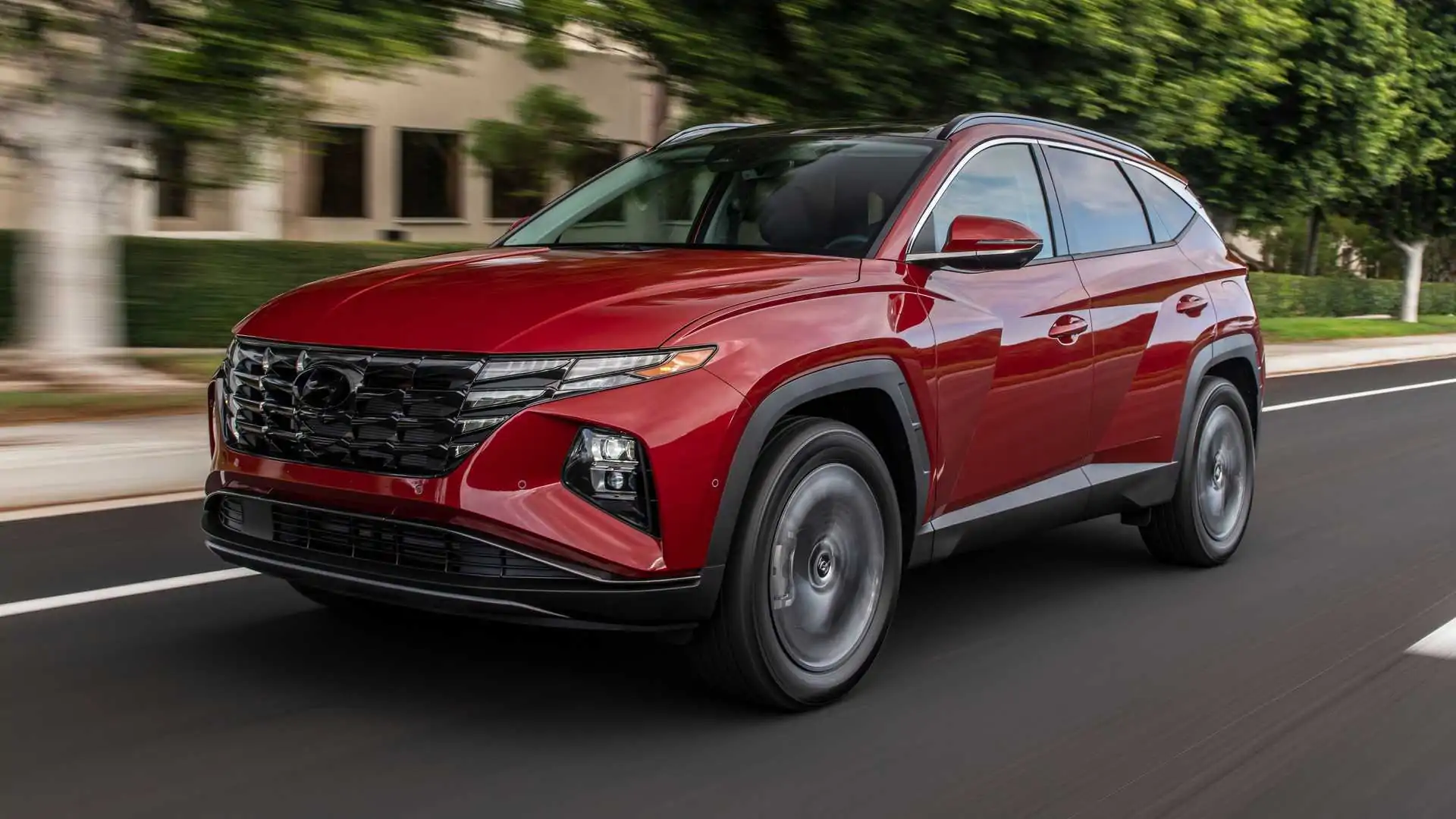
When IIHS retested, the 2023 Tucson earned a “Good” rating. The improvement in head excursion figures was substantial. Hyundai’s ability to move this quickly from a “Marginal” rating to a top score in one model year showcased the engineering depth that the brand had developed. It also signaled Hyundai’s determination to protect its growing reputation in the U.S. safety market.
Specifications:
- Engine: 2.5L GDI 4-cylinder / 1.6L Turbocharged 4-cylinder (Hybrid)
- Horsepower: 187 hp (2.5L) / 226 hp (Hybrid system)
- Torque: 178 lb-ft (2.5L) / 258 lb-ft (Hybrid)
- Length: 182.3 inches
- Width: 73.4 inches
6. Honda Pilot (2023–2024 Structural Update)
The Honda Pilot has long been a staple for families, but when the IIHS introduced its more rigorous side-impact test, the previous-generation Pilot struggled to meet the new performance benchmarks.
In initial testing, the vehicle received “Marginal” ratings, as the test highlighted weaknesses in the door structure and side-impact protection systems when subjected to the heavier, faster-moving barrier.
Honda’s engineering response was comprehensive. For the redesigned 2023 and subsequent 2024 models, engineers focused on structural rigidity, particularly in the B-pillar and the lower door sections, which were identified as critical failure points during the high-energy intrusion tests.
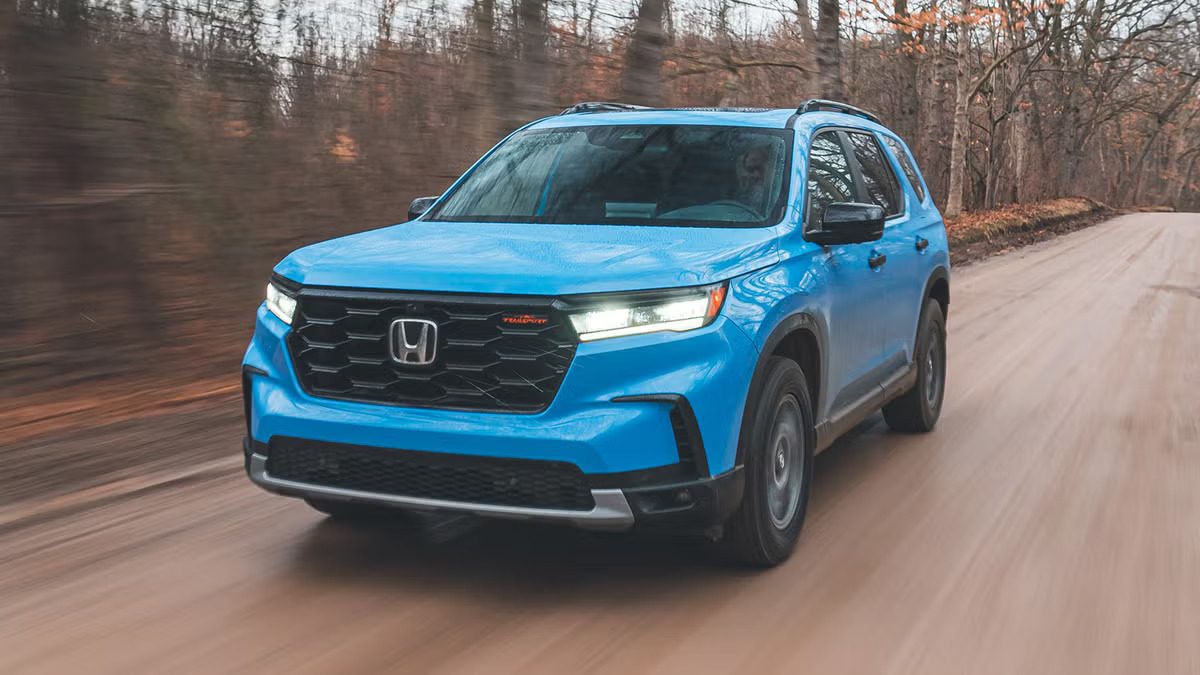
Beyond steel reinforcements, Honda updated the side curtain airbag deployment logic and extended the protective coverage area to ensure the driver’s head was cradled more effectively during a side-impact collision.
By optimizing the energy-dissipation path through the vehicle’s chassis, the team significantly reduced the amount of door intrusion into the passenger cabin.
When re-evaluated under the updated criteria, the newer Pilot models demonstrated a marked improvement in occupant protection, successfully earning top ratings.
This turnaround underscored a shift in Honda’s design philosophy, prioritizing high-load structural resilience to meet the demands of a changing safety testing world.
Specifications:
- Engine: 3.5L V6
- Horsepower: 285 hp
- Torque: 262 lb-ft
- Length: 199.9 inches
- Width: 78.5 inches
7. Tesla Model Y (Safety by Design)
The Tesla Model Y has established itself as one of the world’s best-selling electric vehicles and remains a focal point for automotive safety analysts.
When the Insurance Institute for Highway Safety (IIHS) introduced its updated, more rigorous side-impact protocol which utilizes a heavier barrier traveling at a higher speed to better simulate modern SUV collisions the Model Y proved to be ahead of the curve.
Unlike many vehicles that struggled to meet these stricter requirements, the Model Y earned a “Good” rating the highest possible score during its initial evaluation under the updated protocol. Its performance was not the result of a mid-cycle “redemption” or emergency structural “fix,” but rather the effectiveness of its original engineering.
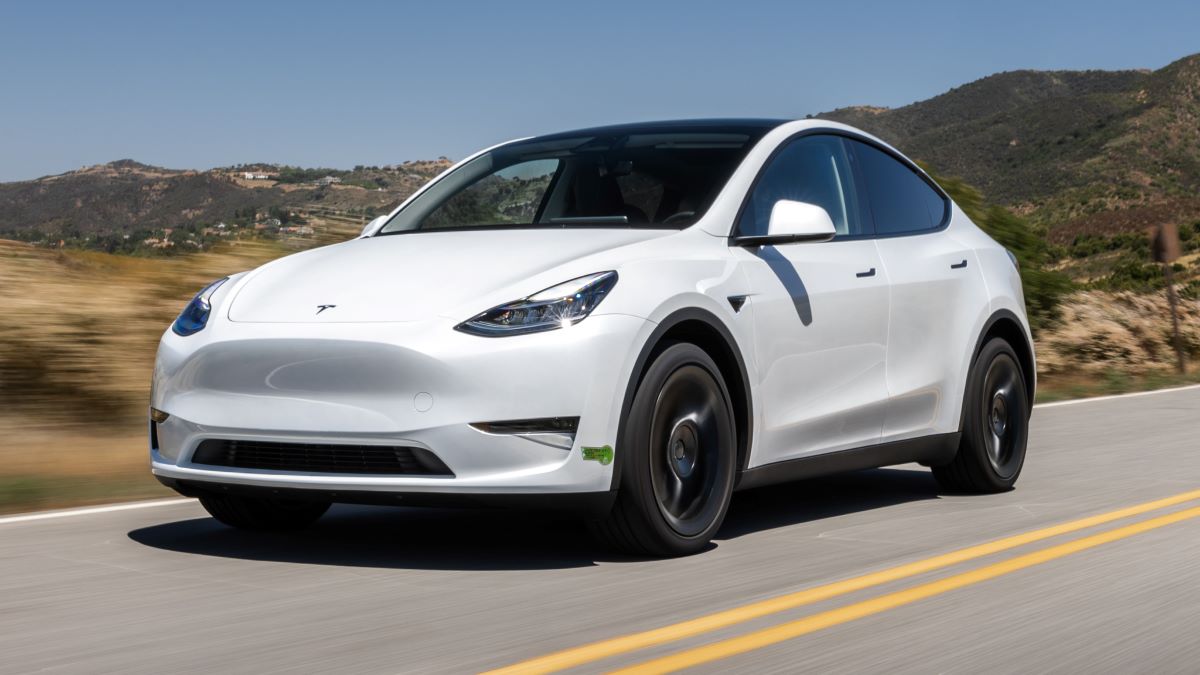
The Model Y is built with a rigid body structure and a fortified battery pack mounted low in the chassis, which acts as a structural foundation. These energy-absorbing side sills and a purpose-built safety cell allow the vehicle to dissipate high-impact forces effectively from the start.
The Model Y’s success in these tests serves as a benchmark for how electric vehicle architecture, with its low center of gravity and integrated structural design, can inherently provide exceptional occupant protection. By performing at a top tier without the need for reactive, post-test modifications, the Model Y demonstrates that safety is a fundamental component of its architecture rather than an afterthought.
Specifications:
- Engine (Motor): Dual Motor All-Wheel Drive Electric
- Horsepower: 384 hp (Long Range AWD) / 456 hp (Performance)
- Torque: 376 lb-ft (Long Range AWD) / 497 lb-ft (Performance)
- Length: 187.0 inches
- Width: 75.6 inches
8. Kia Sportage (Safety by Design)
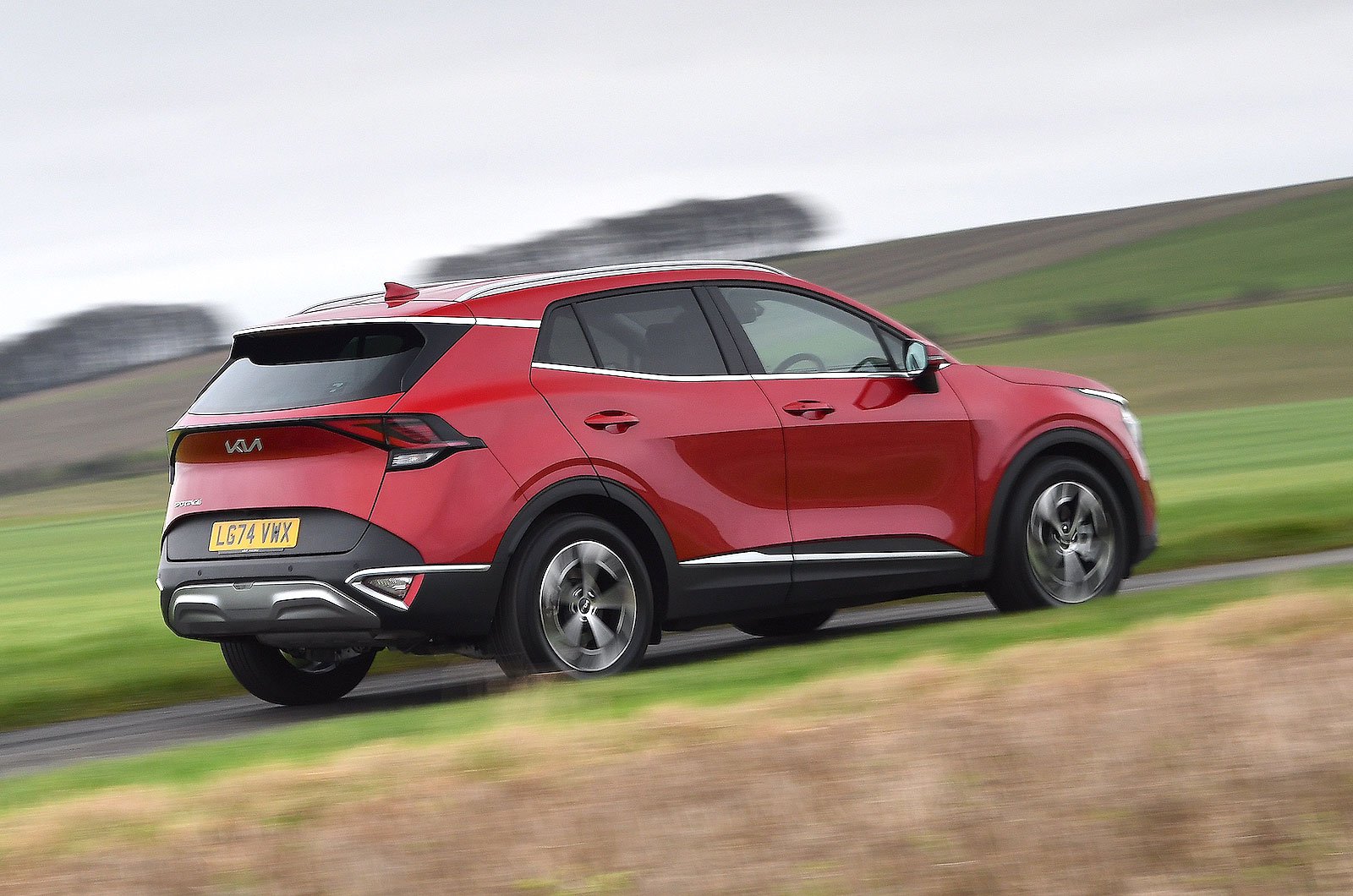
The 2023 Kia Sportage debuted as an all-new generation, underpinned by a redesigned N3 platform engineered to excel under modern safety protocols.
When the IIHS introduced its updated side-impact evaluation which uses a heavier, faster-moving barrier to better simulate the forces of modern SUV collisions the Sportage was ready to perform.
Unlike vehicles that required mid-cycle structural patches to meet the new criteria, the Sportage achieved a “Good” rating in the updated side-impact test upon its initial evaluation.
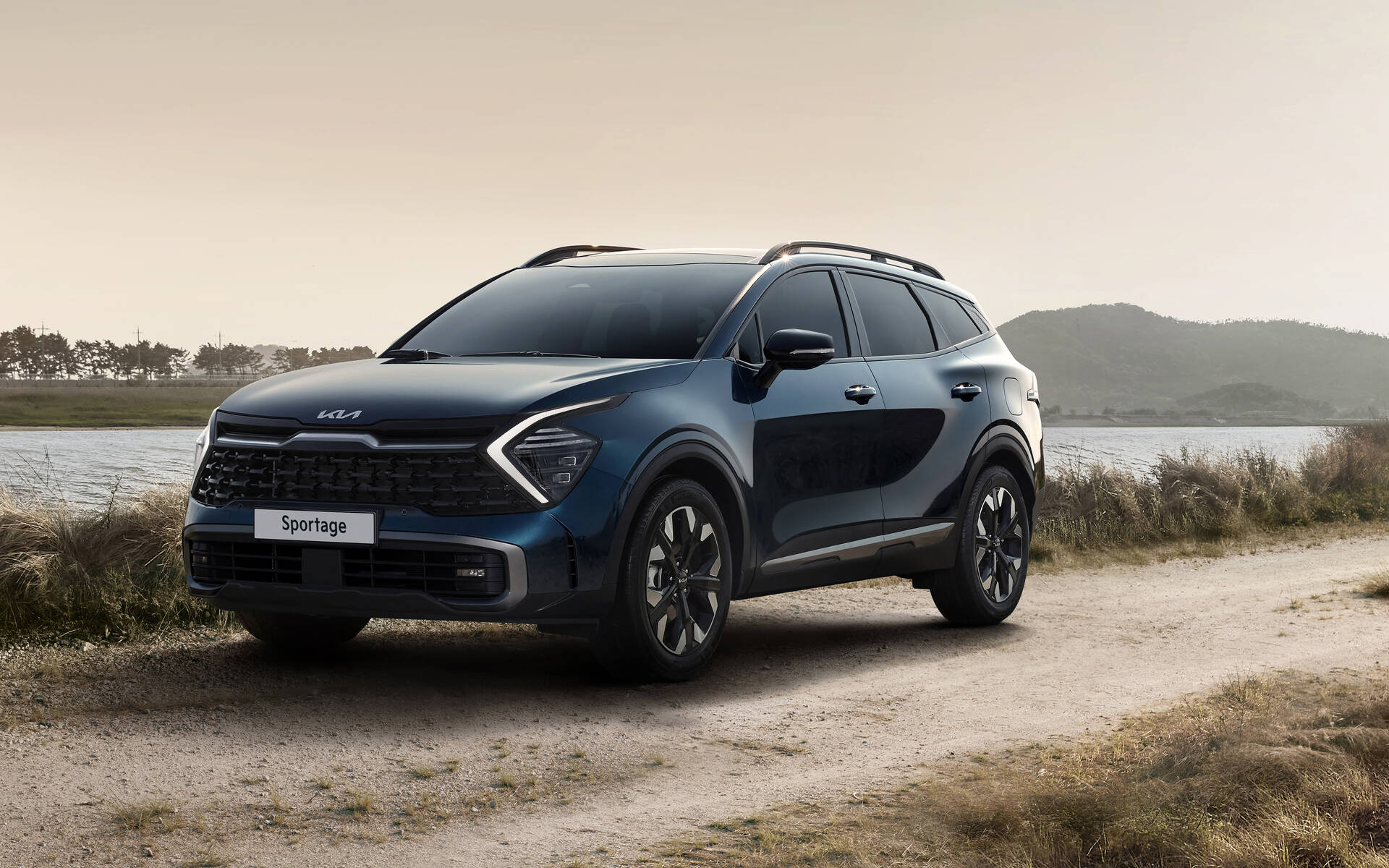 2023 Kia Sportage
This success was not the result of a reactive fix, but rather the outcome of a deliberate “safety-by-design” philosophy. The vehicle’s architecture utilizes high-strength steel in critical load-bearing zones, and the side-curtain airbag systems were integrated during the design phase to provide comprehensive coverage across the window and A-pillar, effectively managing head excursion and occupant protection.
By performing at the top tier of safety without the need for post-test modifications, the Sportage demonstrated that the Hyundai Motor Group’s systemic approach to vehicle safety prioritizing platform-wide structural integrity was highly effective.
For Kia buyers, the 2023 Sportage represented a rare combination of modern styling, affordability, and class-leading protection from the day it arrived in showrooms.
Specifications:
- Engine: 2.5L MPI 4-cylinder / 1.6L Turbocharged 4-cylinder / 1.6L Turbo Hybrid
- Horsepower: 187 hp (2.5L) / 180 hp (1.6T) / 227 hp (Hybrid)
- Torque: 178 lb-ft (2.5L) / 195 lb-ft (1.6T) / 258 lb-ft (Hybrid)
- Length: 176.0 inches
- Width: 73.4 inches
Also Read: How a Single Bad Reliability Year Tanks Resale for a Decade
