
For decades, the manual transmission represented the purest connection between driver and machine. Shifting gears with a clutch pedal demanded skill, rewarded precision, and made every drive feel more engaging.
Performance cars, sports coupes, compact hatchbacks, and even some family sedans once offered manual gearboxes as standard or optional equipment, giving enthusiasts a level of involvement that automatic transmissions simply could not match.
The automotive market, however, has changed dramatically. Modern automatics shift faster, improve fuel efficiency, and work seamlessly with advanced driver assistance systems.
As consumer demand continues moving toward automatic transmissions, manufacturers are finding it increasingly difficult to justify developing and certifying manual gearboxes for shrinking numbers of buyers.
At the same time, the industry’s rapid transition toward hybrid and electric powertrains has accelerated the disappearance of traditional stick shifts.
Several well-known manual-transmission models are now approaching the end of their production runs. Some are being replaced by new generations available only with automatic or electrified drivetrains, while others are disappearing entirely as automakers reshape their product lineups.
For enthusiasts, these vehicles represent some of the final opportunities to purchase a factory-built manual car from brands that have long celebrated driver involvement. Here are eight manual-transmission models that are expected to end production soon, making them increasingly significant for collectors and driving enthusiasts alike.
Also Read: 10 Beginner Motorcycles That Hold Their Value Best
1. Honda Civic Type R
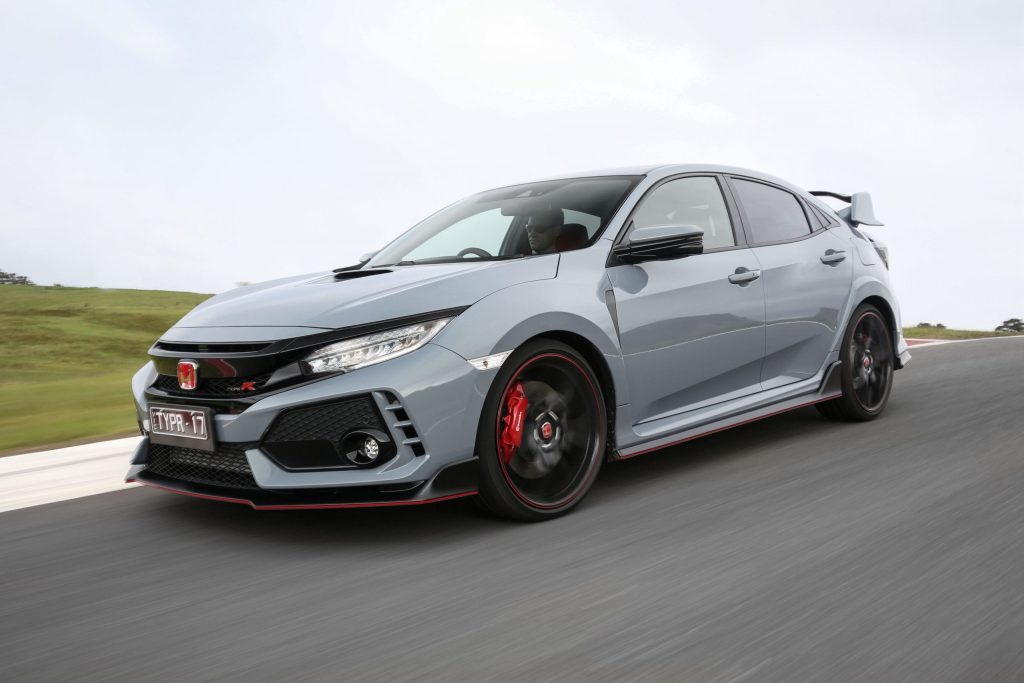
The Honda Civic Type R has become one of the defining front-wheel-drive performance cars of the modern era, and its six-speed manual transmission plays a major role in that reputation.
Rather than chasing outright horsepower alone, Honda engineered a gearbox that delivers short, mechanical throws, a precise clutch, and one of the finest rev-matching systems available in any production vehicle. Every shift encourages the driver to become an active participant instead of simply pressing the accelerator.
Despite its popularity among enthusiasts, the future of the manual Civic Type R is becoming increasingly uncertain. Stricter global emissions standards, expanding electrification programs, and changing consumer preferences are pushing manufacturers toward automatic and hybrid performance models.
While Honda has repeatedly expressed appreciation for enthusiast demand, maintaining a low-volume manual performance variant becomes more challenging as regulations continue evolving across major markets.
Beyond its transmission, the Civic Type R combines everyday practicality with track-ready capability.
The turbocharged engine delivers strong acceleration while the adaptive suspension, limited-slip differential, and responsive steering make the car equally comfortable attacking winding roads or handling daily commuting duties. This balance has helped it build an exceptionally loyal following around the world.
Collectors are already beginning to recognize the importance of the current generation. As more manufacturers discontinue manual transmissions, vehicles that still offer a traditional three-pedal setup become increasingly desirable.
If Honda eventually transitions the Type R toward electrification or an automatic-only configuration, today’s manual examples may represent the closing chapter of a legendary performance formula that has remained remarkably faithful to its enthusiast roots for decades.
Specifications
- Engine: 2.0-liter turbocharged inline-four
- Torque: 310 lb-ft
- Horsepower: 315 hp
- Length/Width: 180.9 in / 74.4 in
2. Nissan Z
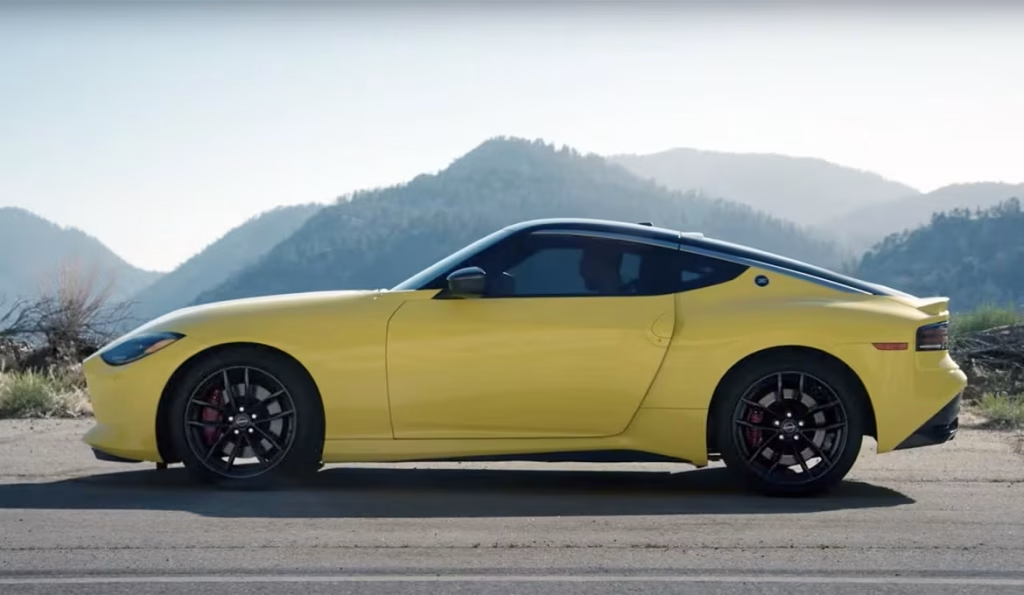
The modern Nissan Z pays tribute to more than five decades of sports car history, and its available six-speed manual transmission serves as one of the strongest links to that heritage.
In an era dominated by sophisticated automatics, Nissan deliberately preserved a traditional driving experience by pairing the twin-turbocharged V6 with a manual gearbox designed for enthusiasts who enjoy complete control over gear selection.
Although the current Z remains relatively new, industry trends suggest that manual sports cars face mounting pressure from tightening emissions regulations and the growing shift toward electrified performance vehicles.
Future generations are widely expected to incorporate hybrid or electric technologies, making it increasingly difficult to retain a conventional manual transmission. As a result, the present model could become one of the final Z cars to offer a factory-installed stick shift.
Driving the manual version delivers a distinctly different personality compared with the automatic alternative. The clutch engagement is progressive, the shifter feels deliberate, and the driver has complete authority over the engine’s broad power band.
That involvement creates a stronger emotional connection during spirited driving, especially on winding roads where careful gear selection enhances both performance and satisfaction.
The Z also stands apart because it embraces classic sports car proportions without relying exclusively on electronic driving aids to create excitement. Its long hood, rear-wheel-drive layout, and manual gearbox combine to preserve characteristics that have gradually disappeared from the marketplace.
As manufacturers continue investing heavily in electric performance vehicles, opportunities to purchase traditional manual sports cars are becoming increasingly rare. The Nissan Z represents one of those opportunities, making it a significant model for enthusiasts who value mechanical engagement as much as acceleration figures.
Specifications
- Engine: 3.0-liter twin-turbocharged V6
- Torque: 350 lb-ft
- Horsepower: 400 hp
- Length/Width: 172.4 in / 72.6 in
3. Toyota GR Corolla
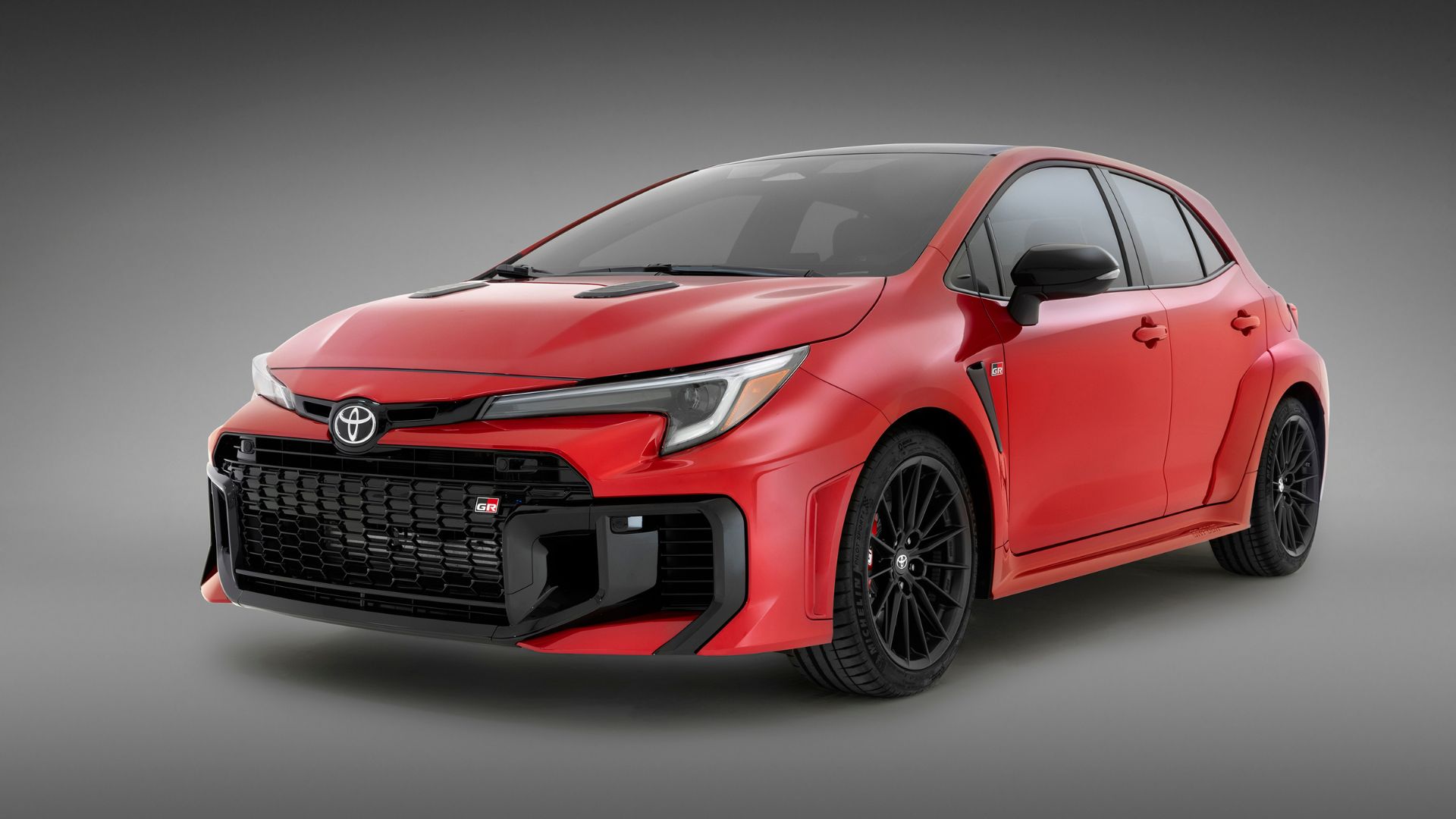
Few modern hot hatches have generated as much enthusiasm as the Toyota GR Corolla. Developed with significant input from Toyota’s Gazoo Racing division, the car was designed from the outset for drivers who value involvement more than convenience.
Every GR Corolla sold in North America is equipped with a six-speed intelligent manual transmission, reinforcing Toyota’s commitment to delivering a genuine enthusiast experience.
The gearbox works in harmony with the turbocharged three-cylinder engine and GR-FOUR all-wheel-drive system, creating a car that feels equally at home on mountain roads and racing circuits.
Its future, however, remains uncertain. The automotive industry is rapidly moving toward hybrid and fully electric performance vehicles, and increasingly strict emissions regulations make it difficult to justify low-volume manual performance models.
Toyota has invested heavily in electrification across its lineup, meaning the current GR Corolla could become one of the final generations to rely entirely on a traditional manual transmission.
Driving the GR Corolla requires active participation. The short-throw shifter, well-weighted clutch pedal, and responsive engine reward smooth inputs, encouraging drivers to perfect their technique instead of depending on automated gear changes.
Unlike many modern performance cars that isolate the driver, this hatchback celebrates mechanical interaction at every opportunity.
The limited production numbers have also increased demand among enthusiasts. Dealers have frequently struggled to keep inventory available, and many buyers have willingly joined waiting lists to secure one.
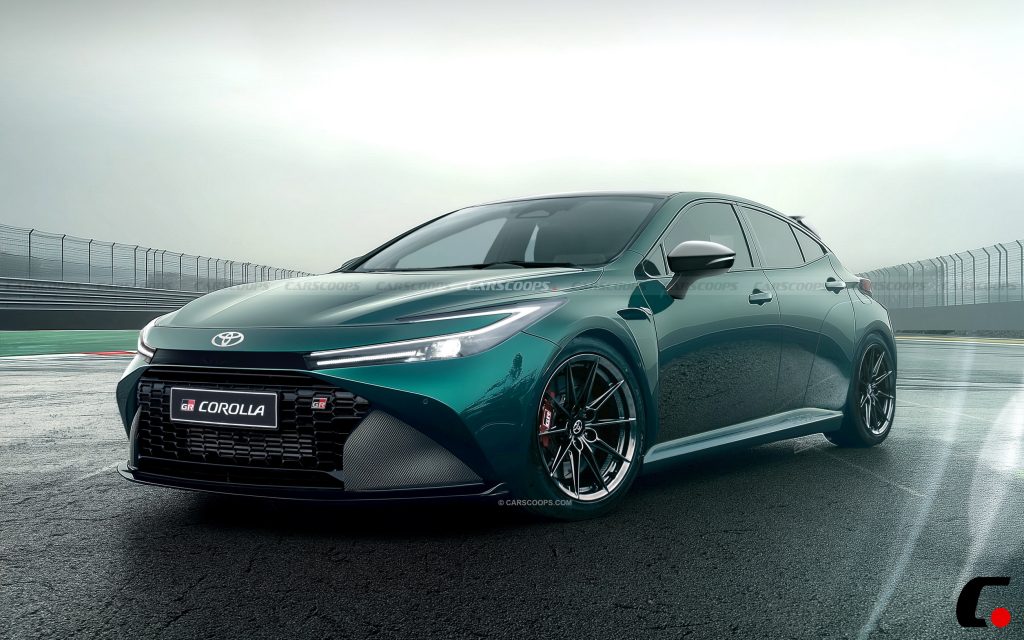
If Toyota eventually replaces the model with an electrified successor, the original manual-equipped GR Corolla is likely to remain an important milestone in the brand’s performance history.
It represents an era when engineering focused not only on speed but also on creating a memorable driving experience through a simple clutch pedal and a precisely engineered gearbox.
Specifications
- Engine: 1.6-liter turbocharged inline-three
- Torque: 273 lb-ft
- Horsepower: 300 hp
- Length/Width: 176.1 in / 72.8 in
4. Acura Integra Type S
Performance luxury cars rarely offer manual transmissions today, making the Acura Integra Type S an increasingly unusual choice. Instead of following competitors that rely exclusively on dual-clutch or conventional automatic gearboxes, Acura equipped its flagship sport compact with a six-speed manual transmission derived from the acclaimed Civic Type R.
The result is a premium hatchback that combines refinement with the kind of driver involvement many manufacturers have abandoned.
The long-term outlook for manual luxury performance cars is becoming less favorable each year. Premium brands are accelerating their transition toward electrified powertrains, where manual transmissions simply have no practical role.
As Acura expands its electric lineup, maintaining a niche manual performance model may become increasingly difficult from both engineering and business perspectives.
Behind the wheel, the Integra Type S delivers a personality that differs from many modern sport sedans. Rather than relying solely on technology to create excitement, it encourages the driver to manage every shift, match engine speed through corners, and make full use of the turbocharged engine’s broad torque curve.
The manual gearbox transforms ordinary commutes into engaging drives while remaining comfortable enough for everyday use.
Another reason the Type S stands out is its balance. It offers upscale materials, generous cargo space, advanced safety technology, and impressive practicality without sacrificing enthusiast appeal.
That combination has become increasingly uncommon as manufacturers simplify product lineups and reduce manual transmission availability.
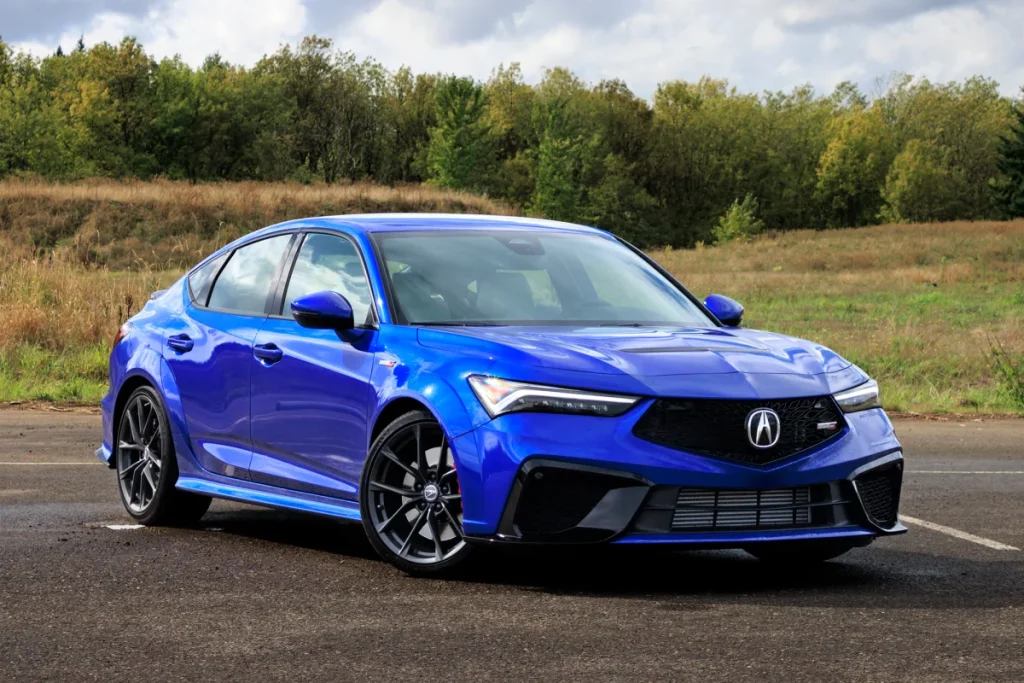
If future performance models transition toward hybrid or fully electric platforms, the current Integra Type S may be remembered as one of Acura’s last vehicles to deliver a traditional three-pedal driving experience.
For enthusiasts seeking both comfort and genuine mechanical engagement, it could represent one of the final opportunities to own a manual luxury sport compact from the brand.
Specifications
- Engine: 2.0-liter turbocharged inline-four
- Torque: 310 lb-ft
- Horsepower: 320 hp
- Length/Width: 185.8 in / 74.8 in
5. Subaru WRX
Long before turbocharged sport sedans became mainstream, the Subaru WRX earned its reputation through rally-inspired engineering and a standard manual transmission.
Even today, the six-speed manual remains the preferred choice for many enthusiasts because it complements the WRX’s symmetrical all-wheel-drive system and responsive turbocharged boxer engine.
The combination creates a driving experience that rewards timing, precision, and confidence on everything from winding back roads to snow-covered highways.
Despite its loyal following, the manual WRX faces the same challenges affecting nearly every performance vehicle with three pedals. Emissions regulations continue tightening across global markets, while Subaru is investing heavily in hybrid and electric technologies.
As the company adapts its lineup for the future, maintaining a dedicated manual transmission for a relatively small group of buyers becomes increasingly difficult.
What separates the WRX from many competitors is its versatility. It is equally capable of serving as a practical daily commuter and an entertaining weekend performance car.
The manual gearbox enhances that dual personality by allowing drivers to choose exactly how they want to use the engine’s broad torque curve. Every shift contributes to the experience instead of going unnoticed in the background.
Enthusiasts also appreciate the WRX because it has remained faithful to its original formula. While many rivals have become larger, heavier, and more dependent on electronic systems, Subaru has continued offering a traditional manual option that keeps the driver actively engaged throughout every journey.
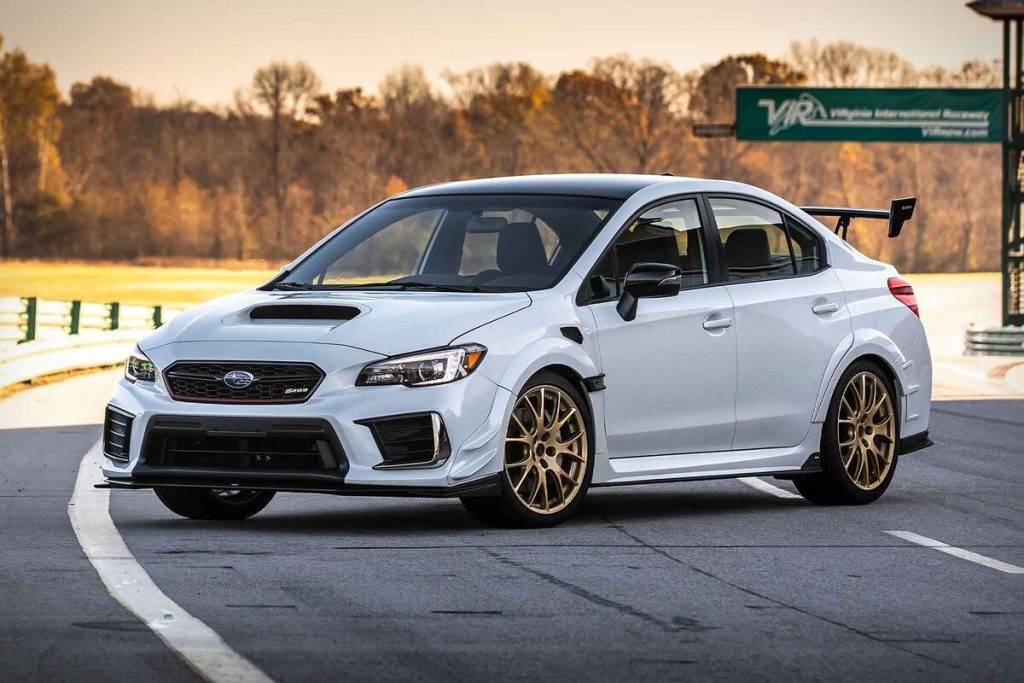
Should Subaru eventually transition the WRX toward electrification or discontinue the manual entirely, the current generation will likely become an important chapter in the model’s history. It represents one of the remaining affordable performance sedans where driver skill still plays a central role in extracting the car’s full potential.
Specifications
- Engine: 2.4-liter turbocharged flat-four
- Torque: 258 lb-ft
- Horsepower: 271 hp
- Length/Width: 183.8 in / 71.9 in
6. Ford Mustang GT
Few vehicles symbolize American performance as completely as the Ford Mustang GT. While automatic transmissions account for a growing share of sales, the available six-speed manual continues to attract enthusiasts who believe a V8-powered muscle car deserves a clutch pedal.
The naturally aspirated engine, rear-wheel-drive layout, and traditional gearbox combine to deliver an experience that has defined the Mustang for generations.
The future of manual transmissions within the performance car segment is becoming increasingly uncertain. Ford has expanded its electrification strategy and already introduced battery-powered performance vehicles alongside its traditional lineup.
As emissions standards become more demanding and automatic transmissions continue improving, manual-equipped V8 cars may gradually disappear from production.
Driving the manual Mustang GT requires deliberate inputs that cannot be replicated by software. Smooth clutch operation, carefully timed shifts, and proper throttle control all contribute to the car’s character.
Rather than focusing solely on acceleration numbers, the manual encourages drivers to appreciate the rhythm and mechanical involvement that have long been associated with classic muscle cars.
The Mustang GT also occupies a unique position in today’s market because relatively few manufacturers still offer naturally aspirated V8 engines paired with manual transmissions.
That rarity increases its appeal among collectors who recognize that future performance vehicles are likely to rely on turbocharging, hybrid assistance, or fully electric propulsion.
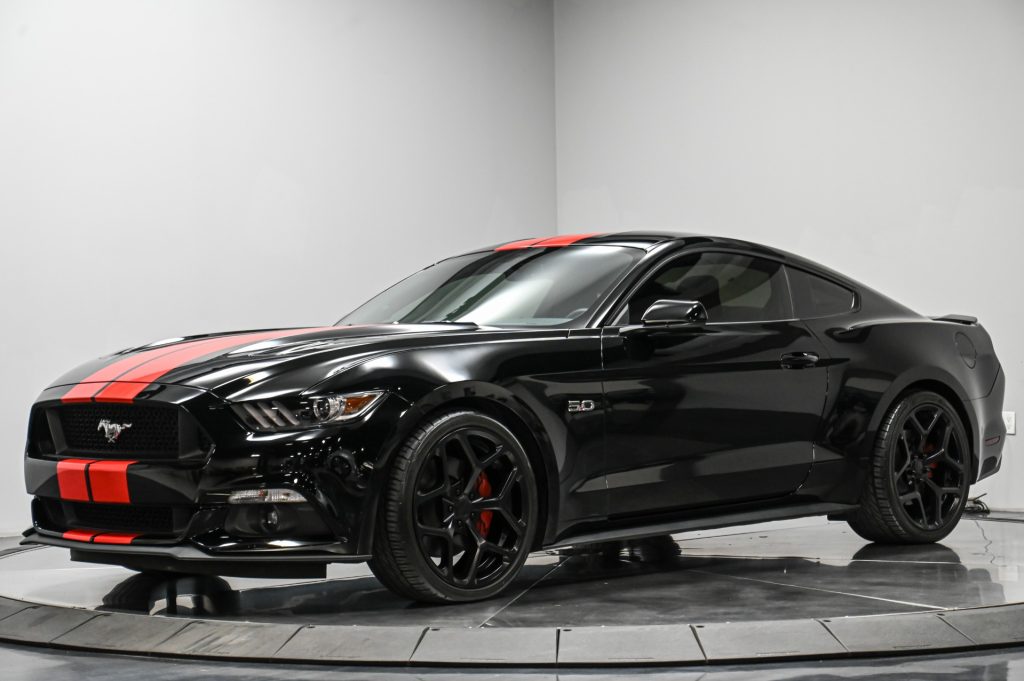
If the industry continues moving away from internal combustion engines, the current manual Mustang GT may become one of the last opportunities to purchase a factory-built American V8 sports coupe with a traditional stick shift.
Its significance extends well beyond horsepower figures, representing decades of performance heritage that may soon become history.
Specifications
- Engine: 5.0-liter naturally aspirated V8
- Torque: 418 lb-ft
- Horsepower: 480 hp
- Length/Width: 189.4 in / 75.4 in
7. Mazda MX-5 Miata
The Mazda MX-5 Miata has remained remarkably faithful to its original philosophy for more than three decades. Instead of relying on massive horsepower or complicated technology, it focuses on light weight, balanced handling, and a manual transmission that encourages drivers to become part of the driving experience.
The six-speed gearbox is widely regarded as one of the finest in the industry, offering crisp engagement, short throws, and a mechanical feel that has helped define the Miata’s character across multiple generations.
Even with its devoted fan base, the roadster faces an uncertain future as the automotive industry moves toward electrification.
Mazda has publicly committed to expanding hybrid and electric vehicles throughout its lineup, and future emissions requirements will make it increasingly difficult for small-volume sports cars with manual transmissions to remain economically viable.
Although Mazda has expressed its desire to preserve the MX-5’s lightweight spirit, significant changes are expected as regulations become stricter.
What makes the Miata unique is the way it transforms ordinary roads into memorable experiences. Drivers do not need extraordinary speeds to appreciate its capabilities. Instead, every shift, every corner, and every throttle input contribute to a sense of involvement that many modern performance cars struggle to match.
The manual transmission sits at the center of that experience, allowing drivers to fully appreciate the naturally aspirated engine’s responsive nature.
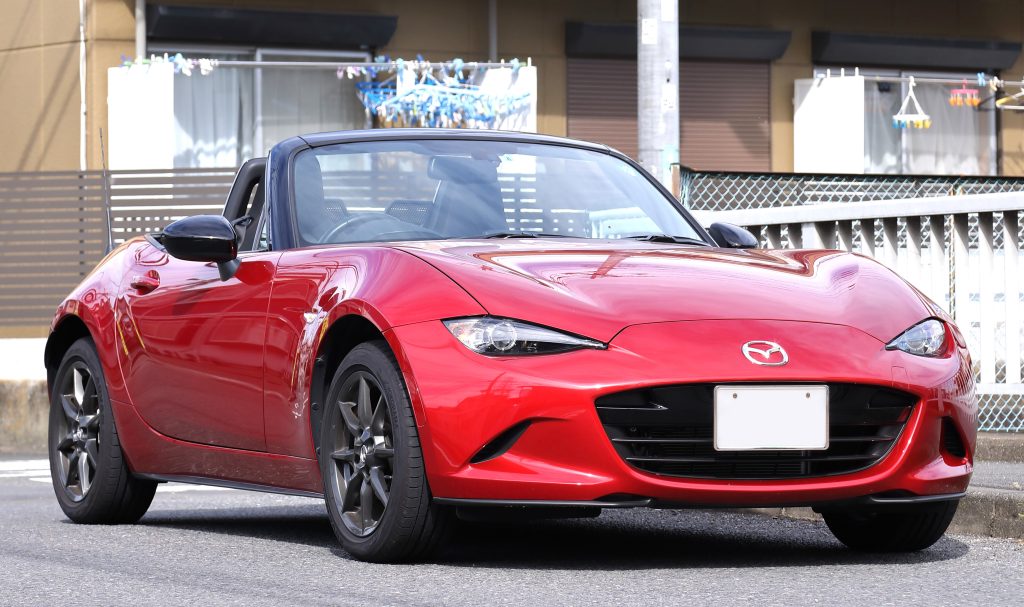
The Miata has also become one of the most successful sports cars in automotive history, attracting everyone from first-time enthusiasts to experienced racers.
If a future generation adopts hybrid assistance or eliminates the manual gearbox, today’s model could represent the final expression of the lightweight, naturally aspirated formula that has defined the MX-5 since its introduction. That possibility has already begun increasing interest among buyers who value traditional sports car engineering.
Specifications
- Engine: 2.0-liter naturally aspirated inline-four
- Torque: 151 lb-ft
- Horsepower: 181 hp
- Length/Width: 154.1 in / 68.3 in
8. Porsche 718 Cayman GTS 4.0
The Porsche 718 Cayman GTS 4.0 occupies a special place in today’s performance car market because it delivers an experience that is becoming increasingly uncommon.
Beneath its sleek body sits a naturally aspirated flat-six engine paired with an available six-speed manual transmission, creating a combination that appeals directly to driving enthusiasts.
Rather than depending solely on technology to maximize speed, the Cayman rewards precision, patience, and skill every time the driver selects a gear.
Its future is already becoming clear. Porsche has confirmed that the current gasoline-powered 718 Cayman and Boxster lineup is approaching the end of production as the company prepares an electric successor.
That transition means the manual-equipped GTS 4.0 is expected to become one of the final mid-engine Porsche sports cars powered by an internal combustion engine. For enthusiasts, this marks the conclusion of an important chapter in the brand’s history.
Driving the manual Cayman feels purposeful from the moment the clutch is released. The naturally aspirated engine builds power smoothly through the rev range, encouraging drivers to use every gear instead of relying on abundant low-end torque.
Combined with near-perfect chassis balance and exceptionally precise steering, the manual gearbox creates an experience that remains rewarding whether driving through mountain roads or enjoying a relaxed weekend journey.
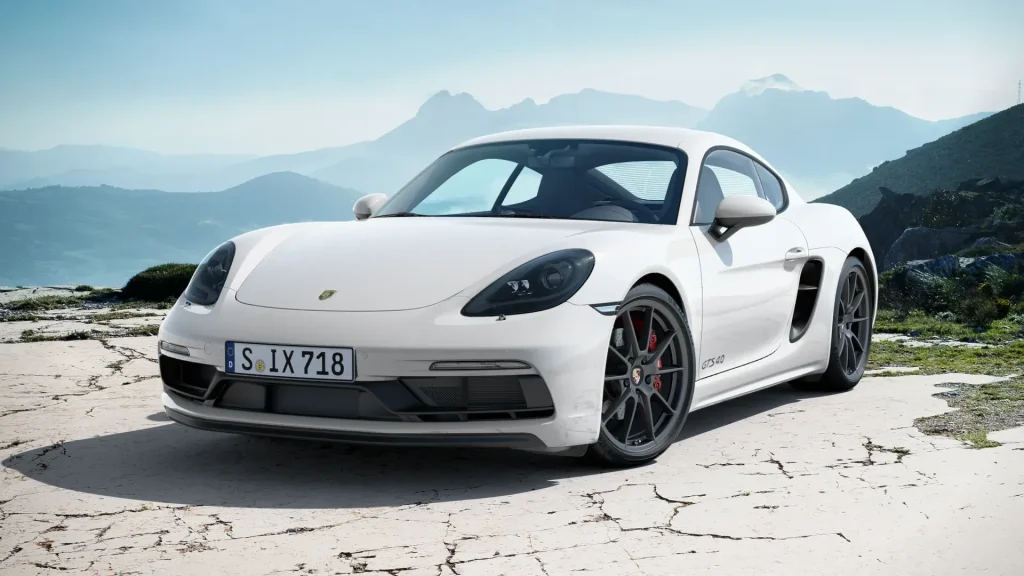
Collectors have already begun recognizing the significance of the current model. As the industry shifts toward electric propulsion, vehicles that combine a naturally aspirated engine, manual transmission, and mid-engine layout are becoming exceptionally rare.
The 718 Cayman GTS 4.0 is therefore more than simply another sports car. It represents one of the last opportunities to own a Porsche that celebrates traditional mechanical engagement before the next generation embraces a fully electric future.
Specifications
- Engine: 4.0-liter naturally aspirated flat-six
- Torque: 309 lb-ft
- Horsepower: 394 hp
- Length/Width: 173.4 in / 70.9 in
Also Read: 10 Vehicles With the Largest Standard Touchscreens in 2026
