
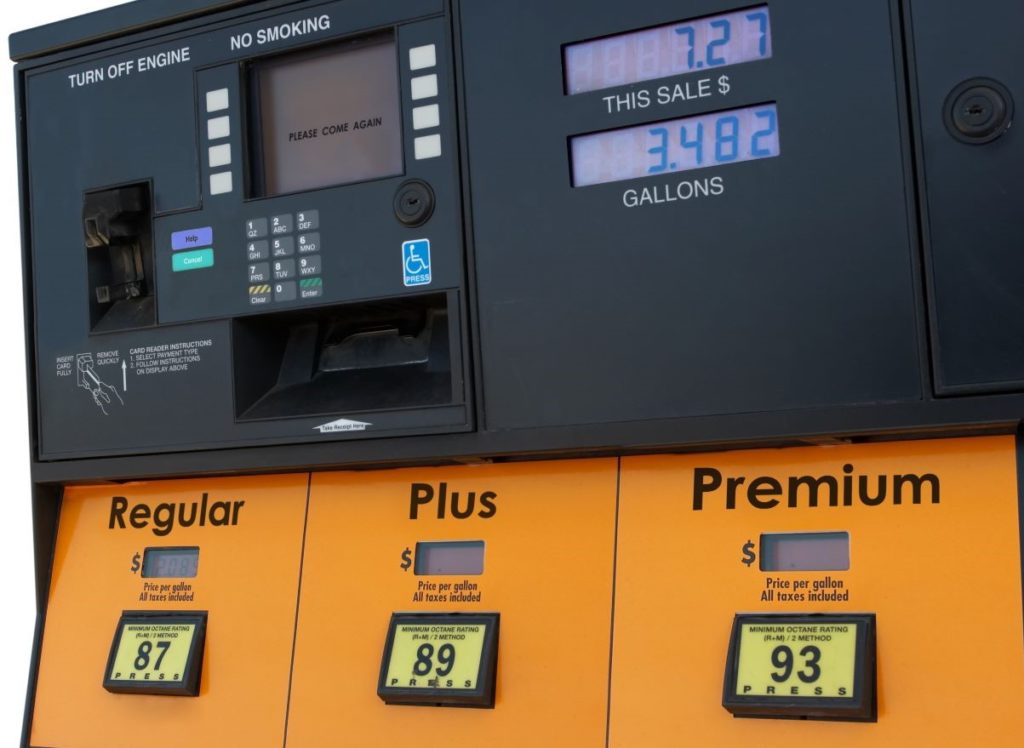
Walk into almost any gas station, and you’ll see multiple fuel choices lined up side by side. Regular, mid-grade, and premium gasoline all promise quality fuel, while many premium brands advertise additional cleaning agents that claim to protect your engine and improve performance.
These marketing messages have led many drivers to believe that simply filling up with premium gasoline will clean their engine, restore lost power, or even solve rough-running problems.
The reality is more complicated. Premium gasoline can help certain engines perform as designed, but it is not a miracle cleaner, nor does it automatically make every engine run better.
In many vehicles, using premium fuel instead of regular provides little to no measurable benefit, while in others, it is necessary to prevent engine knocking and maintain peak performance.
Understanding the difference between octane rating and detergent additives is the key to separating fact from fiction. Premium gasoline does contain cleaning additives, but so does regular gasoline.
Whether premium fuel actually cleans your engine depends on the fuel brand, the engine design, and the condition of the vehicle.
Also Read: What It Actually Costs to Charge an EV at Home vs a Public Fast Charger
What Does “Premium” Actually Mean?
The biggest difference between regular and premium gasoline is the octane rating. In the United States, common octane ratings include:
- Regular: 87 octane
- Mid-grade: 89 to 90 octane
- Premium: 91 to 93 octane
Octane does not measure fuel quality or energy content. Instead, it measures the fuel’s resistance to engine knock, also known as pre-ignition or detonation.
Higher-octane gasoline can withstand greater compression before igniting. That makes it essential for engines designed with the following:
- High compression ratios
- Turbochargers
- Superchargers
- Advanced ignition timing
For engines that require premium fuel, the higher octane helps maintain both performance and efficiency.
Premium Fuel Does Not Automatically Contain More Energy
One of the most common misconceptions is that premium gasoline contains more power. It does not.
A gallon of premium gasoline contains roughly the same amount of chemical energy as a gallon of regular gasoline.
If an engine is designed for regular fuel, switching to premium usually produces the following:
- No noticeable horsepower increase
- Little or no improvement in fuel economy
- No additional acceleration
Modern engine computers adjust ignition timing based on the fuel being used. Unless the engine was specifically engineered to benefit from higher octane, premium gasoline offers little measurable performance advantage.
Every Grade Already Contains Cleaning Additives
Federal regulations require all gasoline sold in the United States to contain detergent additives. These detergents help reduce deposits on:
- Fuel injectors
- Intake valves
- Combustion chambers
Without these additives, carbon deposits would accumulate much more rapidly. This means regular gasoline already provides basic cleaning performance. Premium gasoline is not the only fuel containing detergents.
The misconception comes from advertising that emphasizes enhanced cleaning formulas found in certain premium fuels.
Some premium brands do include more detergents.
Although every gasoline grade must meet minimum federal detergent standards, several fuel companies voluntarily exceed those requirements.
Many brands participate in the Top Tier™ gasoline program, which specifies higher detergent levels than federal regulations require. Importantly, Top Tier fuel is available in both regular and premium grades.
That means:
Top Tier regular often contains the same enhanced detergent package as Top Tier premium.
The difference between grades is primarily octane, not cleaning ability.
In other words, buying premium fuel from a Top Tier station does not necessarily provide more cleaning than buying that same brand’s regular gasoline.
Can Gasoline Clean Existing Carbon Deposits?
To a limited extent, yes. Fuel detergents help prevent new deposits from forming and may gradually reduce light deposits inside the fuel system.
However, they cannot remove heavy carbon buildup that has accumulated over many years. Serious carbon deposits often require the following:
- Professional induction cleaning
- Intake valve cleaning
- Mechanical carbon removal
- Specialized chemical treatments
Drivers expecting several tanks of premium gasoline to restore a neglected engine are usually disappointed. Fuel detergents work best as preventative maintenance rather than corrective repairs.
Direct-Injection Engines Are Different
Modern direct-injection engines introduce another complication. Unlike traditional port fuel injection, direct injection sprays fuel directly into the combustion chamber.
As a result:
- Gasoline never washes over the intake valves.
- Fuel detergents cannot clean intake valve deposits.
Oil vapors from the crankcase ventilation system gradually accumulate on intake valves instead.
This explains why some direct-injection engines require intake valve cleaning despite using high-quality gasoline for their entire lives. Premium fuel cannot prevent this particular type of carbon buildup.
When Premium Fuel Is Absolutely Necessary
Some engines genuinely require premium gasoline. Manufacturers specify higher octane because these engines operate under conditions that would cause regular gasoline to knock.
Examples include many:
- Luxury vehicles
- Sports cars
- Turbocharged engines
- High-performance SUVs
Using regular gasoline in these engines may cause the following:
- Reduced horsepower
- Lower fuel economy
- Slower acceleration
- Increased engine knock
Modern engine management systems usually protect the engine by reducing ignition timing. The vehicle continues operating safely but often with reduced performance.
Using Premium in a Regular-Fuel Car
If your owner’s manual recommends regular gasoline, using premium is generally harmless. However, it usually provides no meaningful benefit.
Most drivers will notice the following:
- No increase in horsepower
- Minimal fuel economy improvement
- Similar engine smoothness
- No dramatic cleaning effect
The additional money spent on premium fuel rarely produces enough measurable benefit to justify the cost. Following the manufacturer’s recommendation remains the most economical choice.
Fuel Quality Matters More Than Octane
Choosing a reputable fuel supplier often matters more than choosing premium gasoline.
High-quality gasoline helps maintain:
- Fuel injector cleanliness
- Combustion efficiency
- Long-term reliability
Using fuel from stations with high turnover also reduces the likelihood of contamination from water or aging gasoline.
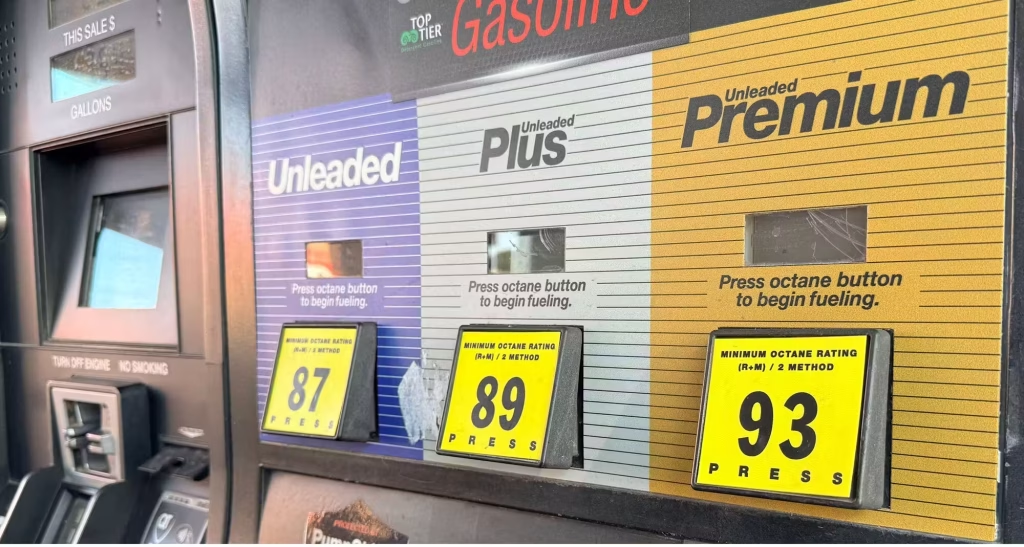
Regular fuel from a reputable supplier is generally preferable to premium fuel from a poorly maintained station.
Other Factors Keep Engines Clean
Fuel is only one part of engine cleanliness. Long-term engine health also depends on:
- Regular oil changes
- Correct engine oil
- Air filter replacement
- Spark plug maintenance
- Cooling system maintenance
Ignoring these maintenance items while relying solely on premium gasoline will not prevent engine deposits or mechanical wear. Proper maintenance remains far more important than fuel grade alone.
Fuel System Cleaners Can Be More Effective
If deposits become a concern, dedicated fuel system cleaners often provide greater cleaning ability than simply switching fuel grades. Many products contain concentrated detergents specifically formulated to clean:
- Fuel injectors
- Combustion chambers
- Fuel system components
When used according to the manufacturer’s recommendations, they may remove deposits more effectively than the relatively small detergent concentrations present in gasoline.
However, they still cannot repair mechanical problems or severe carbon accumulation.
What About Fuel Economy?
Some drivers report slightly better fuel economy with premium gasoline. Whether those savings offset the higher fuel price depends entirely on the vehicle.
Engines designed for premium may achieve their intended efficiency. Engines designed for regular use show little measurable improvement.
Paying significantly more for fuel to gain only a fraction of a mile per gallon rarely produces full savings. The economics usually favor using the fuel recommended by the manufacturer.
So, Does Premium Gas Clean Your Engine?
Yes, but not because it is premium. The cleaning comes from detergent additives, not the higher octane rating.
Since regular gasoline also contains detergents, and many Top Tier brands include enhanced detergent packages across all grades, premium gasoline is not automatically a better engine cleaner.
Its primary purpose remains preventing knock in engines designed for higher-octane fuel. Any cleaning benefit is generally similar across fuel grades from the same high-quality brand.
Premium gasoline does help keep engines clean, but it is not the higher octane that provides the benefit. Cleaning comes from detergent additives that are also found in regular gasoline, particularly when purchased from top-tier certified fuel brands.
While premium fuel is essential for vehicles specifically designed to run on higher octane, it does not magically remove heavy carbon deposits, restore lost performance, or improve horsepower in engines built for regular gasoline.
The best approach is simple: use the octane rating recommended in your owner’s manual and purchase fuel from reputable brands with strong detergent packages. Combined with regular maintenance, quality gasoline will help keep your engine running efficiently for years.
For most drivers, spending extra on premium fuel solely for its perceived cleaning ability offers little advantage over using high-quality regular gasoline that already meets the engine’s requirements.
Also Read: Is Buying a Higher Trim Level Worth It for Resale Value?
