
Modern vehicles are no longer just machines for transportation. They are increasingly becoming data-generating devices on wheels. Every time a driver starts the engine, uses GPS navigation, connects a smartphone, or activates a voice assistant, the car begins to collect and process information.
One of the most sensitive categories of this data is trip history, which includes where a vehicle has been, how long it stayed at each location, the routes taken, driving behavior patterns, and sometimes even passenger-related interactions through connected apps.
Over the past decade, the automotive industry has shifted toward connected car ecosystems. These systems rely on internet connectivity, cloud platforms, and mobile applications to deliver features like remote start, real-time traffic updates, emergency assistance, and predictive maintenance alerts.
While these services improve convenience and safety, they also open the door to large-scale data-sharing practices. In many cases, trip data may be shared with third parties such as mapping providers, insurance companies, analytics firms, marketing partners, or technology vendors that support the vehicle’s digital infrastructure.
It is important to understand that most modern vehicles do not share trip history in a single uniform way. Instead, data sharing depends on multiple factors including the manufacturer’s privacy policy, the region where the vehicle is sold, user consent settings, and whether connected services are enabled.
In some cases, drivers actively opt in through mobile apps or infotainment systems. In other cases, certain types of data sharing may be included by default unless manually disabled.
As vehicles become more integrated with smartphones and cloud-based ecosystems, concerns about privacy have grown significantly. Drivers are increasingly asking what happens to their driving data and who can access it. Regulatory bodies in different countries have started to introduce guidelines around data transparency, but enforcement and clarity still vary widely.
This article explores eight well-known cars and automotive ecosystems that are associated with trip data collection and potential sharing with third parties. The focus is not on accusing any brand of misuse, but rather on explaining how connected vehicle systems operate in the real world.
Each of these vehicles belongs to a larger digital ecosystem where trip history may be processed for navigation, diagnostics, user experience improvement, and external service integration.
Understanding these systems is important for any driver who values privacy. By becoming aware of how trip data flows through modern automotive networks, consumers can make more informed decisions about which services to enable, what permissions to grant, and how to manage their digital footprint while driving.
Also Read: 10 Beginner Motorcycles That Hold Their Value Best
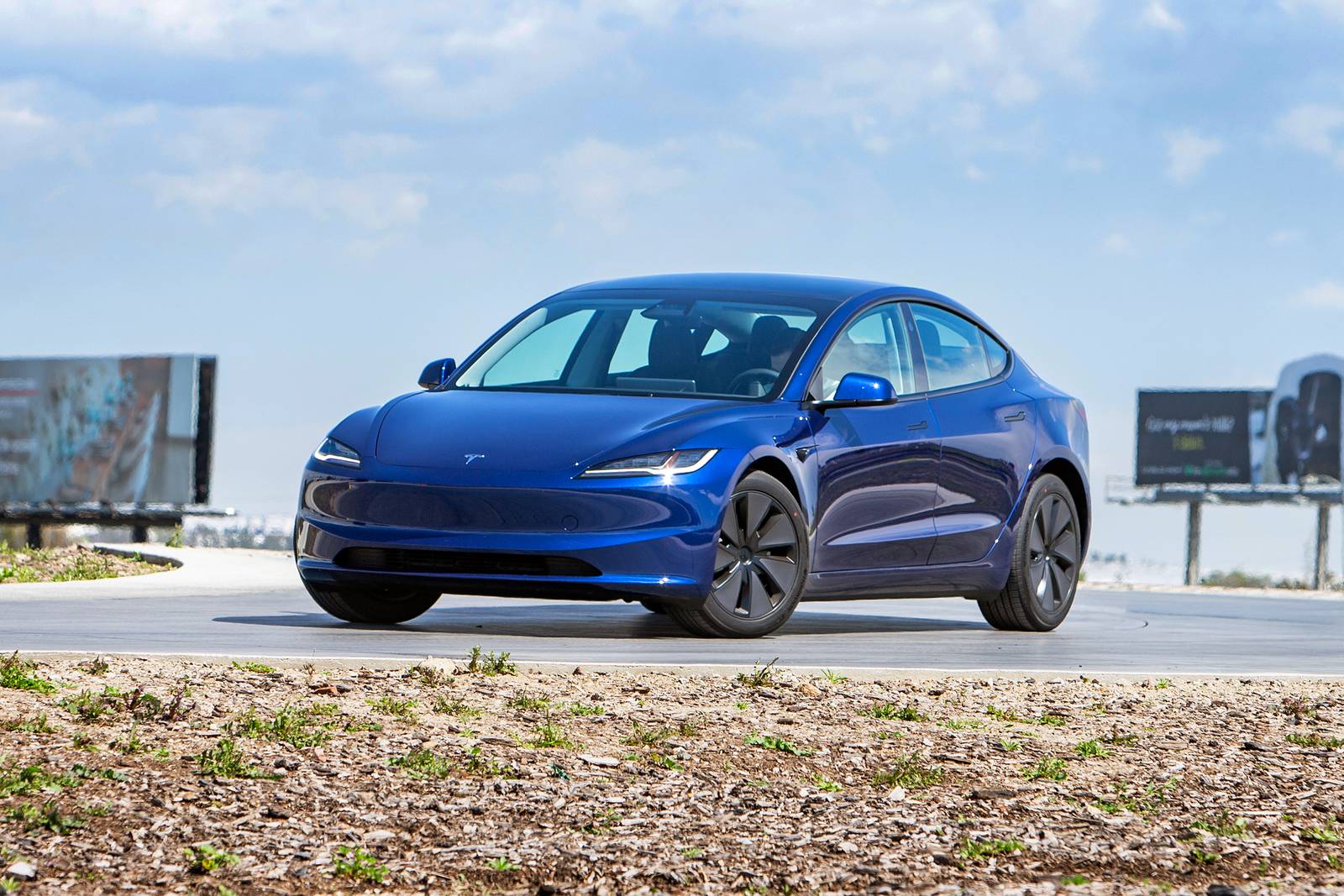
- Engine: Dual motor electric (Long Range AWD) or single motor (RWD variant)
- Horsepower: ~283 hp (RWD), ~394 hp (Long Range AWD)
- Torque: ~420 Nm (varies by variant, instant electric torque)
- Length: ~4,720 mm (185.8 inches approx)
- Width: ~1,850 mm (72.8 inches approx, without mirrors)
1. Tesla Model 3 Ecosystem
The Tesla Model 3 is one of the most data-intensive consumer vehicles available today, largely because it is designed as a software-driven electric car rather than a traditional mechanical vehicle.
From the moment the car is activated, it begins collecting a wide range of driving and trip-related information. This includes GPS location history, route selection, speed patterns, braking intensity, and detailed telemetry related to driver assistance features such as Autopilot and Full Self-Driving (when enabled).
A major reason Tesla collects trip data is to improve its autonomous driving systems. The company relies on a large global fleet learning approach, where data from millions of real-world trips helps train and refine machine learning models.
While Tesla states that much of this data is anonymized and aggregated, it still originates from individual trip histories that are processed through Tesla’s cloud infrastructure. This allows the system to learn how drivers behave in different environments such as highways, urban streets, and rural roads.
Tesla also integrates trip history into its mobile application, where users can view detailed driving summaries. These often include distance traveled, energy consumption, and route efficiency. While this is useful for drivers who want to optimize charging and travel planning, it also means that detailed travel behavior is stored digitally over time.
In terms of third-party sharing, Tesla primarily uses data internally for development and service optimization. However, external service providers involved in mapping, cloud storage, and software infrastructure may process portions of this data.
The ecosystem is tightly controlled, but because it is heavily cloud-based, data does move through multiple digital layers beyond the physical car itself.
Tesla allows drivers to adjust some data sharing preferences, but certain data collection is required for core functionality such as navigation, safety features, and system updates. This makes the Tesla Model 3 one of the most connected and continuously learning vehicles on the road today.
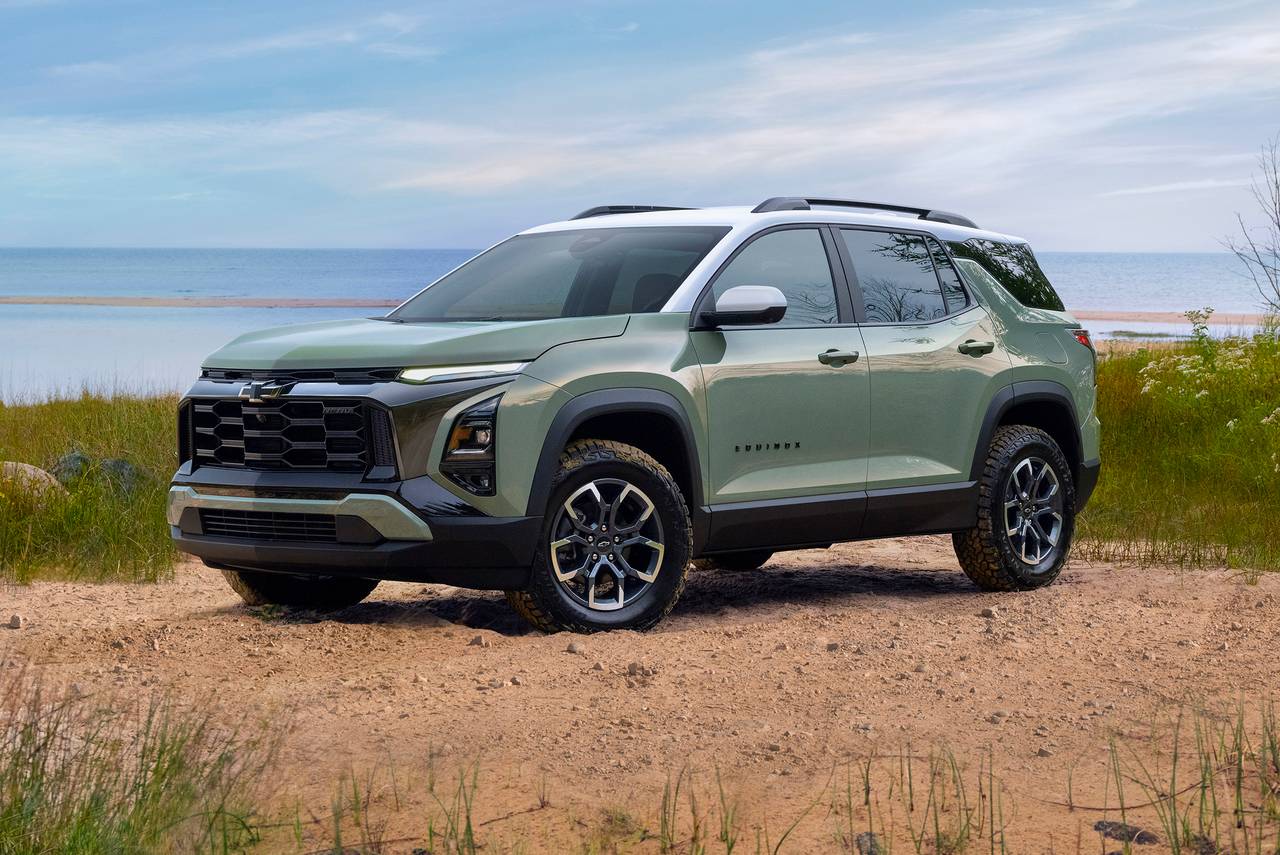
- Engine: 1.5L turbocharged 4-cylinder
- Horsepower: ~175 hp
- Torque: ~275 Nm (203 lb-ft)
- Length: ~4,651 mm (183.1 inches)
- Width: ~1,842 mm (72.6 inches)
2. Chevrolet Equinox Connected Services
The Chevrolet Equinox is part of General Motors’ broader connected vehicle ecosystem, which relies heavily on the OnStar platform.
This system is designed to provide safety, security, and convenience features, but it also involves the continuous collection of trip history and vehicle location data. Every journey taken in a connected Equinox can be recorded, including start and end points, route paths, and duration of travel.
One of the main purposes of this data collection is emergency response. In the event of a collision or breakdown, OnStar systems can automatically transmit location data to emergency services.
This feature has been widely promoted as a safety benefit, especially in remote or high-risk areas. However, it also means that the vehicle is constantly capable of sharing precise location data with external service providers when needed.
Trip history is also used for navigation and route assistance. The system can analyze past driving behavior to suggest frequent destinations or optimize routes based on traffic conditions. This makes driving more efficient but also creates a detailed record of user movement patterns stored in GM’s cloud systems.
GM uses aggregated and anonymized driving data from vehicles like the Equinox for product development and traffic analysis. This data can help improve future vehicle design, infotainment systems, and even road safety research. While this is generally not tied directly to individual identities, it is still derived from real trip histories.
Drivers can manage certain privacy settings through the vehicle interface or mobile app, but full functionality of OnStar services typically requires ongoing data sharing. This balance between safety features and data privacy is a key part of the Equinox connected experience.
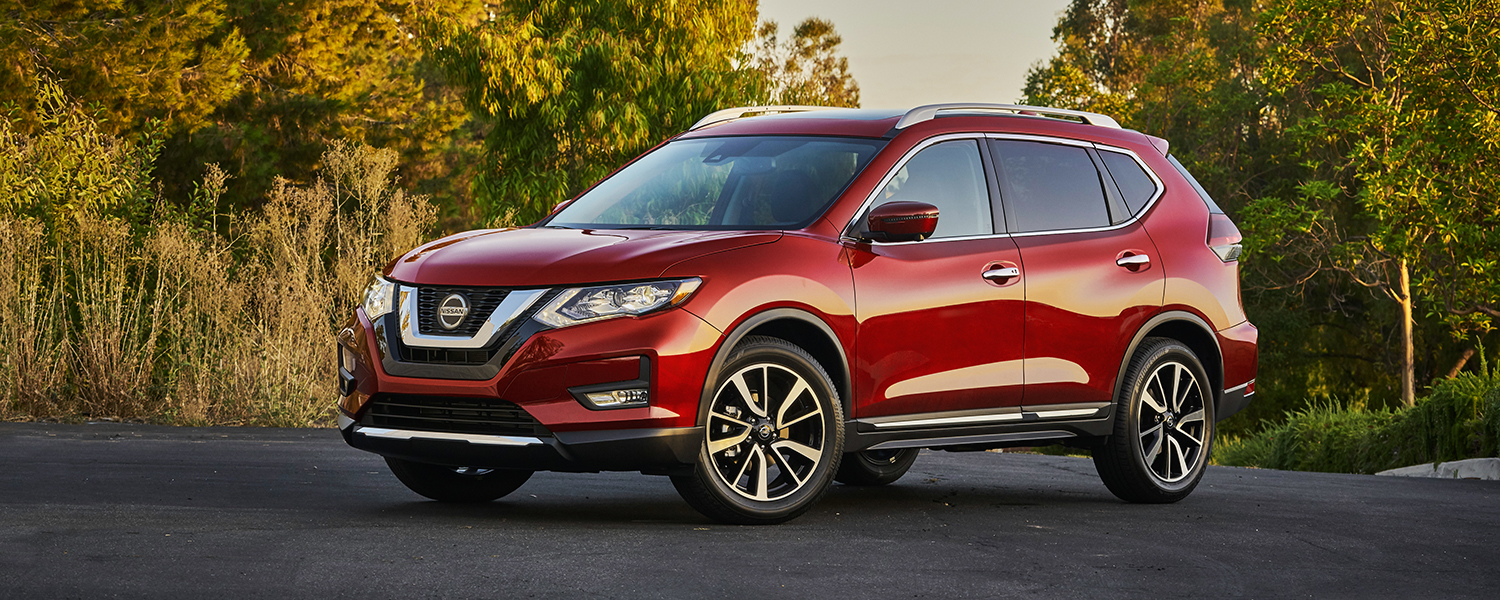
- Engine: 1.5L VC Turbo 3-cylinder
- Horsepower: ~201 hp
- Torque: ~305 Nm (225 lb-ft)
- Length: ~4,648 mm (183 inches)
- Width: ~1,840 mm (72.4 inches)
3. Nissan Rogue Intelligent Mobility
The Nissan Rogue operates within Nissan’s Intelligent Mobility framework, which focuses on integrating connectivity, safety, and driving intelligence. Trip history plays a central role in this system, as it allows the vehicle to provide enhanced navigation, predictive maintenance alerts, and personalized driving insights.
Every trip taken in a Nissan Rogue equipped with connected services can generate data such as route mapping, travel time, driving speed, and stop frequency. This information is stored in Nissan’s cloud infrastructure and is used to improve system performance over time. The goal is to create a more adaptive driving experience that responds to user habits and environmental conditions.
A key feature of this system is its integration with mobile applications. Drivers can remotely access trip history, check vehicle location, and even receive alerts related to driving behavior or maintenance needs. This level of connectivity requires continuous communication between the vehicle and Nissan’s servers, which inherently involves data transmission to external systems.
Third-party involvement typically comes from mapping providers, cloud service platforms, and telematics partners. These companies help process and store large volumes of driving data, enabling real-time navigation and system updates.
While Nissan emphasizes data protection and anonymization, the structure of the system means that trip data is often handled by multiple entities.
The Nissan Rogue’s connected ecosystem is designed to improve convenience and safety, but it also creates a persistent digital footprint of driver behavior. Understanding this helps users make informed decisions about which services they want to enable.

- Engine: 3.8L V6 petrol
- Horsepower: ~291 hp
- Torque: ~355 Nm (262 lb-ft)
- Length: ~4,980 mm (196.9 inches)
- Width: ~1,976 mm (78.3 inches)
4. Kia Telluride Connected Platform
The Kia Telluride uses Kia Connect services, which transform the vehicle into a fully connected digital platform. Trip history is continuously recorded as part of this system, capturing detailed information about routes, destinations, and driving patterns. This data is then used to provide insights through the Kia mobile application.
One of the main benefits of this system is convenience. Drivers can review past trips, locate frequently visited places, and plan future journeys more efficiently. The system can also integrate with navigation services to suggest optimized routes based on historical driving behavior and current traffic conditions.
Kia may share certain data with third-party providers that support navigation mapping, cloud computing, and infotainment services. These partnerships are essential for maintaining real-time connectivity features such as live traffic updates and voice-assisted navigation. While the data is often anonymized, it still originates from detailed trip histories.
The Kia Telluride also uses this data for vehicle diagnostics. By analyzing trip patterns, the system can detect irregularities in fuel consumption, engine performance, or driving behavior. This helps improve maintenance scheduling and can prevent potential mechanical issues before they become serious.
Although Kia provides privacy controls, many connected features depend on ongoing data exchange between the vehicle and external servers. This makes the Telluride part of a broader ecosystem where trip data is continuously processed to enhance functionality and user experience.
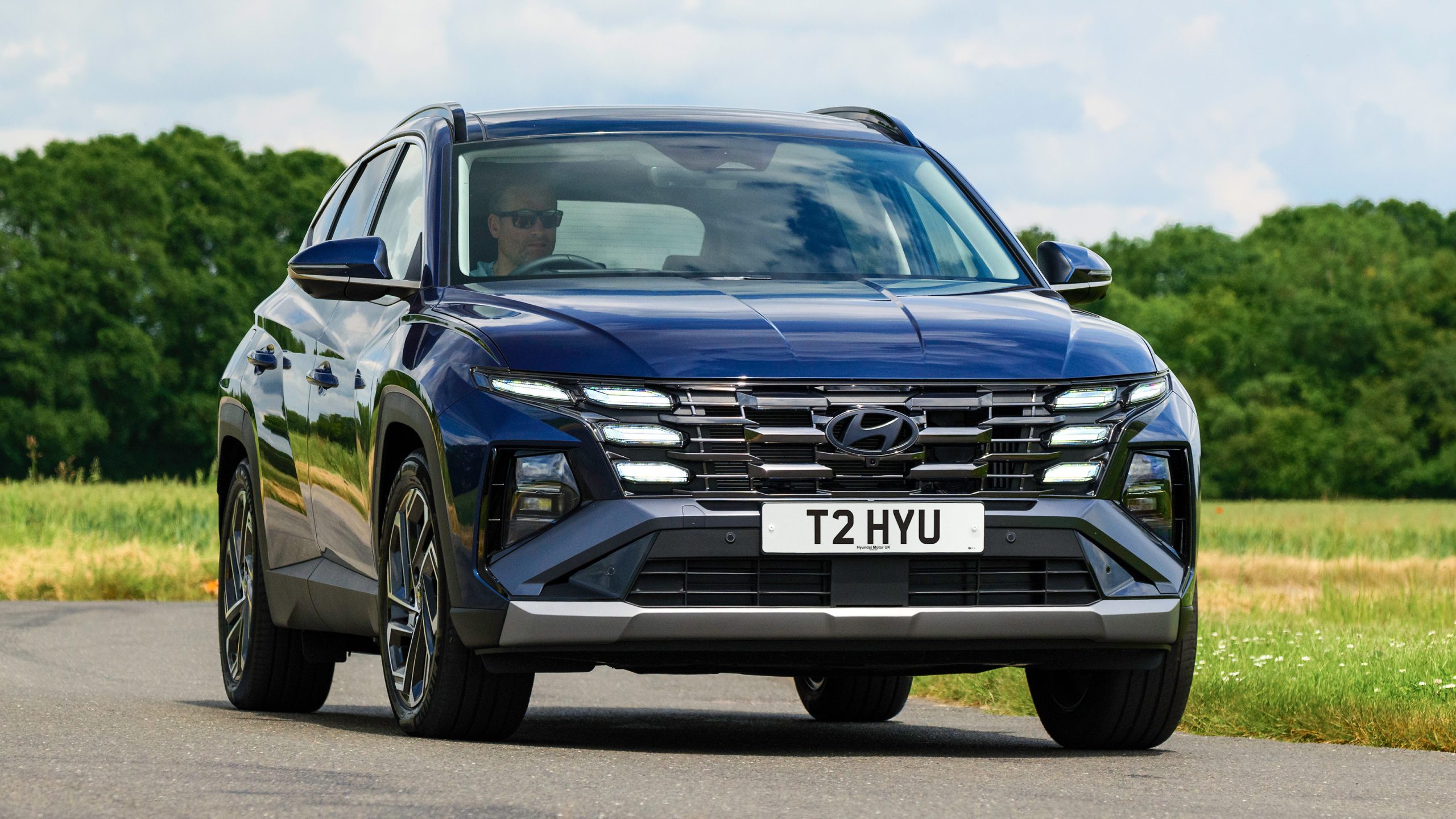
- Engine: 2.5L 4-cylinder petrol (base global spec)
- Horsepower: ~187 hp
- Torque: ~241 Nm (178 lb-ft)
- Length: ~4,630 mm (182.3 inches)
- Width: ~1,865 mm (73.4 inches)
5. Hyundai Tucson Blue Link System
The Hyundai Tucson is equipped with the Blue Link system, which is a comprehensive connected car platform designed to integrate safety, convenience, and remote access features. Trip history is a core component of this system, capturing detailed movement data including routes, stops, and driving duration.
This data is used to provide a range of services such as remote vehicle tracking, stolen vehicle recovery, and emergency assistance. In situations where a vehicle is involved in an accident or requires urgent help, Blue Link can transmit location data to emergency responders. This makes it a valuable safety feature, especially in critical situations.
Trip history is also used for personalization. The system can learn driving habits and suggest frequently visited destinations or optimized travel routes. Over time, this creates a customized driving experience tailored to individual behavior patterns.
Hyundai works with third-party service providers for cloud hosting, mapping services, and telematics support. These partners process and store large volumes of trip data to ensure system reliability and real-time functionality. While Hyundai states that data is protected and anonymized where possible, the infrastructure requires external data processing.
Mobile integration allows users to access trip history and control vehicle functions remotely. This deep integration between smartphone apps and vehicle systems means that trip data is continuously synchronized across multiple platforms.
Also Read: 10 Cars That Are Cheapest to Insure for Drivers Under 25
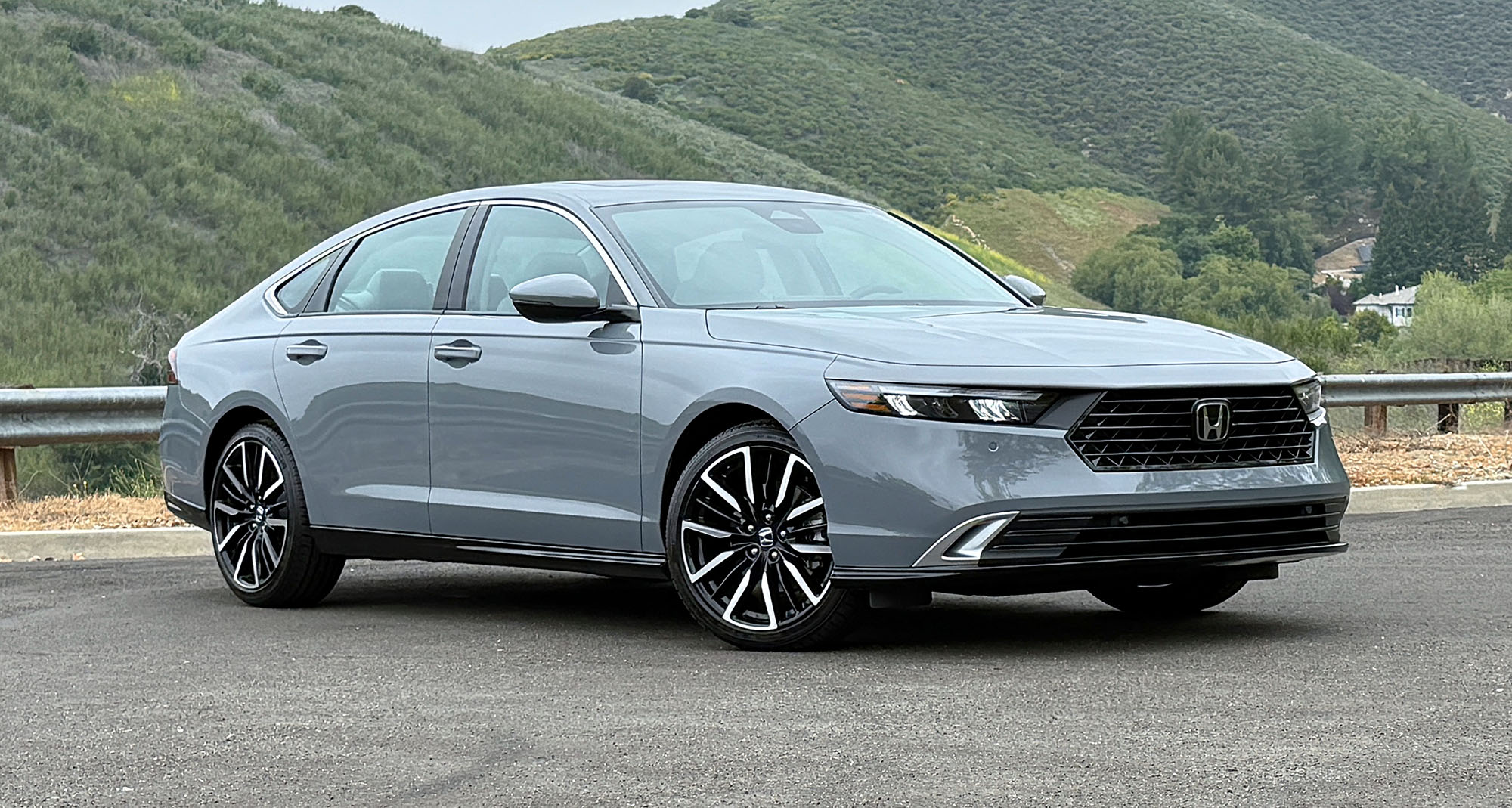
- Engine: 1.5L turbocharged 4-cylinder
- Horsepower: ~192 hp
- Torque: ~260 Nm (192 lb-ft)
- Length: ~4,943 mm (195.7 inches)
- Width: ~1,860 mm (73.3 inches)
6. Honda Accord HondaLink Services
The Honda Accord uses HondaLink, a connected services platform that provides navigation, remote access, and vehicle diagnostics. Trip history is recorded as part of this system to help drivers track their journeys and receive personalized recommendations.
Every trip generates data related to distance, route selection, travel time, and driving patterns. This information is stored in Honda’s connected infrastructure and can be accessed through mobile applications. Drivers often use this data to analyze fuel efficiency or identify frequently traveled routes.
Honda may share certain data with third-party providers that support navigation systems, emergency response services, and cloud infrastructure. These partnerships are essential for delivering real-time traffic updates and accurate mapping information.
Trip data is also used for maintenance alerts. By analyzing driving behavior, the system can estimate wear and tear on vehicle components and recommend service schedules accordingly. This helps improve vehicle longevity and performance.
Although Honda provides privacy settings, many features rely on continuous data exchange between the vehicle and external servers. This makes HondaLink a central part of the Accord’s digital ecosystem.
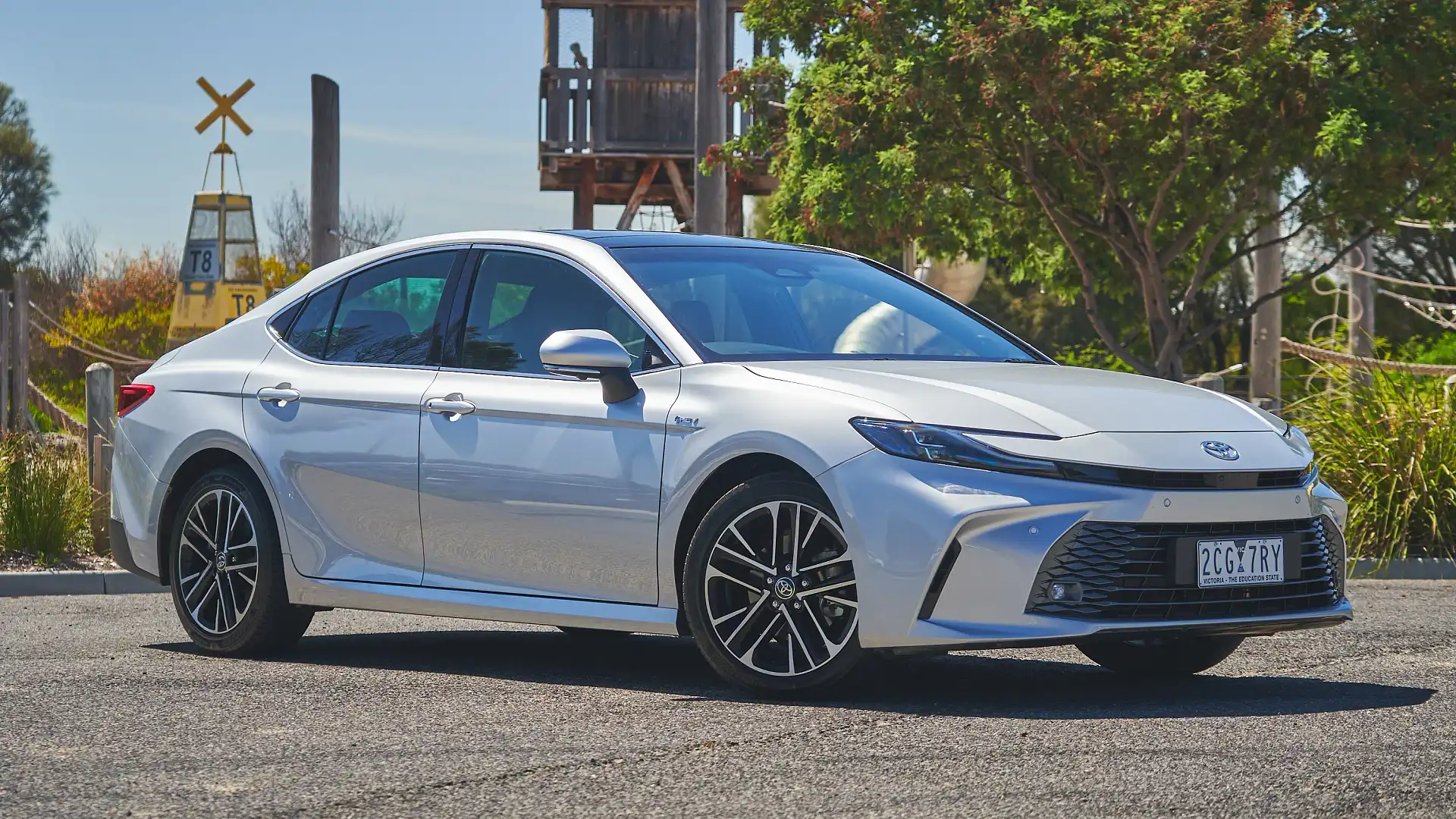
- Engine: 2.5L 4-cylinder petrol
- Horsepower: ~203 hp
- Torque: ~250 Nm (184 lb-ft)
- Length: ~4,885 mm (192.1 inches)
- Width: ~1,840 mm (72.4 inches)
7. Toyota Camry Connected Services
The Toyota Camry includes Toyota Connected Services, which integrates navigation, safety features, and remote access capabilities. Trip history is a key part of this system, allowing drivers to track routes, monitor vehicle usage, and receive maintenance reminders.
Each trip is recorded with details such as start location, destination, travel time, and route efficiency. This data is used to improve navigation accuracy and provide real-time traffic updates. It also helps the system suggest optimized routes based on past driving behavior.
Toyota may share certain data with third-party providers involved in mapping, cloud infrastructure, and safety systems. These providers help process large amounts of trip data to ensure reliable service performance and system updates.
Trip data is also used for research and development. By analyzing aggregated driving patterns, Toyota can improve future vehicle designs and enhance safety features across its lineup. While this data is generally anonymized, it originates from individual trip histories.
Drivers can manage privacy settings, but connected services depend on ongoing data transmission between the vehicle and Toyota’s digital infrastructure.

- Engine: Multiple options (commonly 2.7L EcoBoost V6, 3.5L EcoBoost V6)
- Horsepower: ~325 hp (2.7L) to ~400+ hp (3.5L)
- Torque: ~542 Nm (400 lb-ft) to ~678 Nm (500 lb-ft) depending on engine
- Length: ~5,316 mm to 6,368 mm (209 to 251 inches depending on cab and bed)
- Width: ~2,030 mm (80 inches approx without mirrors)
8. Ford F-150 FordPass Ecosystem
The Ford F-150 operates within the FordPass Connected Services ecosystem, which transforms the vehicle into a fully connected digital platform. Trip history is continuously recorded and used to provide insights into driving behavior, vehicle performance, and route efficiency.
Drivers can access detailed trip summaries through the FordPass mobile app, including distance traveled, fuel consumption, and driving patterns. This information is especially valuable for commercial users and fleet operators who rely on the F-150 for business operations.
Ford may share data with third-party providers that support navigation services, emergency assistance, cloud computing, and fleet management solutions. These providers process trip data to enable real-time tracking, route optimization, and system diagnostics.
Fleet management is a major aspect of the F-150 ecosystem. Businesses can monitor multiple vehicles simultaneously, analyze driver behavior, and optimize operational efficiency using aggregated trip data.
While Ford provides privacy controls, many connected features depend on continuous data exchange between the vehicle and external systems. This makes the F-150 one of the most data-driven pickup trucks in its segment.
