

Buying a brand-new vehicle at the right time can make a surprising difference in the final purchase price. While many shoppers focus on negotiating with dealerships, the calendar often has just as much influence on discounts as bargaining skills.
Automakers and dealers work toward monthly, quarterly, and yearly sales targets, and their desire to meet those goals frequently results in generous incentives, lower financing rates, cashback offers, and dealer-exclusive promotions.
Understanding these seasonal trends allows buyers to maximize their savings without compromising on the vehicle they want.
Not every sale period offers the same level of value. Some months coincide with model-year transitions, while others align with major holidays or inventory-clearing events. During these windows, dealerships are often more motivated to reduce prices to free up showroom space for incoming models or to hit manufacturer performance benchmarks.
Buyers who are flexible with their purchase timing can often secure thousands of dollars in savings compared with shopping during peak demand periods.
It is also important to remember that incentives vary depending on the vehicle segment, regional inventory levels, and manufacturer strategies. A discount available on one model may not apply to another, but the timing patterns remain remarkably consistent across the automotive industry.
The following periods have historically been among the best times of the year to purchase a new vehicle, offering shoppers the greatest opportunity to find substantial discounts and attractive financing incentives.
Also Read: 8 Settings to Turn Off Data Sharing in Modern Cars
1. End of December Holiday Clearance
The final weeks of December consistently rank among the strongest opportunities for new-car buyers seeking substantial discounts. As the year draws to a close, dealerships face intense pressure to meet annual sales objectives established by manufacturers.
Reaching these targets often unlocks performance bonuses, additional inventory allocations, and financial incentives that can outweigh the profit made on an individual vehicle. Because of this, sales managers frequently authorize deeper price reductions than they might consider during other parts of the year.
Holiday promotions add another layer of savings. Many manufacturers introduce year-end sales events featuring low-interest financing, customer cash incentives, lease specials, and loyalty bonuses.
Dealers are also eager to reduce the number of current model-year vehicles remaining on their lots before the new calendar year begins. A vehicle sitting unsold in January is instantly perceived as a year older, even if it has never been driven.
Shopping during the last few business days of December can further improve negotiating leverage. Sales staff often work aggressively to close additional transactions before monthly and annual reporting periods end.

Buyers who have financing arranged in advance and are prepared to complete paperwork immediately usually find themselves in a stronger negotiating position.
Cold weather in many regions also reduces showroom traffic, giving dealerships additional motivation to work with serious customers. Combined with holiday incentives and inventory reduction efforts, December has earned its reputation as one of the most rewarding times of the year to purchase a new vehicle.
2. Model Year Changeover in Late Summer and Early Fall
The arrival of a new model year is one of the automotive industry’s most predictable discount seasons. Between late summer and early fall, dealerships begin receiving the latest vehicles from manufacturers while unsold units from the outgoing model year continue occupying valuable lot space.
Since dealers have limited room for incoming inventory, clearing existing stock becomes a priority, creating excellent buying opportunities for consumers.
Although the outgoing models may differ only slightly from the newest versions, they often receive substantial price reductions. In many cases, the changes involve updated paint colors, minor styling revisions, software improvements, or additional option packages rather than complete redesigns.
Buyers who are comfortable purchasing the previous model year can frequently save thousands of dollars without sacrificing meaningful features.
Manufacturers commonly support these inventory-clearing efforts with attractive rebates and promotional financing. Dealers may also become more flexible during negotiations because every remaining unit sold makes room for newer inventory arriving from the factory.
This combination of factory incentives and dealer motivation often produces savings that are difficult to match during peak shopping periods.
Another advantage is vehicle availability. Since dealers want to move remaining inventory quickly, shoppers often have access to a variety of trims, colors, and equipment packages before selections become limited. Buyers who research pricing beforehand and remain open to different configurations typically secure the strongest deals.

For consumers who prioritize value over owning the absolute newest model year, this seasonal transition remains one of the smartest times to purchase a new vehicle. The mechanical components, safety systems, and warranty coverage generally remain unchanged, while the purchase price becomes significantly more attractive.
3. Memorial Day Sales Events
Memorial Day weekend has developed into one of the biggest promotional periods in the automotive calendar. As summer approaches, manufacturers and dealerships launch nationwide advertising campaigns designed to attract buyers with competitive financing offers, cashback incentives, lease specials, and dealer-exclusive discounts.
These promotions create an environment where shoppers can compare multiple offers across competing brands within the same weekend.
The timing is beneficial for dealerships because it arrives near the end of the spring selling season. Sales managers often use Memorial Day promotions to maintain momentum before the slower periods that can follow.
Factory-backed incentives are frequently combined with dealership discounts, allowing buyers to negotiate from a stronger starting point.
Long holiday weekends also encourage higher showroom traffic. Many consumers have extra time to research vehicles, schedule test drives, and complete purchases without taking time away from work.
Dealers recognize this increased activity and often prepare aggressive promotions to convert interested shoppers into buyers before the holiday concludes.

Financing incentives can be especially attractive during Memorial Day events. Qualified buyers may find reduced interest rates, deferred payment programs, or bonus rebates that are unavailable during ordinary weeks. These benefits can significantly lower the total cost of ownership over the life of the loan.
Preparation remains important despite the promotional atmosphere. Comparing offers from multiple dealerships, understanding manufacturer incentives, and obtaining financing preapproval can strengthen negotiating leverage.
Buyers who combine careful planning with Memorial Day promotions often achieve meaningful savings while securing favorable financing terms that make their new vehicle purchase even more affordable.
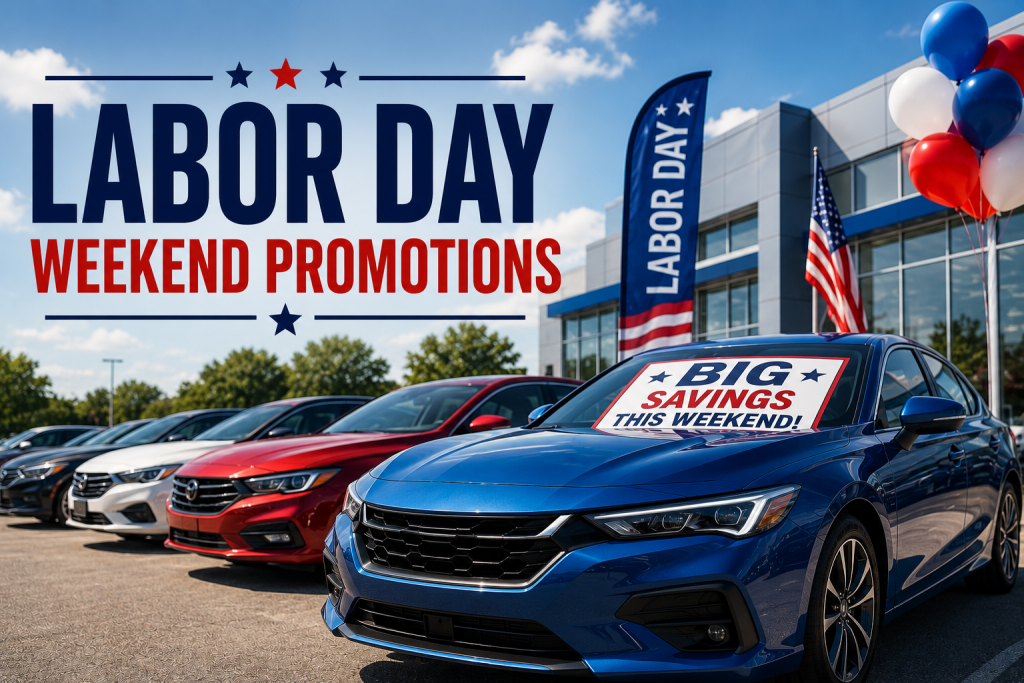
4. Labor Day Weekend Promotions
Labor Day marks another important point in the automotive sales calendar because it arrives just as many dealerships begin preparing for incoming model-year inventory. This timing creates an ideal situation for buyers looking to negotiate lower prices on vehicles already sitting on dealer lots.
Manufacturers frequently support the holiday with nationwide promotional campaigns, while individual dealerships add their own discounts to encourage strong sales before autumn begins.
Unlike the frantic pace of year-end shopping, Labor Day promotions often provide buyers with a broader selection of available vehicles. Many current model-year cars, trucks, and SUVs are still in stock, giving shoppers more flexibility when choosing trim levels, colors, and optional equipment.
Dealers understand that every vehicle sold creates valuable space for newer arrivals, making negotiations more productive.
Financing offers also become increasingly competitive during this period. Low annual percentage rates, lease incentives, cashback bonuses, and loyalty programs are commonly available for qualified buyers.
Consumers trading in an existing vehicle may also benefit from stronger trade-in offers as dealerships compete to close additional sales before monthly reporting deadlines.
Weather can also play an indirect role. As summer vacations conclude and schools reopen, showroom traffic often becomes more manageable, allowing buyers to spend more time with sales representatives and evaluate vehicles without feeling rushed.
This relaxed environment can make the purchasing process smoother and improve opportunities for meaningful negotiations.
Labor Day has earned its reputation because it combines favorable manufacturer incentives with dealership motivation.
Buyers who research pricing, compare multiple offers, and remain flexible regarding vehicle configuration frequently discover that this holiday provides one of the year’s strongest opportunities to purchase a new vehicle at a reduced price.
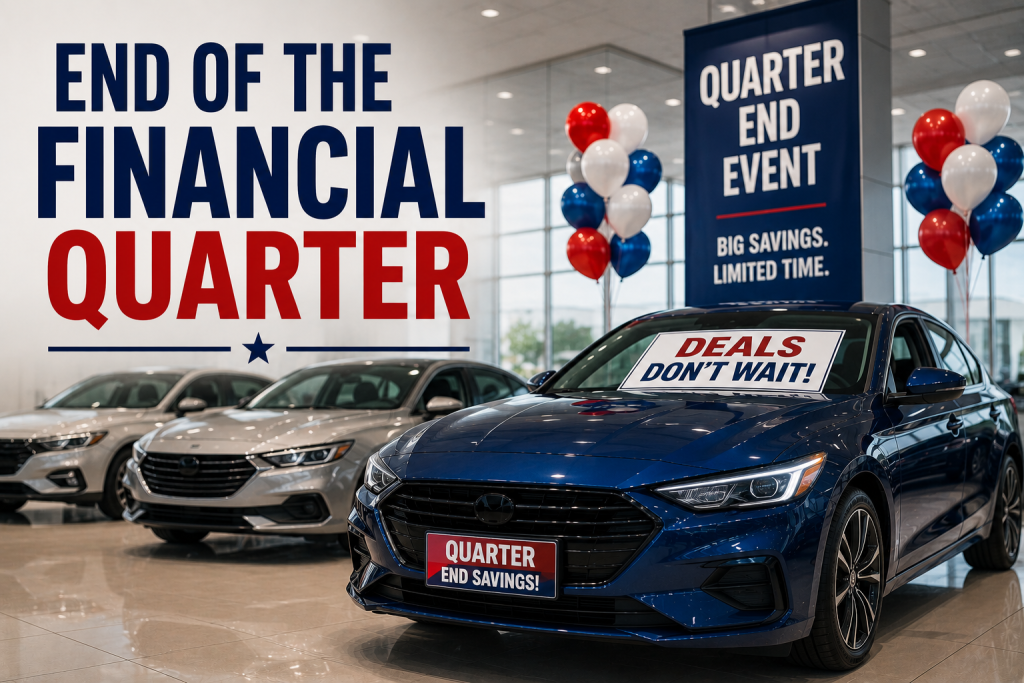
5. End of the Financial Quarter
Many buyers focus only on major holidays, but the end of each financial quarter can quietly become one of the best opportunities to negotiate significant discounts.
Manufacturers closely monitor dealership performance during quarterly reporting periods, and reaching predetermined sales targets often unlocks valuable bonuses, incentive payments, and additional inventory allocations.
Because of these rewards, dealerships frequently become more willing to negotiate during the final days of March, June, September, and December.
Sales managers carefully track monthly and quarterly results, especially when they are only a few vehicles away from achieving performance objectives. In these situations, closing one additional sale may be worth more to the dealership than maximizing profit on a single transaction.
Buyers who visit during the closing days of a quarter may discover that pricing becomes noticeably more flexible than earlier in the month.
Factory incentives can also coincide with quarterly deadlines. Cashback offers, special financing, lease support, and dealer cash programs are sometimes introduced or expanded to encourage stronger sales performance before reporting periods conclude. Combining these manufacturer promotions with dealer discounts can produce substantial savings.
Timing is particularly important. Visiting during the final two or three business days of the quarter often creates the strongest negotiating environment because sales targets become increasingly urgent.
Buyers prepared with financing approval and a clear understanding of market pricing are well positioned to take advantage of this motivation.
Although quarterly sales events rarely receive the same publicity as national holiday promotions, experienced shoppers frequently recognize them as valuable opportunities.
Paying attention to the business calendar rather than only the holiday calendar can result in impressive savings while giving buyers access to a wide selection of available inventory.
6. Black Friday and Thanksgiving Weekend
While Black Friday is traditionally associated with electronics and household appliances, it has also become an increasingly important event for new-car shoppers.
Many automakers now introduce limited-time promotions during Thanksgiving weekend, combining factory incentives with dealership discounts to attract buyers before the year-end sales season begins.
These offers often include cashback programs, low-interest financing, lease specials, and bonus incentives for recent graduates, military personnel, or loyal customers.
One reason this period can produce attractive pricing is that dealerships are already preparing for the busy December sales push.
Selling additional inventory before the end of November reduces the number of vehicles that must be discounted later, helping dealers improve monthly performance while making room for incoming stock.
Thanksgiving weekend also provides convenience for consumers. Many people have extended time off from work, allowing them to visit several dealerships, compare pricing, and complete paperwork without feeling rushed.
Sales staff understand that shoppers often arrive after researching multiple brands online, so negotiations may become more competitive than during ordinary weekends.
Manufacturers frequently advertise special financing offers that remain available only for a few days. Buyers who qualify for promotional interest rates can reduce the total cost of ownership over the life of the loan, making the savings more significant than a simple discount on the purchase price.

Although the crowds may be larger than usual, patient buyers who prepare in advance often discover worthwhile opportunities.
Comparing dealer inventories before visiting and understanding current incentive programs can help maximize savings during one of the automotive industry’s most active promotional weekends.
7. End of the Month
Not every excellent buying opportunity depends on a holiday or seasonal event. Simply waiting until the final few days of any month can improve a buyer’s negotiating position.
Dealerships operate under monthly sales targets established by manufacturers, and reaching those goals often determines bonus payments, incentive eligibility, and future inventory allocations. As deadlines approach, sales teams frequently become much more motivated to complete additional transactions.
The final weekend of the month is particularly important because managers have a clear understanding of how close they are to meeting performance objectives.
If only a handful of additional sales are needed, dealerships may accept slimmer profit margins to achieve those targets. This creates favorable conditions for buyers who arrive prepared to make an immediate purchase.
Another advantage involves salesperson motivation. Individual sales consultants often work toward monthly commissions, performance bonuses, and recognition awards. Closing one more sale before the month ends can have a meaningful impact on their earnings, encouraging greater flexibility during negotiations.
Preparation remains essential. Buyers should research current market prices, understand available manufacturer incentives, and obtain financing approval before visiting the dealership. Arriving with this information allows negotiations to focus on the final purchase price rather than unnecessary delays.

Unlike holiday promotions that occur only a few times each year, month-end opportunities appear twelve times annually.
Shoppers who cannot wait for seasonal sales events can still benefit from dealership motivation simply by timing their purchase during the closing days of the monthly reporting period. This strategy has consistently proven effective for informed consumers seeking better pricing.
8. January Clearance Sales After the New Year
Many buyers assume the best discounts disappear once December ends, but January can be equally rewarding for shoppers willing to brave colder weather. After the holiday shopping season concludes, dealerships often continue reducing prices on remaining inventory from the previous model year.
Vehicles that did not sell during year-end promotions become an even higher priority because they occupy valuable showroom and storage space needed for newer arrivals.
Customer traffic also tends to decline significantly after the New Year. Many consumers have already completed major purchases during the holidays or are recovering from seasonal expenses, resulting in quieter dealerships.
With fewer buyers visiting the showroom, sales staff often have more time to negotiate and may be more willing to work toward a mutually agreeable price.
Manufacturers frequently extend or introduce incentives to maintain sales momentum during this slower period. Cashback offers, promotional financing, lease support, and loyalty programs are common during January, particularly on vehicles carried over from the previous model year.
Buyers who are not concerned about owning the newest model-year designation can often benefit from meaningful savings while receiving the same factory warranty and nearly identical equipment.
Trade-in negotiations may also become more productive. Dealers seeking additional sales volume are sometimes more competitive when evaluating trade-in vehicles, helping reduce the effective purchase price even further.

Combining a favorable trade-in value with factory incentives can create an excellent financial outcome.
January rewards shoppers who focus on value rather than timing their purchase around major holidays. By taking advantage of lower showroom traffic, motivated dealerships, and lingering manufacturer incentives, buyers can secure impressive discounts without sacrificing vehicle quality or warranty protection.
It serves as a reminder that smart timing extends beyond headline sales events and into the quieter weeks that follow.
Also Read: 8 States With the Highest Car Theft Rates in 2026 Ranked
