
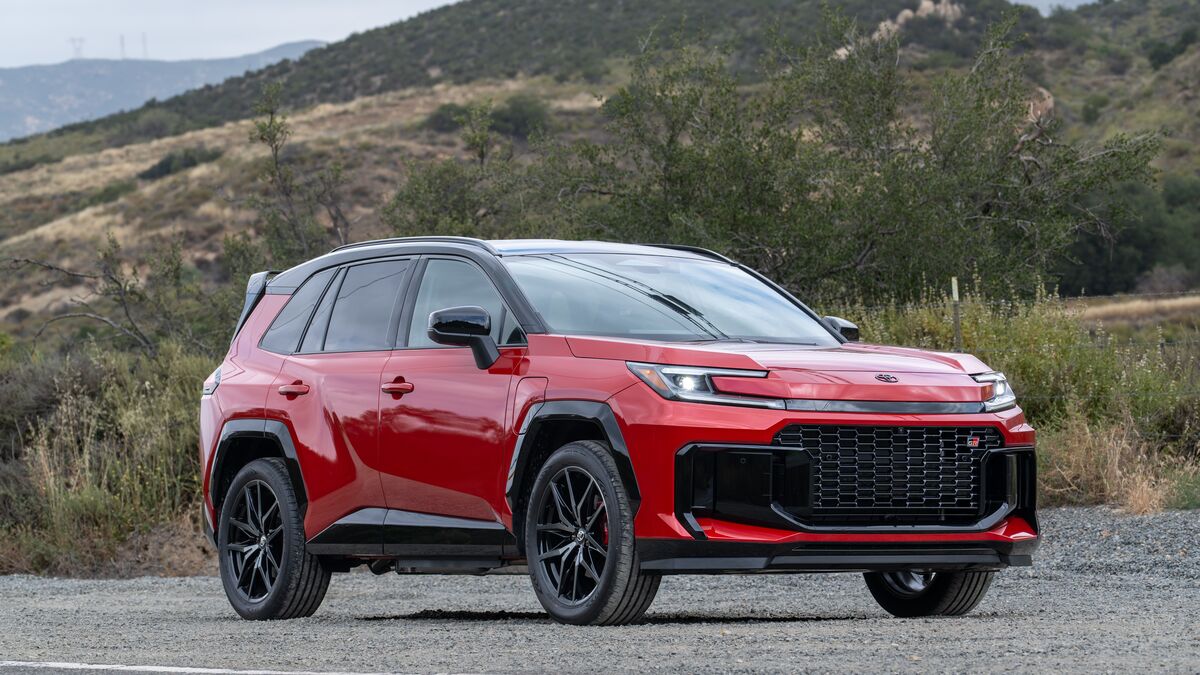
The Toyota RAV4 has built a strong reputation as one of the most dependable compact SUVs available in the global automotive market. Since its introduction in the 1990s, the RAV4 has become popular among families, commuters, adventure seekers, and drivers looking for a practical vehicle with strong resale value.
Toyota’s focus on durability, efficient engines, safety technology, and low ownership costs has helped the RAV4 remain one of the company’s best-selling models. However, like every vehicle, the Toyota RAV4 is not completely free from mechanical and electrical problems. Different generations of the SUV have experienced certain issues that owners and potential buyers should understand before making a purchase decision.
Although many RAV4 owners report years of trouble-free driving, some model years have developed patterns of complaints involving areas such as engine performance, transmission behavior, electrical systems, battery concerns, water leaks, and fuel economy-related issues.
These problems do not affect every vehicle, and improvements made by Toyota over the years mean that newer models may not share the same weaknesses as older versions. Still, knowing the most common Toyota RAV4 problems can help buyers choose the right model year and help current owners identify warning signs early.
One important factor when discussing RAV4 reliability is that the SUV has gone through several generations, and each generation introduced different technology and mechanical designs.
For example, some older RAV4 models became known for excessive oil consumption, while certain newer models faced complaints involving transmission feel, battery drain, or electronic components. Hybrid versions have also introduced additional systems, including electric motors and high-voltage components, which require different maintenance considerations compared with traditional gasoline models.
It is also important to separate common complaints from widespread failures. A vehicle receiving reports about a certain issue does not always mean every owner will experience that problem.
Some problems may occur only in specific production years, while others may be related to age, mileage, maintenance history, or previous repairs. Regular servicing, timely inspections, and proper repairs can significantly improve the ownership experience of a Toyota RAV4.
For used car buyers, understanding these possible problems can make the difference between choosing a reliable vehicle and purchasing a model that may require expensive repairs.
Checking maintenance records, reviewing recall information, and inspecting important components before purchase are smart steps. The Toyota RAV4 remains a strong choice in the compact SUV category, but being aware of its common issues allows owners to make informed decisions and maintain their vehicles properly.
This article covers the eight most common issues reported in Toyota RAV4 models, explaining their causes, symptoms, affected generations, and possible solutions. Whether you already own a RAV4 or are considering buying one, understanding these problems can help you get the best performance, reliability, and value from this popular SUV.
Also Read: 2027 Kia Telluride Grows Larger and Adds a Hybrid for the First Time
1. Excessive Engine Oil Consumption
Excessive oil consumption is one of the most frequently discussed Toyota RAV4 problems, particularly among certain older models. Reports have mainly focused on some 2006 to 2008 RAV4 vehicles equipped with the 2.4-liter 2AZ-FE engine.
In affected vehicles, internal engine components can allow more oil than normal to enter the combustion process, causing the engine to burn oil between regular oil changes.
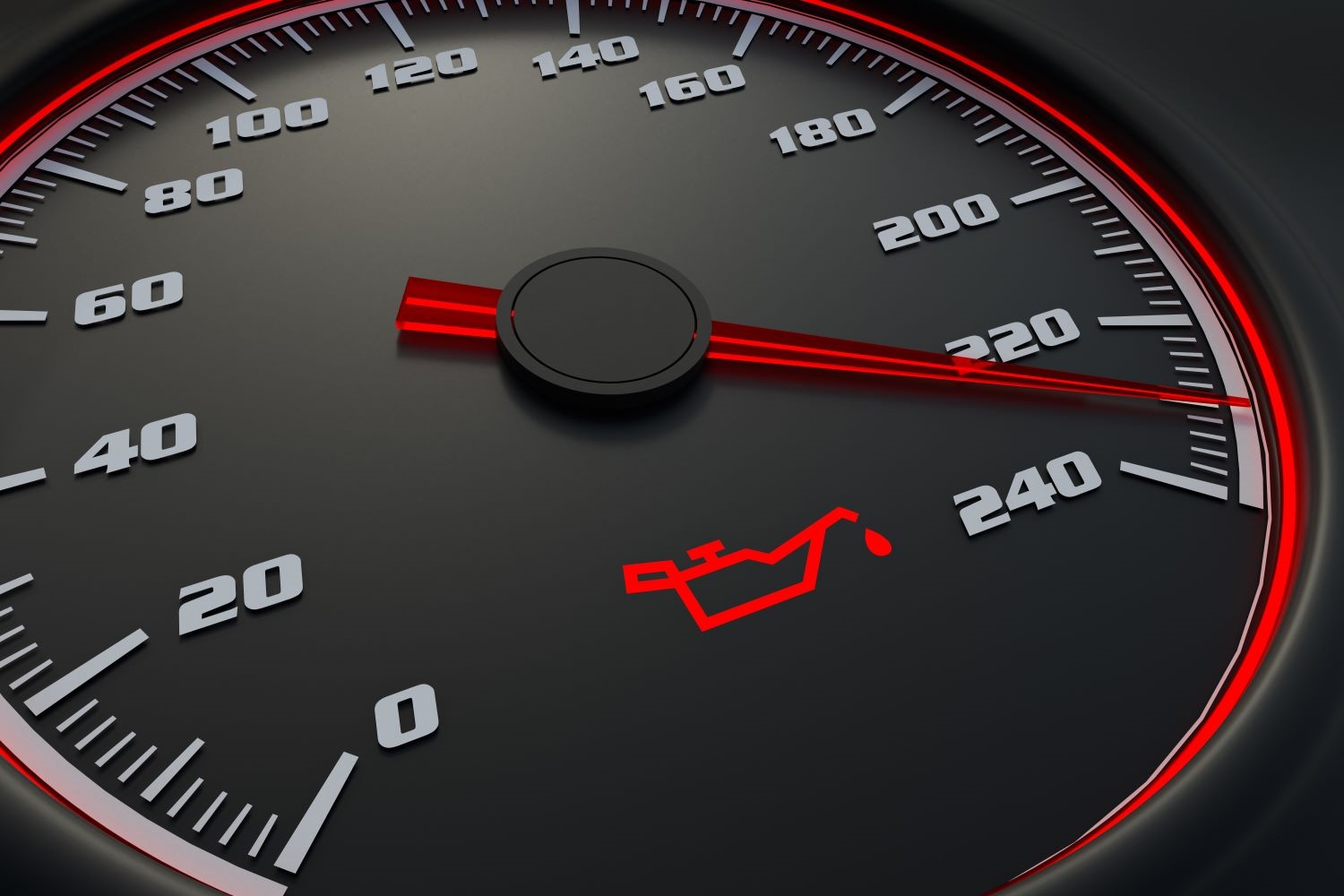
When a vehicle consumes too much engine oil, owners may notice that the oil level drops significantly before the next scheduled service. Some drivers may see warning lights, increased exhaust smoke, or reduced engine performance if the issue becomes severe.
Low oil levels can create additional engine wear because engine oil plays a critical role in reducing friction and protecting internal components.
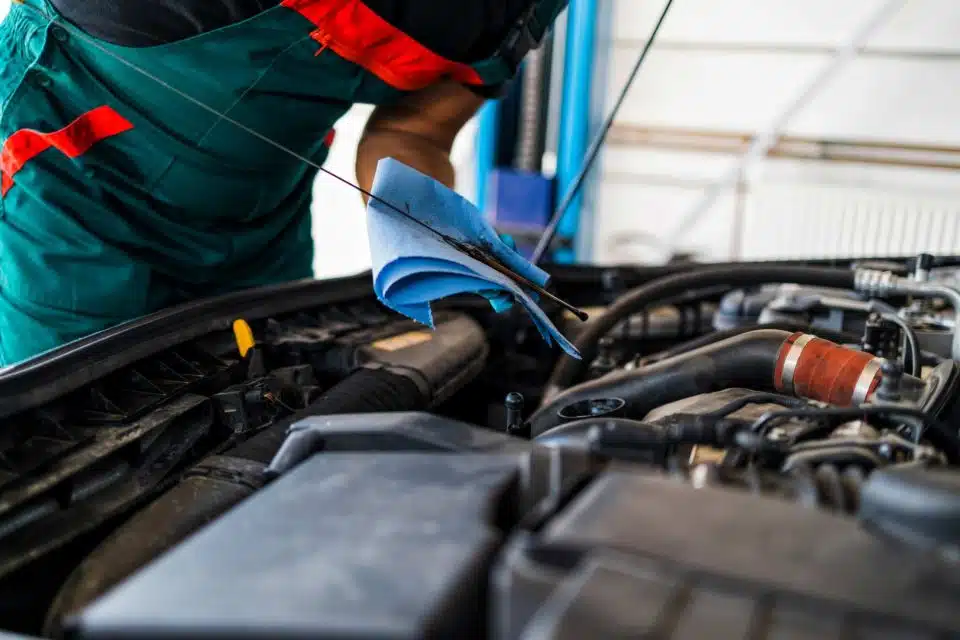
The main concern with excessive oil consumption is that many drivers do not check their oil level frequently. Unlike a visible oil leak, burned oil may not leave noticeable marks on a driveway or garage floor. If the oil level becomes dangerously low, the engine may suffer damage that requires expensive repairs. This is why regular oil inspections are especially important for older RAV4 models.
Toyota addressed some oil consumption concerns through warranty-related repairs and service procedures for certain vehicles. However, buyers considering an older RAV4 should check whether previous owners completed necessary repairs. A detailed maintenance history can reveal whether the vehicle received engine-related attention or whether oil consumption was ignored over time.
For owners experiencing this issue, monitoring oil levels between services is one of the simplest ways to prevent major damage.
Using the correct oil grade recommended by Toyota, following maintenance schedules, and addressing unusual oil loss early can help extend engine life. While this problem affected certain years more than others, it does not represent all Toyota RAV4 vehicles.

2. Transmission Hesitation and Shifting Problems
Transmission behavior has been another area where some Toyota RAV4 owners have reported concerns. Certain model years, especially around the introduction of the fifth-generation RAV4 in 2019, received complaints involving hesitation, rough shifting, or unusual behavior at lower speeds.
Some drivers describe symptoms such as delayed acceleration after pressing the accelerator, unexpected shifting sensations, or a feeling that the vehicle is struggling to select the correct gear. These issues can be especially noticeable during slow-speed driving, stop-and-go traffic, or when transitioning between acceleration and cruising.
Modern transmissions are highly complex, relying on computer controls, sensors, and precise hydraulic systems. When manufacturers introduce new transmission designs, early production models can sometimes experience calibration issues that may later be improved through software updates or revised components.
Toyota has released technical updates for certain vehicles to address drivability concerns. In many cases, transmission complaints do not mean the entire transmission requires replacement. A proper diagnosis can determine whether the issue relates to software, sensors, fluid condition, or mechanical components.
Owners can reduce transmission-related problems by following recommended maintenance schedules and avoiding neglect of fluid service requirements. Although Toyota transmissions are generally known for durability, paying attention to unusual shifting behavior can prevent small problems from becoming expensive repairs.
3. Electrical System Problems and Battery Drain
Electrical problems are another category of complaints reported by some Toyota RAV4 owners, particularly in newer models equipped with advanced technology systems.
Modern vehicles contain significantly more electronic components than older cars, including infotainment systems, driver assistance features, sensors, cameras, and computer modules. While these technologies improve convenience and safety, they also introduce more potential points of failure.
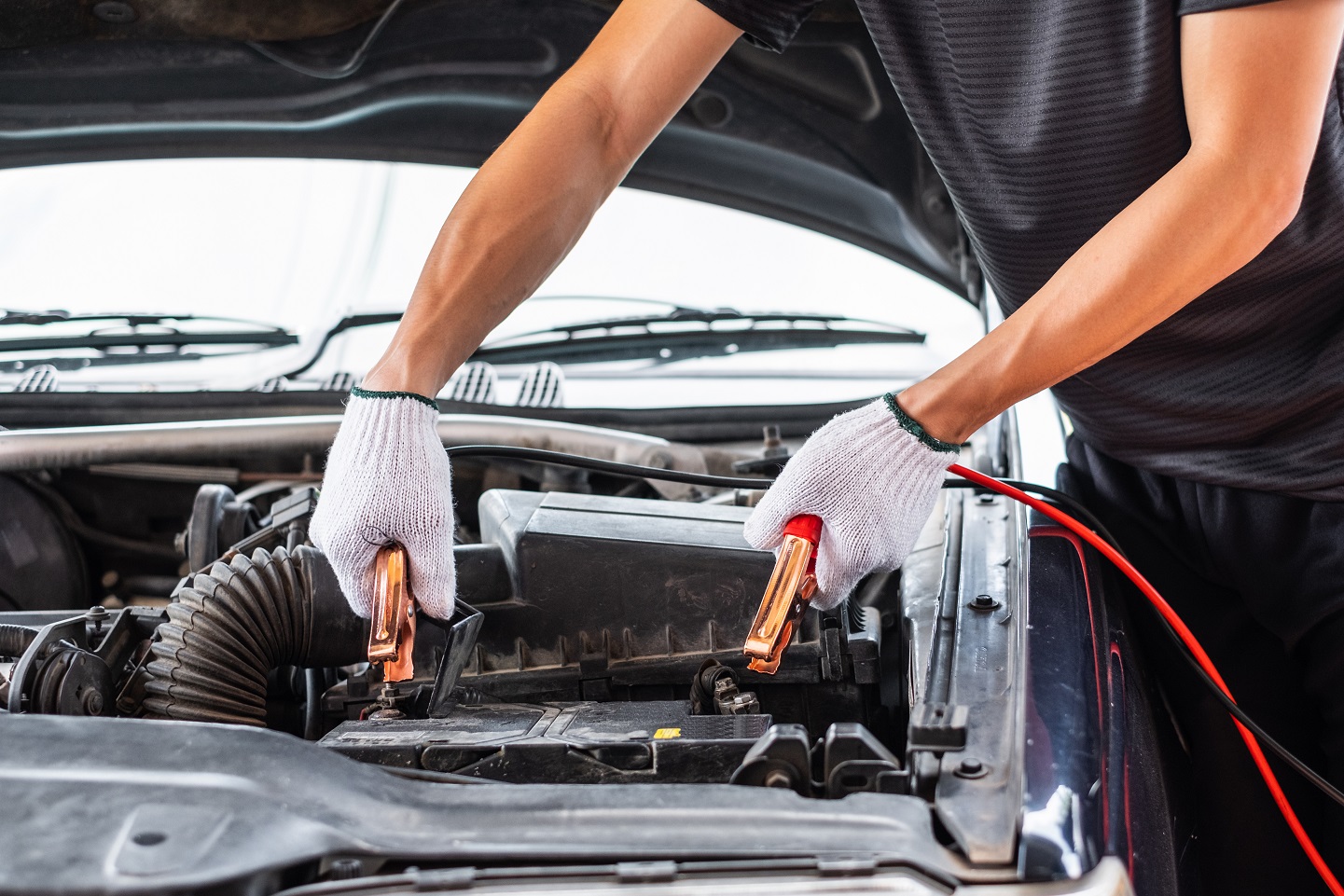
Some RAV4 owners have reported issues such as battery discharge, difficulty starting the vehicle after sitting for several days, warning lights appearing unexpectedly, or electronic features behaving inconsistently. These problems can sometimes be difficult to diagnose because multiple systems in a modern vehicle communicate with each other through complex electronic networks.
Battery-related complaints have received attention among some owners of newer RAV4 models. In certain cases, owners have experienced weak batteries or situations where the vehicle does not start after periods of limited use.
A battery that repeatedly loses charge may be caused by a weak battery, an electrical component that continues drawing power when the vehicle is turned off, or a charging system issue.
Another area of concern involves infotainment and electronic controls. Some owners have reported issues with touchscreen responsiveness, connectivity problems with smartphones, or temporary software glitches. These problems are generally less serious than mechanical failures, but they can affect the ownership experience and require software updates or component inspections.
Regular battery testing is an important maintenance step, especially for vehicles equipped with many electronic features. Drivers who frequently make short trips may also experience battery problems because the alternator may not have enough time to fully recharge the battery.
Keeping the vehicle properly maintained and addressing warning signs early can reduce the likelihood of unexpected electrical failures.
It is worth noting that electrical complaints do not mean every Toyota RAV4 will experience these problems. Many owners operate their vehicles for years without significant electrical issues. However, buyers of used models should test all electronic features before purchase and review maintenance records to identify previous repairs.
4. Water Leaks and Moisture Problems
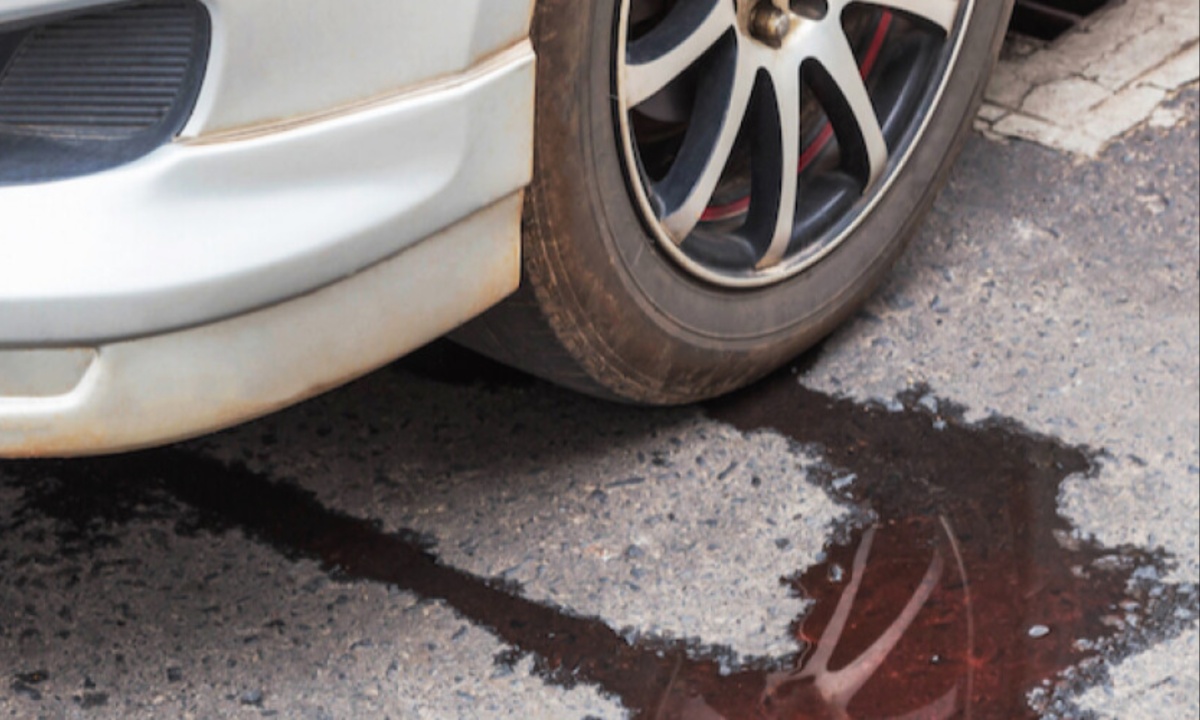
Water leaks are among the more frustrating problems reported by some Toyota RAV4 owners. Unlike routine mechanical issues, water intrusion can affect multiple areas of a vehicle, including interior materials, electrical components, and long-term cabin comfort. Certain RAV4 models have received complaints related to water entering through areas such as roof rails, doors, or other body seals.
One commonly discussed concern involves roof rail leaks on some fourth-generation RAV4 models. In affected vehicles, water may enter through improperly sealed areas around roof-mounted components. Owners may notice damp headliners, water stains, unusual odors, or moisture inside the cabin after rainfall or car washing.
Water leaks should not be ignored because prolonged moisture exposure can lead to additional problems. Wet carpets and interior materials can develop mold or unpleasant smells. In some cases, moisture may reach electrical connections, potentially creating more complicated repairs.
The cause of water leaks is often related to damaged seals, improper sealing during manufacturing, or aging weatherproofing materials. Rubber seals naturally deteriorate over time because they are exposed to sunlight, temperature changes, and environmental conditions. Regular inspection of seals can help identify potential problems before they become serious.
Repairing a water leak usually involves locating the exact entry point and resealing the affected area. The repair cost can vary depending on the location of the leak and the amount of interior damage. Early detection is important because fixing a small seal problem is generally easier than repairing damaged interior components.
Used car buyers should inspect the interior carefully before purchasing a RAV4. Checking for water stains, musty smells, damp carpeting, or signs of previous repairs can reveal possible leak issues. A professional inspection can also help identify hidden moisture problems.
Also Read: The 2027 Kia Telluride vs the Hyundai Palisade
5. Brake System Concerns
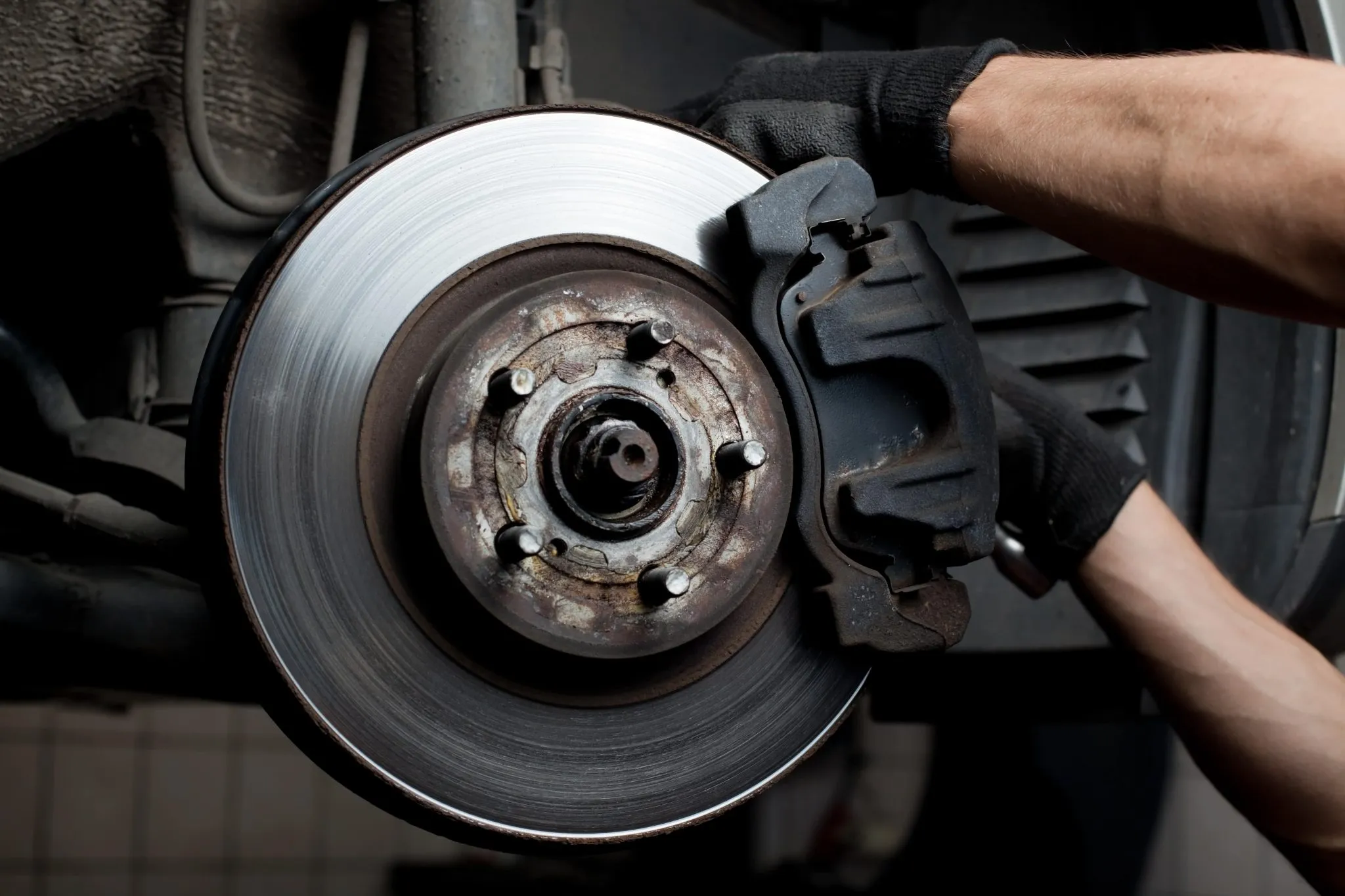
Brake-related complaints have also appeared among some Toyota RAV4 owners. Brakes are naturally wearing components, so occasional replacement of brake pads and rotors is expected. However, some owners have reported concerns involving unusual brake noises, premature wear, or inconsistent brake performance.
One common complaint involves brake squealing or grinding sounds. While some noise can occur due to normal brake pad materials or environmental conditions, persistent sounds may indicate worn brake pads, rotor problems, or other issues requiring inspection.
Some newer RAV4 models equipped with advanced driver assistance systems may also experience brake-related concerns connected to electronic systems. Features such as automatic emergency braking and adaptive cruise control rely on sensors and software to operate correctly. If these systems develop faults, warning messages may appear on the dashboard.
Brake wear can depend heavily on driving habits. Vehicles used mainly in heavy traffic or mountainous areas may experience faster brake wear compared with vehicles driven mostly on highways. Proper maintenance, including regular brake inspections, helps ensure reliable stopping performance.
Toyota has generally maintained a strong reputation for dependable braking systems, but owners should never delay brake repairs. Ignoring brake warning signs can reduce safety and increase repair costs. Symptoms such as vibration while braking, soft brake pedals, unusual noises, or longer stopping distances should be inspected promptly.
For used RAV4 buyers, checking the brake condition is an important part of a vehicle inspection. Replacing worn brake components is normal, but evidence of neglected maintenance may indicate broader ownership issues.
6. Fuel and Fuel Economy Complaints
Fuel efficiency has always been one of the Toyota RAV4’s important selling points. However, some owners have reported concerns related to fuel economy, fuel systems, or differences between expected and real-world mileage. These complaints vary depending on engine type, driving conditions, and model year.
Hybrid RAV4 models are especially popular because they offer strong fuel economy compared with traditional gasoline SUVs. However, some hybrid owners have reported fuel economy differences during certain weather conditions. Cold temperatures, short trips, heavy loads, and aggressive driving can all reduce efficiency.
Some gasoline RAV4 owners have also reported fuel economy concerns when actual mileage does not match advertised estimates. Official fuel economy ratings are measured under controlled testing conditions, while real-world driving includes factors such as traffic, driving style, climate, and road conditions.
Fuel system problems are less common than routine maintenance-related issues, but some owners have reported concerns involving fuel pumps or related components. A failing fuel pump may cause symptoms such as difficulty starting, engine hesitation, or reduced performance.
Regular maintenance plays an important role in maintaining fuel efficiency. Dirty air filters, incorrect tire pressure, poor alignment, and overdue maintenance can all reduce fuel economy. Before assuming a serious mechanical problem, owners should ensure basic maintenance items are properly addressed.
Toyota has continued improving RAV4 efficiency through engine updates and hybrid technology. While fuel-related complaints exist, the RAV4 remains one of the more fuel-efficient options in the compact SUV category.
7. Suspension Noise and Ride Quality Issues
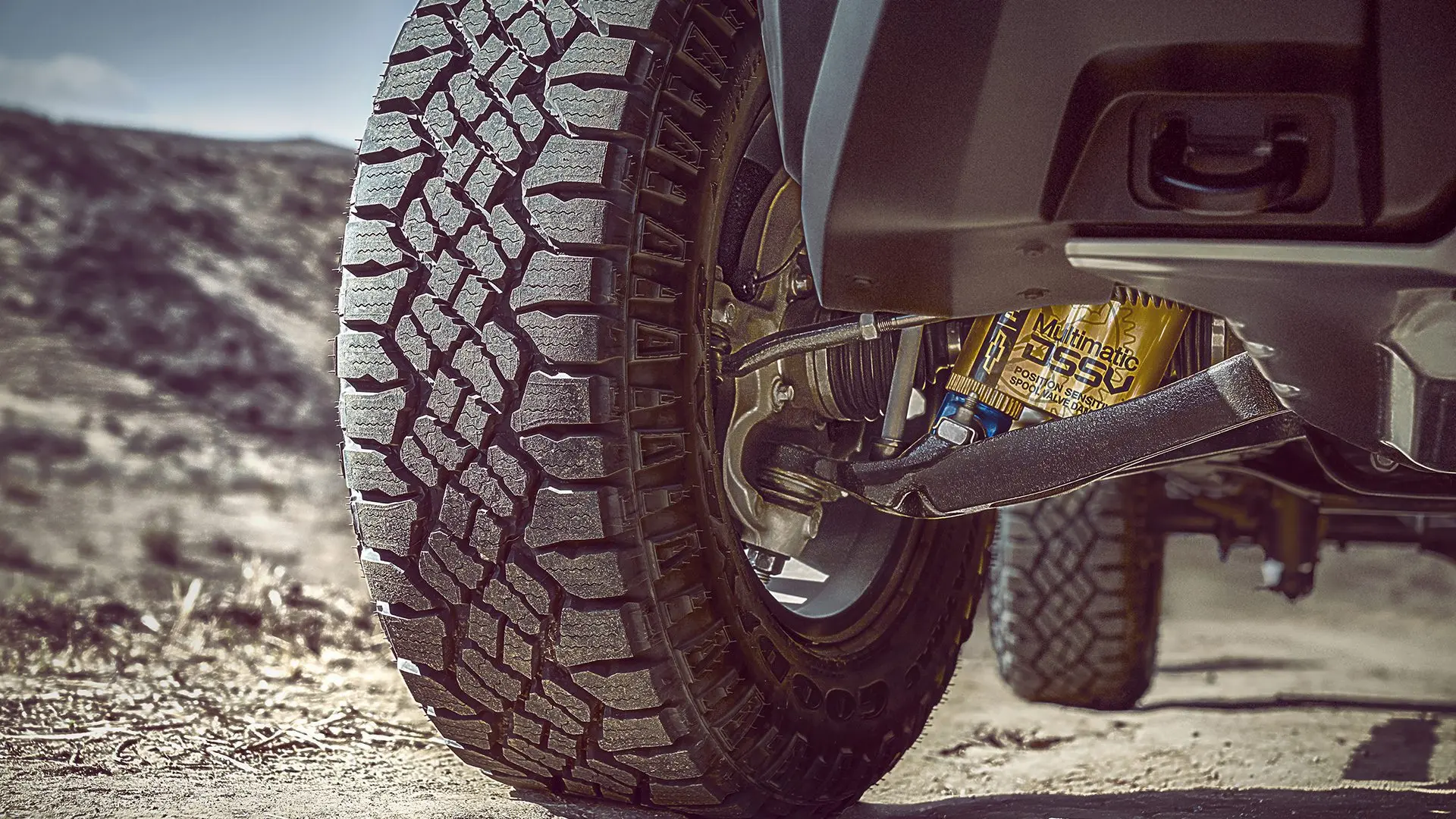
Suspension problems are an area where some Toyota RAV4 owners have reported concerns. The suspension system is responsible for maintaining ride comfort, handling stability, and tire contact with the road. Over time, components such as bushings, shocks, and struts naturally wear out.
Some owners have reported noises coming from the suspension area, including clunking sounds when driving over bumps or uneven surfaces. These noises may be caused by worn suspension components, loose hardware, or aging parts.
Ride quality complaints can also develop as vehicles accumulate higher mileage. A RAV4 with worn shocks or struts may feel less stable, bounce excessively, or provide a rougher ride than when it was newer.
Environmental conditions can affect suspension durability. Vehicles driven frequently on rough roads, gravel surfaces, or areas with extreme weather may experience faster wear compared with vehicles used on smooth highways.
Regular suspension inspections can help identify problems early. Mechanics can check components for excessive movement, leaks, or damage during routine service appointments. Replacing worn suspension parts can restore ride comfort and improve handling.
Although suspension wear is expected in any vehicle, buyers should pay attention to unusual noises during a test drive. A thorough inspection before purchasing a used RAV4 can help identify expensive repairs before ownership begins.
8. Air Conditioning and Climate Control Problems
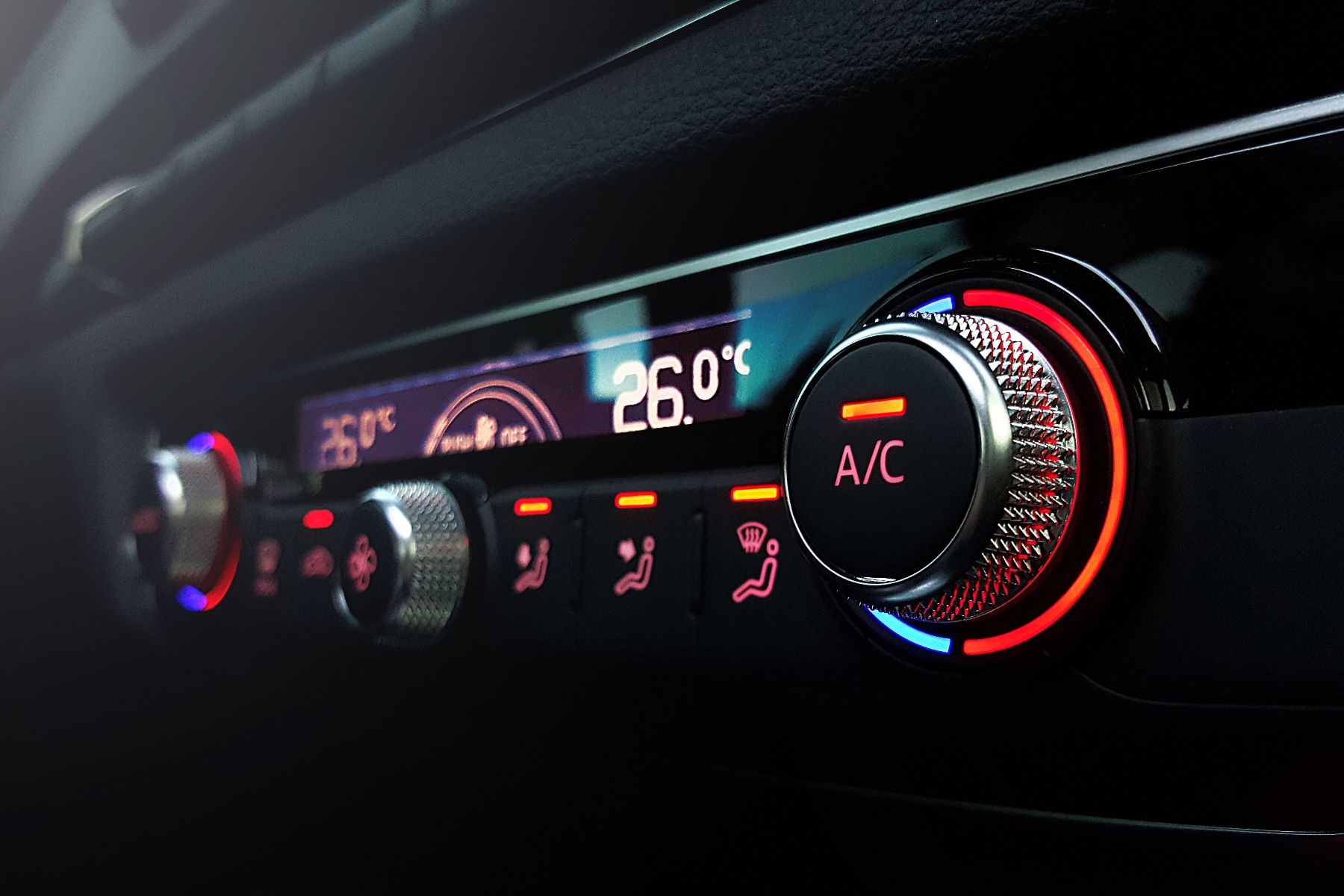
Air conditioning problems are among the comfort-related issues reported by some Toyota RAV4 owners. A properly functioning climate control system is especially important for drivers living in areas with hot weather, where reliable cooling is necessary for comfortable driving.
Some reported issues include weak airflow, inconsistent cooling, unusual noises from the air conditioning system, or problems with climate control electronics. These problems may be caused by low refrigerant levels, compressor issues, electrical faults, or problems with sensors.
The air conditioning compressor is one of the most important components in the cooling system. If the compressor develops problems, the system may stop producing cold air or may operate inefficiently. Compressor replacement can be an expensive repair compared with routine maintenance.
Cabin air filters can also affect climate system performance. A clogged filter can reduce airflow and make the air conditioning system appear weaker than it actually is. Replacing filters according to Toyota’s maintenance recommendations can help maintain proper airflow.
Modern RAV4 models often include automatic climate control systems with electronic controls. While these systems provide convenience, electronic failures can sometimes require diagnostic testing and software updates.
Owners can extend the air conditioning system’s life by using the system regularly, maintaining proper refrigerant levels, and addressing unusual sounds or reduced cooling performance early. Preventive maintenance can help avoid larger repair expenses.
