
When shoppers visit a dealership and look at the window sticker of a new car, they often notice a line labeled Destination and Delivery Charge or Freight Charge.
Depending on the vehicle, that fee can range from around $1,100 to more than $2,000, leading many buyers to assume that is exactly what it costs to transport the vehicle from the factory to the dealership.
In reality, the logistics behind delivering a new vehicle are far more complicated. Every car travels through an enormous transportation network involving railroads, trucking companies, ports, distribution centers, and inspection facilities before it finally reaches the showroom.
The actual cost of moving a vehicle depends on where it was built, how far it must travel, the type of vehicle, fuel prices, and even seasonal demand for transportation.
For automakers and dealers, shipping is a significant operating expense. Millions of new vehicles move across North America every year, and even a small increase in transportation costs can add hundreds of millions of dollars to the industry’s annual expenses.
Understanding how this process works explains why destination charges have steadily increased over the past decade.
Also Read: 10 Cars Where Remote Features Stop Working Without a Subscription
Every Vehicle Begins Its Journey at the Factory.
Once a new vehicle completes final assembly, it doesn’t head directly to the dealership. Instead, it undergoes a final quality inspection before being prepared for transportation. Protective coverings are often applied to vulnerable areas such as the hood, roof, mirrors, and seats to prevent damage during shipping.
From there, the vehicle is moved to a staging area where it is grouped with other vehicles headed toward similar destinations.
Only after enough vehicles are assembled for a shipment does the transportation process begin.
Rail Transport Handles Most Long-Distance Shipping
For vehicles built hundreds or even thousands of miles from their destination, railroads perform much of the heavy lifting.
Specialized enclosed and open railcars can carry multiple vehicles at once, making rail transport considerably more efficient than using trucks for long distances.
Automakers rely heavily on rail because it reduces fuel consumption and lowers transportation costs when moving large volumes of vehicles across the country.
A vehicle built in the Midwest may spend several days traveling by rail before reaching a regional distribution center closer to its final destination.
Trucks Complete the Final Delivery
Although rail handles long-distance transportation, virtually every new vehicle eventually travels by truck.
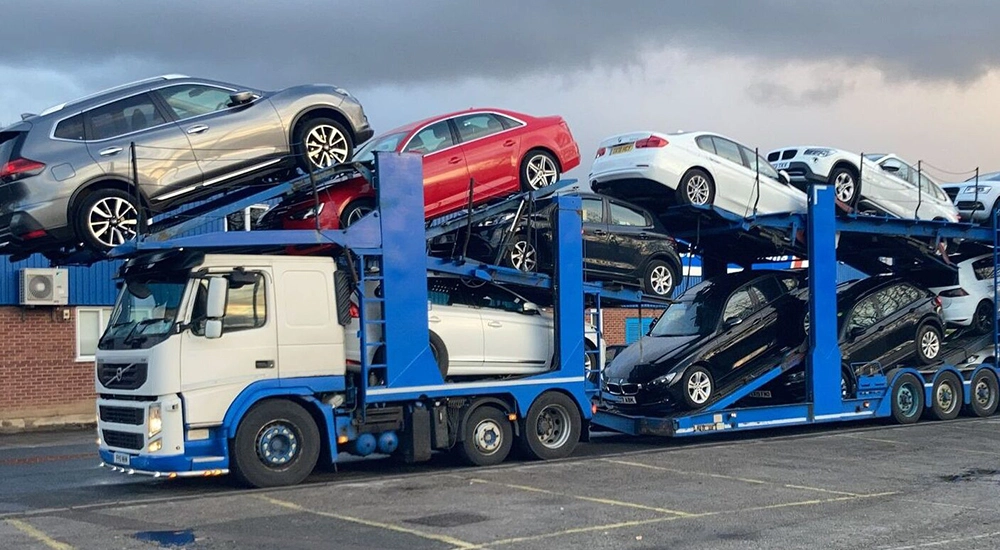
Vehicle transport trailers typically carry between six and ten vehicles, depending on size and weight. These trucks deliver new cars from regional rail terminals or ports directly to dealerships.
This final stage, commonly known as the “last mile,” is often the most expensive part of the shipping process because each truck serves fewer destinations and covers smaller delivery routes.
Scheduling also becomes more complex because dealers receive vehicles in varying quantities throughout the week.
Average Shipping Costs
Although exact transportation costs vary widely, industry estimates suggest manufacturers typically spend between $600 and $1,500 to transport a new vehicle within North America.
Longer shipping distances, imported vehicles, larger SUVs, and lower-volume models generally cost more.
Vehicles imported from overseas often incur total transportation expenses exceeding $2,000 before reaching U.S. dealerships.
These estimates cover only transportation and logistics rather than dealer preparation or administrative costs.
Imported Vehicles Travel the Furthest
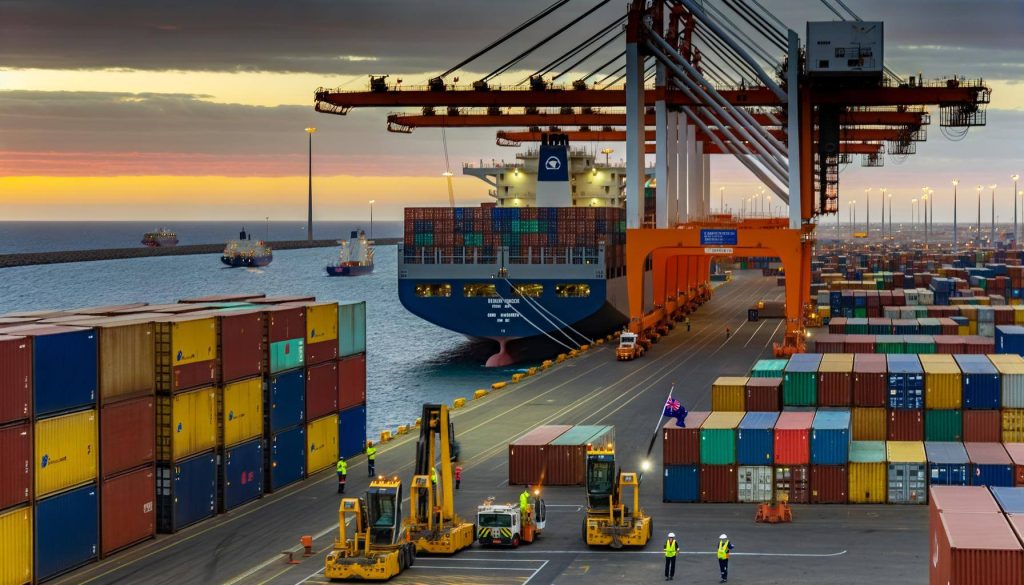
Vehicles built outside North America face a much longer journey. After leaving the factory, they are transported by truck or rail to a shipping port before being loaded onto specialized roll-on/roll-off cargo ships.
These vessels can carry several thousand vehicles during a single voyage. After arriving in the United States, vehicles pass through port facilities where they undergo customs processing, inspections, and sometimes accessory installation before continuing by rail or truck to dealerships.
Ocean freight adds both time and cost compared with domestic production.
Fuel Prices Influence Shipping Costs
Transportation companies closely monitor diesel prices because fuel represents one of their largest operating expenses. When diesel prices increase significantly, shipping costs generally rise as well.
Although automakers negotiate transportation contracts months or even years in advance, sustained increases in fuel prices eventually influence destination charges on future model years.
Fuel costs affect every stage of the journey, including trucking, rail operations, and ocean shipping. This is one reason destination charges have gradually increased over time.
Vehicle Size Matters
Larger vehicles cost more to transport. A compact sedan occupies less space on a transport trailer than a full-size pickup truck or large SUV. Heavier vehicles also increase fuel consumption during transportation.
As trucks and SUVs have become more popular, transportation companies have had to move fewer vehicles per shipment because each vehicle occupies more space. Lower shipping efficiency contributes directly to higher transportation costs.
Damage Prevention Adds Expense
Automakers invest heavily in protecting vehicles during shipment. Protective films, seat covers, wheel covers, and suspension spacers are commonly installed before transportation begins.
Carriers also follow strict loading procedures designed to minimize the risk of scratches, dents, and weather-related damage.
Although these precautions increase handling costs, they are considerably less expensive than repairing damaged vehicles after delivery. Damage claims remain one of the industry’s largest logistics concerns.
Regional Distribution Centers Play an Important Role
Many vehicles stop at regional processing facilities before reaching dealerships. These centers perform tasks such as the following:
Installing dealer-ordered accessories, removing shipping protection, updating software, conducting quality inspections, and preparing vehicles for local delivery.
Some vehicles also receive optional equipment such as roof racks, running boards, spoilers, or cargo accessories after leaving the factory.
Using centralized distribution centers allows manufacturers to customize vehicles more efficiently while reducing assembly-line complexity.
Dealers Also Pay Preparation Costs
Transportation is only part of getting a new vehicle ready for sale. After arrival, dealerships perform their own pre-delivery inspection.
Technicians inspect fluid levels, remove protective coverings, verify electronic systems, check tire pressures, install remaining accessories, and prepare the vehicle for customer delivery.
Although these procedures are separate from factory shipping, they still contribute to the dealership’s full cost of placing a vehicle on the showroom floor.
Why Destination Charges Are Usually Non-Negotiable
Many buyers attempt to negotiate the destination charge during vehicle purchases. Unlike optional accessories, however, destination charges are generally established by the manufacturer and apply equally to every buyer purchasing the same model.
A dealership may reduce the full selling price to offset part of the charge, but the destination fee itself usually remains listed separately on the window sticker.
This standardized pricing simplifies nationwide distribution while ensuring transportation costs are recovered across every vehicle sold.
Supply Chain Disruptions Can Increase Costs
The automotive industry learned important lessons during recent supply chain disruptions. Rail congestion, truck driver shortages, port delays, and shipping bottlenecks all increased transportation expenses.
Even after production returned to normal, logistics costs remained elevated because transportation networks required time to recover.
Although conditions have improved, manufacturers continue investing in more resilient supply chains to reduce future disruptions.
Why Dealers Rarely Handle Shipping Themselves
Some buyers wonder why dealerships don’t simply arrange transportation independently. The answer is scale.
Automakers ship hundreds of thousands of vehicles annually and negotiate transportation contracts that individual dealerships could never match.
Coordinating factory output, rail schedules, shipping ports, trucking companies, and regional distribution centers requires enormous logistical resources.
Centralized transportation remains considerably more efficient than allowing each dealership to organize deliveries independently.
Shipping a new vehicle from the factory to a dealership involves far more than loading it onto a truck. Most vehicles travel through a carefully coordinated network of railroads, transport carriers, ports, distribution centers, and inspection facilities before reaching the showroom.
Depending on where the vehicle is built and where it is sold, manufacturers typically spend $600 to $1,500 transporting a domestically built vehicle, while imported models often cost considerably more due to ocean shipping and additional handling.
These logistics expenses help explain the destination charges listed on every new vehicle’s window sticker. While buyers often focus on negotiating the purchase price, transporting millions of vehicles safely across the country remains one of the automotive industry’s largest operating expenses.
Every new car arriving at a dealership represents not only months of engineering and manufacturing but also an extensive transportation system designed to deliver it efficiently and in perfect condition.
