
Vehicle theft is not always about stealing an entire car. In many cases, criminals target specific vehicles because their components can be removed quickly and sold for substantial profits.
Engines, wheels, airbags, headlights, tailgates, catalytic converters, and electronic modules often command high prices in the used parts market, making certain vehicles especially attractive to thieves.
Models with high production numbers and interchangeable components typically face greater risk because there is consistent demand for replacement parts.
On the other hand, some vehicles are far less appealing targets. Limited production, lower demand for replacement components, unique engineering, or specialized parts that fit only a small number of models can significantly reduce their attractiveness.
Vehicles with advanced security systems and lower theft rates also tend to discourage criminals looking for quick opportunities.
Choosing a vehicle that is less likely to be targeted for parts can reduce the chances of costly repairs, insurance claims, and the inconvenience of replacing stolen components.
While no vehicle is completely immune from theft or vandalism, some models naturally attract far less attention from organized theft rings because their parts are harder to sell or less profitable to remove.
The following vehicles have characteristics that generally make them among the least attractive targets for parts theft. Their combination of limited aftermarket demand, specialized components, and lower theft interest helps reduce the likelihood that they will be stripped for valuable parts compared with many mainstream vehicles.
Also Read: 10 Beginner Motorcycles That Hold Their Value Best
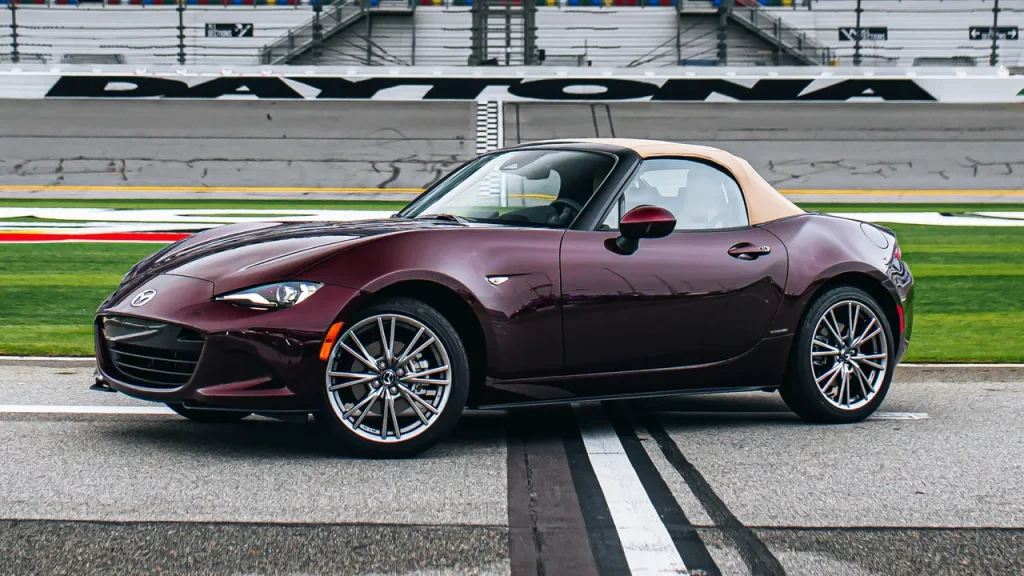
1. Mazda MX-5 Miata
The Mazda MX-5 Miata is widely respected for its lightweight engineering and engaging driving dynamics, but it also benefits from being a relatively uncommon target for parts theft.
High-volume family sedans and pickup trucks have components that are constantly in demand at repair shops, but the Miata has a much smaller ownership base. This naturally reduces the need for used replacement parts and lowers the financial incentive for organized theft.
Many of the Miata’s components are highly specific to the model. Body panels, interior trim, convertible roof mechanisms, and suspension parts are not widely interchangeable with other Mazda vehicles. Because these items fit relatively few applications, criminals have fewer opportunities to resell them quickly through illegal channels.
The car’s compact dimensions also work in its favor. It does not use oversized wheels, expensive truck tailgates, or high-demand catalytic converters that frequently attract thieves.
While any vehicle can become a target under certain circumstances, the Miata generally lacks the highly profitable components commonly associated with organized parts theft operations.
Another advantage is the enthusiastic community surrounding the model. Many owners purchase specialized aftermarket upgrades rather than searching for random used factory components, further reducing demand for stolen original equipment.
This creates a different market compared with high-volume commuter vehicles, where replacement factory parts are purchased every day.
Owners should still practice good security habits by parking in well-lit locations and locking the vehicle, but the Miata’s specialized nature makes it a less appealing option for criminals seeking fast profits through dismantled components.
Its relatively low demand in the illegal parts market contributes to a lower risk than many mainstream passenger vehicles.
Specifications
- Engine: 2.0-liter naturally aspirated inline-four
- Torque: 151 lb-ft
- Horsepower: 181 hp
- Length/Width: 154.1 in / 68.3 in
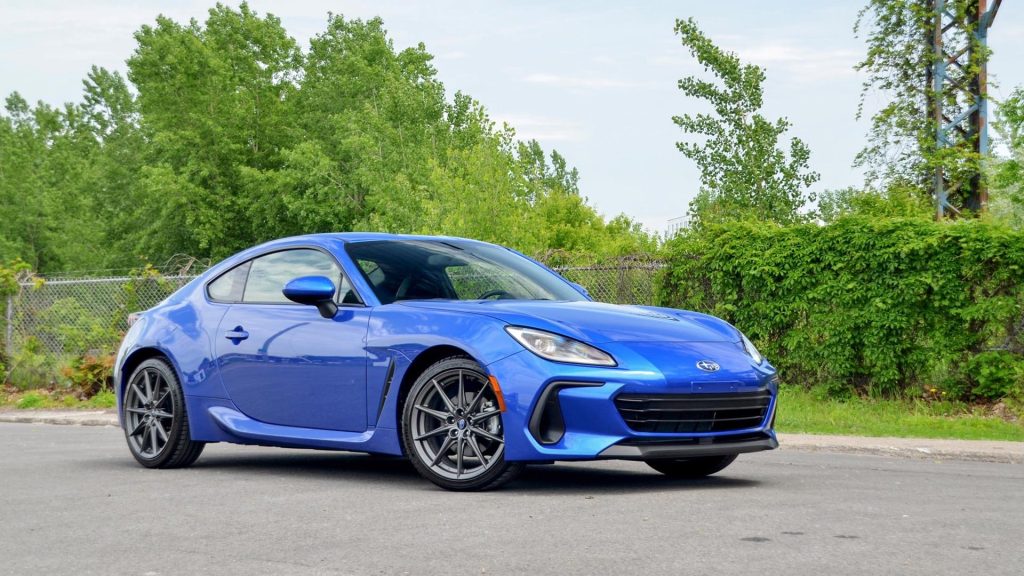
2. Subaru BRZ
Sports coupes are often associated with enthusiastic driving, yet the Subaru BRZ rarely appears among vehicles frequently targeted for parts theft.
One important reason is its relatively limited production compared with popular crossovers, trucks, and family sedans. Since fewer BRZ models are on the road, there is naturally less demand for replacement parts, reducing opportunities for illegal resale.
The BRZ also features numerous components designed specifically for the model. Exterior panels, lighting assemblies, interior trim, suspension pieces, and chassis parts are not widely shared across Subaru’s mainstream lineup.
This lack of interchangeability makes stolen components harder to sell because the potential customer base remains comparatively small.
Unlike many pickup trucks and luxury SUVs, the BRZ does not carry expensive accessories that can be removed in minutes and sold easily. It lacks detachable tailgates, oversized alloy wheels found on premium SUVs, and other frequently stolen exterior equipment.
Although it does contain a catalytic converter, its full profile does not make it a preferred target compared with higher-clearance vehicles that allow easier access underneath.
Another factor involves buyer demographics. Many BRZ owners actively maintain and personalize their vehicles, frequently choosing aftermarket performance parts instead of searching for used factory replacements.
This enthusiast-driven market reduces demand for stolen original components, making organized theft operations less profitable.
The BRZ still deserves sensible security precautions, especially when parked overnight or for extended periods.
However, its specialized engineering, smaller ownership population, and relatively limited demand for used components combine to make it one of the vehicles least likely to be dismantled for parts. Those characteristics help distinguish it from many mainstream vehicles that regularly appear in theft statistics.
Specifications
- Engine: 2.4-liter naturally aspirated flat-four
- Torque: 184 lb-ft
- Horsepower: 228 hp
- Length/Width: 167.9 in / 69.9 in
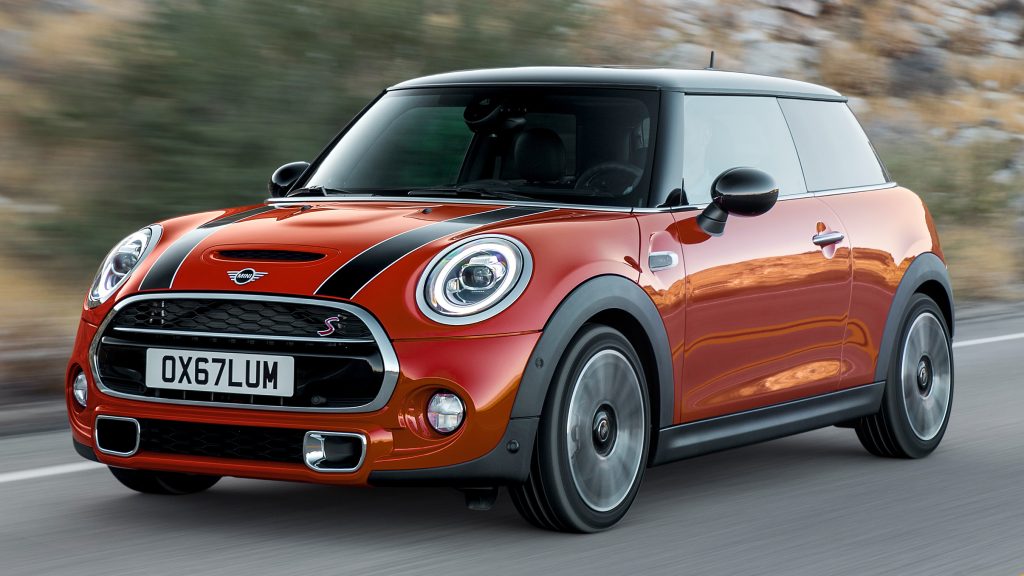
3. Mini Cooper Hardtop 2 Door
The Mini Cooper Hardtop 2 Door attracts buyers looking for distinctive styling and agile handling, yet it remains one of the less appealing vehicles for organized parts theft.
High-volume sedans and crossovers often share components across multiple models, but the Mini relies on parts that are specifically engineered for its compact platform. This limits the demand for stolen components, since only a small number of vehicles are compatible with them.
Body panels are one example. The Mini’s short wheelbase, unique proportions, and signature exterior design mean that doors, bumpers, fenders, and lighting assemblies are not easily interchangeable with other vehicles.
Criminals generally prefer vehicles whose parts can be sold quickly to repair shops or individual owners, making the Mini a less profitable target.
The interior follows the same philosophy. Dashboard components, circular infotainment housing, trim panels, and cabin controls are designed specifically for the Mini lineup. While replacement parts certainly exist, demand remains much lower than it is for popular family SUVs and pickup trucks that sell in far greater numbers each year.
Another factor reducing theft risk is the vehicle’s ownership demographic. Mini owners often maintain their vehicles carefully and frequently purchase specialized components through dedicated Mini suppliers rather than searching for random used parts. This limits opportunities for illegally obtained factory equipment to enter the market.
The car also lacks several components that commonly attract organized theft rings. It does not feature removable truck tailgates, expensive off-road wheels, or widely interchangeable body panels that can be sold in large numbers.
Although routine security measures remain important, the Mini’s specialized design naturally reduces its attractiveness to criminals focused on dismantling vehicles for profit.
Its combination of lower production volume, model-specific engineering, and limited demand for replacement parts makes the Mini Cooper Hardtop one of the least likely vehicles to be targeted solely for its components.
Specifications
- Engine: 2.0-liter turbocharged inline-four
- Torque: 221 lb-ft
- Horsepower: 161 hp
- Length/Width: 152.8 in / 68.0 in
4. Fiat 500e
Electric vehicles have introduced a different ownership experience, and the Fiat 500e also presents unique challenges for anyone attempting to profit from stolen components.
Because it was produced in relatively limited numbers for the American market, there is far less demand for used replacement parts than there is for mainstream gasoline-powered vehicles. This smaller customer base makes dismantling one for resale significantly less attractive.
Many of the Fiat 500e’s mechanical and electrical components are exclusive to the model. Battery management hardware, electric drive systems, body panels, and numerous interior pieces were developed specifically for the compact hatchback.
Since these components fit relatively few vehicles, finding buyers becomes more difficult compared with parts removed from high-volume pickups or crossovers.
The compact size of the 500e also works in its favor. It does not use large premium wheels, expensive truck accessories, or highly sought-after body components that can be removed quickly and sold easily.
Even its electric powertrain presents additional complexity, making illegal dismantling less straightforward than with conventional gasoline vehicles.
Another reason thieves tend to avoid the model is simple economics. Organized theft operations usually focus on vehicles with consistent nationwide demand for replacement parts. The relatively small number of Fiat 500e models on American roads limits the demand considerably, reducing potential profits from stolen equipment.
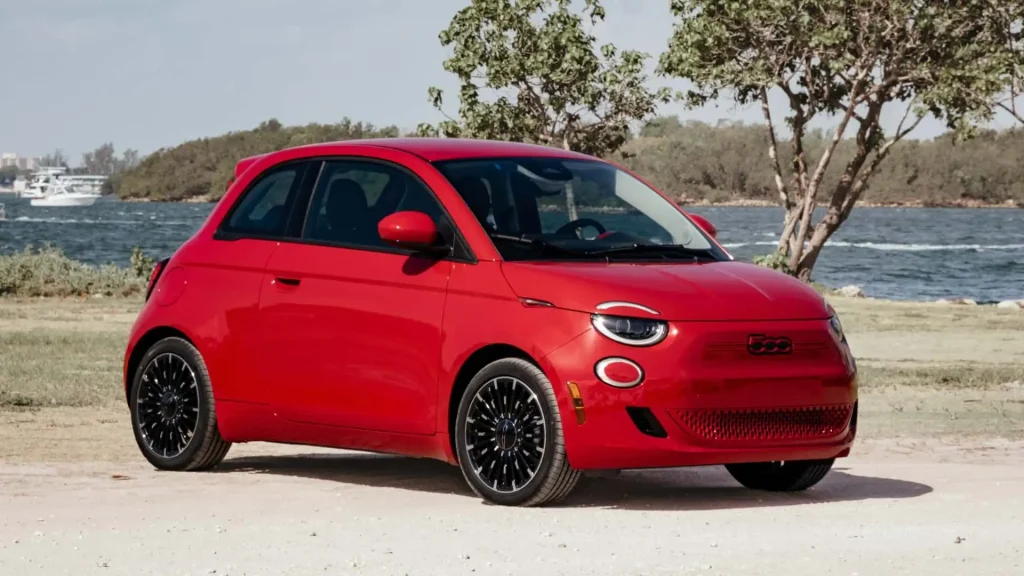
Owners should still use normal precautions such as parking in secure locations and locking the vehicle, but the Fiat 500e’s limited production, highly specialized engineering, and lower aftermarket demand combine to reduce its appeal as a parts theft target.
Those characteristics help place it among the vehicles least likely to be stripped for valuable components.
Specifications
- Engine: Single permanent-magnet electric motor
- Torque: 162 lb-ft
- Horsepower: 117 hp
- Length/Width: 143.0 in / 66.3 in
5. Alfa Romeo Giulia
The Alfa Romeo Giulia is admired for its engaging handling and unmistakable Italian styling, but it is not commonly associated with organized parts theft. One of the biggest reasons is its relatively small presence on American roads.
Compared with mainstream sedans from Japanese and domestic manufacturers, far fewer Giulias have been sold, resulting in a much smaller market for replacement components.
Its body structure is highly specialized, and many exterior panels are unique to the model. Headlights, bumpers, doors, fenders, and interior trim are not widely shared with other vehicles, limiting the number of potential buyers for stolen parts.
Criminals generally prefer vehicles whose components fit thousands of other models because those parts can be sold much more quickly.
The Giulia also lacks several of the components that frequently attract thieves. It does not feature removable pickup truck tailgates, widely interchangeable wheels used across numerous vehicles, or easily accessible parts with exceptionally high resale demand.
While any luxury vehicle contains valuable equipment, the limited customer base reduces the financial incentive for organized theft operations.
Maintenance patterns also play a role. Many Alfa Romeo owners purchase replacement components through authorized service centers or specialized European parts suppliers rather than seeking inexpensive used parts. This further reduces demand within the illegal parts market.
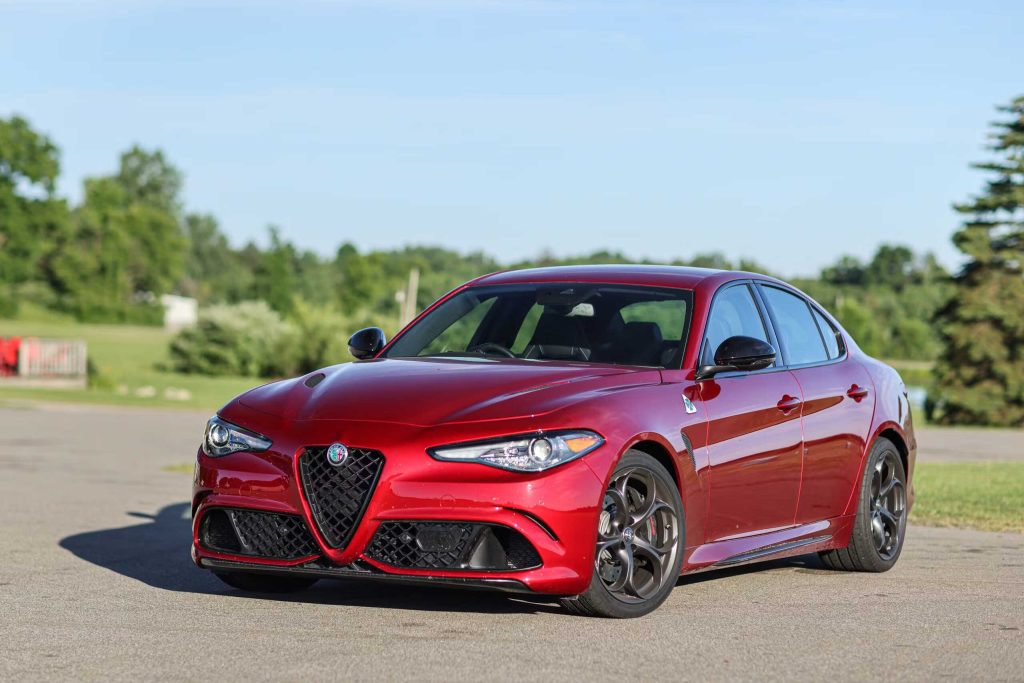
None of this means the Giulia is immune from theft or vandalism. Owners should still park in secure locations, use factory security systems, and remain attentive to their surroundings.
However, when compared with high-volume sedans and SUVs whose components are constantly traded, the Giulia presents far fewer opportunities for profitable dismantling. Its exclusivity becomes an advantage, helping reduce the likelihood that it will be targeted solely for its parts.
Specifications
- Engine: 2.0-liter turbocharged inline-four
- Torque: 306 lb-ft
- Horsepower: 280 hp
- Length/Width: 182.8 in / 73.7 in
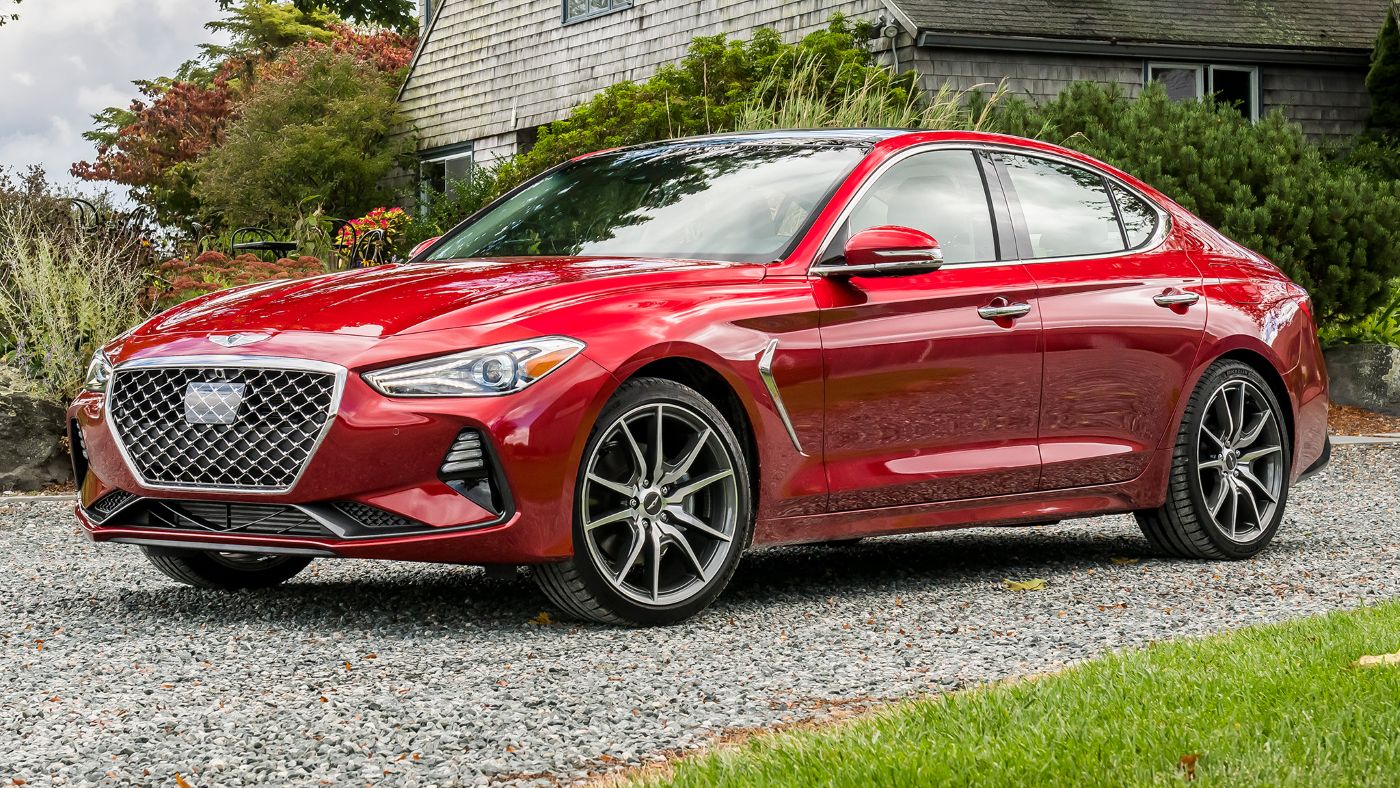
6. Genesis G70
Luxury sedans sometimes become attractive theft targets because of expensive technology and premium components, yet the Genesis G70 stands apart for several reasons.
Although it has earned widespread praise for its refinement and performance, it remains a relatively uncommon vehicle compared with long-established competitors.
That lower production volume naturally limits demand for replacement parts, making it less appealing to organized theft rings.
Many of the G70’s components were engineered specifically for Genesis. Exterior lighting, interior electronics, body panels, and trim pieces are unique to the model and are not broadly interchangeable with vehicles from other manufacturers.
Since fewer owners require replacement parts, criminals have fewer opportunities to profit from dismantled components.
The G70 also benefits from advanced factory security technology. Immobilizer systems, electronic key authentication, and sophisticated alarm functions increase the difficulty of stealing the vehicle or removing valuable components without attracting attention. Organized criminals generally seek easier targets that require less time and involve lower risk.
Another important factor is the ownership market. Genesis owners frequently rely on dealership service departments and factory-authorized repair facilities for maintenance and replacement parts. This purchasing behavior reduces demand for questionable used components, making stolen factory equipment harder to sell.
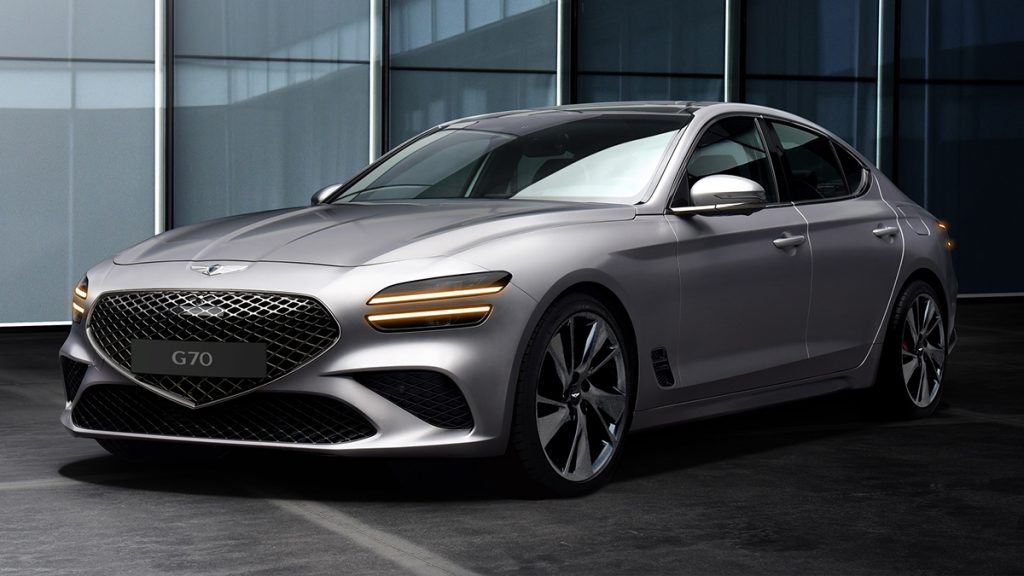
While no vehicle can eliminate the possibility of theft, the Genesis G70 combines relatively low production numbers, specialized engineering, modern security systems, and limited aftermarket demand into a package that discourages organized parts theft.
Buyers seeking a premium sport sedan can take some comfort in knowing that it is generally less attractive to criminals than many more common luxury vehicles.
Specifications
- Engine: 2.5-liter turbocharged inline-four
- Torque: 311 lb-ft
- Horsepower: 300 hp
- Length/Width: 184.4 in / 72.8 in
7. Polestar 2
The Polestar 2 occupies a unique position in the American automotive market. While it has received praise for its Scandinavian design, impressive electric performance, and premium interior, it remains a relatively low-volume vehicle compared with mainstream electric sedans.
That limited sales volume works in its favor when discussing parts theft because there is simply less demand for replacement components.
Most of the Polestar 2’s exterior and interior parts are exclusive to the model. The distinctive LED lighting, body panels, dashboard components, and numerous electronic modules were designed specifically for Polestar’s platform.
Since these parts fit very few vehicles, organized thieves have a much smaller customer base than they would with components taken from more common SUVs or pickup trucks.
Electric vehicles also present additional challenges for dismantling operations. The high-voltage electrical architecture requires specialized knowledge and equipment to handle safely.
Criminal organizations looking for quick profits generally focus on vehicles that can be stripped rapidly using familiar techniques. The Polestar 2’s advanced engineering makes that process more complicated and less attractive.
Another advantage comes from its connected technology. Many models include sophisticated telematics, remote monitoring functions, and advanced security systems that increase the risk of detection if the vehicle is tampered with.
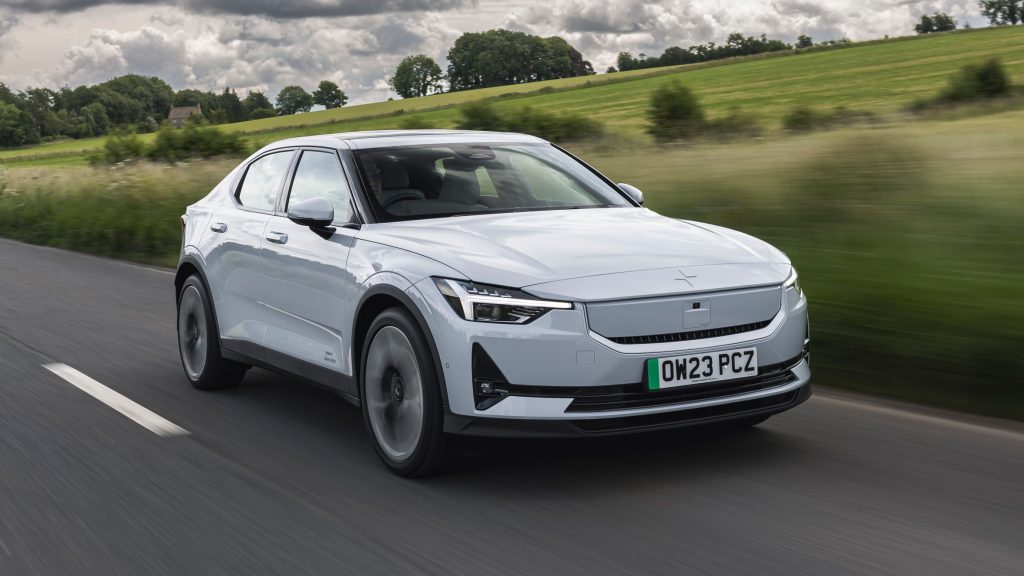
Combined with relatively low production numbers, these features reduce its appeal in the illegal parts market.
Owners should remain cautious by parking in secure areas and activating all available security features. Nevertheless, the Polestar 2’s specialized construction, limited customer base, and advanced electronic systems make it one of the electric vehicles least likely to be targeted specifically for dismantling and resale of individual components.
Specifications
- Engine: Single permanent-magnet electric motor
- Torque: 361 lb-ft
- Horsepower: 299 hp
- Length/Width: 181.3 in / 73.2 in
8. Lexus LC 500
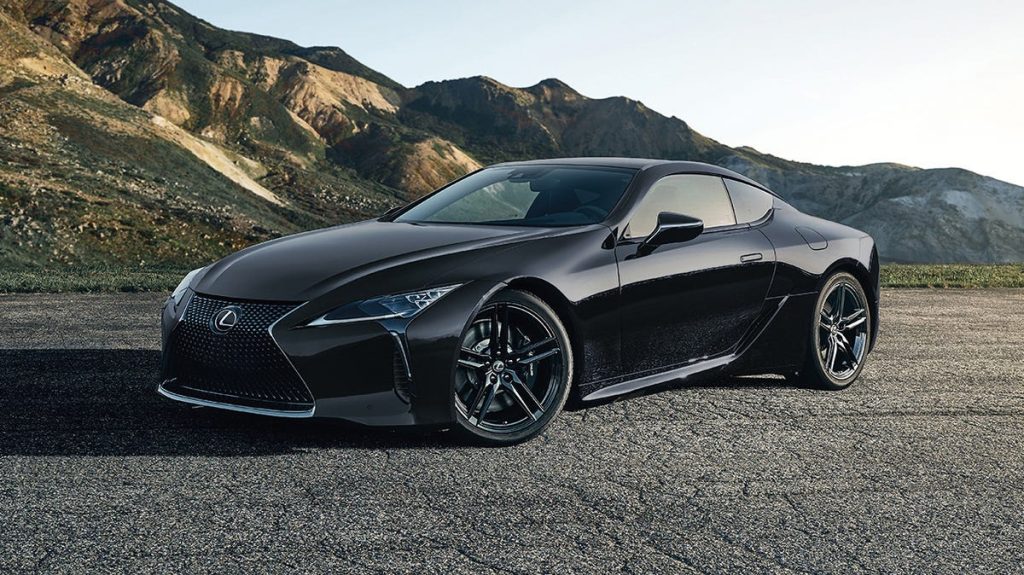
The Lexus LC 500 is one of the most distinctive grand touring coupes sold in the United States, and its exclusivity contributes significantly to its low risk of parts theft.
The LC 500 is built in far smaller numbers than popular luxury SUVs and family sedans. As a result, fewer replacement parts are needed in the market, giving criminals less opportunity to profit by dismantling stolen vehicles for components.
Many of the coupe’s exterior panels are unique and exceptionally complex in their construction. The sculpted bodywork, lighting assemblies, and interior trim pieces were engineered specifically for the LC and cannot be transferred easily to other Lexus models. This lack of interchangeability dramatically reduces the market for stolen parts.
The naturally aspirated V8 and rear-wheel-drive platform also appeal primarily to enthusiasts who often maintain their vehicles through authorized Lexus dealerships or trusted performance specialists.
These buyers typically prefer genuine, traceable replacement parts rather than components of uncertain origin, making stolen equipment more difficult to sell.
The LC 500 also incorporates sophisticated factory security systems, including advanced immobilizer technology and electronic key authentication. These systems increase the difficulty of stealing the vehicle or removing valuable components without triggering security measures.
Although its premium status means individual parts can be expensive, the combination of limited production, specialized engineering, and relatively low replacement demand discourages organized theft operations.
Criminals generally achieve greater profits by targeting more common vehicles whose components can be sold immediately to a much larger customer base.
For owners seeking an elegant grand touring coupe, the Lexus LC 500 offers not only exceptional craftsmanship and performance but also the advantage of being a comparatively unattractive target for parts theft.
Specifications
- Engine: 5.0-liter naturally aspirated V8
- Torque: 398 lb-ft
- Horsepower: 471 hp
- Length/Width: 187.4 in / 75.6 in
9. Lucid Air
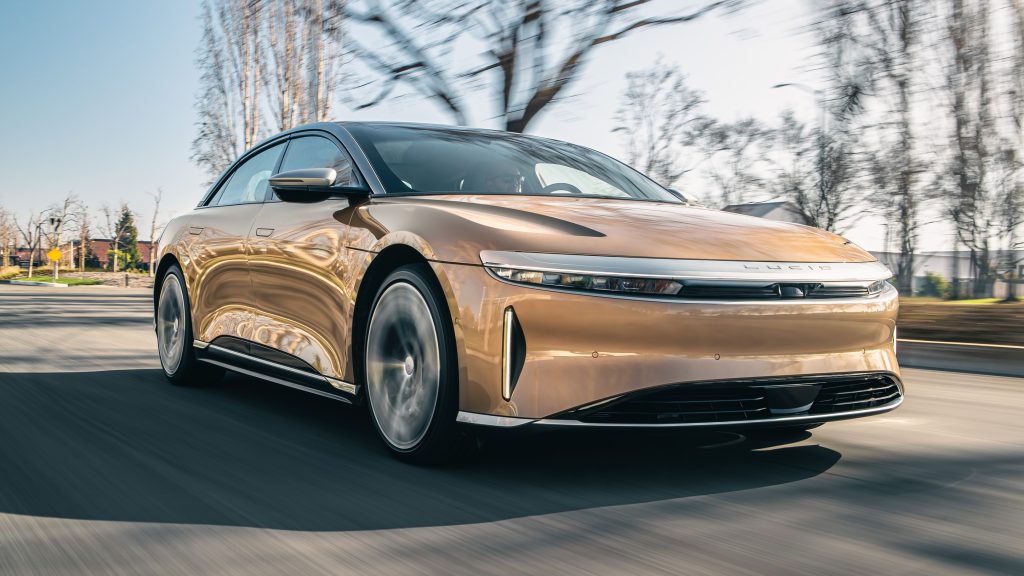
The Lucid Air is one of the newest premium electric sedans on the market, and its low production volume makes it a less attractive target for organized parts theft. With a much smaller owner base than mass-market sedans that sell in the hundreds of thousands each year, demand for replacement components is far more limited.
That naturally reduces demand for used replacement components, making it less profitable for criminals looking to dismantle vehicles for resale.
Nearly every major component of the Lucid Air was engineered specifically for the model. Its battery pack, drive units, lighting assemblies, glass, body panels, suspension components, and interior electronics are highly specialized and are not shared across numerous other vehicles.
Since these parts fit only a limited number of cars, finding buyers is considerably more difficult than selling components removed from popular pickup trucks or family SUVs.
The Air also incorporates advanced digital security systems. Connected vehicle technology, encrypted software, electronic immobilizers, and sophisticated monitoring systems increase the complexity of unauthorized access.
Organized theft groups generally prefer vehicles that can be stripped quickly with commonly available tools, and the Lucid Air presents additional technical challenges that reduce its attractiveness.
Another factor is the ownership profile. Lucid owners frequently rely on manufacturer-authorized service centers for repairs and maintenance, where genuine parts with documented origins are preferred.
This reduces the market for questionable replacement components and further discourages illegal dismantling.
No vehicle is completely protected from theft, and owners should still park in secure locations whenever possible. However, the Lucid Air’s exclusive production numbers, unique engineering, and limited demand for secondhand components make it one of the least attractive vehicles for criminals focused on stealing parts for resale.
Specifications
- Engine: Single permanent-magnet electric motor
- Torque: 406 lb-ft
- Horsepower: 430 hp
- Length/Width: 195.9 in / 76.4 in
10. Infiniti Q60
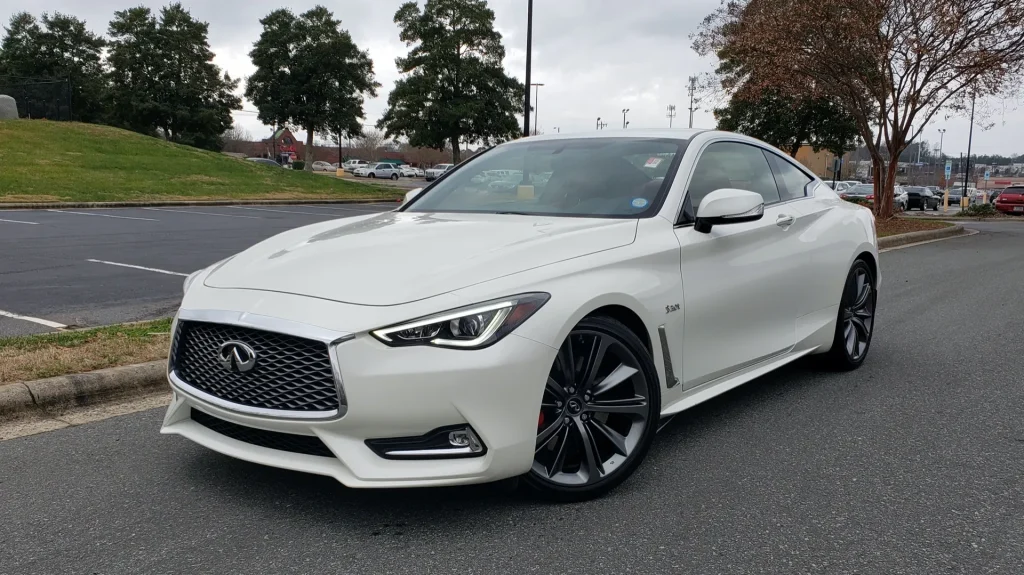
Although the Infiniti Q60 delivers strong performance and premium styling, it rarely appears on lists of vehicles commonly targeted for parts theft. One reason is its relatively low sales volume compared with mainstream luxury sedans and crossovers.
Fewer vehicles on the road translate into fewer owners searching for replacement components, reducing the financial incentive for organized theft operations.
The coupe’s distinctive design also works in its favor. Doors, body panels, bumpers, headlights, taillights, and much of the interior are exclusive to the Q60 and cannot be widely interchanged with other Nissan or Infiniti models.
This limits the potential customer base for stolen parts, making them more difficult to sell through illegal channels.
The Q60 also benefits from modern factory security technology. Electronic immobilizers, encrypted key systems, and integrated alarm functions increase the effort required to steal the vehicle or remove valuable components. Criminals seeking quick profits generally target models with higher parts demand and easier access.
Another advantage comes from the buying habits of Q60 owners. Because the vehicle occupies a premium segment, many owners choose dealership repairs or reputable specialty shops that source genuine replacement components. This lowers demand for unverified used parts and further reduces the profitability of dismantling the vehicle.
While owners should continue using sensible precautions such as secure parking and steering wheel locks when appropriate, the Infiniti Q60 remains a comparatively low-risk choice for parts theft.
Its combination of specialized engineering, modest production numbers, and limited aftermarket demand makes it significantly less appealing than many high-volume vehicles whose components are constantly sought after in the illegal parts market.
Specifications
- Engine: 3.0-liter twin-turbocharged V6
- Torque: 295 lb-ft
- Horsepower: 300 hp
- Length/Width: 184.4 in / 72.8 in
Also Read: 10 Cars That Are Cheapest to Insure for Drivers Under 25
