Owning an SUV in the United States comes with a mix of comfort, capability, and practicality, but it also brings ongoing maintenance responsibilities that can quietly add up over time.
Among routine expenses, brake and tire replacement are two of the most important factors affecting long-term ownership costs. They are essential for safety, but they also determine how much you will spend every few years and can significantly influence the total cost of owning a vehicle over a ten-year period.
SUVs are generally heavier than sedans, which means they place more stress on braking systems and tires. This added weight leads to faster wear in city driving conditions, especially in stop-and-go traffic.
According to industry averages in the US, brake pad replacement typically ranges from about $150 to $300 per axle, while full brake jobs with rotors can reach $600 or more depending on the vehicle size and parts used. Tire replacement is a major recurring expense, with a full set of SUV tires commonly costing between $600 and $1,200 installed, depending on size, brand, and performance category.
However, not all SUVs are equally expensive to maintain. Some models are designed with simpler brake systems, widely available parts, and standard tire sizes that keep replacement costs lower.
Others benefit from long-standing reputations for reliability and lower service complexity, which helps reduce labor charges at repair shops. Brands like Toyota, Honda, and certain American manufacturers tend to dominate the lower-cost segment because their parts are mass-produced, widely stocked, and competitively priced across the US market.
When evaluating SUVs for low brake and tire costs, several factors matter more than just brand name. Wheel size is a major influence because larger wheels require more expensive tires. Vehicle weight also plays a role, as lighter SUVs reduce brake strain.
Even driving style and terrain can dramatically change how often brakes and tires need replacement. Highway-driven SUVs typically last longer on both components compared to urban-driven ones.
This article highlights six SUVs that consistently rank well for affordable brake and tire replacement costs in the US. These models are not necessarily the cheapest to buy upfront, but they are known for keeping long-term maintenance predictable and budget-friendly.
Each section breaks down why these SUVs stand out and what makes their ownership costs lower compared to heavier, luxury-oriented competitors.
Also Read: 5 Best and Worst Years for the Honda Civic
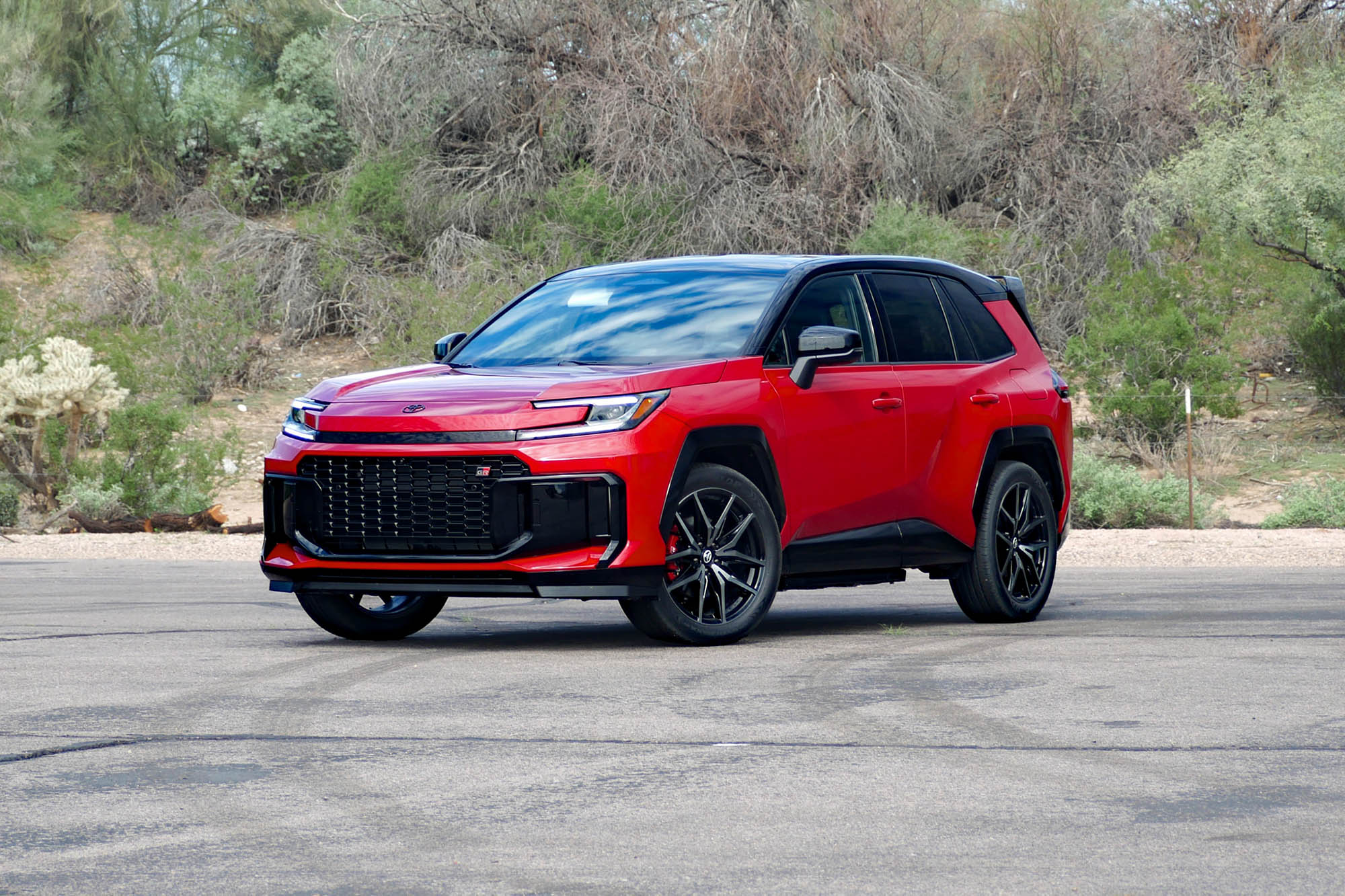
- Engine: 2.5-liter 4-cylinder gasoline engine
- Horsepower: 203 hp
- Torque: 184 lb ft
- Length: 180.9 inches
- Width: 73.0 inches
1. Toyota RAV4
The Toyota RAV4 has earned a reputation as one of the most affordable compact SUVs to own, and that extends well beyond fuel economy. One of the biggest reasons it keeps maintenance costs low is its durable braking system. Because the RAV4 is lighter than many midsize and full-size SUVs, its brake pads and rotors are subjected to less stress during normal driving.
Drivers who spend most of their time on highways often find that brake pads last well beyond 40,000 miles, helping reduce the frequency of replacements. Even for city drivers who encounter frequent stop-and-go traffic, the RAV4 generally delivers predictable brake wear that does not lead to unusually high repair bills.
Replacement parts are a major advantage. Since the RAV4 has been one of the best-selling SUVs in the United States for years, aftermarket manufacturers produce a wide variety of compatible brake pads, rotors, and other wear components.
This high availability creates competition among parts suppliers, keeping prices relatively low. Independent repair shops are also very familiar with servicing the RAV4, which often translates into lower labor charges compared to vehicles with more complicated braking systems or limited parts availability. Owners have the flexibility to choose between genuine Toyota parts and quality aftermarket alternatives depending on their budget.
Tire replacement costs also remain manageable because most RAV4 trims use common tire sizes that are widely available across the country. Whether shopping at a national tire retailer or a local service center, owners usually have dozens of options ranging from budget-friendly brands to premium all-season tires.
Since the vehicle does not require oversized performance tires on its standard trims, replacing all four tires is generally less expensive than on many competing SUVs equipped with larger wheels. This can result in meaningful savings over several years of ownership, especially for drivers who cover high annual mileage.
Another factor that helps control long-term expenses is the RAV4’s strong reliability record. Suspension components, steering parts, and wheel alignment typically hold up well under normal use, reducing the risk of uneven tire wear that could shorten tire life. When tires wear evenly, owners can maximize their mileage before replacement, making each set last longer.
Routine tire rotations and proper inflation further improve longevity, allowing many owners to exceed expected tread life without sacrificing safety or ride quality.
The Toyota RAV4 stands out as one of the smartest choices for drivers who want an SUV with consistently affordable maintenance. Its combination of durable brakes, inexpensive replacement parts, commonly available tires, and proven reliability helps keep ownership costs under control year after year.
For families, commuters, and anyone planning to keep their vehicle for the long term, the RAV4 continues to set the standard for cost-effective SUV ownership.
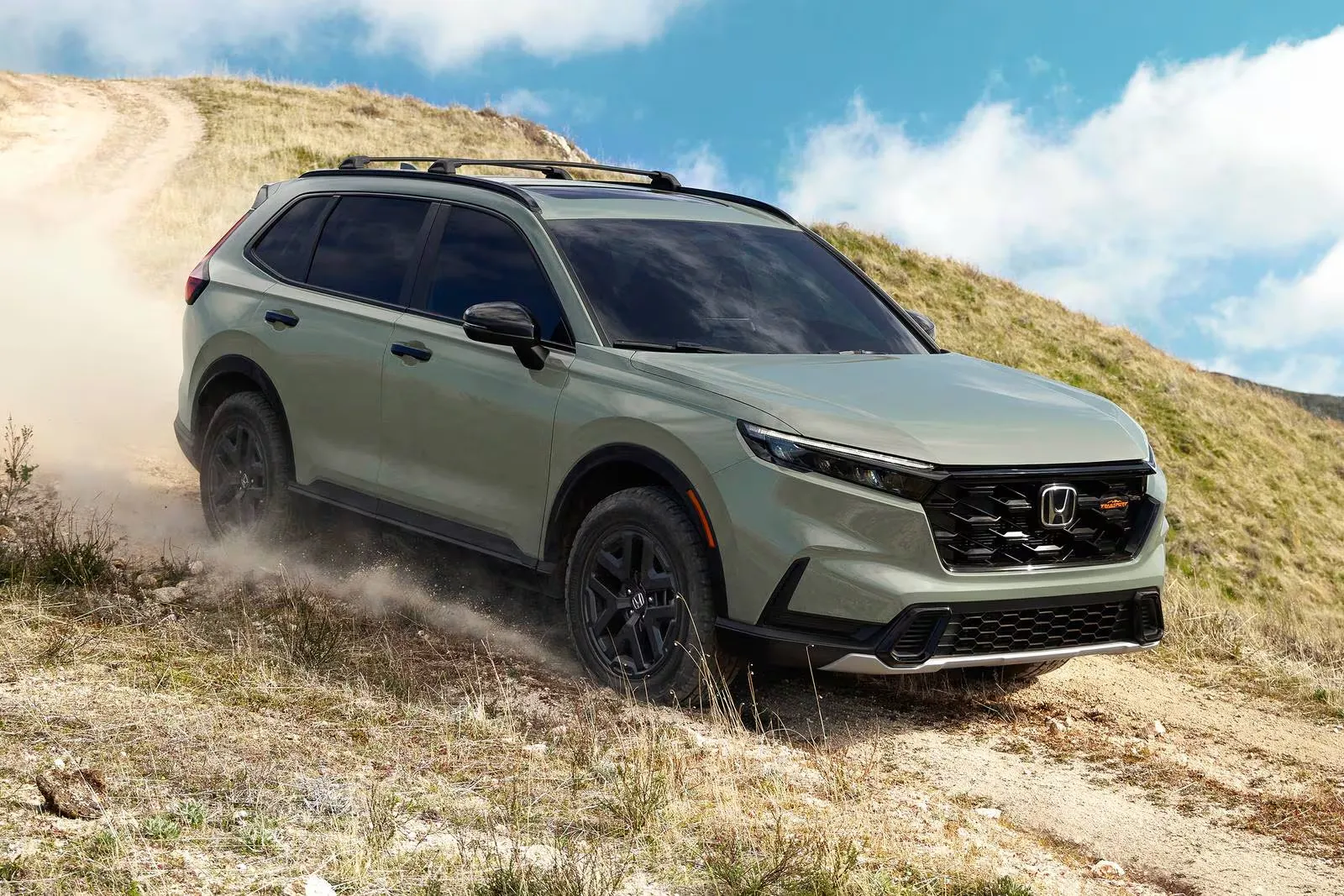
- Engine: 1.5-liter turbocharged 4-cylinder gasoline engine
- Horsepower: 190 hp
- Torque: 179 lb ft
- Length: 184.8 inches
- Width: 73.5 inches
2. Honda CR-V
The Honda CR-V has long been recognized as one of the most dependable compact SUVs in America, and its low brake and tire replacement costs are a major reason why so many owners keep their vehicles for well over a decade.
Honda designed the CR-V with efficiency and durability in mind, resulting in braking components that wear gradually under normal driving conditions. Drivers who follow regular maintenance schedules often experience long service intervals before needing new brake pads, making routine maintenance easier to budget over time.
Brake replacement costs are also helped by the CR-V’s popularity throughout the United States. Because millions of these SUVs are on the road, replacement parts are produced in large quantities by both Honda and aftermarket suppliers. This widespread availability keeps prices competitive and gives owners plenty of choices when selecting replacement components.
Most repair shops are familiar with servicing the CR-V, allowing brake jobs to be completed efficiently without excessive labor costs. That combination of affordable parts and straightforward repairs makes the CR-V one of the least expensive SUVs to maintain in this category.
The CR-V also keeps tire costs relatively low thanks to its practical wheel sizes. Most trims are equipped with standard all-season tires rather than oversized performance options, allowing owners to choose from a broad selection of brands at different price points.
Whether purchasing premium tires for maximum longevity or budget-friendly models for everyday commuting, buyers can usually find options that fit their needs without spending a premium. This flexibility is especially valuable as tire prices continue to rise across the automotive industry.
Another reason the CR-V performs well in terms of maintenance costs is its balanced suspension and steering system. Proper alignment helps distribute tire wear evenly across all four tires, extending their usable life when paired with regular tire rotations.
Since suspension components generally have a reputation for durability, owners are less likely to face premature tire wear caused by worn steering or suspension parts. Keeping tires in good condition not only saves money but also contributes to better fuel efficiency and safer handling.
For drivers who value predictable ownership expenses, the Honda CR-V remains one of the strongest choices on the market. Affordable brake service, inexpensive tire replacements, dependable engineering, and excellent long-term reliability combine to make it an SUV that delivers outstanding value long after the initial purchase.
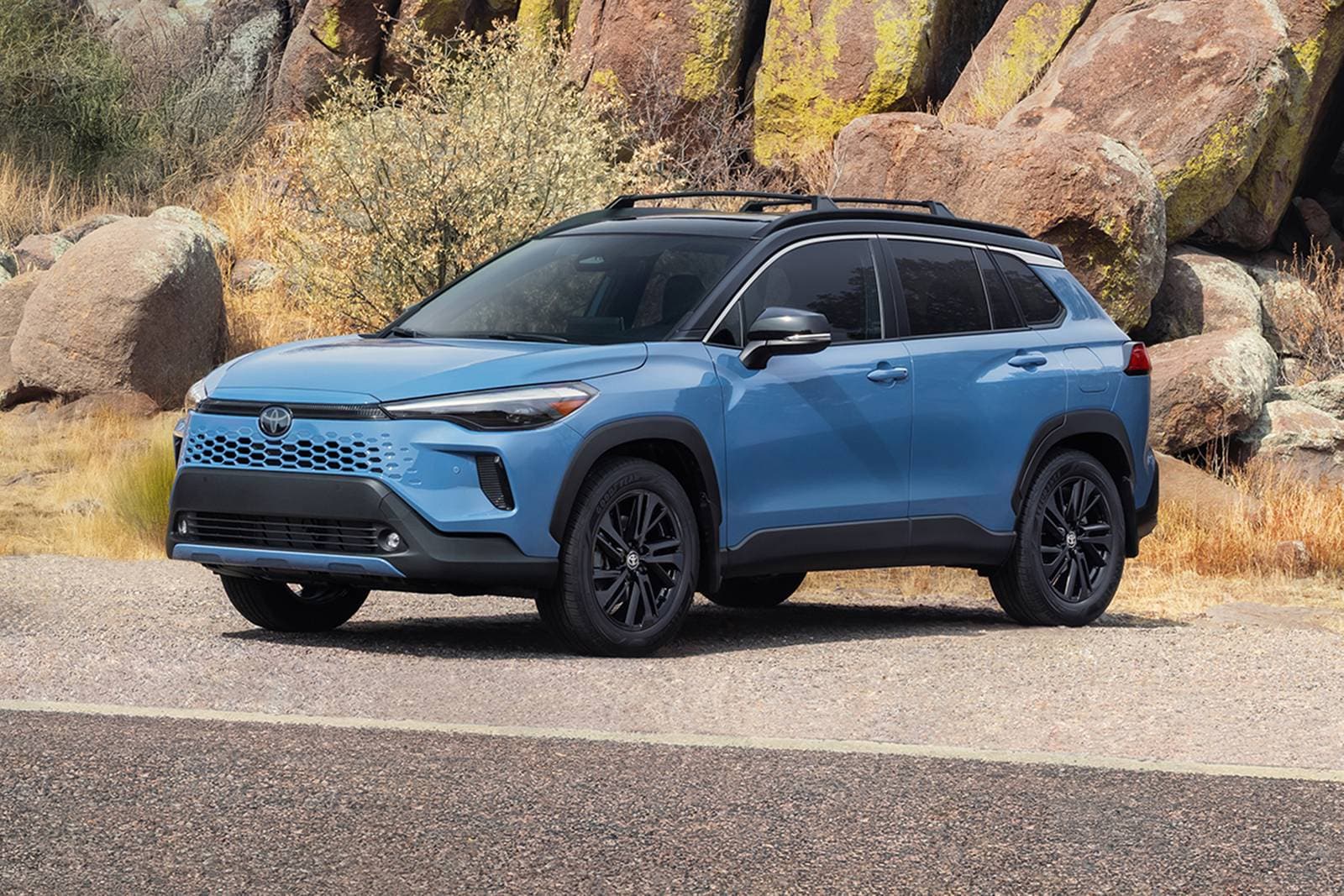
- Engine: 2.0-liter 4-cylinder gasoline engine
- Horsepower: 169 hp
- Torque: 151 lb ft
- Length: 175.6 inches
- Width: 71.9 inches
3. Toyota Corolla Cross
The Toyota Corolla Cross brings many of the qualities that made the Corolla sedan famous into the growing compact SUV segment. It was designed with practicality and affordability as priorities, making it one of the least expensive SUVs to maintain over the long run.
Because the vehicle is relatively lightweight, its braking system experiences less strain than that of larger SUVs, allowing brake pads and rotors to last longer under everyday driving conditions. This translates into fewer repair visits and lower maintenance expenses throughout ownership.
One of the Corolla Cross’s biggest financial advantages comes from its tire size. Unlike larger SUVs that require wide or low-profile tires, the Corolla Cross uses smaller, more affordable tire dimensions on most trims.
These tire sizes are extremely common in the US market, giving owners access to a large selection of replacement options at competitive prices. Whether shopping for premium touring tires or economical all-season models, buyers can usually replace all four tires for significantly less than they would spend on larger crossover SUVs.
Brake service costs are equally reasonable because replacement components are widely available. Toyota’s extensive dealer network and the large aftermarket parts industry help keep prices competitive.
Independent repair shops also have extensive experience working on Toyota vehicles, making labor costs relatively affordable. Routine brake maintenance is generally straightforward, allowing owners to avoid the higher service charges often associated with luxury or specialty SUVs.
An important advantage is Toyota’s well-known reputation for reliability. Reliable suspension, steering, and drivetrain components reduce the likelihood of problems that could contribute to uneven tire wear or premature brake issues.
When the vehicle remains properly aligned and mechanically sound, tires wear more evenly and last closer to their expected lifespan. This lowers long-term ownership costs while improving driving performance.
For buyers seeking a compact SUV with low ongoing maintenance expenses, the Toyota Corolla Cross is an excellent option. Affordable replacement parts, low tire costs, dependable engineering, and predictable maintenance schedules make it especially attractive for commuters, young families, and first-time SUV owners looking to minimize ownership costs.
Also Read: 10 Hidden Features In The Honda Pilot
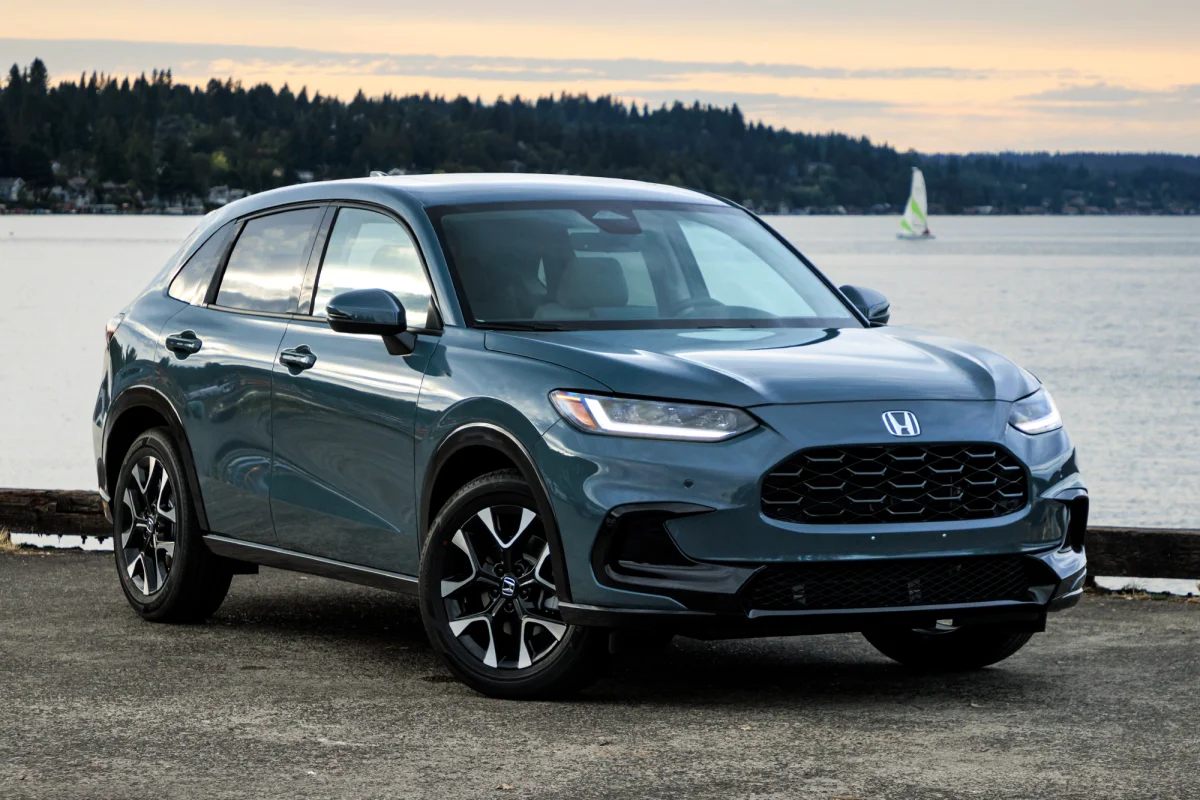
- Engine: 2.0-liter 4-cylinder gasoline engine
- Horsepower: 158 hp
- Torque: 138 lb ft
- Length: 179.8 inches
- Width: 72.4 inches
4. Honda HR-V
The Honda HR-V is one of the most economical SUVs available for drivers who prioritize affordable maintenance. Its compact dimensions and relatively low curb weight reduce the amount of stress placed on both the braking system and the tires during everyday driving.
Since there is less mass to slow down, brake pads generally wear more slowly than those found on heavier SUVs, allowing owners to go longer between brake service appointments.
Routine brake replacements remain inexpensive because Honda parts are widely available throughout the United States. Independent repair shops and dealerships typically keep common HR-V brake components in stock, helping reduce both wait times and repair costs.
Owners can also choose from a wide selection of aftermarket brake pads and rotors, providing flexibility for different budgets while maintaining reliable braking performance.
The HR V’s tire replacement costs are a strong selling point. Most models come equipped with practical wheel sizes that use affordable all-season tires instead of expensive performance-oriented options.
Since these tire sizes are commonly used across multiple vehicle models, competition among manufacturers helps keep prices low. Regular tire rotations and proper inflation can further extend tire life, reducing the frequency of replacement over the course of ownership.
Beyond routine maintenance, the HR-V benefits from Honda’s reputation for dependable engineering. Its suspension system generally maintains proper alignment for long periods, helping prevent uneven tire wear.
Stable handling characteristics also reduce unnecessary strain on tires during everyday commuting, allowing owners to maximize tread life with basic maintenance practices. These small savings accumulate over several years and contribute to lower total ownership costs.
The Honda HR-V offers exceptional value for drivers looking to minimize maintenance expenses without sacrificing practicality. Affordable brake repairs, low tire replacement costs, dependable reliability, and strong resale value make it one of the best compact SUVs for budget-conscious buyers in the US market.
- Engine: 2.5-liter 4-cylinder gasoline engine
- Horsepower: 187 hp
- Torque: 186 lb ft
- Length: 180.1 inches
- Width: 72.6 inches
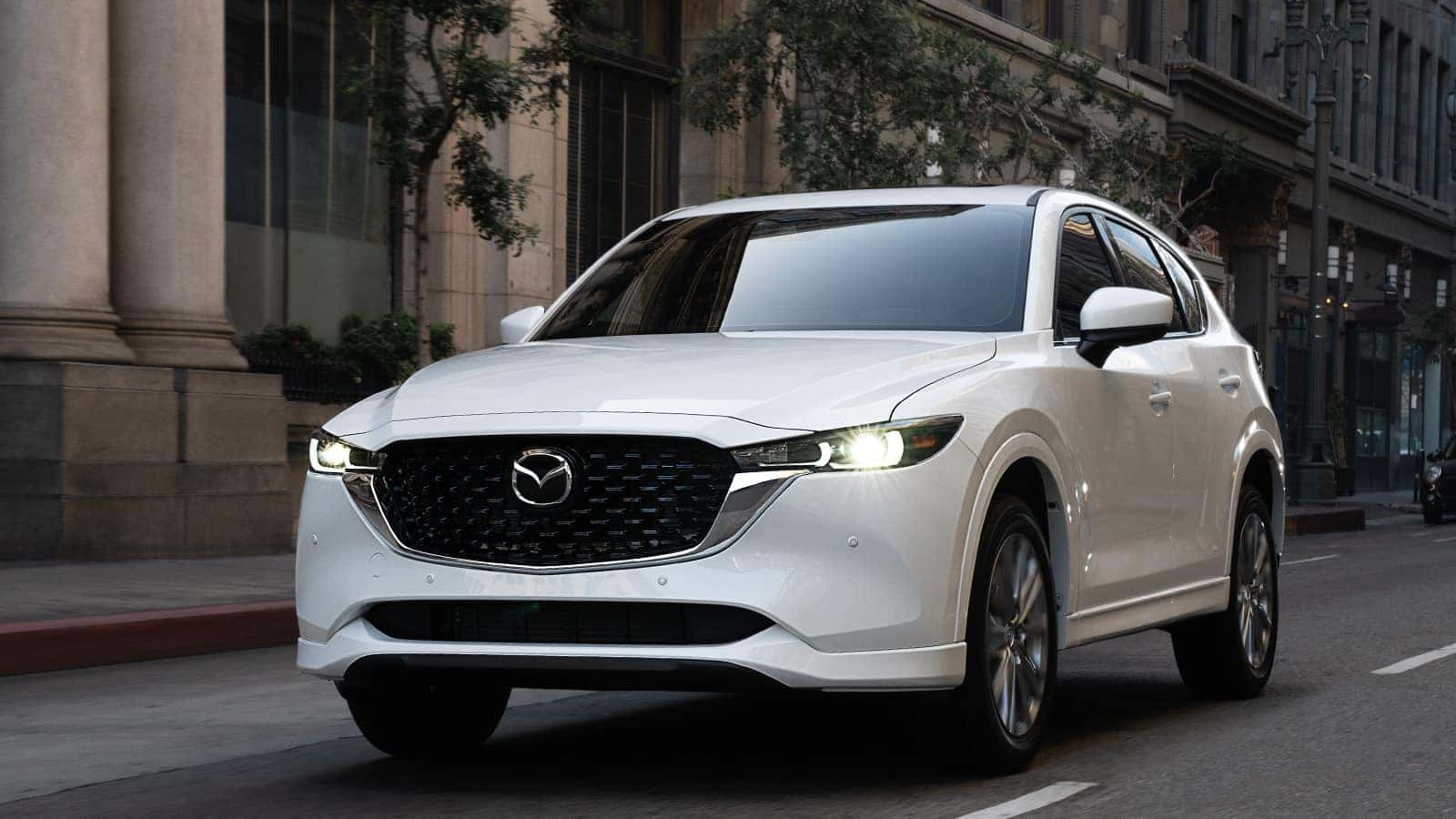
5. Mazda CX-5
The Mazda CX-5 is often praised for delivering a more refined driving experience than many competitors, yet it still manages to keep routine maintenance costs within a reasonable range. Its braking system is designed to provide confident stopping power without excessive wear, allowing brake pads and rotors to last a respectable amount of time under normal driving conditions.
Owners who follow recommended maintenance schedules typically experience predictable brake replacement intervals that are comparable to those of other popular compact SUVs.
Replacement brake components for the CX-5 are widely available through dealerships and aftermarket suppliers, helping keep repair costs under control.
While genuine Mazda parts may cost slightly more than some competitors, the availability of quality aftermarket alternatives gives owners multiple pricing options. Many independent repair shops regularly service Mazda vehicles, making labor charges competitive in most parts of the United States.
Tire replacement expenses are also relatively reasonable, particularly on lower- and mid-level trims equipped with standard wheel sizes.
These trims avoid the larger wheels found on some premium SUVs that require more expensive tires. Owners have access to numerous tire brands and price ranges, making it easier to find products that balance performance, longevity, and affordability. Choosing long-lasting touring tires can further reduce replacement frequency over time.
One advantage of the CX-5 is its well-engineered suspension system, which promotes stable handling and even tire wear. Proper weight distribution and responsive steering reduce unnecessary stress on the tires during everyday driving.
Combined with regular wheel alignments and tire rotations, this allows many owners to achieve excellent tire life while maintaining the SUV’s comfortable ride and confident road manners.
The Mazda CX-5 proves that drivers do not have to sacrifice driving enjoyment to keep maintenance costs reasonable. With durable brakes, manageable tire expenses, dependable engineering, and strong reliability, it remains an appealing choice for buyers seeking a balance between comfort, performance, and affordability.
- Engine: 2.5 liter BOXER 4-cylinder gasoline engine
- Horsepower: 180 hp
- Torque: 178 lb ft
- Length: 183.3 inches
- Width: 72.0 inches
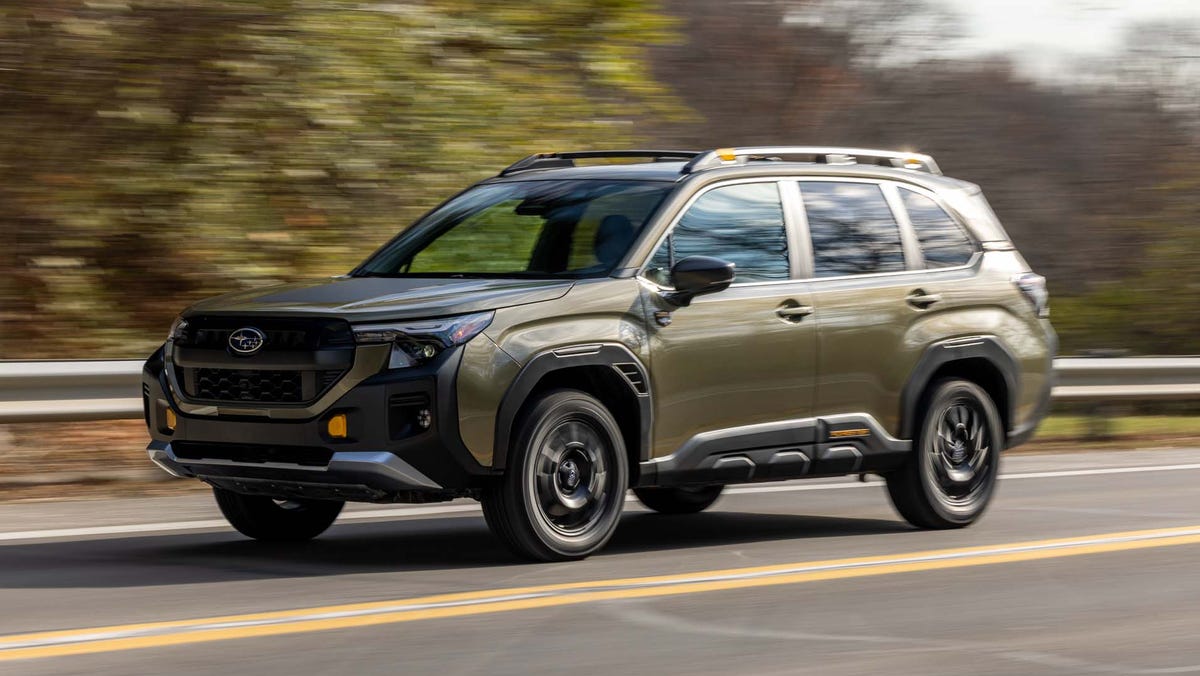
6. Subaru Forester
The Subaru Forester has built a loyal following among drivers who value reliability, practicality, and all-weather capability. Although it comes standard with All Wheel Drive, it still manages to maintain relatively affordable brake and tire replacement costs compared to many SUVs with similar capabilities.
Its braking system is designed for everyday driving as well as occasional light off-road use, providing dependable performance without requiring unusually expensive maintenance.
Brake service on the Forester is generally straightforward because replacement parts are readily available through Subaru dealerships and aftermarket manufacturers.
Most repair shops are familiar with the vehicle’s braking system, allowing repairs to be completed efficiently and at competitive labor rates. Owners who drive conservatively often report long brake pad life, especially when most of their mileage comes from highway driving rather than constant city traffic.
Tire costs remain reasonable despite the Forester’s standard All Wheel Drive system. While owners should replace all four tires together to maintain proper drivetrain performance, the vehicle typically uses common tire sizes that are widely available throughout the United States.
This provides access to a broad selection of all-season and all-terrain tire options across various price points. Careful maintenance, including tire rotations and proper inflation, helps maximize tread life and reduce long-term replacement expenses.
The Forester also benefits from durable suspension components that contribute to consistent alignment and even tire wear. When tires wear evenly, owners get more usable mileage before replacement becomes necessary.
Combined with Subaru’s reputation for dependable engineering, this helps lower the cost of ownership despite the added complexity of an All Wheel Drive system.
For drivers who need year-round traction without facing luxury-level maintenance bills, the Subaru Forester remains an outstanding option. Its combination of affordable brake service, reasonably priced tires, dependability, and practical design makes it a strong value for families, outdoor enthusiasts, and daily commuters alike.