
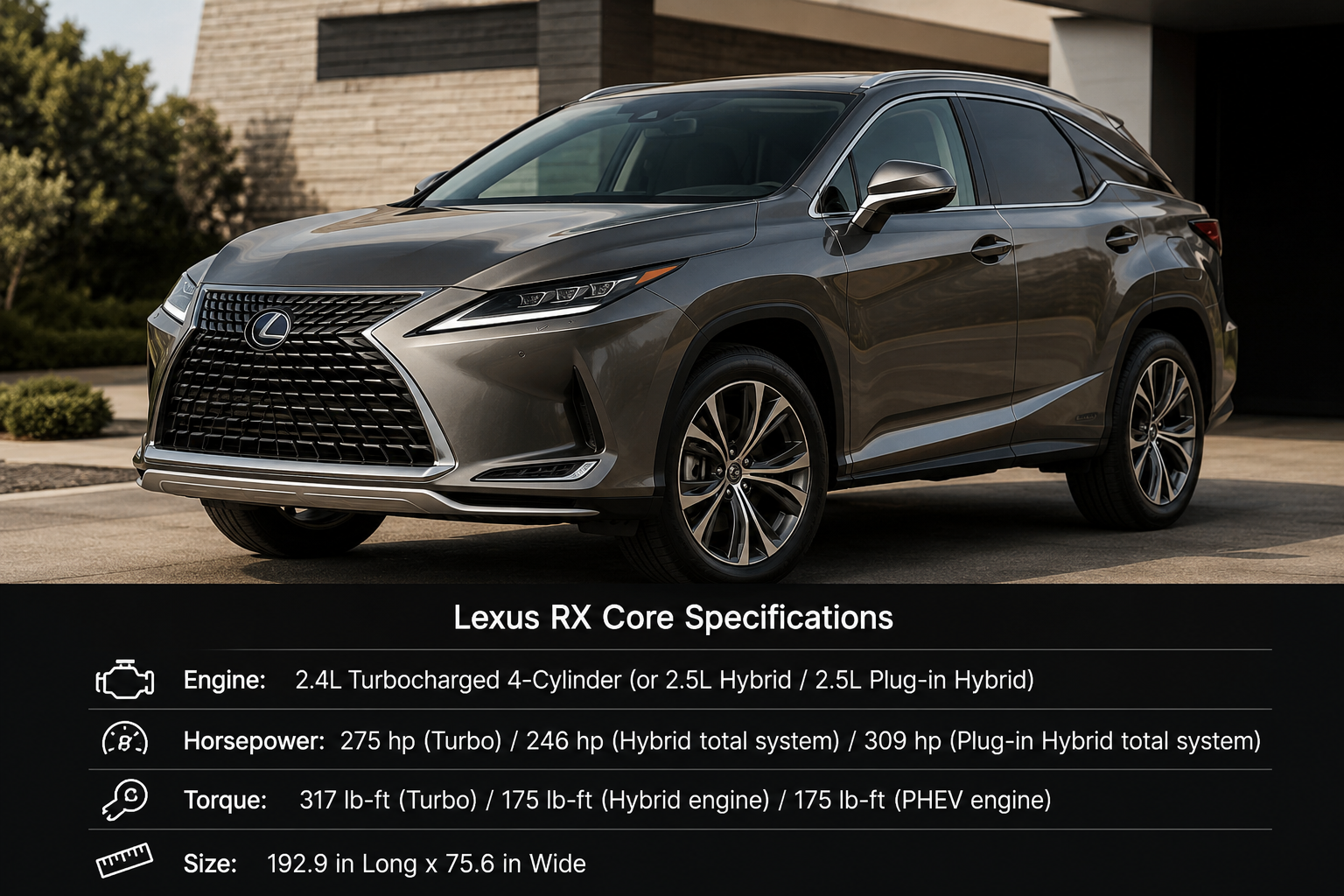
Owning a Lexus RX is about much more than enjoying a quiet cabin, premium materials, and a comfortable ride. The SUV also comes with several smart features that many drivers never discover. Some are hidden inside the vehicle settings, while others only work after using a particular button or control in the right way.
These built-in functions were designed to make daily driving easier, yet many owners use their RX for years without knowing they are available. Many of these features receive little attention during vehicle delivery because dealerships usually focus on the basic controls and driving functions.
The owner’s manual does explain them, but the information is often buried in long sections that most people never read from beginning to end. As a result, drivers may miss useful functions that improve convenience, comfort, and even everyday practicality. In many cases, owners create workarounds for tasks their RX can already handle with a simple setting or button press.
This guide highlights ten genuine hidden features found in the Lexus RX and explains how to use them. You will learn where each feature is located, how to activate it when necessary, and the benefit it provides during everyday driving. Some functions help save time, while others improve comfort or make common tasks much easier.
Whether you recently bought your RX or have owned one for years, there is a good chance you will discover features you have never used before. Once you start using them, they can quickly become part of your regular driving routine.
1. Remote Window and Moonroof Control
Hot cars are one of the most universal frustrations in vehicle ownership, and the Lexus RX addresses this specific problem through a key fob feature that most owners carry in their pocket for years without ever knowing it works this way. The solution begins before you ever reach the car door, triggered from wherever you are walking across a parking lot.
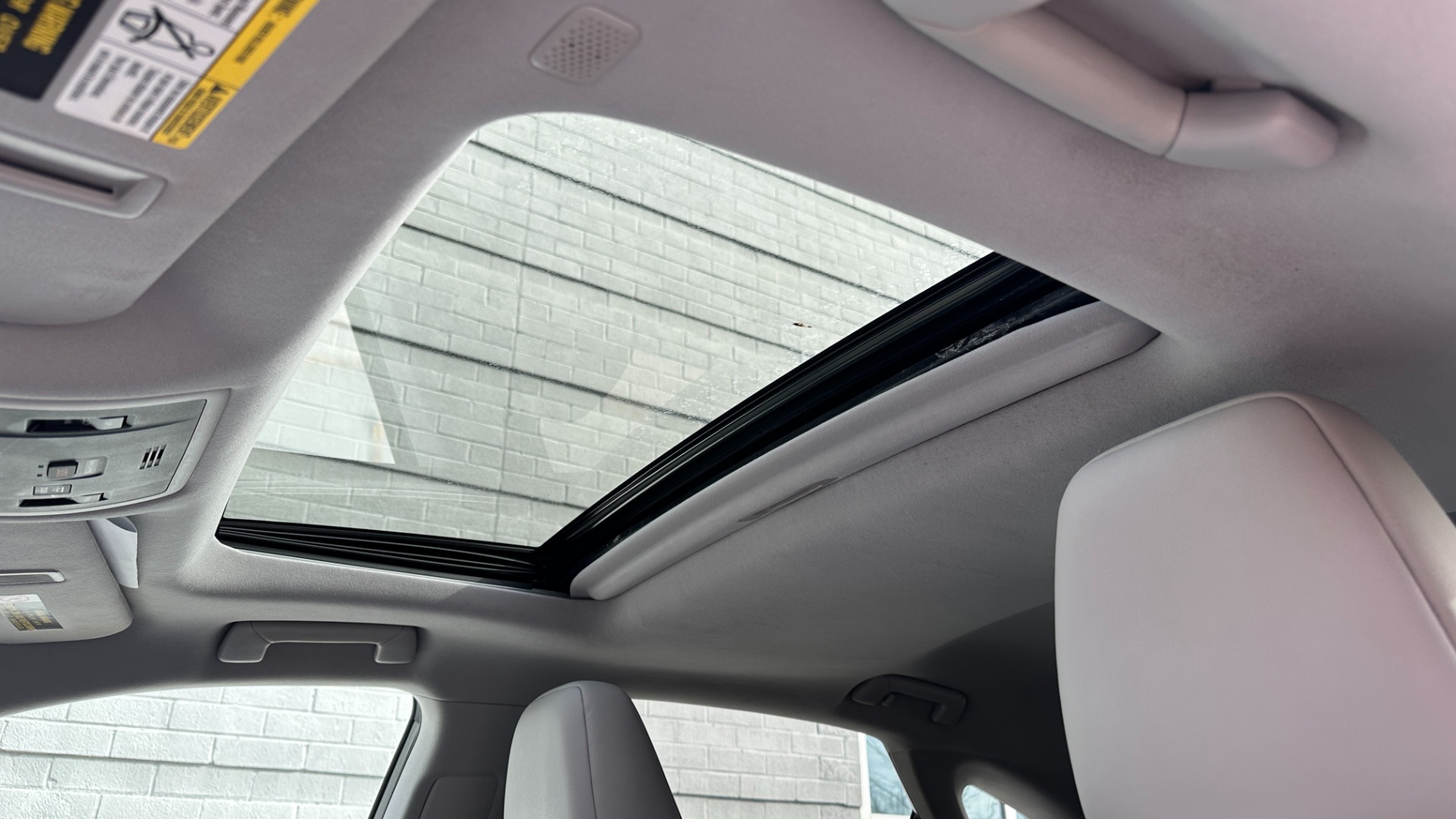
Pressing and holding the Unlock button on the key fob rather than simply tapping it initiates a global window roll-down script that lowers all windows simultaneously. On many RX models with this feature enabled in vehicle settings, the moonroof also opens as part of the same command, creating maximum cabin ventilation without requiring the engine to be running or the driver to be seated inside the vehicle.
That ventilation makes a measurable difference in how quickly the interior becomes livable on a hot day. The hottest air in any parked vehicle collects near the headliner and dashboard, where direct sunlight has been heating interior surfaces for hours. Allowing that trapped air to escape through open windows and a moonroof creates a chimney effect that draws heat upward and out naturally, reducing interior temperature considerably before the air conditioning ever starts working.
Drivers with children, families loading groceries, or anyone who parks regularly in uncovered lots during summer months will find this feature genuinely useful rather than simply clever. Arriving at the car after a long shopping trip and lowering the windows before opening the door means nobody has to immediately endure a blast of confined hot air during the first thirty seconds of a parking lot errand.
The feature works as long as you are within key fob range, which typically extends to thirty or forty feet from the vehicle, depending on obstructions between the fob and the car’s sensors.
2. Hidden Mechanical Key and Emergency Start
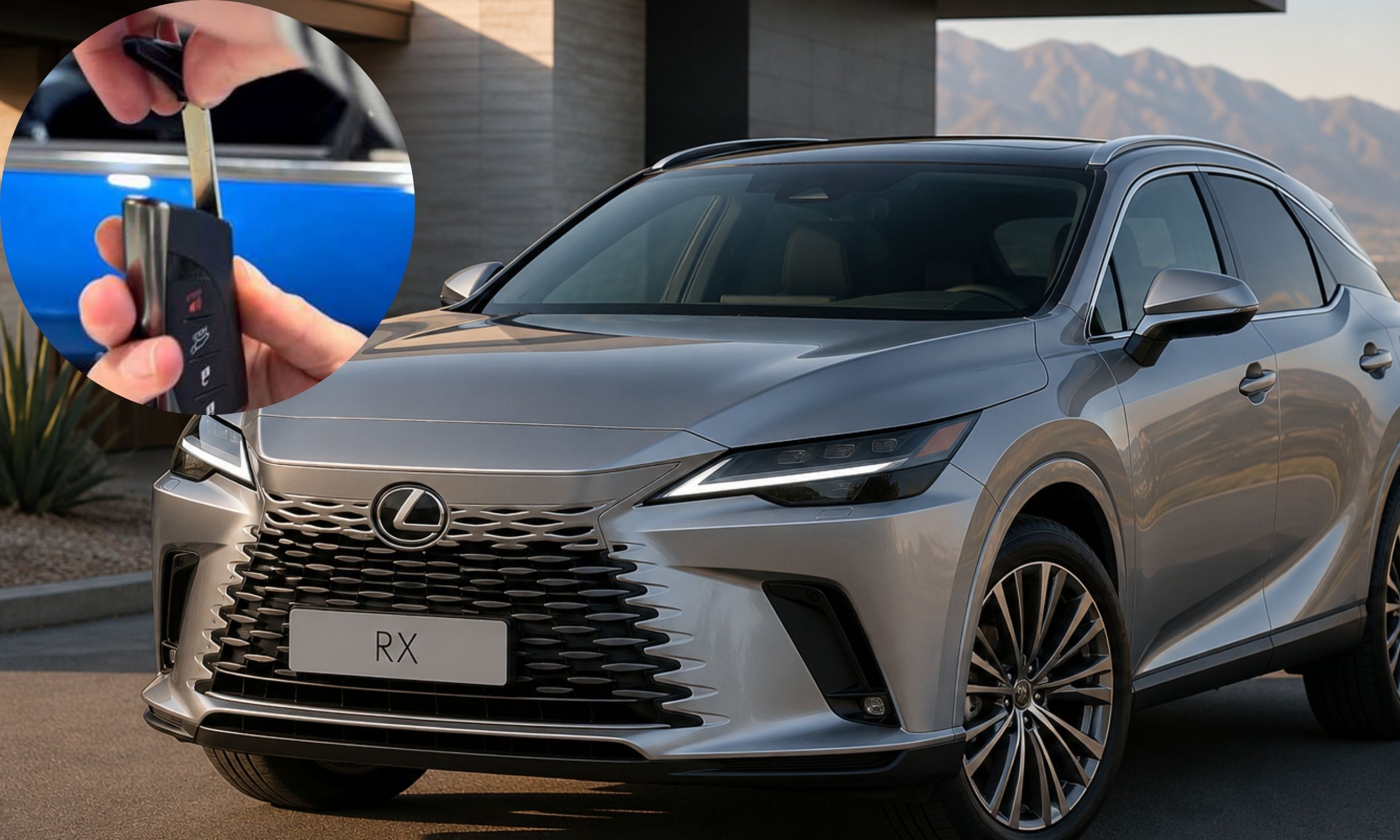
Every Lexus RX Smart Key conceals a fully functional traditional mechanical key inside its casing, and the vast majority of owners never discover it exists until they face a situation that genuinely requires it. The hidden mechanical key slides out from the key fob body by releasing a small catch or slider on the fob itself, revealing a conventional key blade that fits the driver’s door lock cylinder directly.
This hidden key addresses the scenario where the fob battery has died completely, and the door cannot be opened through electronic detection. Without knowing about this feature, an owner standing next to their locked RX with a dead key fob faces a service call or a locksmith appointment. With this knowledge, they simply extract the mechanical key from the fob, locate the physical lock cylinder on the driver’s door handle, and unlock the vehicle conventionally in seconds.
The emergency capability extends further than just door access. Holding the key fob directly against the Start/Stop button area on the dash allows the vehicle to detect the fob’s passive RFID chip at extremely close range, even when the fob battery has insufficient charge to transmit wirelessly under normal circumstances.
The passive chip does not require battery power to be detected at contact range, which means pressing the fob firmly against the start button while attempting to start the engine completes the authorization step that a normal wireless signal would otherwise handle from a greater distance.
Most owners discover both of these capabilities from other RX owners, online forums, or automotive journalists rather than from dealer delivery walkarounds, since these features are considered background knowledge for the vehicle rather than headline selling points that dealerships emphasize during the sales process.
Also Read: 3 Lexus Models Worth Every Dollar vs 3 Overpriced Ones
3. Reverse Auto-Tilting Side Mirrors
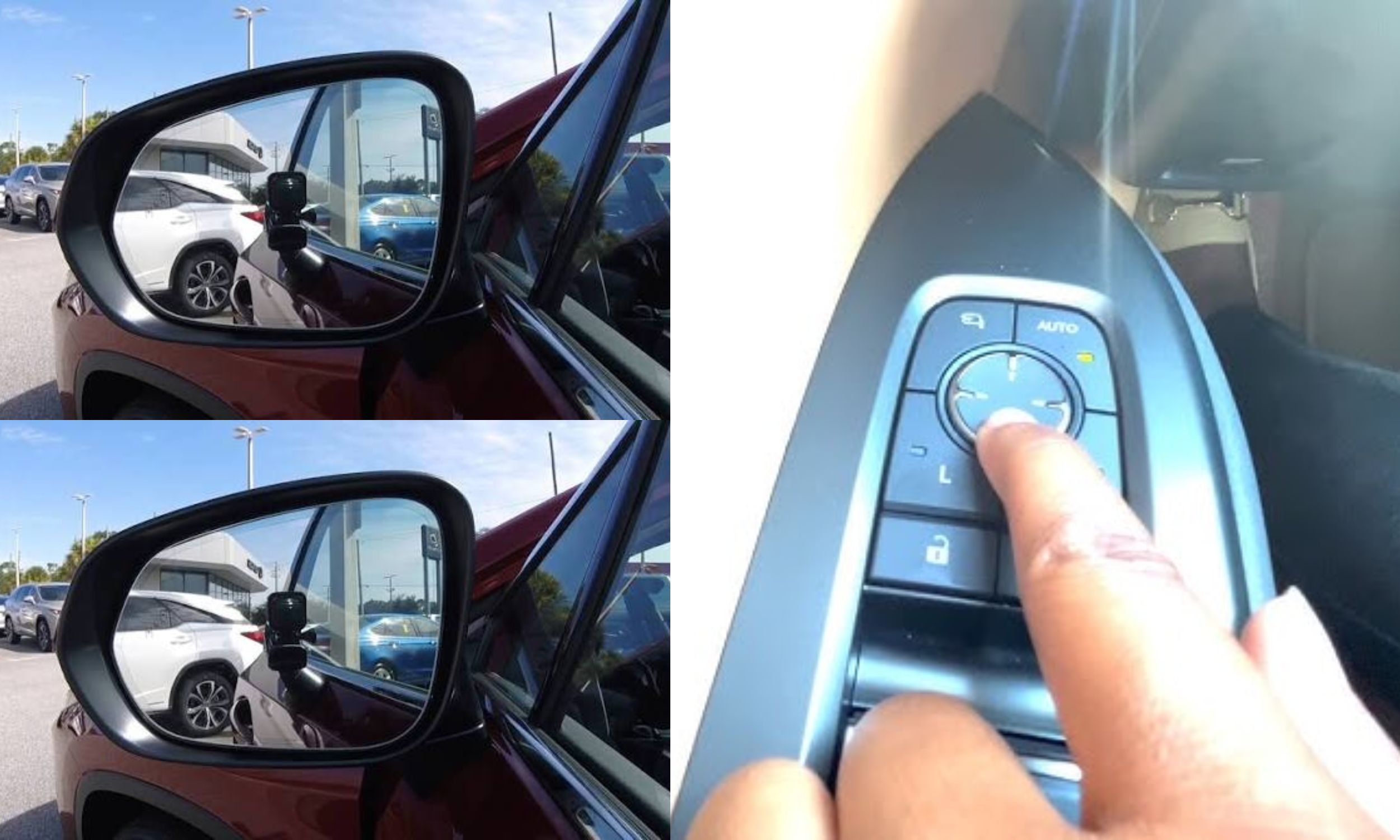
Curb damage to expensive alloy wheels is among the most common and avoidable costs associated with parallel parking and tight-space maneuvering, and the Lexus RX includes a factory feature specifically designed to prevent exactly this type of damage by giving the driver a direct view of wheel-to-curb proximity during the reverse portion of any parking maneuver. This feature works silently in the background once enabled, yet most owners spend years parking without it because they never discovered the setting exists.
When the mirror selector switch is set to either the left or right mirror position before reversing, the selected mirror automatically tilts downward while the vehicle is in reverse, angling the mirror’s view toward the pavement, the curb, and the area immediately adjacent to the corresponding wheel. The driver gains a visual reference for the curb’s position relative to the wheel without needing to physically lean forward or estimate distance purely through feel.
This is particularly valuable during parallel parking in urban environments where curbs sit close to the vehicle’s wheel path and a few inches of miscalculation mean an expensive rim repair. The ability to watch the curb approach in real time through the angled mirror view removes most of the guesswork from that critical final few inches of the parking maneuver.
The feature is reversible between the driver and passenger sides, depending on which side of the vehicle faces the curb during any particular parking situation, since the mirror that tilts corresponds to whichever side the selector switch is set to before the reverse gear engagement. Drivers who regularly parallel park on city streets consistently describe this feature as one of the most practically valuable things they learned their Lexus could do.
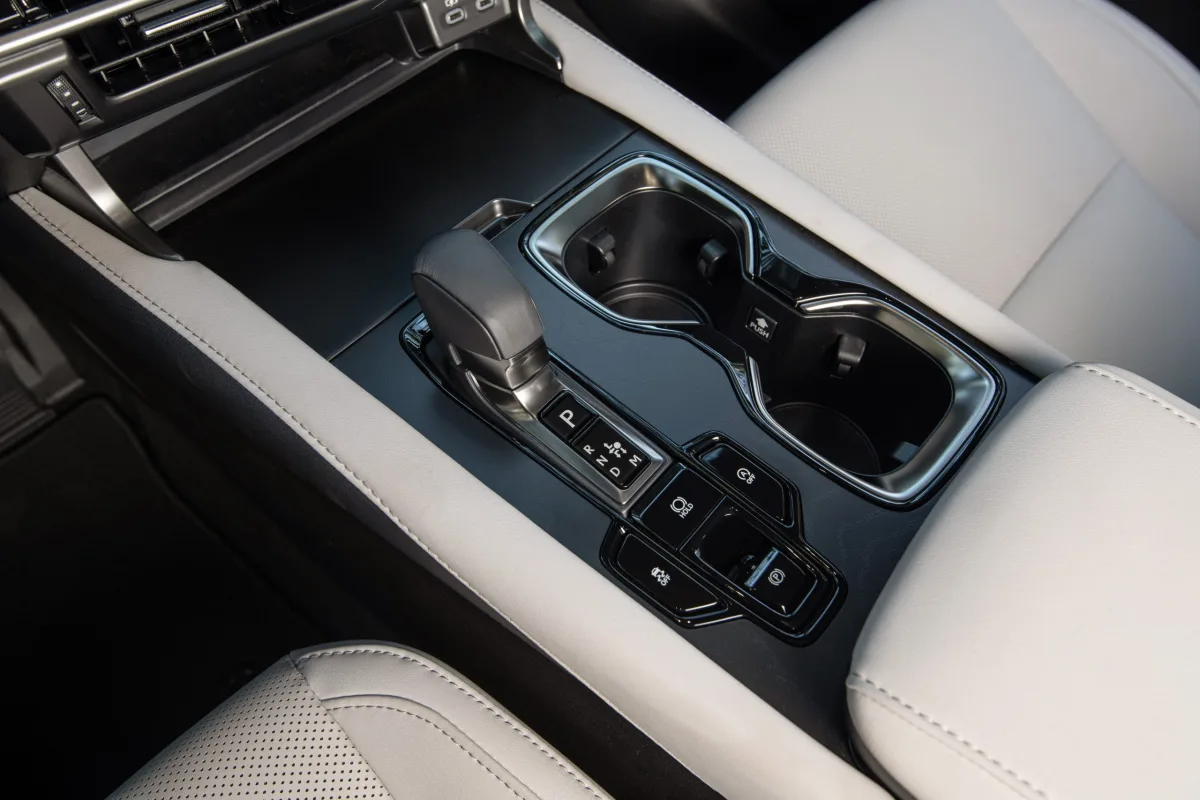
4. Dual-Opening Center Console
Many vehicles are designed with the driver as the main focus, and the center console is a good example. In most cars, the storage compartment opens from only one side, making it easy for the driver but less convenient for the front passenger. If someone in the passenger seat wants to pick up a phone, charging cable, or wallet, they often have to lean across awkwardly or ask the driver for help. It is a small inconvenience that happens more often than people realize.
Lexus came up with a much smarter solution in the RX. The center console lid is designed to open from either the driver’s side or the passenger’s side. Whichever front occupant needs access can simply lift the lid from their side without disturbing the other person. The mechanism works smoothly and feels natural, making it one of those thoughtful touches that reflect the attention Lexus gives to everyday convenience.
This simple design becomes even more useful during long journeys. The front passenger can easily reach personal belongings without interrupting the driver, while both occupants can share the storage space comfortably during breaks or while parked. It also works well for families and couples who regularly swap driving duties, as neither person has to stretch across the cabin to reach the compartment.
Many RX owners are surprised when they discover this feature because they have been using the console like a conventional one for months or even years. Once they realize it opens from both sides, it quickly becomes part of their daily routine and makes the cabin feel even more practical.
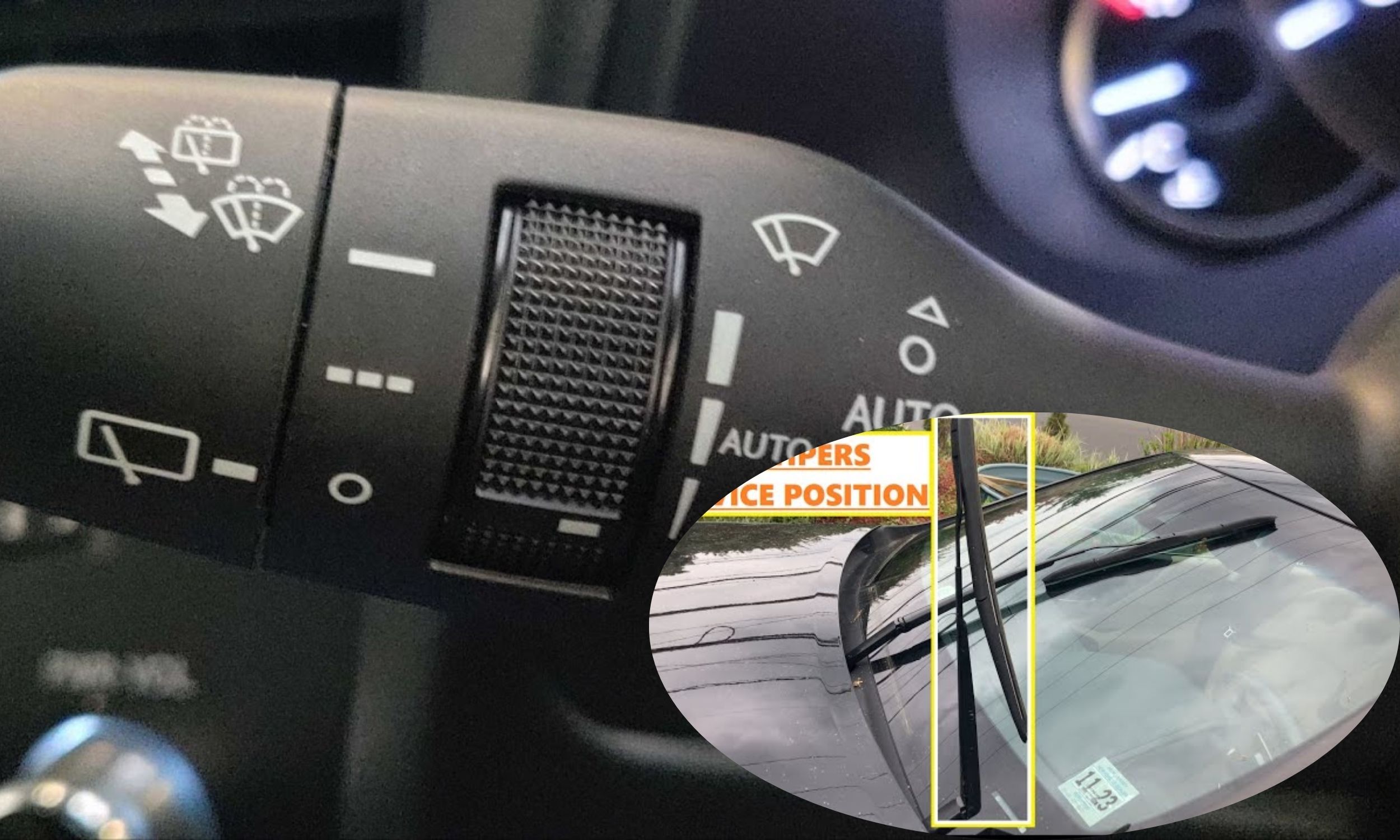
5. Windshield Wiper Service Mode
Replacing windshield wiper blades and cleaning the windshield thoroughly present a specific mechanical challenge unique to vehicles where the wipers park in a position that sits against the lower windshield trim rather than lifting freely away from the glass. On most vehicles, accessing the wiper arm mount and blade attachment point requires prying the arm away from the glass in a position that feels precarious, since the parking position leaves limited clearance for reaching the attachment mechanism.
The Lexus RX includes a maintenance position mode that raises the wiper arms to a vertical position away from the windshield surface, making blade replacement and windshield cleaning easier by giving clear, unobstructed access to the attachment points. The activation procedure for this mode varies slightly depending on the model year, so consulting the specific owner’s manual section covering wiper maintenance provides the exact button sequence for a given vehicle.
This feature saves both time and mild frustration during routine wiper maintenance by removing the physical awkwardness of working in a cramped position between the wiper arm and the windshield trim. Professional mechanics who service multiple vehicles appreciate this feature because it reduces the time required for wiper replacement by eliminating the need to work around a blade that sits too close to the cowl panel.
Winter drivers who live in regions where wiper blade replacement happens more frequently due to rubber degradation from temperature extremes benefit from this feature most directly, since frequent blade changes make the accessibility improvement compound across each maintenance event throughout a cold season.
Setting the wipers to the service position before any blade work also prevents the spring-loaded arms from snapping back against the glass if a blade slips during the replacement process.
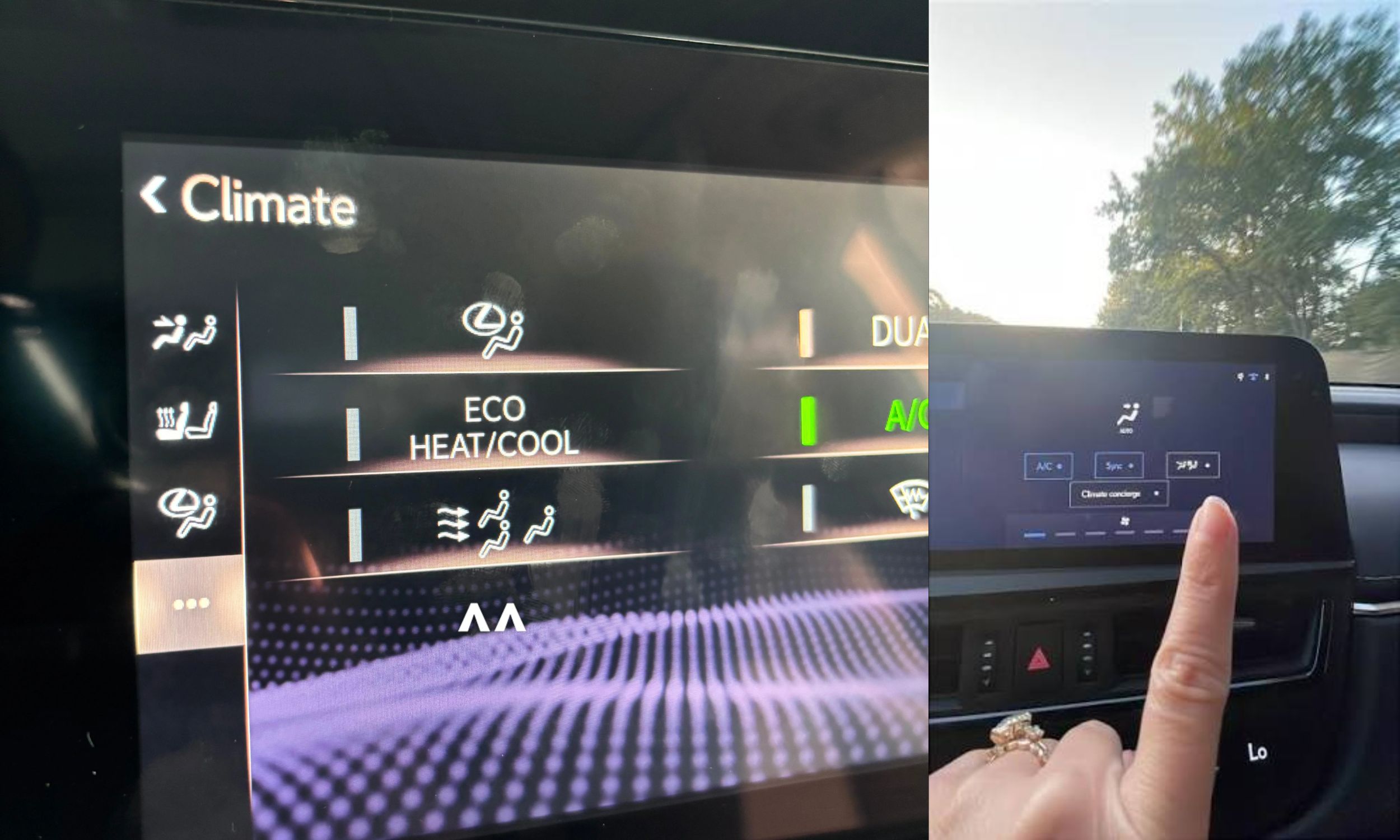
6. S-FLOW Climate Control
Most vehicle climate control systems cool or heat the entire cabin the same way, even when only the driver is inside. That means air is still being sent to empty seats, which is not always the most efficient approach. For someone driving alone every day, this can result in unnecessary energy use while also making the cabin feel colder or warmer than needed because the airflow is spread across areas with no passengers.
Lexus addresses this with its S-FLOW climate control system. Using built-in occupancy sensors, the RX can detect which seats are being used and direct air only to those areas. Instead of treating every seat equally, the system focuses cooling or heating on where people are actually sitting. This creates a more comfortable environment while reducing the effort required from the climate control system.
There is another advantage that many owners do not notice. Since the system avoids sending conditioned air to empty seats, it places less demand on the air conditioning or heating system. In petrol-powered models, this can improve efficiency during daily driving. In hybrid and plug-in hybrid versions, reducing the climate system’s workload can also help preserve battery power, giving the vehicle more energy for driving.
Accessing the S-FLOW feature is easy once you know where to look. Depending on the model year and trim, it can be activated through the climate control buttons or the infotainment screen. Drivers who usually travel alone or with only one passenger will appreciate its benefits the most. After using it for a while, many owners leave it switched on because it delivers better comfort without wasting energy on unoccupied parts of the cabin.
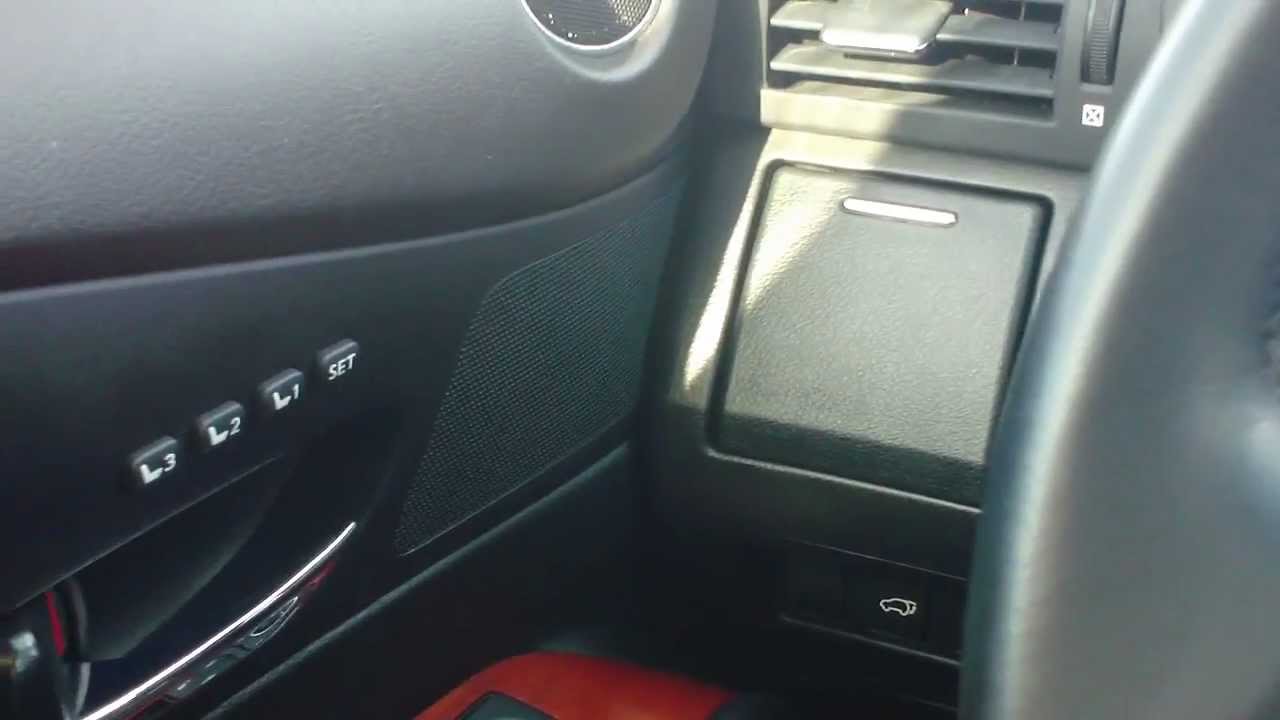
7. Memory Seat Integration
Two-driver households share a vehicle in a way that creates a recurring daily inconvenience: every driver who follows another must readjust the seat, the steering wheel, and the mirrors before feeling settled enough to drive comfortably. This readjustment routine takes time, requires attention at the start of every drive, and creates a low-level friction that accumulates across years of shared ownership.
The Lexus RX addresses this through a memory system that goes beyond simple seat position recall. The driver’s memory settings can store the seat position, steering wheel position, and outside mirror positions, with models equipped with a head-up display also saving its position as part of the same memory configuration.
Each memory position captures all of these settings simultaneously rather than requiring separate programming for each adjustable element, creating a complete driving environment profile that restores itself through a single button press. Programming a memory position requires adjusting every element to the desired position, then pressing and holding the appropriate memory button until the system confirms the save through a brief visual or audible indication.
Subsequent recall simply requires pressing the saved memory number, after which the seat, wheel, and mirrors all move to their stored positions simultaneously rather than sequentially. Families where spouses, adult children, or multiple regular drivers share the RX benefit from this feature most directly, since each driver can program their own memory position and restore it at the start of each drive without any manual adjustment.
The convergence of seat, wheel, mirror, and head-up display recall into a single recalled configuration removes the entire readjustment routine from the shared ownership experience, making the transition between drivers a single button press rather than a two-minute adjustment session before every departure.

8. Automatic High Beams
Nighttime highway driving presents a specific attentional challenge that most drivers manage imperfectly across a long drive: manually switching between high and low beams as traffic approaches or vehicles appear ahead. High beams provide dramatically superior visibility on dark roads, yet cannot be left on when other drivers are present without creating a visibility hazard for oncoming traffic.
Managing this switch manually across hours of nighttime driving adds a background cognitive task that contributes to fatigue alongside all the other demands of highway operation. Many RX models can automatically switch between high and low beams when the system detects approaching or leading vehicles, improving nighttime visibility without requiring driver intervention throughout the switching process.
This automatic high-beam system uses a forward-facing camera to detect light sources consistent with other vehicles, triggering beam adjustment before approaching headlights or leading taillights require the driver to react manually. The practical effect during nighttime driving is a consistently optimal beam state that extends visibility further down the road whenever no other vehicles are present, while switching to low beams precisely when approaching traffic would be affected by high-beam glare.
Drivers who regularly travel rural highways, mountain roads, or any nighttime route with intermittent traffic find that the system maintains the high-beam state more consistently than manual management would, since manual switching tends toward conservative behavior that leaves high beams off longer than necessary around traffic that has already passed.
Enabling or confirming this feature requires checking the lighting settings within the vehicle settings menu, where automatic high beam operation can be toggled and confirmed as active. Some owners discover the feature works, but was never enabled because the delivery process did not specifically cover lighting automation settings.
9. Brake Hold Function
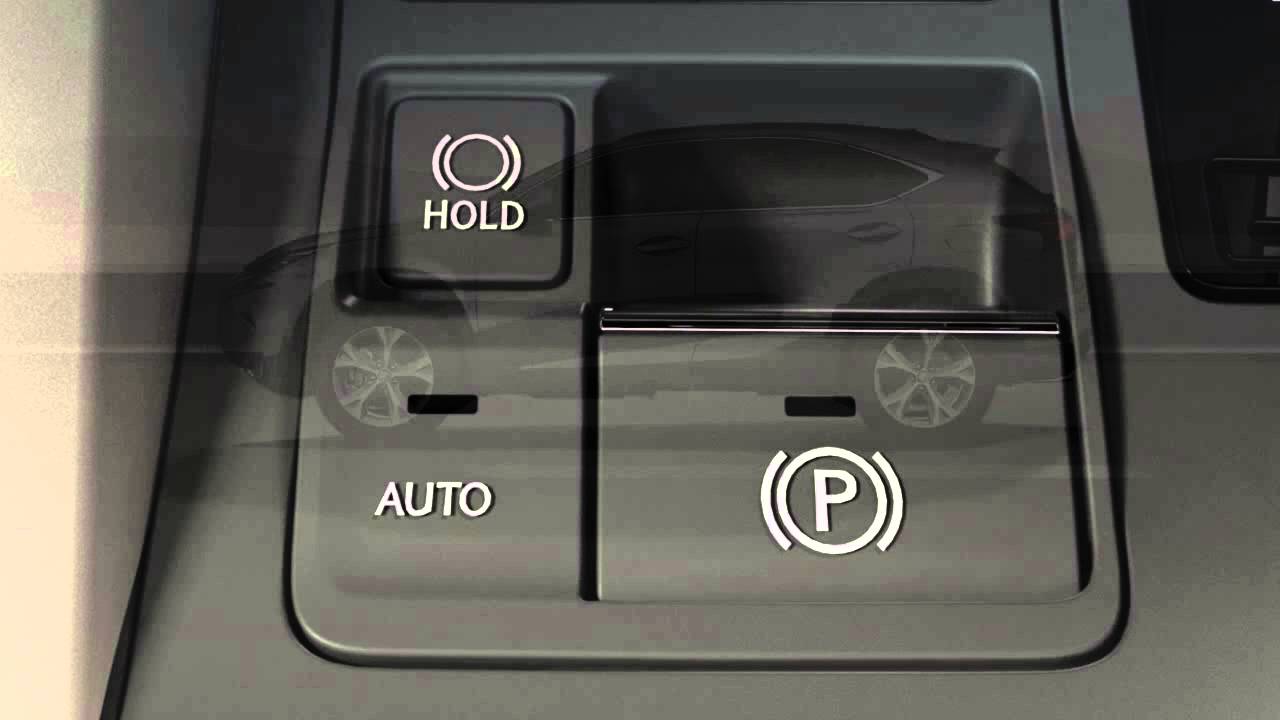
Anyone who spends time in heavy traffic knows how tiring it can be to keep a foot pressed on the brake pedal every few seconds. During long morning and evening commutes, that repeated movement places constant strain on the driver’s left or right leg, depending on driving habits, while also demanding steady attention.
It may not seem like much at first, but the fatigue becomes more noticeable after weeks or months of driving in heavy traffic every day. Lexus designed the Brake Hold feature to make those situations much easier. Once the system is switched on, pressing the brake pedal firmly after bringing the vehicle to a complete stop allows the RX to remain stationary without the driver keeping pressure on the brake pedal.
As soon as the accelerator is pressed, the brakes release automatically, and the vehicle moves away smoothly. The transition feels natural, so there is no interruption to normal driving. Using the feature is straightforward. Press the Brake Hold button, usually located near the center console, before beginning your journey.
The system also requires the driver’s seat belt to be fastened and the transmission to be in Drive before it becomes active. These conditions help ensure the feature operates safely and only when appropriate. Many RX owners who deal with daily traffic quickly grow to appreciate Brake Hold. Being able to relax your foot while waiting at traffic lights or crawling through congestion makes driving less stressful.
It is one of those simple features that often goes unnoticed until you begin using it regularly, after which it becomes difficult to imagine driving without it.
Also Read: 4 Lexus Models Worth Every Dollar and 4 Overpriced Ones
10. Rain-Sensing Windshield Wipers
Driving in changing weather can become frustrating when you have to keep adjusting the windshield wiper speed. A light drizzle may only need an occasional wipe, while heavier rain calls for faster movement. As conditions change from one moment to the next, constantly reaching for the wiper controls takes your attention away from the road. Even driving through a short rain shower or under an overpass can mean adjusting the wipers repeatedly.
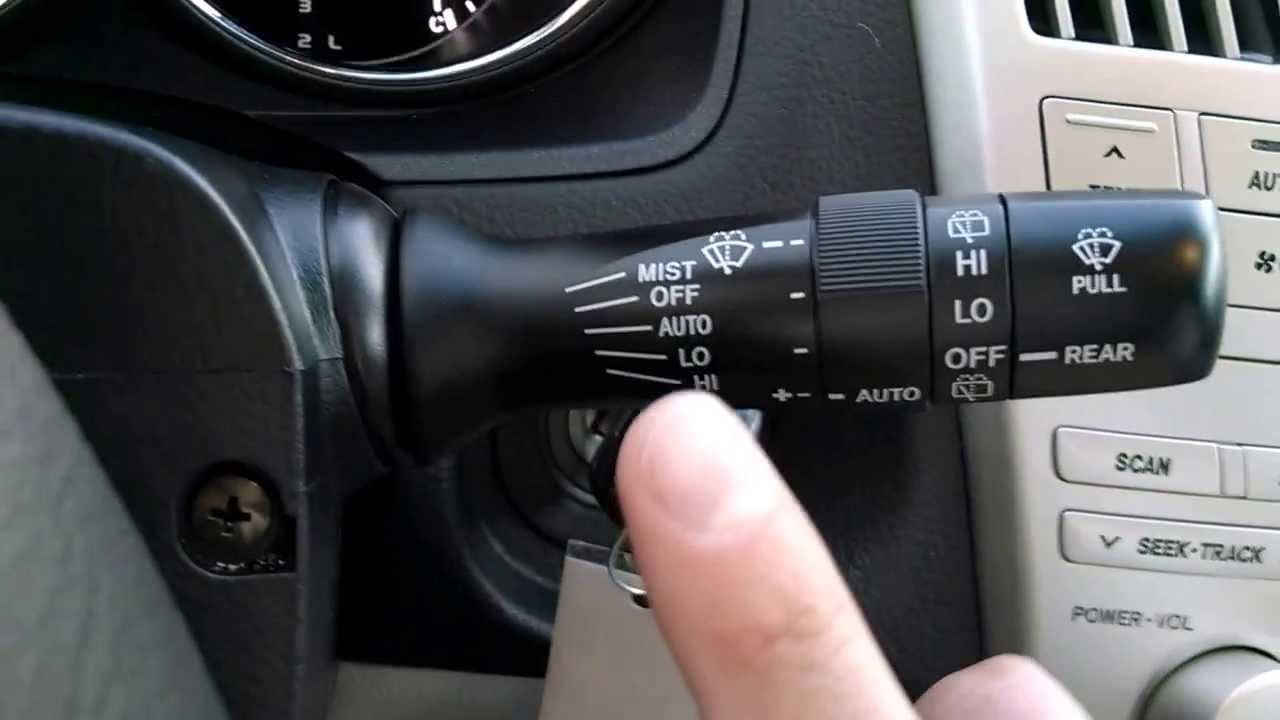
Many Lexus RX models make this much easier with rain-sensing windshield wipers. A sensor mounted near the top of the windshield detects how much rain is falling and automatically adjusts the wiper speed to match the conditions. Whether it is a light shower or heavy rainfall, the system keeps the windshield clear without the driver making constant changes. As the rain becomes lighter, the wipers slow down or stop automatically.
To use this feature, the wiper stalk must be set to the automatic position. If the stalk is left on a manual setting, the rain sensor will not control the wipers. Many owners are unaware of this and continue adjusting the wipers themselves, missing out on one of the RX’s most useful convenience features.
Once automatic mode is selected, the system responds quickly to changing weather and helps maintain a clear view ahead. It is a simple feature that reduces distractions and allows you to focus more on driving, especially during unpredictable rainy conditions.
