
Luxury shoppers seldom enter a dealership focused only on the sticker price. Factors such as comfort, build quality, reliability, and satisfaction years after purchase usually carry equal weight alongside financing terms. Lexus has earned its standing by appealing to these priorities, presenting vehicles associated with quiet ownership, polished road behaviour, and reduced long-term stress. Even so, wearing a premium badge does not mean every model delivers the same return on investment.
Certain Lexus vehicles justify their pricing through proven durability, careful design decisions, steady resale demand, and ownership expenses that remain manageable long after initial purchase. Others require buyers to stretch their budgets without offering an experience or feature set that fully explains the added cost, leaving some owners wondering what truly justifies the premium.
This write-up draws a clear line between those outcomes. Attention is first given to four Lexus models that support their pricing through dependable performance, long-term reliability, and daily practicality that aligns with what buyers pay. These vehicles demonstrate how luxury can feel measured and sensible rather than excessive.
Attention then turns to four Lexus models that face greater difficulty defending their pricing once real-world ownership is considered. Build quality remains solid, yet the balance between cost and everyday benefit often feels uneven after the initial excitement wears off and routine use takes over.
Each model discussed here is assessed using purchase price, included features, driving behaviour, reliability track record, and ownership expenses spread across several years. For anyone considering a Lexus and seeking a clear perspective instead of promotional language, this guide aims to support confident and informed decisions.
4 Lexus Models Worth Every Dollar
1. Lexus ES 350 Luxury
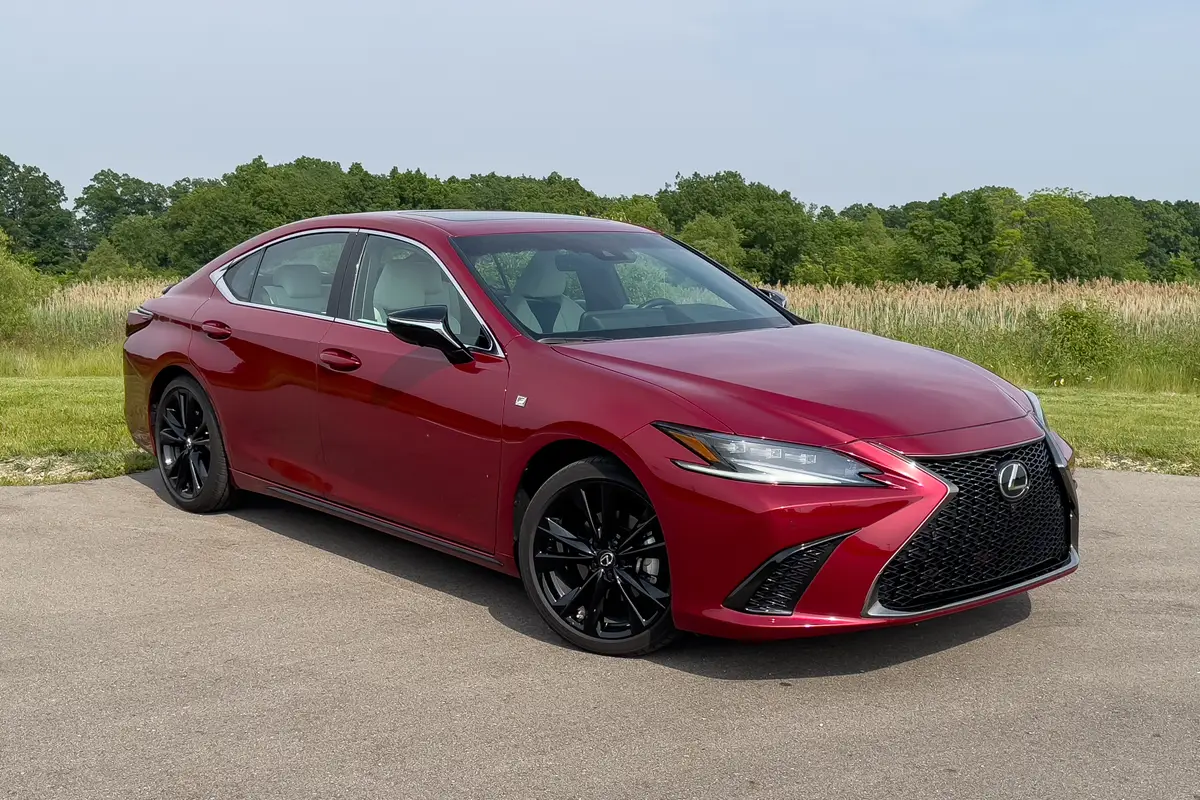
The Lexus ES 350 Luxury represents a deliberate approach to premium motoring, appealing to buyers who value consistency, calmness, and long-term dependability rather than visual drama or aggressive performance figures. This sedan has built its reputation quietly by delivering an ownership experience that feels carefully planned from the first mile to the later years of use. For many owners, satisfaction comes from how little effort the car demands in daily life rather than from any single standout feature.
Ride comfort remains one of the strongest reasons people choose this model. The suspension setup favours composure and softness without creating a loose or floaty feel. On highways, the ES 350 settles into a steady rhythm that reduces fatigue during extended journeys.
Urban driving benefits just as much, as potholes, speed bumps, and uneven road surfaces are absorbed without harsh feedback reaching the cabin. This tuning suits drivers who spend long hours behind the wheel and value physical ease more than sharp cornering responses.
Sound insulation contributes greatly to the driving experience. Road noise, wind intrusion, and engine sound are carefully controlled, creating a calm environment that supports conversation and relaxed listening. This quietness enhances the sense of quality and reinforces the car’s role as a dependable daily companion rather than a weekend indulgence.
Inside the cabin, the design philosophy avoids excess. Materials are selected with care, focusing on texture, durability, and comfort rather than visual experimentation. Soft surfaces appear where hands and arms rest, while switches and knobs operate with reassuring resistance.
Seating deserves particular attention, as the chairs provide support across long distances without creating pressure points. Adjustment options allow drivers of different builds to find a suitable position without compromise. The 3.5 litre V6 engine delivers power in a smooth and controlled manner. Acceleration is confident and steady, fitting the character of the vehicle rather than challenging it.
Mechanical refinement stands out more than outright speed, which aligns well with the expectations of buyers in this segment. This engine family has established a strong reliability record, reducing concern about major mechanical expenses years down the line. Running costs remain sensible for a luxury sedan.
Scheduled maintenance follows clear intervals, and replacement parts are widely available. Many independent workshops understand the platform well once factory coverage expires, helping owners manage expenses without being locked into dealership pricing. Insurance rates also remain reasonable, reflecting the car’s safety profile and typical ownership patterns.
Used market demand remains steady, supported by buyers who seek the same qualities that attract new owners. Durability, comfort, and brand reputation help protect resale value. For drivers who want premium comfort without ownership anxiety, the ES 350 Luxury continues to justify its price through everyday dependability.
2. Lexus GX 460 Premium
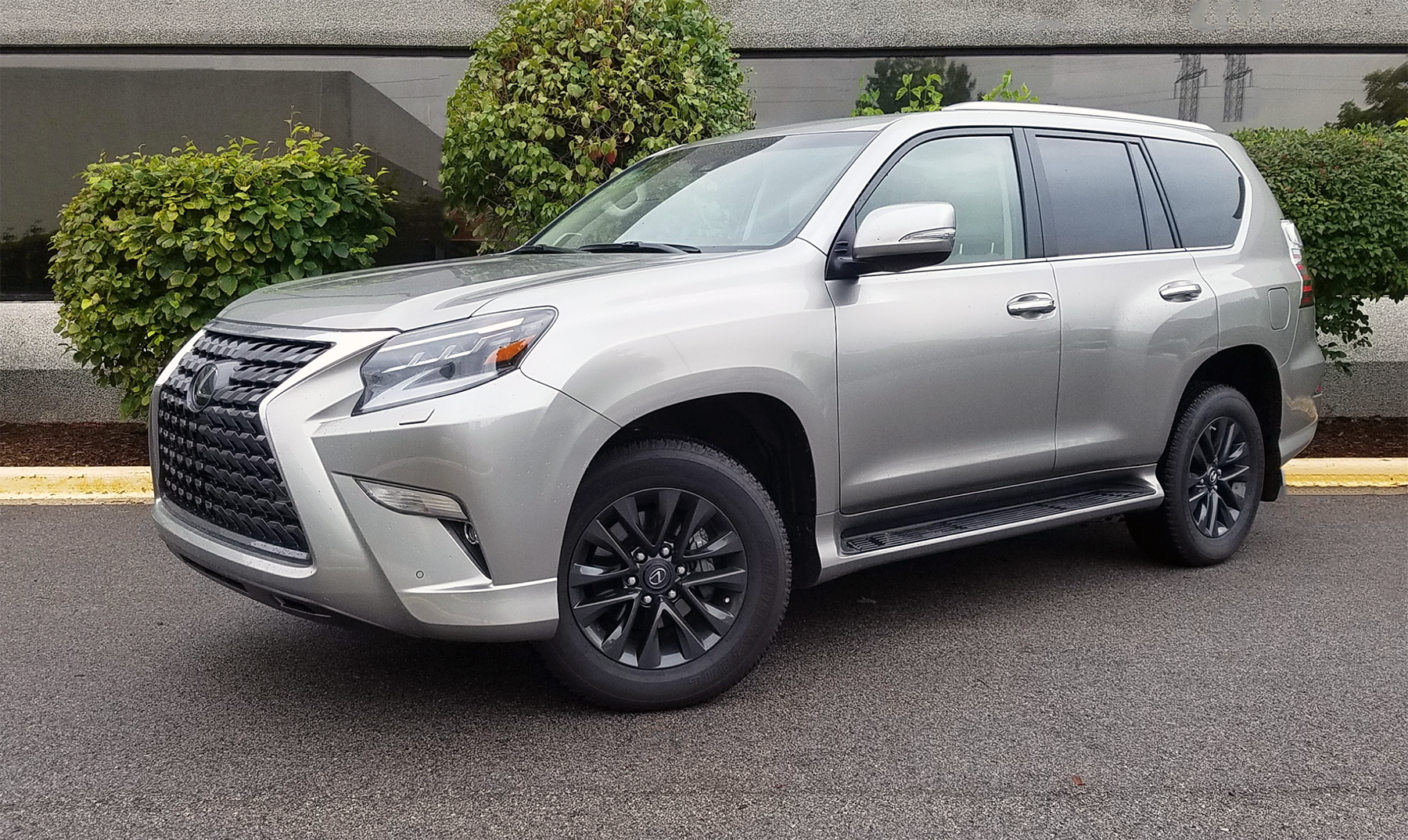
The Lexus GX 460 Premium occupies a rare position in the luxury SUV space, offering traditional construction combined with refinement that suits daily use. While many modern SUVs prioritise car-like platforms, this model remains rooted in a truck-based design that appeals to buyers who expect strength, resilience, and service life that extends far beyond average ownership cycles.
Its body-on-frame construction forms the foundation of its appeal. This structure delivers durability that proves valuable for towing, travel on poor road surfaces, and operation in areas where conditions are unpredictable. Owners who rely on their vehicles for demanding tasks often appreciate this traditional engineering approach, as it supports long-term use without structural fatigue common in lighter designs.
Despite its rugged underpinnings, ride comfort exceeds expectations. Suspension calibration softens impacts while maintaining control, preventing the stiffness many associate with similar vehicles. Steering response feels measured and stable, encouraging confidence during long drives or adverse conditions. The driving experience feels secure rather than restless, which suits the vehicle’s purpose.
Cabin isolation adds to this sense of refinement. Noise levels remain well controlled, even on rough surfaces or at highway speeds. This balance between strength and comfort allows the GX to function as both a daily vehicle and a dependable travel companion.
Interior construction focuses on endurance. Buttons, switches, and trim pieces are designed to withstand repeated use without loosening or fading. Seat materials hold their shape and appearance well, even after years of service. The layout avoids novelty, favouring clarity and familiarity that become increasingly valuable with long-term ownership.
Fuel consumption ranks lower than many modern crossovers, yet buyers in this category usually accept that trade-off. Reliability carries greater weight, and the GX has earned a reputation for mechanical longevity that few rivals can match. Reports of high-mileage operation with minimal issues remain common, reinforcing buyer confidence.
Resale values benefit from this reputation. Demand from second-hand buyers seeking dependable off-road capability combined with comfort helps slow depreciation. For those who prefer a vehicle built for endurance rather than short-term appeal, the GX 460 Premium continues to deliver honest value.
Also Read: 10 Most Reliable Lexus Models Famous for Never Quitting
3. Lexus RX 350 Premium Plus
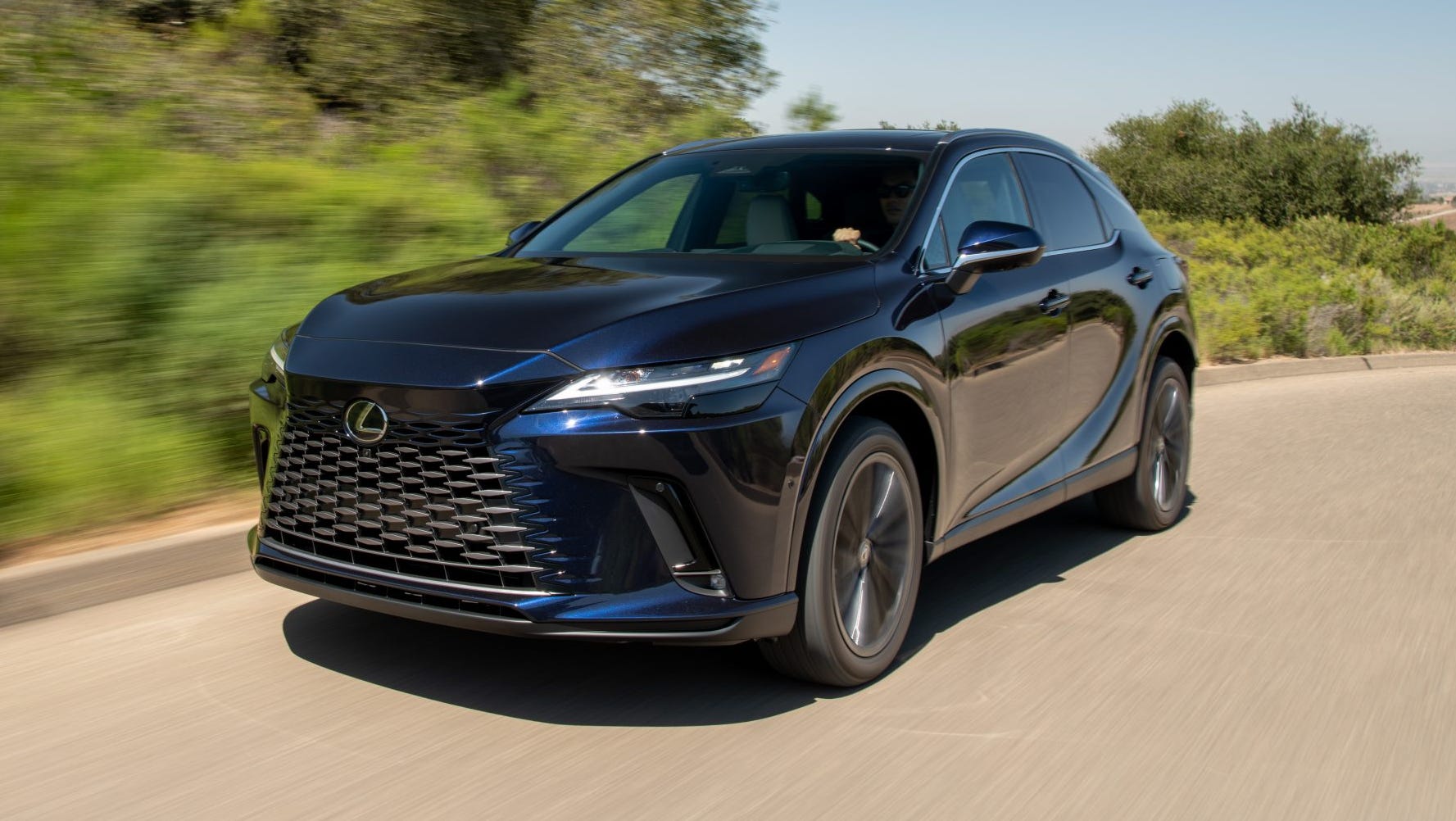
The Lexus RX 350 Premium Plus has earned its place as a dependable choice for buyers seeking balanced luxury without unnecessary risk. Its appeal lies in delivering comfort, modern features, and predictable ownership costs within a package that suits a wide range of lifestyles. This approach has made it a familiar sight among families and professionals alike.
Driving behaviour focuses on ease of use. Steering effort remains light, making parking and city manoeuvres straightforward. On open roads, the vehicle maintains composure, smoothing surface imperfections while staying settled at higher speeds. This tuning supports daily commuting and longer trips without demanding constant attention from the driver.
Interior presentation blends current technology with intuitive operation. The infotainment system integrates smoothly with mobile devices, while physical buttons remain available for frequently used functions. This combination reduces distraction and shortens the adjustment period for new owners. Seating comfort stands out, providing adequate support for extended drives and accommodating passengers with ease.
The turbocharged four-cylinder engine prioritises efficiency and smooth response. Power delivery feels sufficient for everyday driving, even if it avoids aggressive character. Fuel consumption remains reasonable within its class, helping owners manage ongoing expenses. Reliability records suggest fewer long-term issues compared to engines pushed closer to their limits.
Ownership costs remain controlled. Maintenance schedules follow predictable patterns, and the Lexus service network maintains consistent standards. Insurance premiums tend to stay moderate due to the model’s safety performance and ownership profile.
Resale demand remains strong, reflecting the RX’s broad acceptance. Buyers in the used market actively seek this model, helping original owners retain more value at resale. For drivers who want a luxury SUV that delivers confidence year after year, the RX 350 Premium Plus continues to justify its reputation through dependable performance and sensible economics.
4. Lexus LS 500 Base
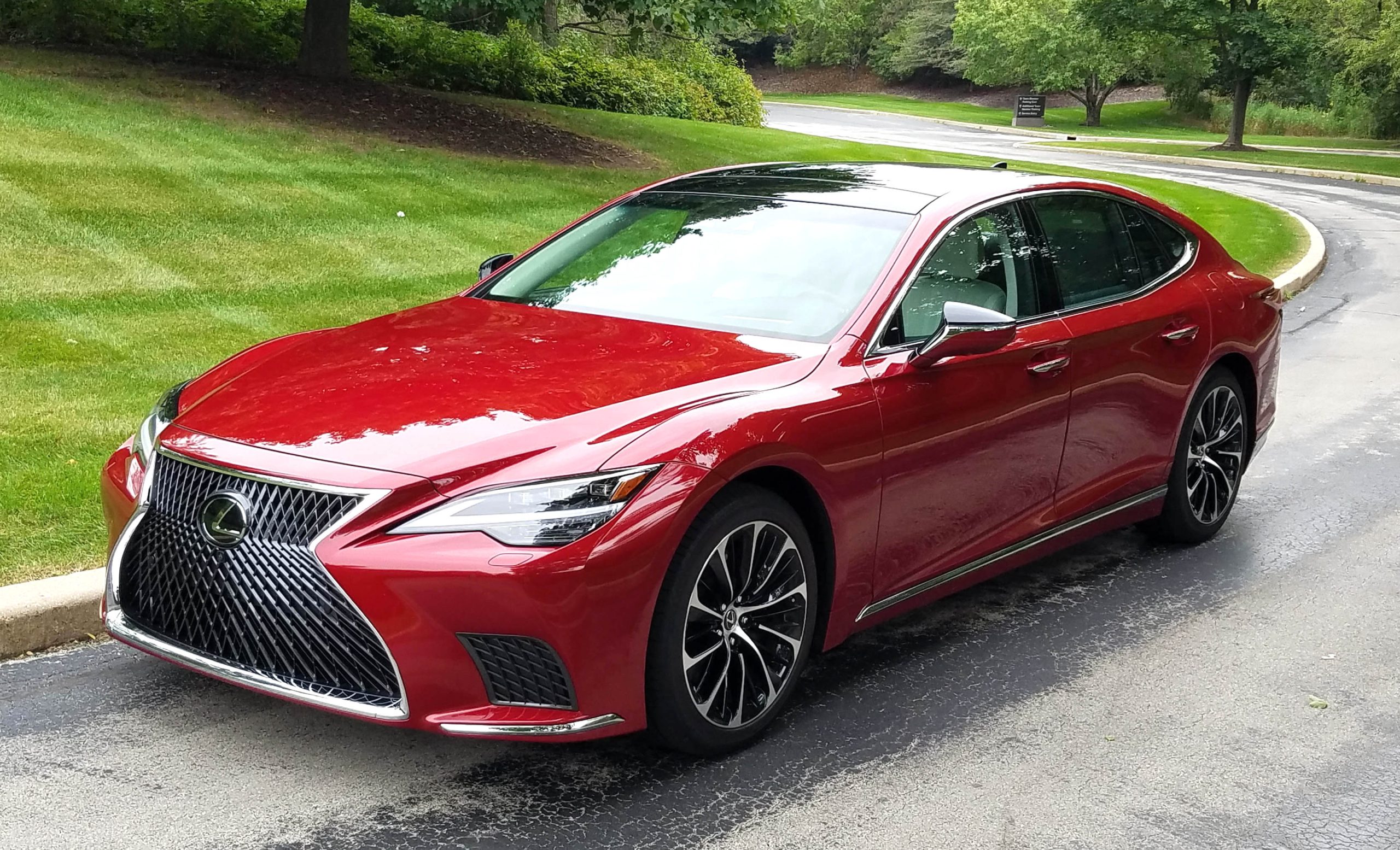
Flagship sedans often struggle to justify their existence, yet the Lexus LS 500 Base presents a compelling argument through craftsmanship and refinement rather than performance bravado. Buyers who choose it value serenity, detail, and long-term comfort.
Cabin execution stands at the center of its appeal. Materials selection feels deliberate, with careful stitching, real wood trim, and soft touch surfaces throughout. Seating comfort approaches lounge-like quality, reducing fatigue even after hours behind the wheel.
Ride isolation reaches exceptional levels. Road imperfections fade into the background, allowing occupants to enjoy quiet travel regardless of speed. Suspension tuning emphasizes composure, supporting the car’s role as a luxury flagship rather than a sport sedan.
The twin turbocharged V6 delivers smooth, controlled power. Acceleration feels refined rather than aggressive, matching the car’s personality. Reliability records remain stronger than many European competitors in the same price range. Ownership expenses, while higher than those of smaller Lexus models, remain reasonable relative to other flagships. Service predictability and fewer electronic complications reduce unexpected costs.
Resale demand remains niche but steady. Buyers searching for understated luxury recognize the LS for what it offers. For those prioritizing refinement over status signaling, the LS 500 Base proves its worth quietly and consistently.
4 Lexus Models That Feel Overpriced for What They Deliver
1. Lexus UX 250h F Sport
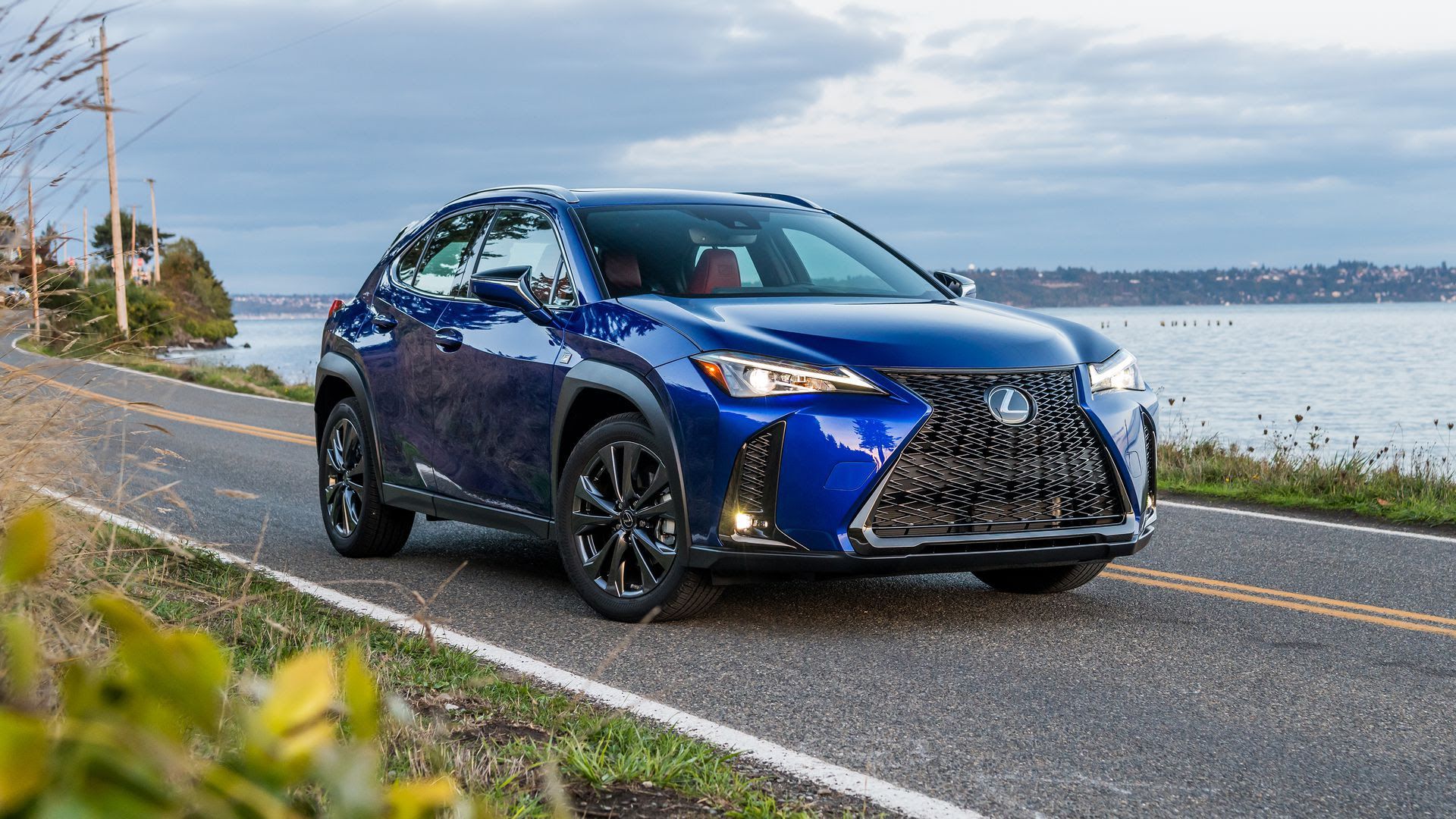
At first contact, the Lexus UX 250h F Sport appears to present a convincing case for buyers seeking an accessible route into luxury ownership. Its exterior design carries sharp lines, a sporty stance, and the visual cues associated with modern Lexus products. Combined with a hybrid powertrain and premium branding, expectations rise quickly.
Daily use, however, exposes several issues that cause many owners to question whether the asking price aligns properly with what the vehicle delivers in practical terms. Interior space becomes the earliest source of disappointment. Rear seating proves restrictive, even for adults of average height. Legroom and headroom feel compromised, limiting comfort during more than brief journeys.
For families or buyers who frequently carry passengers, this limitation becomes impossible to ignore. Cargo capacity also falls short of what many expect from a vehicle marketed as a crossover. Routine tasks such as grocery shopping or carrying luggage for short trips demand careful arrangement rather than convenience.
Urban driving suits the UX fairly well, yet this advantage loses strength once broader use is considered. The hybrid system performs efficiently, especially in stop-and-go traffic, but performance remains subdued. Acceleration feels hesitant when merging onto highways or attempting quick overtakes.
The F Sport designation suggests a livelier character, though suspension tuning and steering feedback fail to support that image. Visual aggression does not translate into engaging driving behaviour. Cabin presentation delivers mixed impressions. The layout appears stylish at first glance, with modern shapes and familiar Lexus design language.
Extended ownership reveals material decisions that undermine the premium image. Hard surfaces appear in areas where softer finishes are expected at this price level. Seat comfort also raises concerns, particularly during longer drives where cushioning and support fall short of expectations.
Technology functions reliably, yet its presence does not distinguish the UX within its segment. Infotainment features, safety systems, and driver assistance tools mirror what appears in vehicles costing considerably less. Buyers may question why such a premium exists when functional differences remain minimal.
Pricing forms the central issue. Once options are added to meet reasonable luxury expectations, the cost rises rapidly. At similar price points, buyers gain access to larger vehicles offering stronger engines, improved ride comfort, and cabins that accommodate real-life needs with ease. Fuel savings from the hybrid system struggle to compensate for the initial outlay, especially for drivers with average annual mileage.
Reliability continues to reflect Lexus’ strengths, yet ownership satisfaction remains divided. Practical compromises persist throughout daily use, creating a sense that sacrifices were made without adequate reward. Resale demand exists, though pricing in the used market reflects buyer hesitation. For those seeking efficiency wrapped in luxury branding, competing models frequently provide greater value per naira spent.
2. Lexus RC 350 F Sport
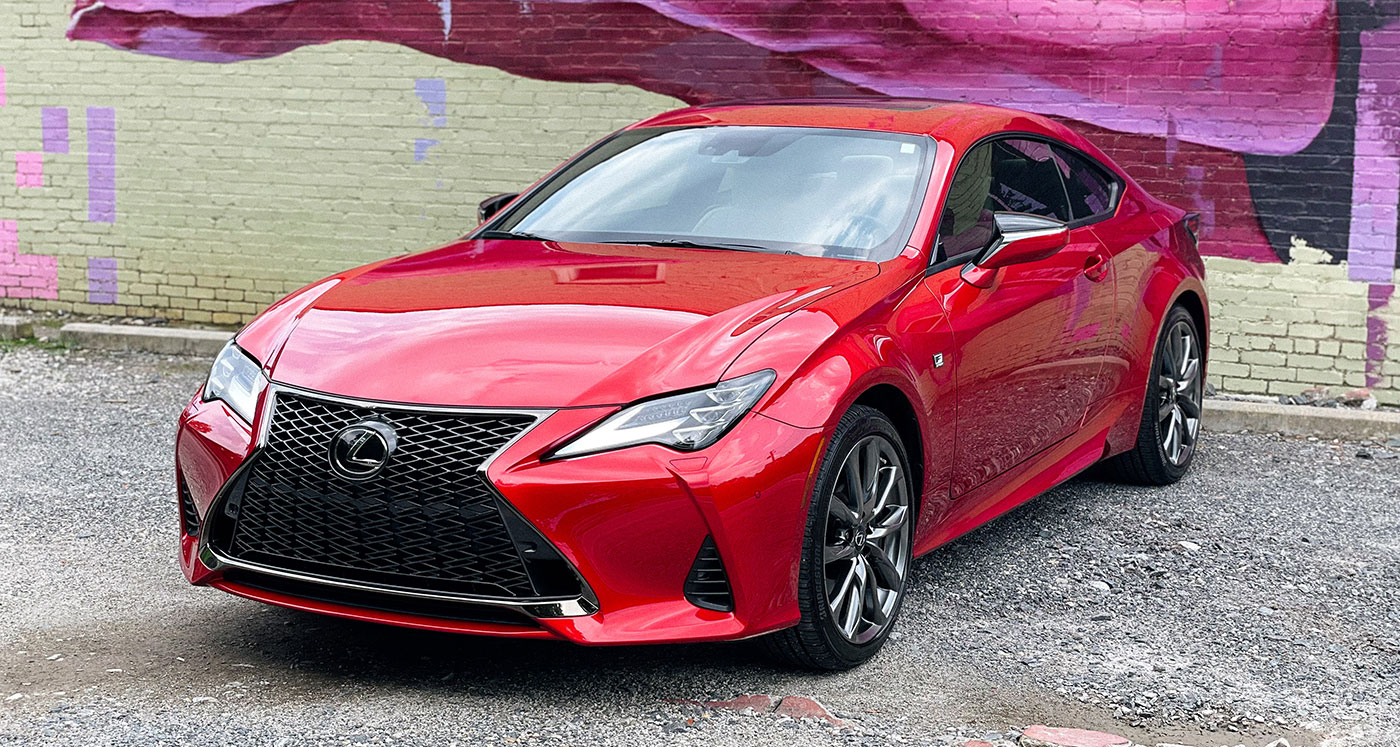
The Lexus RC 350 F Sport enters the market with striking coupe proportions and an image built around performance appeal. Its low roofline, wide stance, and aggressive detailing aim to attract buyers seeking emotional connection alongside premium comfort. Pricing places it firmly among capable rivals, which raises expectations that the driving experience will match its bold appearance. Extended ownership often reveals a gap between visual promise and daily satisfaction.
Vehicle weight shapes much of the RC’s behaviour. Despite a naturally aspirated V6 engine, acceleration feels restrained rather than thrilling. Power delivery remains smooth, yet urgency is missing during spirited driving. Competitors in the same price range deliver sharper throttle response and more engaging handling characteristics. F Sport enhancements focus heavily on aesthetics, offering limited mechanical improvement.
Interior space limits versatility. Rear seats accommodate passengers only briefly, making regular use impractical. Access proves awkward, and legroom remains tight. Trunk capacity also restricts usefulness, reducing suitability for travel beyond short outings. Buyers willing to accept these compromises often expect a rewarding driving experience in return, which the RC struggles to provide consistently.
Cabin design contributes to the sense of missed opportunity. While build quality meets Lexus standards, the layout feels dated when compared with newer alternatives. Infotainment operation frustrates some drivers due to reliance on indirect controls and slower response times. Competing systems deliver clearer interfaces and faster interaction, making daily use more intuitive.
Ride quality sends conflicting messages. Suspension tuning aims for sportiness, yet road imperfections transmit more sharply than expected for a luxury coupe. Instead of creating excitement, firmness sometimes leads to discomfort during extended journeys. The balance between comfort and control feels unresolved.
Ownership costs extend beyond the purchase price. Insurance premiums tend to rise due to coupe classification and performance perception. Depreciation progresses faster than many Lexus sedans, as used buyers often prioritise four-door practicality. Demand in the secondary market reflects this preference, placing downward pressure on resale values.
Brand loyalty may soften disappointment for some owners, yet financial evaluation raises questions. Styling attracts attention initially, but daily realities expose compromises that become harder to justify. For buyers focused on long-term satisfaction rather than first impressions, the RC 350 F Sport often delivers less return than its price suggests.
3. Lexus LX 600 Base
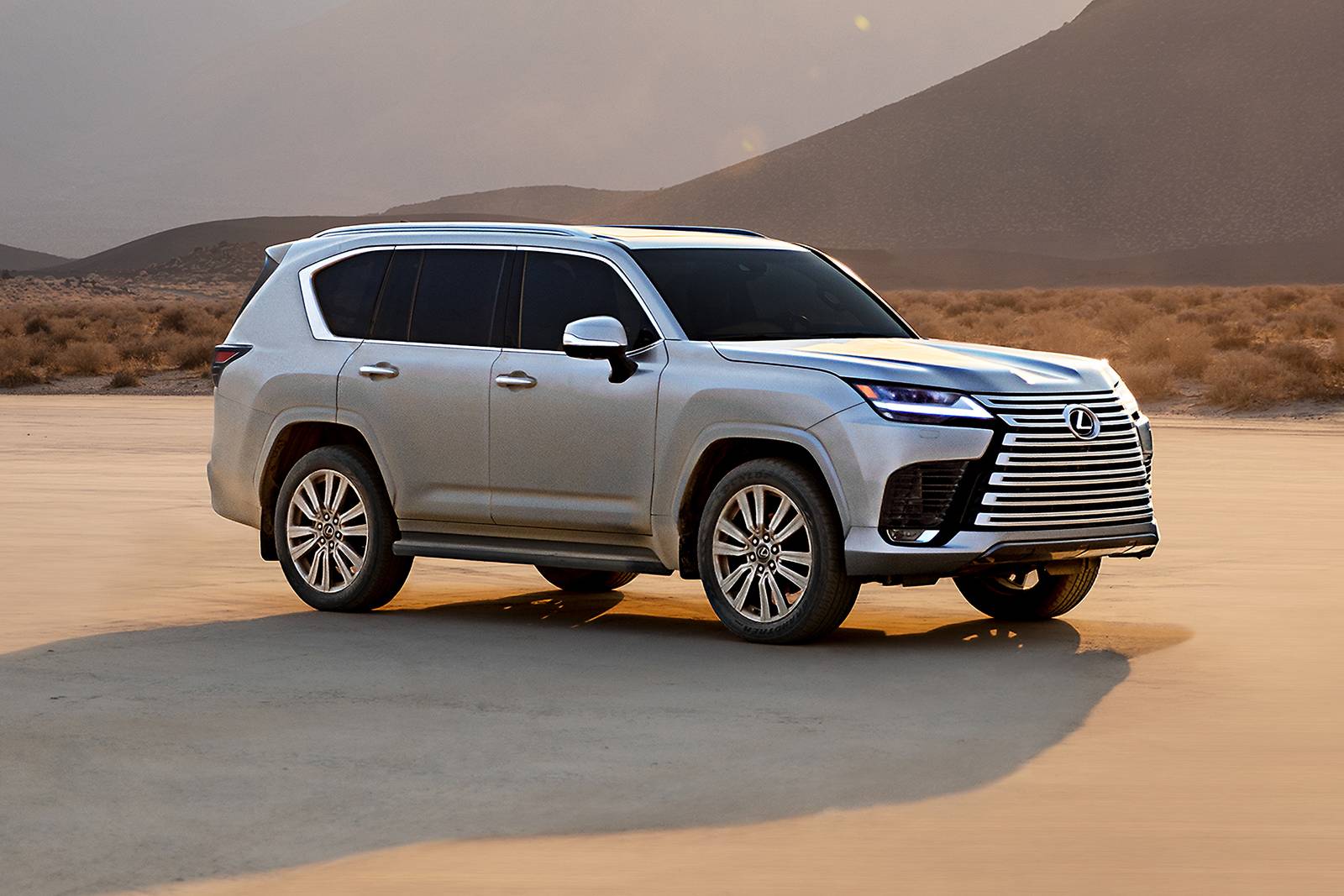
Flagship sport utility vehicles are priced to project authority, permanence, and assurance, and the Lexus LX 600 Base enters that space with confidence. Its pricing places it among the most expensive offerings in the luxury SUV category, creating expectations that extend well beyond surface appeal.
Buyers anticipate excellence in comfort, technology, usability, and long-term ownership satisfaction. What many owners discover after extended use is a vehicle that delivers strength and presence, yet struggles to justify its cost when examined through a practical ownership lens.
Physical stature forms the first impression. The LX 600 Base commands attention through sheer size, upright proportions, and an imposing road presence. Build quality reflects Lexus craftsmanship, with solid panels, tight tolerances, and a sense of durability. These qualities create early confidence, particularly for buyers drawn to the idea of long-lasting construction.
Once daily routines replace showroom impressions, limitations begin to emerge that complicate the value discussion. Interior presentation appears carefully assembled, though conservative in execution. Materials feel premium to the touch, yet the design language lacks the progressive direction expected at this price level.
Competing luxury SUVs deliver interiors that feel more forward-facing in layout, display integration, and driver interface logic. In the LX 600 Base, technology performs its duties without difficulty, though it does not inspire or surprise. Buyers paying flagship pricing often expect a stronger emotional response from the cabin environment.
Driving experience varies by setting. Highway travel highlights the vehicle’s stability and noise isolation, making long-distance journeys calm and controlled. Urban conditions tell a different story. Narrow streets, parking structures, and tight corners expose the disadvantages of size and limited outward visibility.
Maneuvering requires attention and patience, reducing ease of use during daily errands. Fuel consumption remains heavy, adding to ownership expense and reinforcing the sense that efficiency was not a priority in development. Off-road capability remains one of the model’s strongest attributes.
Engineering choices support rugged use, uneven surfaces, and challenging conditions. Many owners, however, rarely access this capability. When advanced hardware remains unused during routine driving, its presence begins to feel like an unnecessary cost rather than a benefit. Buyers paying for a capability they never employ may question whether their needs were accurately matched to the vehicle.
Long-term expenses demand consideration. Insurance premiums, scheduled servicing, and fuel costs accumulate rapidly. While resale values remain respectable, the buyer pool narrows due to price and size, limiting demand. Luxury at this level should feel consistently rewarding. For many owners, the LX 600 Base delivers physical strength without delivering equal refinement or innovation, leaving room for doubt about its pricing logic.
Also Read: 8 Lexus Sedans That Still Feel Premium After 10 Years
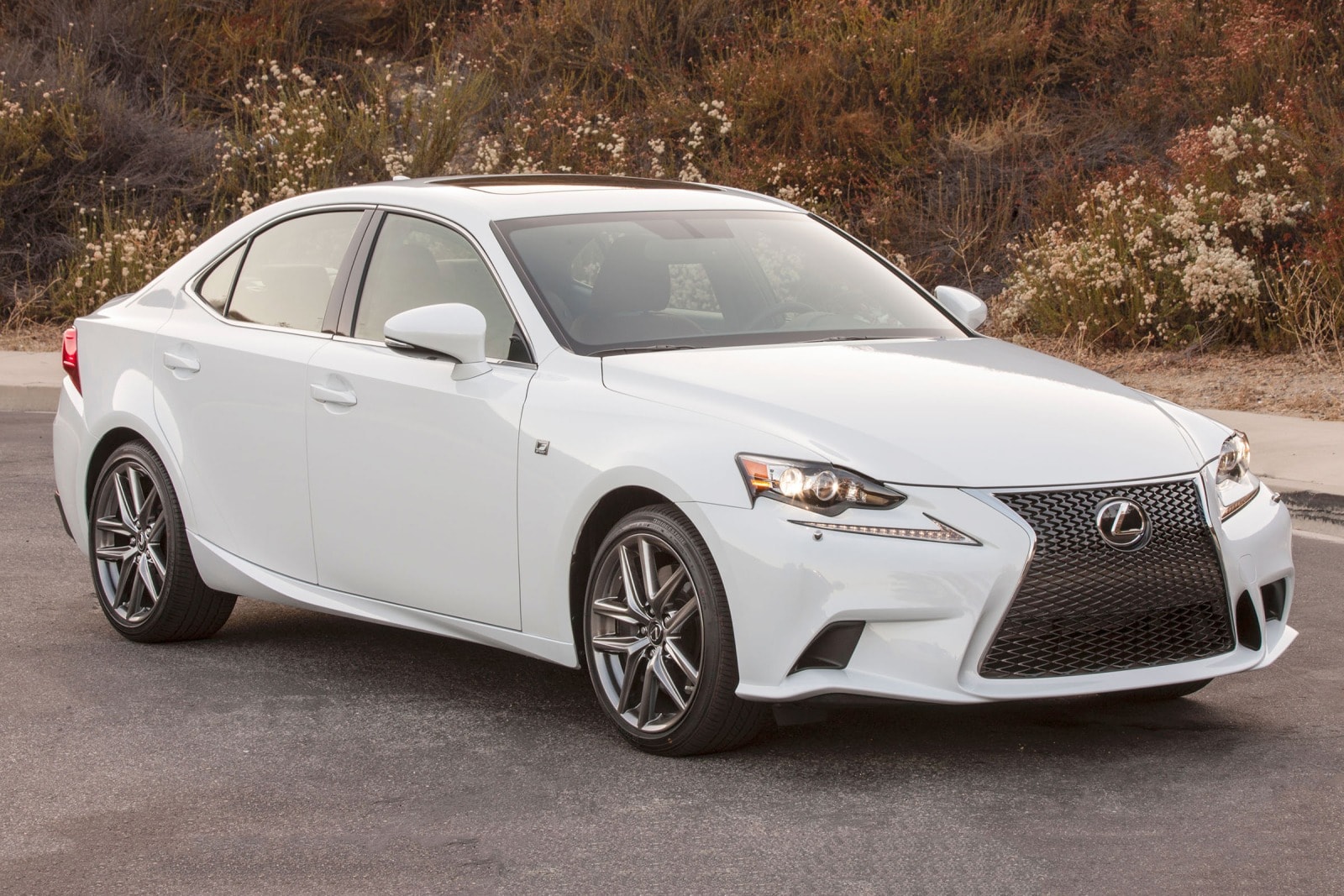
4. Lexus IS 300 AWD
Compact luxury sedans occupy one of the most competitive segments in the automotive market, and the Lexus IS 300 AWD enters this space with a reputation built on reliability and brand trust. Pricing positions it as a premium choice, inviting comparison with rivals that emphasize performance, interior innovation, or driving engagement.
Ownership experience reveals a vehicle that functions reliably, yet struggles to stand out in areas that matter most to buyers at this level. Engine output and power delivery define early impressions behind the wheel. Acceleration meets everyday requirements, offering smooth progress during commuting and highway travel.
Drivers seeking urgency or spirited response may feel underwhelmed. Competing sedans at similar prices provide stronger output or more engaging throttle behavior. All Wheel Drive adds confidence in adverse weather, though added weight and tuning choices reduce responsiveness during enthusiastic driving.
Interior space shapes daily comfort. Rear seating remains tight, limiting usefulness for passengers on longer journeys. Trunk capacity restricts luggage flexibility, especially for families or frequent travelers. Buyers upgrading from compact sedans expect noticeable improvement in space and comfort. In this case, improvement exists, though it remains modest rather than transformative.
Cabin design favors familiarity and restraint. Controls feel logical, and materials meet luxury expectations, though innovation appears limited. Infotainment systems operate reliably, yet interface design feels dated beside newer competitors. Buyers paying premium prices often expect interiors that reflect current design thinking and digital integration. Here, the experience feels dependable rather than inspiring.
Ride quality aims for a balance between comfort and control. Urban roads transmit more feedback than expected, reducing refinement during daily use. Spirited driving reveals limited engagement, with steering feel and chassis response falling short of sporting intent. Buyers seeking a clear identity, whether comfort-focused or performance-oriented, may find the vehicle uncertain in character.
Pricing heightens scrutiny. Once equipped with expected luxury features, costs approach those of competitors offering stronger engines, fresher interiors, or more engaging dynamics. Resale values remain stable, supported by brand reputation, though demand concentrates among loyal buyers rather than broader market appeal.
Reliability continues to serve as a strong point. Dependable operation provides peace of mind, yet value assessment involves more than mechanical durability alone. For buyers prioritising excitement, space, or innovation, alternatives present stronger propositions. The IS 300 AWD performs its role competently, though pricing stretches that competence beyond what many buyers expect.
