
Speed is not the main reason many people choose a new car, especially buyers who focus on everyday use rather than performance figures. For a large portion of American car shoppers, fuel economy, long-term dependability, reasonable pricing, and manageable insurance costs matter far more than quick acceleration.
The vehicles discussed here were never built to compete in straight-line races, and most buyers understand this from the start. These models are designed to handle daily responsibilities such as school drop-offs, shopping errands, and regular commuting with calm and predictable behavior. Even with that understanding, acceleration figures still matter in real life.
Drivers who frequently join fast-moving highways, travel through hilly areas, or pull small trailers need to know how much effort it takes for a vehicle to gain speed. A car that needs close to ten seconds to reach sixty miles per hour requires more planning during merging and passing. This is not a flaw, but it is an important detail that should be clear before any paperwork is signed.
Every vehicle mentioned here is currently available at dealerships across the United States for the 2026 model year. Each one earned its position based on verified acceleration testing carried out under standard conditions. The ordering runs from the slowest entries to the least slow, allowing buyers to see how these vehicles compare with others in the same category.
None of these models should be dismissed as poor choices. Many deliver strong value, comfort, and reliability. They simply prioritize efficiency and affordability ahead of speed, and buyers deserve to understand that clearly before driving home.
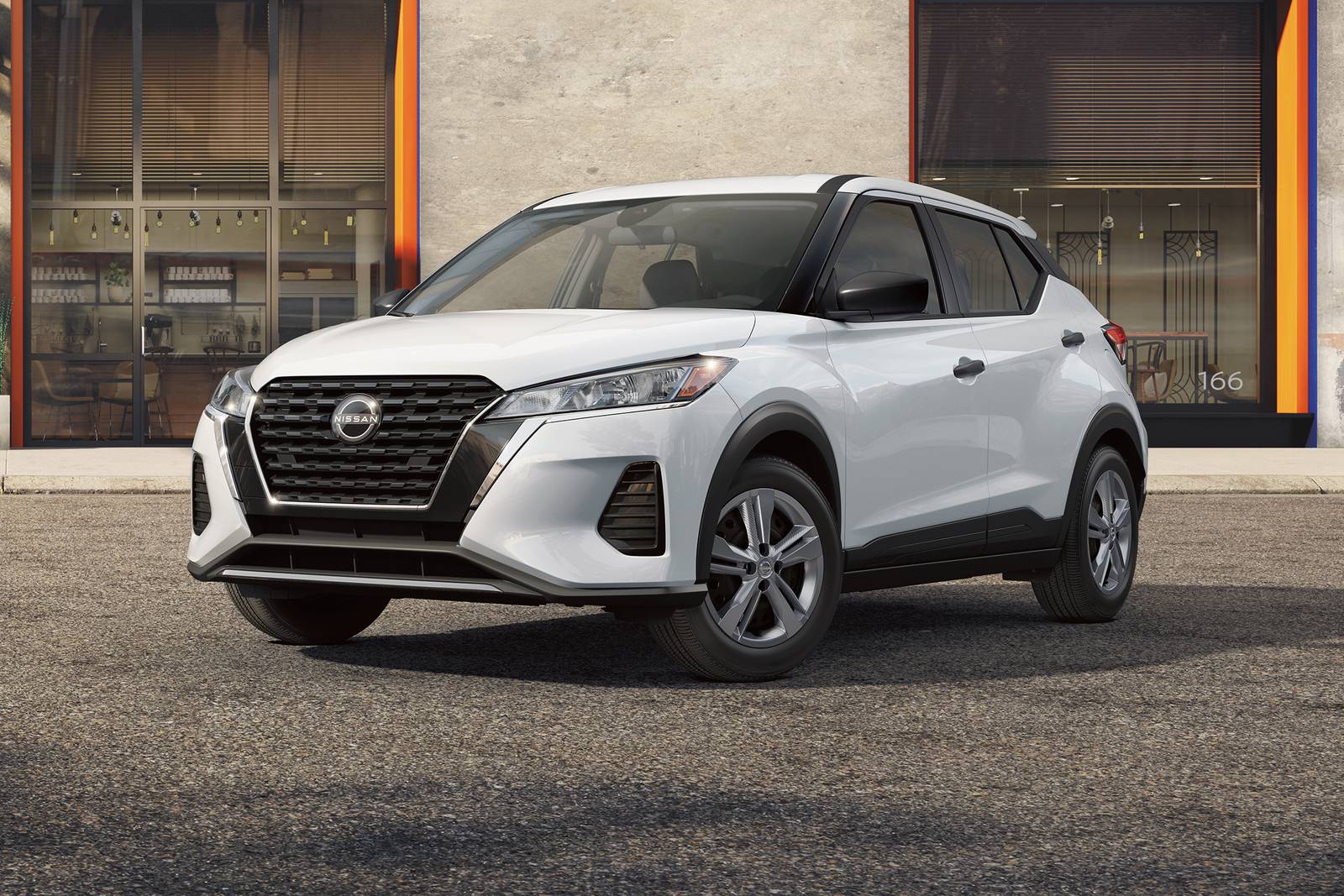
1. Nissan Kicks FWD
0 to 60 mph: 10.4 seconds
- Engine: 2.0L Inline 4-Cylinder
- Horsepower: 141 hp
- Torque: 140 lb-ft
- Size: 171.9 in Long x 70.9 in Wide
Taking more than ten seconds to reach sixty miles per hour puts the Nissan Kicks FWD in a category of its own among new vehicles currently on sale in the United States. A 10.4-second zero-to-sixty time is slower than many vehicles from the 1980s, and it reflects the straightforward engineering reality that this subcompact crossover was built around fuel economy, urban maneuverability, and entry-level pricing rather than any consideration for acceleration performance.
Producing 141 horsepower and 140 lb-ft of torque from its 2.0-liter naturally aspirated inline four-cylinder, the Kicks uses a standard front-wheel-drive layout paired with a CVT transmission that prioritizes keeping engine RPM in its most fuel-efficient range rather than building speed quickly.
Measuring 171.9 inches long and 70.9 inches wide, this is one of the smallest and lightest crossovers available on the American market, which makes the slow acceleration figure even more striking because light vehicles generally benefit from their low curb weight during acceleration runs.
The CVT’s tuning is the primary culprit behind the Kicks’ pedestrian performance. The transmission maps throttle inputs to gradual, efficiency-focused RPM climbs that avoid the kind of sustained engine loading that would improve zero-to-sixty times at the cost of fuel economy.
Nissan made a deliberate engineering trade-off here, and the result is a subcompact that delivers competitive city fuel economy while posting the slowest acceleration number of any new vehicle currently sold in the American market. For buyers whose daily driving is entirely within city limits, involves no highway merging, and never requires confident passing power on two-lane roads, the Kicks’ acceleration limitations may never become a practical problem.
For anyone who regularly uses on-ramps or frequently overtakes slower vehicles on open roads, the 10.4-second time demands honest advance consideration. The Kicks is a genuinely useful, affordable small crossover in the right context. That context has specific boundaries, and acceleration performance sits well outside them.
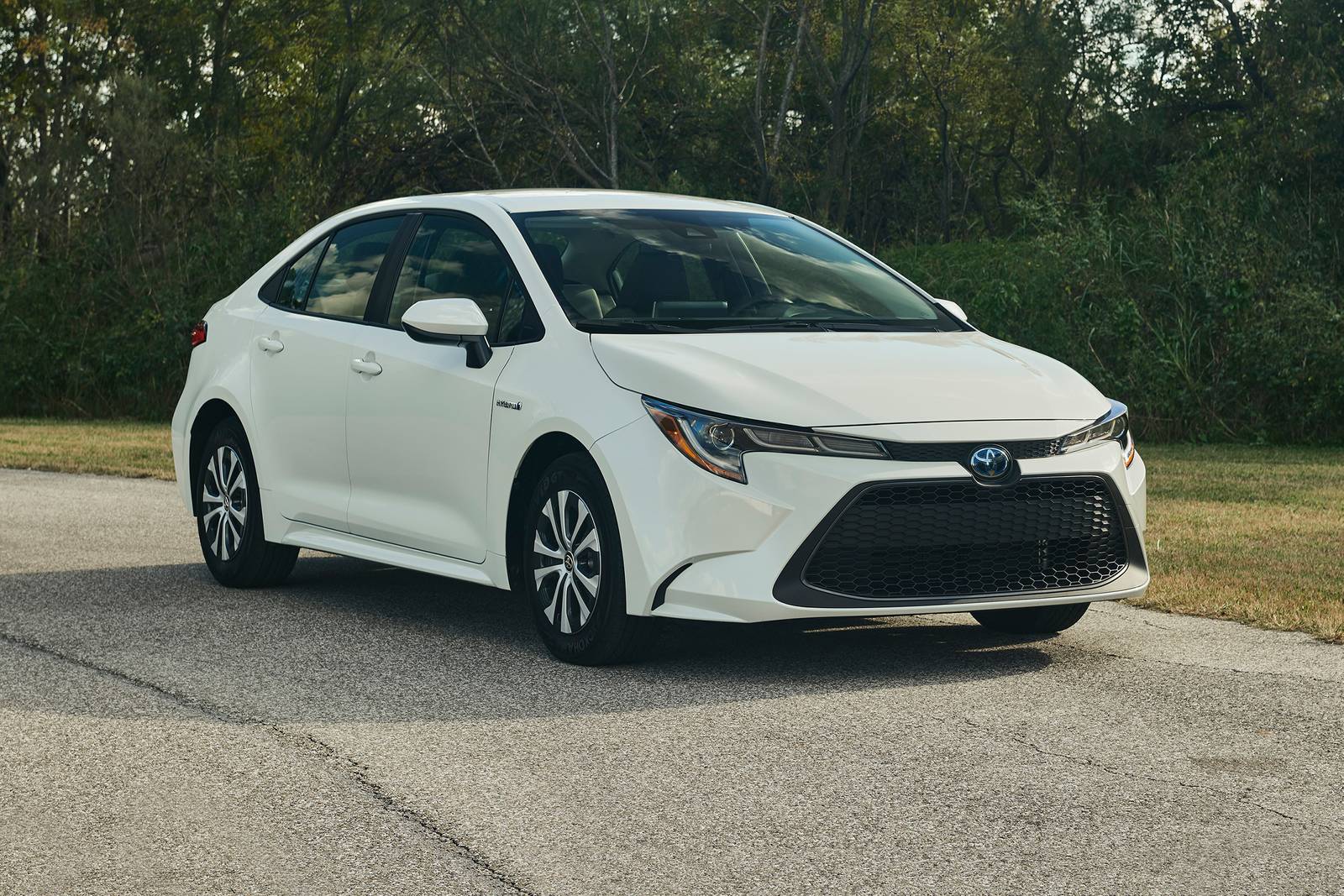
2. Toyota Corolla Hybrid FWD
0 to 60 mph: 10.3 seconds
- Engine: 1.8L Hybrid 4-Cylinder
- Horsepower: 138 hp
- Torque: 105 lb-ft (gas engine)
- Size: 182.5 in Long x 70.1 in Wide
Reaching fifty miles per gallon on the highway is a remarkable achievement for a compact sedan, and the Toyota Corolla Hybrid delivers exactly that result in its most efficient configuration. Reaching sixty miles per hour from a standstill in 10.3 seconds is, on the other hand, one of the weakest acceleration figures in the entire compact car segment.
Both facts are true simultaneously, and they reflect the deliberate engineering priorities that Toyota built this powertrain around. At 138 horsepower and 105 lb-ft of gas engine torque from the 1.8-liter hybrid four-cylinder, the Corolla Hybrid’s powertrain was designed specifically for maximum thermal efficiency and minimum fuel consumption at typical urban and suburban driving speeds.
The electric motor assists the gasoline engine at low speeds and during acceleration events, but the combined system output is still modest by any performance standard, and the CVT transmission that manages power delivery prioritizes economy over urgency at every point in the throttle range.
Measuring 182.5 inches long and 70.1 inches wide, the Corolla Hybrid is a properly sized compact sedan with a comfortable interior and a reliability record that Toyota has built across multiple generations of the nameplate. Buyers who choose this vehicle for long-term ownership based on its strong fuel economy, low operating costs, and Toyota’s durability reputation are making a sound financial decision.
They are simply making that decision with a vehicle that takes over ten seconds to reach highway speed when launched from rest. The 10.3-second time matters most during freeway entrance merging, where maintaining adequate spacing from fast-approaching traffic requires the driver to plan further ahead than in a more powerful vehicle. Drivers who regularly access high-speed freeways through short on-ramps will notice this limitation in real traffic conditions.
Also Read: 10 Widest Production Cars Ever Sold in America
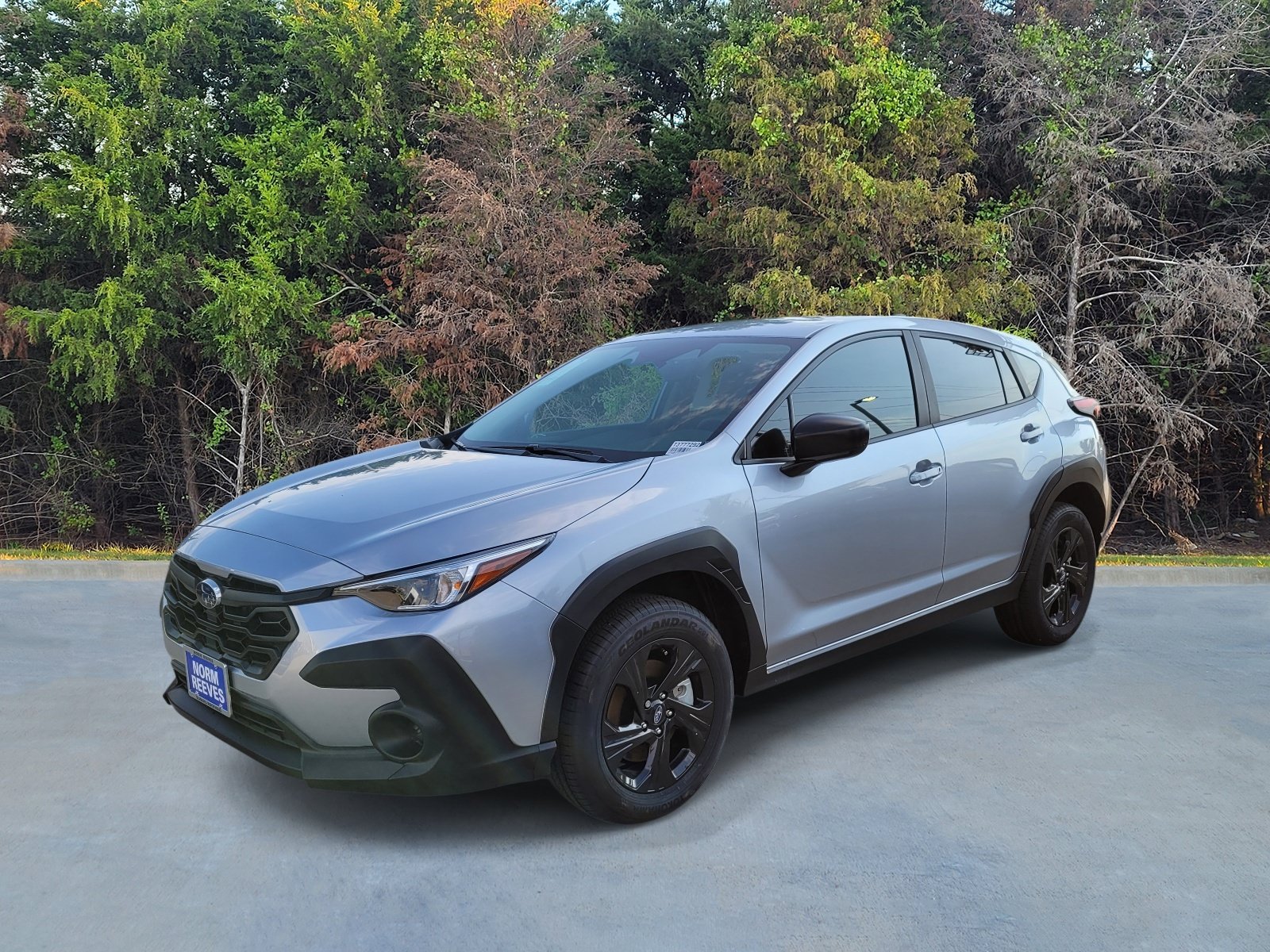
3. Subaru Crosstrek Base
0 to 60 mph: 9.5 seconds
- Engine: 2.0L Boxer 4-Cylinder
- Horsepower: 152 hp
- Torque: 145 lb-ft
- Size: 176.4 in Long x 71.7 in Wide
Many Subaru Crosstrek owners are drawn to the vehicle because it comes with All Wheel Drive as standard equipment, offers real ground clearance for rough paths, and carries a strong reputation for dependability in difficult weather. People who choose the car are usually aware that the entry-level 2.0-litre Boxer engine is not designed for speed. With a zero-to-sixty time of about 9.5 seconds, this version sits among the slowest options in the compact crossover group, a reality most buyers accept as part of the package.
Power from the 2.0-litre Boxer stands at 152 horsepower with 145 pound-feet of torque, using the same basic setup Subaru has kept for several years. The flat engine layout supports smooth movement during steady driving and copes well with low engine speeds, which works well for trails and relaxed highway travel. Sharp acceleration is not a focus here, and the CVT transmission prioritizes fuel economy over rapid response.
At 176.4 inches in length and 71.7 inches in width, the Crosstrek remains easy to manage while offering a sensible cabin design. Subaru asks a higher price than some rivals to include All Wheel Drive and extra ride height. That added cost supports rough road ability and winter confidence, not quick starts. When joining traffic from a stop, drivers need patience and planning. Higher trims with the 2.5-litre engine solve this issue, but the base version keeps this trait for daily use.
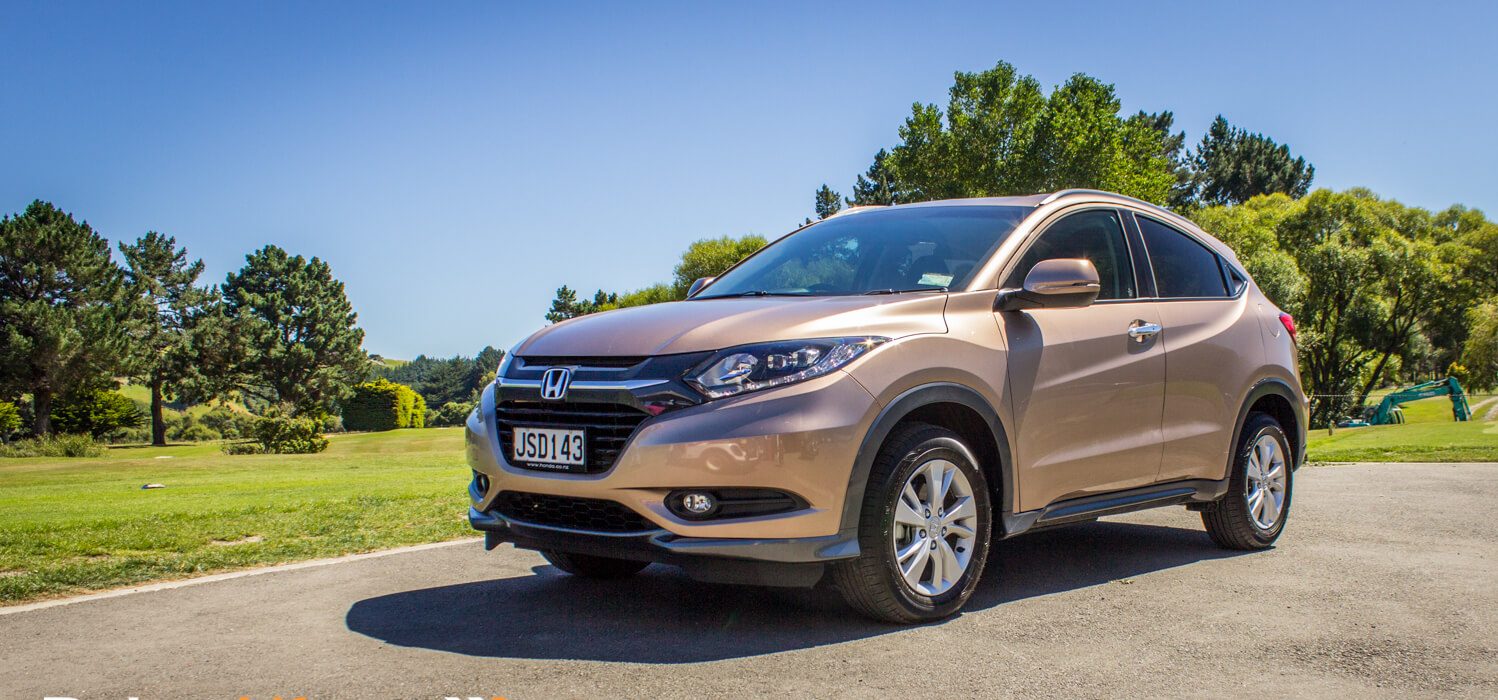
4. Honda HR-V AWD
0 to 60 mph: 9.4 seconds
- Engine: 2.0L Inline 4-Cylinder
- Horsepower: 158 hp
- Torque: 138 lb-ft
- Size: 179.8 in Long x 72.4 in Wide
Honda redesigned the HR-V for its current generation and made a choice that simplified the powertrain at the cost of performance flexibility: a single naturally aspirated 2.0-liter engine across all trim levels, with no turbocharged option available in the lineup. That 2.0-liter unit produces 158 horsepower and 138 lb-ft of torque, delivered through a CVT that Honda calibrated for smooth, efficient power management rather than spirited acceleration. The result is a subcompact crossover that takes 9.4 seconds to reach sixty miles per hour in AWD configuration.
AWD models add the mass of the rear-axle drive components to the HR-V’s curb weight without adding any additional engine output to compensate, which is why the AWD version is slower than the FWD configuration. That weight addition affects every acceleration scenario from traffic light starts through highway on-ramp merging, and it is a trade-off that buyers selecting AWD for its all-weather and light off-road benefits consciously accept.
Measuring 179.8 inches long and 72.4 inches wide, the current HR-V is slightly larger than its predecessor, offering improved rear seat space and a cleaner dashboard layout that Honda’s current-generation interior design delivers well. Honda’s reliability reputation and the practical packaging improvements of the current generation give the HR-V genuine ownership appeal for buyers whose priorities center on dependability and everyday utility.
The acceleration figure is the most honest limitation of this vehicle for anyone who frequently merges onto high-speed expressways or lives in a region where confident passing on two-lane highways is a regular requirement.
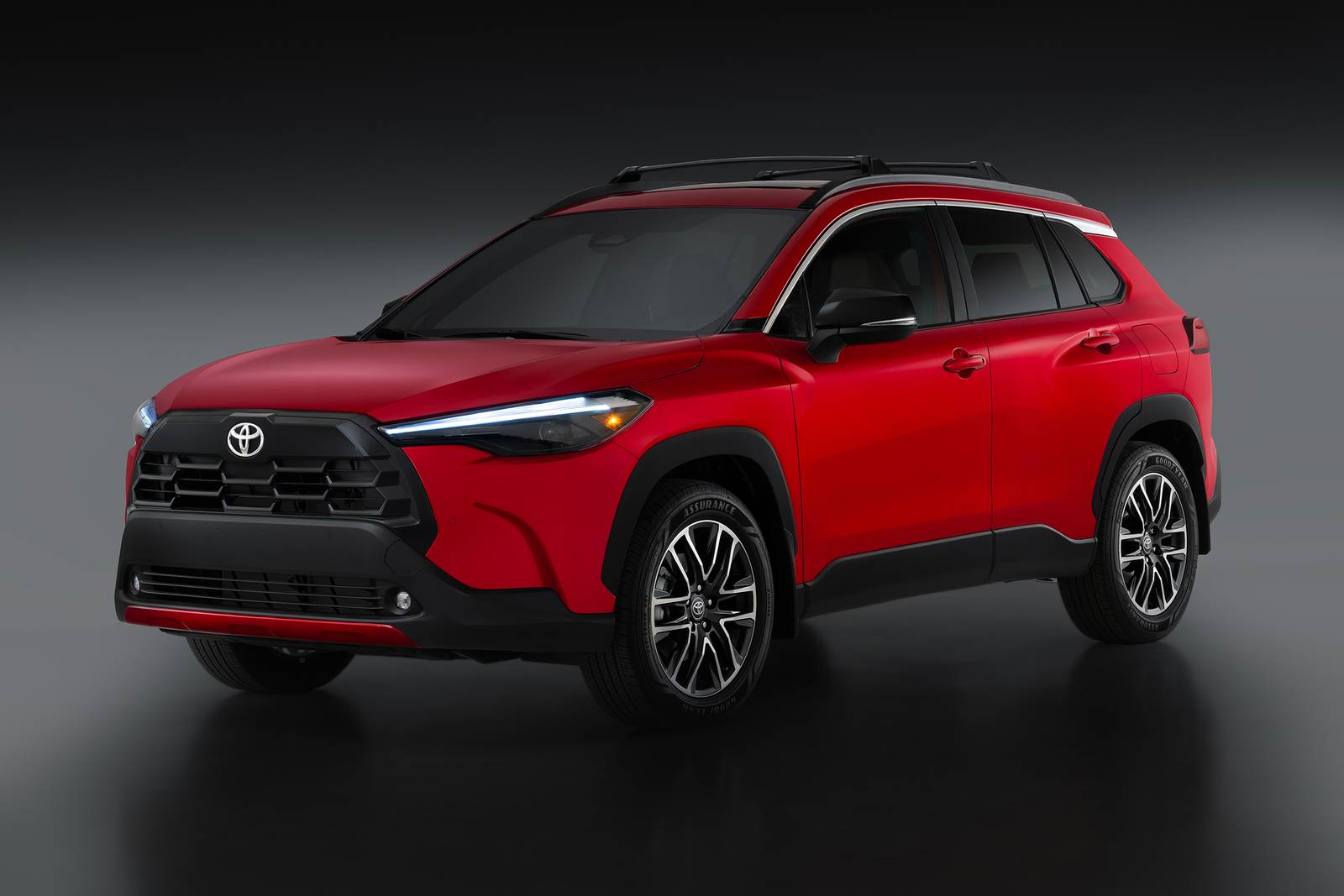
5. Toyota Corolla Cross AWD
0 to 60 mph: 9.3 seconds
- Engine: 2.0L Inline 4-Cylinder
- Horsepower: 169 hp
- Torque: 151 lb-ft
- Size: 175.6 in Long x 71.9 in Wide
Toyota positioned the Corolla Cross as a middle option for drivers who wanted more height and flexibility than the Corolla sedan but did not want the size or cost of the RAV4. It suits buyers who prefer a small crossover that feels easy to live with each day. Power comes from a 2.0-litre naturally aspirated four-cylinder engine producing 169 horsepower and 151 pound-feet of torque.
With the added weight of All Wheel Drive, the Corolla Cross reaches sixty miles per hour in about 9.3 seconds, reflecting a calm performance focus rather than quick movement. The vehicle measures 175.6 inches in length and 71.9 inches in width, making it comfortable for city streets, narrow parking spaces, and urban driving.
Toyota matched the engine with a Direct Shift CVT that uses a physical first gear to improve response when moving off from a stop. This setup makes low-speed driving feel more assured, even if the numbers remain modest. Every Corolla Cross comes with Toyota Safety Sense, which includes adaptive cruise control, pre-collision warning, and lane departure alert. This level of safety support was once limited to models. Buyers choosing this crossover focus on dependability, usefulness, and pricing.
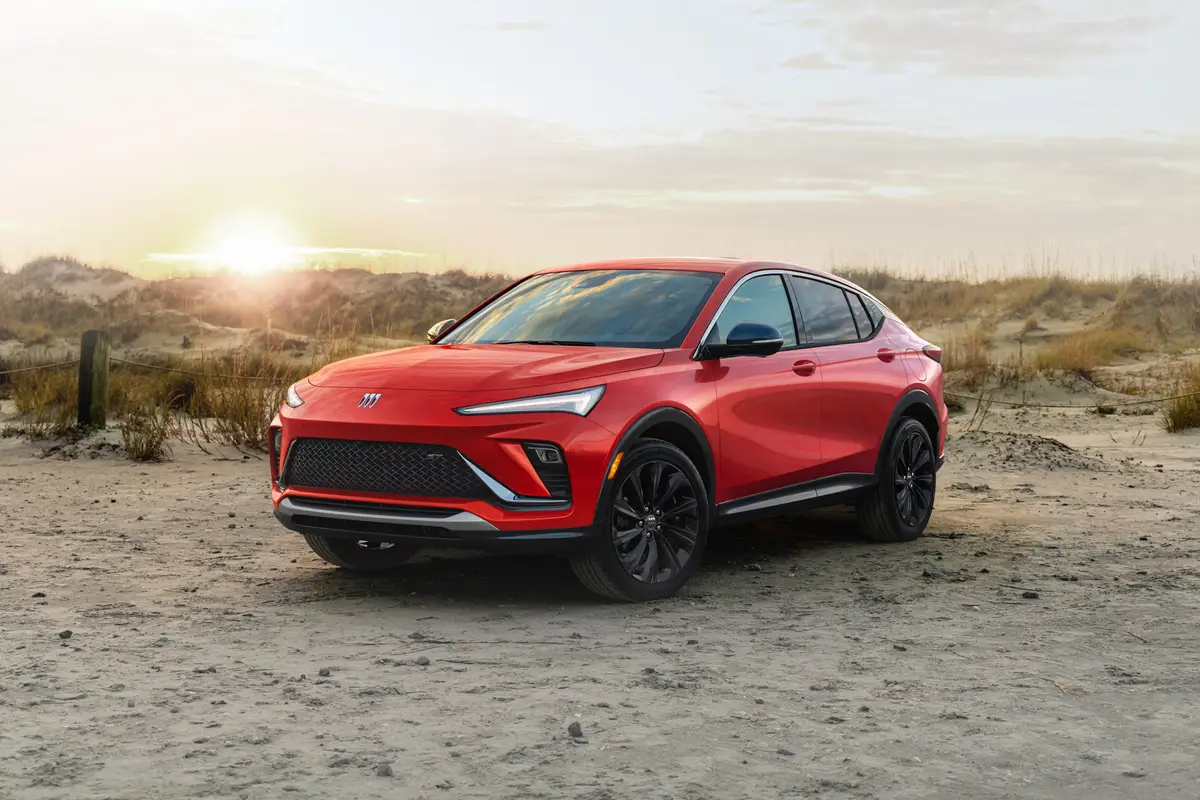
6. Buick Envista
0 to 60 mph: 9.3 seconds
- Engine: 1.2L Turbocharged 3-Cylinder
- Horsepower: 137 hp
- Torque: 162 lb-ft
- Size: 182.6 in Long x 71.5 in Wide
Buick markets the Envista as an entry-level luxury crossover, positioning it above mainstream competitors like the Chevrolet Trailblazer on the showroom floor through premium interior materials, a quieter cabin, and a more refined exterior design. What sits under the hood of this premium-positioned vehicle is a 1.2-liter turbocharged three-cylinder engine producing 137 horsepower and 162 lb-ft of torque, the same fundamental powertrain found in the Trailblazer below it on this list.
At 9.3 seconds to sixty miles per hour, the Envista’s acceleration performance matches neither its luxury positioning nor the price premium buyers pay over mainstream alternatives. Three-cylinder engines have improved substantially in refinement and efficiency over the past decade, and the 1.2-liter turbo in the Envista delivers adequate power for urban commuting and steady highway cruising.
Torque arrives reasonably low in the RPM range thanks to the turbocharger, which helps the Envista feel more responsive at everyday driving speeds than the 137 horsepower figure alone might suggest. However, the measured zero-to-sixty time of 9.3 seconds reflects the physical limits of what a small-displacement three-cylinder can deliver during a full acceleration event.
Measuring 182.6 inches long and 71.5 inches wide, the Envista has interior dimensions that seat four adults acceptably and a cargo area that covers most everyday hauling needs. Buick’s quiet-tuned suspension and standard noise insulation make the cabin experience genuinely more relaxed than the Trailblazer’s, which is the real differentiation Buick is selling.
Buyers who value a composed, quiet daily driver and are not concerned with performance will find that the Envista delivers on its primary promise. Those who also need confident on-ramp performance should budget for the disappointment the 9.3-second figure inevitably delivers.
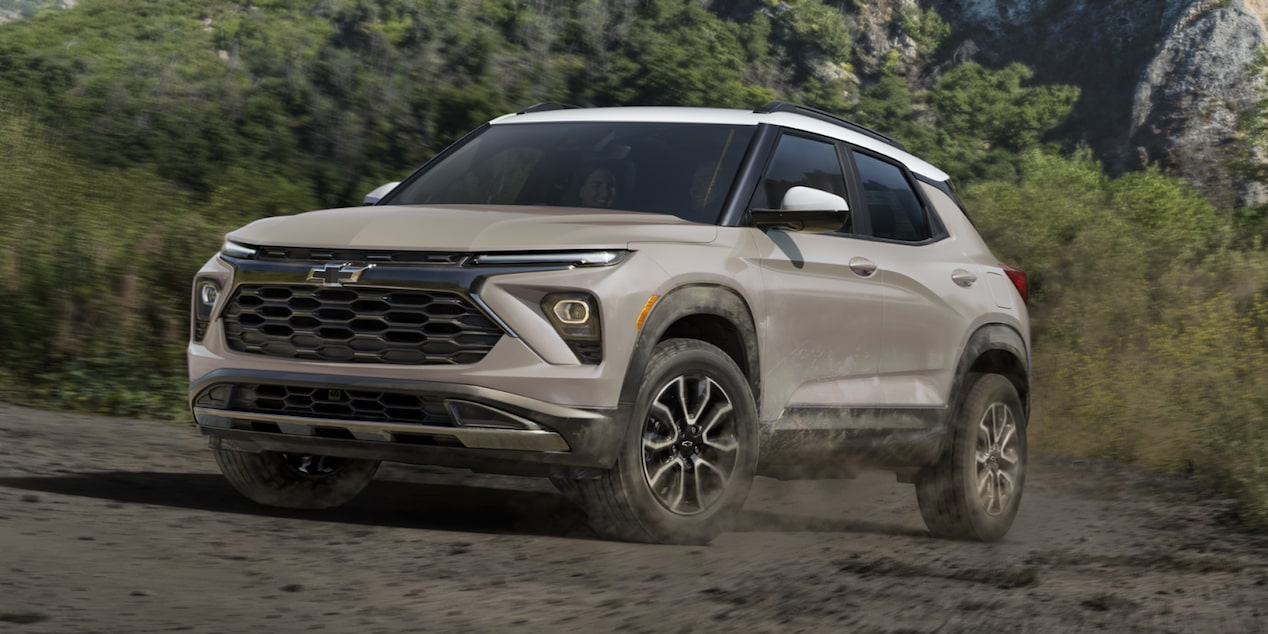
7. Chevrolet Trailblazer 1.2L FWD
0 to 60 mph: 9.2 seconds
- Engine: 1.2L Turbocharged 3-Cylinder
- Horsepower: 137 hp
- Torque: 162 lb-ft
- Size: 174.1 in Long x 71.2 in Wide
Chevrolet sells the Trailblazer with two engine choices, giving buyers a clear split between entry-level affordability and stronger performance on higher trims. The base version uses a 1.2-litre turbocharged three-cylinder engine, while the more expensive trims receive a 1.3-litre unit. In the entry form, the 1.2-litre engine delivers 137 horsepower and 162 pound-feet of torque. With Front Wheel Drive, it reaches sixty miles per hour in about 9.2 seconds, placing it near the slower end of the subcompact crossover group.
From a size standpoint, the Trailblazer stays small and city-friendly. Measuring 174.1 inches long and 71.2 inches wide, it fits easily into tight parking spaces and feels comfortable on narrow streets. This compact size gives it a clear advantage for drivers who spend most of their time in busy urban areas where space is limited.
The turbocharger gives the small engine helpful pulling power at lower speeds, which makes daily traffic driving feel less stressful than the figures might suggest on paper. Even so, the CVT transmission in the base model adds a delayed response when the accelerator is pressed firmly. Engine speed rises first, followed by a steady increase in road speed, which makes the acceleration feel slower than expected.
Chevrolet positions the Trailblazer as one of the cheapest new crossovers available. Its low starting price, manageable size, and reasonable fuel use appeal to buyers working with tight budgets. Drivers who often use highways may prefer the 1.3-litre option, which delivers a noticeable improvement in everyday driving confidence.
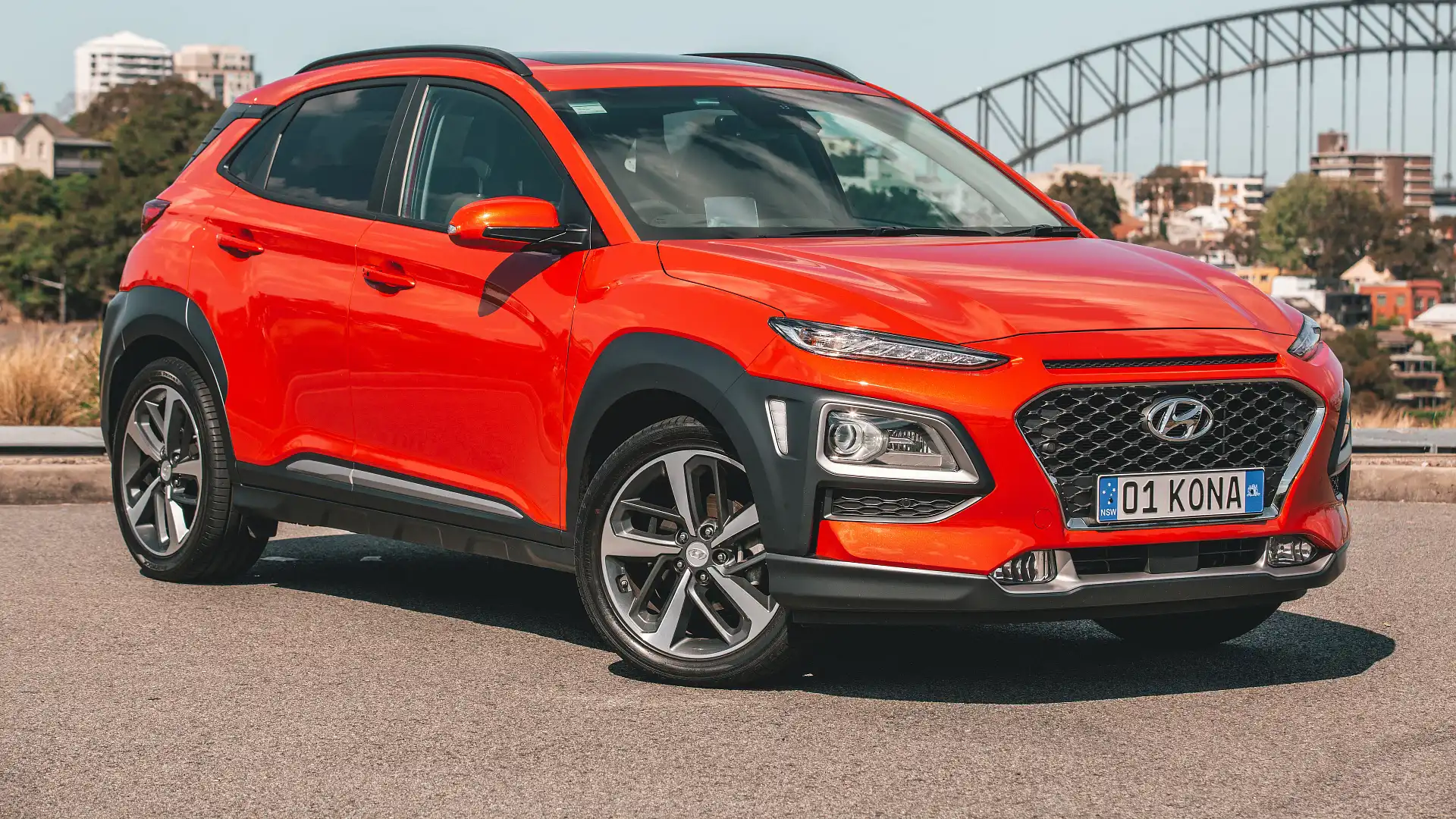
8. Hyundai Kona 2.0L FWD
0 to 60 mph: 9.2 seconds
- Engine: 2.0L Inline 4-Cylinder
- Horsepower: 147 hp
- Torque: 132 lb-ft
- Size: 171.3 in Long x 71.9 in Wide
Hyundai refreshed the Kona with a full redesign that clearly moved the model forward in appearance, cabin layout, and day-to-day comfort when compared with the earlier version. The sharper body shape and upgraded interior may suggest stronger performance, but the entry-level engine stayed the same. Using a 2.0-litre naturally aspirated four-cylinder, the base Front Wheel Drive Kona delivers 147 horsepower and 132 pound-feet of torque.
With this setup, the vehicle reaches sixty miles per hour in about 9.2 seconds, placing it alongside other slow-moving options in its class. This 2.0-litre engine relies on traditional power delivery rather than turbo assistance, which affects how it responds when pushed. Unlike small turbo engines that provide early pulling strength, this unit needs higher engine speed before it feels lively.
As a result, drivers notice a pause when accelerating hard from a stop or when trying to gain speed quickly. Hyundai pairs the engine with a CVT that operates smoothly and quietly, yet it does little to shorten that waiting period during strong throttle input. In terms of size, the Kona remains compact and city-friendly. It measures 171.3 inches in length and 71.9 inches in width, making it easy to manage in traffic and parking areas.
Inside, the cabin feels more expensive than expected, with a wide dual-screen display arrangement borrowed from Hyundai models positioned above it in the range. Hyundai also sells the Kona with a 1.6-litre turbocharged engine on higher trims, producing 195 horsepower. That option changes the driving experience noticeably. Buyers drawn to the new design but expecting a quicker response should review that version carefully before settling on the base model alone.
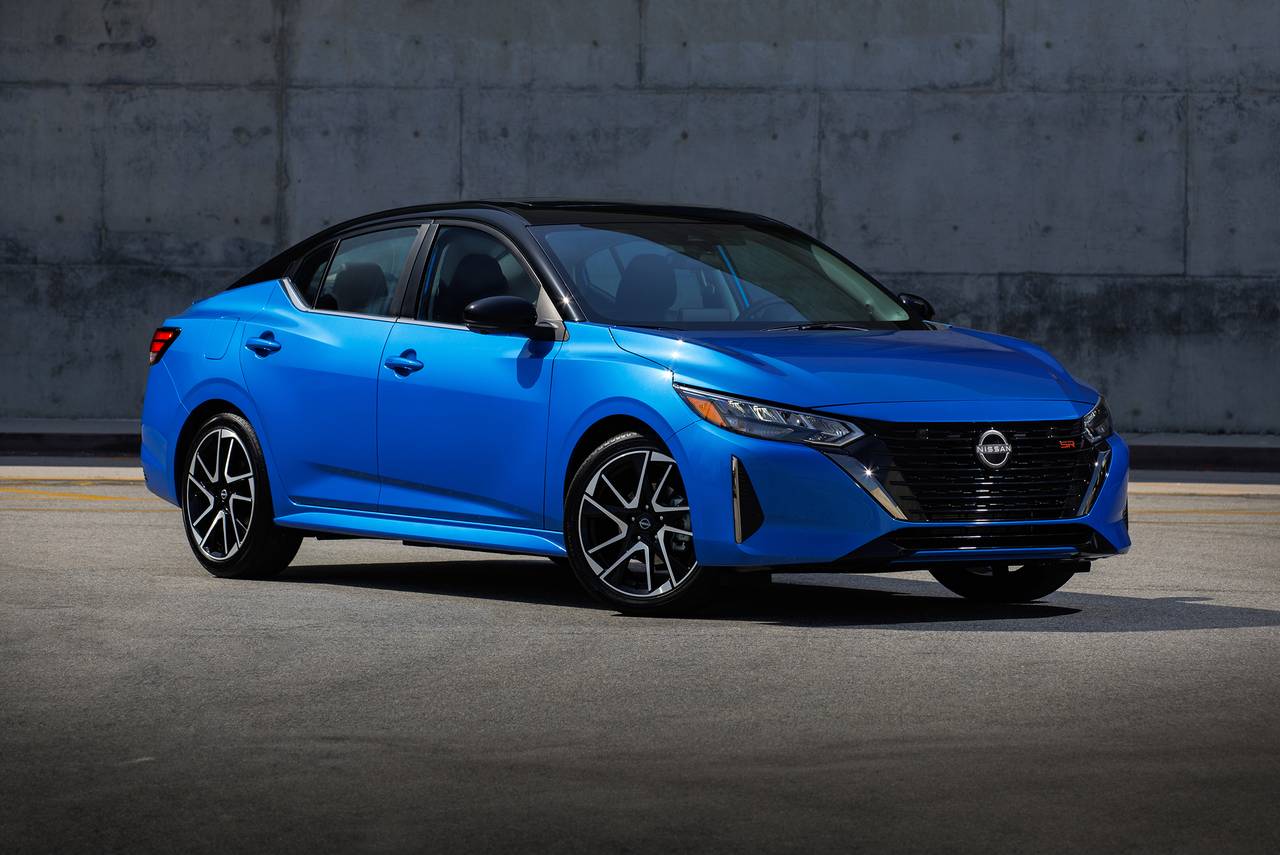
9. Nissan Sentra
0 to 60 mph: 9.2 seconds
- Engine: 2.0L Inline 4-Cylinder
- Horsepower: 149 hp
- Torque: 146 lb-ft
- Size: 182.7 in Long x 71.5 in Wide
Nissan’s Sentra targets the heart of the entry-level commuter sedan market, competing directly with the Honda Civic, Toyota Corolla, and Hyundai Elantra for buyers who want a practical, affordable four-door with low running costs. At 149 horsepower and 146 lb-ft of torque from a 2.0-liter naturally aspirated inline four-cylinder, the Sentra’s powertrain output is competitive with the segment in terms of numbers on paper.
The real-world zero-to-sixty time of 9.2 seconds, however, places it among the slower compact sedans available, reflecting CVT tuning that prioritizes fuel economy optimization over performance response. Nissan’s Xtronic CVT in the Sentra includes an eco-mode script that maps the throttle specifically for maximum efficiency, further softening the acceleration character during normal driving when eco mode is active.
Drivers who specifically disable the eco mode and select sport mode experience a more responsive throttle profile, though the underlying engine output remains the same regardless of mode selection. Sport mode does not increase available power; it simply makes the CVT use the existing power more aggressively in response to throttle inputs.
Measuring 182.7 inches long and 71.5 inches wide, the Sentra is a properly sized compact sedan with a comfortable rear seat and a 14.3 cubic foot trunk that serves family buyers well for everyday cargo needs. Nissan’s pricing places the Sentra at the lower end of the compact sedan segment, and its standard safety features package includes automatic emergency braking, rear cross-traffic alert, and lane-departure warning across all trim levels.
Buyers who choose the Sentra for its combination of low purchase price and affordable running costs are making a sound decision, provided they approach highway merging with the patience that a 9.2-second car requires.
Also Read: 10 Narrowest Cars Ever Sold in America
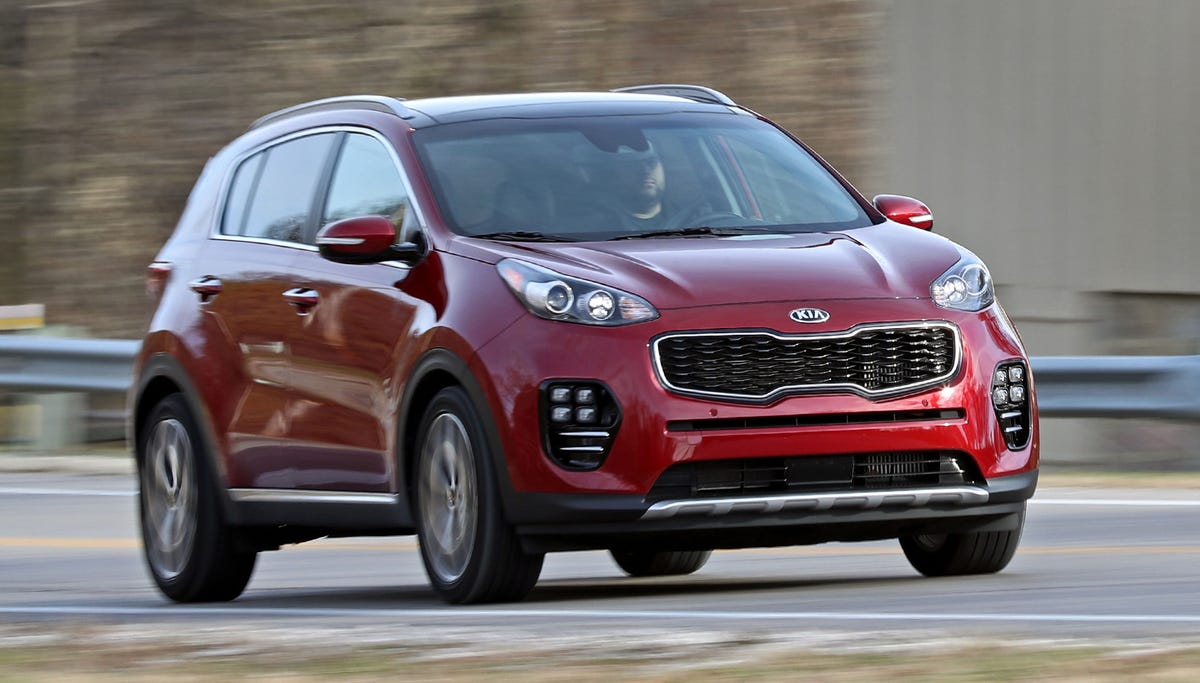
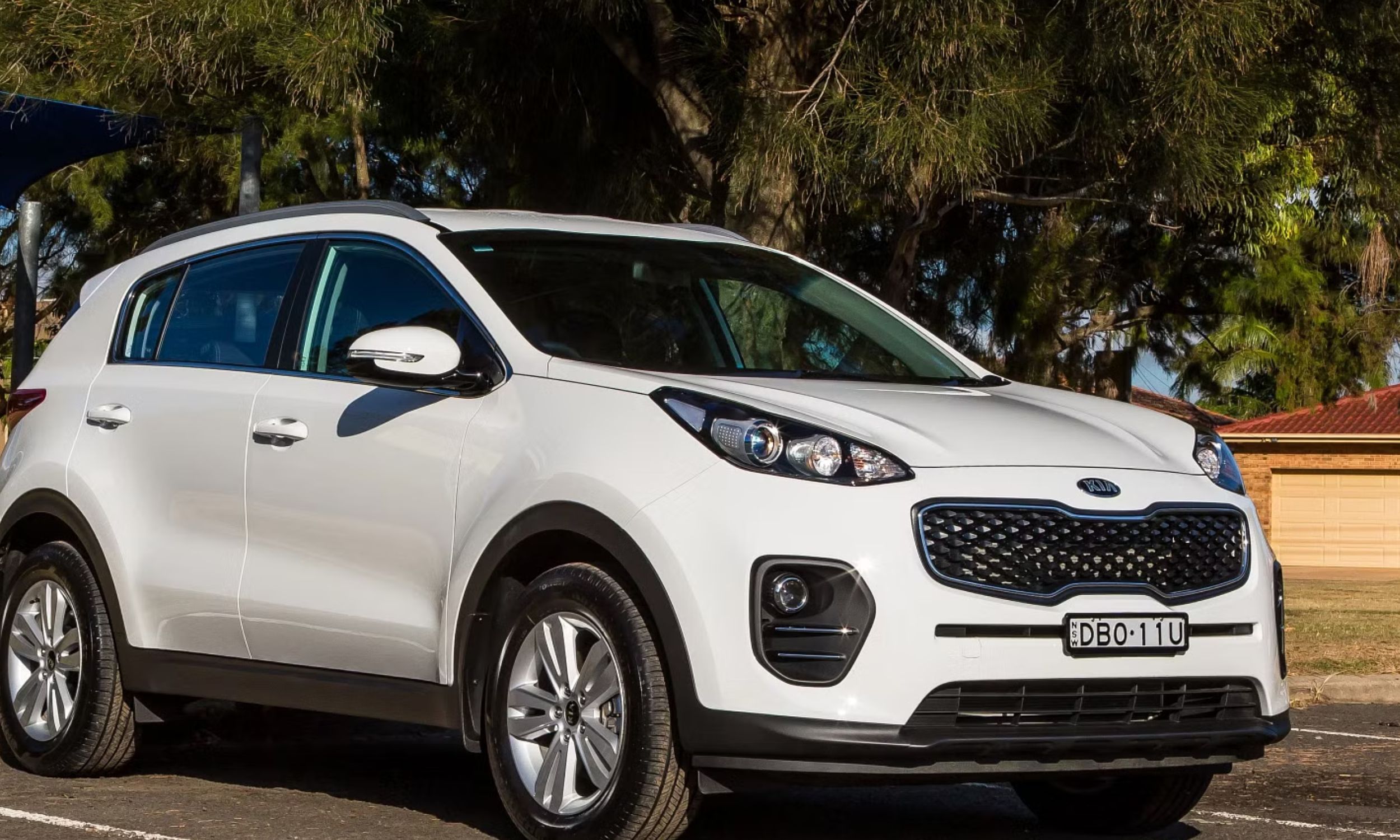
10. Kia Sportage FWD
0 to 60 mph: 9.1 seconds
- Engine: 2.5L Inline 4-Cylinder
- Horsepower: 187 hp
- Torque: 178 lb-ft
- Size: 183.5 in Long x 73.4 in Wide
At the top end of this slow acceleration group sits the Kia Sportage in its base Front Wheel Drive form, delivering the strongest power figures here while still taking 9.1 seconds to reach sixty miles per hour. The Sportage uses a 2.5-litre naturally aspirated four-cylinder engine that produces 187 horsepower and 178 pound-feet of torque.
On paper, that output looks strong compared with others listed, so its placement only makes sense once vehicle weight and drivetrain tuning are taken into account. Kia matches this engine with an eight-speed automatic transmission instead of a CVT, a choice many drivers prefer for smoother response and a more familiar feel.
Even with that advantage, real-world acceleration remains measured rather than sharp. The combination of engine tuning, gear spacing at lower speeds, and the vehicle mass results in steady progress instead of quick movement, though the driving feel is still more natural than what many CVT setups deliver.
Size also plays a clear role in the Sportage’s performance. Measuring 183.5 inches long and 73.4 inches wide, it is the largest vehicle here, and that extra size adds weight that works against rapid acceleration. Versions fitted with All Wheel Drive using the same engine perform more slowly due to added mass, while higher trims with turbo power change the driving character completely.
For buyers seeking a properly sized compact SUV, Kia offers strong warranty support, a modern interior, and a traditional automatic gearbox. The base Sportage Front Wheel Drive remains appealing.
