
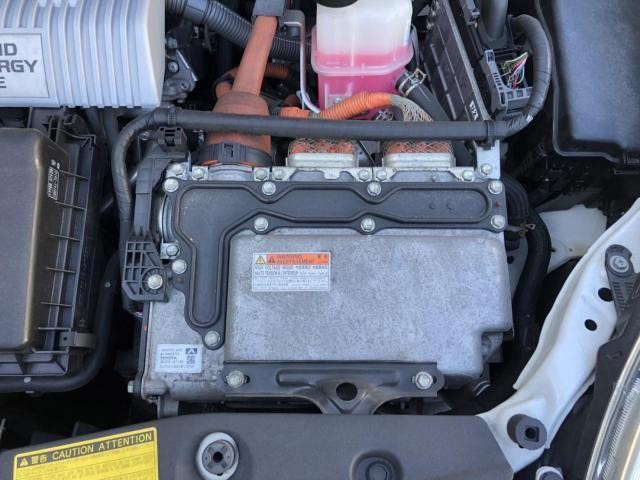
A hybrid car runs on two power sources working together. The battery stores direct current, while the electric motor needs alternating current to spin.
The inverter is the part that makes this conversion possible. Without it, the battery and motor simply cannot talk to each other. When this component starts failing, drivers often notice warning lights and strange behavior. The car may hesitate to shift into drive or reverse gear.
Many owners panic the moment a mechanic mentions “inverter replacement.” Costs can genuinely range from a few hundred dollars to well over ten thousand.
This wide range depends on several factors, including the vehicle model and repair type. A small pump or sensor fix costs far less than a full unit swap.
Dealerships typically charge more than independent hybrid specialists for the same job. Choosing the right shop can save thousands without sacrificing quality or safety.
This guide breaks down the real numbers behind hybrid inverter repairs. It also explains what drives the price up or down in each situation. By the end, you will understand exactly what you’re paying for. You’ll also know how to avoid getting overcharged for this repair.
Understanding the Real Cost Range
Repairing a hybrid inverter typically costs between $700 and $2,200. This lower range usually covers minor component-level repairs rather than a full replacement.
A complete inverter replacement is a much bigger expense. Full unit swaps generally run between $4,000 and $10,000, depending on the vehicle. The exact number depends heavily on which parts are actually damaged. A faulty pump costs far less to fix than a burnt-out power module.
Vehicle make and model also play a huge role in final pricing. Luxury hybrids and rare models often carry higher parts costs than mainstream ones.
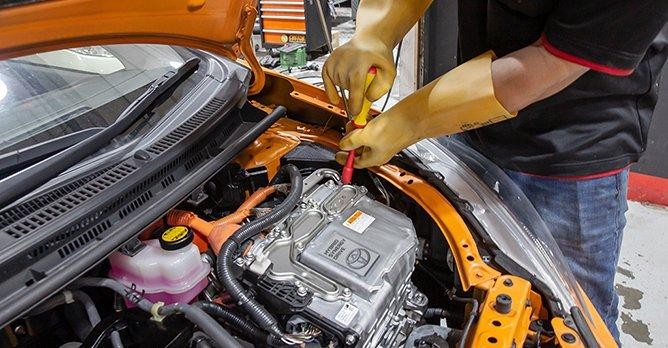
Warranty coverage can change everything about your out-of-pocket expense. Many hybrid components carry extended warranties lasting eight to ten years from the manufacturer.
If your vehicle falls within that window, repairs might cost nothing at all. Always check your warranty booklet before agreeing to any paid repair. One real-world example shows just how much prices can vary. A customer was quoted $8,500 by their regular auto shop, but the repair actually cost $2,400 through a specialized hybrid shop.
This massive difference shows why shopping around truly matters. Independent hybrid specialists often source rebuilt or remanufactured units at lower prices.
Some companies also offer mobile installation services to save on labor. This can eliminate the need for towing and cut costs even further. Dealerships tend to install brand-new factory parts only. This drives their prices higher than what independent shops typically charge.
Remanufactured inverters offer a more budget-friendly alternative for many owners. These units go through testing and often come with their own warranty.
Diagnostic scanning is usually the first step before any repair begins. A scan tool reads trouble codes that point toward the specific problem. Codes like P0A93 often indicate a failed inverter pump specifically. Other codes, such as P0A78 or P0A94, typically point to bigger internal failures. Some auto parts stores offer free diagnostic scans for basic codes. This can save you money before committing to a paid mechanic visit.
What Actually Drives the Price Up
Several distinct factors combine to determine your final repair bill. Understanding each one helps you know where your money is actually going. The type of inverter in your vehicle matters significantly. Most hybrids use a voltage source inverter, which is the most common and often cheapest to source.
Some newer vehicles use dual inverter systems instead. These split power between the front and rear wheels and cost more to repair. Labor rates vary widely between dealerships, independent shops, and mobile services. Dealership labor rates are almost always the highest of the three options.
The severity of the damage changes the required repair path entirely. A simple pump replacement is far cheaper than swapping the entire inverter unit.
Voltage isolation faults are notoriously tricky and expensive to diagnose. These faults, tied to code P0AA6, can stem from multiple different components.
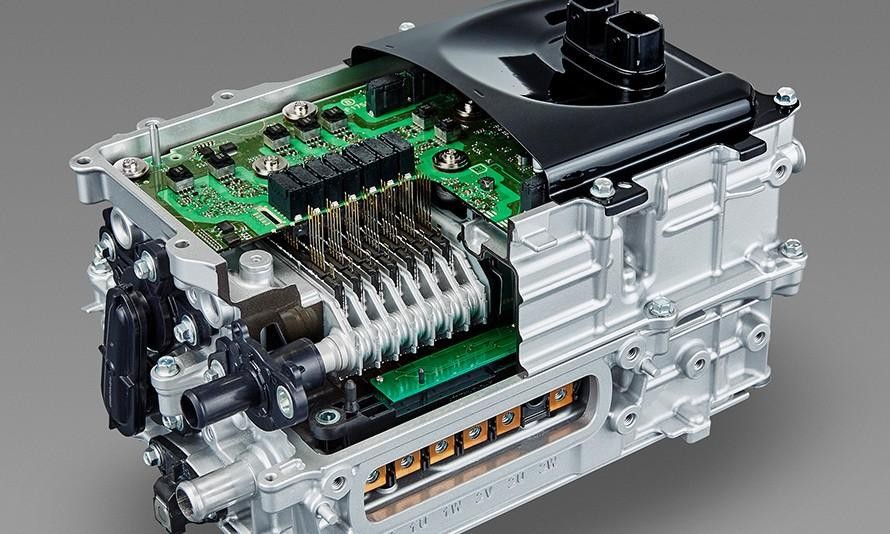
Locating the actual source of a voltage leak takes extra diagnostic time. This added labor time increases your bill noticeably. Cooling system problems are another common and separate cost driver. The inverter generates significant heat and requires its own dedicated cooling loop.
A hybrid inverter coolant flush is a smaller, routine expense by comparison. This service typically costs between $267 and $331 total. Within that flush cost, labor runs between $136 and $199, while parts add around $132. Skipping this maintenance can actually contribute to future inverter failure.
Regular coolant service reduces the risk of overheating damage over time. RepairPal specifically recommends following the factory-scheduled maintenance plan when servicing a vehicle.
Not every hybrid model even needs this specific cooling service. RepairPal notes that some hybrid vehicles don’t require cooling systems for the inverter at all, since some don’t get hot enough or use fan cooling only.
Knowing your exact vehicle’s cooling setup prevents unnecessary charges. Some shady shops may try to bill for services your car doesn’t even need.
Core deposits are another cost element that some buyers overlook. Remanufactured part suppliers often add a refundable core deposit of around $500 at checkout.
This deposit gets refunded once you return your old, failed unit. It’s meant to encourage recycling and keep remanufacturing costs lower. Shipping costs can also sneak into your total bill unexpectedly. Some suppliers include standard shipping but add roughly $200 more for residential deliveries.
Geographic location influences pricing too, just like with most car repairs. Urban areas generally have higher labor rates than rural or suburban regions.
Availability of specialized hybrid technicians in your area also matters. Fewer qualified technicians nearby can push prices higher due to limited competition.
The age and mileage of your vehicle can factor into decisions as well. Older, high-mileage hybrids may not justify the cost of an expensive dealership repair.
In these cases, a remanufactured inverter often makes more financial sense. It extends the vehicle’s life without paying full price for factory-new parts.
How to Save Money and Choose the Right Repair Shop
Getting multiple quotes should always be your very first step. Prices can differ by thousands of dollars between different shops. Independent hybrid and EV specialty shops often beat dealership prices significantly. Some companies advertise savings of up to 50% less than dealership pricing for comparable repairs.
Always ask whether a shop offers remanufactured versus brand-new parts. Remanufactured units cost less while still carrying meaningful warranty protection.
Look specifically for warranties of twelve months or longer on any replacement part. This protects you if the new component fails prematurely. Mobile repair services are worth considering if available in your area.
One customer noted they saved 50% on installation costs because a shop happened to be located near them, and the whole job took about an hour.
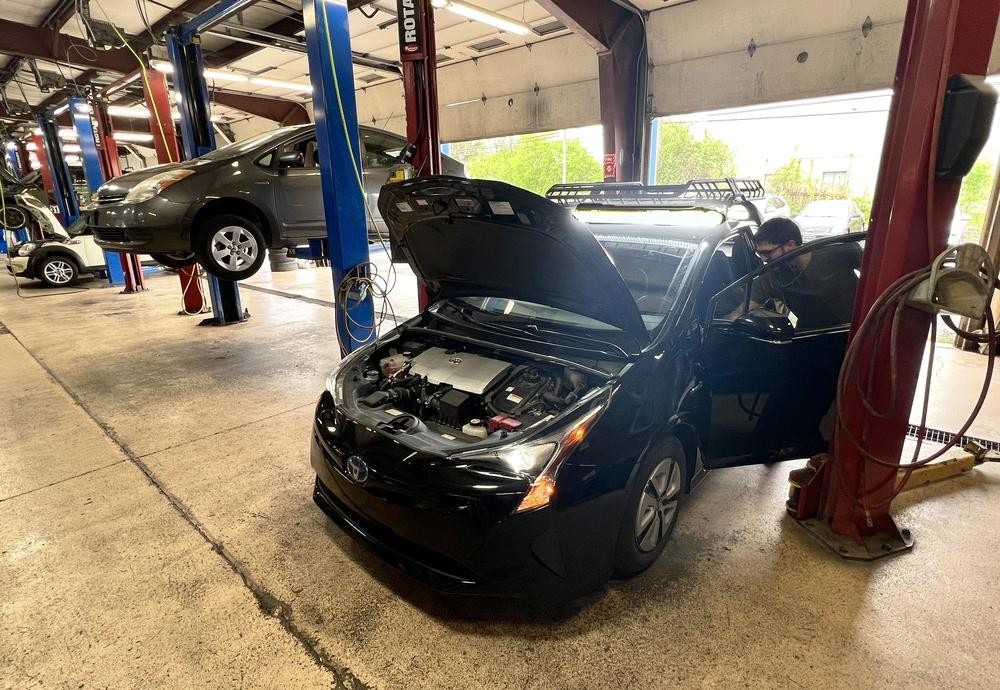
Ask your shop directly about local pickup versus mail-in core returns. Local pickup at the time of service often means no upfront core deposit at all. Don’t skip the diagnostic step, trying to save a little money upfront. A proper diagnosis prevents paying for parts that were never actually broken.
Remember that clearing warning codes is only a temporary workaround. Some owners clear codes with a scan tool just to drive the car to a mechanic, but the underlying fault always returns.
Relying on this trick in the long term risks stranding you unexpectedly. It’s a stopgap, not an actual fix, so plan your repair promptly. Check your factory or extended warranty coverage before paying anything out of pocket. Hybrid battery and inverter components often carry longer coverage than standard parts.
Ask your shop plainly whether they will repair or fully replace the unit. Repairing a specific failed component is almost always cheaper than full replacement.
Request an itemized quote breaking down parts, labor, and any additional fees. This transparency helps you compare shops fairly and spot hidden charges early.
Consider the age of your vehicle against the total estimated repair cost. If repairs approach the car’s resale value, weigh replacement against buying used instead.
Regular maintenance genuinely helps prevent expensive inverter failures down the road. Keeping up with coolant flushes and scheduled hybrid system checks reduces long-term risk.
Ultimately, hybrid inverter costs vary enormously based on your specific situation. Component-level repairs stay in the hundreds, while full replacements can reach five figures.
Shopping around, checking warranty status, and choosing specialized shops all help control costs. With the right approach, this repair doesn’t have to break your budget.
Also Read: Once Outdated, Manual-Transmission Cars Are Now a Premium Category
