
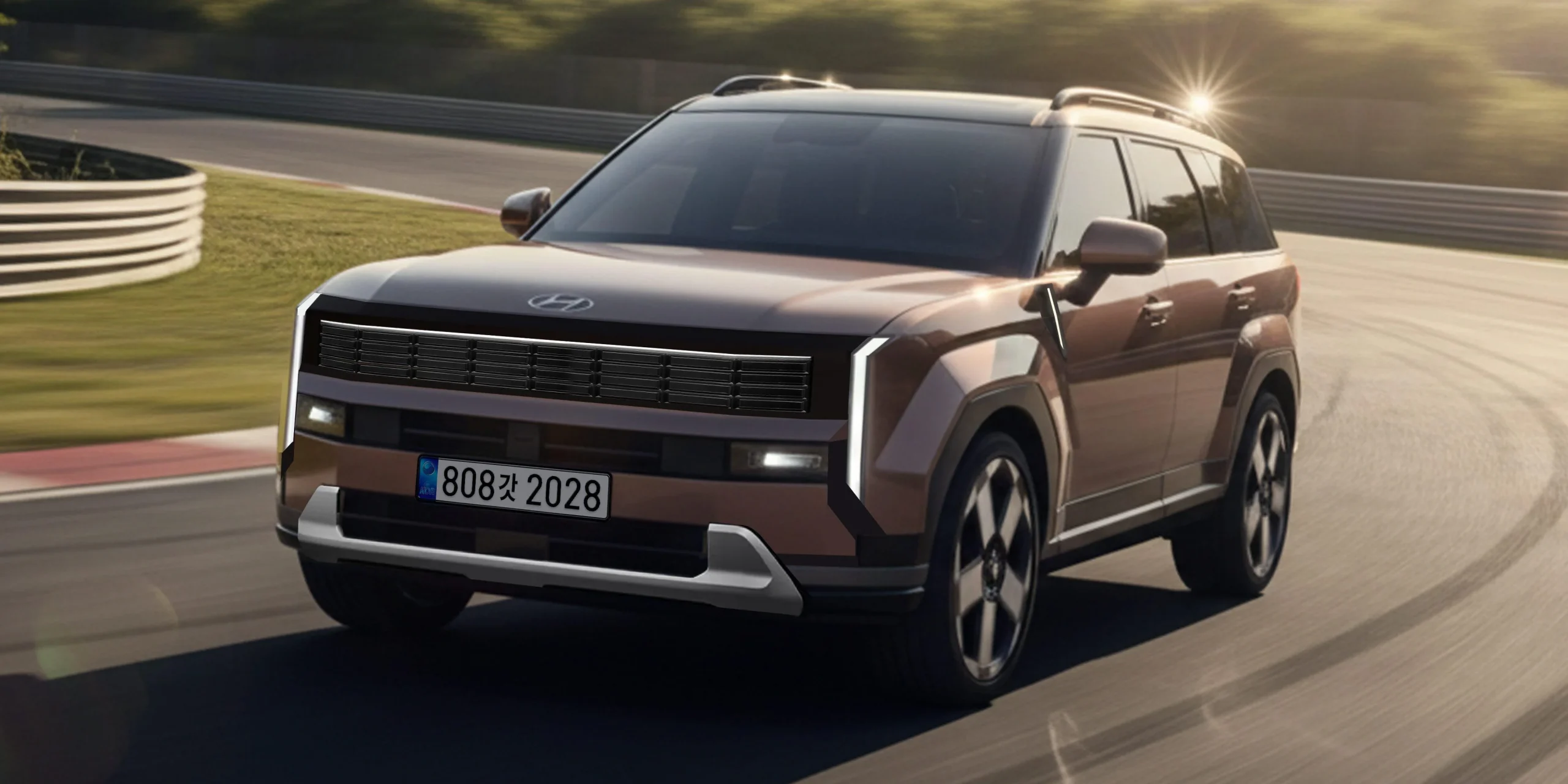
Hybrid vehicles continue to dominate new car conversations heading into 2027. Automakers are racing to electrify their lineups without fully committing to pure EVs. This shift reflects buyer demand for better fuel economy. It also reflects hesitation around charging infrastructure and EV pricing.
The 2027 model year brings a strong mix of redesigned SUVs, sedans, and even a few surprises. Toyota, Nissan, Kia, Hyundai, and BMW are all pushing fresh hybrid technology. Some of these are full hybrids that never need plugging in. Others are plug-in hybrids offering a meaningful electric-only range.
Buyers can expect improved horsepower figures across most segments. Many 2027 hybrids also bring updated safety suites and driver assistance tech. Crash test history matters here, too. Older ratings on these nameplates give buyers a sense of long-term safety performance.
This list covers ten of the most anticipated hybrid vehicles arriving in 2027. Each entry includes core specifications and a look back at past crash test ratings. Together, they represent where hybrid technology is heading next. The options range from compact crossovers to three-row family SUVs.
1. 2027 Toyota RAV4 Hybrid
The RAV4 remains America’s best-selling hybrid SUV by a wide margin. The 2027 model carries over the major redesign introduced for 2026. Toyota made the RAV4 a hybrid-only model starting with that redesign. This means every RAV4 sold now comes standard with electrified power.
The hybrid system pairs a 2.5-liter four-cylinder engine with electric motors. Front-wheel-drive versions produce 226 horsepower. All-wheel-drive versions bump that figure up to 236 horsepower. A continuously variable transmission sends power to the wheels smoothly.
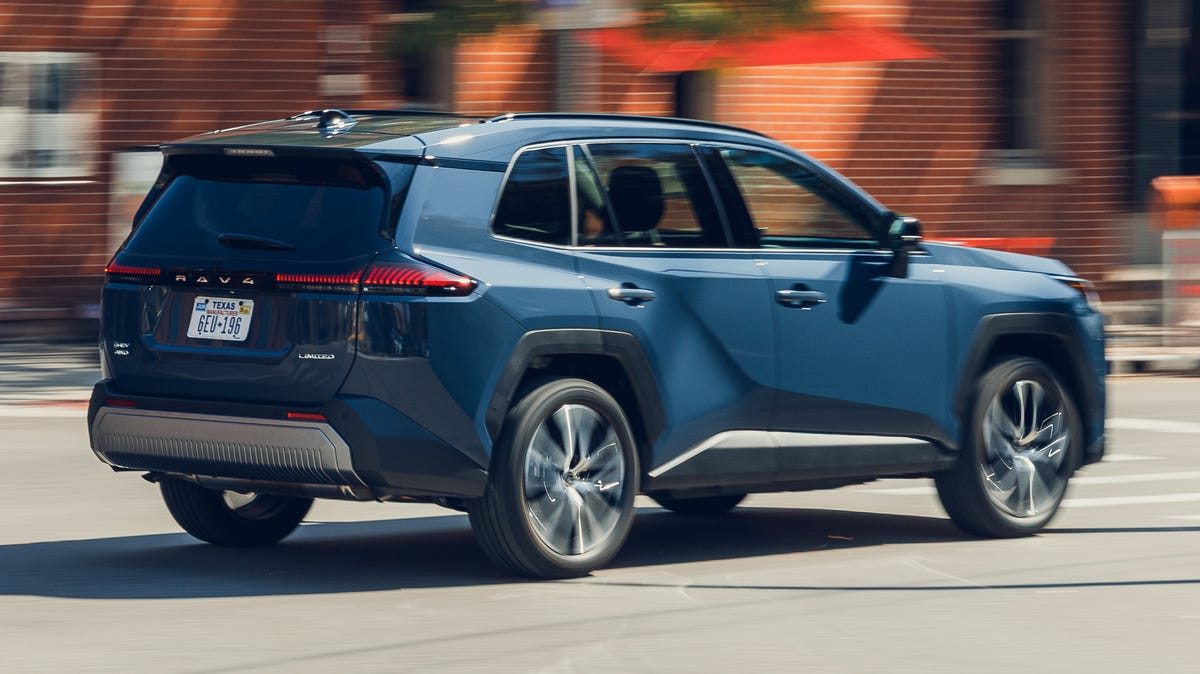
Cargo space remains a strong point for this SUV. Buyers get 37.8 cubic feet behind the rear seats. That number expands to 70.4 cubic feet with seats folded. Towing capacity reaches 3,500 pounds on all-wheel-drive trims.
Older RAV4 generations carry a strong safety record. The 2023 RAV4 earned the IIHS Top Safety Pick designation. It also received a five-star rating from NHTSA. That combination has made the nameplate a consistent safety leader.
Specifications:
- Engine: 2.5L 4-cylinder hybrid
- Horsepower: 226-236 hp
- Torque: 163 lb-ft (engine) + electric motor assistance
- Length: 181.5 in
- Width: 73.0 in
2. 2027 Toyota RAV4 Plug-In Hybrid
The RAV4 Plug-In Hybrid sits above the standard hybrid in both power and price. It pairs the same 2.5-liter engine with dual electric motors. A larger traction battery enables genuine electric-only driving. Toyota estimates up to 50 miles of all-electric range.
Output jumps significantly compared to the standard hybrid. The plug-in version produces 320 horsepower. All-wheel drive comes standard across the lineup. This makes it noticeably quicker than the conventional RAV4 Hybrid.
DC fast charging is a notable feature addition. The battery can go from 10 percent to 80 percent in 30 minutes. That’s a meaningful improvement over earlier RAV4 Prime charging times. Home charging remains available for overnight top-ups.
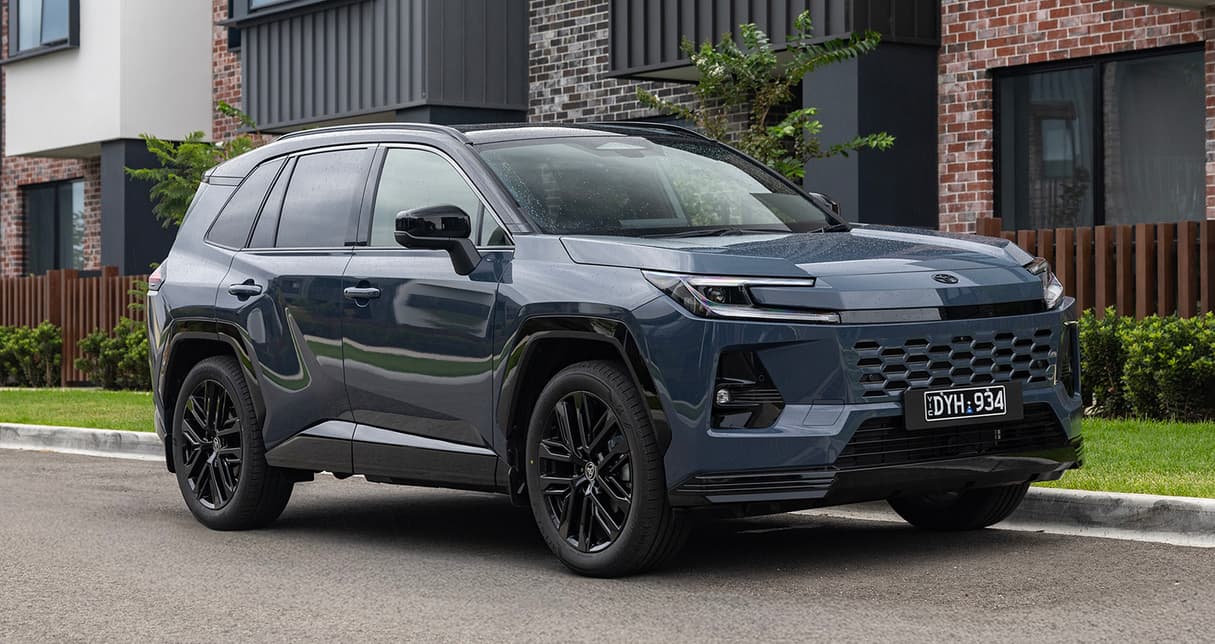
Crash testing history here ties back to the previous-generation RAV4 Prime. The 2023 RAV4 Prime also earned an IIHS Top Safety Pick. Its moderate overlap frontal rating came from a 2021 test. That rating has applied across multiple model years.
Specifications:
- Engine: 2.5L 4-cylinder plug-in hybrid
- Torque: 317 lb-ft (combined estimated)
- Horsepower: 320 hp
- Length: 181.5 in
- Width: 73.0 in
3. 2027 Nissan Rogue Hybrid e-POWER
Nissan is entering new territory with its e-POWER hybrid system. This marks the brand’s first hybrid of this type sold in the U.S. Unlike conventional hybrids, the gas engine never directly drives the wheels. Instead, it acts purely as a generator for the electric motors.
The setup uses a 1.5-liter turbocharged three-cylinder engine. This engine charges the battery rather than powering the wheels directly. Two electric motors then handle all propulsion duties. One motor sits up front, and one sits at the rear axle.
Combined output is expected to land around 200 horsepower. Nissan is targeting roughly a 20 percent fuel economy improvement. That would push combined ratings into the high 30s for mpg. A one-pedal driving mode is also part of the package.
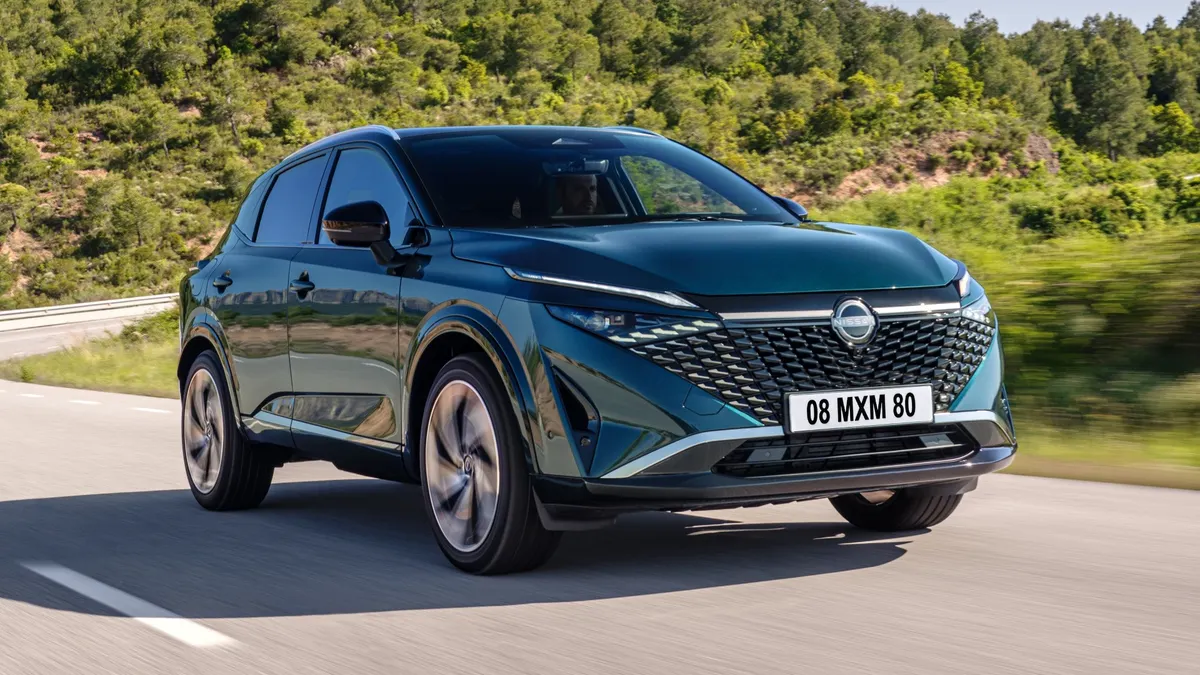
The outgoing gas-only Rogue carries a respectable safety history. Previous Rogue models earned strong marks in IIHS frontal testing. NHTSA ratings on recent Rogue generations have also been solid. Final 2027 hybrid-specific crash data were not yet available at the time of writing.
Specifications:
- Engine: 1.5L turbo 3-cylinder hybrid generator
- Horsepower: approximately 200 hp
- Torque: Approximately 243 lb-ft
- Length: 183.0 in
- Width: 72.7 in
4. 2027 Kia Telluride Hybrid
The Kia Telluride is getting its first hybrid powertrain for 2027. This redesign drops the naturally aspirated V6 option entirely. Instead, Kia is offering only a turbocharged hybrid four-cylinder. This mirrors a similar shift happening at sister brand Hyundai.
The hybrid system uses a 2.5-liter turbo engine. Combined output is rated at 329 horsepower. That’s a notable jump over the previous V6’s power figures. The new Telluride also rides on a slightly longer wheelbase.
Exterior dimensions grew modestly compared to the outgoing model. The 2027 Telluride is about 69 millimeters longer. Width and height remain largely unchanged from before. A bolder, blockier front end defines the new design language.
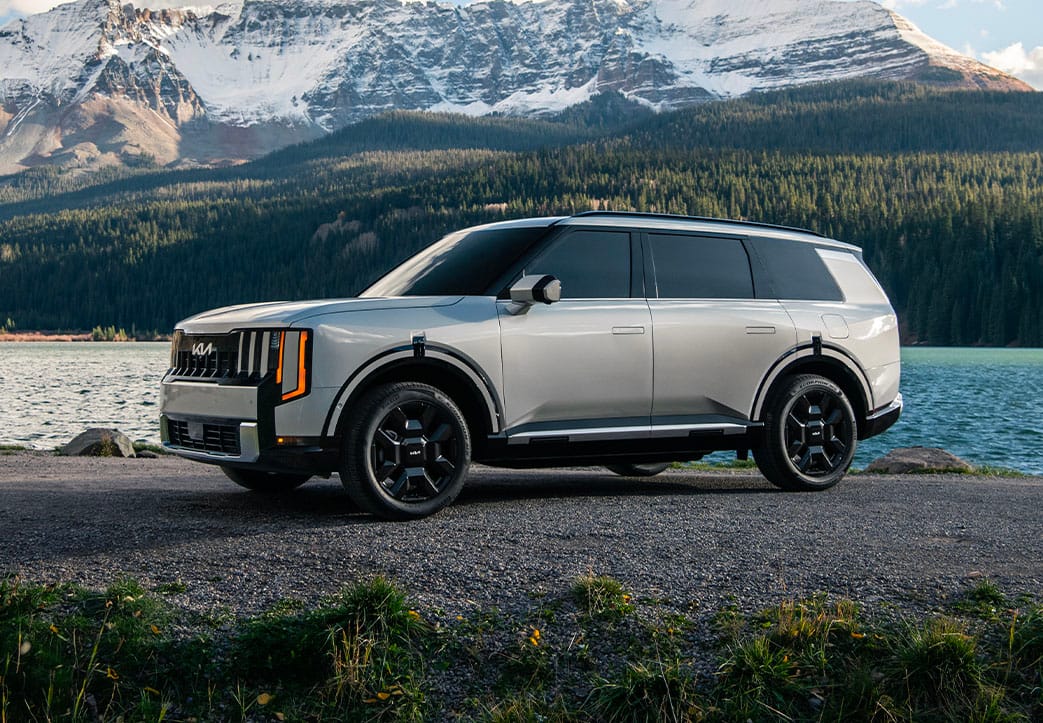
The outgoing Telluride built a strong safety reputation over its run. Earlier Telluride model years earned IIHS Top Safety Pick honors. NHTSA testing also returned favorable five-star results in several categories. Kia will look to carry that reputation into the hybrid era.
Specifications:
- Engine: 2.5L turbo 4-cylinder hybrid
- Horsepower: 329 hp
- Torque: 339 lb-ft
- Length: 199.6 in
- Width: 78.3 in
Also Read: 10 Used EVs To Avoid And Why
5. 2027 Toyota Camry Hybrid
The Camry has gone hybrid-only in recent model years. This shift removed the traditional gas-only engine option entirely. The 2027 model continues that hybrid-first approach. It remains one of the most fuel-efficient midsize sedans available.
Power comes from a 2.5-liter four-cylinder paired with electric motors. Combined output lands around 225 horsepower on most trims. EPA-estimated combined fuel economy reaches into the low 50s. All-wheel drive is available for the first time on this generation.
The Camry’s cabin emphasizes tech and comfort over outright sportiness. A digital instrument cluster and large touchscreen anchor the dashboard. Wireless smartphone connectivity comes standard across trims. Toyota Safety Sense remains standard equipment on every version.
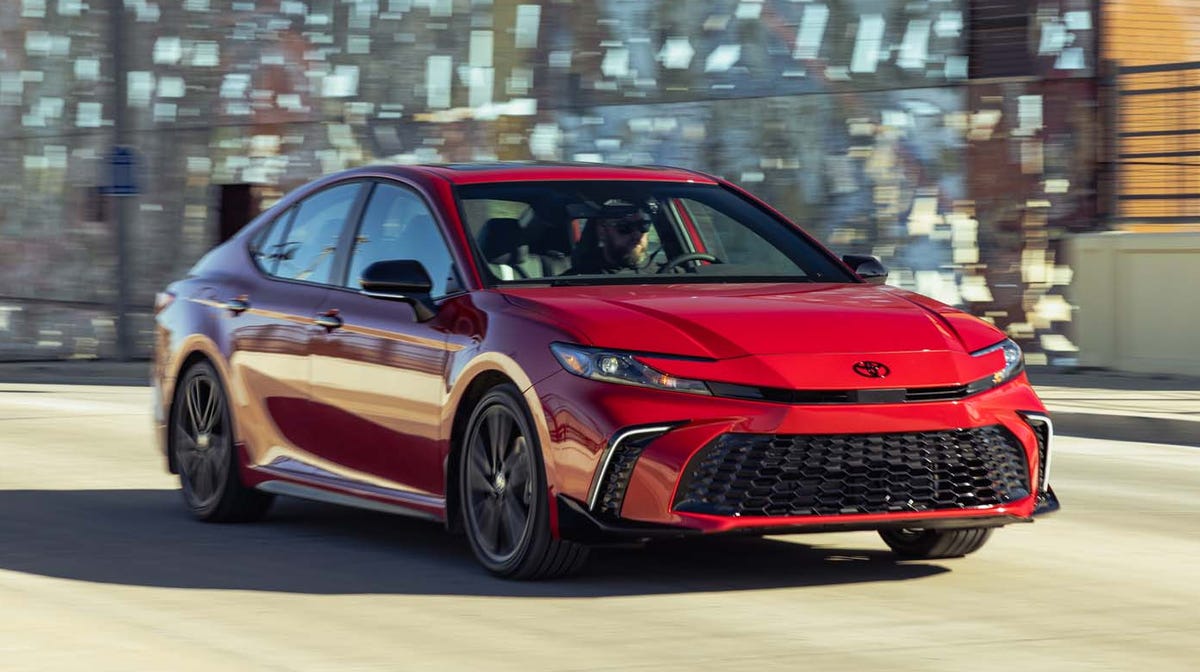
Crash testing on the current-generation Camry has been encouraging. Recent Camry models earned IIHS Top Safety Pick recognition. NHTSA five-star ratings have also been common for this nameplate. This safety consistency has helped the Camry remain a fleet and family favorite.
Specifications:
- Engine: 2.5L 4-cylinder hybrid
- Horsepower: 225 hp
- Torque: 163 lb-ft (engine) + hybrid assistance
- Length: 193.0 in
- Width: 72.4 in
6. 2027 Hyundai Santa Fe Hybrid (Range-Extender)
Hyundai is pushing into extended-range hybrid territory with the Santa Fe. This system differs from a traditional hybrid in an important way. The gasoline engine functions purely as a generator. Electric motors handle all the actual wheel propulsion.
Hyundai calls this its Two Motor System. One motor handles integrated generation and driving duties. A second motor focuses purely on driving the wheels. Mass production is expected to ramp up through 2027.
This range-extender approach targets long-distance cruising comfort. It aims to combine EV-like driving smoothness with gasoline-level range. No more frequent charging stops are needed on road trips. Hyundai has set an ambitious sales target across its EREV lineup.
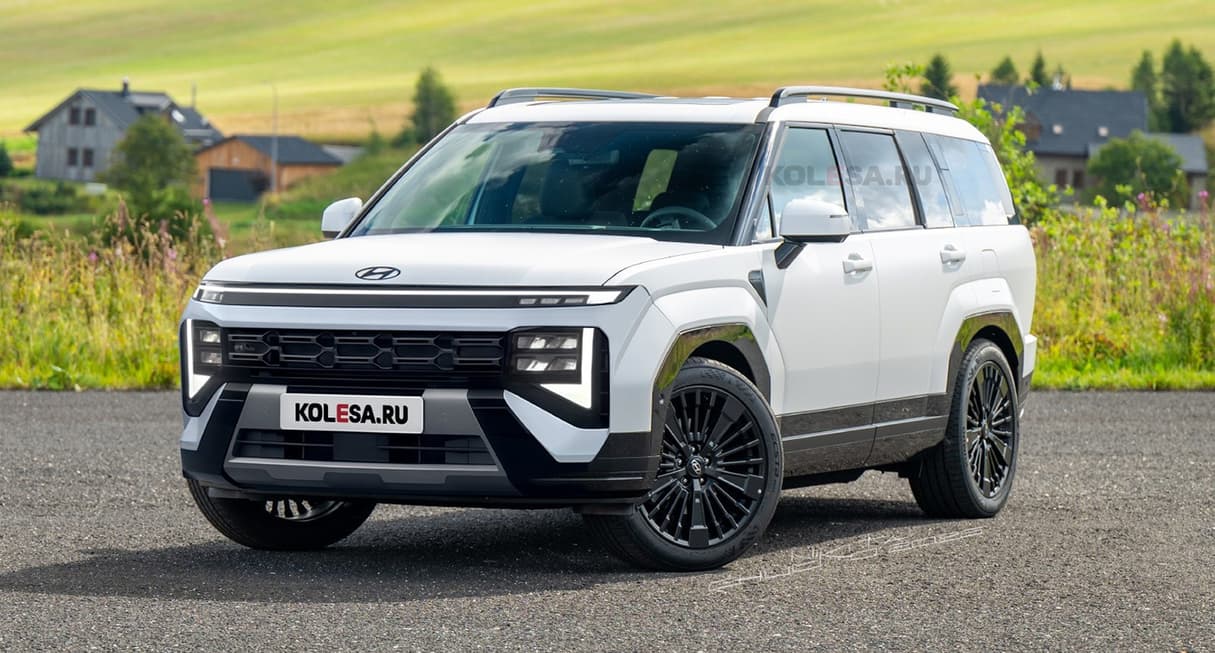
The conventional Santa Fe has a solid safety record to build on. Recent Santa Fe models have earned strong IIHS ratings. NHTSA testing has also returned favorable marks in side-impact categories. Hyundai will aim to match or exceed those scores with the new powertrain.
Specifications:
- Engine: gasoline range-extender generator with dual electric motors
- Horsepower: figures not yet finalized
- Torque: Figures not yet finalized
- Length: 188.4 in
- Width: 75.4 in
7. 2027 BMW iX3 (Hybrid-Adjacent Platform Sibling Consideration)
While the iX3 itself is fully electric, it’s worth understanding its place here. BMW is using this new platform to support multiple powertrain types. Plug-in hybrid variants sharing this architecture are expected to follow. This makes the iX3’s underlying platform relevant to BMW’s hybrid future.
The platform supports an 800-volt electrical architecture. This enables rapid charging across electrified variants built on it. A 17.9-inch central touchscreen anchors the redesigned cabin. In-car assistants are designed to learn driver preferences over time.
BMW’s estimated range for the electric version sits near 434 miles. A second version with a slightly shorter range arrives in early 2027. Plug-in hybrid derivatives are expected to borrow heavily from this layout. Interior materials lean upscale, reflecting a higher target price point.
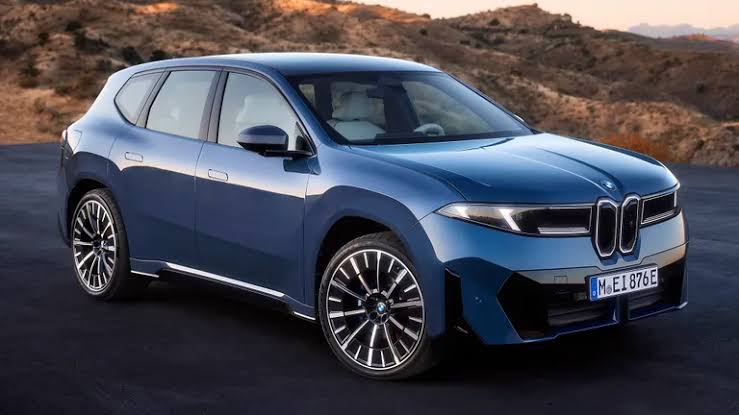
Previous BMW X3 generations have performed well in crash testing. Earlier X3 models earned IIHS Top Safety Pick distinctions. NHTSA ratings have also been competitive within the luxury compact SUV class. BMW will likely carry similar structural engineering into hybrid X3 variants.
Specifications:
- Engine: electric powertrain (PHEV variants expected on shared platform)
- Horsepower: figures vary by version
- Torque: Figures vary by version
- Length: 185.6 in
- Width: 74.6 in
8. 2027 Honda CR-V Hybrid
The CR-V Hybrid continues to be one of Honda’s most important models. It competes directly with the Toyota RAV4 Hybrid in the compact SUV space. The 2027 model carries forward a smooth, efficient two-motor hybrid system. Honda’s approach favors electric-motor-driven propulsion at most speeds.
The hybrid system combines a 2.0-liter four-cylinder with two electric motors. Combined output lands around 204 horsepower. This setup prioritizes smoothness and efficiency over outright power. All-wheel drive is available across hybrid trim levels.
Cargo space remains generous for the segment. Rear seats fold flat for maximum loading flexibility. The cabin layout favors simple, intuitive control placement. Honda Sensing comes standard with a full suite of driver aids.
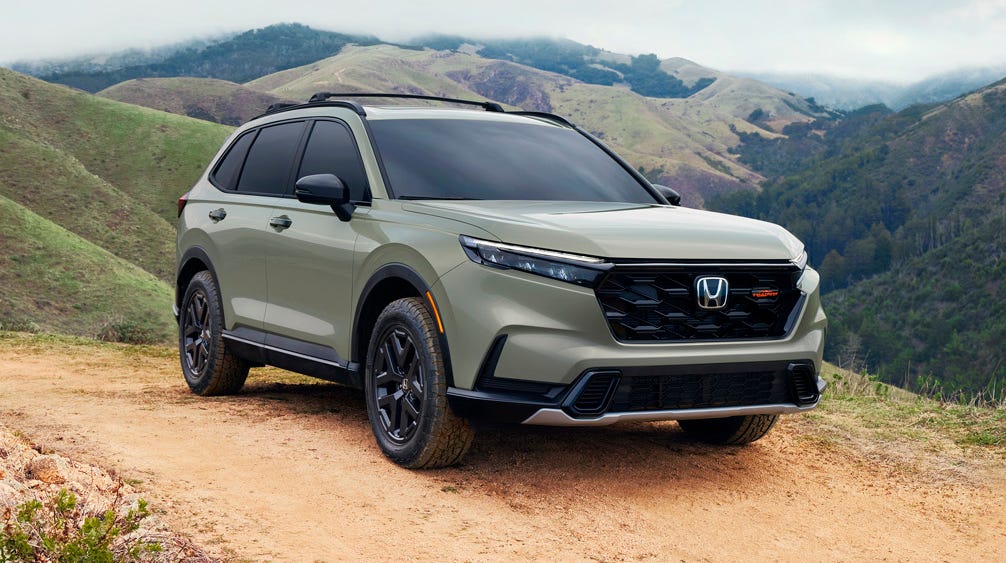
The CR-V’s safety record has remained consistently strong over recent generations. It has earned IIHS Top Safety Pick honors in multiple recent years. NHTSA five-star ratings have also been common across CR-V trims. This track record makes it a frequently recommended family SUV choice.
Specifications:
- Engine: 2.0L 4-cylinder hybrid
- Horsepower: 204 hp
- Torque: 247 lb-ft
- Length: 184.8 in
- Width: 73.5 in
9. 2027 Hyundai Sonata Hybrid
The Sonata Hybrid remains a strong value pick in the midsize sedan class. It blends efficiency with a comfortable, well-equipped cabin. The 2027 model is expected to carry over its current powertrain largely unchanged. Hyundai continues refining the system’s software calibration each year.
Power comes from a 2.0-liter four-cylinder paired with an electric motor. Combined output is rated at 192 horsepower. A battery pack sits beneath the rear seats for efficient packaging. This layout helps preserve trunk space compared to some rivals.
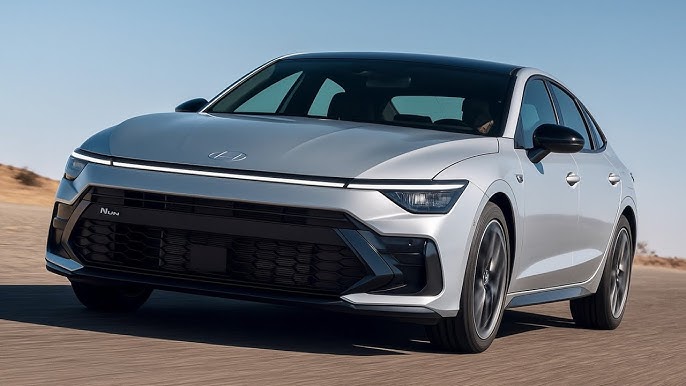
Fuel economy remains a strong selling point for this sedan. Combined EPA ratings land in the mid-to-high 40s for most trims. The cabin offers a digital instrument cluster and a large center display. Hyundai’s SmartSense suite comes standard across the lineup.
Crash testing has been favorable for recent Sonata generations. The Sonata has earned IIHS Top Safety Pick recognition in past years. NHTSA ratings have also reached the five-star level. This consistency helps the Sonata Hybrid remain a trusted commuter choice.
Specifications:
- Engine: 2.0L 4-cylinder hybrid
- Horsepower: 192 hp
- Torque: 271 lb-ft
- Length: 192.9 in
- Width: 73.2 in
10. 2027 Kia Sportage Hybrid
The Sportage Hybrid rounds out this list as a compact SUV standout. It has earned strong reviews for ride quality and interior space. The 2027 model is expected to continue with its proven powertrain. Kia has focused recent updates on refinement rather than major mechanical changes.
The hybrid setup uses a 1.6-liter turbocharged four-cylinder engine. It pairs with an electric motor for a combined output of around 227 horsepower. A plug-in hybrid variant is also offered for buyers wanting more range. All-wheel drive is available across most hybrid trim levels.
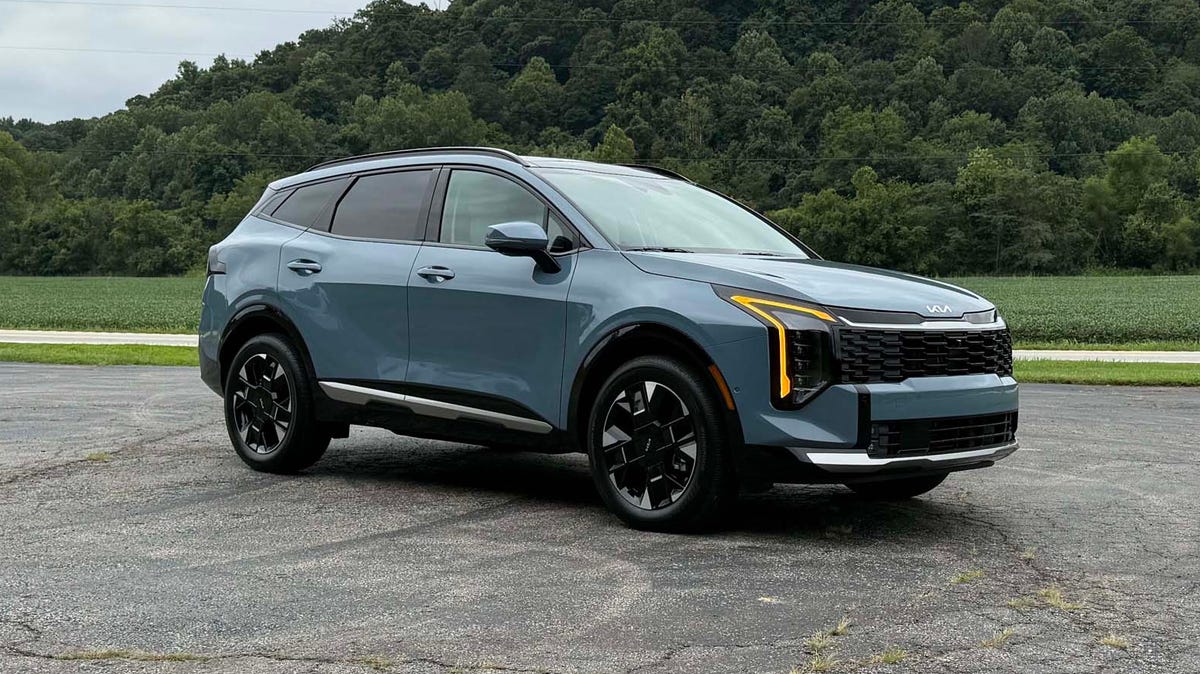
Interior space is a genuine strength for this SUV. The rear cargo area is large for the compact SUV segment. Rear-seat legroom also outperforms several direct rivals. Kia’s infotainment system has received consistent praise for ease of use.
The Sportage’s safety credentials have improved steadily across recent generations. It has earned competitive IIHS ratings in frontal and side testing. NHTSA scores have also trended favorably in recent model years. This makes the Sportage Hybrid a well-rounded, safety-conscious choice for families.
Specifications:
- Engine: 1.6L turbo 4-cylinder hybrid
- Horsepower: 227 hp
- Torque: 258 lb-ft
- Length: 179.1 in
- Width: 73.0 in
Also Read: Why a $400 Wheel Bearing Job Now Costs $1,200 With Recalibration
