
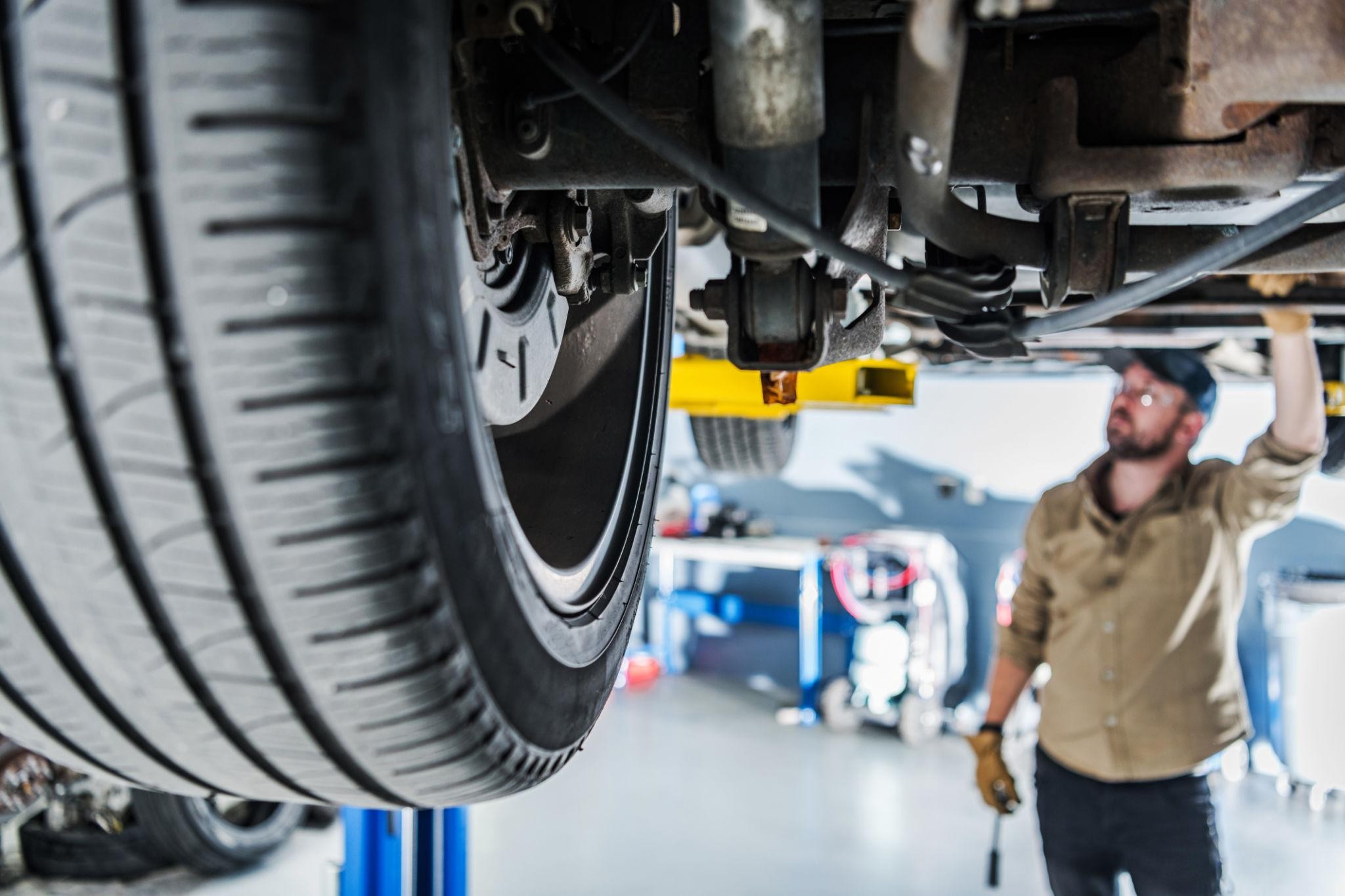
Air suspension systems have become increasingly popular in modern vehicles because they offer a level of comfort, handling, and ride quality that traditional suspension systems often cannot match.
Whether installed in luxury sedans, premium SUVs, pickup trucks, or commercial vehicles, air suspension is designed to automatically adjust ride height, improve stability, and deliver a smoother driving experience across different road conditions. While these advantages make air suspension highly desirable, they also come with a significant downside.
When components begin to wear out or fail, repair and replacement costs can be much higher than those associated with conventional coil spring suspensions. Many vehicle owners are surprised by the expense involved once warning lights appear or the vehicle starts leaning, bouncing excessively, or struggling to maintain its normal ride height.
Understanding what it costs to replace an air suspension system requires looking beyond a single repair bill. The total expense depends on several factors, including the make and model of the vehicle, the number of damaged components, labor rates, the choice between original and aftermarket parts, and whether only one part or the entire system requires replacement.
Some owners may only need a new air spring or compressor, while others face replacing multiple interconnected components after years of wear. Ignoring early warning signs can also increase repair costs because one failing part often places additional strain on the rest of the suspension system.
Vehicle owners who understand how air suspension works are better equipped to make informed maintenance decisions. Recognizing the symptoms of a failing system, comparing repair options, and knowing what influences pricing can help prevent unnecessary expenses.
Regular inspections and timely repairs often extend the life of the system and reduce the likelihood of major failures that require complete replacement. In many cases, preventative maintenance is significantly less expensive than waiting until multiple parts fail simultaneously.
This guide explains the average costs associated with replacing an air suspension system, examines the components involved, explores the factors that affect pricing, and discusses whether repairing individual parts or replacing the entire system makes better financial sense.
By understanding the full picture, vehicle owners can prepare for potential expenses and make confident decisions when maintaining one of the most advanced suspension technologies available in today’s automotive market.
Also Read: 10 Must-Have Tools Every Car Owner Should Keep In The Trunk
Understanding How an Air Suspension System Works
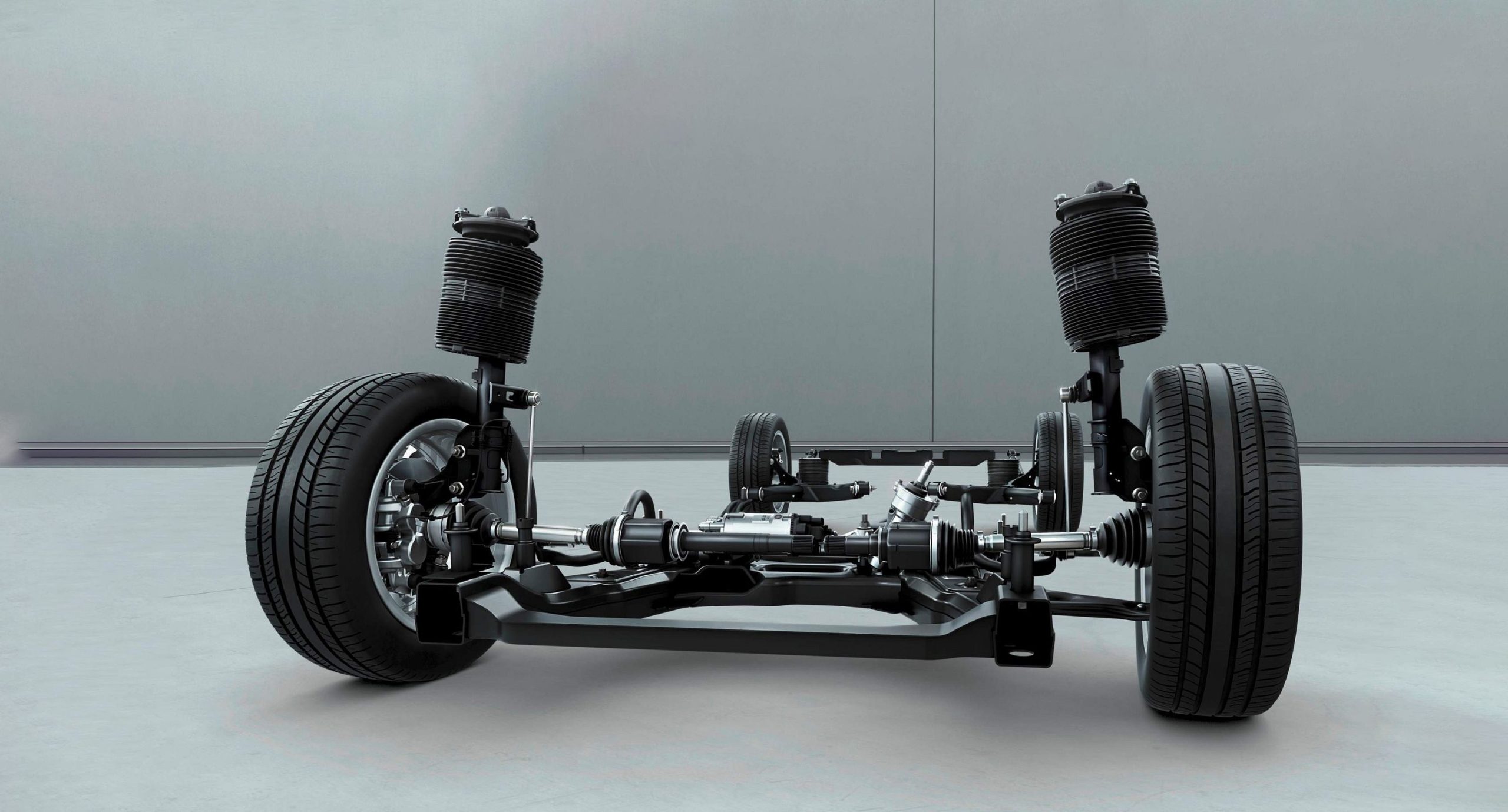
An air suspension system replaces conventional steel coil springs with flexible air springs that are filled with compressed air. These air springs support the weight of the vehicle while allowing electronic controls to adjust ride height based on driving conditions, vehicle load, and terrain.
This technology creates a more refined driving experience by automatically adapting to changing conditions without requiring driver intervention.
The system consists of several major components working together.
Air springs support the vehicle, an air compressor supplies pressurized air, an air reservoir stores compressed air for quick adjustments, height sensors monitor the vehicle’s position, electronic control modules manage system operation, and air lines transport compressed air throughout the system. If any one of these components fails, performance can suffer significantly.
Luxury vehicles rely heavily on air suspension to deliver premium comfort. Drivers notice reduced vibration, smoother handling over uneven roads, and improved vehicle stability during acceleration, braking, and cornering. Some vehicles also allow manual ride height adjustment for better ground clearance or easier entry and exit.
Commercial trucks and heavy-duty vehicles benefit from air suspension by protecting cargo, reducing driver fatigue, and maintaining consistent ride height under varying loads. These advantages improve safety and handling while minimizing stress on the chassis and other suspension components.
Although air suspension offers exceptional comfort and versatility, it is mechanically more complex than conventional suspension systems. This complexity increases both maintenance requirements and repair costs over time, especially as rubber components age and electronic parts experience normal wear.
Average Cost to Replace an Air Suspension System
Replacing a complete air suspension system is one of the more expensive suspension repairs a vehicle owner may face.
For many passenger vehicles, total replacement costs generally range from approximately $2,000 to more than $8,000, depending on the vehicle and the number of components being replaced. High-end luxury vehicles often exceed this range because of specialized parts and more complicated installation procedures.
Replacing a single air spring usually costs much less than replacing the entire system. Depending on the vehicle, the cost may range from several hundred dollars to over one thousand dollars per corner when labor is included. Rear air springs are sometimes less expensive than front units, although this varies by design.
Air compressors are another commonly replaced component. Compressor replacement typically falls within the mid-hundreds to over one thousand dollars once parts and labor are combined. If a failing compressor has been overworked because of leaking air springs, replacing only the compressor without fixing the leaks may lead to failure in a relatively short time.
Electronic sensors, control modules, valves, and air lines can also contribute significantly to the total repair bill. While some of these components are individually affordable, replacing several at once can quickly increase the final invoice. Labor costs also vary considerably depending on vehicle complexity and local repair rates.
Vehicle owners should always request a detailed estimate before authorizing repairs. A comprehensive inspection helps identify every failing component, reducing the risk of paying for multiple repair visits when hidden problems remain undiagnosed.
Also Read: 10 Best Dash Cams For Every Budget
Factors That Influence Replacement Costs
Vehicle brand plays one of the biggest roles in determining replacement costs. Premium manufacturers often use proprietary suspension designs and specialized electronic systems that require expensive original equipment parts. Replacement components for mainstream vehicles are generally more affordable and easier to source.
Labor charges differ widely based on location, repair shop expertise, and the complexity of the vehicle. Air suspension repairs often require diagnostic equipment, calibration procedures, and careful installation, increasing labor time compared with conventional suspension work.
The decision between original equipment and aftermarket parts also affects pricing. Original parts typically provide factory quality and compatibility but cost more. High-quality aftermarket alternatives may reduce expenses while still delivering reliable performance when purchased from reputable manufacturers.
The age and condition of the suspension system influence repair recommendations. If several components show significant wear, replacing only one failing part may not provide a lasting solution. Mechanics often recommend replacing multiple aging components together to avoid repeated labor costs.
Warranty coverage can substantially reduce out-of-pocket expenses for eligible vehicles. Extended warranties sometimes include suspension components, although coverage varies depending on the specific policy. Reviewing warranty details before approving repairs may result in meaningful savings.
Repair Versus Full Replacement
Choosing between repairing individual components and replacing the complete air suspension system depends on the vehicle’s condition, mileage, and repair history. If only one air spring has developed a leak while the remaining components remain in good condition, replacing that single part may be the most economical option.
Older vehicles with multiple suspension failures often benefit from complete system replacement. When the compressor, air springs, sensors, and valves have all experienced years of wear, replacing only one component can lead to additional failures soon afterward, increasing total repair costs over time.
Some vehicle owners consider converting from air suspension to traditional coil springs. Conversion kits are available for certain models and may lower future maintenance expenses. However, this modification changes the vehicle’s original design and may reduce ride comfort or disable certain electronic suspension features.
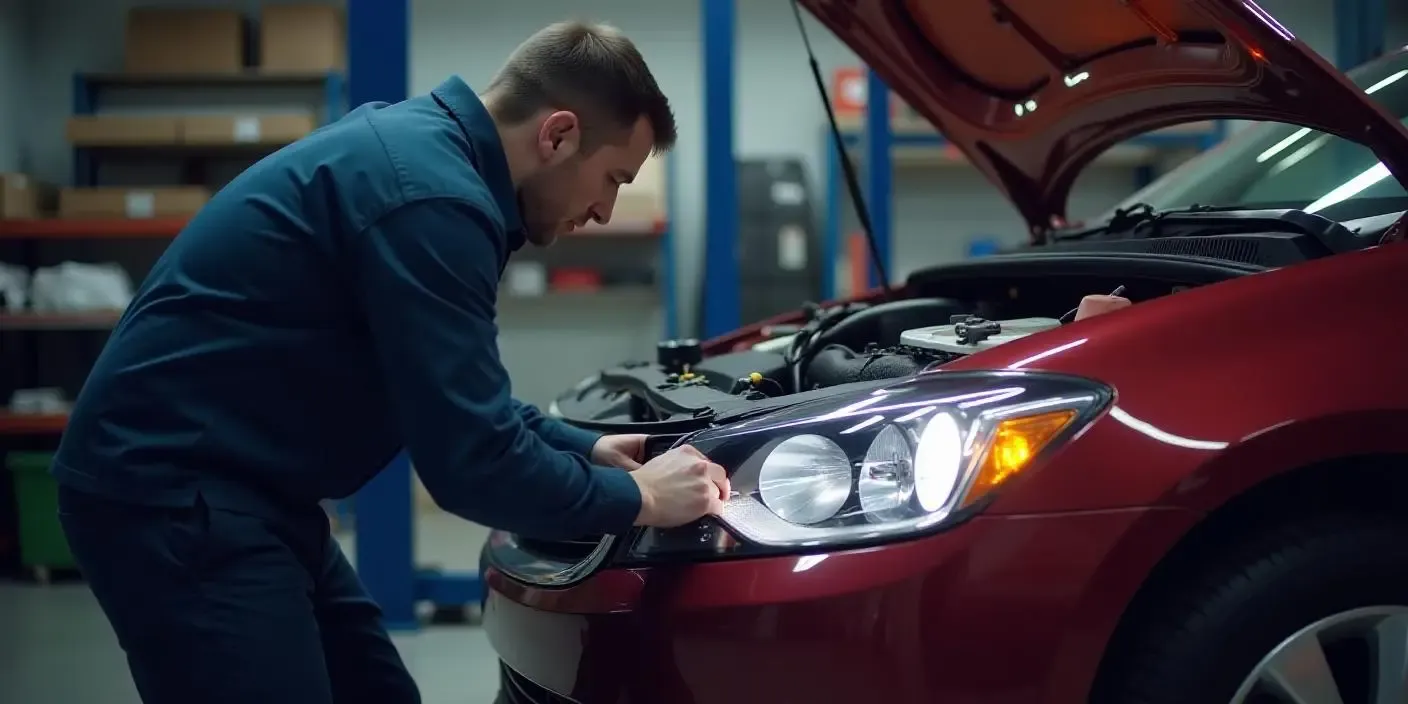
Professional diagnosis is essential before making a decision. A thorough inspection identifies whether problems are isolated or indicate widespread system deterioration. Accurate diagnostics prevent unnecessary parts replacement and improve long-term reliability.
The best choice depends on balancing repair costs, expected vehicle lifespan, driving habits, and the value placed on maintaining the original ride quality. For many owners, investing in a properly functioning air suspension system remains worthwhile because of the comfort and performance benefits it provides.
Tips for Reducing Air Suspension Replacement Costs
Routine inspections help detect small leaks before they become major failures. Identifying worn air springs early reduces strain on the compressor and other components, preventing more expensive repairs in the future.
Obtaining estimates from multiple qualified repair facilities can reveal significant price differences. While the lowest quote is not always the best choice, comparing labor rates and parts options helps ensure fair pricing without sacrificing quality.
Using high-quality replacement components often provides better long-term value than choosing the cheapest available parts. Durable components generally last longer and reduce the likelihood of repeated repairs that increase ownership costs.
Following the manufacturer’s maintenance recommendations also contributes to system longevity. Regular inspections, prompt repairs, and avoiding prolonged driving with suspension warning lights can significantly extend component life.
Keeping accurate maintenance records may also improve resale value. Prospective buyers often appreciate documented repairs that demonstrate the suspension system has been properly maintained using quality parts and professional service.
