
Modern vehicles have become sophisticated connected devices equipped with software, GPS, internet access, and cloud-based services. Features such as remote start, navigation, emergency assistance, and over-the-air updates improve convenience but also raise concerns about privacy and data collection.
Depending on the vehicle, services, and user settings, connected cars may collect information such as location data, driving patterns, and trip history. This information is typically shared when specific features are activated rather than being continuously transmitted at all times.
Manufacturers may use collected data to improve services, enhance safety, update maps, or develop future technologies. As connected vehicle adoption grows, consumers and regulators are paying more attention to transparency, data retention, and privacy controls. Understanding how these systems operate helps drivers make informed decisions about the technology they use.
Also Read: 10 Must-Have Tools Every Car Owner Should Keep In The Trunk
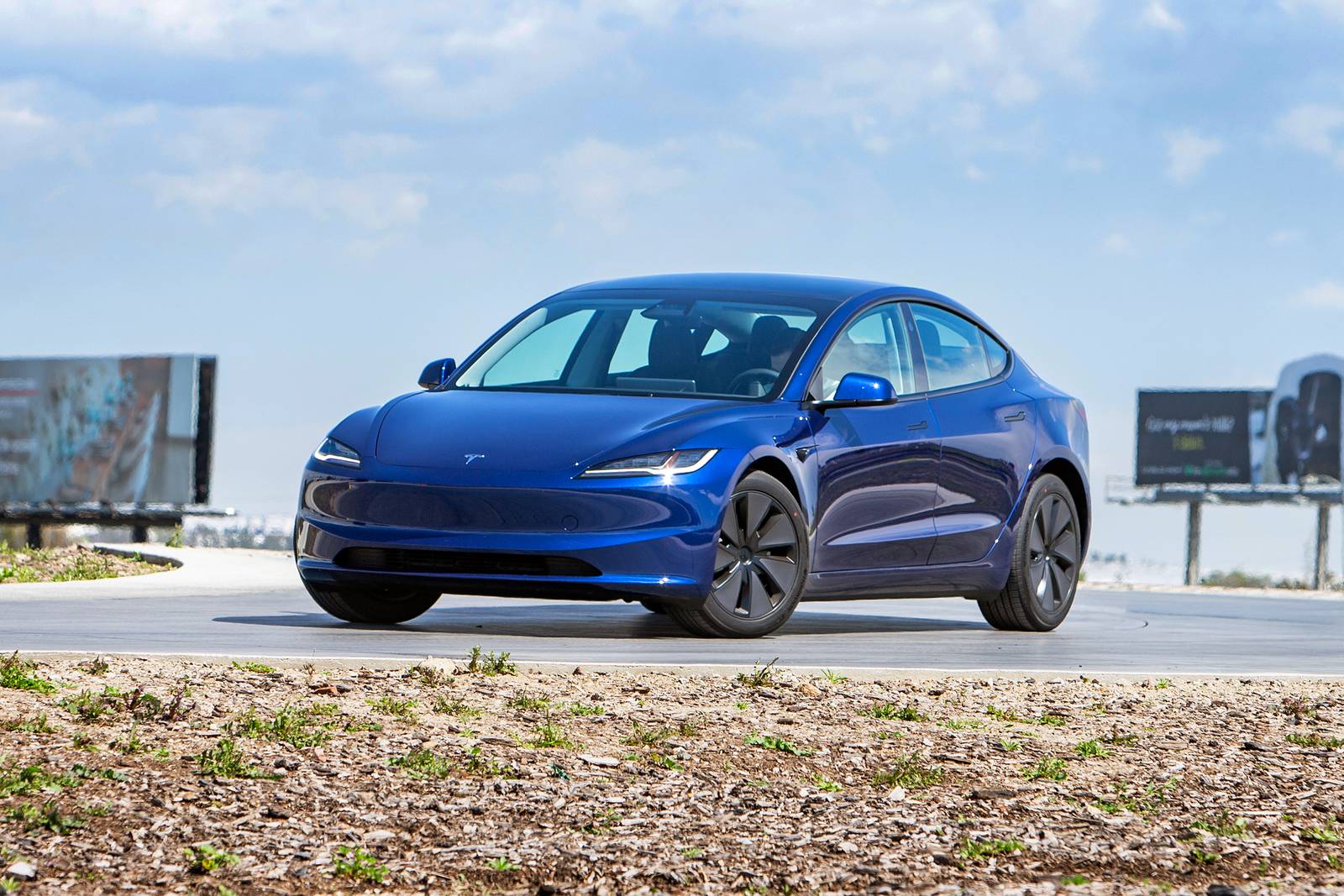
- Engine: Dual motor electric (or single motor RWD depending on variant)
- Horsepower: ~283 hp (RWD) to ~450 hp (Long Range AWD)
- Torque: ~420 Nm to ~660 Nm (instant electric torque varies by setup)
- Length: ~4,720 mm
- Width: ~1,850 mm (excluding mirrors)
1. Tesla Model 3
The Tesla Model 3 is one of the most connected vehicles on the market, relying heavily on internet-based services to deliver many of its signature features. Every vehicle includes built-in connectivity that enables navigation, remote monitoring, software updates, charging management, and a variety of cloud-powered functions.
Because of this digital ecosystem, the vehicle can transmit different categories of operational information, including location-related data, when required for connected services. Tesla explains in its privacy documentation that data collection supports vehicle functionality, safety improvements, diagnostics, and customer-requested features.
Location sharing plays an important role in several features that owners use every day. Through the Tesla mobile application, drivers can locate their parked vehicle, remotely unlock the doors, activate climate control, monitor charging sessions, and even summon the car in supported environments.
These functions depend on communication between the vehicle and Tesla’s servers, allowing commands to travel securely between the owner’s smartphone and the vehicle. Without location awareness, many of these conveniences would not be possible.
Tesla also uses connected data to improve navigation and route planning. For electric vehicles, route calculations involve much more than simply finding the shortest path. The system considers charging stations, battery level, elevation changes, weather conditions, and estimated energy consumption.
To provide these intelligent recommendations, the vehicle communicates with cloud services that process navigation information and optimize travel plans. This exchange may involve location information associated with the active navigation session.
Another advantage of the connected platform is over-the-air software updates. Tesla regularly releases improvements that enhance vehicle performance, introduce new features, improve battery management, and strengthen cybersecurity protections.
Diagnostic information sent from vehicles helps engineers identify software issues affecting certain models or operating conditions. Although these reports primarily focus on technical performance, connected services can include contextual information that supports troubleshooting and product development.
Owners who value privacy should review the settings available within their Tesla account and vehicle interface. Depending on the region, users may have choices regarding certain data sharing preferences, although some information remains necessary for safety, security, and connected functionality.

- Engine: 2.7L V6 EcoBoost / 3.5L V6 / 5.0L V8 (varies widely)
- Horsepower: ~325 hp to ~450 hp
- Torque: ~542 Nm to ~691 Nm
- Length: ~5,316 mm to ~6,231 mm (depends on bed and cab)
- Width: ~2,030 mm (excluding mirrors)
2. Ford F-150
The Ford F-150 has embraced connected technology through the FordPass platform, giving owners access to a wide range of remote vehicle services.
Depending on the model year and trim level, drivers can use a smartphone application to lock or unlock doors, remotely start the engine, locate the vehicle, check fuel levels, monitor maintenance schedules, and receive important vehicle alerts. These features require communication between the truck and Ford’s connected service infrastructure, making location information an important part of the experience.
One of the most widely used capabilities is the vehicle locator feature. Large parking lots, airports, stadiums, and shopping centers can make it difficult to remember where a vehicle is parked.
FordPass allows owners to quickly identify the truck’s location through the mobile application, reducing frustration and saving time. To provide this convenience, the truck periodically communicates with connected systems that support authorized account access and remote requests.
The connected platform also contributes to maintenance and diagnostics. The vehicle can report warning indicators, battery condition, tire pressure information, and other diagnostic data to help owners stay informed about potential service needs.
When combined with location information, roadside assistance providers can more efficiently respond to breakdowns or emergencies. This integration demonstrates how connected services combine multiple types of data to improve customer support rather than simply collecting information without purpose.
Navigation services available in certain Ford models also benefit from connected communication. Real-time traffic updates, route optimization, and cloud-enhanced mapping depend on exchanging information with online services.
Drivers receive more accurate travel estimates because the navigation system can account for changing traffic conditions, accidents, road closures, and construction zones. These dynamic capabilities rely on location awareness to provide relevant recommendations throughout the journey.
Ford provides privacy information explaining how connected vehicle data is collected, used, and managed. Depending on regional regulations and account preferences, owners may have opportunities to review or adjust certain connected service settings.
Understanding how FordPass operates helps drivers make informed decisions about the features they enable while continuing to enjoy the convenience, safety, and functionality offered by modern connected pickup trucks.

- Engine: 2.0L turbocharged inline-4 petrol
- Horsepower: ~255 hp
- Torque: ~400 Nm
- Length: ~4,713 mm
- Width: ~1,827 mm
3. BMW 3 Series
The BMW 3 Series integrates deeply with BMW ConnectedDrive services, which are designed to keep the vehicle continuously linked to cloud-based systems for navigation, safety, and convenience features.
This connectivity allows the car to exchange information with BMW servers when certain functions are active, including real-time traffic updates, remote access services, and emergency support systems. Location data becomes an important part of these interactions because many features depend on knowing where the vehicle is at a given moment.
One of the most practical uses of location-based connectivity in the BMW 3 Series is the remote vehicle finder function. Drivers can open the mobile application and quickly identify where their car is parked, which is especially useful in dense urban environments or large parking structures.
The system uses GPS data from the vehicle to provide accurate positioning, which is then displayed through the connected app interface. This eliminates the need for manual searching and improves convenience in everyday use.
BMW also uses connected location data to enhance navigation through real-time traffic information and route optimization. The navigation system continuously evaluates road conditions, congestion levels, and travel time estimates by communicating with cloud-based mapping services.
When a driver enters a destination, the system uses the vehicle’s current location to calculate efficient routes and may adjust them dynamically based on changing traffic conditions. This creates a more responsive and intelligent driving experience.
In addition to convenience features, the BMW 3 Series uses connected services for safety and emergency response. If an airbag deploys or a severe collision is detected, the vehicle can transmit critical information, including its location, to emergency services through BMW’s assist platform.
This allows responders to reach the vehicle faster and with more accurate information about the incident location. Such systems demonstrate how location sharing can directly contribute to driver safety.
Owners can manage certain aspects of data sharing through BMW’s privacy settings and account controls. Depending on the region and model year, users may have options to enable or disable specific connected features.
However, core safety functions may still require limited data transmission to ensure proper operation. Understanding these settings helps drivers make informed decisions about how their vehicle communicates with external systems.

- Engine: 2.0L turbo petrol or diesel inline-4
- Horsepower: ~194 hp to ~265 hp
- Torque: ~320 Nm to ~550 Nm
- Length: ~4,940 mm
- Width: ~1,860 mm
4. Mercedes-Benz E-Class
The Mercedes-Benz E-Class features the MBUX infotainment and connectivity system, which enables a wide range of digital services that rely on internet communication.
This system connects the vehicle to Mercedes-Benz servers to provide navigation assistance, voice-controlled functions, remote access, and predictive maintenance alerts. Because these services depend on accurate positioning, location data becomes an essential component of the connected experience.
One of the key features supported by location sharing in the E-Class is intelligent navigation. The system uses real-time data to deliver route guidance that adapts to traffic conditions, road closures, and driving patterns.
By combining GPS information from the vehicle with cloud-based analytics, the navigation system can recommend efficient routes and estimate arrival times with greater accuracy. This improves both convenience and travel efficiency for drivers.
Remote services also rely heavily on location awareness. Through the Mercedes me application, owners can locate their parked vehicle, lock or unlock doors, and monitor vehicle status from a smartphone.
These functions require secure communication between the car and Mercedes-Benz servers, ensuring that only authorized users can access the vehicle. Location data ensures that commands are correctly associated with the correct vehicle and its current position.
In certain models, Mercedes-Benz also offers stolen vehicle assistance services. If a vehicle is reported stolen, the system can provide location information to authorized authorities to assist in recovery efforts.
This feature is designed as a security measure and is typically activated under strict conditions with proper authorization. It highlights how location tracking can serve an important role in vehicle protection and recovery scenarios.
Mercedes-Benz provides privacy controls that allow owners to manage connected services based on personal preferences and regional regulations.
Users can review data sharing settings through the infotainment system or the connected account portal. While some services require minimal data exchange to function correctly, many optional features can be adjusted or disabled. This flexibility allows drivers to balance advanced connectivity with their preferred level of privacy.
Also Read: 10 Best Dash Cams For Every Budget
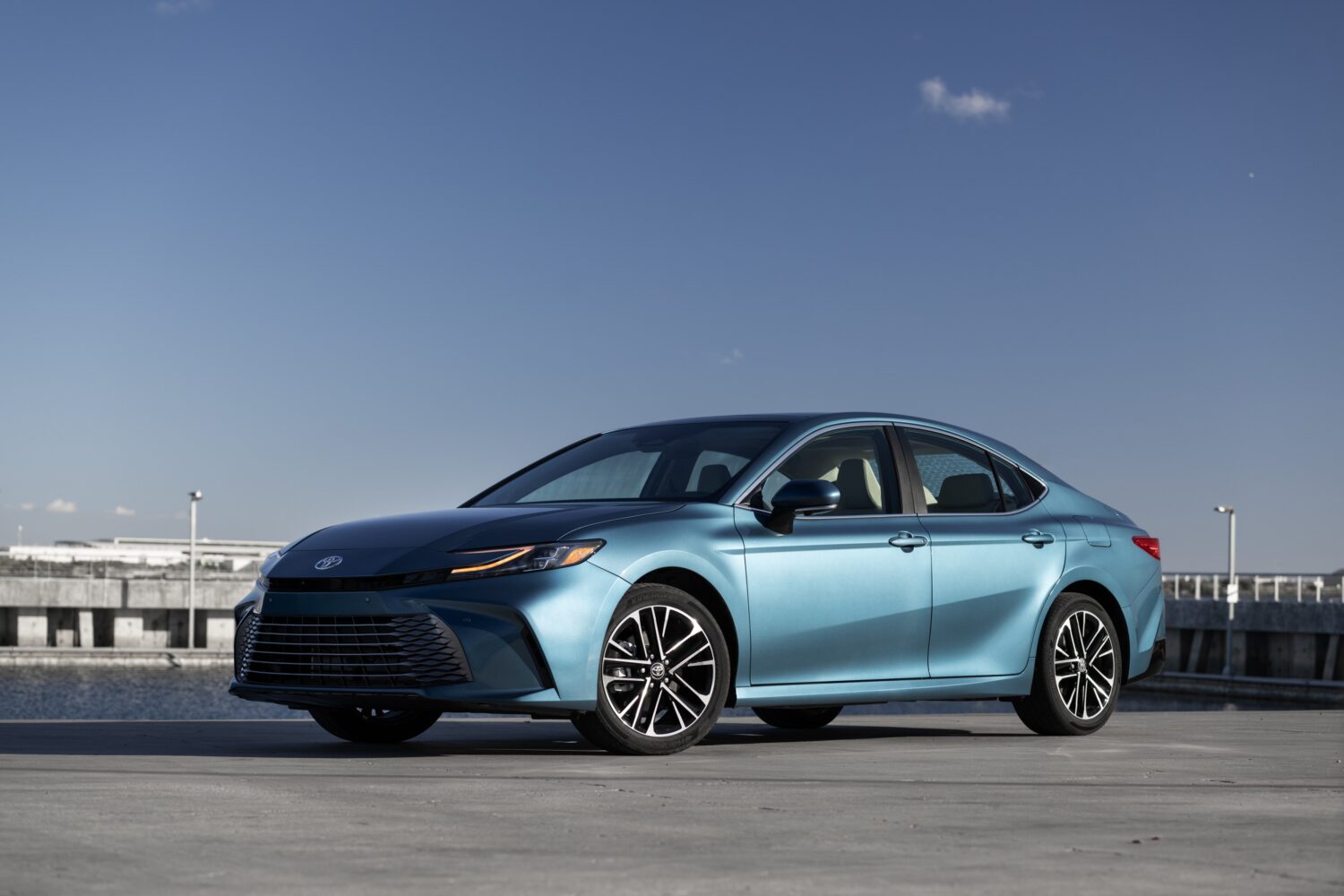
- Engine: 2.5L 4-cylinder petrol / hybrid system
- Horsepower: ~203 hp (petrol) / ~208 hp (hybrid combined)
- Torque: ~250 Nm
- Length: ~4,885 mm
- Width: ~1,840 mm
5. Toyota Camry
The Toyota Camry has gradually evolved into a connected vehicle through Toyota Connected Services, which integrate safety, navigation, and remote access features into a unified digital platform.
Depending on the model year and trim, the Camry can communicate with Toyota’s cloud infrastructure to support features such as remote start, vehicle health reports, stolen vehicle tracking, and emergency assistance. These systems rely on periodic communication between the vehicle and manufacturer servers, which can include location information when services are active.
A major use of location data in the Camry is support for safety and emergency response systems. In the event of a collision where airbags deploy, the vehicle can transmit critical details such as its location to emergency response centers.
This allows assistance teams to identify where help is needed quickly, even if the driver is unable to communicate. The integration of GPS-based location sharing with safety systems has become a key feature in modern mid-range sedans like the Camry.
An important function is remote vehicle access through the Toyota mobile app. Owners can locate their parked vehicle, check fuel levels, start or stop the engine remotely, and monitor maintenance alerts.
These services depend on secure communication channels between the vehicle and Toyota’s servers. Location data ensures that the system can accurately identify the vehicle being controlled and provide real-time updates to the owner’s device.
Navigation and traffic-related services also benefit from connected capabilities. When drivers use Toyota’s navigation system, the vehicle accesses cloud-based traffic data to improve route accuracy and estimate travel times.
This requires the system to process the car’s current position and combine it with live traffic conditions. As a result, drivers receive more efficient routing suggestions and better awareness of road conditions ahead.
Toyota provides privacy controls that allow owners to manage certain connected features. Depending on region and model, drivers may be able to opt out of specific data sharing options or adjust their preferences through the vehicle settings menu.
However, some safety-related functions may still require limited data transmission to operate correctly. This balance ensures that essential services remain functional while giving users some control over their data.
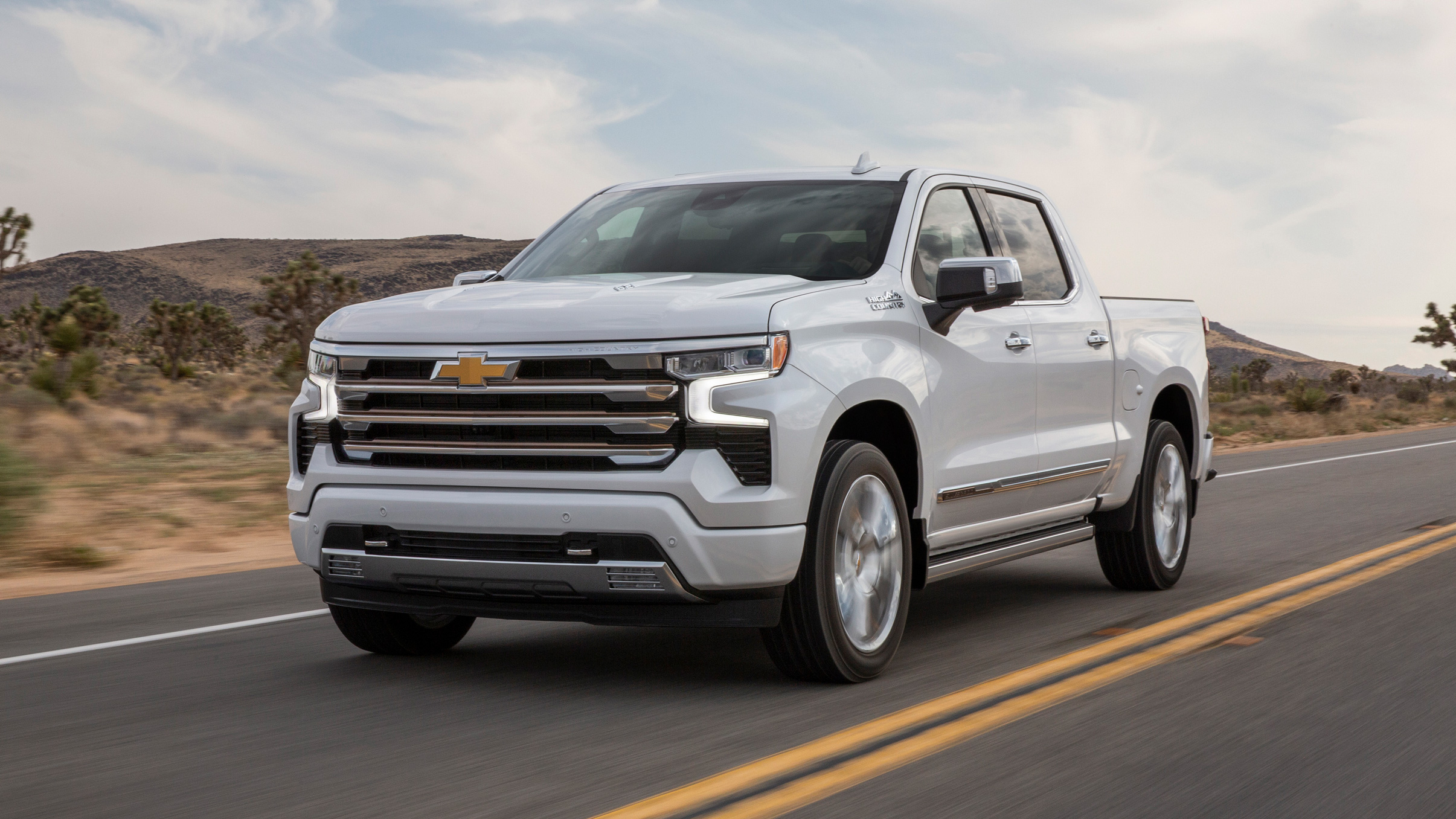
- Engine: 5.3L V8 petrol (EcoTec3)
- Horsepower: ~355 hp
- Torque: ~520 Nm
- Length: ~5,890 mm to ~6,300 mm (configuration dependent)
- Width: ~2,060 mm (excluding mirrors)
6. Chevrolet Silverado
The Chevrolet Silverado incorporates General Motors’ OnStar system, one of the earliest and most widely used connected vehicle platforms.
OnStar enables a range of services including emergency assistance, vehicle diagnostics, remote commands, and navigation support. Because these services rely on continuous communication with GM servers, location data is an important part of how the system operates.
One of the most well-known features of the Silverado’s connected system is emergency crash response. If a serious accident is detected, OnStar can automatically transmit the vehicle’s location along with other diagnostic data to emergency services.
This allows responders to reach the scene more quickly and with accurate positioning. The integration of location sharing into emergency systems is considered one of the most valuable safety benefits of connected vehicles.
Remote access features also rely heavily on location-based communication. Through the OnStar mobile app, Silverado owners can remotely lock or unlock the vehicle, start the engine, or locate the truck in large parking areas.
These features require secure authentication and real-time data exchange between the vehicle and GM’s connected infrastructure. Location awareness ensures that commands are executed on the correct vehicle and reflected accurately in the app.
In addition to convenience and safety, the Silverado uses connected services for maintenance and diagnostics. The system can monitor engine performance, tire pressure, oil life, and other mechanical indicators.
When issues are detected, alerts can be sent to the owner along with location context that may assist service providers in understanding driving conditions or environmental factors contributing to the issue.
General Motors provides privacy settings through its connected services platform, allowing owners to manage certain aspects of data sharing. Users can adjust preferences for diagnostics, location services, and remote access features depending on their comfort level. However, some core safety functions may continue operating to ensure emergency support remains available when needed.
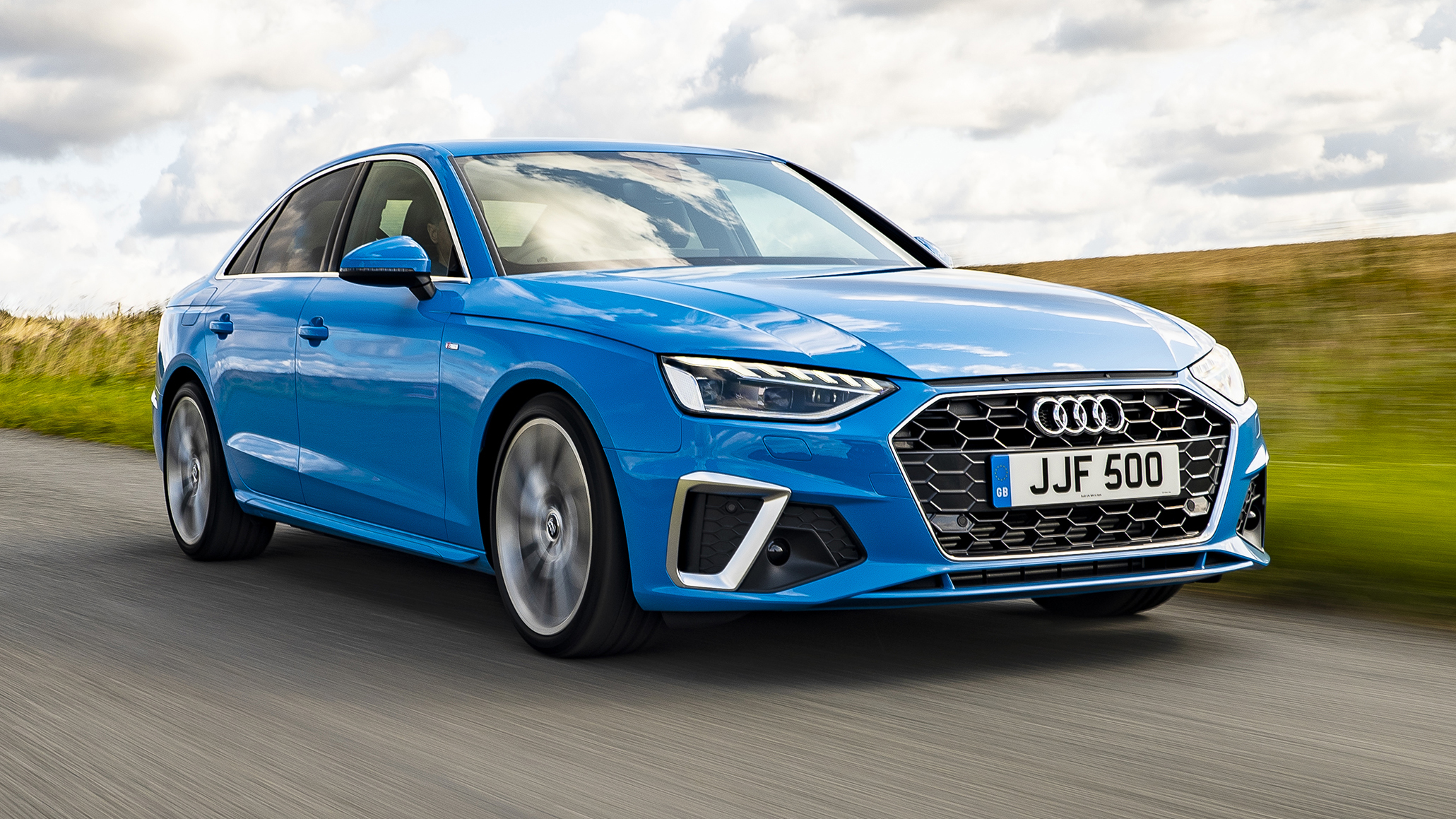
- Engine: 2.0L turbocharged petrol inline-4
- Horsepower: ~201 hp to ~261 hp
- Torque: ~320 Nm to ~370 Nm
- Length: ~4,762 mm
- Width: ~1,847 mm
7. Audi A4
The Audi A4 uses the Audi connect platform, which integrates navigation, infotainment, safety, and remote services into a single connected ecosystem.
This system allows the vehicle to communicate with Audi’s cloud infrastructure to provide real-time updates, personalized driving information, and remote access features. Location data is a key part of this system because many of its core functions depend on knowing where the vehicle is operating at any given time.
One of the most commonly used features is real-time navigation with online traffic information. The Audi A4 can access live traffic data to adjust routes dynamically, helping drivers avoid congestion, accidents, or road closures.
The system uses the vehicle’s GPS position to continuously update navigation instructions, ensuring that route guidance remains accurate throughout the journey. This combination of cloud data and onboard positioning creates a more adaptive driving experience.
Remote vehicle services also rely on location awareness. Through the myAudi application, owners can locate their vehicle, lock or unlock doors, and check vehicle status remotely.
This is especially useful in busy urban areas where remembering exact parking locations can be difficult. The system securely communicates between the vehicle and Audi servers, ensuring that only authorized users can access location information or send commands.
In addition to convenience, the Audi A4 uses connected systems to support safety features. Emergency call functions can automatically transmit the vehicle’s location in the event of a serious accident, helping emergency responders reach the scene quickly.
This system is designed to operate even if occupants are unable to make a call themselves, making it an important part of modern automotive safety infrastructure.
Audi provides management tools that allow drivers to control certain aspects of data sharing. Depending on the market and model year, users may be able to adjust settings related to location tracking, infotainment connectivity, and online services. While some features require limited data exchange to function correctly, Audi aims to provide transparency and user control over connected services.
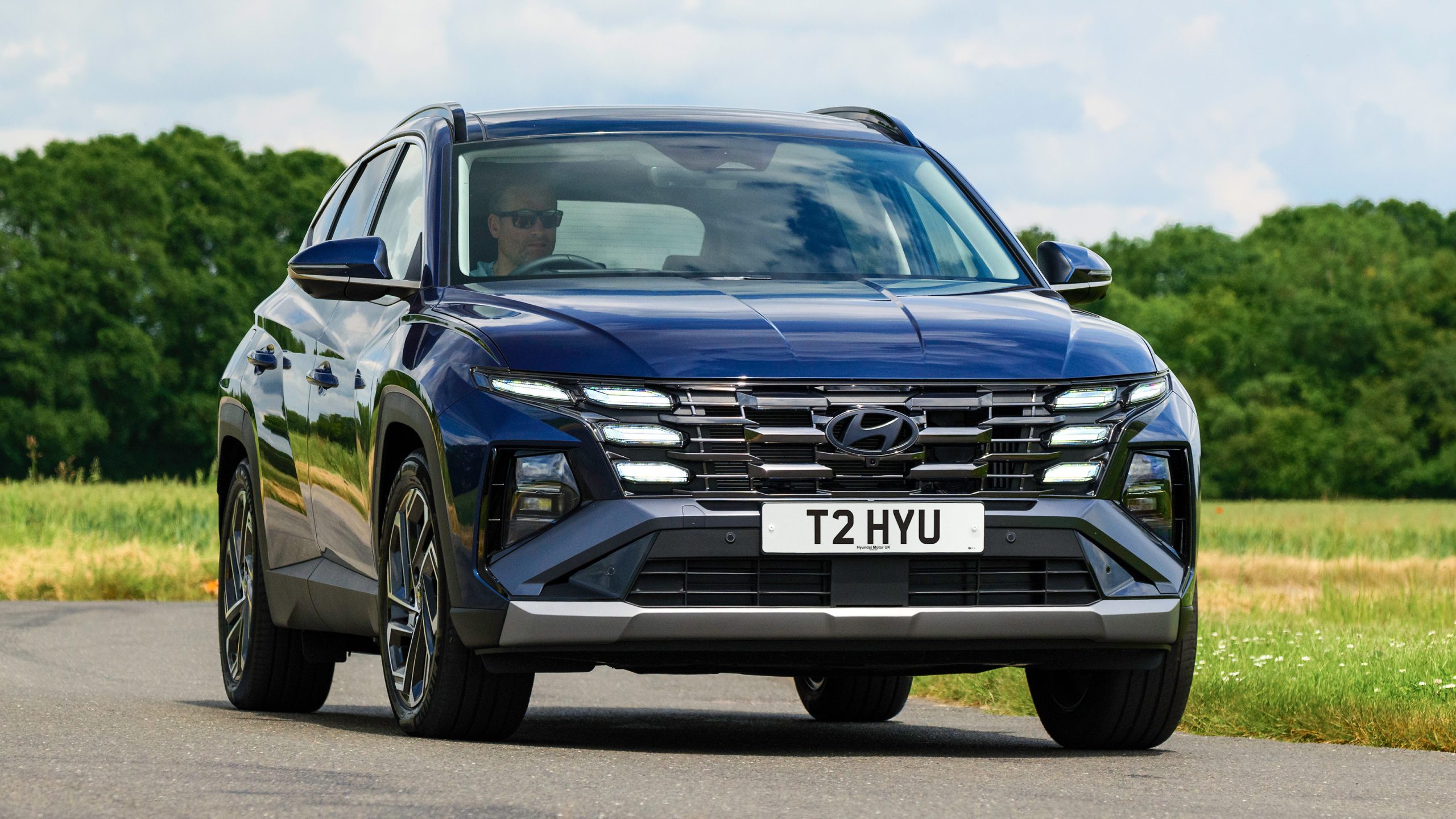
- Engine: 2.0L naturally aspirated petrol inline-4
- Horsepower: ~154 hp
- Torque: ~192 Nm
- Length: ~4,640 mm
- Width: ~1,865 mm
8. Hyundai Tucson
The Hyundai Tucson incorporates Hyundai Bluelink, a connected car platform that enables remote access, safety services, diagnostics, and navigation enhancements. This system connects the vehicle to Hyundai’s cloud network, allowing it to send and receive information that supports a variety of digital features. Location data plays a central role in enabling many of these services.
One of the primary uses of location sharing in Tucson is remote vehicle tracking. Owners can use the Bluelink mobile application to locate their parked vehicle, which is particularly helpful in crowded parking areas or unfamiliar locations. The system uses GPS data transmitted from the vehicle to provide real-time positioning information through the app interface.
Safety services also depend on location awareness. In the event of a collision, the Tucson can automatically send an emergency alert along with the vehicle’s location to response centers.
This enables faster assistance and improves the chances of timely emergency support. The system is designed to function even if the driver is unable to initiate a call manually, adding an important layer of safety.
The Tucson also benefits from connected navigation features that rely on cloud-based traffic data. By combining the vehicle’s current location with live traffic updates, the system can suggest optimized routes and provide more accurate arrival estimates.
This helps drivers avoid congestion and improves travel efficiency, especially in urban environments with frequently changing traffic conditions.
Hyundai gives settings within the BlueLink platform that allow owners to manage data-sharing preferences. Depending on the region and vehicle configuration, users may be able to disable certain connected features or adjust how location data is used. However, some safety-related services may still require minimal data transmission to function properly.
