
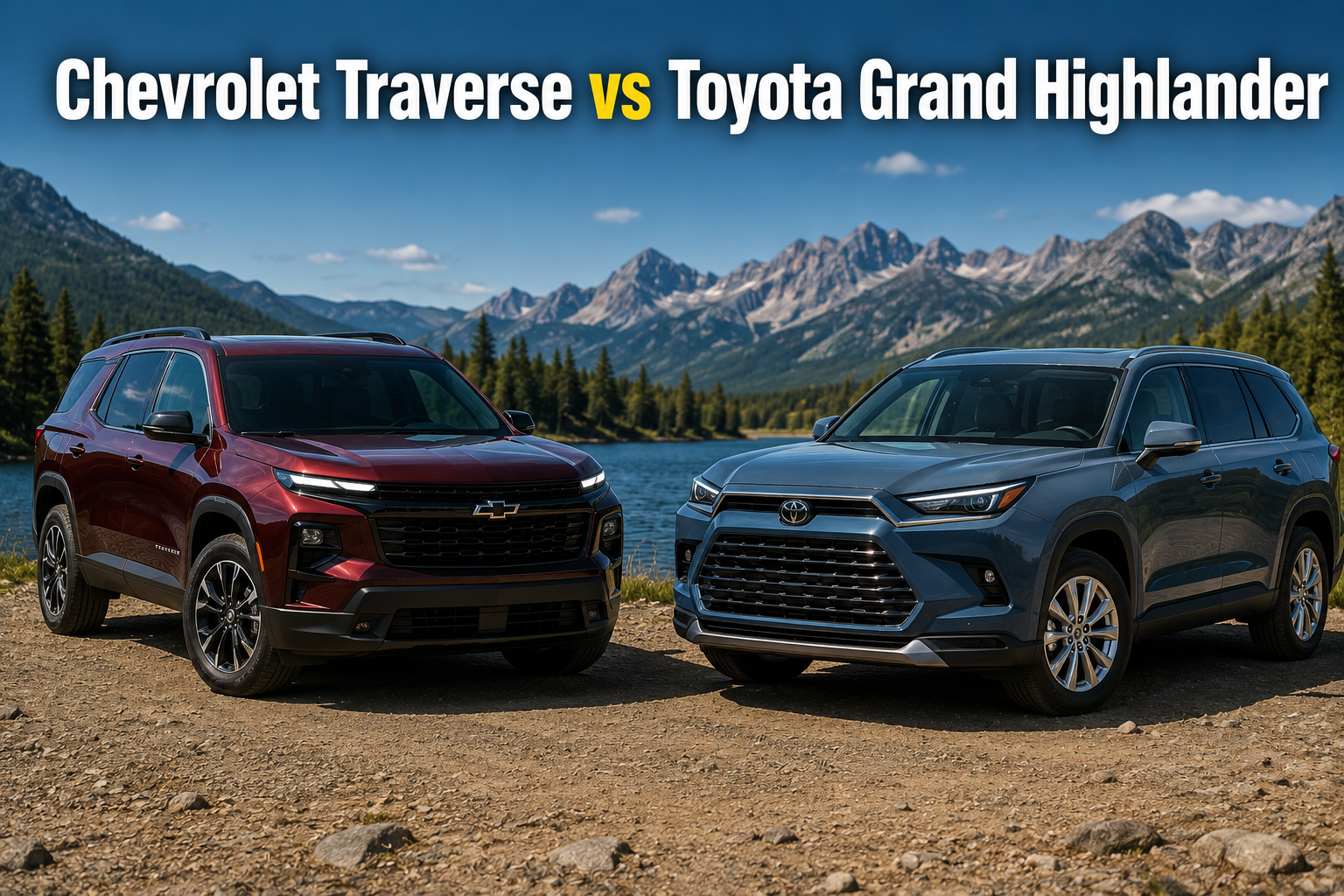
Three-row midsize SUVs have become one of the most competitive segments in the automotive industry because they offer a practical alternative to full-size SUVs without sacrificing passenger space or family-friendly features.
Buyers shopping in this class often want generous seating, strong cargo capacity, modern technology, respectable fuel economy, and enough capability to handle everything from school drop-offs to cross-country road trips. Two of the newest and most compelling choices are the Chevrolet Traverse and the Toyota Grand Highlander.
Chevrolet completely redesigned the Traverse with a bolder appearance, a new turbocharged powertrain, updated technology, and a significantly more rugged personality.
The latest model targets families who want maximum interior space while also offering trims like the Z71 for buyers interested in light off-road capability. Chevrolet has focused on versatility, creating an SUV that balances everyday comfort with impressive practicality.
Toyota introduced the Grand Highlander to bridge the gap between the traditional Highlander and the larger Sequoia.
Rather than simply extending the standard Highlander, Toyota created a roomier SUV with a genuinely usable third row, expanded cargo space, and multiple powertrain options, including highly efficient hybrid models.
The Grand Highlander quickly became one of the strongest contenders in the segment thanks to its refined driving experience and excellent long-term ownership reputation.
Although both SUVs accommodate large families, they approach the market differently. The Traverse emphasizes size, bold styling, and flexibility, while the Grand Highlander focuses on efficiency, refinement, and reliability.
Both feature advanced safety systems, modern infotainment technology, and spacious interiors, making them attractive alternatives to traditional minivans.
The differences become more apparent when examining the areas that matter most to buyers. Cabin comfort, technology, performance, cargo capacity, ownership costs, and long-term value all influence which SUV delivers the better experience over years of ownership.
This comparison looks at six key categories to determine which three-row SUV provides the stronger package and which one represents the smarter purchase for today’s family SUV buyer.
Also Read: Toyota Tundra vs Chevrolet Silverado 1500 Comparison: Which Full-Size Truck Holds Up Better?
Exterior Design And Road Presence
Exterior styling plays an important role in this segment because buyers increasingly want family vehicles that also project confidence and personality.
The Chevrolet Traverse adopts a bold truck-inspired design. The latest generation features a wide grille, upright front fascia, muscular wheel arches, and squared-off body lines that give it a commanding presence. Chevrolet has intentionally moved away from the softer appearance of previous generations, creating an SUV that looks capable even when parked.
Trim levels significantly influence the Traverse’s personality. The sporty RS features blacked-out exterior accents and larger wheels, while the Z71 introduces off-road styling elements, all-terrain tires, and a higher stance. These options allow buyers to tailor the SUV to their preferences while maintaining a cohesive design language.
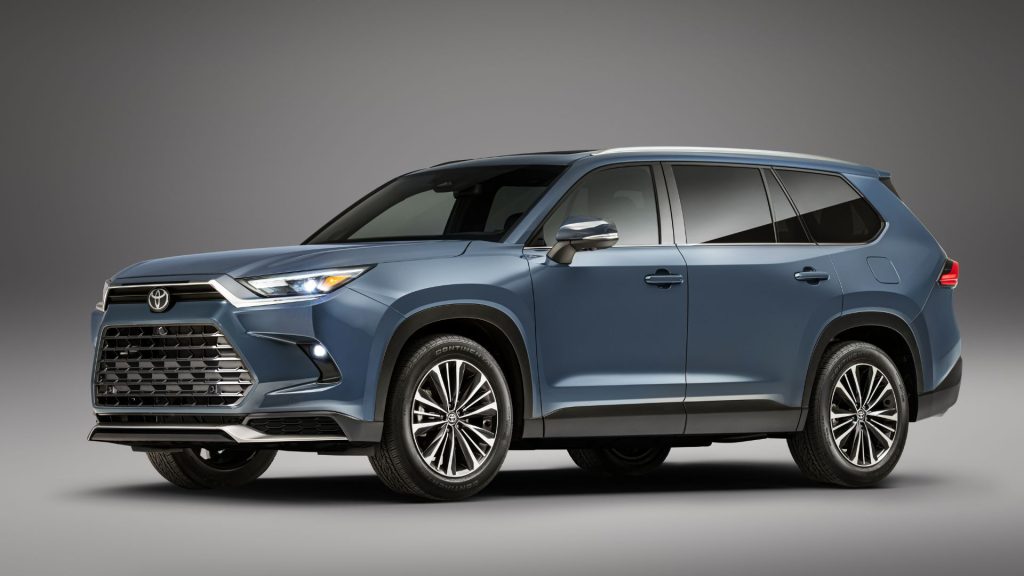
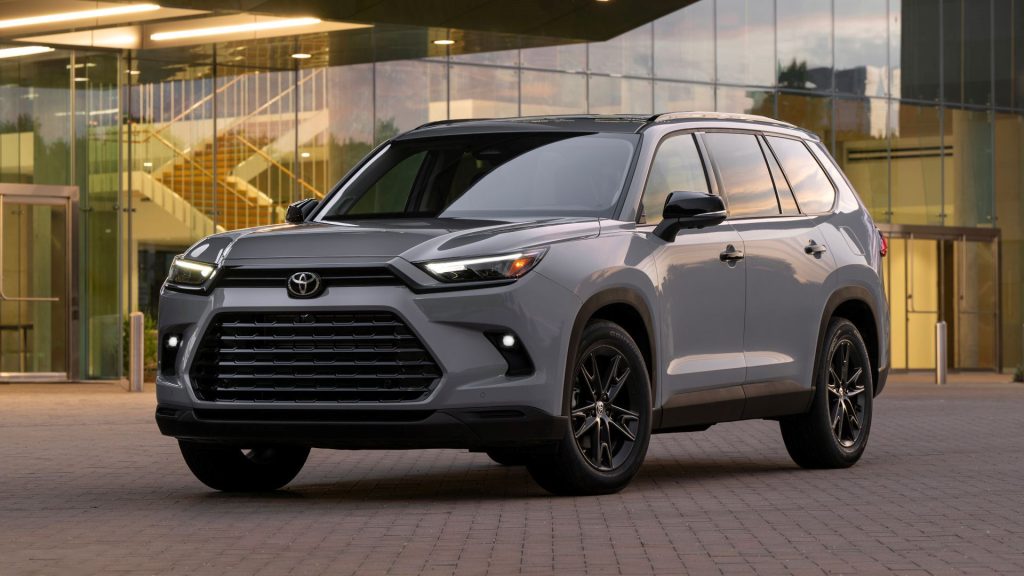
Toyota takes a more refined approach with the Grand Highlander. The styling remains elegant and family-oriented, emphasizing clean lines rather than aggressive details. The front fascia is modern, the lighting elements are slim and sophisticated, and the proportions are carefully balanced to avoid appearing oversized despite the vehicle’s substantial dimensions.
The Grand Highlander looks upscale, particularly in Platinum trims featuring larger wheels and premium exterior accents. However, its conservative styling may not attract buyers looking for a stronger visual presence.
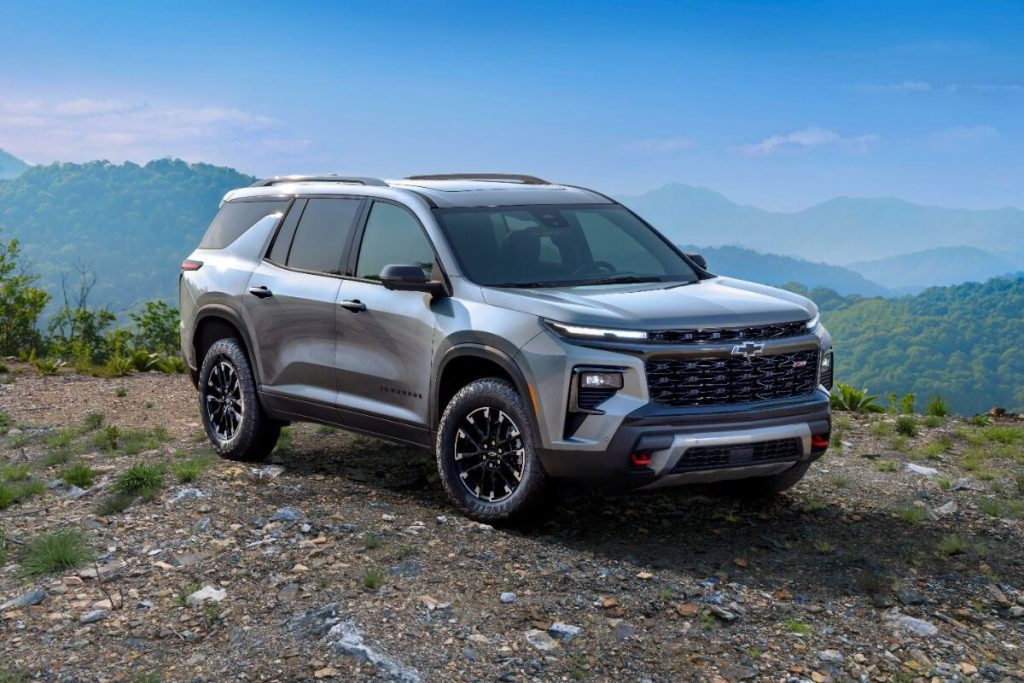
The Traverse creates a more immediate impression. Its rugged proportions and confident stance help it stand out in a crowded parking lot while giving it an appearance that better reflects its size.
Winner: Chevrolet Traverse
Why It Wins: Bold styling and truck-inspired proportions create stronger road presence and visual appeal.
Interior Comfort, Passenger Space, And Cabin Quality
Three-row SUVs live or die by their interiors, and this is where both contenders demonstrate their strengths.
The Chevrolet Traverse offers one of the roomiest cabins in the midsize SUV segment. Front occupants enjoy supportive seating, while the second row provides generous legroom and wide door openings that simplify entry and exit. The third row is genuinely adult-friendly, allowing taller passengers to travel comfortably without feeling cramped.
Material quality has improved dramatically compared with the previous generation. Higher trims feature soft-touch surfaces, leather upholstery, contrast stitching, and premium trim elements that create a more upscale atmosphere. Storage compartments are plentiful, making it easy to organize everyday items.
The Toyota Grand Highlander was designed specifically to address the shortcomings of the standard Highlander’s third row. The result is an exceptionally spacious cabin with impressive second- and third-row accommodations.
Rear passengers benefit from excellent legroom, generous headroom, and comfortable seating positions that make long journeys more enjoyable.
Toyota’s dashboard design is clean and functional, while material quality remains consistently high across the lineup. Higher trims add leather upholstery, ambient lighting, panoramic glass roofs, and ventilated seating that further enhance the premium feel.
Cargo capacity is impressive in both SUVs, but the Grand Highlander maintains substantial luggage space even when all three rows are occupied. This is particularly valuable for families traveling with multiple passengers and large amounts of luggage.
Although the Traverse offers slightly more dramatic styling inside, the Grand Highlander delivers a more refined and thoughtfully executed cabin. Passenger comfort remains exceptional throughout all three rows, and Toyota’s attention to detail creates an environment that feels more premium.
Winner: Toyota Grand Highlander
Why It Wins: Better interior refinement and consistently spacious seating improve family comfort.
Technology, Infotainment, And Safety Features
Technology has become one of the primary factors influencing family SUV purchases. Chevrolet equips the Traverse with a large infotainment display, digital instrumentation, wireless Apple CarPlay and Android Auto, Google Built-In integration, and a comprehensive suite of driver-assistance technologies.
The interface is modern, responsive, and easy to navigate. Multiple USB ports, wireless charging, and available premium audio systems further enhance convenience.
Safety technology includes adaptive cruise control, automatic emergency braking, lane-centering assistance, blind-spot monitoring, rear cross-traffic alert, and advanced parking assistance, depending on trim level.
Toyota counters with one of the strongest technology packages in the segment. The Grand Highlander features a large touchscreen with an intuitive interface, wireless smartphone connectivity, cloud-based navigation, over-the-air updates, and configurable digital instrumentation.
Toyota Safety Sense remains one of the industry’s most comprehensive standard safety suites. Adaptive cruise control, lane tracing assistance, automatic emergency braking, road sign recognition, and proactive driving assistance contribute to excellent occupant protection while reducing driver fatigue during long highway trips.
Both SUVs perform extremely well in this category, but Toyota’s infotainment software feels slightly more polished, and its standard safety equipment is more comprehensive across a broader range of trims.
Technology should enhance daily ownership rather than simply impress during a test drive. Toyota achieves that balance more effectively.
Winner: Toyota Grand Highlander
Why It Wins: More refined infotainment software and comprehensive standard safety technology improve usability.
Performance, Efficiency, And Driving Experience
Performance requirements vary widely among family SUV buyers, making flexibility an important advantage.
The Chevrolet Traverse uses a turbocharged 2.5-liter four-cylinder engine that produces strong torque and confident acceleration. The engine performs well during highway merging, passing slower traffic, and carrying full passenger loads.
Ride quality is comfortable, while steering remains predictable and easy to manage despite the vehicle’s size.
Chevrolet also offers the Z71 trim with enhanced suspension tuning and all-terrain capability, giving adventurous buyers an option that many competitors do not provide.
The Toyota Grand Highlander offers greater variety through multiple powertrain choices. Buyers can select a traditional turbocharged gasoline engine, an efficient hybrid system, or the Hybrid MAX performance hybrid that combines impressive acceleration with competitive fuel economy.
The standard hybrid deserves particular attention because it significantly reduces fuel costs without sacrificing everyday practicality. Drivers covering high annual mileage will quickly appreciate the efficiency benefits.
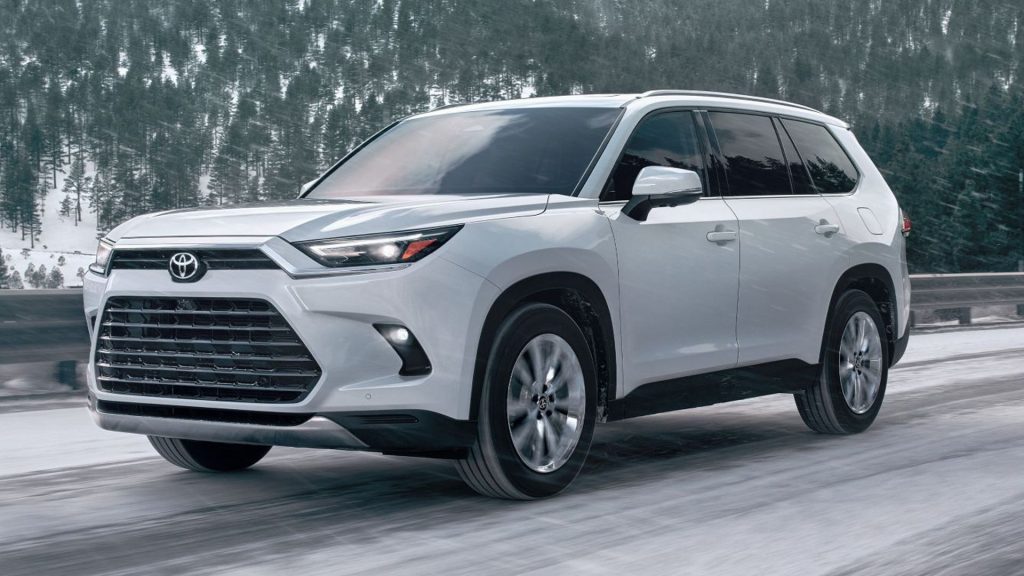
Ride quality remains smooth across the lineup, and the Grand Highlander feels composed during both city driving and long highway journeys. Cabin noise is exceptionally well controlled, contributing to a relaxed driving experience.
While the Traverse provides strong performance, Toyota’s broader powertrain lineup and hybrid efficiency give buyers more flexibility.
Winner: Toyota Grand Highlander
Why It Wins: Hybrid options and multiple powertrains deliver greater efficiency and versatility.
Cargo Capacity, Practicality, And Family Usability
Practicality often determines how well a three-row SUV performs over the years of ownership. The Chevrolet Traverse has traditionally been one of the segment leaders in cargo capacity, and the latest generation continues that reputation.
Even with all three rows occupied, the cargo area remains highly usable. Folding the rear seats creates an enormous storage space capable of accommodating furniture, camping equipment, or luggage for extended vacations.
The interior also features numerous storage compartments, cupholders, and thoughtfully positioned charging ports that simplify family travel.
The Toyota Grand Highlander also excels in this category. Cargo space behind the third row is among the best in the segment, while folding the rear seats creates a large and flat load floor. Families transporting sports equipment, strollers, or travel gear will find the Toyota exceptionally accommodating.
Where the Grand Highlander gains an advantage is in interior versatility. Passenger access to the third row is excellent, seat folding mechanisms operate smoothly, and the full cabin layout feels carefully designed around family needs.
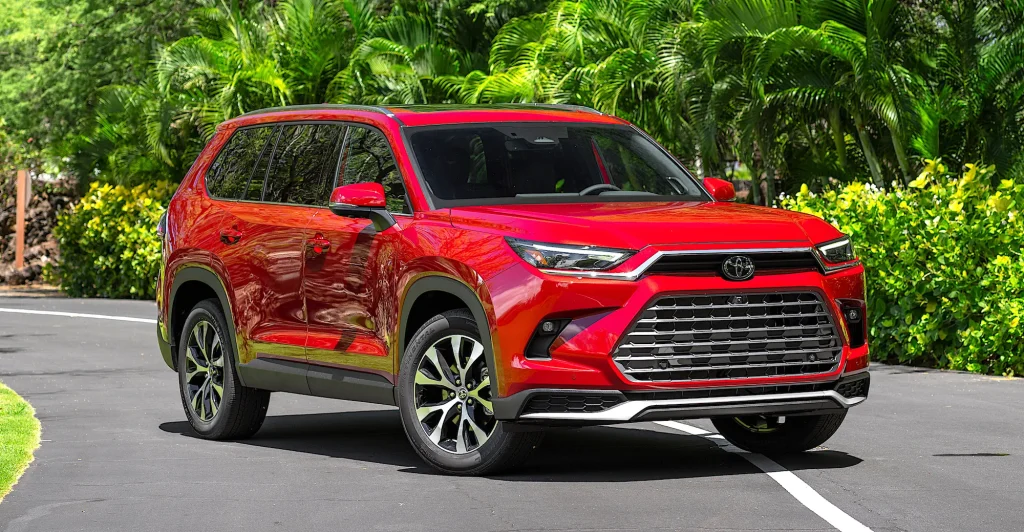
The Traverse offers slightly more maximum cargo volume, but Toyota’s superior passenger packaging and flexibility make the Grand Highlander easier to live with every day.
Winner: Toyota Grand Highlander
Why It Wins: Better passenger packaging and flexible interior layout enhance everyday practicality.
Reliability, Ownership Costs, And Long-Term Value
Long-term ownership remains one of the strongest differentiators between these SUVs. The Chevrolet Traverse has improved considerably in recent years.
Build quality is stronger than previous generations, technology has become more reliable, and maintenance costs remain competitive. Chevrolet also benefits from an extensive dealership network across North America.
However, resale values have historically varied more than Toyota’s, and long-term reliability perceptions continue to favor the Japanese manufacturer.
The Toyota Grand Highlander benefits from Toyota’s outstanding reputation for durability and low ownership costs. Buyers consistently cite reliability as one of the primary reasons for choosing Toyota, and resale values remain among the strongest in the midsize SUV segment.
Hybrid models also help reduce fuel expenses over time, creating additional ownership savings for drivers covering significant annual mileage.
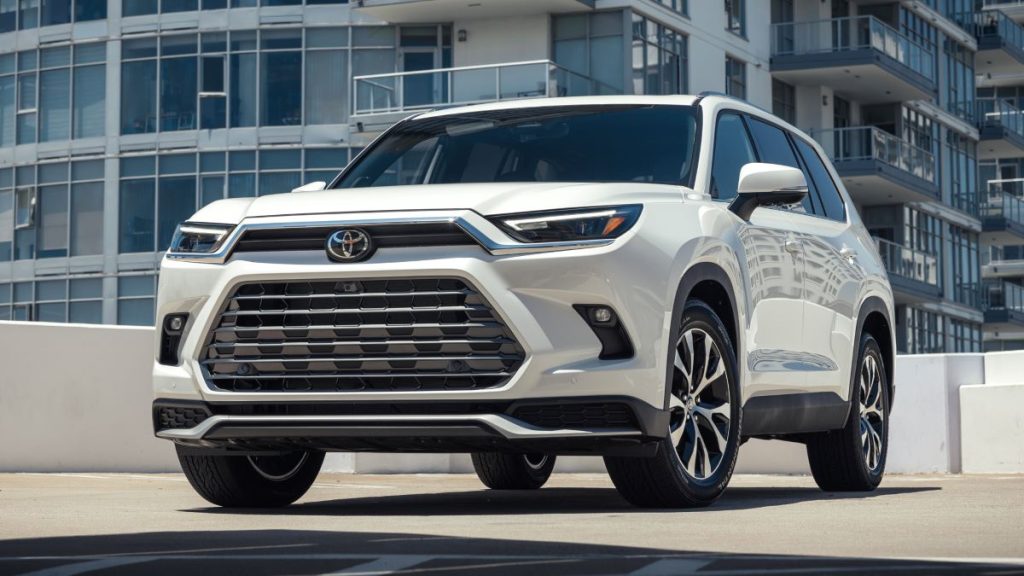
Maintenance schedules are straightforward, replacement parts are widely available, and Toyota’s long-standing reputation provides confidence that extends well beyond the warranty period.
For buyers planning to keep their SUV for eight to ten years or longer, Toyota’s ownership advantages become increasingly meaningful.
Winner: Toyota Grand Highlander
Why It Wins: Excellent reliability, stronger resale value, and lower long-term ownership costs.
Comparison Scorecard
| Category | Winner | The Edge |
|---|---|---|
| Exterior Design And Road Presence | Chevrolet Traverse | Bolder styling and stronger truck-inspired appearance |
| Interior Comfort, Passenger Space, And Cabin Quality | Toyota Grand Highlander | More refined cabin with excellent three-row comfort |
| Technology, Infotainment, And Safety Features | Toyota Grand Highlander | Better infotainment and a more comprehensive safety suite |
| Performance, Efficiency, And Driving Experience | Toyota Grand Highlander | Hybrid options and superior fuel efficiency |
| Cargo Capacity, Practicality, And Family Usability | Toyota Grand Highlander | Better passenger packaging and versatile interior design |
| Reliability, Ownership Costs, And Long-Term Value | Toyota Grand Highlander | Outstanding reliability and stronger long-term ownership value |
Also Read: CR-V vs. RAV4 vs. Rogue & Which Is Better?
