
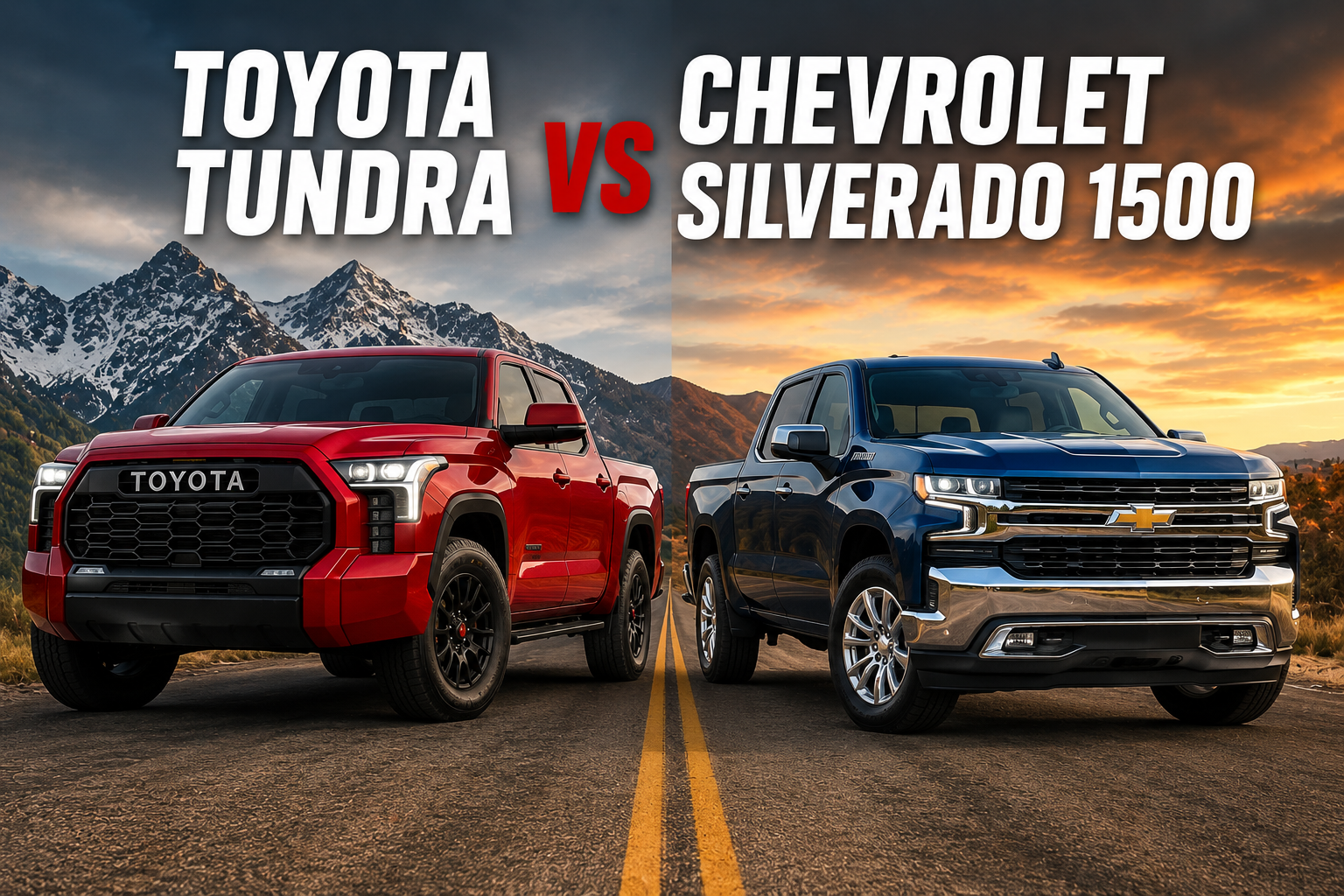
The full-size pickup truck segment is one of the most competitive categories in the automotive market, and few comparisons are more interesting than the Toyota Tundra and Chevrolet Silverado 1500.
Both trucks are built to handle demanding workloads, long-distance travel, towing, off-road adventures, and everyday family transportation. Yet despite competing in the same class, they approach these tasks from very different perspectives.
Toyota redesigned the Tundra with a focus on modernization, replacing its long-running V8 with a twin-turbocharged V6 lineup while introducing a far more premium interior, advanced technology, and a refined driving experience.
The goal was not only to improve capability but also to create a truck that could comfortably compete with long-established American rivals in every category.
The Chevrolet Silverado 1500 continues to build on decades of pickup truck heritage. It offers one of the widest selections of powertrains in the segment, including turbocharged gasoline engines, naturally aspirated V8s, and the highly regarded Duramax diesel.
Chevrolet also provides numerous trim levels, allowing buyers to configure the Silverado as a work truck, family hauler, luxury cruiser, or off-road specialist.
Choosing between these trucks involves much more than comparing towing figures or horsepower numbers. Ride quality, cabin comfort, technology, reliability, ownership costs, and long-term durability all influence how well a truck performs over years of ownership.
Some buyers prioritize refinement and resale value, while others focus on raw capability or engine choice.
This comparison examines six of the most important categories that determine how well these pickups hold up in real-world ownership. By looking beyond the specification sheet, it becomes easier to identify which truck offers the stronger full package for today’s full-size truck buyers.
Also Read: CR-V vs. RAV4 vs. Rogue – Which Is Better?
Exterior Design, Build Quality, And Long-Term Durability
A full-size truck needs to project confidence while also demonstrating the ability to withstand years of demanding use. Toyota and Chevrolet have taken noticeably different approaches to styling and construction.
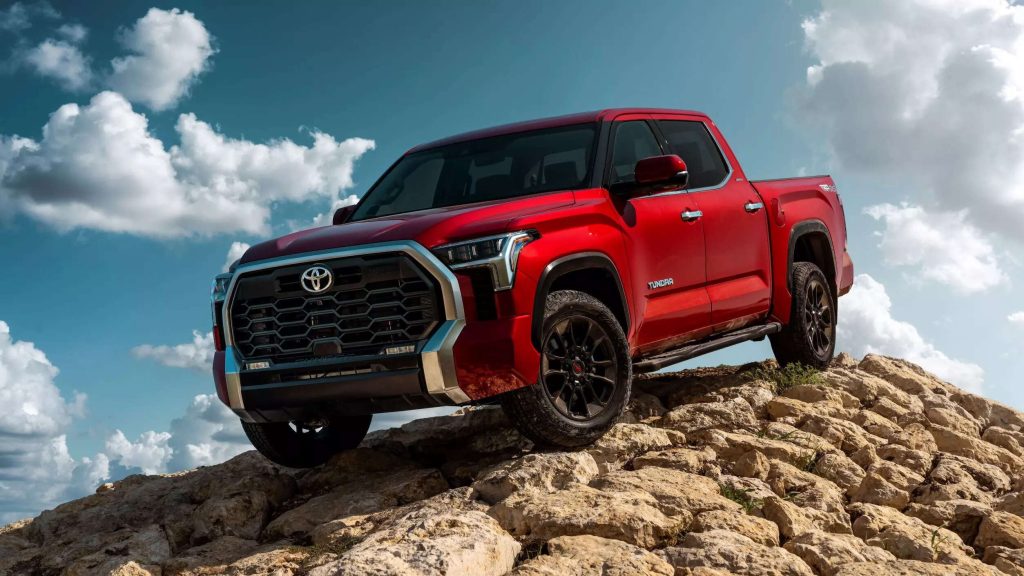
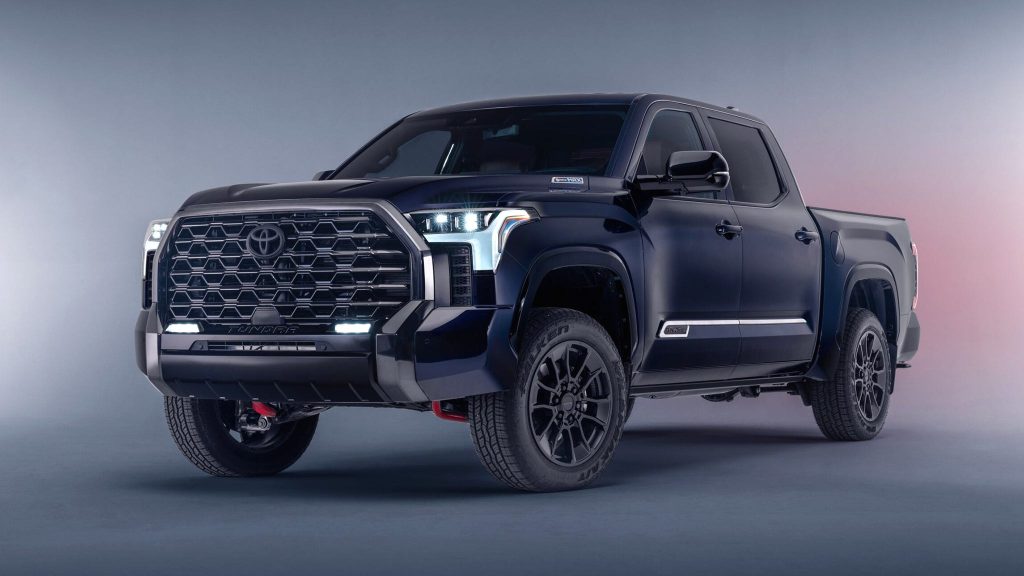
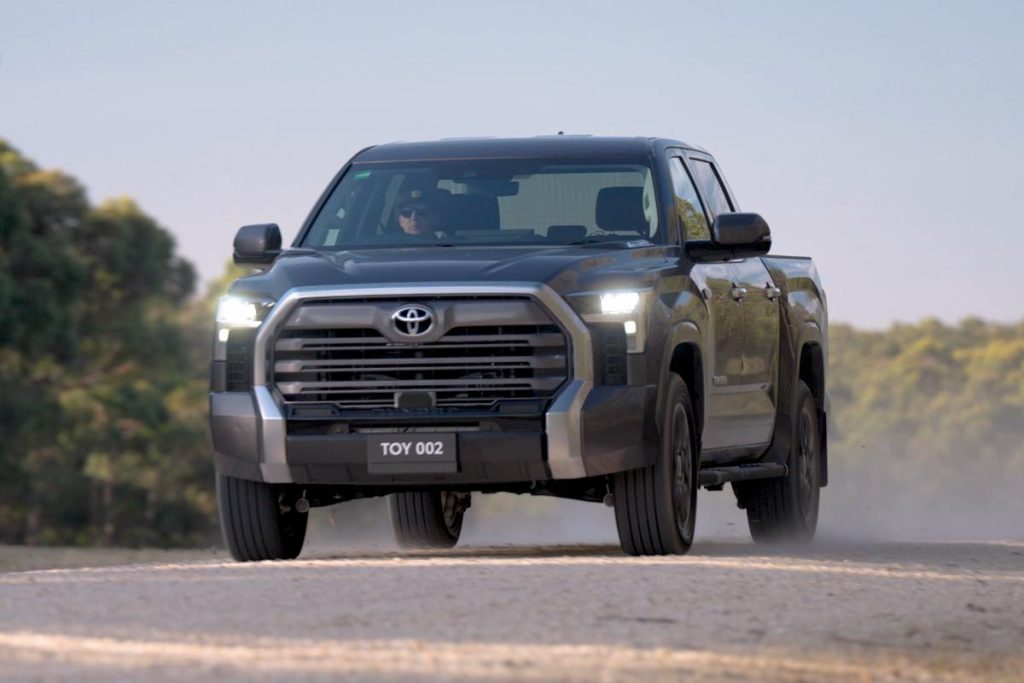
The Toyota Tundra features a bold and modern design with a massive front grille, sculpted body panels, and muscular proportions.
The latest generation appears considerably more premium than its predecessor, especially in higher trims like Limited, Platinum, 1794 Edition, and Capstone. LED lighting, large wheel options, and carefully integrated body lines help the Tundra stand out without appearing excessive.
Toyota also places significant emphasis on manufacturing quality. Tight panel gaps, durable paint finishes, and consistently solid assembly have long contributed to the brand’s reputation for longevity. Owners who keep their trucks for well over a decade often cite build quality as one of the Tundra’s strongest attributes.
The Chevrolet Silverado 1500 follows a more traditional American pickup design philosophy. It looks rugged, purposeful, and unmistakably capable.
The front fascia varies considerably between trims, ranging from basic work-oriented models to upscale High Country and aggressive ZR2 variants. Chevrolet offers more visual diversity throughout the lineup, allowing buyers to select a style that suits their intended use.
In terms of durability, the Silverado has proven itself over many years of commercial and personal ownership. The frame, suspension, and body structure are engineered to handle demanding workloads, and numerous examples continue operating well beyond high mileage.
However, long-term owner satisfaction has occasionally varied depending on powertrain choice and model year.
While both trucks are robustly built, Toyota’s consistency gives it an advantage. The Tundra’s reputation for exceptional build quality, combined with Toyota’s manufacturing standards, creates greater confidence for buyers planning to keep their truck for many years.
Winner: Toyota Tundra
Why It Wins: Superior build consistency and long-term durability strengthen confidence throughout ownership.
Interior Comfort, Material Quality, And Passenger Experience
Modern pickup trucks serve as family vehicles just as often as work tools, making interior quality a major factor in purchasing decisions.
The Toyota Tundra represents a dramatic improvement over previous generations. The cabin features high-quality materials, excellent fit and finish, and a contemporary dashboard layout centered around a large touchscreen.
Higher trims include premium leather upholstery, wood accents, ventilated seating, panoramic roof options, and generous rear-seat accommodations.
Seat comfort is excellent in both rows, particularly during long highway drives. Toyota also improved storage solutions throughout the cabin, giving owners numerous places to store tools, electronics, and personal belongings.
The Chevrolet Silverado 1500 has also seen major improvements. Earlier criticisms regarding interior quality have largely been addressed, especially in LT, LTZ, High Country, and ZR2 trims. The dashboard design is modern, the infotainment system integrates well into the cabin, and passenger space is generous.
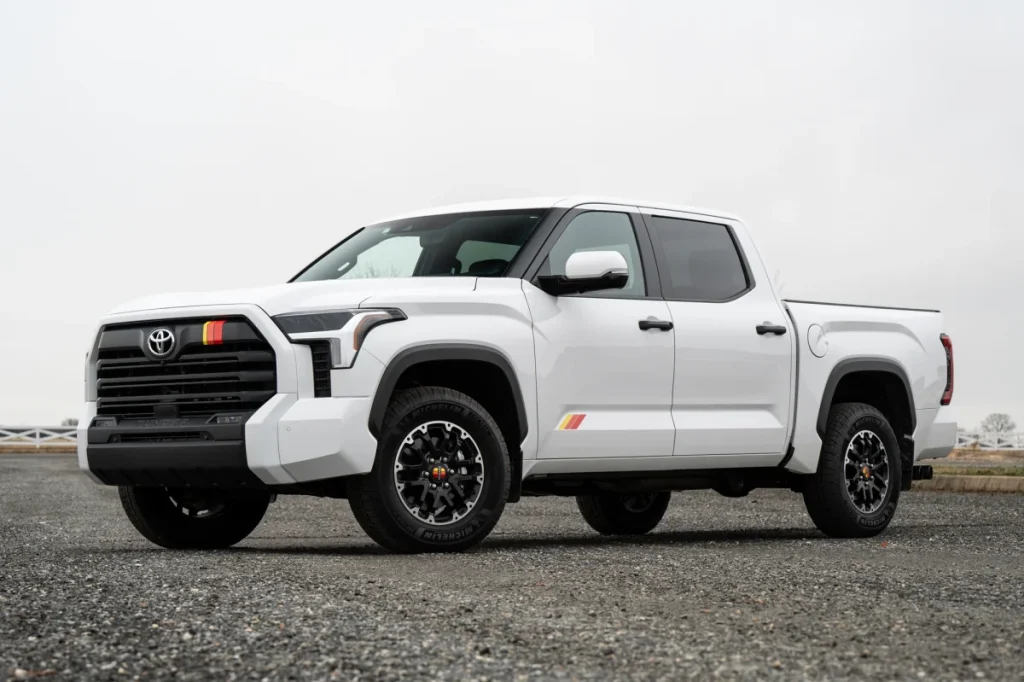
Where Chevrolet excels is variety. Buyers can choose anything from a basic vinyl-equipped work truck to a luxury-focused High Country model featuring premium leather and upscale finishes. However, lower trims still feel noticeably more utilitarian than comparable Toyota models.
Ride comfort is another important distinction. The Tundra isolates occupants from road imperfections more effectively, creating a quieter and more refined experience. Wind and road noise are also well controlled, making long-distance travel less fatiguing.
While the Silverado provides a comfortable and functional interior, the Tundra feels more cohesive. Material quality, cabin refinement, and full execution combine to produce a premium environment that rivals many luxury SUVs.
Winner: Toyota Tundra
Why It Wins: Better material quality, quieter cabin, and greater refinement improve everyday comfort.
Technology, Infotainment, And Driver Assistance
Technology has become a defining characteristic of modern pickup trucks, and both manufacturers have invested heavily in digital features.
Toyota equips the Tundra with one of its best infotainment systems to date. The available large touchscreen responds quickly, menus are logically organized, and wireless smartphone integration works seamlessly.
Voice controls have improved considerably compared with previous Toyota systems, while digital instrumentation provides clear vehicle information.
Toyota Safety Sense also comes standard across the lineup, offering adaptive cruise control, lane departure alert, automatic emergency braking, road sign recognition, and several additional driver-assistance technologies. These systems operate smoothly and contribute to reduced driver fatigue during long trips.
Chevrolet’s Silverado features an equally capable infotainment platform. Google built-in integration, wireless Apple CarPlay and Android Auto, over-the-air updates, and configurable digital displays create an excellent user experience. Chevrolet also provides advanced trailer technologies, multiple camera views, and extensive towing assistance features.
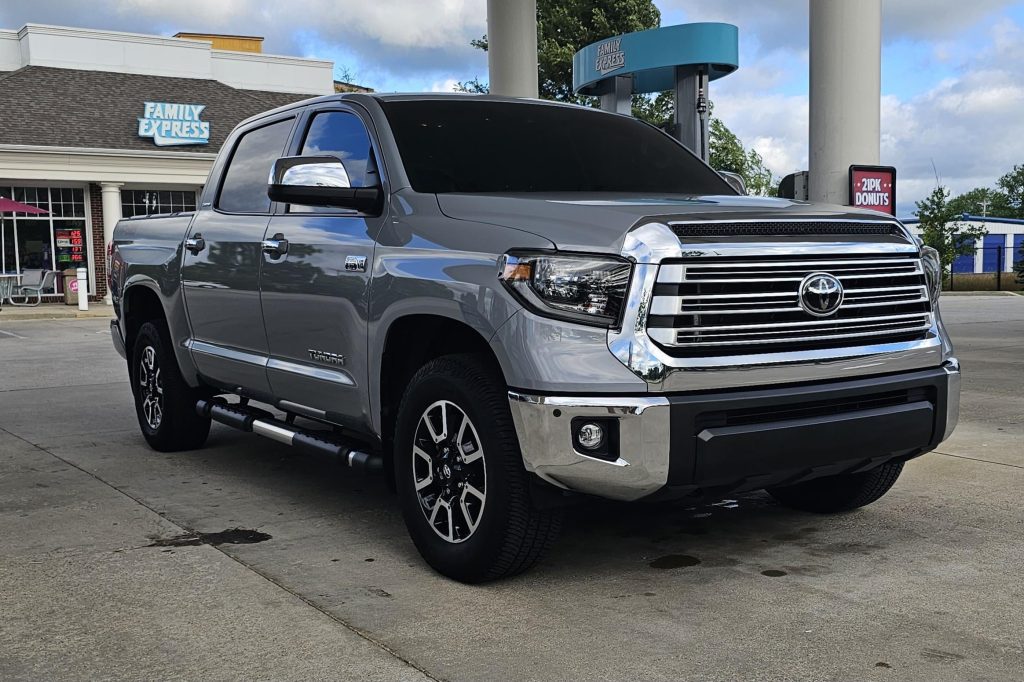
One area where Chevrolet stands out is towing technology. Trailer monitoring, hitch guidance, transparent trailer views, and advanced camera systems simplify tasks that many truck owners perform regularly.
However, technology should be evaluated as a complete ownership experience rather than simply counting available features. Toyota’s interface feels slightly more intuitive, while Chevrolet’s specialized towing tools provide advantages for heavy-hauling owners.
Considering daily usability, Toyota delivers a more polished digital experience for the average buyer.
Winner: Toyota Tundra
Why It Wins: More intuitive infotainment and comprehensive standard safety technology enhance daily usability.
Engine Performance, Towing, And Capability
Capability remains the foundation of every full-size pickup truck. Toyota replaced its long-running V8 with a twin-turbocharged 3.4-liter V6 engine available in standard and hybrid i-FORCE MAX configurations.
These engines produce impressive torque, strong acceleration, and significantly improved efficiency compared with the outgoing V8. The hybrid version delivers especially impressive low-end power, making towing and passing maneuvers feel effortless.
The Silverado counters with one of the broadest engine lineups in the segment. Buyers can choose a turbocharged four-cylinder, two different V8 engines, or the excellent 3.0-liter Duramax diesel. This variety allows customers to prioritize towing, efficiency, or performance depending on their needs.
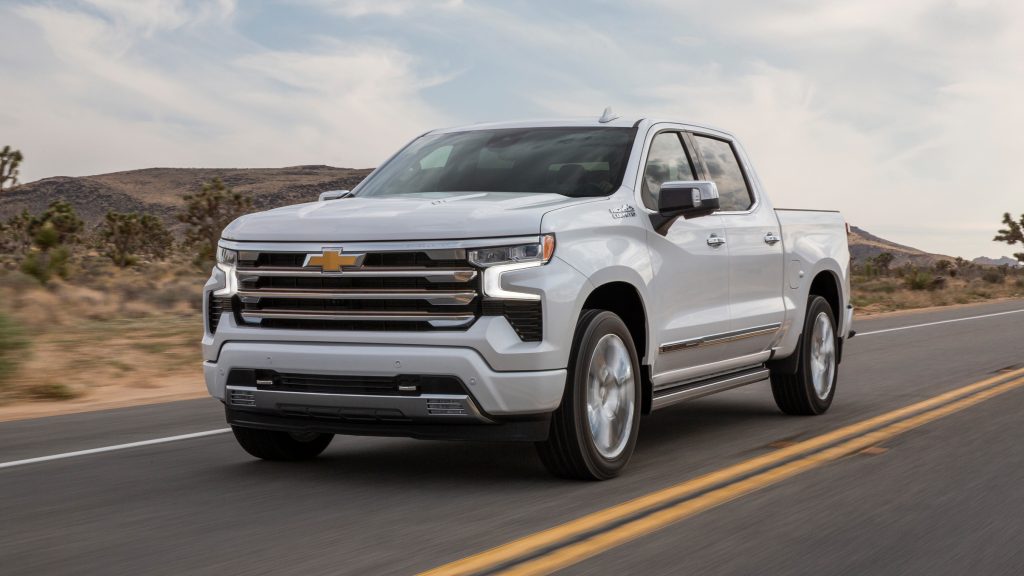
Maximum towing capability slightly favors the Chevrolet depending on configuration, and the Duramax diesel remains one of the best long-distance towing engines available. Fuel economy is also particularly impressive with the diesel option.
The Tundra’s twin-turbo engines provide outstanding performance and smooth operation, but Chevrolet’s extensive powertrain selection gives buyers greater flexibility. Whether someone wants a traditional V8 soundtrack, diesel efficiency, or affordable turbocharged power, the Silverado offers a solution.
Capability is about offering the right tool for every customer, and Chevrolet succeeds through unmatched engine diversity.
Winner: Chevrolet Silverado 1500
Why It Wins: Wider engine selection and stronger towing flexibility satisfy more types of truck buyers.
Ride Quality, Practicality, And Everyday Ownership
Most full-size truck owners spend considerably more time commuting than towing heavy trailers, making everyday comfort increasingly important.
The Toyota Tundra benefits from a modern suspension design that delivers impressive ride quality. The truck feels composed over rough pavement, absorbs bumps effectively, and maintains stability during highway driving. Steering is predictable, and maneuvering the truck through city traffic is easier than its size might suggest.
Toyota also designed the cabin with practical ownership in mind. Storage compartments are plentiful, controls are easy to reach, and visibility remains strong. Families using the truck for school runs, shopping trips, and vacations will appreciate the thoughtful interior layout.
The Silverado also performs well in everyday driving situations. The suspension strikes a good balance between capability and comfort, though certain configurations ride more firmly than the Toyota. Chevrolet offers numerous bed lengths, cab configurations, and specialized trims, allowing buyers to tailor the truck to specific lifestyles.
Cargo practicality strongly favors Chevrolet because of the greater variety available. However, for drivers using the truck primarily as personal transportation, the Tundra provides a smoother, quieter, and more refined experience.
Daily ownership extends beyond specifications. Ride comfort, noise levels, and driver confidence influence satisfaction every time the truck leaves the driveway. In those areas, Toyota holds the advantage.
Winner: Toyota Tundra
Why It Wins: Better ride comfort and greater refinement improve everyday ownership satisfaction.
Reliability, Ownership Costs, And Long-Term Value
Long-term ownership is where reputations are established, and both trucks have strengths in this category.
The Chevrolet Silverado benefits from widespread dealer availability, competitive maintenance costs, and an extensive aftermarket. Replacement parts are easy to find, and buyers can select powertrains with proven histories depending on their priorities.
Toyota, however, continues to enjoy one of the strongest reliability reputations in the automotive industry. The Tundra has consistently earned praise for long-term durability, and resale values remain among the highest in the full-size truck segment. Owners frequently report keeping their trucks well beyond 200,000 miles with routine maintenance.
Resale value also plays a significant role in ownership costs. Strong retained value reduces depreciation and makes future trade-ins more attractive. The Tundra consistently performs well in this area, reflecting buyer confidence in Toyota’s engineering.
Maintenance requirements remain straightforward, and Toyota’s dealer network provides dependable nationwide support. While no modern truck is immune to occasional issues, Toyota’s full ownership experience continues to inspire confidence.
For buyers planning to keep their truck for many years, reliability often outweighs small differences in towing capacity or technology. The Tundra’s reputation for durability and value retention makes it the stronger long-term investment.
Winner: Toyota Tundra
Why It Wins: Exceptional reliability and stronger resale value reduce long-term ownership costs.
Comparison Scorecard
| Category | Winner | The Edge |
|---|---|---|
| Exterior Design, Build Quality, And Long-Term Durability | Toyota Tundra | Better build quality and stronger long-term durability |
| Interior Comfort, Material Quality, And Passenger Experience | Toyota Tundra | More refined cabin with higher-quality materials |
| Technology, Infotainment, And Driver Assistance | Toyota Tundra | Easier-to-use technology and stronger standard safety features |
| Engine Performance, Towing, And Capability | Chevrolet Silverado 1500 | Wider engine lineup and greater towing flexibility |
| Ride Quality, Practicality, And Everyday Ownership | Toyota Tundra | Smoother ride and better daily driving refinement |
| Reliability, Ownership Costs, And Long-Term Value | Toyota Tundra | Outstanding reliability and stronger resale value |
Also Read: Ram 1500 vs. F-150 vs. Silverado – Which Is Better?
