
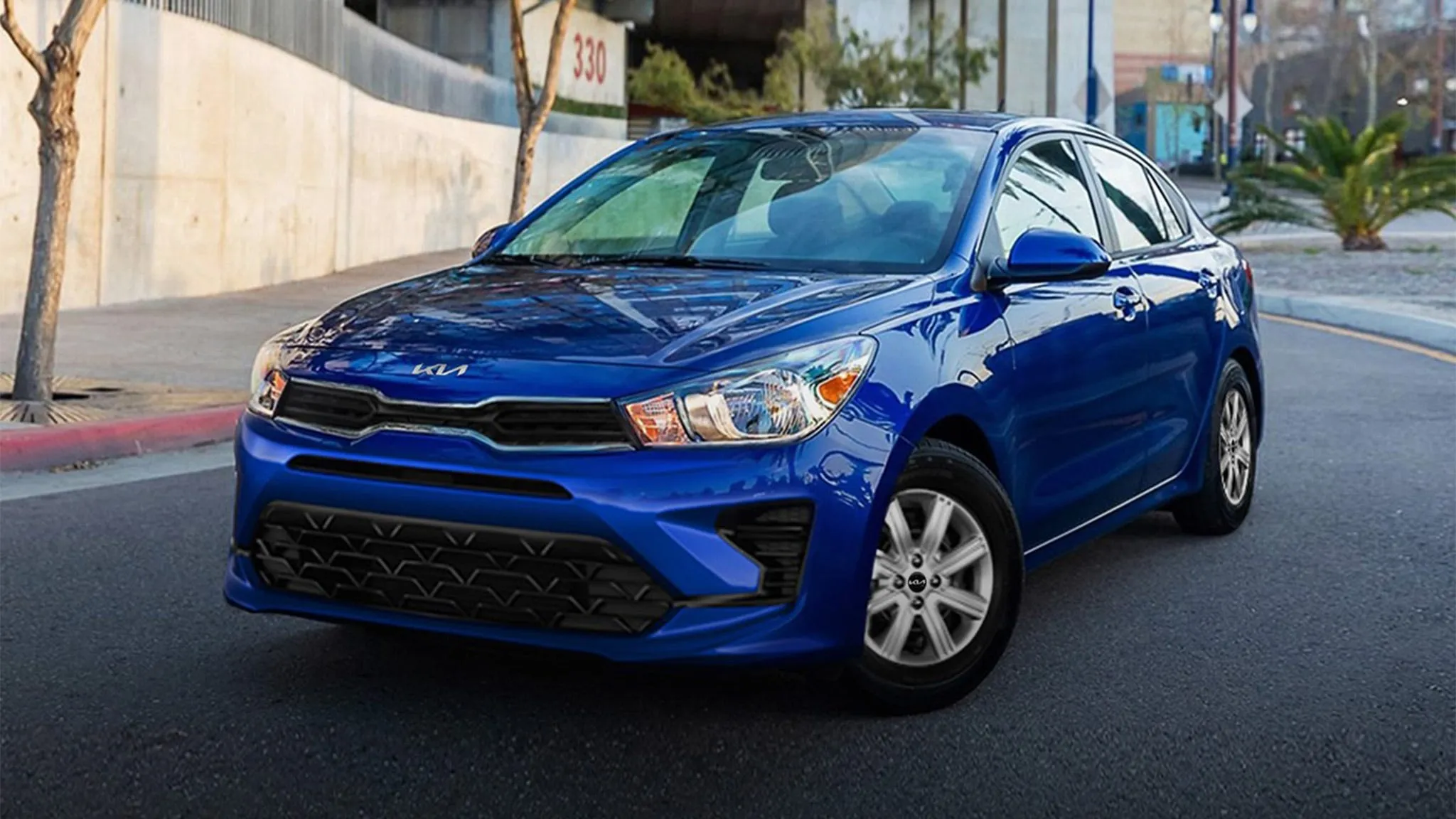
Ultra-compact cars have always filled a unique role in the American automotive market. While SUVs and pickup trucks dominate sales today, there remains a loyal group of drivers who value small dimensions above everything else.
A shorter vehicle is easier to park, simpler to maneuver through congested city streets, and often less expensive to own and operate.
Whether navigating downtown traffic, squeezing into tight parking spaces, or looking for maximum fuel efficiency, these compact cars continue to offer practical advantages that larger vehicles cannot match.
This ranking is based strictly on official U.S. manufacturer specifications for full vehicle length, ensuring every position reflects verified data rather than opinion. Only passenger cars officially sold in the United States are included, and the vehicles are arranged from the shortest to the longest.
While a difference of only a few inches may appear minor on paper, those dimensions can noticeably affect parking convenience, turning radius, and urban drivability.
Despite their modest size, these cars demonstrate that compact transportation does not have to sacrifice comfort, technology, or reliability. Some prioritize affordability, others focus on premium craftsmanship, and a few emphasize distinctive styling that sets them apart from conventional hatchbacks.
Regardless of their approach, each vehicle represents an important chapter in the evolution of ultra-compact automobiles in America.
From tiny two-seaters to practical five-door hatchbacks, these ten models showcase how intelligent engineering can maximize usable space while keeping exterior dimensions impressively small.
Also Read: 10 SUVs With the Most Affordable Replacement Parts
1. smart fortwo
When it comes to compact dimensions, no production passenger car officially sold in the United States has matched the smart fortwo. Measuring only 106.1 inches from bumper to bumper, it remains the shortest modern automobile available to American buyers.
Mercedes-Benz and smart designed the Fortwo specifically for crowded urban centers where parking space is limited, and maneuverability is more valuable than carrying additional passengers.
Its unique layout immediately separates it from conventional automobiles. The rear-mounted engine frees additional space for occupants, while the reinforced Tridion safety cell forms a rigid protective structure around the cabin.
Although the exterior appears exceptionally small, the tall roof and upright seating position provide surprising headroom for two adults. Drivers often discover that the cabin feels significantly roomier than the exterior dimensions suggest.
The Fortwo’s greatest strength is its ability to navigate environments where larger vehicles struggle. Parallel parking requires minimal space, tight U-turns become effortless, and congested downtown streets are far less intimidating.
These characteristics made it especially attractive in major American cities where parking costs and traffic congestion continue to increase.
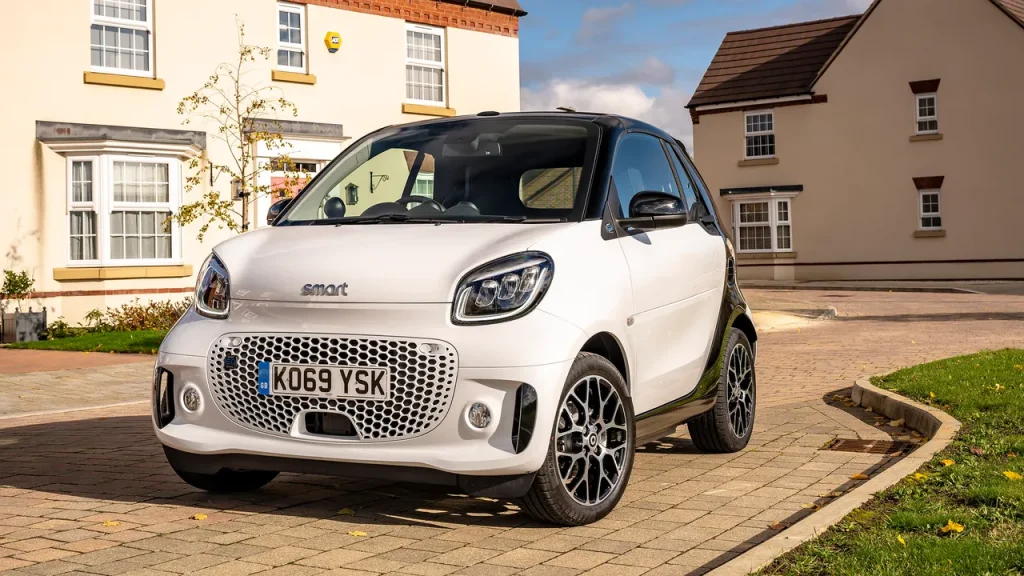
Performance was never intended to rival sports cars. Instead, the compact turbocharged three-cylinder engine focused on efficiency while providing adequate acceleration for city driving. Low operating costs and respectable fuel economy further reinforced its role as an economical commuter vehicle.
Although Smart discontinued the Fortwo in the United States after the 2019 model year, its engineering remains remarkable. More than a decade after its introduction, no other production passenger car officially sold in America has managed to occupy such a remarkably small footprint while still meeting modern safety requirements.
Specifications
- Engine: 0.9 liter turbocharged inline three
- Torque: 100 lb-ft
- Horsepower: 89 hp
- Length/Width: 106.1 inches / 65.5 inches
2. Scion iQ
Toyota approached the ultra-compact segment with an entirely different philosophy when it introduced the Scion iQ to American buyers. Rather than creating the absolute smallest vehicle possible, engineers concentrated on maximizing passenger space inside a remarkably compact body.
At 120.1 inches long, the iQ was only slightly larger than the smart fortwo, yet it offered seating for up to four occupants through one of the industry’s most creative interior layouts.
Achieving that packaging required several engineering innovations. Toyota redesigned the fuel tank, relocated major mechanical components, and developed an unusually compact climate control system to create additional cabin room.
The result was a vehicle capable of carrying more passengers than its exterior dimensions would normally allow. Front-seat comfort proved particularly impressive, while the rear seats accommodated children or occasional adult passengers during shorter trips.
Unlike many microcars that relied on unconventional mechanical layouts, the iQ employed a familiar front-engine, front-wheel-drive configuration. This simplified servicing while maintaining the reliability that Toyota had established throughout its lineup.
The naturally aspirated four-cylinder engine delivered smooth operation, predictable performance, and excellent fuel economy without unnecessary mechanical complexity.
Its short wheelbase also produced an exceptionally tight turning radius, making the iQ particularly effective in dense urban environments. Parking spaces considered unusable by larger vehicles became easily accessible, reducing one of the biggest frustrations associated with city driving.
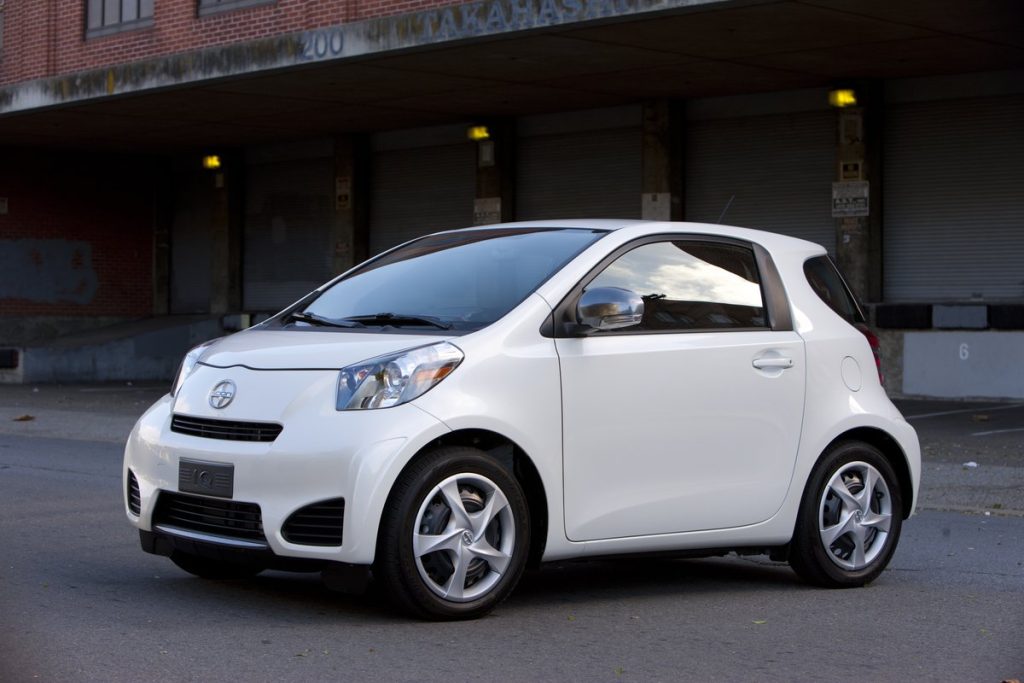
Although Scion itself disappeared from the American market in 2016, the iQ remains one of the smartest examples of efficient packaging ever produced. It demonstrated that careful engineering could transform a tiny footprint into a genuinely practical everyday automobile.
Specifications
- Engine: 1.3-liter naturally aspirated inline four
- Torque: 91 lb-ft
- Horsepower: 94 hp
- Length/Width: 120.1 inches / 66.1 inches
3. Chevrolet Spark
The Chevrolet Spark proved that an affordable city car did not have to sacrifice practicality. Measuring 143.1 inches in length, it ranks as one of the shortest four-door hatchbacks ever offered by Chevrolet in the United States.
Although considerably larger than the smart fortwo and Scion iQ, the Spark remained exceptionally easy to maneuver while providing the convenience of four doors and usable rear seating.
General Motors positioned the Spark as an entry-level vehicle, but its equipment list steadily improved throughout its production run.
Later model years included touchscreen infotainment systems, Apple CarPlay, Android Auto, available forward collision warning, lane departure warning, and modern connectivity features that were uncommon among inexpensive city cars only a few years earlier.
Its lightweight construction worked well with the naturally aspirated four-cylinder engine. While performance emphasized efficiency rather than speed, the Spark responded confidently during daily commuting and comfortably handled urban traffic.
Excellent visibility, compact exterior dimensions, and a tight turning circle made parking straightforward even in crowded downtown areas.
Another important advantage was the ownership cost. Maintenance remained affordable thanks to Chevrolet’s widespread dealership network and readily available replacement parts.
Combined with strong fuel economy, these qualities made the Spark particularly attractive to students, first-time buyers, and commuters looking to minimize operating expenses.
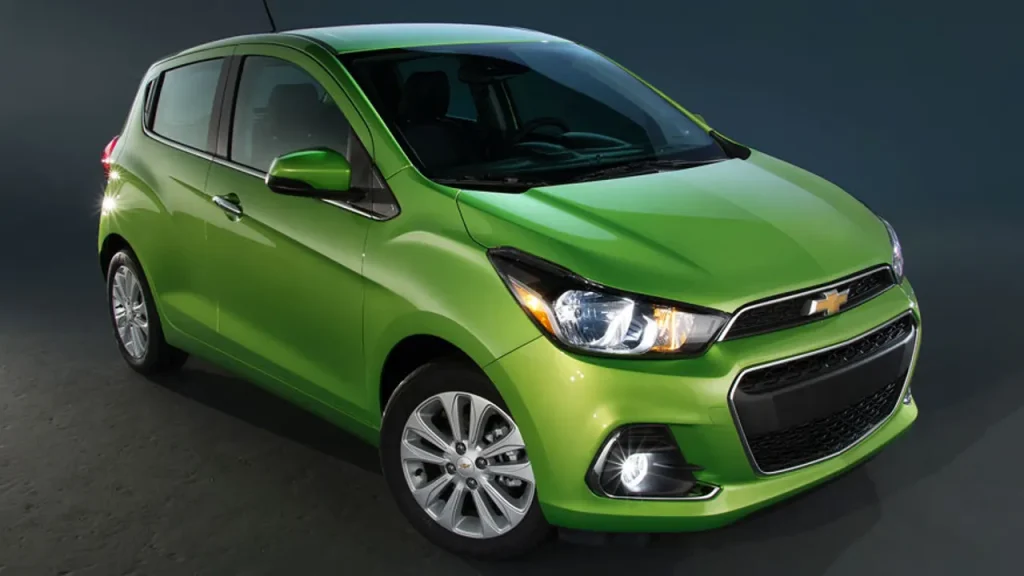
General Motors discontinued the Spark after the 2022 model year as consumer demand shifted toward crossover SUVs. Even so, it continues to stand as one of the best examples of a practical ultra-compact hatchback that successfully balances affordability, modern technology, and genuine everyday usability.
Specifications
- Engine: 1.4 liter naturally aspirated inline four
- Torque: 94 lb-ft
- Horsepower: 98 hp
- Length/Width: 143.1 inches / 62.8 inches
4. Fiat 500
The modern Fiat 500 brought one of Europe’s most recognizable city cars back to the United States, combining retro-inspired styling with dimensions perfectly suited for urban driving. Measuring 149.8 inches in length, it ranks as the fourth shortest production passenger car officially sold in America.
While compact enough to slip into parking spaces unavailable to many larger hatchbacks, it still offered seating for four and enough everyday practicality to function as a daily commuter.
Rather than competing solely on affordability, Fiat emphasized personality. Rounded body panels, circular headlights, chrome accents, and countless customization options gave the 500 an unmistakable appearance.
Buyers could choose from numerous exterior colors, roof treatments, interior finishes, and wheel designs, allowing each car to reflect its owner’s preferences. This approach helped the Fiat stand apart in a segment often dominated by conservative styling.
Inside, the cabin balanced nostalgic design with contemporary convenience. The dashboard echoed the original 1957 Fiat 500 while incorporating modern infotainment technology, climate controls, and supportive front seats.
The higher seating position improved outward visibility, making the car easy to place in traffic despite its small dimensions. Rear seats were best suited for children or occasional passengers, but folding them created useful cargo space for shopping or weekend luggage.
Driving characteristics also matched the vehicle’s city-focused mission. The naturally aspirated 1.4 liter MultiAir engine delivered responsive performance for urban streets while maintaining competitive fuel economy.
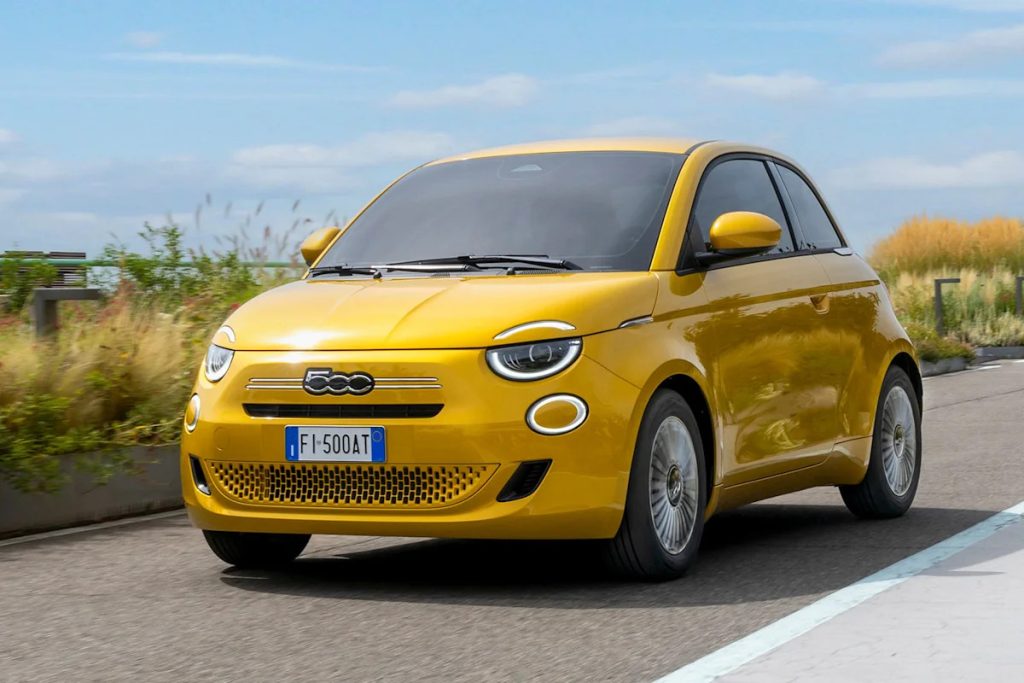
Its short wheelbase and light steering allowed quick direction changes and effortless parking, two qualities highly valued by drivers navigating crowded downtown environments.
Although Fiat eventually ended sales of the gasoline-powered 500 in the United States, the model remains one of the most distinctive ultra-compact cars ever sold in America.
Its combination of Italian styling, efficient engineering, and compact proportions continues to attract enthusiasts looking for a small car with unmistakable character.
Specifications
- Engine: 1.4 liter MultiAir naturally aspirated inline four
- Torque: 98 lb-ft
- Horsepower: 135 hp
- Length/Width: 149.8 inches / 64.1 inches
5. Mitsubishi Mirage
At 151.4 inches long, the Mitsubishi Mirage ranks fifth in this comparison while remaining one of the smallest production hatchbacks available to American buyers.
Mitsubishi pursued a straightforward objective with the Mirage: deliver dependable transportation with outstanding fuel economy and one of the lowest purchase prices in the new-car market. Instead of adding unnecessary complexity, engineers focused on keeping the vehicle lightweight, efficient, and inexpensive to maintain.
Its compact footprint made the Mirage particularly appealing to commuters and drivers living in densely populated cities. Parking required very little space, visibility remained excellent in every direction, and the hatchback configuration provided versatility uncommon among vehicles of this size.
Although the exterior dimensions were modest, the tall roofline created generous headroom for front occupants while the folding rear seats expanded cargo capacity whenever larger items needed to be transported.
Efficiency became one of the Mirage’s defining strengths. The naturally aspirated three-cylinder engine was engineered to reduce fuel consumption rather than maximize acceleration. Combined with the vehicle’s low curb weight, it consistently delivered some of the highest fuel economy figures in its class.
Owners seeking economical daily transportation frequently praised its low operating costs, affordable insurance premiums, and straightforward servicing requirements.
The Mirage also benefited from Mitsubishi’s long powertrain warranty, providing additional confidence for buyers interested in long-term ownership. While it never attempted to compete with sportier hatchbacks, it succeeded by offering practical mobility with minimal financial burden.
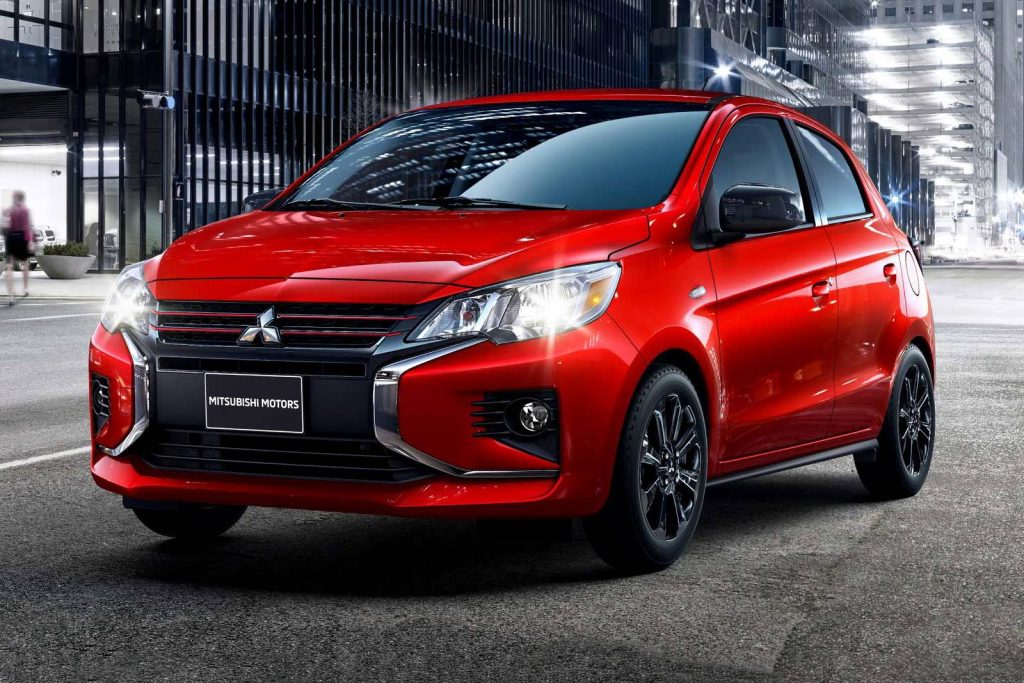
As consumer demand shifted toward crossovers, Mitsubishi concluded U.S. sales of the Mirage, marking the end of one of America’s smallest and most economical hatchbacks.
Even after production ceased, its reputation for affordability and compact practicality continues to make it a sensible option in the used vehicle market.
Specifications
- Engine: 1.2-liter naturally aspirated inline three
- Torque: 74 lb-ft
- Horsepower: 78 hp
- Length/Width: 151.4 inches / 65.6 inches
6. MINI Hardtop 2 Door
The MINI Hardtop 2-Door demonstrates that a compact footprint can still deliver premium craftsmanship and an engaging driving experience. Measuring 152.8 inches in length, it is only slightly longer than the Mitsubishi Mirage yet offers a completely different personality.
Rather than concentrating primarily on affordability, MINI designed the Hardtop for drivers seeking agile handling, distinctive styling, and upscale materials within a city-friendly package.
From the moment the driver enters the cabin, the car presents an atmosphere unlike most ultra-compact competitors. Premium upholstery, soft-touch materials, digital instrumentation, and MINI’s signature circular design elements create an interior that feels sophisticated despite its modest dimensions.
Front-seat comfort is excellent, while the hatchback layout provides useful cargo flexibility when the rear seats are folded.
Its turbocharged engine distinguishes the Hardtop from many naturally aspirated rivals. Strong low-end torque allows confident acceleration in city traffic, while the short wheelbase and responsive steering contribute to quick directional changes.
The suspension is tuned to emphasize driver involvement, making winding roads particularly enjoyable without compromising everyday usability.
The compact exterior dimensions remain one of the vehicle’s greatest strengths. Drivers can easily maneuver through crowded parking garages, narrow downtown streets, and busy shopping districts where larger vehicles often become cumbersome. Excellent outward visibility further enhances confidence during low-speed maneuvering.
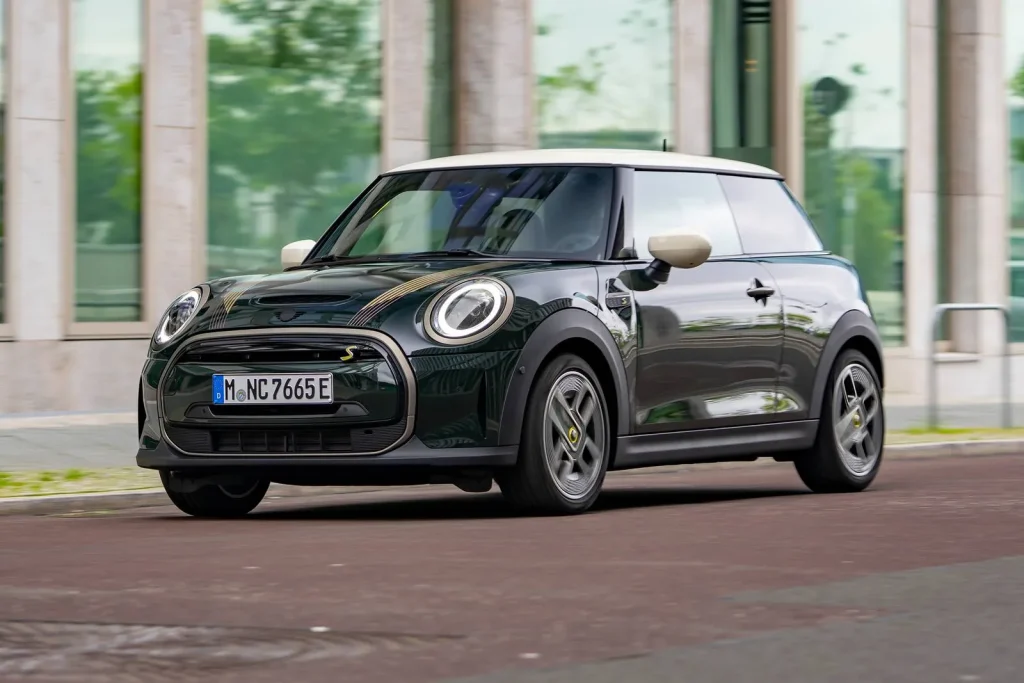
Although the modern MINI is considerably larger than the original British classic, it remains one of the shortest premium hatchbacks sold in the United States.
Its combination of refined engineering, energetic performance, and unmistakable design continues to attract buyers who want something more distinctive than a conventional economy car.
Specifications
- Engine: 2.0-liter turbocharged inline four
- Torque: 221 lb-ft
- Horsepower: 201 hp
- Length/Width: 152.8 inches / 68.0 inches
7. Kia Rio Hatchback
The Kia Rio hatchback earned its place in the American market by offering a practical balance of compact dimensions, modern technology, and dependable everyday performance. With an official full length of 160.0 inches, it ranks seventh in this comparison.
Although noticeably larger than the microcars at the top of the list, the Rio remained compact enough to navigate busy downtown streets with ease while providing the interior room expected from a modern five-door hatchback.
One of the Rio’s greatest strengths was its maturity. Unlike many entry-level vehicles that relied on bare-bones equipment to keep prices low, the Rio incorporated features that made daily commuting more comfortable.
Higher trim levels included a touchscreen infotainment system, Apple CarPlay, Android Auto, Bluetooth connectivity, and a collection of driver assistance technologies that were once reserved for more expensive vehicles.
This equipment helped the Rio appeal to buyers who wanted an affordable car without feeling like they were sacrificing convenience.
The naturally aspirated 1.6-liter four-cylinder engine emphasized reliability and smooth operation. While outright acceleration was modest, the lightweight chassis allowed the Rio to feel responsive in city traffic.
Steering remained predictable, ride quality was composed, and the suspension handled uneven pavement with confidence. These characteristics made the hatchback particularly well suited to commuters covering both urban streets and highway miles.
Ownership costs also played an important role in the Rio’s popularity. Competitive fuel economy, inexpensive routine maintenance, and Hyundai Motor Group’s generous factory warranty gave buyers additional confidence.
Combined with practical cargo capacity and compact exterior dimensions, the Rio demonstrated that a small hatchback could comfortably satisfy the transportation needs of individuals, couples, and small families.
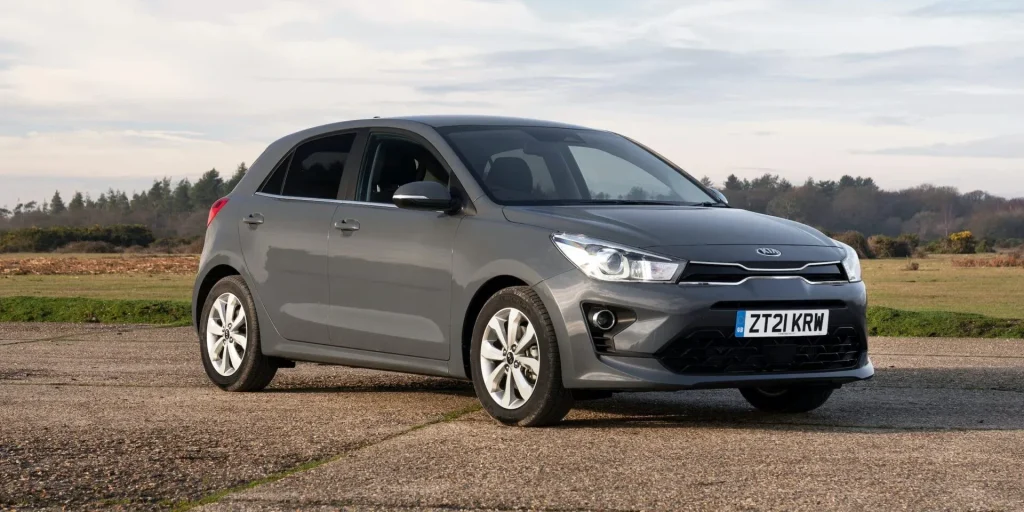
Although Kia discontinued the Rio in the United States as market demand shifted toward crossovers, the hatchback remains one of the most capable ultra-compact cars available on the used market.
Its thoughtful engineering, efficient packaging, and dependable reputation continue to make it an appealing choice for drivers who value practicality over size.
Specifications
- Engine: 1.6-liter naturally aspirated inline four
- Torque: 112 lb-ft
- Horsepower: 120 hp
- Length/Width: 160.0 inches / 67.9 inches
8. Nissan Versa Hatchback
Before Nissan focused exclusively on the Versa sedan, the Versa Hatchback established itself as one of the most practical compact cars in the American market.
Measuring 169.1 inches in length, it ranks eighth in this comparison while remaining considerably shorter than many compact sedans sold during the same period. Its efficient packaging allowed Nissan to create a surprisingly spacious cabin without dramatically increasing exterior dimensions.
Rather than emphasizing sporty styling, the Versa Hatchback concentrated on maximizing passenger comfort. The tall roofline generated generous headroom for both front and rear occupants, while the wide-opening hatch made loading cargo remarkably simple.
Grocery bags, sports equipment, luggage, and household items fit easily inside, giving the Versa a level of versatility that appealed to commuters and small families alike.
Power came from a naturally aspirated 1.8-liter four-cylinder engine that prioritized durability and predictable operation. Smooth throttle response, dependable mechanical components, and straightforward maintenance contributed to low long-term ownership costs.
While performance was never intended to challenge sport-oriented hatchbacks, the Versa delivered confident acceleration for daily commuting and maintained comfortable highway cruising capability.
The suspension favored ride comfort over aggressive handling, making the car especially comfortable on rough pavement and longer road trips. Excellent visibility, light steering effort, and manageable exterior dimensions also reduced driver fatigue in crowded urban environments.
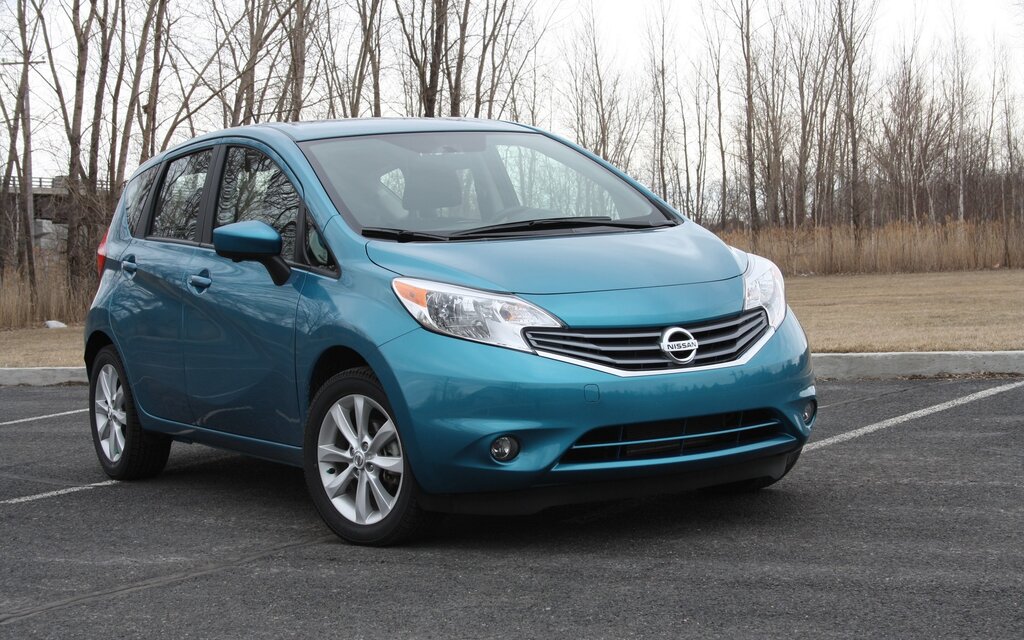
Although the hatchback body style eventually disappeared from Nissan’s U.S. lineup, it remains well regarded for its practicality and reliability. Buyers searching the used market continue to appreciate its roomy interior, economical operation, and compact footprint.
The Versa Hatchback demonstrated that a relatively small vehicle could still provide meaningful passenger space and everyday versatility without approaching the dimensions of larger compact cars.
Specifications
- Engine: 1.8 liter naturally aspirated inline four
- Torque: 127 lb-ft
- Horsepower: 122 hp
- Length/Width: 169.1 inches / 66.7 inches
9. Toyota Yaris Hatchback
Toyota has long been recognized for building dependable small cars, and the Yaris Hatchback continued that tradition while offering dimensions ideal for city driving. At 171.6 inches in length, it ranks ninth on this list and represents one of the largest vehicles still qualifying for the ultra-compact category.
Although it occupies slightly more space than the Nissan Versa Hatchback, the Yaris remains noticeably shorter than most modern compact sedans and crossover utility vehicles.
The final U.S.-market Yaris hatchback benefited from Toyota’s collaboration with Mazda, sharing its platform with the Mazda2.
This partnership produced a vehicle that combined Toyota’s reputation for long-term reliability with engaging handling characteristics and refined suspension tuning. The result was a hatchback that felt more responsive than many competitors while preserving excellent fuel economy.
Inside, the Yaris made efficient use of every inch. Front-seat occupants enjoyed supportive seating and intuitive controls, while the rear seats could be folded to increase cargo capacity whenever additional storage was needed.
Toyota also equipped the hatchback with modern safety technologies and smartphone integration, helping it remain competitive despite rapid changes in the subcompact segment.
Its naturally aspirated engine delivered smooth power delivery, dependable operation, and low maintenance requirements. Routine servicing remained affordable, replacement parts were readily available, and Toyota’s long-standing reputation for durability contributed to excellent resale values.
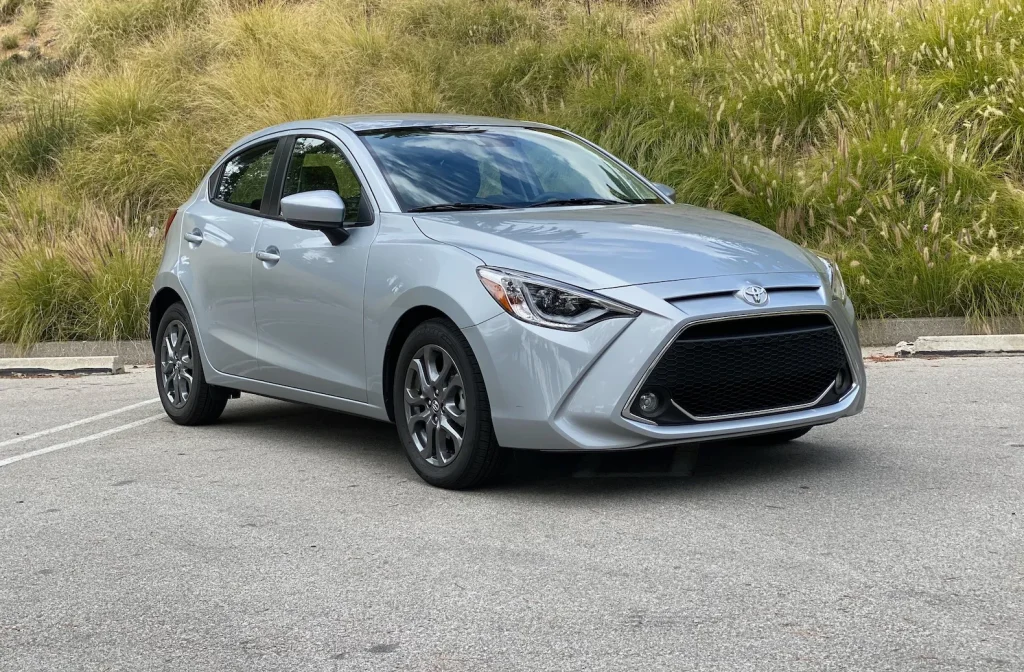
Although Toyota discontinued the Yaris hatchback in the United States after the 2020 model year, it continues to be highly regarded by drivers seeking a dependable, efficient, and easy-to-own compact hatchback.
Its balanced combination of practicality, efficiency, and refined driving manners ensures it remains one of the standout vehicles in this category.
Specifications
- Engine: 1.5-liter naturally aspirated inline four
- Torque: 103 lb-ft
- Horsepower: 106 hp
- Length/Width: 171.6 inches / 66.7 inches
10. Hyundai Accent Hatchback
Completing this ranking is the Hyundai Accent hatchback, measuring 172.6 inches in length. While it is the longest vehicle on this list, it remains significantly smaller than most compact cars currently sold in the United States.
Hyundai developed the Accent to deliver practical transportation, dependable mechanical performance, and generous equipment while maintaining dimensions that remained comfortable for urban driving.
Unlike several competitors that emphasized bold styling, the Accent focused on refinement and usability. Its clean exterior design, comfortable seating, and well-organized cabin created an inviting environment for both daily commuting and longer highway journeys.
The hatchback body style also provided excellent cargo flexibility, allowing owners to transport luggage, groceries, or recreational equipment without requiring a larger vehicle.
Performance came from a naturally aspirated 1.6-liter four-cylinder engine paired with a lightweight platform. The powertrain emphasized smooth operation, dependable reliability, and efficient fuel consumption rather than aggressive acceleration.
Responsive steering and predictable braking further enhanced driver confidence, particularly in busy city traffic where compact dimensions remained a significant advantage.
Hyundai also strengthened the Accent’s appeal through generous standard equipment and one of the industry’s strongest factory warranty programs. These benefits, combined with affordable ownership costs and readily available replacement parts, made the hatchback a practical option for first-time buyers and experienced drivers alike.
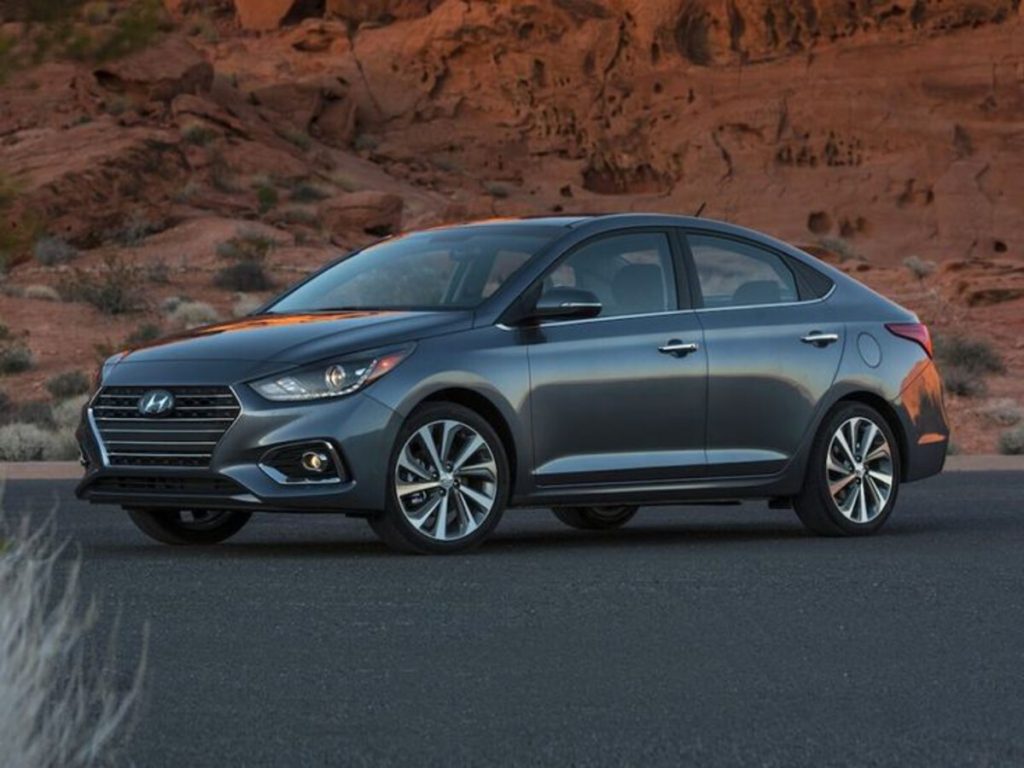
Although Hyundai eventually shifted its American product strategy toward crossover utility vehicles, the Accent hatchback remains one of the best examples of a well-rounded ultra-compact car.
Its efficient packaging, comfortable cabin, and dependable engineering provide a fitting conclusion to this ranking of the shortest passenger cars officially sold in the United States.
Specifications
- Engine: 1.6-liter naturally aspirated inline four
- Torque: 119 lb-ft
- Horsepower: 120 hp
- Length/Width: 172.6 inches / 67.1 inches
