
Four-cylinder engines have long been the backbone of global automotive engineering due to their balance of efficiency, affordability, and reliability.
From compact sedans and daily commuters to light SUVs and even performance-oriented machines, the inline-four layout has proven to be one of the most practical engine designs ever created.
While modern automotive trends increasingly focus on turbocharging and hybridization, naturally aspirated and mechanically simple four-cylinder engines still hold a strong reputation among mechanics, enthusiasts, and long-term car owners who prioritize durability over complexity.
Durability in an engine is not defined by horsepower alone. Instead, it is measured by how well an engine withstands long-term stress, heat cycles, poor maintenance conditions, and high-mileage usage without major internal failure.
Engines that are considered highly durable often share common traits such as iron block construction or robust aluminum designs, conservative factory tuning, simple fuel injection systems, and well-tested engineering that avoids unnecessary complexity.
Many of the engines featured in this list have been known to exceed 300,000 kilometers or more when properly maintained, with some even crossing half a million kilometers in real-world use cases.
This ranking is based on widely documented reliability records, long-term owner reports, mechanic feedback, and historical performance across different global markets. The focus is strictly on naturally strong engineering rather than popularity or performance output.
Some engines on this list are older designs that have stood the test of time, while others are newer but have proven themselves through consistent real-world dependability.
It is also important to understand that no engine is indestructible. Maintenance habits, oil quality, cooling system health, and driving conditions play a major role in determining lifespan.
Certain engines have earned reputations so strong that they are repeatedly recommended in used car markets, fleet operations, and even in regions where repair resources are limited. These engines are often chosen specifically because they are forgiving under stress and can continue running even when maintenance is not perfect.
In the following sections, we will rank eight of the most durable four-cylinder engines ever produced. Each engine will be broken down based on engineering design, known strengths, long-term weaknesses, if any, and real-world durability reputation. The ranking starts from the least durable among the selected group and moves toward the most proven long-lasting design.
Also Read: 10 Hidden Features in the Kia Telluride
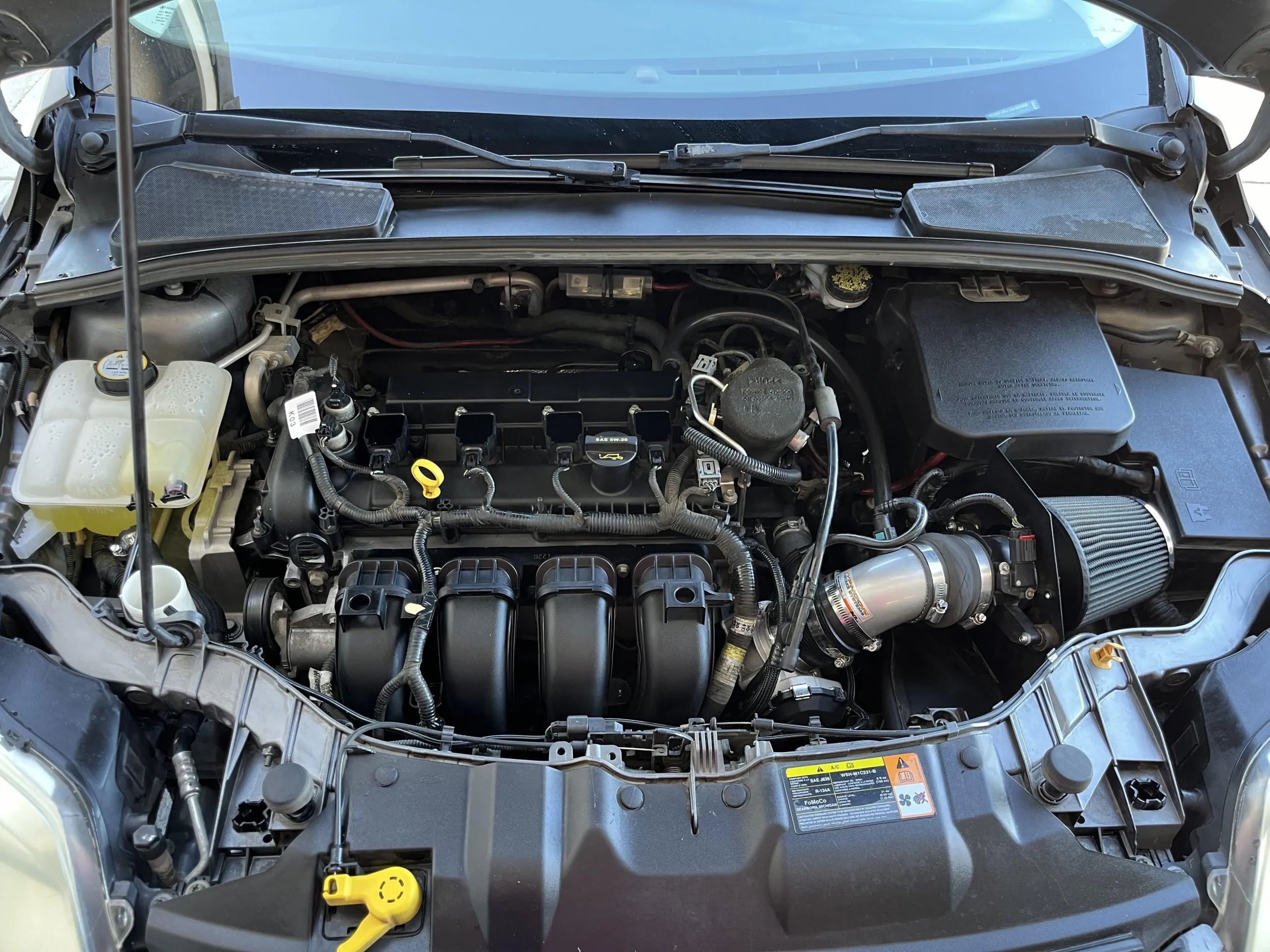
8: Ford 2.0 Duratec Engine
The Ford 2.0 Duratec engine is a widely used inline-four engine that has powered numerous Ford vehicles globally, including the Ford Focus, Ford Mondeo, and Ford Escape in different configurations. It is known for its balance of efficiency and moderate performance, but when evaluated strictly on long-term durability, it sits at the lower end of this ranking compared to other legendary four-cylinder engines.
One of the key strengths of the Duratec 2.0 is its relatively simple, naturally aspirated design in earlier versions. These versions avoid excessive turbocharging stress, which often contributes to long-term wear in modern engines.
The aluminum block and head construction helps reduce weight, but they also require consistent cooling system maintenance to avoid overheating issues over time. When properly maintained, the engine can reach high mileage, but it is not known for exceptional tolerance of neglect.
In terms of durability challenges, the Duratec 2.0 has faced some issues related to timing chain wear in certain production years, as well as occasional oil consumption problems in high-mileage units.
While these issues are not universal, they are common enough in long-term ownership reports to place this engine lower in a durability-focused ranking. Unlike more over-engineered Toyota or Honda counterparts, it does not have the same reputation for running reliably under harsh or inconsistent maintenance conditions.
Another important factor is that this engine performs best when serviced on a strict schedule. Oil changes, coolant system care, and ignition component maintenance are critical for long-term survival. When these conditions are met, the engine can perform well past 250,000 kilometers, but failure to maintain it properly can significantly reduce its lifespan.
The Ford 2.0 Duratec is a competent and widely used engine, but its durability reputation is more average than exceptional. It remains a practical choice in many markets, but compared to the most legendary inline-four engines in the automotive world, it does not rank among the top tier for long-term endurance.
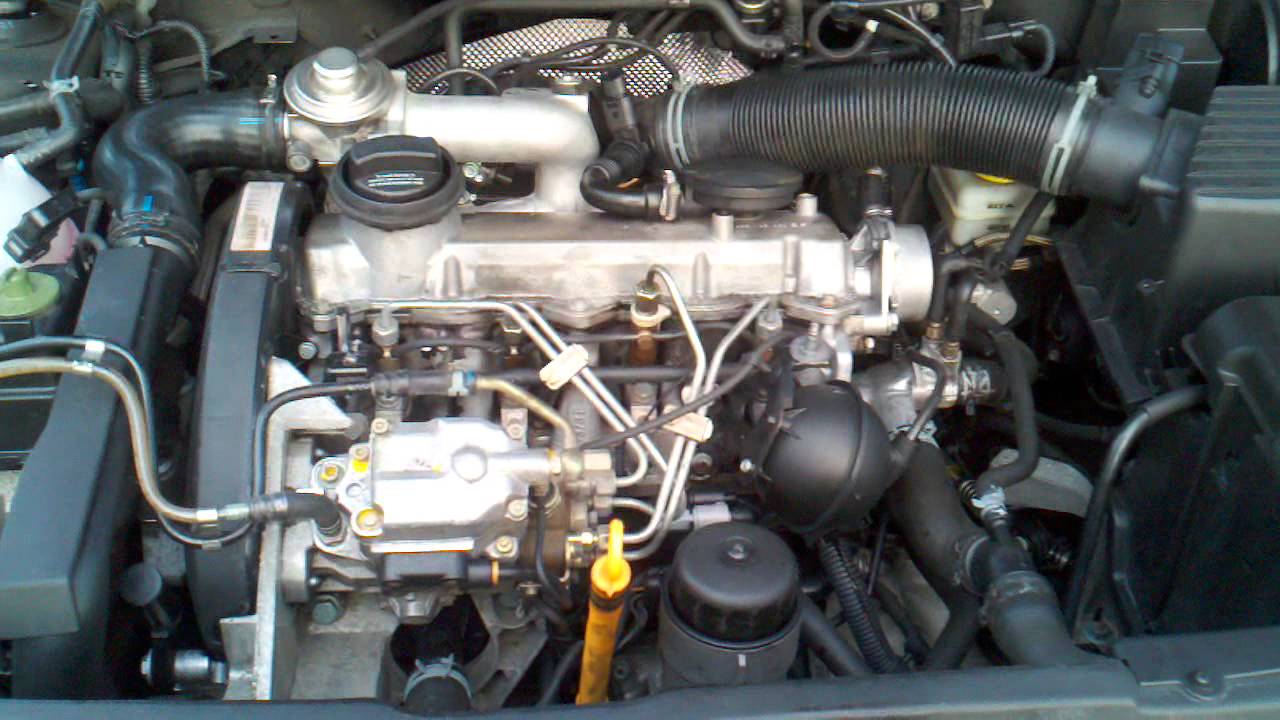
7: Volkswagen 1.9 TDI Engine
The Volkswagen 1.9 TDI is one of the most iconic diesel four-cylinder engines ever produced, widely recognized for its exceptional fuel economy and impressive long-term durability when properly maintained.
It powered a wide range of vehicles under the Volkswagen Group, including models from Volkswagen, Audi, Skoda, and SEAT, becoming especially popular in Europe for high-mileage driving and taxi fleets.
One of the strongest characteristics of the 1.9 TDI is its simple and robust mechanical foundation, particularly in earlier rotary pump versions. These engines were built with a strong iron block and a relatively low-stress design, allowing them to withstand extremely high mileage.
It is not uncommon to see well-maintained examples crossing 400,000 kilometers or even more, especially in highway-driven conditions where engine load remains stable.
The durability of this engine is closely linked to its conservative tuning. Unlike modern diesel engines that prioritize high power output and emissions compliance, the 1.9 TDI was engineered with longevity and efficiency in mind.
Lower boost pressure in earlier variants meant reduced stress on internal components such as pistons, rods, and the crankshaft.
The engine is not without weaknesses. Some later versions with pump nozzle technology introduced higher complexity, which slightly reduced long-term reliability compared to earlier models. Issues such as turbo wear, mass airflow sensor failure, and EGR valve clogging are commonly reported in high-mileage units. While these are not catastrophic failures, they do require maintenance attention over time.
Despite these concerns, the 1.9 TDI remains one of the most respected diesel four-cylinder engines in automotive history. Its combination of fuel efficiency, torque delivery, and long service life makes it a favorite among long-distance drivers and budget-conscious owners who prioritize longevity over refinement.
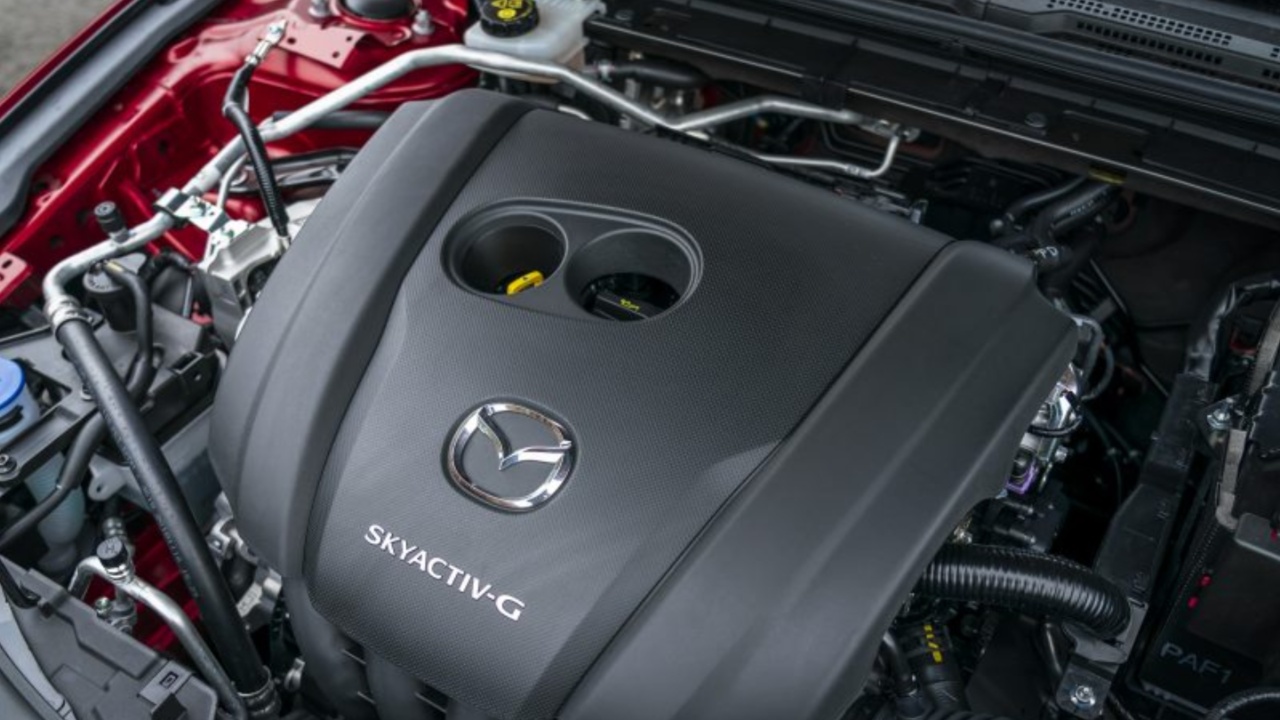
6: Mazda 2.0 SkyActiv G Engine
The Mazda 2.0 SkyActiv G engine represents a more modern approach to durability, combining efficiency improvements with relatively high compression engineering. Found in vehicles such as the Mazda 3, Mazda 6, and CX series models, this engine is known for its balance of fuel economy, responsiveness, and long-term mechanical stability.
One highlight of the SkyActiv G is its extremely high compression ratio for a gasoline engine. While this typically raises concerns about engine stress, Mazda addressed it through careful combustion design, lightweight internal components, and optimized thermal efficiency. The result is an engine that delivers strong fuel efficiency without relying heavily on forced induction.
In terms of durability, the SkyActiv G has proven to be a reliable long-term engine under regular maintenance conditions. Owners frequently report high-mileage performance exceeding 250,000 to 300,000 kilometers without major internal failures.
The engine benefits from a relatively simple naturally aspirated setup in many configurations, which reduces long-term mechanical risk compared to turbocharged alternatives.
It is important to note that this engine does require proper oil quality and consistent maintenance. Because of its high compression design, poor lubrication or extended oil change intervals can lead to premature wear. Additionally, carbon buildup on intake valves can occur over time due to direct injection, which is a common trait in modern gasoline engines.
The Mazda 2.0 SkyActiv G stands out as one of the more durable modern four-cylinder engines. It successfully bridges the gap between old-school reliability and modern efficiency demands, making it a strong contender in this ranking.
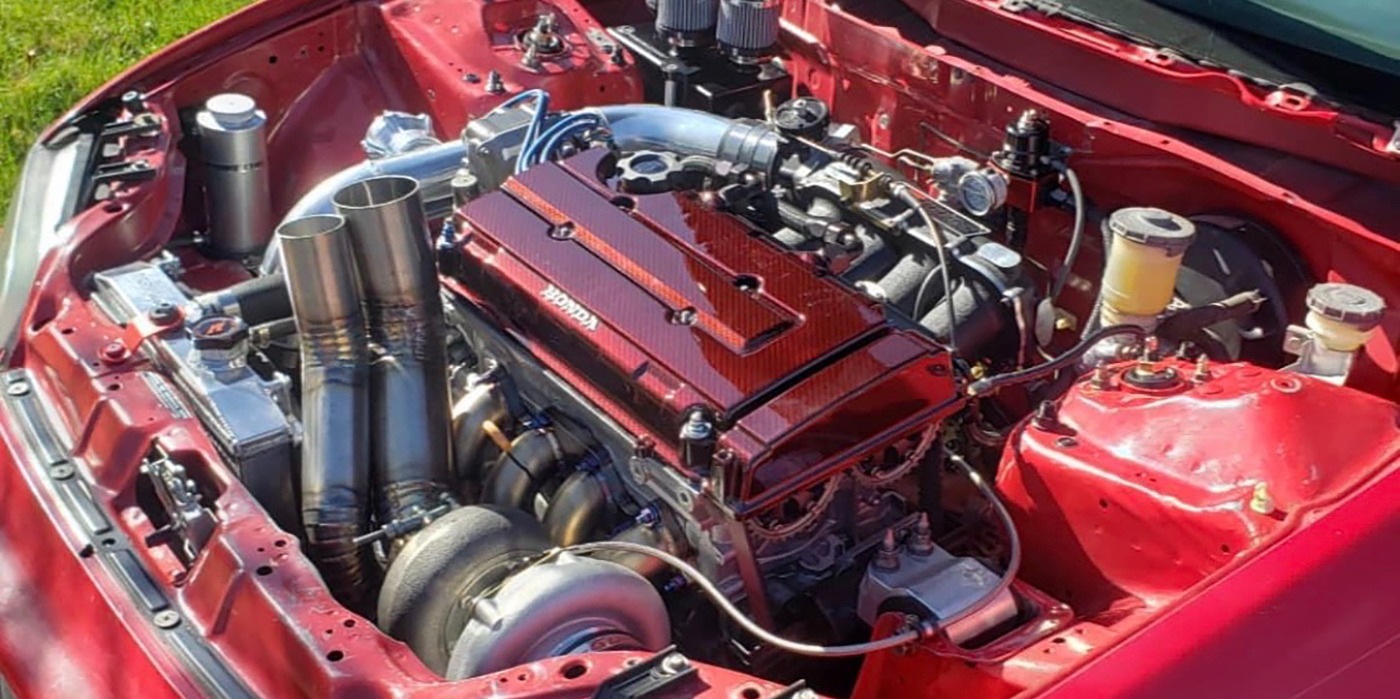
5: Honda K20 Engine
The Honda K20 engine is one of the most respected four-cylinder engines ever produced, known for its combination of performance potential and long-term reliability. Found in vehicles such as the Honda Civic Si, Acura RSX, and Honda Accord in certain markets, the K20 series has earned a strong reputation among both enthusiasts and daily drivers.
One of the defining strengths of the K20 engine is its exceptionally well-balanced internal design. Honda engineered this engine with high-precision tolerances, a strong aluminum block, and a robust valvetrain system. The engine is capable of operating at relatively high RPMs while maintaining structural integrity, which is uncommon among mass-market four-cylinder engines.
From a durability standpoint, the K20 is known to regularly exceed 300,000 kilometers when properly maintained.
Its naturally aspirated variants, in particular, are highly reliable due to their simpler design and lower thermal stress compared to turbocharged engines. The engine also benefits from Honda’s reputation for engineering accuracy, which reduces mechanical inconsistencies over time.
The K20 is not completely free of issues. Some versions may experience oil consumption at high mileage, and VTEC system components require proper maintenance to ensure long-term performance. Additionally, aggressive driving habits can accelerate wear, especially in performance-oriented variants.
The Honda K20 engine represents one of the best combinations of reliability and engineering refinement in the four-cylinder category. It is widely regarded as a benchmark engine in the automotive world and continues to be popular in both stock and modified applications.
Also Read: 8 Hidden Features in the Cadillac Lyriq
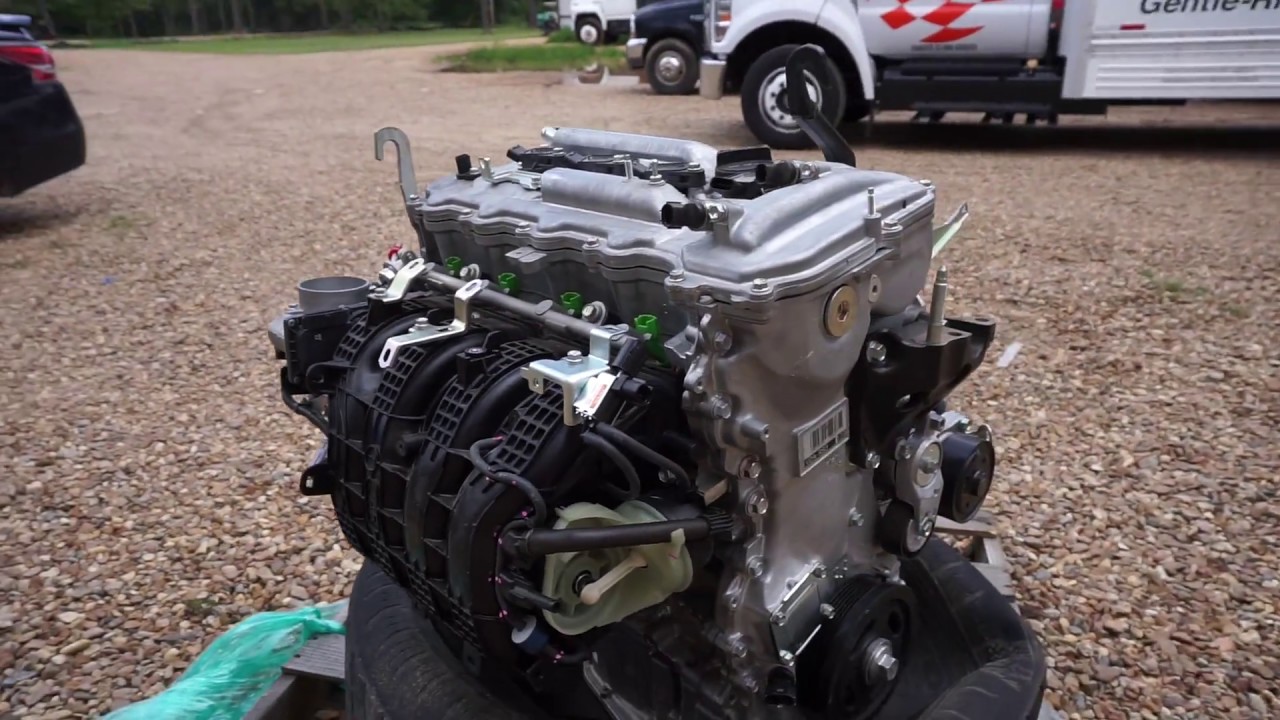
4: Toyota 2AR-FE Engine
The Toyota 2AR-FE engine is one of Toyota’s most dependable modern four-cylinder engines, widely used in vehicles such as the Toyota Camry, RAV4, and Highlander. It is part of Toyota’s AR engine family, which is designed with a strong focus on long-term reliability and global usability.
One of the main strengths of the 2AR-FE is its conservative engineering approach. Toyota prioritized durability over performance, resulting in a naturally aspirated engine with balanced output and low internal stress. The aluminum block is reinforced with a strong design structure that helps maintain stability even at high mileage.
This engine is widely known for its ability to exceed 300,000 kilometers with minimal internal issues when serviced properly. It is especially popular in taxi fleets and long-term rental markets due to its predictable maintenance needs and low failure rate. The engine also benefits from a simple timing chain system, reducing long-term maintenance costs.
The 2AR-FE is not entirely without drawbacks. Some users report minor oil consumption issues at very high mileage, and the engine is not designed for high-performance applications. Additionally, carbon buildup in intake systems can occur over time due to modern fuel injection systems.
The Toyota 2AR-FE is one of the most trusted modern four-cylinder engines in the world. Its balance of simplicity, efficiency, and proven durability makes it a strong candidate for long-term ownership.
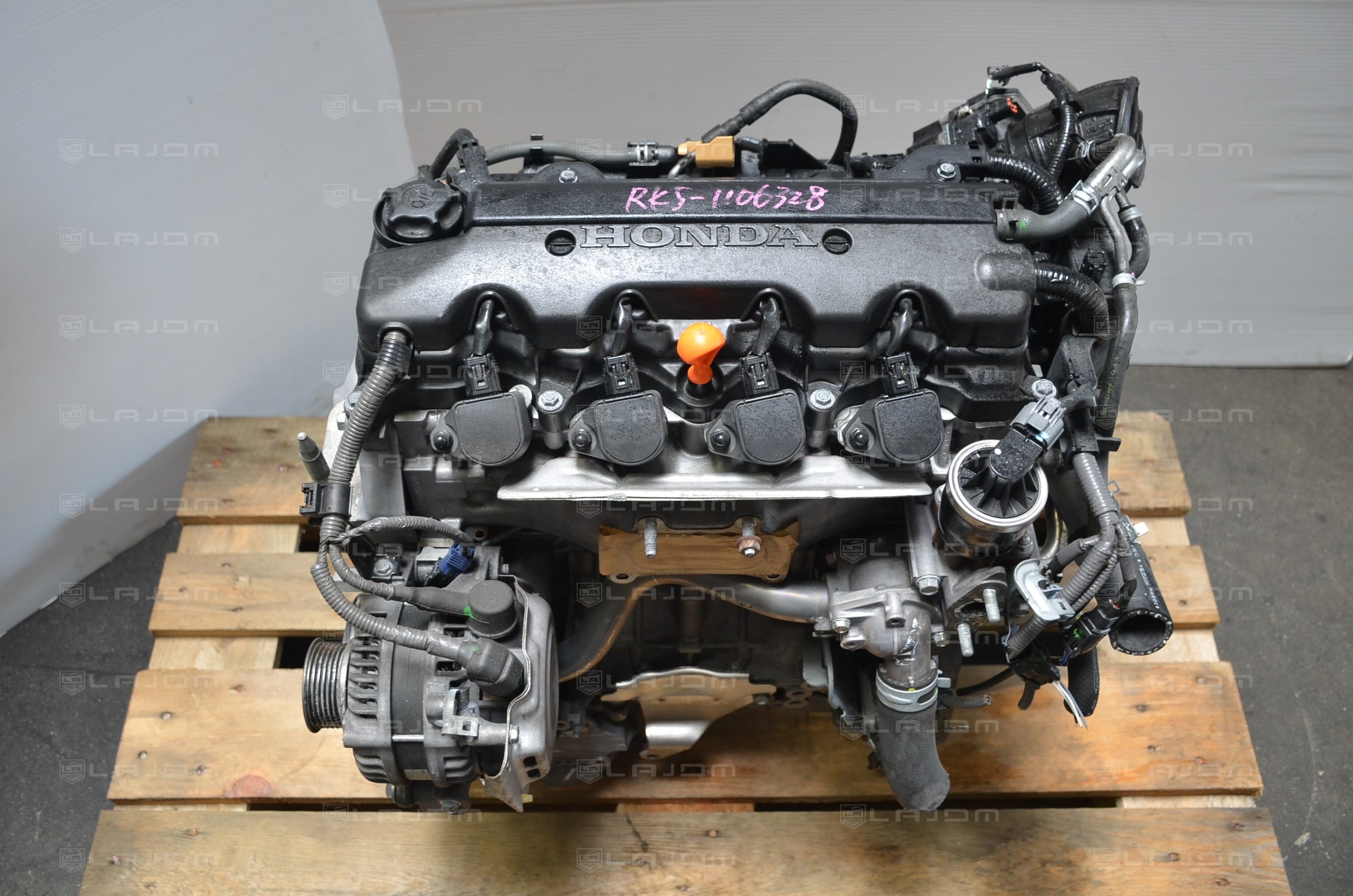
3: Honda R18 Engine
The Honda R18 engine, found in vehicles such as the Honda Civic and Honda Stream, is one of Honda’s most efficient and durable economy-focused engines. It is designed primarily for fuel efficiency and daily commuting, but it has also proven to be highly reliable over long periods of use.
One of the key strengths of the R18 engine is its simplicity. It uses a single overhead cam design with i VTEC technology optimized for fuel efficiency rather than performance. This reduces mechanical complexity and improves long-term durability. The engine block and internals are engineered to withstand consistent daily use with minimal wear.
In real-world usage, the R18 is known to easily exceed 300,000 kilometers when maintained properly. It performs particularly well in urban driving conditions and moderate highway usage. Its fuel efficiency also contributes to reduced engine strain over time.
The engine does have some limitations. It is not designed for high-performance applications, and aggressive driving can reduce its lifespan. Additionally, valve adjustment requirements and ignition system maintenance must be followed carefully to maintain long-term smooth operation.
The Honda R18 is one of the most dependable economy four-cylinder engines ever produced, with a strong reputation for long-term stability and low running costs.
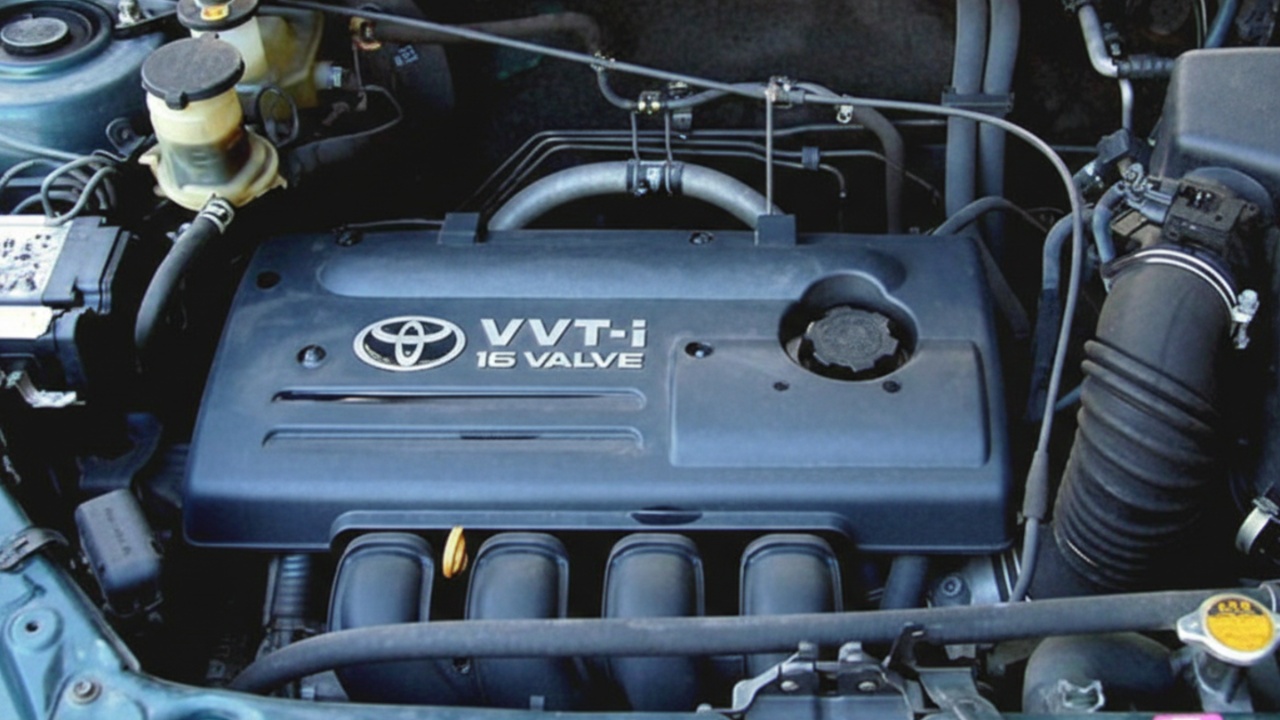
2: Toyota 1ZZ-FE Engine
The Toyota 1ZZ-FE engine is one of the most widely used Toyota four-cylinder engines from the late 1990s and early 2000s, powering models such as the Corolla, Celica, and Matrix. It is known for its simplicity, lightweight design, and strong reliability record.
One of the main advantages of the 1ZZ-FE is its extremely simple construction. It uses an aluminum block with a focus on reducing weight and improving fuel efficiency. Despite its lightweight nature, the engine has proven to be highly durable under normal driving conditions.
Many real-world examples show the 1ZZ-FE surpassing 300,000 kilometers with proper maintenance. It is especially known for its low maintenance costs and predictable mechanical behavior. Parts availability is also excellent due to its widespread use globally.
The engine is not without known issues. Early versions suffered from oil consumption problems due to piston ring design, which became a well-documented concern in high-mileage units. Once addressed in later revisions, reliability improved significantly.
Despite this, the 1ZZ-FE remains one of Toyota’s most durable and widely respected economy engines, particularly when maintained properly.
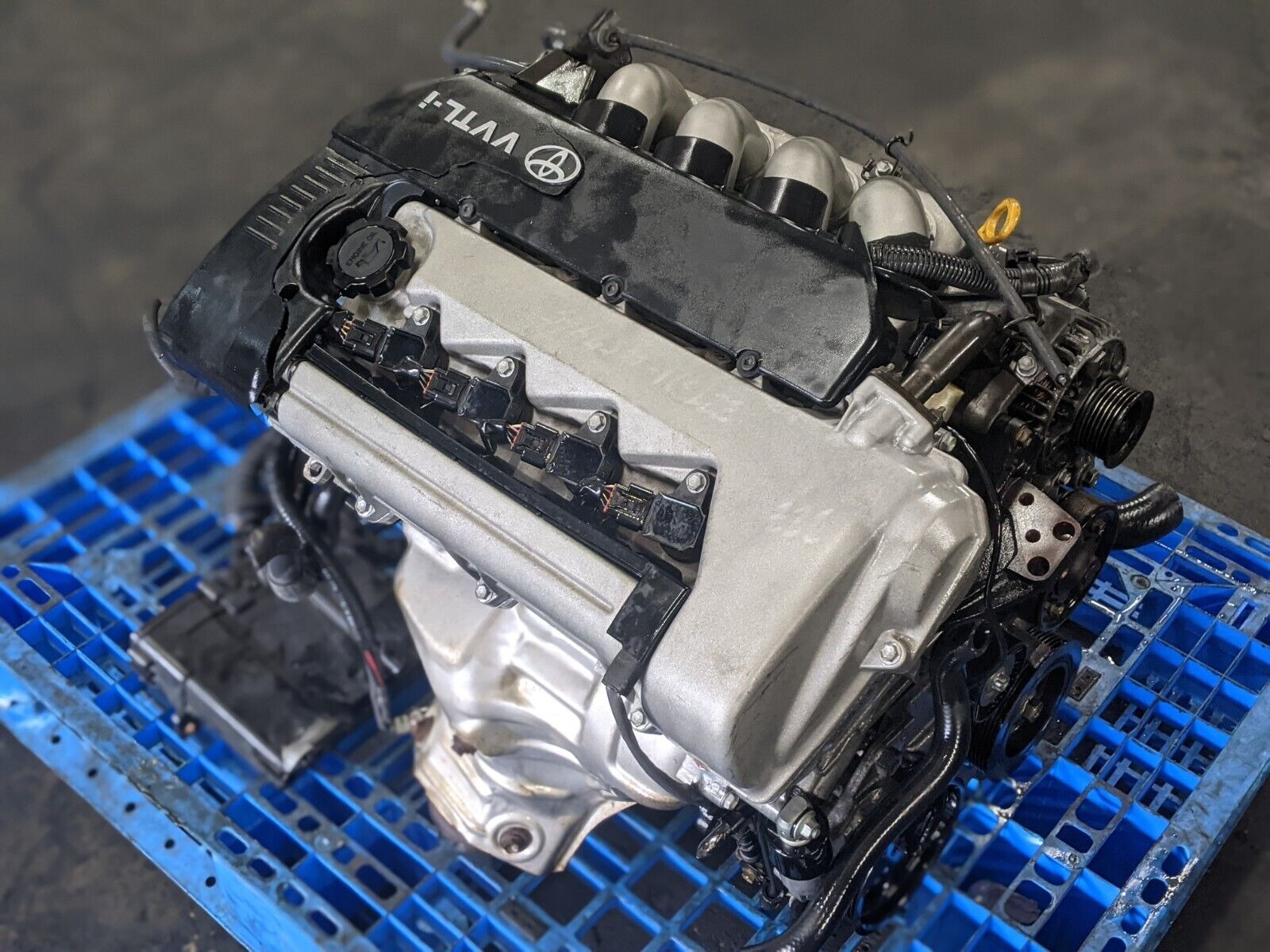
1: Toyota 2ZZ-GE Engine
The Toyota 2ZZ-GE engine earns the top position in this ranking due to its unique combination of high-performance engineering and proven long-term durability. Developed in collaboration with Yamaha, this engine was used in vehicles such as the Toyota Celica GT-S, Lotus Elise, and Toyota Corolla T Sport.
One of the most impressive aspects of the 2ZZ-GE is its high-revving capability combined with strong internal engineering. Unlike many performance-oriented four-cylinder engines that sacrifice reliability for power, the 2ZZ-GE maintains a strong balance between the two. It features forged components in key areas and a high-precision valvetrain system.
When properly maintained, this engine can deliver exceptional longevity even under spirited driving conditions. It is not uncommon to see high-mileage examples still performing strongly, particularly in vehicles that have been serviced regularly with high-quality oil and cooling system maintenance.
However, the engine does require careful maintenance. Low oil levels or neglected servicing can quickly lead to wear in performance-oriented conditions. Despite this, its engineering strength places it above most other four-cylinder engines in terms of combined durability and performance resilience.
The 2ZZ-GE stands out because it proves that a high-revving performance engine can also be long-lasting when engineered correctly. This balance is what earns it the number one position in this ranking.
