
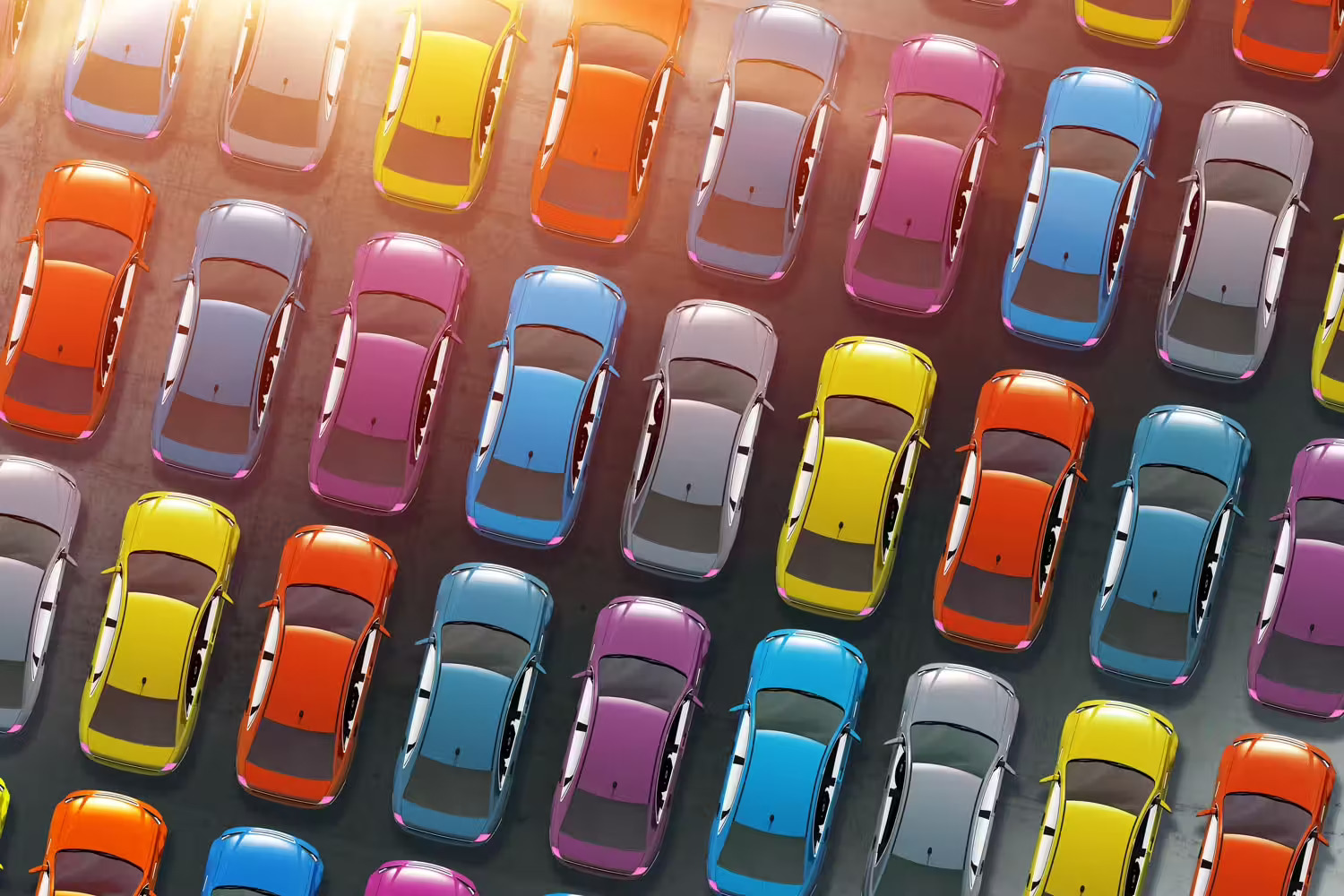
When buying a new car, most people focus on factors such as price, fuel efficiency, engine performance, reliability, safety features, and comfort. One important factor that often gets overlooked is the color of the vehicle.
While paint color may seem like a simple personal preference, it can have a noticeable impact on how easily a car sells later and how much value it retains over time. A vehicle’s color can influence buyer demand in the used car market, affect how quickly it attracts attention from potential buyers, and sometimes even change the final resale price.
Car colors are closely connected to consumer behavior and market trends. Some shades have broad appeal because they look professional, clean, and suitable for different types of drivers. These colors often perform well in resale markets because they appeal to a larger group of buyers.
A person purchasing a used car may be more willing to consider a white, black, gray, or silver vehicle because these shades are considered practical and easier to maintain visually. They also tend to work well across different vehicle categories, including sedans, SUVs, trucks, and luxury vehicles.
A bold color can become a disadvantage if a buyer wants a vehicle that feels neutral, professional, or easy to sell in the future. This does not mean unique colors are always bad. In certain situations, rare colors can even increase interest, especially for performance cars, collector vehicles, or limited-edition models. However, for everyday vehicles, mainstream colors usually have an advantage.
The relationship between color and resale value is not as simple as saying one color is always better than another. Factors such as vehicle condition, maintenance history, mileage, brand reputation, location, and market demand also play major roles.
Also Read: 10 SUVs With the Most Affordable Replacement Parts
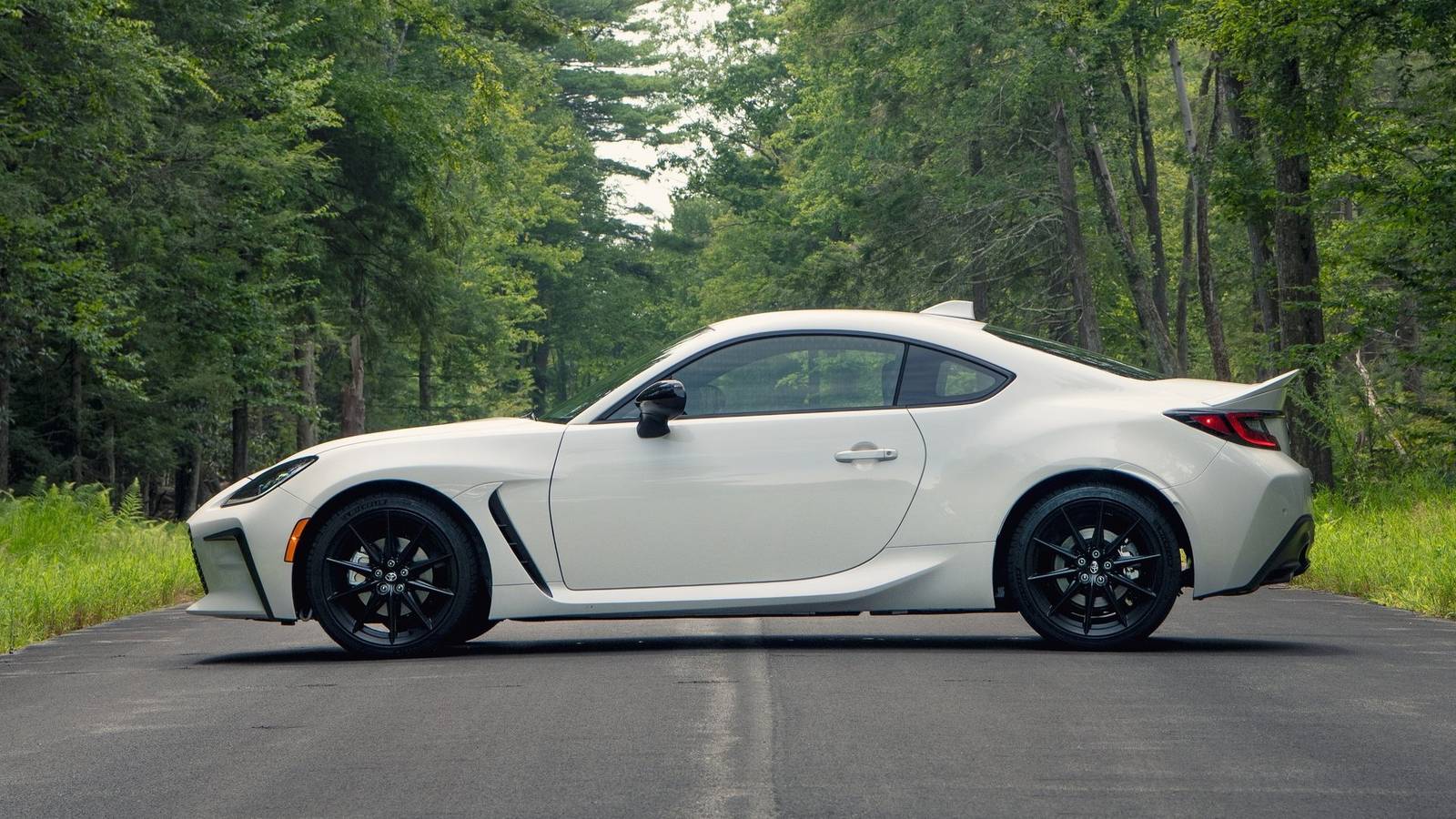
1. White Cars: A Popular Choice That Holds Strong Resale Value
White has consistently remained one of the safest choices for car buyers who care about resale value. The reason is simple: white vehicles appeal to a wide range of people.
Whether someone is purchasing a family SUV, a business sedan, a compact commuter car, or a premium vehicle, white is usually considered a clean, modern, and practical option. Because the potential buyer pool is larger, white cars often experience strong demand when they enter the used vehicle market.
One major advantage of white paint is that it gives vehicles a fresh and polished appearance when properly maintained. White cars often hide minor scratches and small imperfections better than darker colors, especially when compared with black paint.
Dust, light dirt, and small marks are generally less noticeable, which can help a vehicle appear better cared for during resale inspections and private showings. A cleaner appearance can create a stronger first impression for potential buyers.
White is also popular because it works well across almost every vehicle segment. A white family SUV can look practical and spacious, while a white luxury sedan can appear elegant and sophisticated.
Many manufacturers offer white as a standard or widely available color because they know customers often prefer it. This widespread availability helps maintain demand in the secondhand market because buyers are already familiar with the color.
One reason white vehicles tend to retain value is their association with modern design trends. Many electric vehicles, premium cars, and futuristic-looking models are frequently promoted in white because the color highlights smooth body lines and advanced styling.
As automotive designs continue to evolve, white remains a color that feels contemporary rather than outdated. This long-term appeal helps protect resale interest.
Despite these considerations, white remains one of the strongest choices for owners who want a balance between personal style and future resale potential.
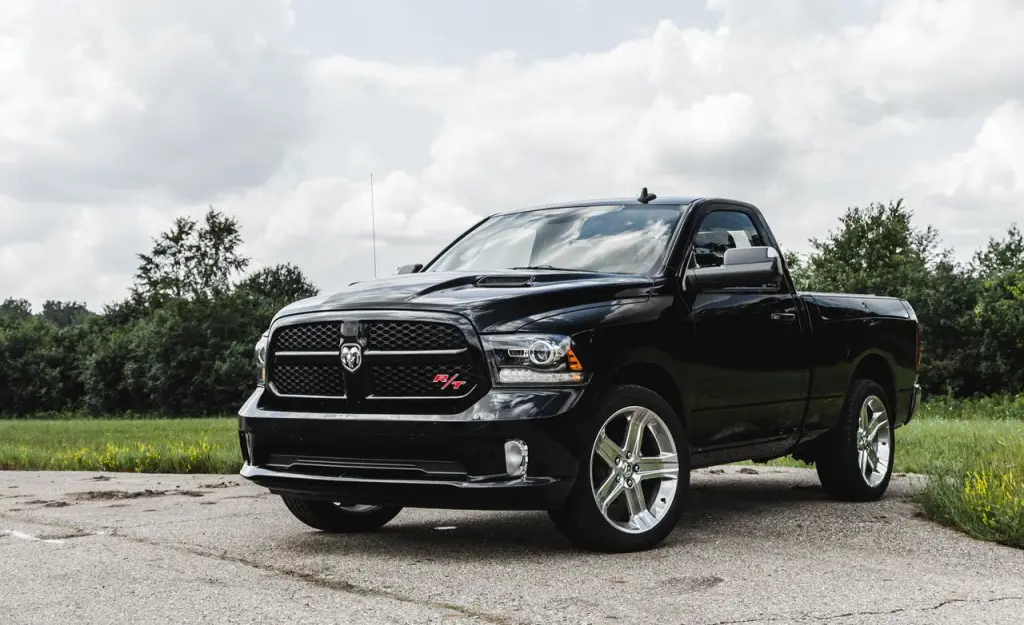
2. Black Cars: Classic Appearance With Strong Buyer Demand
Black is another color that traditionally performs well in resale markets. It has a reputation for making vehicles look more expensive, powerful, and premium.
Many luxury manufacturers use black extensively because it creates a sophisticated appearance that appeals to buyers looking for an upscale image. From executive sedans to high-performance cars and large SUVs, black remains a popular choice among consumers.
One reason black vehicles maintain value is their timeless appearance. Unlike certain trend-based colors that may become outdated after a few years, black has remained popular for decades. It creates a sleek appearance and works well with different design styles.
A black vehicle from several years ago can still look modern if it has been maintained properly. This timeless quality helps keep demand steady in the used market.
Black cars are especially attractive to buyers shopping for luxury vehicles. Many people associate black with professionalism, elegance, and status. Business owners, executives, and drivers who want a more serious-looking vehicle often choose black. Because these buyers frequently consider appearance an important factor, black vehicles can maintain strong resale appeal.
However, black paint has some disadvantages that owners should understand. Unlike white or silver, black tends to show dust, water spots, scratches, and paint imperfections more easily. A poorly maintained black car can quickly look older than it actually is.
Regular washing, polishing, and proper care are important to preserve its appearance. During resale, a clean and glossy black vehicle can attract buyers, while a neglected one may struggle.
The resale strength of black vehicles depends heavily on the type of car. A black sports car, luxury sedan, or premium SUV often benefits from the color’s image.
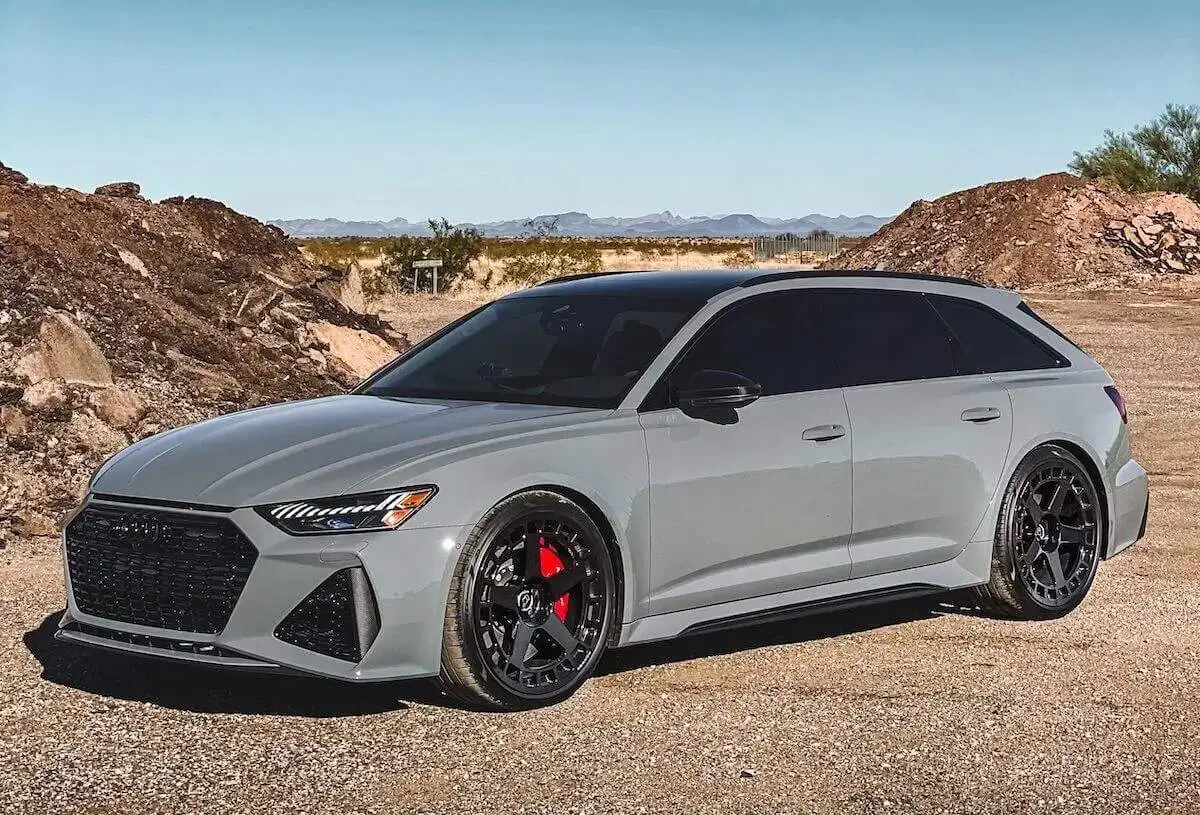
3. Gray Cars: A Balanced Color With Long-Term Appeal
Gray has become increasingly popular among car buyers because it combines the benefits of traditional colors while offering a slightly more modern appearance.
It sits between black and silver, providing a sophisticated look without some of the maintenance challenges associated with darker paint. Gray vehicles often perform well in resale markets because they appeal to buyers who want something practical but not overly common.
One of the biggest strengths of gray is its ability to complement modern vehicle designs. Many newer cars feature sharp lines, bold shapes, and advanced styling elements, and gray paint often highlights these details effectively. It gives vehicles a refined appearance that works well on both affordable and premium models. This versatility helps gray maintain broad market appeal.
Gray also performs well because it hides everyday dirt and minor imperfections better than black. For used car buyers, appearance matters because the exterior condition influences their perception of how well the vehicle was maintained.
A gray vehicle that has been regularly serviced and cleaned can continue looking attractive even after years of use. This can make it easier to sell compared with colors that show wear more clearly.
Many manufacturers have expanded their gray color options, including darker graphite shades and lighter metallic finishes. These variations allow buyers to choose a style that feels unique while still staying within a resale-friendly color category. Unlike highly customized colors, gray maintains a wide audience because it remains neutral and professional.
For buyers thinking about long-term ownership, gray is often a smart compromise. It provides a modern appearance, requires less visible maintenance than darker shades, and appeals to many used car shoppers.
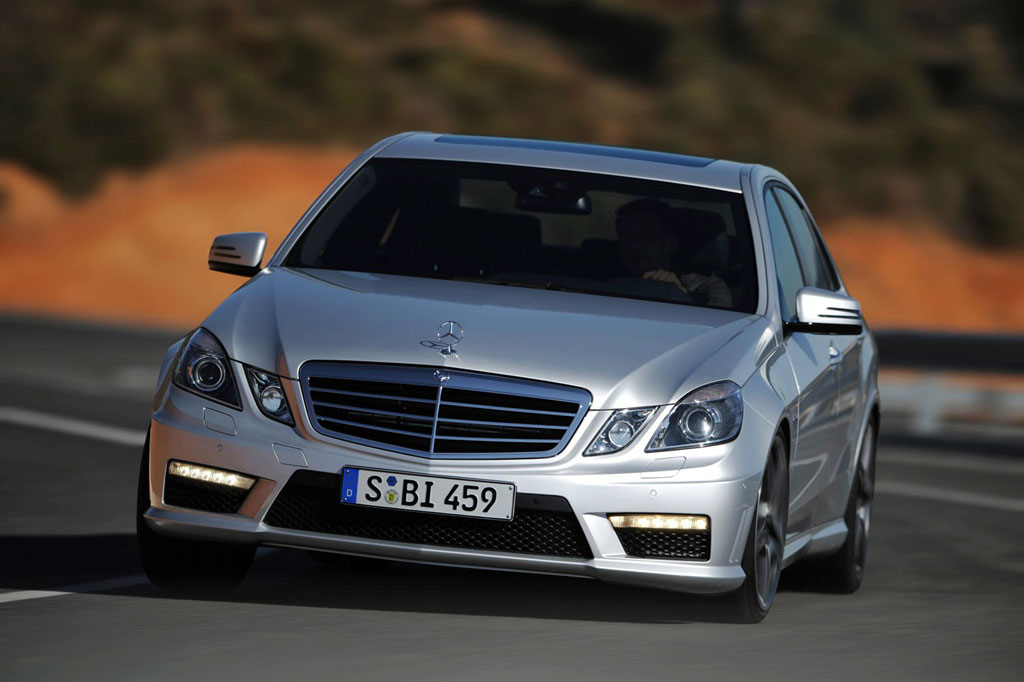
4. Silver Cars: Practical, Reliable, and Easy to Sell
Silver has been one of the most consistent car colors in the automotive market for many years. Although trends have shifted toward other neutral shades, silver continues to maintain a strong reputation among buyers who prioritize practicality and long-term ownership value.
It is a color that blends professionalism with everyday convenience, making it a popular option for commuters, families, and business users.
One of the biggest advantages of silver vehicles is their ability to hide normal wear and tear. Unlike black paint, which can quickly reveal dust, scratches, and water marks, silver tends to maintain a cleaner appearance between washes.
This is especially valuable for used car buyers who want a vehicle that looks well-maintained without requiring constant detailing. A silver car with average maintenance can often appear newer compared with a darker vehicle in similar condition.
Silver also has a broad appeal because it works across many vehicle categories. A silver hatchback looks practical and efficient, while a silver SUV can appear modern and premium.
The color does not strongly favor a specific type of buyer, which helps maintain demand in the resale market. When a car attracts different types of customers, sellers usually have a better chance of finding interested buyers quickly.
Another reason silver vehicles often hold value is their connection with automotive technology and modern design. Many manufacturers use metallic silver finishes to highlight aerodynamic shapes, advanced features, and futuristic styling.
Electric cars, luxury models, and performance vehicles frequently use silver tones because the color gives a sense of precision and engineering.
Despite its advantages, silver may not always command the same emotional appeal as black or white. Some buyers consider it too common or less exciting compared with brighter options.
However, when resale value is the priority, emotional excitement is often less important than broad market acceptance. Silver’s practical benefits and wide buyer appeal help it remain one of the stronger choices for maintaining vehicle value.
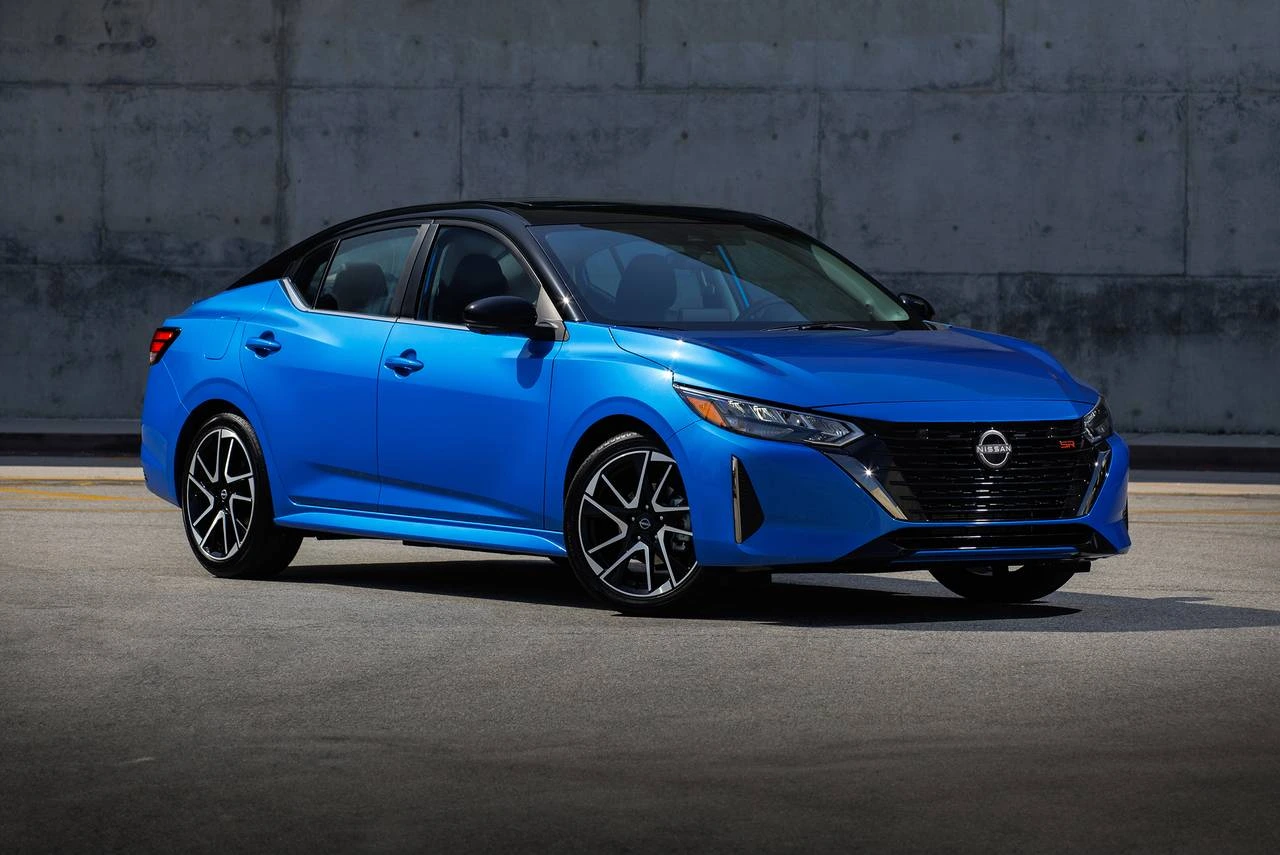
5. Blue Cars: A Color With Strong Appeal When the Shade Is Right
Blue is one of the few non-neutral colors that can perform well in resale markets. Unlike extremely bold shades, blue offers personality while still maintaining a level of practicality. Many buyers appreciate blue because it feels stylish, modern, and distinctive without being too unusual. The success of a blue vehicle depends greatly on the specific shade.
Darker blue shades, such as navy or deep metallic blue, often perform better than extremely bright versions. These darker tones provide a premium appearance similar to black while adding a small amount of individuality.
They are commonly seen on sedans, SUVs, and luxury vehicles because they create an elegant and professional look. Buyers who want something different from black or gray often choose these shades.
Blue also has a strong emotional connection with many consumers. It is often associated with trust, calmness, and reliability. These qualities can influence purchasing decisions, especially when buyers are choosing between similar used vehicles. A well-maintained blue car may stand out positively because it offers personality without appearing difficult to resell.
Certain automotive brands have also built strong identities around blue colors. Performance vehicles, sporty trims, and special editions often use unique blue finishes to create excitement.
In these cases, a specific blue shade can sometimes increase interest among enthusiasts. Limited production vehicles with recognizable blue paint can even become desirable in enthusiast communities.
However, not all blue vehicles perform equally. Bright electric blue, neon blue, or unusual custom shades may reduce the number of interested buyers because they appeal to a smaller audience.
Also Read: 10 Heaviest Pickup Trucks Ever Built & Ranked by Weight
Colors That Often Lose Resale Value
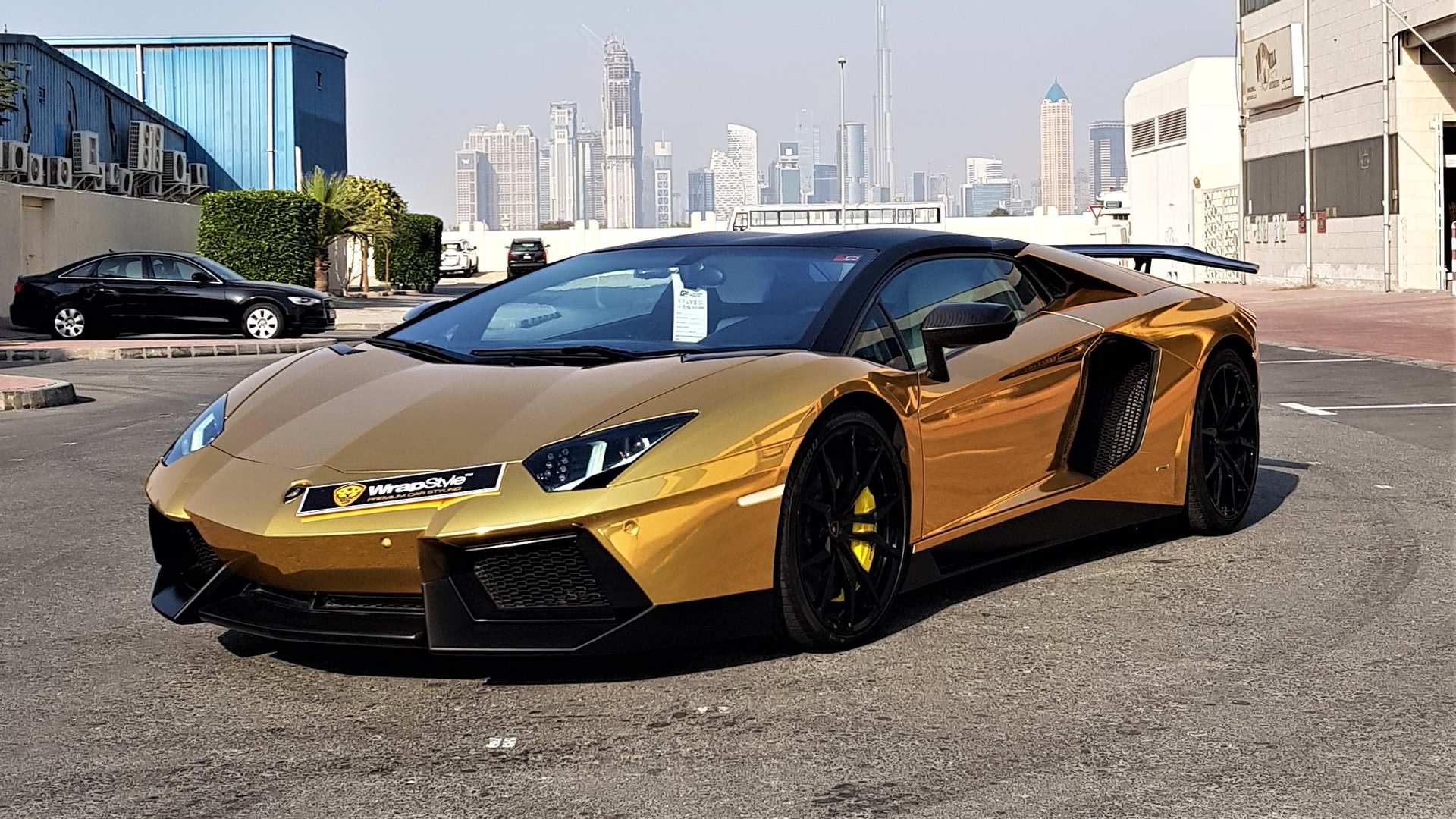
1. Gold Cars: A Style That Has Lost Popularity
Gold was once considered a premium and luxurious color for vehicles, especially during certain periods when manufacturers promoted champagne and metallic gold finishes on upscale models.
However, changing consumer preferences have reduced its popularity in many markets. Today, gold cars often face more challenges during resale because fewer buyers actively search for them.
One reason gold vehicles struggle is that the color has become associated with older design trends. While automotive styling changes over time, some colors age faster than others. Many used car buyers looking for modern vehicles prefer neutral colors such as white, black, gray, and silver because they feel more current. Gold can sometimes make a vehicle appear older than its actual age.
Another challenge is limited buyer demand. When selling a used vehicle, the goal is to attract as many potential customers as possible. A smaller group of buyers may be interested in gold compared with more universally accepted colors. This reduced audience can lead to longer selling times or require sellers to accept lower offers.
Gold can also be difficult to match with certain vehicle designs. While it may look attractive on specific luxury cars, it does not always complement sporty vehicles, compact cars, or SUVs.
That does not mean gold vehicles have no value. A rare classic car, luxury model, or collector vehicle in a well-preserved gold finish may attract enthusiasts. However, for everyday vehicles where resale value is the main concern, gold is usually a less practical choice.
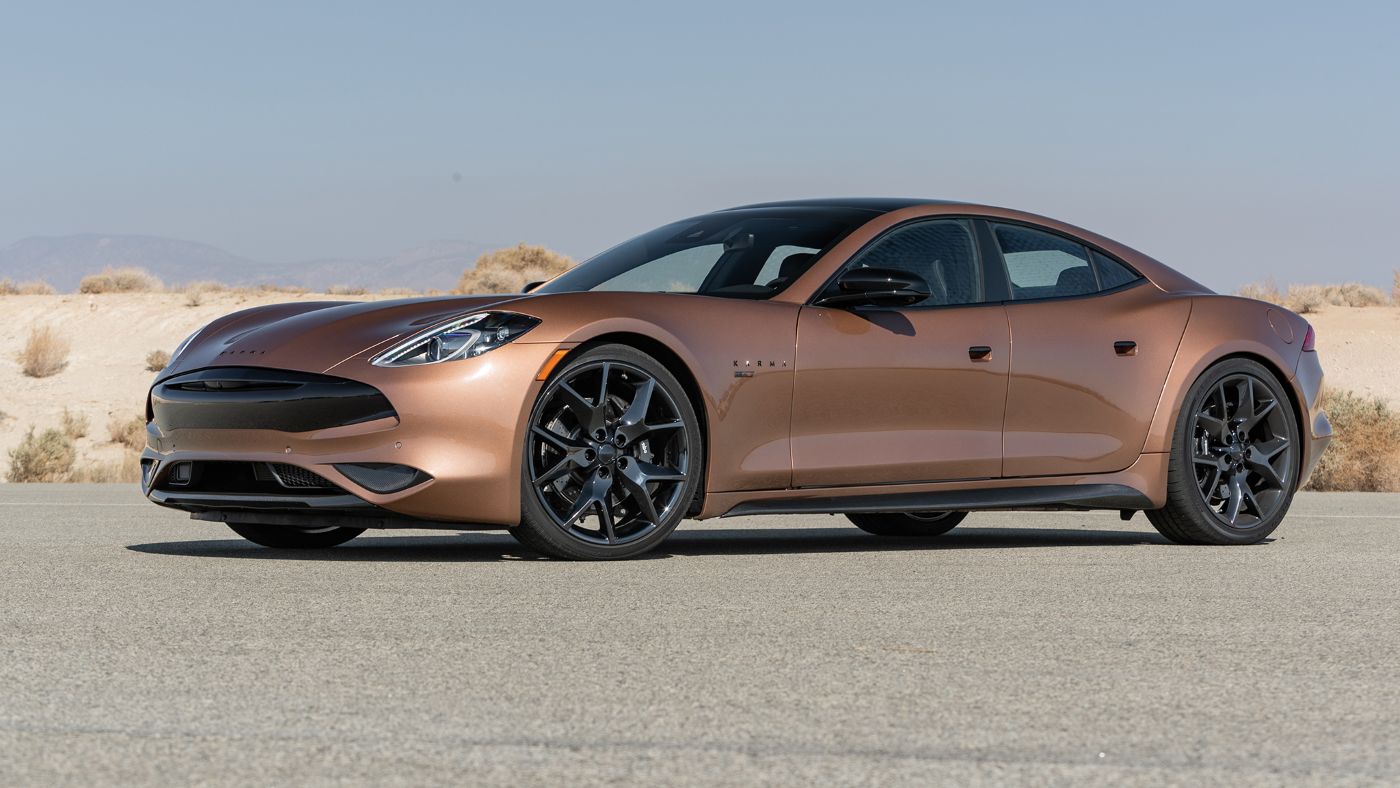
2. Brown Cars: Unique but Limited in Demand
Brown is a color that has experienced ups and downs in automotive popularity. Some manufacturers have introduced attractive brown metallic finishes that create a premium appearance, especially on SUVs and luxury vehicles. However, brown remains a relatively uncommon choice, and that limited popularity can make resale more challenging.
The main issue with brown vehicles is that they appeal to a smaller group of buyers. Many customers looking at used cars prefer colors that feel modern, clean, and versatile.
Brown can sometimes be viewed as unconventional, which may cause buyers to overlook otherwise excellent vehicles. A strong mechanical condition does not always overcome a color preference barrier.
Brown also depends heavily on the exact shade. A rich metallic brown can look elegant and expensive, while a dull brown may appear outdated. This difference makes the color more unpredictable in the resale market. Buyers who love the shade may appreciate it, but those who do not may quickly move on to a new vehicle.
In recent years, some premium manufacturers have successfully used brown tones to create luxury-focused designs. These vehicles often target buyers who appreciate uniqueness and craftsmanship. However, for average cars and mainstream models, brown generally does not have the same resale strength as neutral colors.
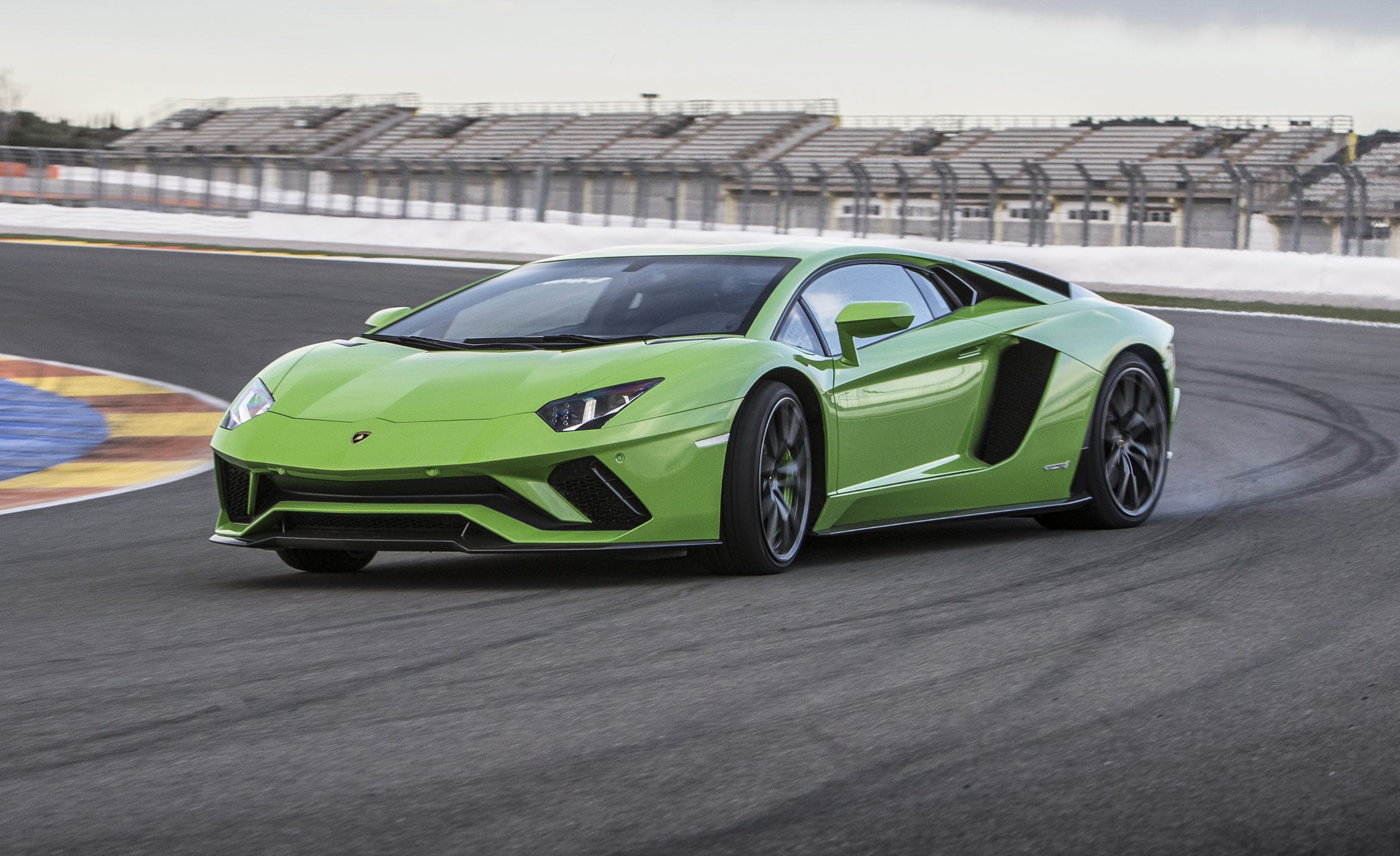
3. Green Cars: Attractive to Some Buyers but Difficult to Resell
Green is a color that creates strong opinions among car buyers. Some people love it because it feels unique, energetic, and connected with nature, while others avoid it because they consider it less practical.
This difference in opinion makes green vehicles more challenging when they enter the resale market. Unlike neutral colors that appeal to a majority of buyers, green often attracts a smaller but more specific audience.
Historically, green has been associated with certain types of vehicles, including off-road models, performance cars, and specialty editions.
Dark forest green shades can create a premium and adventurous appearance, especially on larger SUVs and rugged vehicles. Some enthusiasts actively search for specific green shades because they offer individuality and character. However, this interest is usually limited compared with the broad demand for white, black, gray, or silver vehicles.
The biggest challenge with green cars is that color preference is highly personal. A buyer who dislikes green may completely ignore a vehicle regardless of its condition, features, or price. This can reduce the number of potential customers during resale. When fewer buyers are interested, sellers may need to wait longer or offer a more attractive price to complete the sale.
Bright green shades often face even greater resale challenges. Colors such as lime green or neon green are usually designed to create attention and excitement when the vehicle is new.
They can be appealing for sports cars or enthusiast vehicles, but they may not match the preferences of everyday buyers. Many used car shoppers prefer vehicles that feel timeless and suitable for different situations.
However, green is not always a poor choice. Certain rare vehicles, collector models, and limited editions can benefit from unique green paint because enthusiasts may consider the color part of the vehicle’s identity.
A classic performance car in a famous factory green shade may even become more desirable because of its distinctive appearance. The key difference is that specialty vehicles have different buyers than regular transportation vehicles.
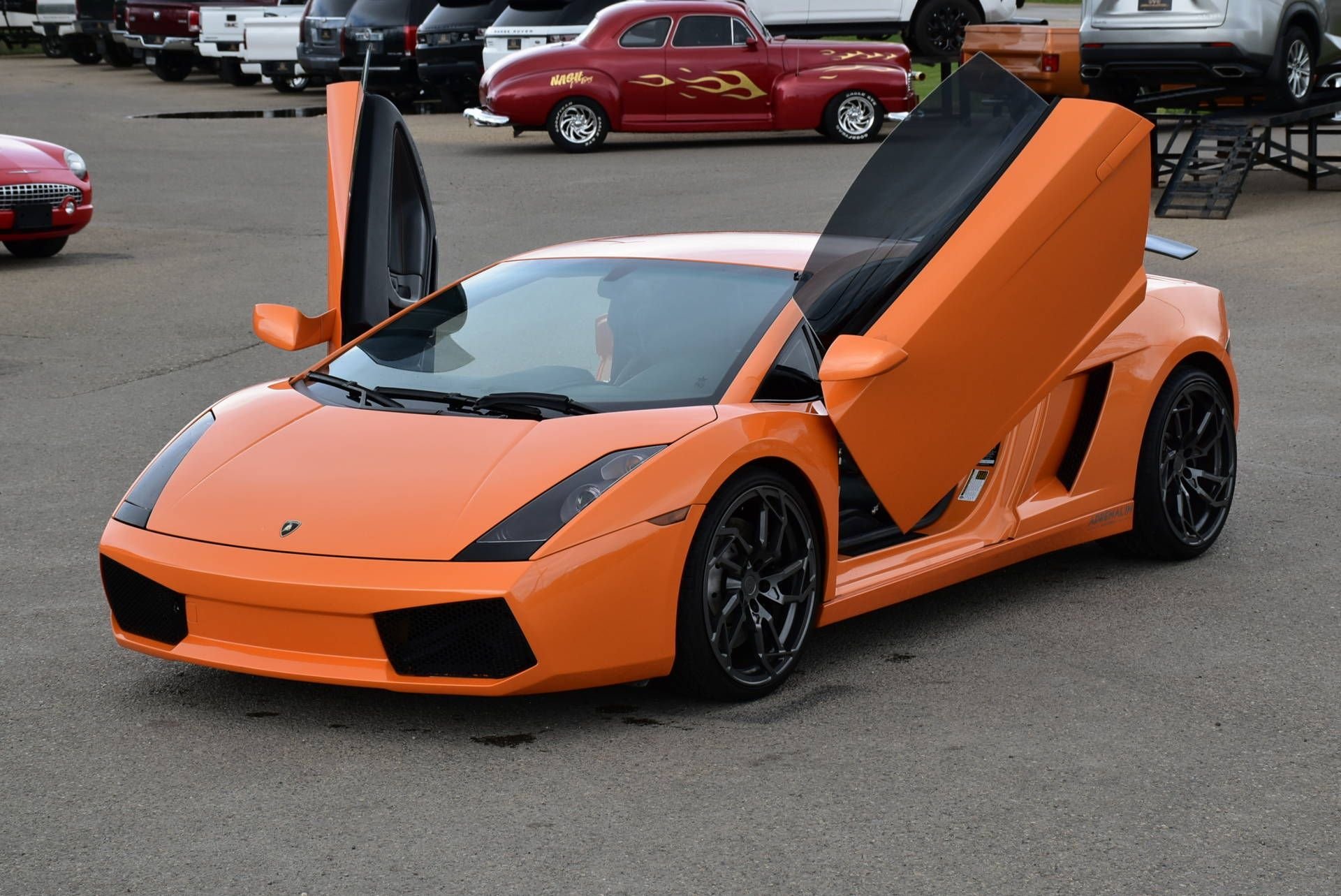
4. Orange Cars: High Personality but Low General Demand
Orange is one of the most noticeable car colors available. It represents energy, confidence, and performance, which is why it is often used on sports cars, racing-inspired models, and special edition vehicles. While orange can make a car stand out immediately, its strong personality also limits its appeal among many used car buyers.
The main reason orange vehicles struggle in resale markets is that they attract a specific type of customer. Some buyers love the bold appearance, while others prefer something more traditional.
Orange can work extremely well on certain vehicles. A sports coupe, performance SUV, or enthusiast-focused model may actually benefit from the color because buyers in those categories often want something exciting and different. In these situations, orange can become part of the vehicle’s identity and may attract attention from the right audience.
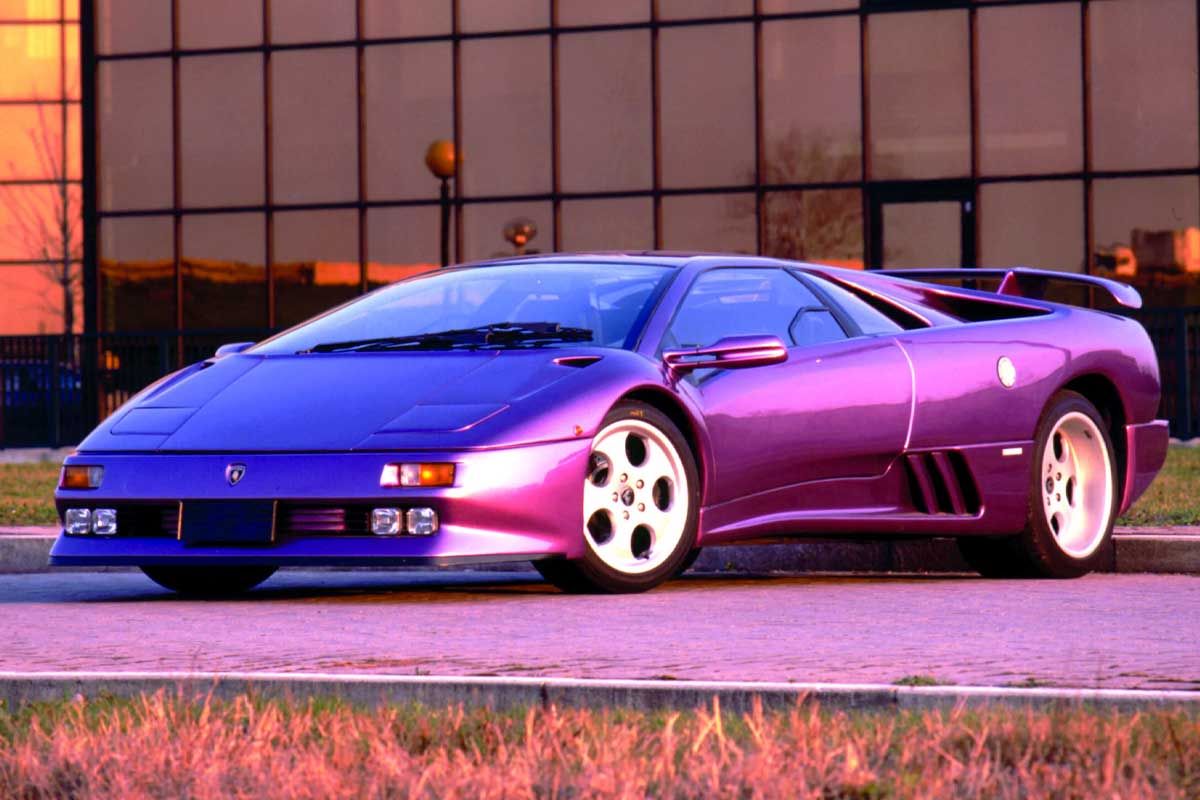
5. Purple Cars: Rare Appeal With a Smaller Buyer Audience
Purple is one of the rarest colors found on everyday vehicles, and that rarity can create both advantages and disadvantages. A purple car can look unique, stylish, and memorable, but it also limits the number of potential buyers when the vehicle is sold. Since resale markets depend heavily on broad demand, uncommon colors often face additional challenges.
One reason purple struggles is that it is highly associated with personal taste. Some buyers consider it creative and attractive, while others may immediately reject it. Unlike colors such as white or gray, which are considered safe choices for almost anyone, purple usually reflects a specific personality. This makes it harder for sellers to appeal to a wide audience.
Certain shades of purple can perform better than others. Deep metallic purple or sophisticated plum shades may appear luxurious and attractive on premium vehicles.
In contrast, extremely bright or unusual purple finishes may only appeal to a small group of buyers. The vehicle type also matters significantly because the same color can have different effects depending on the design.
Purple vehicles are sometimes popular among enthusiasts and collectors. Special edition sports cars or limited production models with unique purple paint can become desirable because rarity creates interest.
In these cases, the unusual color may actually help the vehicle stand out. However, this situation is different from a standard everyday vehicle, where broad market appeal is more important.
