
Lamborghini has earned its place as one of the most iconic high-performance automotive brands. Renowned for its striking designs, powerful engines, race-inspired engineering, and unmistakable Italian heritage, the company has consistently produced some of the most coveted supercars ever built.
However, behind the aggressive styling and legendary V12 engines, Lamborghini’s success has also been shaped by a few models that achieved remarkable sales numbers. Some cars became icons because of their exclusivity, while others became global successes because they introduced Lamborghini ownership to a wider audience.
When people think about Lamborghini, models like the Countach, Diablo, Aventador, and Huracán often come to mind. These cars represent different generations of Lamborghini’s philosophy, from the bold wedge-shaped designs of the 1970s and 1980s to the modern era of advanced aerodynamics and hybrid technology.
However, the company’s biggest commercial achievement came from a model that changed the traditional definition of what a Lamborghini could be. The introduction of the Lamborghini Urus transformed the brand’s sales performance by bringing Lamborghini performance, luxury, and styling into the SUV segment.
Sales volume is not always the only measure of a Lamborghini’s importance. Some models sold fewer units but became automotive legends due to their engineering, rarity, or cultural impact.
The ranking also highlights why each Lamborghini became successful. Some achieved high sales because they expanded the customer base, while others became valuable because they represented important technological milestones.
Also Read: 10 SUVs With the Most Affordable Replacement Parts
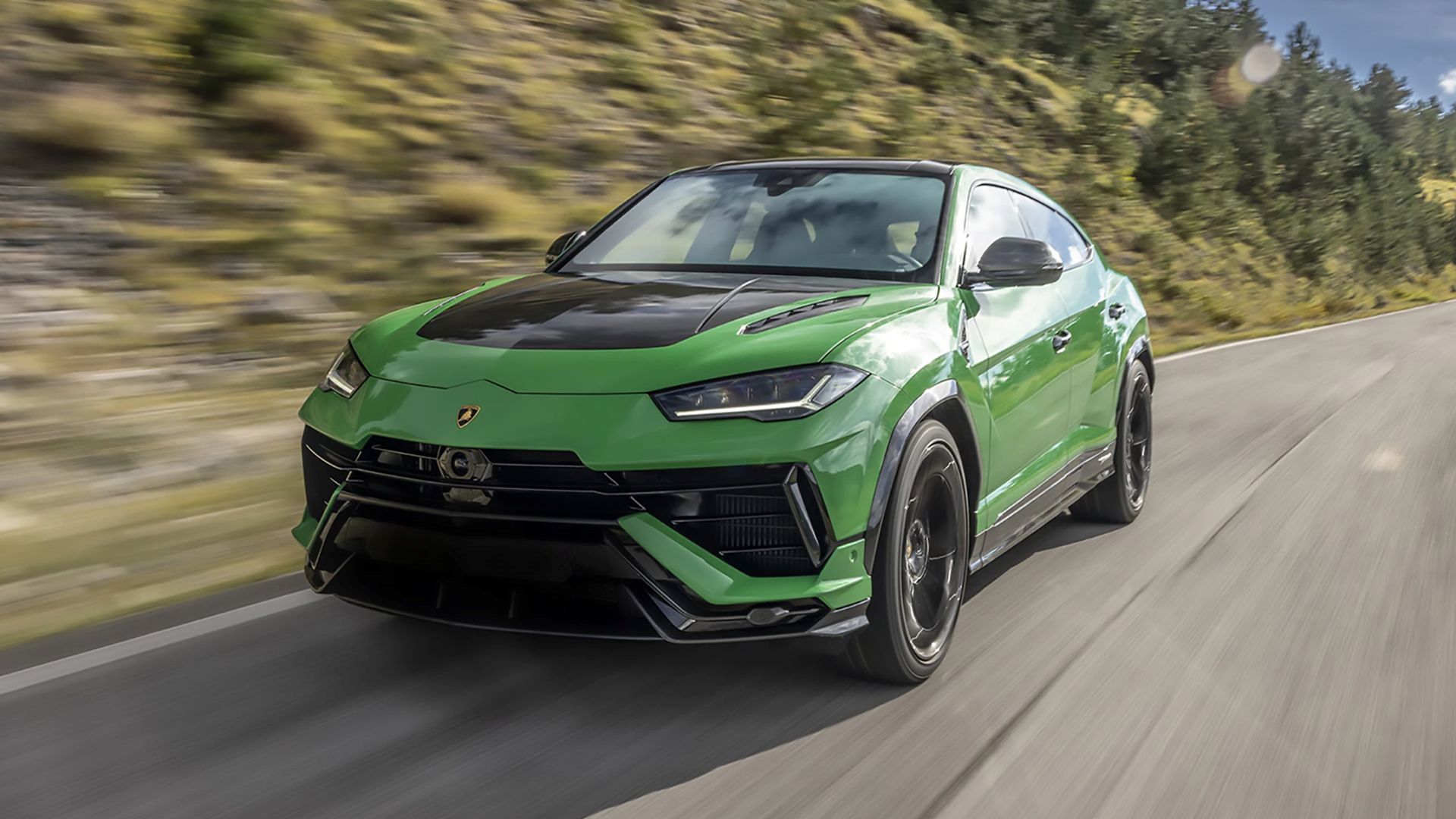
- Engine: 4.0-liter twin-turbocharged V8 petrol engine
- Horsepower: 641 hp (Urus S) / 657 hp (Urus Performante)
- Torque: 850 Nm (627 lb-ft)
- Length: 5,112 mm (201.3 inches)
- Width: 2,018 mm (79.4 inches) excluding mirrors
1. Lamborghini Urus
Total units sold: Over 30,000 units
The Lamborghini Urus is the best-selling model in the company’s history by a significant margin. Introduced in 2018, the Urus entered a completely different market segment for Lamborghini by combining supercar performance with SUV practicality.
Before the Urus, Lamborghini was mainly known for two-door sports cars and limited-production vehicles. The arrival of a high-performance luxury SUV allowed the brand to reach customers who wanted Lamborghini styling and performance but needed more space, comfort, and everyday usability.
The success of the Urus was immediate. Within only a few years, it became responsible for a large portion of Lamborghini’s annual sales worldwide. The model attracted buyers in markets where traditional supercars were less practical, including regions with growing demand for luxury SUVs.
Countries such as the United States, China, and Middle Eastern markets played a major role in the Urus becoming a global sales leader. Its combination of aggressive design, elevated driving position, and strong performance helped it compete with other luxury performance SUVs while maintaining Lamborghini’s unique identity.
One of the biggest reasons behind the Urus’s popularity was its ability to balance everyday usability with Lamborghini characteristics. Unlike traditional supercars that require compromises in comfort and practicality, the Urus offered four doors, a larger cabin, and usable cargo space.
At the same time, it delivered the excitement expected from the Lamborghini badge through powerful engines, advanced driving modes, and sharp handling. This balance helped attract both existing Lamborghini enthusiasts and new customers who had never considered buying a traditional supercar.
The Urus also played a major role in increasing Lamborghini’s production numbers. Before its introduction, Lamborghini typically produced only a few thousand vehicles per year. The SUV changed that situation by significantly increasing annual deliveries and strengthening the company’s financial position.
Today, the Lamborghini Urus stands as the company’s most successful production model. It represents a major turning point in Lamborghini history because it expanded the brand beyond traditional supercars without abandoning its performance-focused identity.
With more than 30,000 units produced, it has surpassed legendary models such as the Gallardo and Huracán in sales. The Urus demonstrates that a Lamborghini can still be exclusive and emotional while also appealing to a broader luxury vehicle market.
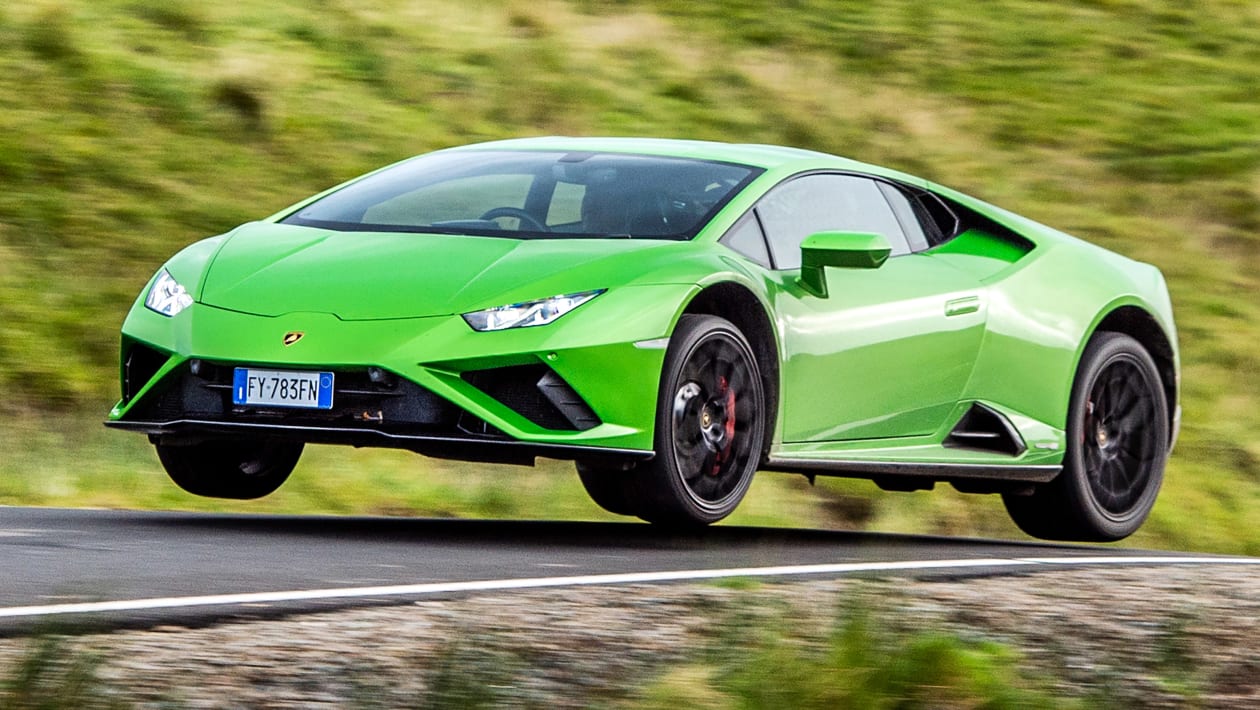
- Engine: 5.2-liter naturally aspirated V10 petrol engine
- Horsepower: 602 hp (Huracán EVO AWD) / 631 hp (Huracán STO)
- Torque: 560 Nm (413 lb-ft)
- Length: 4,520 mm (177.9 inches)
- Width: 1,933 mm (76.1 inches) excluding mirrors
2. Lamborghini Huracán
Total units sold: Over 25,000 units (approximate production figure)
The Lamborghini Huracán is one of the most successful supercars ever produced by the Italian manufacturer. Introduced in 2014 as the successor to the Gallardo, the Huracán continued Lamborghini’s tradition of creating dramatic, high-performance machines while introducing improved technology, refinement, and usability.
It quickly became one of the company’s most important models and played a major role in Lamborghini’s growth during the 2010s and early 2020s.
The Huracán was powered by a naturally aspirated V10 engine, a feature that became one of its biggest attractions. At a time when many manufacturers were moving toward turbocharged engines, Lamborghini continued offering an emotional high-revving powertrain that delivered a unique driving experience.
The combination of engine sound, sharp handling, and futuristic styling made the Huracán highly desirable among enthusiasts. It was available in several versions, including coupe, convertible, rear-wheel-drive, all-wheel-drive, and track-focused variants.
A major reason for the Huracán’s strong sales was its accessibility compared with Lamborghini’s flagship V12 models. While still an expensive exotic car, the Huracán was positioned as a more approachable entry point into Lamborghini ownership.
It appealed to customers who wanted the prestige of the brand but preferred a smaller, more agile vehicle. Its reliability improvements and advanced technology also made it easier to use as a daily performance car compared with older Lamborghini models.
The Huracán became a global success across major luxury markets. It attracted buyers from Europe, North America, Asia, and the Middle East, helping Lamborghini establish stronger worldwide recognition. Special editions and performance versions such as the Huracán Performante and Huracán STO further increased interest by demonstrating the model’s racing capabilities.
These variants showed that the Huracán could compete with some of the fastest sports cars in the world while maintaining Lamborghini’s distinctive personality.
With production exceeding 25,000 units, the Huracán became one of Lamborghini’s highest-selling cars ever. Although it was eventually replaced by the hybrid-powered Temerario, its influence remains significant.
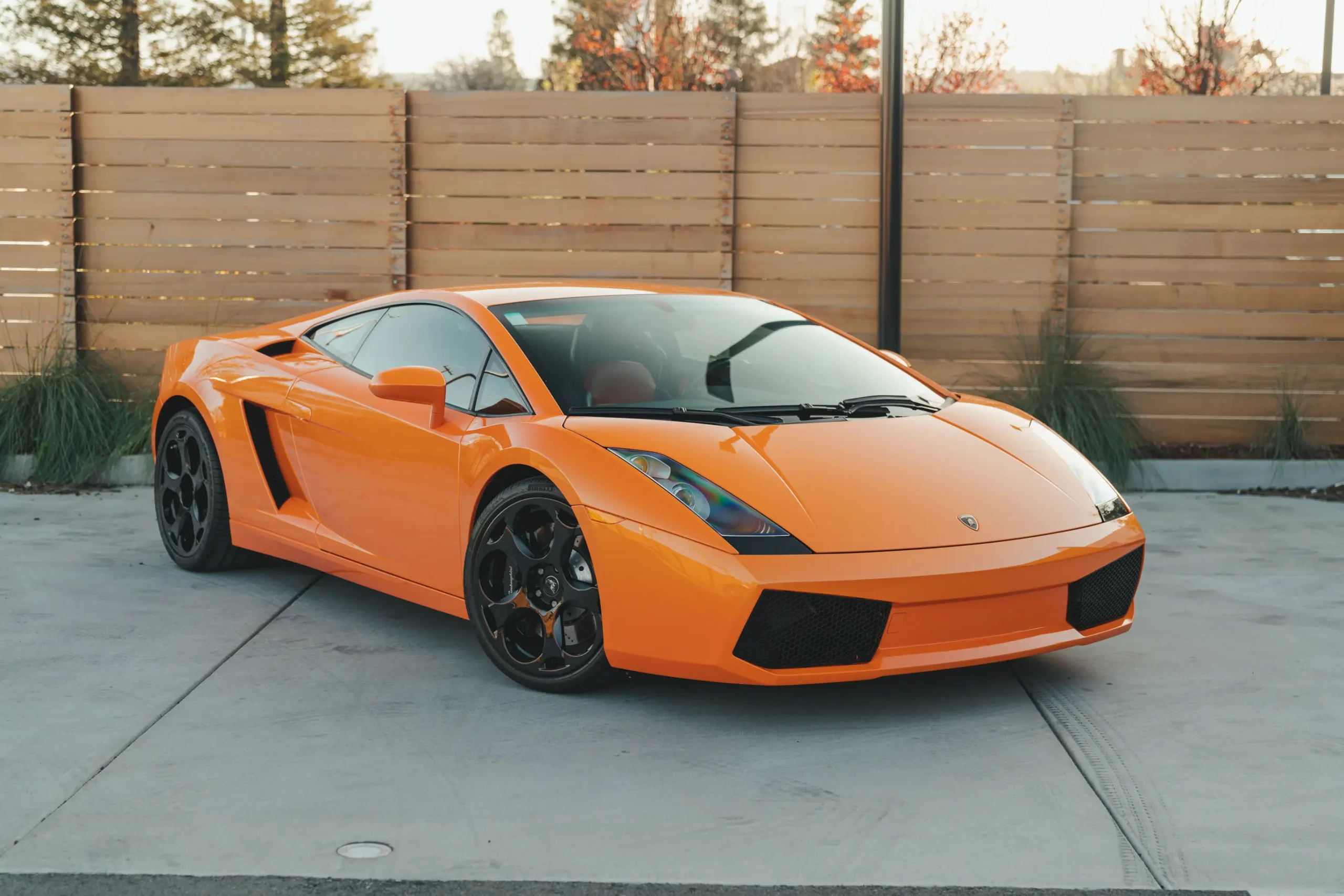
- Engine: 5.0-liter or 5.2-liter naturally aspirated V10 petrol engine
- Horsepower: 493 hp (early Gallardo) to 562 hp (Gallardo LP570-4 Superleggera)
- Torque: 510 Nm (376 lb-ft) to 540 Nm (398 lb-ft) depending on version
- Length: 4,300 mm (169.3 inches)
- Width: 1,900 mm (74.8 inches) excluding mirrors
3. Lamborghini Gallardo
Total units sold: 14,022 units
The Lamborghini Gallardo is one of the most important vehicles in the history of the company because it transformed Lamborghini from a niche supercar manufacturer into a more commercially successful luxury performance brand.
Introduced in 2003, the Gallardo became the company’s entry-level model and remained in production until 2013. During its decade-long production run, it achieved more than 14,000 units sold, making it Lamborghini’s best-selling model before the arrival of the Huracán and Urus.
Before the Gallardo, Lamborghini’s production numbers were relatively limited. Models such as the Diablo and Murciélago were highly respected but remained expensive, exclusive vehicles with lower annual sales.
The Gallardo changed this by offering a smaller, more accessible Lamborghini that still maintained the emotional appeal of the brand. Its introduction helped Lamborghini reach a wider group of customers who wanted a genuine Italian supercar experience without stepping directly into the higher price range of flagship models.
The Gallardo was powered by a naturally aspirated V10 engine, which became one of the defining features of the model. This engine provided a balance between performance, reliability, and everyday usability.
Unlike some older Lamborghini models that required significant compromises, the Gallardo was easier to drive regularly. It offered advanced technology, a comfortable interior, and improved build quality, which helped attract buyers who wanted an exotic car they could actually use more frequently.
Throughout its production life, Lamborghini introduced numerous Gallardo variants to maintain customer interest. These included the Gallardo Spyder convertible, Superleggera lightweight performance version, LP560-4, LP570-4 Performante, and several special editions.
Each version offered different levels of performance and design changes, allowing Lamborghini to appeal to a wide range of enthusiasts. The variety of models helped extend the Gallardo’s popularity for more than ten years.
The Gallardo’s impact on Lamborghini cannot be measured only by its sales numbers. It created the foundation for future successful models like the Huracán and helped establish the company’s modern production strategy.
Its success proved that Lamborghini could produce a high-volume supercar while maintaining exclusivity and emotional appeal. With more than 14,000 units sold, the Gallardo remains one of the most significant Lamborghini models ever created.
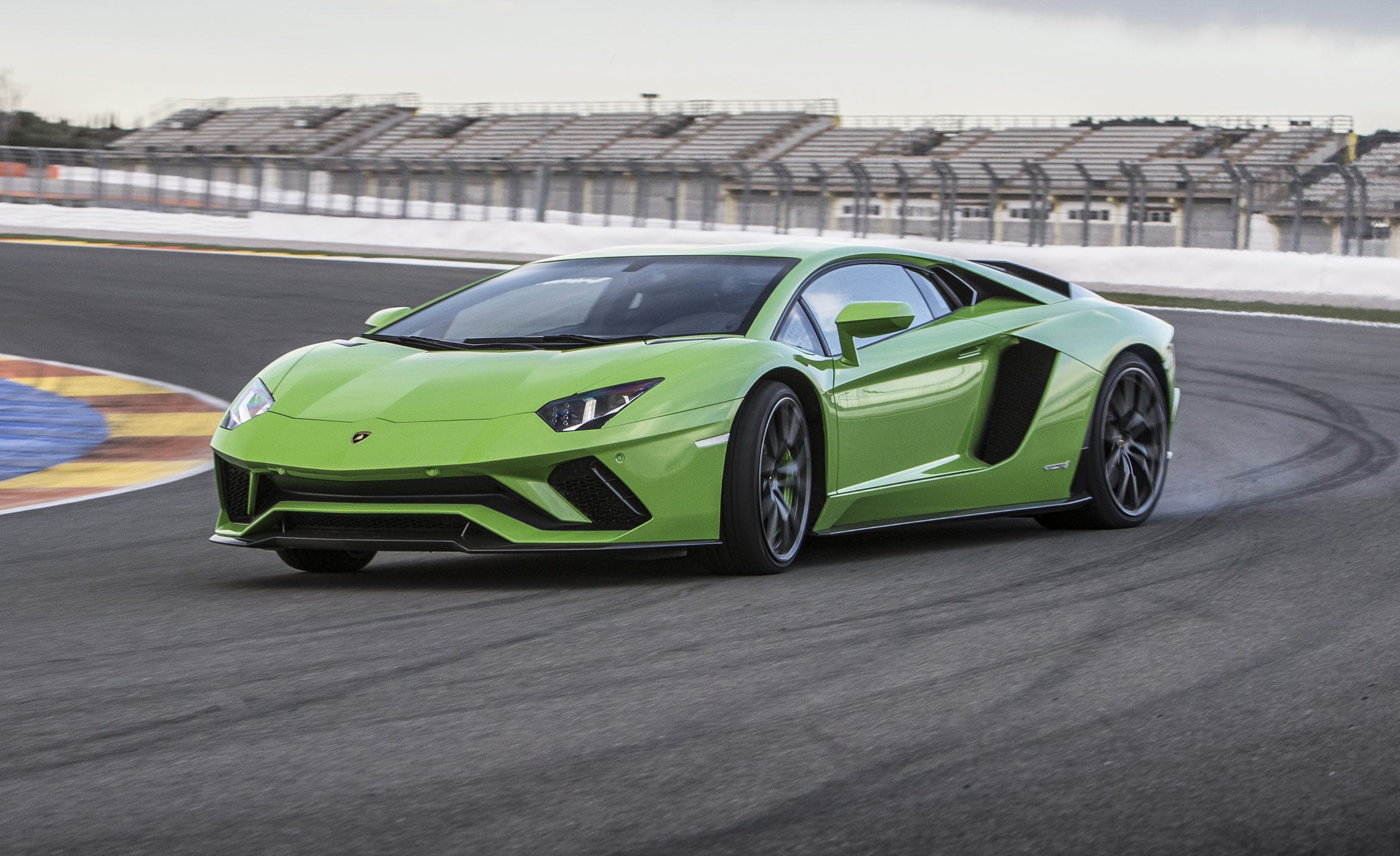
- Engine: 6.5-liter naturally aspirated V12 petrol engine
- Horsepower: 690 hp (LP700-4) / 759 hp (Aventador SVJ)
- Torque: 690 Nm (509 lb-ft)
- Length: 4,797 mm (188.9 inches)
- Width: 2,030 mm (79.9 inches) excluding mirrors
4. Lamborghini Aventador
Total units sold: 11,465 units
The Lamborghini Aventador represented the continuation of Lamborghini’s legendary V12 supercar tradition. Introduced in 2011 as the successor to the Murciélago, the Aventador became the company’s flagship model for more than a decade.
Although it was produced in smaller numbers compared with the Urus and Huracán, its importance within Lamborghini’s lineup was enormous because it represented the expression of the brand’s performance philosophy.
The Aventador became a symbol of traditional supercar engineering, combining extreme power with advanced materials and aerodynamic technology.
The Aventador introduced several innovations that improved Lamborghini’s performance capabilities. It featured a carbon-fiber monocoque structure, advanced suspension technology, and sophisticated electronic systems designed to maximize handling.
These features allowed the Aventador to deliver exceptional performance on both roads and racetracks. Its sharp design, inspired by aerospace and fighter jet styling, also made it one of the most recognizable vehicles in the world.
During its production period, Lamborghini created multiple versions of the Aventador, including the LP700-4, Aventador S, Aventador SV, Aventador SVJ, and Ultimae.
The SVJ became particularly famous for its performance achievements, including setting an impressive lap record at the Nürburgring Nordschleife. These high-performance variants strengthened the Aventador’s reputation among collectors and driving enthusiasts.
With more than 11,000 units produced, the Aventador became Lamborghini’s most successful V12 model. It ended production in 2022, marking the end of an era for Lamborghini’s pure combustion-powered flagship cars.
While newer models introduce hybrid technology, the Aventador remains highly valued because it represents one of the final examples of Lamborghini’s traditional V12 formula.

- Engine: 6.5-liter naturally aspirated V12 hybrid powertrain with three electric motors
- Horsepower: 1,001 hp combined output
- Torque: 725 Nm (engine torque) plus electric motor assistance
- Length: 4,947 mm (194.8 inches)
- Width: 2,033 mm (80 inches) excluding mirrors
5. Lamborghini Revuelto
Total units sold: Official lifetime sales figure not available yet
The Lamborghini Revuelto marks the beginning of a new era for the company. Introduced in 2023, it became the successor to the Aventador and the first Lamborghini production model to feature a plug-in hybrid powertrain.
Because the Revuelto is still in production, it does not yet have a final lifetime sales figure. However, early demand has been extremely strong, with production allocations selling out for multiple years.
The Revuelto combines Lamborghini’s traditional V12 heritage with modern electrification technology. Instead of replacing the famous twelve-cylinder engine, Lamborghini integrated electric motors to improve performance and efficiency.
This approach allows the Revuelto to deliver greater power while maintaining the emotional character associated with Lamborghini’s flagship models. The vehicle represents a transition between classic supercars and the future generation of electrified performance cars.
Although the Revuelto cannot compete with older models in terms of total sales volume yet, its importance is much greater than its current production numbers suggest.
It represents Lamborghini’s strategy for adapting to changing automotive regulations while protecting the emotional qualities that made the brand famous. Its success will likely determine the direction of future Lamborghini flagship models.
As production continues, the Revuelto has the potential to become one of Lamborghini’s most important models. While its final sales ranking cannot be determined yet, early demand suggests it could become another successful chapter in Lamborghini’s history.
It carries the responsibility of replacing the Aventador while introducing the company’s first major step into hybrid performance technology.
Also Read: 10 Heaviest Pickup Trucks Ever Built & Ranked by Weight
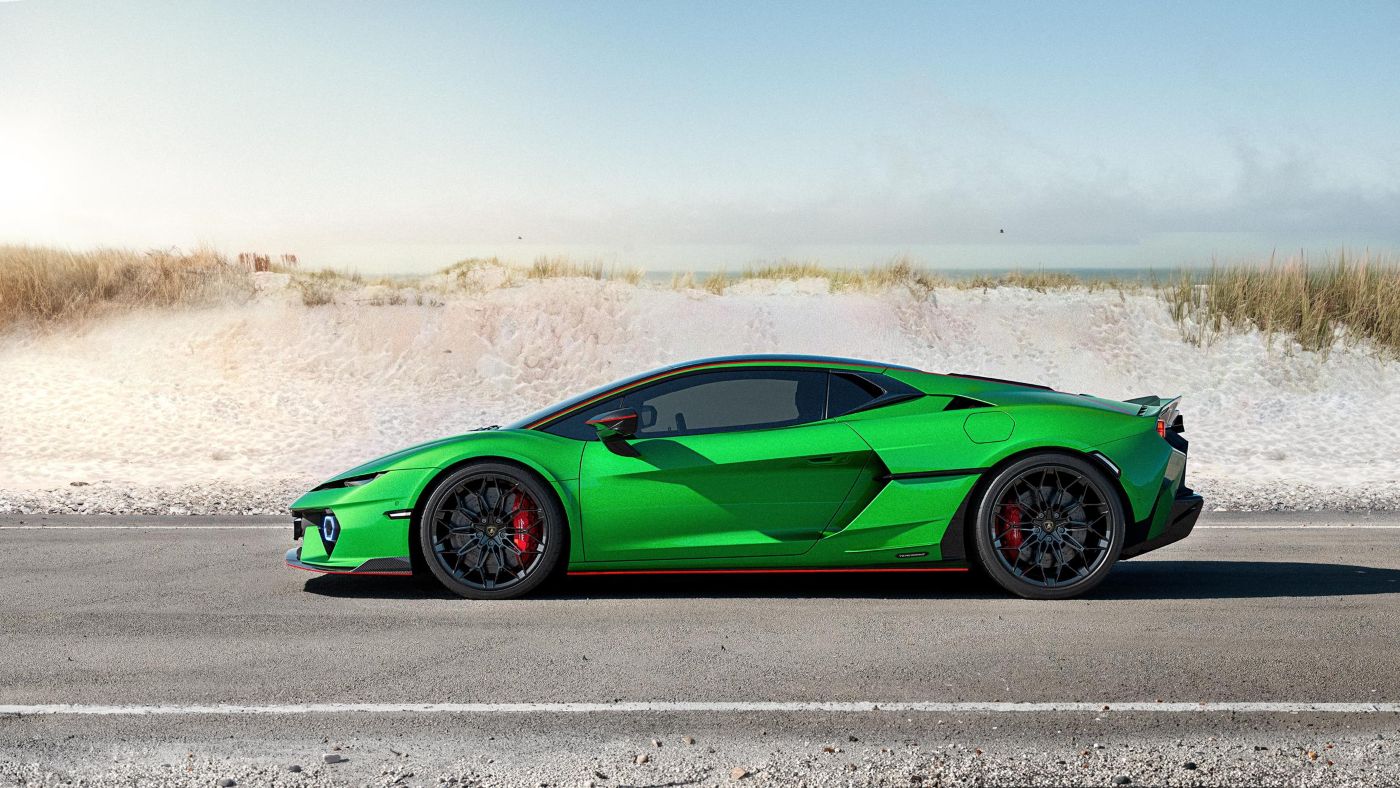
- Engine: 4.0-liter twin-turbocharged V8 hybrid engine with electric motors
- Horsepower: Around 907 hp combined output
- Torque: Around 730 Nm combined output
- Length: Approximately 4,706 mm (185.3 inches)
- Width: Approximately 1,996 mm (78.6 inches) excluding mirrors
6. Lamborghini Temerario
Total units sold: Official lifetime sales figure not available yet
The Lamborghini Temerario is the latest addition to Lamborghini’s lineup and serves as the successor to the Huracán. Introduced as part of Lamborghini’s transition toward hybrid technology, the Temerario replaces the naturally aspirated V10 engine with a new hybrid-assisted powertrain. Since it is a recently launched model, official lifetime production numbers are not available.
The Temerario represents a major change in Lamborghini’s mid-engine sports car philosophy. The Huracán became famous for its emotional V10 engine, but modern regulations pushed Lamborghini toward electrification.
Instead of abandoning performance, Lamborghini developed a hybrid system designed to deliver even higher output while improving efficiency and technology. The goal is to preserve the excitement expected from a Lamborghini while preparing the brand for the future.
The model continues Lamborghini’s tradition of dramatic styling and high-performance engineering. Its design includes aggressive aerodynamic features, a low driving position, and a cabin focused on driver engagement.
Like previous Lamborghini entry-level supercars, the Temerario is expected to become one of the company’s most important global models because it targets a larger customer base compared with the flagship V12 models.
Because the Temerario is still new, it cannot yet be ranked against established models such as the Huracán or Gallardo based on total sales. However, its position in Lamborghini’s lineup gives it strong potential.
The success of previous entry-level models suggests that the Temerario could eventually become one of the company’s highest-volume vehicles.
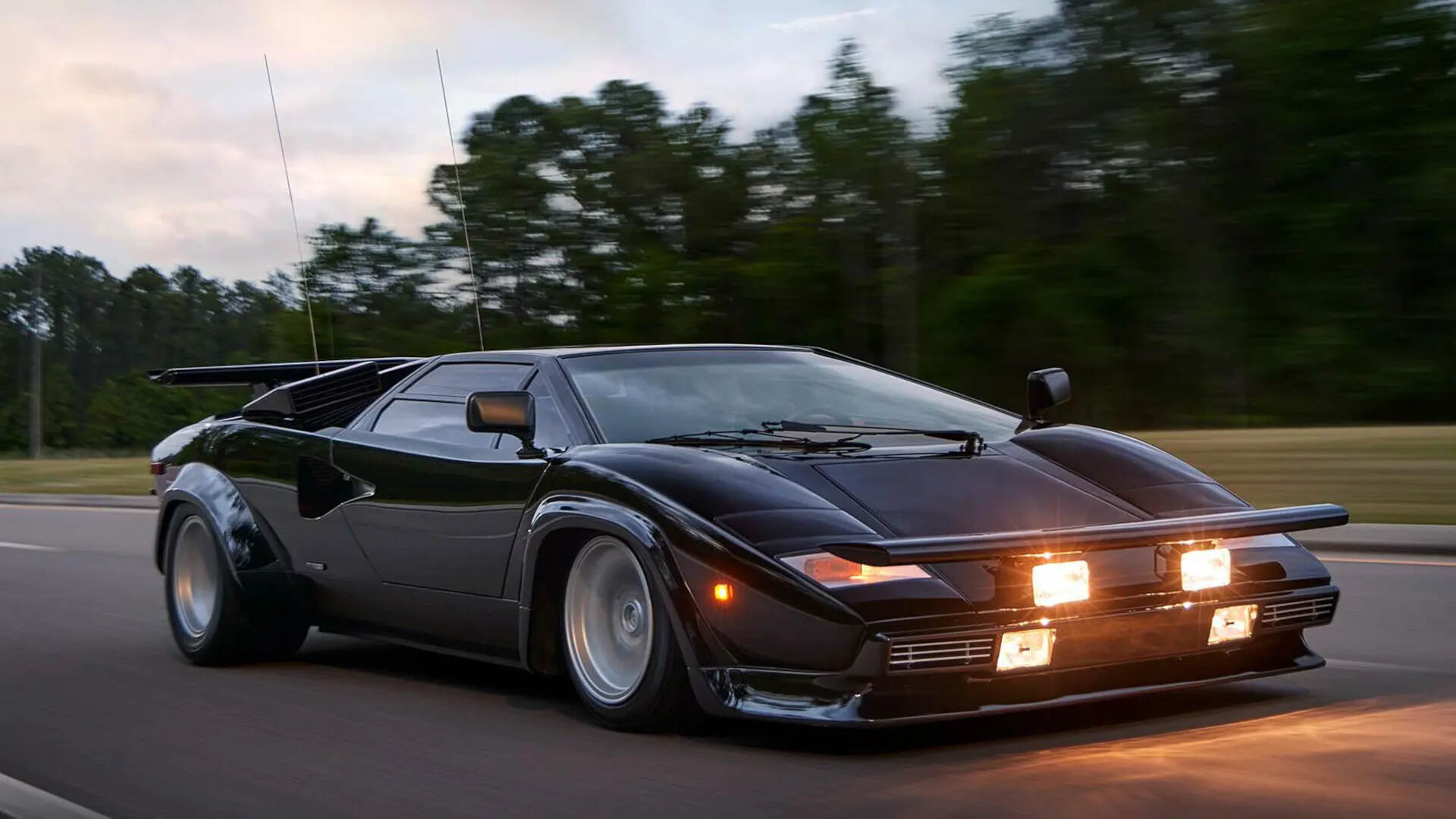
- Engine: 4.0-liter to 5.2-liter naturally aspirated V12 petrol engine (varied by version)
- Horsepower: 370 hp (LP400) to 455 hp (25th Anniversary Edition)
- Torque: Approximately 361 Nm to 500 Nm depending on version
- Length: 4,140 mm (163 inches)
- Width: 1,890 mm (74.4 inches)
7. Lamborghini Countach
Total units sold: 2,042 units
The Lamborghini Countach is one of the most legendary supercars ever created, even though its production numbers were much lower than modern Lamborghini models.
Produced from 1974 to 1990, the Countach became the vehicle that defined the Lamborghini image for generations. Its sharp wedge-shaped design, scissor doors, and futuristic appearance made it one of the most recognizable cars in automotive history.
The Countach was introduced as the successor to the Lamborghini Miura, but it represented a completely different design direction. While the Miura focused on elegance and beauty, the Countach introduced a more aggressive and futuristic approach.
Designed by Marcello Gandini at Bertone, the Countach featured sharp angles, dramatic proportions, and a low profile that looked unlike anything else on the road. Its styling became the inspiration for many future Lamborghini models.
During its production run, Lamborghini developed several versions of the Countach, including the LP400, LP500S, 5000 QV, and the 25th Anniversary Edition. These versions improved performance, increased power, and refined the vehicle’s design. The later models featured larger engines and improved aerodynamics, helping the Countach remain competitive throughout the 1980s.
Despite selling only around 2,000 units, the Countach remains one of Lamborghini’s most valuable and important cars. Its contribution cannot be measured by sales volume alone.
It created the visual identity that many people still associate with Lamborghini today. The Countach proved that a car could become a cultural icon while remaining extremely rare, and its legacy continues to influence modern Lamborghini designs.
- Engine: 5.7-liter to 6.0-liter naturally aspirated V12 petrol engine
- Horsepower: 485 hp (early Diablo) to 575 hp (Diablo GT)
- Torque: Approximately 580 Nm to 630 Nm depending on version
- Length: 4,460 mm (175.6 inches)
- Width: 2,040 mm (80.3 inches)
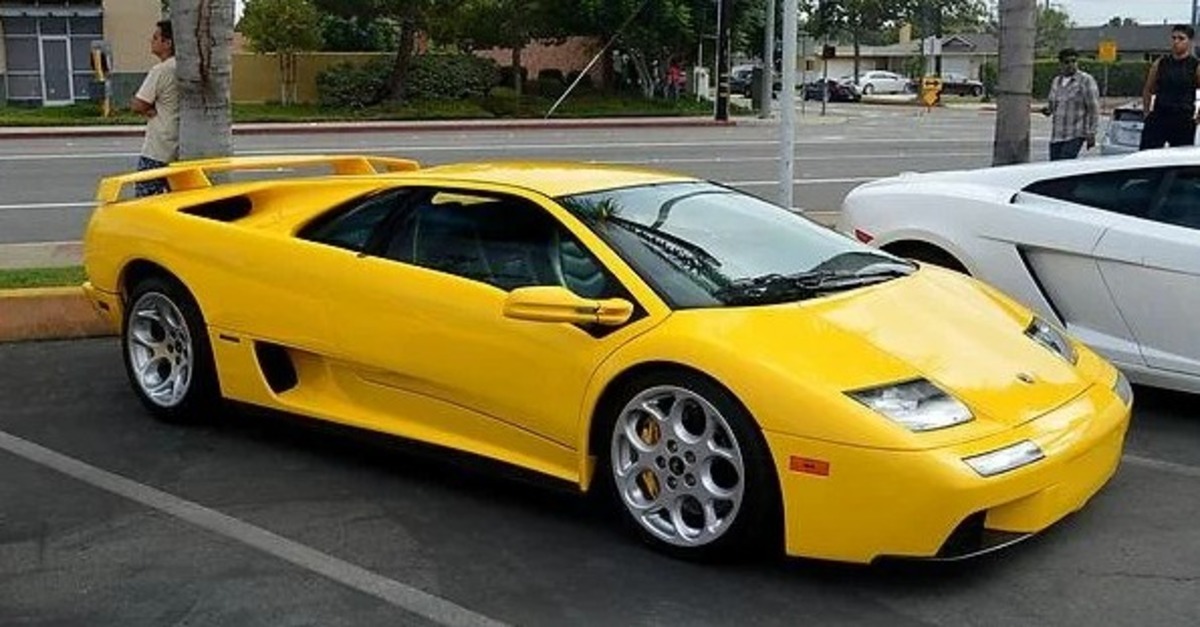
8. Lamborghini Diablo
Total units sold: 2,884 units
The Lamborghini Diablo continued the legacy of the Countach while introducing Lamborghini into a new era of performance and technology. Produced from 1990 to 2001, the Diablo became the company’s flagship model during one of its most challenging periods.
Despite financial difficulties and ownership changes during this time, the Diablo helped maintain Lamborghini’s reputation as a manufacturer of extreme and emotional supercars.
The Diablo was designed to replace the Countach and improve upon its performance capabilities. It featured a more refined design while maintaining the aggressive appearance that Lamborghini customers expected.
The car was initially powered by a V12 engine that delivered impressive performance for its era. Its combination of speed, dramatic styling, and exclusivity made it one of the most desirable supercars of the 1990s.
During its production, Lamborghini became part of Audi and the Volkswagen Group, which brought increased investment and improved manufacturing processes. The lessons learned from the Diablo era helped create the foundation for future models such as the Murciélago and Gallardo.
With fewer than 3,000 units produced, the Diablo remains a rare and valuable Lamborghini. Although its sales numbers are small compared with modern vehicles, it holds a special place in automotive history. The Diablo represented the bridge between old-school Lamborghini supercars and the technologically advanced models that followed.
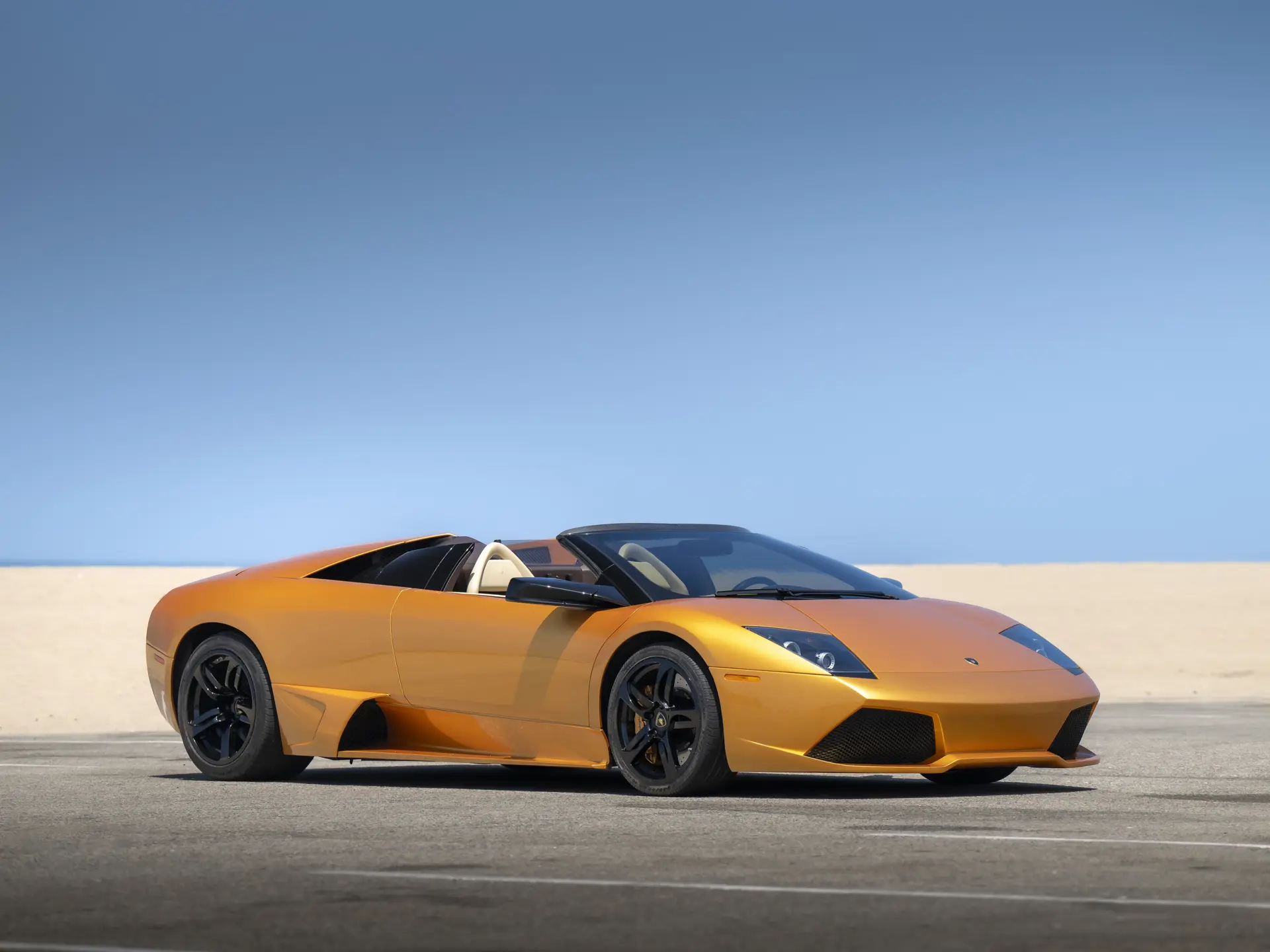
- Engine: 6.2-liter to 6.5-liter naturally aspirated V12 petrol engine
- Horsepower: 572 hp (early Murciélago) to 661 hp (LP670-4 SuperVeloce)
- Torque: 650 Nm (479 lb-ft)
- Length: 4,580 mm (180.3 inches)
- Width: 2,045 mm (80.5 inches) excluding mirrors
9. Lamborghini Murciélago
Total units sold: 4,099 units
The Lamborghini Murciélago was the first major model developed after Lamborghini became part of the Volkswagen Group. Introduced in 2001, it replaced the Diablo and became the company’s flagship vehicle for the early 2000s. The Murciélago combined Lamborghini’s traditional V12 performance with improved engineering, reliability, and modern technology.
The name Murciélago came from a famous Spanish fighting bull, continuing Lamborghini’s tradition of naming vehicles after bull-related themes.
The car featured a naturally aspirated V12 engine and retained the dramatic styling associated with Lamborghini. Its design included the famous scissor doors, wide body proportions, and aggressive front styling that made it instantly recognizable.
Compared with previous Lamborghini models, the Murciélago offered significant improvements in quality and usability. The involvement of Audi brought better engineering standards, improved interior quality, and more consistent production processes.
These improvements helped Lamborghini attract new customers while maintaining the exclusivity expected from a supercar brand.
The Murciélago sold more units than many previous Lamborghini V12 models, with more than 4,000 examples produced. It played a crucial role in modernizing Lamborghini and preparing the company for future success.
Without the Murciélago’s combination of tradition and modern engineering, the later success of models like the Aventador and Urus may not have been possible.
