
The compact SUV segment has become the heart of the American automotive market, offering buyers a balance of practicality, fuel efficiency, technology, and affordability.
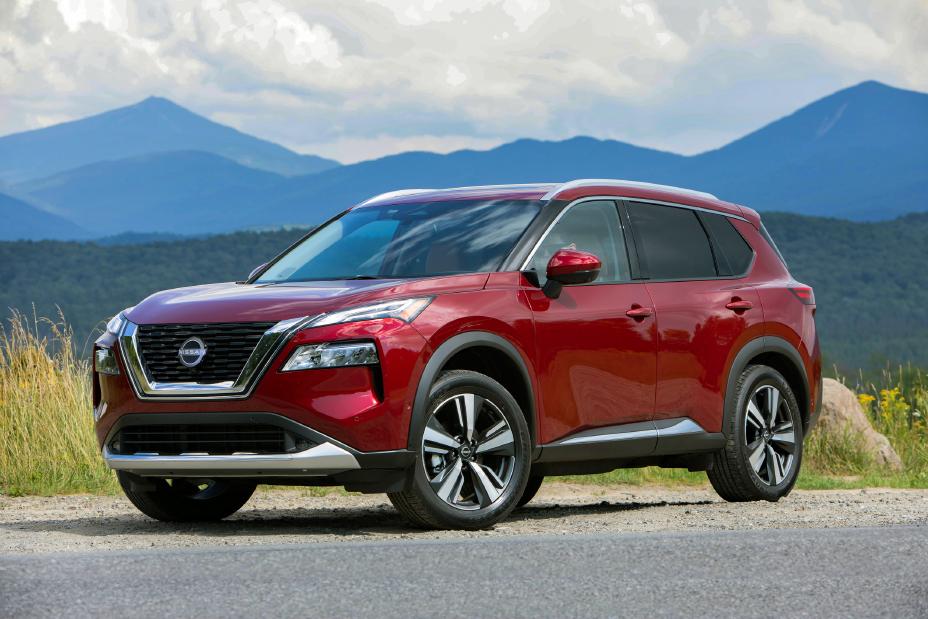
Among the most popular models in the segment is the Nissan Rogue, a vehicle that has consistently ranked among the best-selling SUVs in the United States. With its comfortable ride, spacious cabin, and competitive pricing, the Rogue has attracted millions of buyers over the years.
However, a recent ownership study by iSeeCars revealed an interesting trend. According to the research, Nissan Rogue owners keep their SUVs for an average of just 6.8 years, making it the shortest-held SUV in the United States.
The figure falls well below the 8.4-year average ownership period for all vehicles, suggesting that many Rogue owners replace their vehicles sooner than buyers of competing SUVs.
Importantly, this statistic should not be interpreted as evidence of poor reliability. Automotive analysts believe the ownership pattern is influenced largely by changing family needs rather than dissatisfaction with the vehicle itself.
Many Rogue buyers purchase the compact crossover during the early stages of family life before eventually upgrading to larger two-row or three-row SUVs as passenger and cargo requirements increase.
The findings provide valuable insight into how Americans use their vehicles throughout different stages of life. Rather than simply measuring reliability or resale value, ownership duration reflects changing lifestyles, household size, financial circumstances, and evolving transportation needs.
Also Read: 10 Cars Still Cheap to Repair Past 150,000 Miles
How the Ownership Study Was Conducted
The ownership analysis comes from automotive research firm iSeeCars, which examined millions of used vehicle transactions across the United States to determine how long original owners typically keep their vehicles before selling or trading them.
Unlike reliability studies that measure repair frequency or warranty claims, this research focused on actual ownership history. According to iSeeCars, the average American keeps a vehicle for 8.4 years, but ownership periods vary significantly depending on the model and vehicle segment.
The Nissan Rogue recorded an average ownership period of 6.8 years, the shortest among SUVs included in the study. While some models remain with their original owners for more than a decade, the Rogue changes hands considerably sooner.
Karl Brauer, executive analyst at iSeeCars, has noted in previous ownership studies that shorter ownership periods often reflect changing consumer priorities rather than problems with a specific vehicle. Buyers frequently replace vehicles because their transportation needs evolve.
Why Rogue Owners Upgrade Sooner
The Nissan Rogue appeals to a wide variety of buyers, particularly young professionals, first-time SUV owners, and small families.
Its compact dimensions make it easy to drive and park, while its fuel efficiency and relatively affordable price make it an attractive alternative to midsize SUVs.
According to the U.S. Environmental Protection Agency, recent Rogue models deliver competitive fuel economy within the compact SUV segment, helping owners reduce fuel costs during daily commuting. As families grow, however, transportation needs often change.
Parents who initially purchased a Rogue for one child may later need additional seating, greater cargo capacity, or improved towing capability. Strollers, sports equipment, luggage, bicycles, and family road trips can quickly exceed the space available in a compact crossover.
Rather than replacing the Rogue because it no longer performs well, many owners simply outgrow the vehicle.
Industry analysts say this pattern is common among compact SUVs that serve as entry points into family vehicle ownership.
Compact SUVs Often Serve as Stepping Stones
The Rogue occupies one of the most competitive segments in the automotive industry. Its primary rivals include the Toyota RAV4, Honda CR-V, Hyundai Tucson, Kia Sportage, Subaru Forester, Mazda CX-5, and Ford Escape.
Many buyers enter the compact SUV market after owning sedans or hatchbacks, appreciating the higher seating position, increased cargo space, and available all-wheel drive. Over time, changing lifestyles often encourage owners to move into midsize or full-size SUVs.
Three-row models such as the Nissan Pathfinder, Toyota Grand Highlander, Honda Pilot, Kia Telluride, Hyundai Palisade, and Chevrolet Traverse provide significantly more passenger room and cargo capacity for growing households.
Automotive analysts frequently describe compact SUVs as transitional vehicles because they meet the needs of young families before larger vehicles become necessary.
The Rogue Remains One of Nissan’s Most Important Models
Despite its relatively short ownership period, the Rogue continues to play a critical role in Nissan’s U.S. lineup.
According to Nissan sales data, the Rogue has consistently been the company’s best-selling vehicle in North America. Strong demand has helped Nissan remain competitive in one of the industry’s largest market segments.
The current-generation Rogue introduced improved safety technology, updated interior materials, and a turbocharged 1.5-liter three-cylinder engine designed to improve both performance and fuel economy.
The SUV also offers Nissan’s ProPILOT Assist driver assistance system, available all-wheel drive, and a spacious cabin that has earned favorable reviews from automotive publications, including MotorTrend, Car and Driver, and Edmunds.
Its continued popularity suggests that buyers remain satisfied with the full ownership experience even if many eventually replace it with larger vehicles.
Reliability Is Only One Part of Ownership Decisions
Many consumers assume that shorter ownership automatically signals reliability concerns, but experts caution against reaching that conclusion.
Vehicle replacement decisions depend on numerous factors beyond mechanical dependability.
Changes in employment, relocation, retirement, family size, income, and lifestyle all influence when buyers decide to purchase another vehicle.
Consumer Reports has noted that many modern vehicles, including compact SUVs, routinely remain dependable well beyond 150,000 miles with proper maintenance. Advances in manufacturing quality have significantly extended vehicle lifespans across the industry over the past two decades.
As a result, ownership duration increasingly reflects personal circumstances rather than the expected lifespan of the vehicle itself.
Strong Competition Encourages Frequent Upgrades
Another factor influencing Rogue ownership is the pace of innovation within the compact SUV segment.
Manufacturers introduce new technology, safety features, infotainment systems, and efficiency improvements at a rapid rate. Buyers replacing a six- or seven-year-old Rogue often find substantial improvements in driver assistance systems, digital displays, connectivity, and fuel economy.
The compact SUV market has also become increasingly crowded. Hybrid powertrains, plug-in hybrids, and advanced all-wheel-drive systems have expanded consumer choice, encouraging some owners to upgrade earlier than they might have in previous decades.
According to Cox Automotive, compact SUVs remain America’s largest retail vehicle segment, making them one of the most competitive categories for manufacturers.
Resale Value Makes Upgrading Easier
The Rogue’s strong sales volume also contributes to an active used-vehicle market. Owners often find it relatively easy to trade in or sell their SUVs because demand for affordable used crossovers remains strong.
Kelley Blue Book analysts have repeatedly noted that compact SUVs continue to be among the most sought-after vehicles in the used market, particularly as higher new-vehicle prices encourage buyers to consider certified pre-owned models. Healthy resale demand lowers the financial barrier to upgrading.
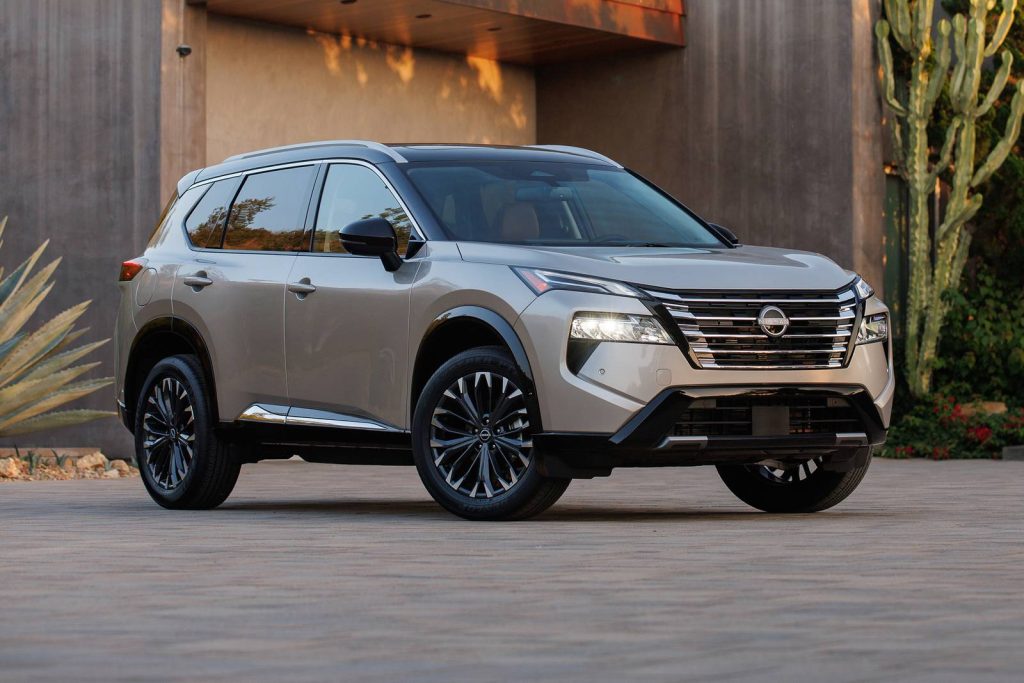
Families moving into larger SUVs can often apply trade-in value toward a midsize or three-row replacement, making the transition more affordable. This dynamic further contributes to shorter average ownership periods.
The Shift Toward Larger SUVs Continues
Consumer preferences have steadily shifted toward larger utility vehicles over the past decade.
According to data from S&P Global Mobility and Cox Automotive, three-row SUVs have experienced strong demand as buyers prioritize interior space, flexible seating arrangements, and greater cargo capacity.
Manufacturers have responded by expanding their lineups with larger crossovers that combine SUV practicality with improved fuel efficiency and advanced technology.
For many Rogue owners, upgrading to a larger vehicle is simply the next step as household needs evolve.
That trend helps explain why the Rogue records one of the shortest ownership periods among SUVs despite remaining one of Nissan’s most successful products.
What the Findings Mean for Buyers
The latest iSeeCars ownership study offers an important reminder that ownership duration does not tell the entire story of a vehicle. While the Nissan Rogue averages just 6.8 years of ownership, the shortest among SUVs, the figure appears to reflect changing family requirements rather than dissatisfaction with the vehicle itself.
For first-time SUV buyers, commuters, and small families, the Rogue continues to offer a compelling combination of comfort, practicality, safety, and efficiency. As life circumstances change, many owners simply find themselves needing additional passenger and cargo space, leading them to upgrade to larger models.
Rather than signaling a weakness, the Rogue’s ownership pattern illustrates its role as a practical entry point into SUV ownership. It serves buyers well during one stage of life before many naturally move into larger vehicles that better accommodate expanding families and evolving lifestyles.
In today’s dynamic automotive market, that progression is becoming increasingly common, making the Rogue an important stepping stone for millions of American drivers.
Also Read: 10 Hidden Features in the Mazda CX-90
