
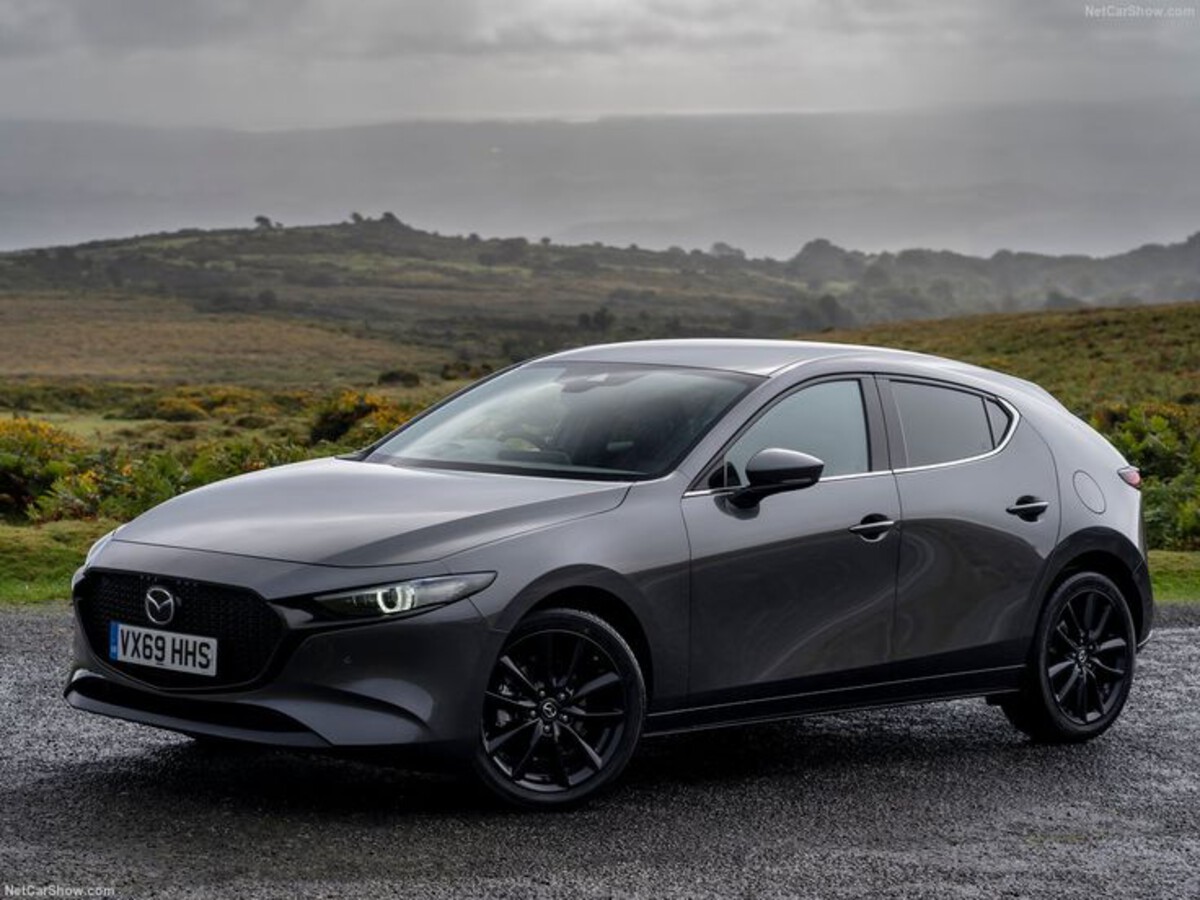
Reaching 150,000 miles is a significant milestone for any vehicle, but what happens after that point often determines whether a car remains a smart financial decision or becomes an expensive burden.
While many modern vehicles are capable of traveling well beyond 200,000 miles, repair costs can vary dramatically depending on engineering complexity, parts availability, and long-term reliability.
Some models continue to be inexpensive to maintain because they use proven engines, widely available replacement parts, and mechanical designs that independent repair shops know well. Others become costly due to specialized components, labor-intensive repairs, or limited aftermarket support.
For buyers searching the used car market in the United States, choosing a vehicle that remains affordable after high mileage can save thousands of dollars over the course of ownership.
Regular maintenance items such as brakes, suspension parts, alternators, water pumps, and sensors eventually wear out on every vehicle. The difference lies in how much those repairs cost and how easily replacement parts can be sourced.
This list focuses on ten vehicles that have consistently demonstrated low repair costs even after surpassing 150,000 miles. Every model has earned a reputation for dependable engineering, broad parts availability, and strong support from independent repair facilities throughout the United States.
While no automobile is immune to wear and tear, these cars have repeatedly proven that high mileage does not automatically mean high repair bills.
Also Read: 8 Trucks That Hold Their Value Past 15 Years
1. Toyota Corolla
Few vehicles have built a stronger reputation for long-term affordability than the Toyota Corolla. Across multiple generations sold in the United States, the Corolla has consistently demonstrated that reaching 150,000 miles is simply another milestone rather than the beginning of expensive ownership.
Independent repair shops routinely service high-mileage Corollas because their mechanical layout is familiar, replacement parts are plentiful, and major drivetrain failures remain relatively uncommon when routine maintenance has been performed.
One of the primary reasons repair costs stay low is Toyota’s conservative engineering philosophy. Engines such as the 1.8-liter 2ZR-FE have been refined over many years, reducing the likelihood of major mechanical problems.
Common maintenance items, including spark plugs, ignition coils, brake components, wheel bearings, and suspension parts, are inexpensive due to widespread aftermarket support. Since millions of Corollas have been sold across North America, replacement components are readily available from numerous suppliers.
Labor costs also remain reasonable because technicians are familiar with the platform. Routine repairs rarely require specialized equipment beyond what independent repair facilities already possess. This helps owners avoid the premium labor rates sometimes associated with luxury or low-volume vehicles.
Another advantage is excellent parts interchangeability across several model years. Salvage yards and aftermarket manufacturers continue supplying affordable body panels, interior components, and mechanical parts, making even older Corollas economical to maintain after accidents or normal wear.
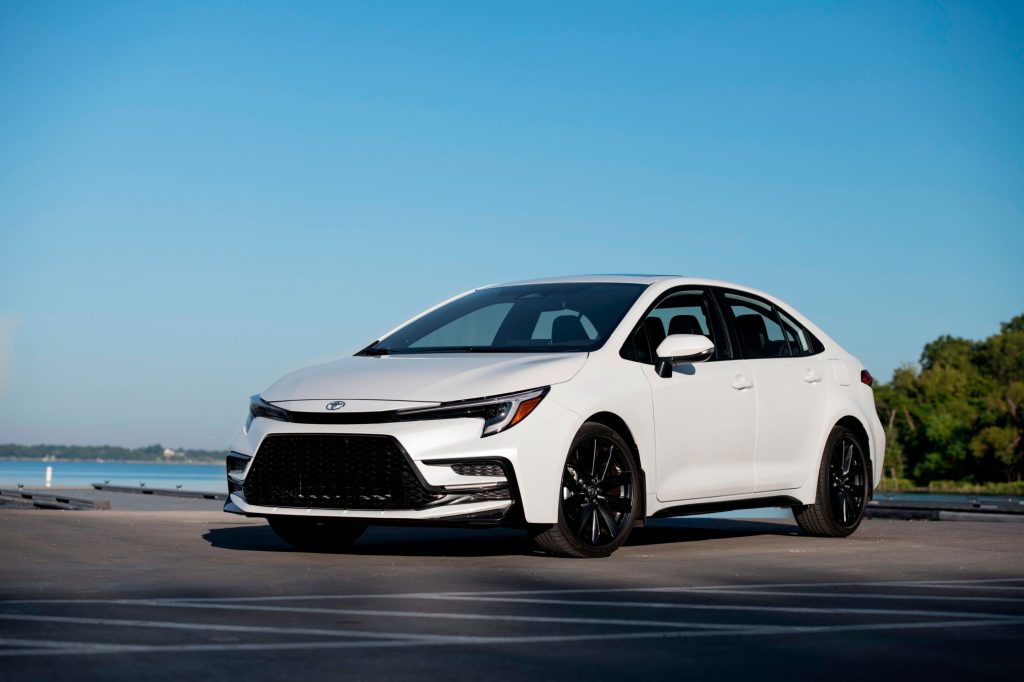
It is common to find Corollas exceeding 200,000 miles while requiring only standard maintenance and occasional wear-item replacement.
That combination of durability, straightforward engineering, and inexpensive repairs explains why the Corolla remains one of America’s safest choices for drivers seeking dependable transportation with minimal long-term ownership costs.
Specifications
- Engine: 2.0-liter naturally aspirated inline four
- Torque: 151 lb ft
- Horsepower: 169 hp
- Length/Width: 182.5 inches / 70.1 inches
2. Honda Civic
The Honda Civic has earned its place among America’s most dependable compact cars by combining excellent fuel economy with remarkably low long-term maintenance costs. Many Civics remain on the road well beyond 200,000 miles, and one reason is that repairs generally remain affordable even after crossing the 150,000-mile mark.
Owners benefit from Honda’s reputation for durable powertrains and the enormous availability of replacement components throughout the United States.
Honda’s naturally aspirated four-cylinder engines have long been recognized for their longevity. When oil changes and scheduled maintenance are performed consistently, these engines often avoid major internal repairs for hundreds of thousands of miles.
Components that eventually require replacement, such as alternators, starters, suspension bushings, brake hardware, and engine mounts, are widely available through both original equipment and aftermarket suppliers at competitive prices.
The Civic also benefits from an exceptionally large repair network. Independent mechanics across the country have extensive experience servicing the platform, reducing labor time for many common repairs.
Because millions of Civics have been sold in North America, technicians are already familiar with the vehicle’s design and diagnostic procedures.
Another strength lies in the car’s aftermarket support. Whether owners need replacement radiators, air conditioning compressors, wheel hubs, or steering components, competitive pricing helps keep repair bills manageable even as the vehicle ages.
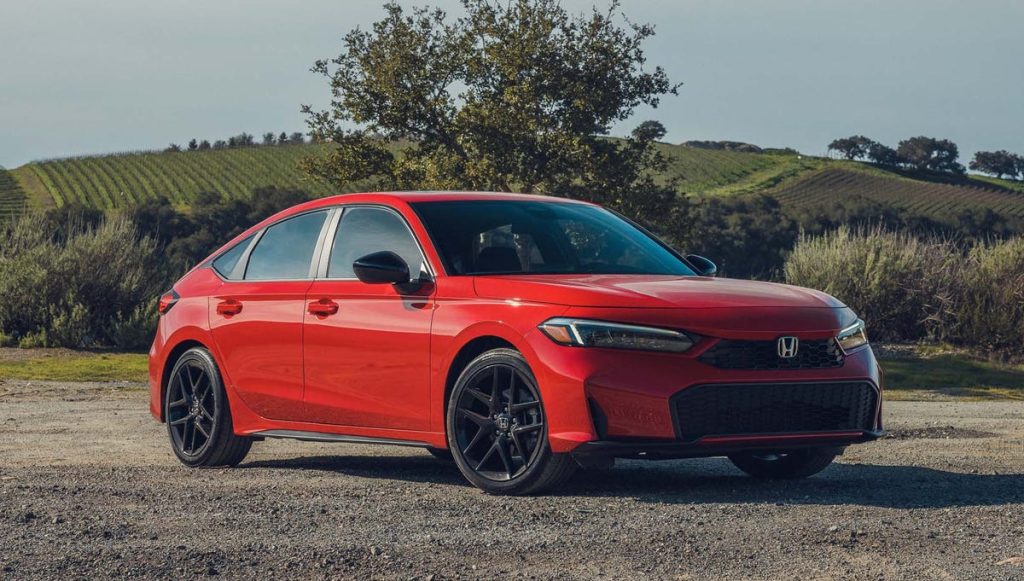
Beyond affordability, the Civic continues delivering dependable daily transportation despite accumulating high mileage.
Its balance of reliability, fuel efficiency, and inexpensive maintenance has made it one of the most frequently recommended used vehicles for budget-conscious American buyers seeking years of additional service after reaching 150,000 miles.
Specifications
- Engine: 2.0-liter naturally aspirated inline four
- Torque: 138 lb ft
- Horsepower: 158 hp
- Length/Width: 184.0 inches / 70.9 inches
3. Toyota Camry
Some vehicles earn a reputation for longevity because they can accumulate impressive mileage, but the Toyota Camry stands out because it also remains inexpensive to repair after reaching that milestone.
Across multiple generations sold in the United States, the Camry has consistently demonstrated excellent durability thanks to conservative engineering, dependable powertrains, and an enormous supply of affordable replacement parts.
For many owners, passing 150,000 miles simply means continuing routine maintenance rather than preparing for major mechanical failures.
One reason repair costs stay manageable is the widespread use of proven engines such as Toyota’s naturally aspirated 2.5-liter Dynamic Force four-cylinder and earlier 2AR-FE engine. These powerplants have established strong reliability records when serviced according to factory recommendations.
Wear items like brake pads, water pumps, ignition coils, wheel bearings, and suspension components are readily available from numerous aftermarket manufacturers, creating competitive pricing that helps reduce ownership costs.
The Camry also benefits from outstanding parts availability. Since it has remained one of America’s best-selling sedans for decades, nearly every independent repair shop is familiar with its design.
Labor times for common repairs are well documented, allowing technicians to complete maintenance efficiently without requiring specialized tools or expensive diagnostic procedures.
Body panels, lighting assemblies, and interior trim pieces are also relatively easy to source through salvage yards or aftermarket suppliers, keeping accident repairs more affordable than those of many competing midsize sedans.
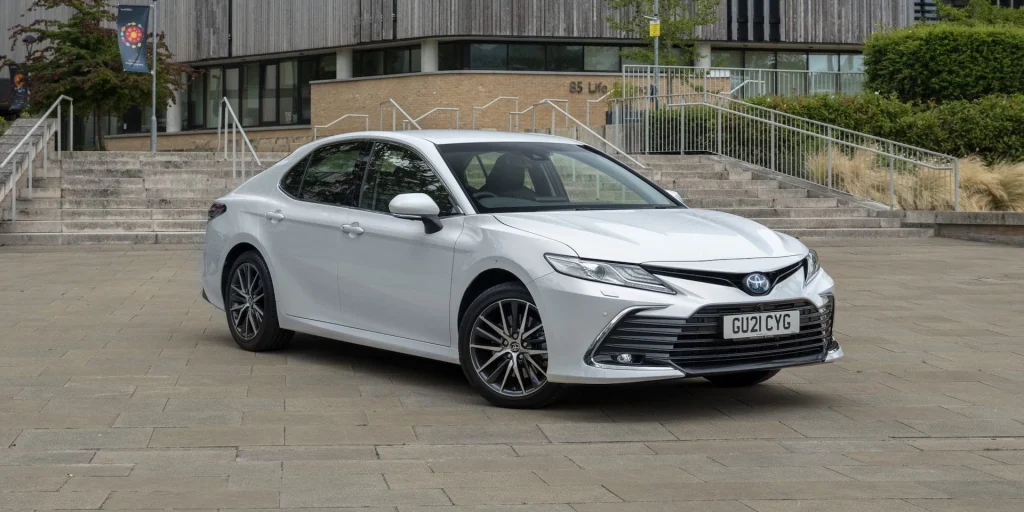
Owners frequently report Camrys exceeding 250,000 miles while requiring little more than scheduled maintenance and occasional replacement of normal wear components.
This combination of mechanical durability, nationwide parts support, and straightforward servicing continues to make the Camry one of the smartest long-term ownership choices in the American used car market.
Specifications
- Engine: 2.5-liter naturally aspirated inline four
- Torque: 184 lb ft
- Horsepower: 203 hp
- Length/Width: 193.5 inches / 72.4 inches
4. Mazda3
The Mazda3 has steadily built a reputation as one of the most dependable compact cars for drivers who value responsive handling without sacrificing affordability. While its enjoyable driving dynamics often receive the most attention, another important strength becomes apparent after years of ownership.
Even beyond 150,000 miles, repair costs generally remain reasonable because Mazda engineered the vehicle with durable mechanical components and maintained broad parts compatibility across multiple model years.
Mazda’s naturally aspirated Skyactiv-G engines have proven especially dependable when maintained correctly. Their relatively simple design avoids unnecessary complexity while delivering impressive fuel economy and long service life.
Components that commonly wear over time, including brake hardware, suspension links, spark plugs, and engine mounts, remain competitively priced through both original equipment suppliers and the aftermarket.
Independent repair facilities throughout the United States have become increasingly familiar with the Mazda3 platform, reducing labor expenses for routine maintenance and common repairs.
The vehicle’s engine bay is also designed with accessibility in mind, allowing technicians to perform many services without extensive disassembly that can increase labor costs on more complicated vehicles.
Another financial advantage comes from the availability of replacement body panels, lighting components, and interior parts. Since the Mazda3 has remained a popular compact car for many years, used and aftermarket components are widely available for owners seeking cost-effective repairs.
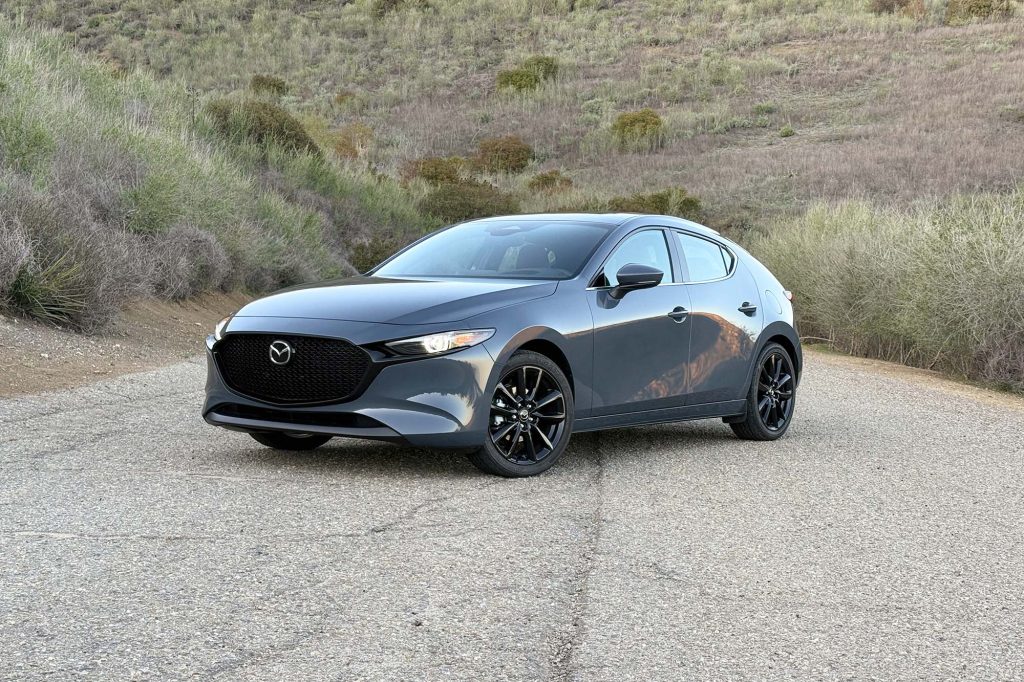
High-mileage examples continue to demonstrate strong reliability when preventive maintenance has been performed consistently.
Rather than becoming financially burdensome after crossing 150,000 miles, the Mazda3 typically rewards owners with dependable transportation and repair costs that remain comfortably below those of many competitors in the compact car segment.
Specifications
- Engine: 2.5-liter naturally aspirated Skyactiv-G inline four
- Torque: 186 lb ft
- Horsepower: 191 hp
- Length/Width: 183.5 inches / 70.7 inches
5. Honda Accord
When discussing high-mileage vehicles that remain affordable to own, the Honda Accord consistently ranks near the top. For decades, it has been one of the best-selling midsize sedans in the United States, and that popularity has created one major advantage for long-term owners: inexpensive repairs.
Even after surpassing 150,000 miles, the Accord usually requires only predictable maintenance rather than costly mechanical work, provided it has received regular servicing throughout its life.
Honda’s naturally aspirated four-cylinder engines, particularly the K-series and later Earth Dreams powerplants, have earned an excellent reputation for durability.
Many examples continue operating well beyond 250,000 miles without requiring internal engine repairs. Components that eventually wear out, including alternators, brake calipers, control arms, wheel bearings, and ignition coils, are inexpensive because numerous aftermarket manufacturers produce replacement parts.
The Accord also benefits from widespread service knowledge. Nearly every independent repair shop in America has extensive experience working on Honda vehicles, keeping labor costs competitive. Repair procedures are well documented, and technicians rarely encounter unusual engineering that significantly increases service time.
Another reason ownership costs stay manageable is the abundance of replacement parts. Since millions of Accords have been sold across multiple generations, everything from body panels and mirrors to radiators and air conditioning compressors is readily available through original equipment suppliers, aftermarket manufacturers, and salvage yards.
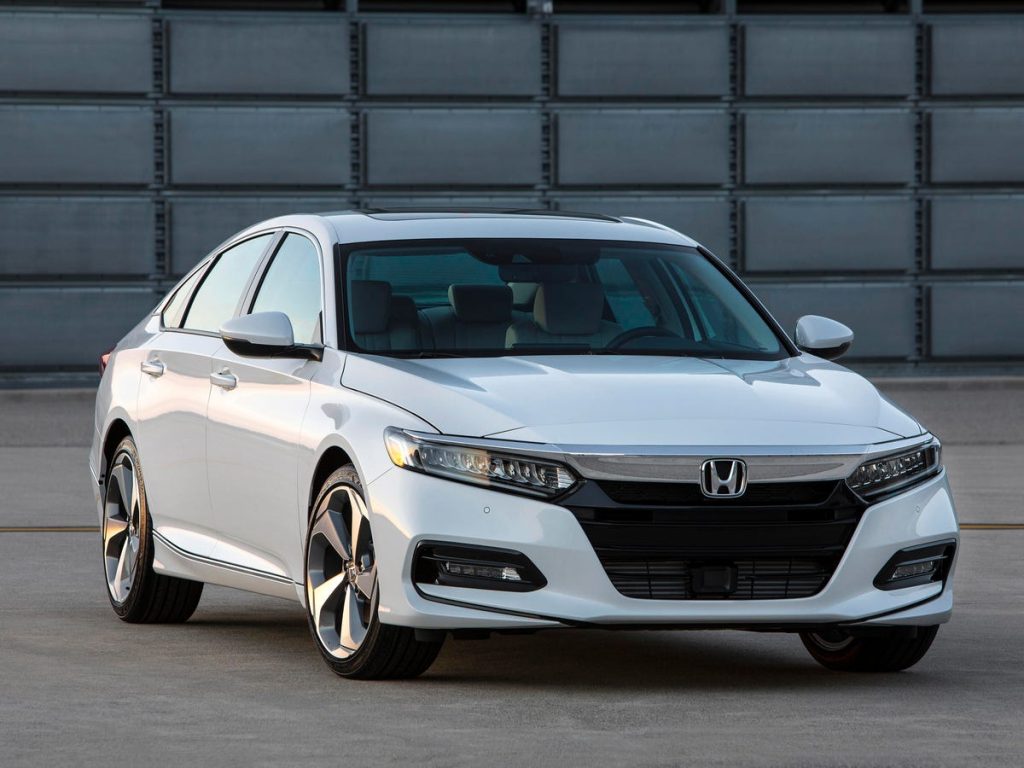
Drivers looking for dependable transportation beyond 150,000 miles frequently choose the Accord because unexpected repair bills are relatively uncommon.
Its combination of proven engineering, accessible maintenance, and outstanding parts availability continues to make it one of the most economical high-mileage sedans available in the American used car market.
Specifications
- Engine: 2.0-liter turbocharged inline-four
- Torque: 273 lb ft
- Horsepower: 252 hp
- Length/Width: 195.7 inches / 73.3 inches
6. Ford Crown Victoria
Few American sedans have demonstrated long-term durability like the Ford Crown Victoria. Built on the legendary Panther platform, it served police departments, taxi fleets, and private owners for decades before production ended in 2011.
Many examples have accumulated well over 300,000 miles, and one reason they continue operating is that repairs remain surprisingly inexpensive compared with many modern full-size vehicles.
The Crown Victoria’s body-on-frame construction and uncomplicated mechanical design make servicing straightforward. Unlike vehicles with tightly packaged engine compartments, many maintenance tasks can be completed quickly, reducing labor charges.
Routine repairs involving suspension components, brakes, cooling systems, and steering parts are generally affordable because replacement components are widely available throughout North America.
Ford’s 4.6-liter Modular V8 also contributes significantly to the vehicle’s reputation. While no engine is immune to wear, this powerplant has proven capable of extremely high mileage when oil changes and cooling system maintenance are performed consistently.
Independent mechanics know the engine well, and many common replacement parts remain inexpensive due to the vast number of Panther-platform vehicles produced.
Another advantage comes from extensive parts interchangeability. The Crown Victoria shares numerous components with the Mercury Grand Marquis and Lincoln Town Car, ensuring continued availability of mechanical and body parts years after production ceased.
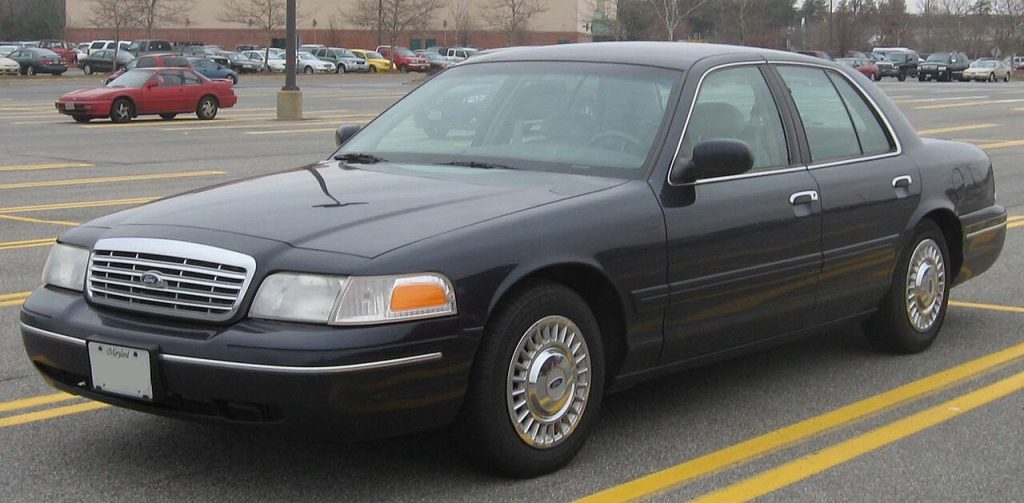
Many fleet operators intentionally kept these sedans in service because the cost of maintaining them remained lower than the cost of purchasing newer vehicles. That same financial advantage continues to benefit private owners today, making the Crown Victoria one of the most economical American cars to repair after surpassing 150,000 miles.
Specifications
- Engine: 4.6 liter SOHC Modular V8
- Torque: 287 lb ft
- Horsepower: 239 hp
- Length/Width: 212.0 inches / 78.2 inches
7. Buick LeSabre
The Buick LeSabre rarely receives the same attention as many Japanese sedans, yet it has quietly earned a reputation as one of the least expensive full-size cars to maintain after accumulating high mileage.
Produced for decades before being discontinued after the 2005 model year, the LeSabre became especially well known for pairing a comfortable ride with General Motors’ highly respected 3800 Series II V6 engine.
Many examples continue operating beyond 200,000 miles while requiring only routine maintenance and occasional replacement of normal wear components.
The 3.8-liter V6 is widely regarded as one of General Motors’ most dependable engines. Its straightforward design, durable internal components, and proven reliability have helped it remain a favorite among mechanics.
Common service items such as water pumps, alternators, ignition modules, brake hardware, and suspension components are inexpensive because millions of vehicles use similar mechanical parts.
Repair costs also stay low because the LeSabre’s engine bay provides good accessibility. Independent technicians can complete many common repairs without removing major assemblies, reducing labor charges compared with more tightly packaged modern vehicles.
Since the platform was shared with several other General Motors models, replacement components remain plentiful through aftermarket suppliers and salvage yards.
Owners also appreciate that electronic systems are relatively uncomplicated by today’s standards. Diagnosing and repairing issues generally requires less specialized equipment than newer luxury sedans packed with advanced electronics.
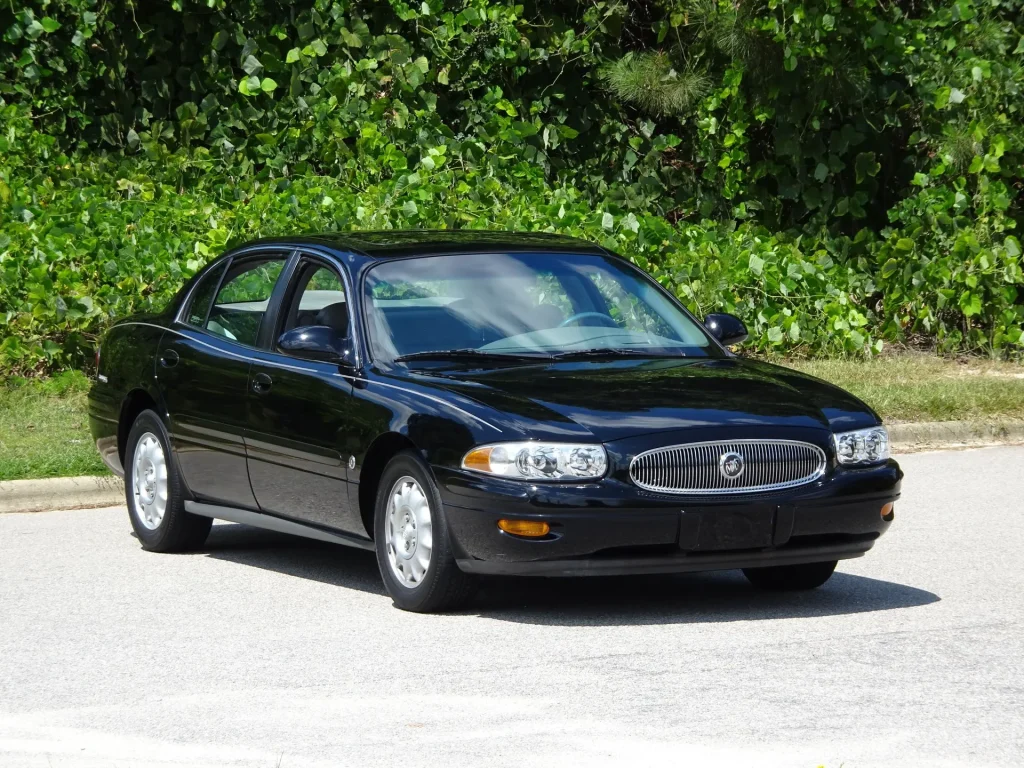
The LeSabre may not deliver sporty handling, but its combination of proven engineering, affordable replacement parts, and exceptional drivetrain longevity has allowed it to remain one of the smartest choices for drivers seeking dependable transportation after the odometer passes 150,000 miles.
Specifications
- Engine: 3.8-liter naturally aspirated V6
- Torque: 225 lb ft
- Horsepower: 205 hp
- Length/Width: 200.0 inches / 73.5 inches
8. Subaru Outback
Many crossover SUVs become increasingly expensive to maintain as mileage climbs, but the Subaru Outback has consistently proven to be an exception when serviced properly. Its popularity throughout the United States has created a vast supply of replacement parts and widespread familiarity among repair shops.
Even after exceeding 150,000 miles, routine repairs generally remain affordable because independent mechanics have extensive experience with the Outback’s drivetrain and suspension systems.
Subaru’s naturally aspirated 2.5-liter BOXER engine has undergone continuous refinement over the years, improving durability while maintaining relatively simple servicing procedures.
Although preventive maintenance remains important, common replacement items such as wheel bearings, brake components, control arms, CV axles, and oxygen sensors are readily available through both original equipment manufacturers and aftermarket suppliers.
Another advantage is Subaru’s standardized all-wheel-drive system. Because the Outback has been one of America’s best-selling adventure-oriented wagons for decades, technicians routinely perform drivetrain and suspension repairs without requiring specialized expertise. Labor times remain competitive, helping owners avoid excessive service bills.
Replacement body panels, lighting assemblies, and interior trim pieces are also easy to obtain because of the vehicle’s strong sales volume. Salvage yards across the country frequently stock Outback components, further reducing repair expenses for aging vehicles.
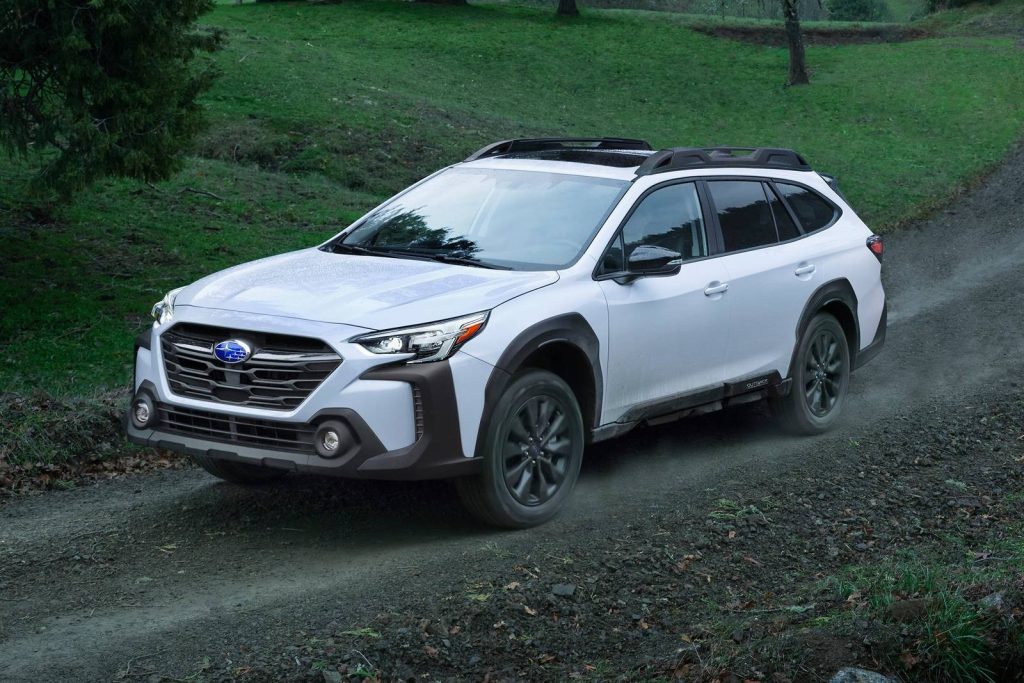
Owners who follow Subaru’s maintenance schedule often report dependable service well beyond 200,000 miles.
While every high-mileage vehicle eventually requires replacement of wear items, the Outback continues to demonstrate that an all-wheel-drive family vehicle does not necessarily have to become expensive to repair simply because the odometer has crossed the 150,000-mile mark.
Specifications
- Engine: 2.5-liter naturally aspirated BOXER four-cylinder
- Torque: 176 lb ft
- Horsepower: 182 hp
- Length/Width: 191.9 inches / 74.2 inches
9. Toyota Prius
The Toyota Prius is often praised for exceptional fuel economy, but another advantage becomes clear as these hybrid hatchbacks accumulate mileage. Many owners discover that repair costs remain surprisingly reasonable even after 150,000 miles.
Although some buyers worry about hybrid technology becoming expensive with age, real-world ownership has shown that the Prius benefits from Toyota’s conservative engineering, proven hybrid components, and an extensive nationwide repair network.
Toyota’s Hybrid Synergy Drive has been refined through multiple generations and has demonstrated impressive long-term durability. The gasoline engine experiences relatively low stress because electric motors assist during acceleration and allow the engine to shut off during certain driving conditions.
This operating strategy reduces wear over time. Routine maintenance items such as brakes, filters, spark plugs, wheel bearings, suspension components, and cooling system parts remain competitively priced thanks to the Prius’ enormous sales volume in the United States.
Battery replacement is often cited as a concern, yet many original battery packs continue operating well beyond 150,000 miles.
Even when replacement becomes necessary, prices have fallen substantially over the past decade because of remanufactured units, aftermarket suppliers, and increased availability of original equipment replacement packs.
Independent repair shops have also become highly experienced with Toyota hybrid systems. Diagnostic procedures are well established, and technicians no longer view the Prius as a specialized vehicle requiring uncommon expertise. This helps keep labor costs lower than many buyers expect.
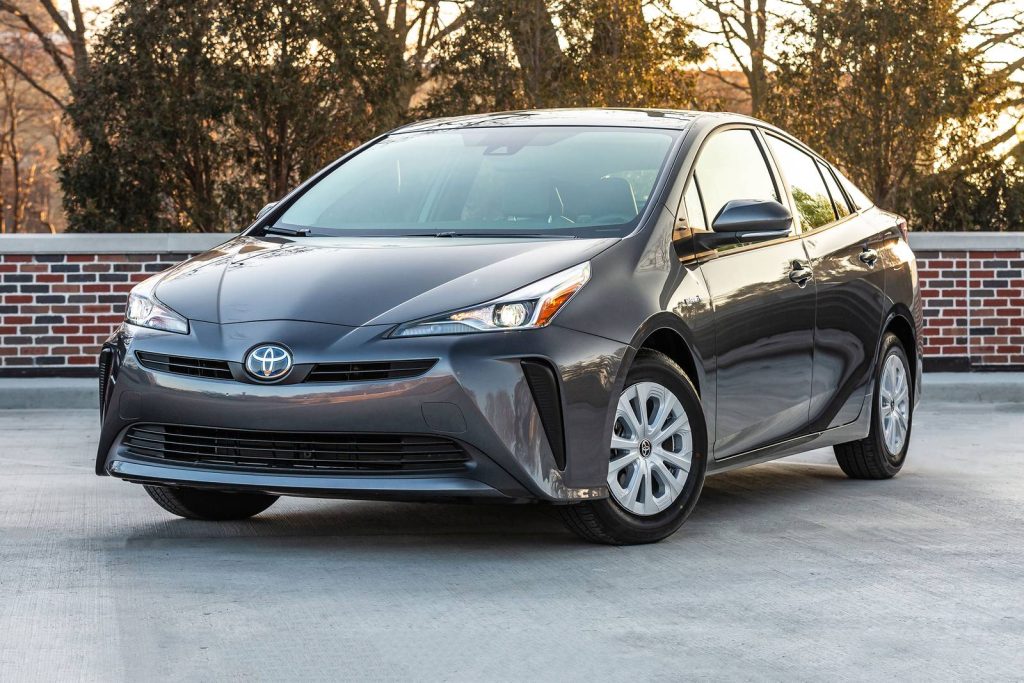
Drivers looking for dependable, high-mileage transportation with excellent fuel efficiency continue to choose the Prius because it combines outstanding reliability with repair expenses that remain manageable throughout its service life. That balance has made it one of America’s most economical long-term ownership choices.
Specifications
- Engine: 2.0-liter naturally aspirated inline four-cylinder hybrid
- Torque: 139 lb ft (engine)
- Horsepower: 194 hp (combined system)
- Length/Width: 181.1 inches / 70.2 inches
10. Chevrolet Impala
The Chevrolet Impala has served American families for generations, and later front-wheel-drive models have developed a reputation for remaining affordable to repair even after accumulating substantial mileage.
Thanks to widespread production, shared General Motors components, and straightforward mechanical design, many Impalas continue providing dependable transportation beyond 150,000 miles without generating excessive maintenance costs.
A major contributor to the Impala’s low repair expenses is its use of proven General Motors powertrains. The naturally aspirated 3.6-liter V6, found in later models, delivers strong performance while benefiting from broad parts availability.
Components such as alternators, water pumps, brake assemblies, wheel hubs, ignition coils, and suspension hardware are widely stocked by aftermarket manufacturers, helping owners avoid premium replacement costs.
Independent repair facilities across the United States also have extensive experience servicing the Impala. Since the sedan shares numerous mechanical components with other General Motors vehicles, technicians are familiar with repair procedures and diagnostic systems. This keeps labor times reasonable for both scheduled maintenance and unexpected repairs.
The Impala’s popularity has created another advantage for long-term owners. Salvage yards consistently carry replacement body panels, lighting assemblies, interior trim pieces, and electronic modules, making accident repairs and cosmetic restoration far less expensive than on lower-volume vehicles.
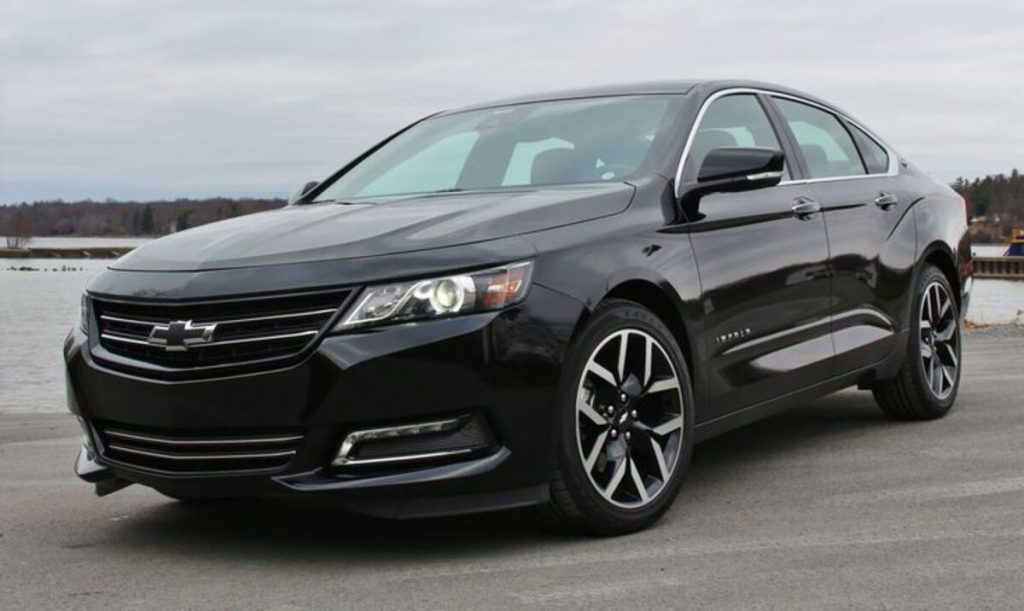
With regular maintenance, many Impalas comfortably exceed 200,000 miles while continuing to deliver reliable daily transportation.
Their combination of durable engineering, affordable parts, and nationwide service support makes them one of the most practical American sedans for drivers who plan to keep a vehicle long after it reaches the 150,000-mile milestone.
Specifications
- Engine: 3.6-liter naturally aspirated V6
- Torque: 264 lb ft
- Horsepower: 305 hp
- Length/Width: 201.3 inches / 73.0 inches
Also Read: 10 Hidden Features in the Mazda CX-90
