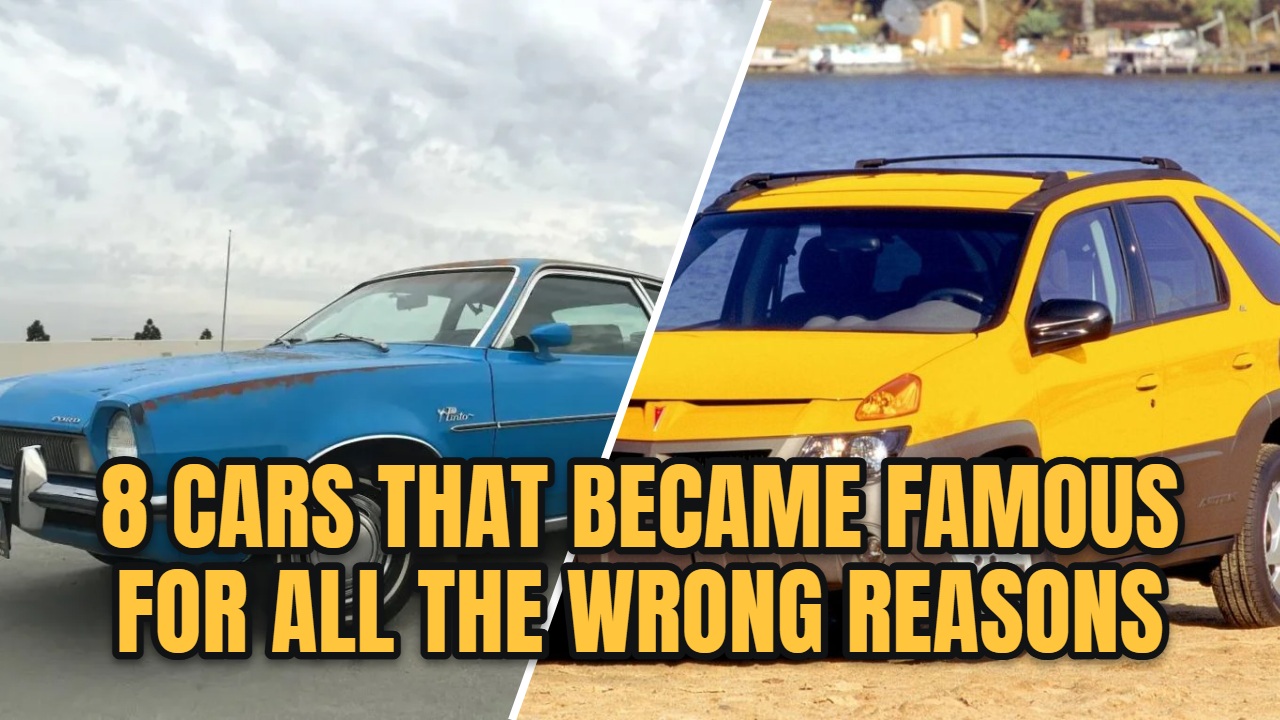
Automakers want their cars to become famous for speed, engineering, reliability, design, or sales success. Automotive history, however, is filled with vehicles remembered for very different reasons. A safety controversy, disastrous styling decision, major recall, misleading claim, or embarrassing mechanical problem can permanently attach itself to a model’s name.
The difficult part is separating automotive folklore from documented fact. Some infamous cars have accumulated exaggerated stories over decades, while others genuinely became the subjects of government investigations, lawsuits, or enormous recalls.
For that reason, the vehicles on this list are judged through documented incidents, official actions, period criticism, and measurable specifications rather than internet rumors. Being included does not necessarily mean every example was mechanically terrible. Several cars offered useful features or were sold in significant numbers. The problem was that one controversy became more memorable than the vehicle itself.
In a few cases, the negative reputation grew so powerful that it continues to influence how enthusiasts discuss the model decades after production ended.
These eight cars demonstrate how quickly an automobile can lose control of its own story. Manufacturers designed them as transportation, performance machines, or innovative products. History remembered them for fires, recalls, unusual styling, scandals, and failures instead.
Also Read: 10 Cars With the Biggest Trunks Ever Made, Ranked by Cargo Capacity
1. 1971 Ford Pinto
The Ford Pinto’s name became inseparable from fuel-tank fires, lawsuits, and arguments about corporate decision-making. Ford originally developed the subcompact to compete with increasingly popular imports, but the controversy surrounding rear-impact crashes eventually became far more famous than the car’s original mission.
In May 1978, the National Highway Traffic Safety Administration determined that 1971 through 1976 Pintos were susceptible to fuel-tank damage, fuel leakage, and fire in moderate-speed rear impacts.
NHTSA’s investigation concluded that the fire threshold in the examined vehicles could be reached at closing speeds of 30 to 35 mph. Ford subsequently agreed to recall approximately 1.5 million Pinto sedans and hatchbacks, along with about 30,000 Mercury Bobcats, for fuel-system modifications.
The story grew beyond recall. Fatal crashes involving Pintos produced major litigation, including Grimshaw v. Ford Motor Co., and the vehicle became a recurring case study in business ethics.
Ford was accused of knowing about the fuel-system risk and weighing design changes against costs. Later scholarly work has challenged or qualified parts of the simplified popular narrative, meaning some commonly repeated Pinto claims deserve caution. The documented federal investigation and recall, however, are not myths.
That distinction matters. The Pinto was not merely a car that received bad reviews. Its name became shorthand for an automotive safety scandal.
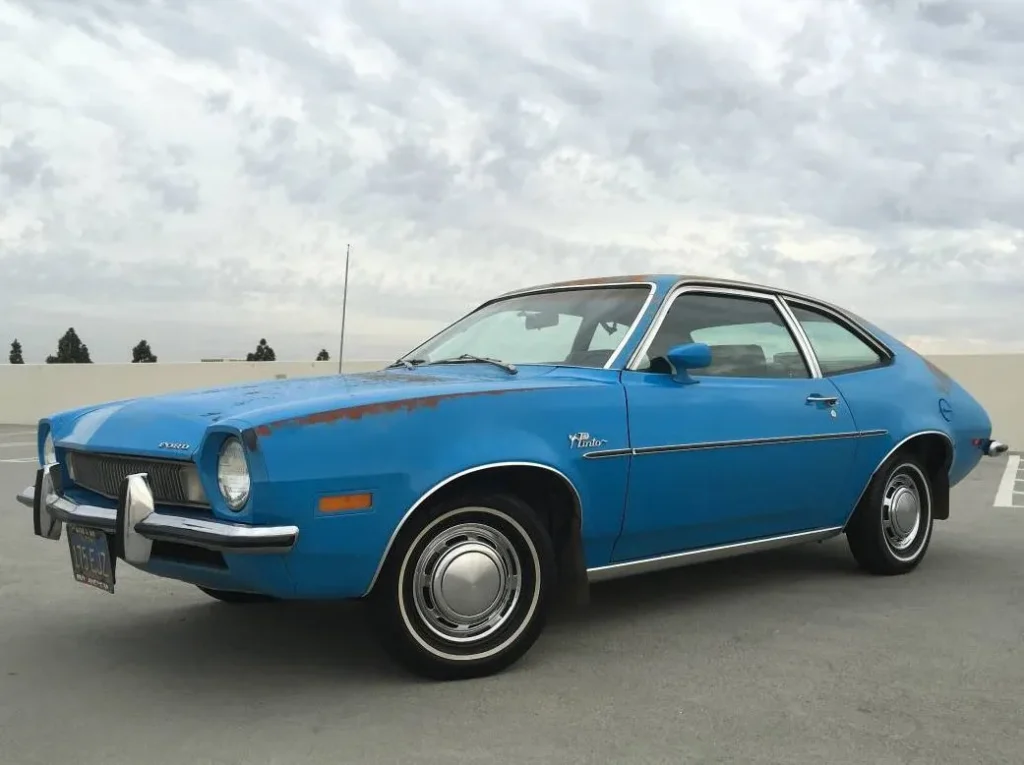
A representative 1971 2.0-liter Pinto produced about 100 horsepower and 120 lb-ft of torque. Those numbers have been largely forgotten. Mention “Pinto” today, and the conversation almost immediately returns to the fuel tank. Ford built an affordable subcompact, but history remembered the controversy instead.
- Engine: 2.0-liter inline-four
- Torque: Approximately 120 lb-ft
- Horsepower: Approximately 100 hp
- Length/Width: Approximately 163.0 inches / 69.4 inches
2. 2001 Pontiac Aztek
No government investigation was required to make the Pontiac Aztek infamous. The reaction started with its appearance. When Pontiac’s unconventional crossover reached the public, its split lighting, heavy plastic cladding, unusual rear profile, and complicated collection of body lines created a level of styling criticism few production vehicles have experienced.
Automotive writers were merciless. Time later included the Aztek among its 50 worst cars, with critic Dan Neil describing the production design as a compromised, plastic-clad result that had lost the appeal of the original concept. Edmunds went even further in its ranking of the worst cars, placing the 2001 Aztek at the bottom of its list.
The fascinating part is that the Azteks were genuinely practical. Pontiac offered an available camping package with a rear tent, while the tailgate incorporated seating areas and cupholders. Its removable center console could function as a cooler.
Available Versatrak all-wheel drive also gave the crossover greater bad-weather capability. Even severe period retrospectives have acknowledged that a useful vehicle existed beneath the controversial exterior.
Its 3.4-liter V6 produced 185 horsepower and 210 lb-ft of torque. Those figures were ordinary for the era, but performance was never the Azteks’ defining problem. The shape dominated every conversation.
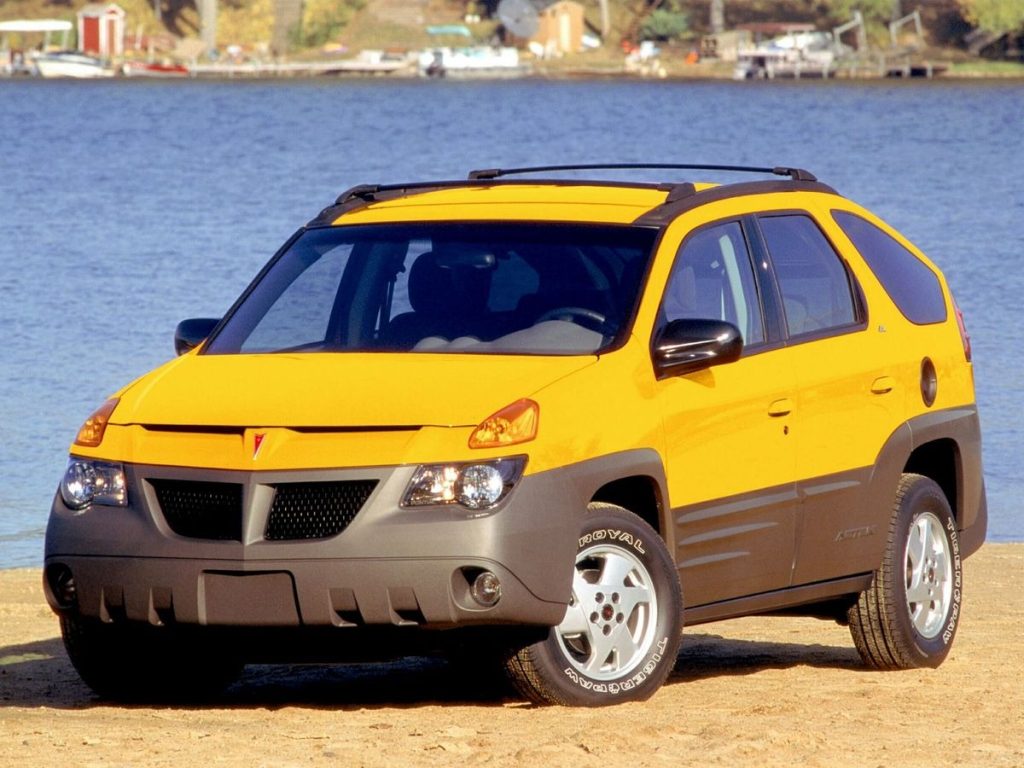
Ironically, modern crossovers now use adventure-focused marketing, camping accessories, plastic body protection, and lifestyle-oriented cargo features similar in philosophy to ideas Pontiac pursued. That has encouraged a partial reassessment of the Aztek.
The reputation remains. Pontiac wanted a bold crossover for younger, active buyers. Instead, the Aztek became one of automotive history’s most frequently cited examples of controversial styling. The useful ideas were real, but the criticism made the car famous first.
- Engine: 3.4-liter V6
- Torque: 210 lb-ft
- Horsepower: 185 hp
- Length/Width: Approximately 182.1 inches / 73.7 inches
3. 1971 Chevrolet Vega
The Chevrolet Vega should have been remembered as evidence that Detroit could build a sophisticated small car. MotorTrend named it the 1971 Car of the Year, and its engineering included an overhead-cam four-cylinder with a die-cast aluminum block.
Instead, the Vega became famous for engine trouble, corrosion, and recalls that overwhelmed the promise of Chevrolet’s ambitious subcompact. Its aluminum-block 2.3-liter engine used silicon-rich cylinder surfaces rather than conventional cast-iron cylinder liners. The design saved weight, but overheating could become destructive.
The open-deck block was vulnerable to cylinder distortion under severe heat, which could compromise head-gasket sealing and contribute to cylinder scuffing. Leaking valve-stem seals also became associated with excessive oil consumption.
Chevrolet eventually made significant changes. A coolant-recovery bottle and low-coolant warning system were introduced, while the revised Dura-Built 140 engine for 1976 received improved coolant passages, a redesigned head gasket, water pump, thermostat, and longer-life valve-stem seals.
Chevrolet even backed the later engine with a five-year or 60,000-mile warranty. Engine problems were not the Vega’s only source of infamy. Early cars developed serious rust issues.
Areas of the body could escape proper anti-corrosion treatment during the manufacturing process, allowing moisture and debris to attack vulnerable metal. Chevrolet later added protective measures, including improved fender protection.
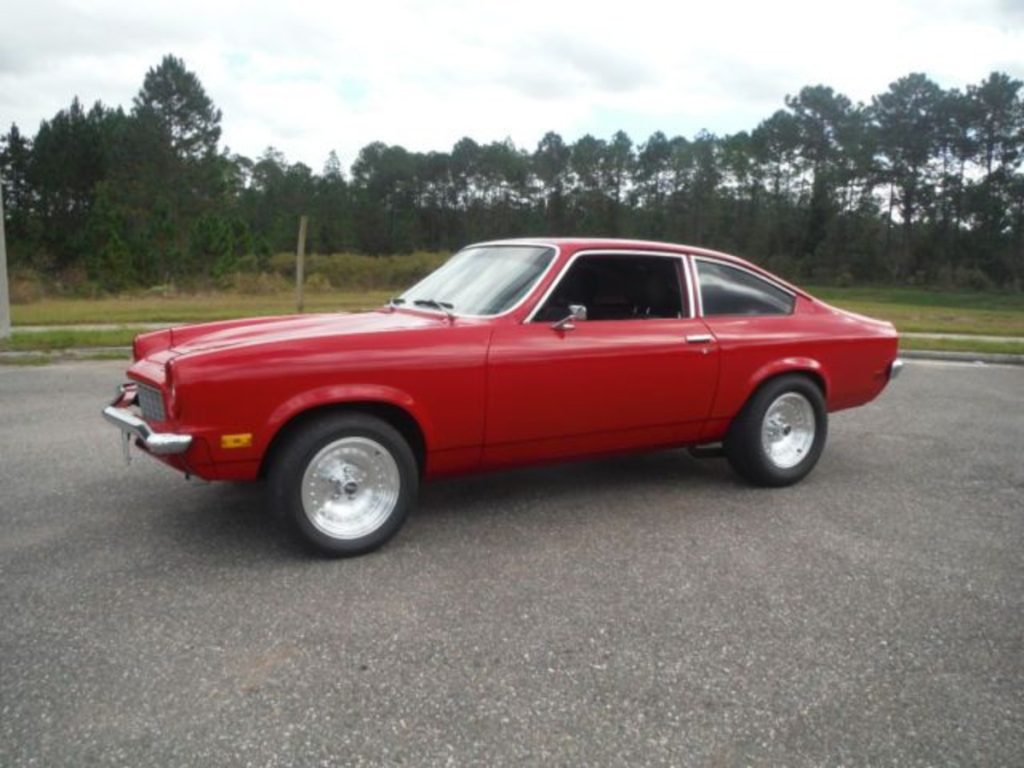
The recalls added another layer. In 1972 alone, major campaigns addressed axle, throttle, and fire-related concerns.
That is why the Vega’s reputation became so difficult to rescue. Chevrolet did improve the car, but public perception had already formed. A vehicle launched with major critical recognition became remembered as a symbol of 1970s General Motors’ quality problems.
- Engine: 2.3-liter inline-four
- Torque: Approximately 120 lb-ft
- Horsepower: Approximately 90 hp in representative 1971 base specification
- Length/Width: Approximately 169.7 inches / 65.4 inches
4. 1982 Cadillac Cimarron
Cadillac wanted a smaller car capable of attracting buyers considering compact European luxury sedans. What it created became one of the most famous examples of badge engineering in American automotive history.
The 1982 Cimarron shared General Motors’ front-wheel-drive J platform with vehicles including the Chevrolet Cavalier, and critics immediately questioned whether Cadillac had done enough to justify the prestigious badge and much higher price.
Car and Driver’s period test was especially damaging. The magazine described the Cimarron as closely related to GM’s other J-cars and recorded a painfully slow 0-to-60-mph time of 14.3 seconds. Its 1.8-liter four-cylinder produced only 88 horsepower in Cadillac’s published specification, although Car and Driver’s tested example was listed at 85 horsepower.
Price made the comparison harder to defend. The 1982 Cimarron’s listed retail price was $12,181. Cadillac included equipment such as air conditioning, additional sound insulation, alloy wheels, full instrumentation, and upgraded interior materials, but similarly related GM cars could be equipped with many comparable convenience features.
Cadillac eventually tried to strengthen the formula. The Cimarron gained a larger 2.0-liter four-cylinder and later an available 2.8-liter V6. Styling changes also gave later cars more visual separation from their J-platform relatives. By then, the original reputation was nearly impossible to erase.
The Cimarron became famous not because it suffered one catastrophic mechanical scandal, but because it appeared to challenge the meaning of the Cadillac badge. Critics saw an expensive compact too visibly connected to cheaper General Motors products.
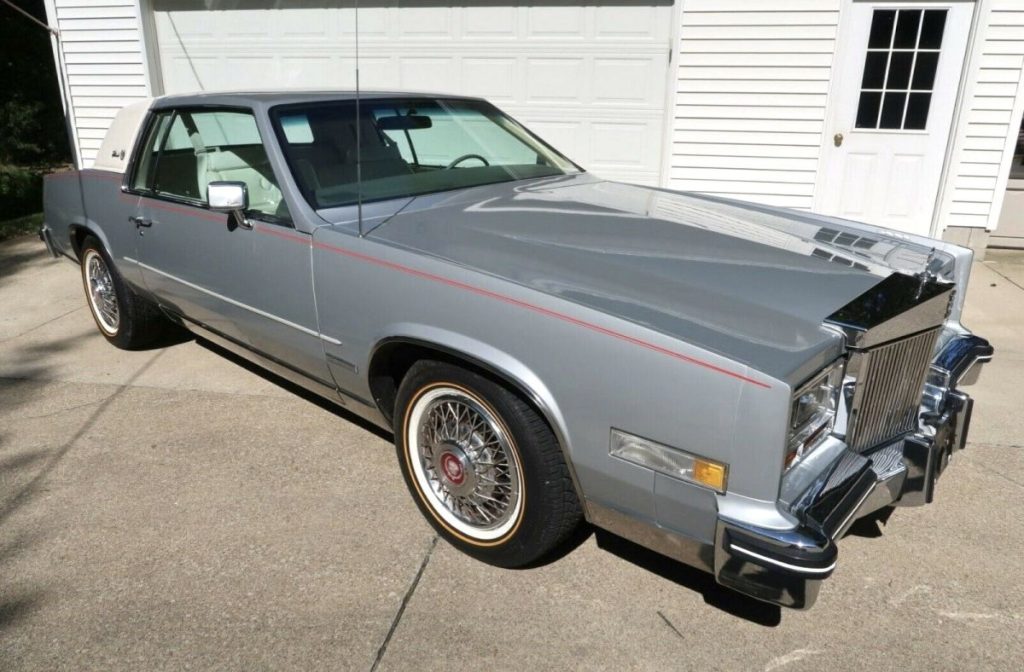
Decades later, the name still appears in discussions about unsuccessful luxury-brand expansion. Cadillac built the Cimarron to attract a new generation of premium buyers. Instead, the car became a warning about how badly a luxury brand can damage its image when customers question the substance behind the badge.
- Engine: 1.8-liter inline-four
- Torque: Approximately 100 lb-ft
- Horsepower: 88 hp
- Length/Width: Approximately 175.9 inches / 66.3 inches
5. 1986 Yugo GV
The Yugo GV entered the United States with a price that immediately attracted attention. At $3,990, it was promoted as America’s lowest-priced new car.
Malcolm Bricklin’s company brought the Yugoslav-built hatchback to American buyers as basic transportation for people who might otherwise purchase a used vehicle. Instead, the Yugo became one of the most famous symbols of poor automotive quality.
Contemporary criticism focused on almost everything buyers touched. Car and Driver’s period road test described crude controls, uncomfortable seating, weak ventilation, and questionable assembly details.
The magazine recorded a 0-to-60-mph time of 14.0 seconds and a top speed of 86 mph. Performance was not merely slow by modern standards. Even in the mid-1980s, the Yugo’s 55-horsepower engine struggled to make the small hatchback feel energetic.
Reliability and maintenance reputation caused greater damage. The 1.1-liter engine used a timing belt, and missed replacement intervals could lead to serious engine damage. Yugo America recommended timing belt replacement at 40,000 miles.
Many cars were purchased because of their extremely low price, and neglected maintenance contributed to the model’s increasingly poor reputation.
Then the jokes took control of the story. The Yugo became a recurring target for comedians, television programs, and automotive writers. Its name turned into shorthand for a cheap, unreliable car, making objective discussion of the vehicle almost impossible.
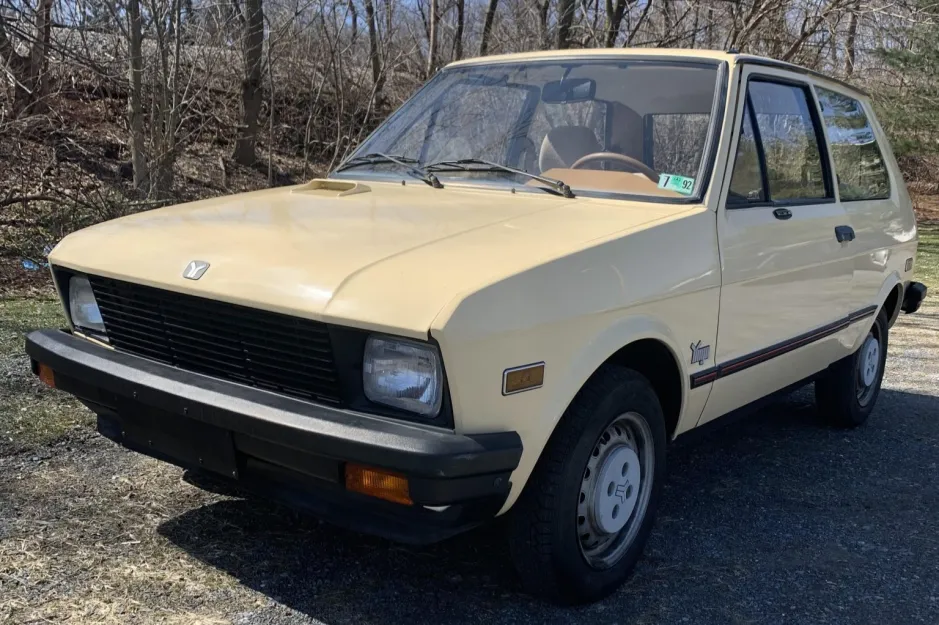
Sales initially showed that the price had appeal. More than 35,000 Yugos were sold in the United States during 1986. Demand later collapsed, and Yugo America entered bankruptcy in 1992.
The GV’s basic engineering was rooted in Fiat-derived designs, but American buyers remembered the weak performance and quality concerns instead. A car intended to redefine affordable new transportation became famous as a cultural punchline.
- Engine: 1.1-liter inline-four
- Torque: Approximately 57 lb-ft
- Horsepower: 55 hp
- Length/Width: Approximately 137.8 inches / 60.2 inches
6. 2000 Ford Explorer
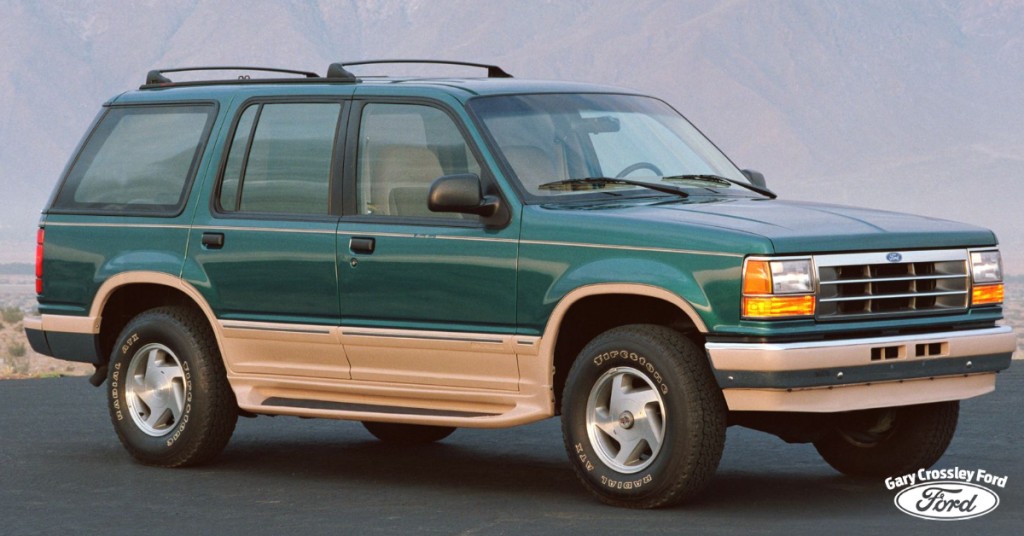
The Ford Explorer was already one of America’s most important SUVs when a rollover and tire controversy transformed its public image. The issue involved Firestone ATX, ATX II, and certain Wilderness AT tires installed on Explorers and other vehicles.
Reports of tread separations, crashes, and rollovers triggered federal scrutiny and one of the era’s largest automotive safety stories.
In August 2000, Bridgestone/Firestone announced a voluntary recall of approximately 6.5 million tires. NHTSA later upgraded its investigation and examined millions of additional Firestone tires.
Congressional hearings followed, while Ford and Firestone publicly disagreed over whether the primary problem involved tire defects, Explorer design, recommended tire pressures, or a combination of factors.
The human consequences were severe. NHTSA data presented during the controversy connected the recalled tires with numerous fatalities and injuries. By September 2001, federal reporting cited 203 deaths associated with Firestone tire failures under investigation.
Ford responded with major action. In 2001, the company announced a program to replace approximately 13 million Firestone Wilderness AT tires on Ford vehicles, a move expected to cost billions of dollars. The long relationship between Ford and Firestone deteriorated publicly.
The controversy also helped accelerate broader safety changes. Congress passed the TREAD Act in 2000, creating stronger tire-reporting requirements and eventually contributing to mandatory tire-pressure monitoring systems in new light vehicles.
The Explorer itself continued as a major Ford nameplate, but the 2000-era model became inseparable from rollover footage and tire-failure headlines. Its 4.0-liter SOHC V6 produced 210 horsepower and 240 lb-ft of torque in representative specifications.
Ford built the Explorer as a family SUV. For a defining period, America knew it primarily through one of the automotive industry’s most damaging safety controversies.
- Engine: 4.0-liter SOHC V6
- Torque: 240 lb-ft
- Horsepower: 210 hp
- Length/Width: Approximately 190.7 inches / 70.2 inches
7. 1986 Audi 5000S
Few television reports have damaged a car’s American reputation as severely as the sudden-acceleration controversy surrounding the Audi 5000.
In November 1986, CBS’s 60 Minutes aired a segment titled “Out of Control,” focusing on claims that Audi 5000 models could accelerate unexpectedly. The story helped turn a respected German luxury sedan into one of the most controversial cars sold in the United States.
Audi’s American sales suffered dramatically during the following years. Yet the technical investigation produced a far more complicated conclusion than the public reputation suggested.
A 1989 U.S. Department of Transportation study examined sudden-acceleration incidents and found that mechanical malfunctions identified during the investigation could not directly produce the reported incidents.
The study identified pedal misapplication as the primary explanation and noted that pedal design could increase the probability of such errors.
That conclusion arrived too late to erase the damage. The Audi 5000 had already become associated with unintended acceleration in the minds of many American consumers. Audi added a brake-shift interlock and made changes to pedal relationships, but the brand spent years rebuilding its U.S. position.
The irony is that the 5000 was technologically interesting. Its aerodynamic body and available quattro all-wheel drive helped establish Audi’s engineering identity. A representative 1986 5000S automatic used a 2.2-liter inline-five producing about 110 horsepower and 122 lb-ft of torque.
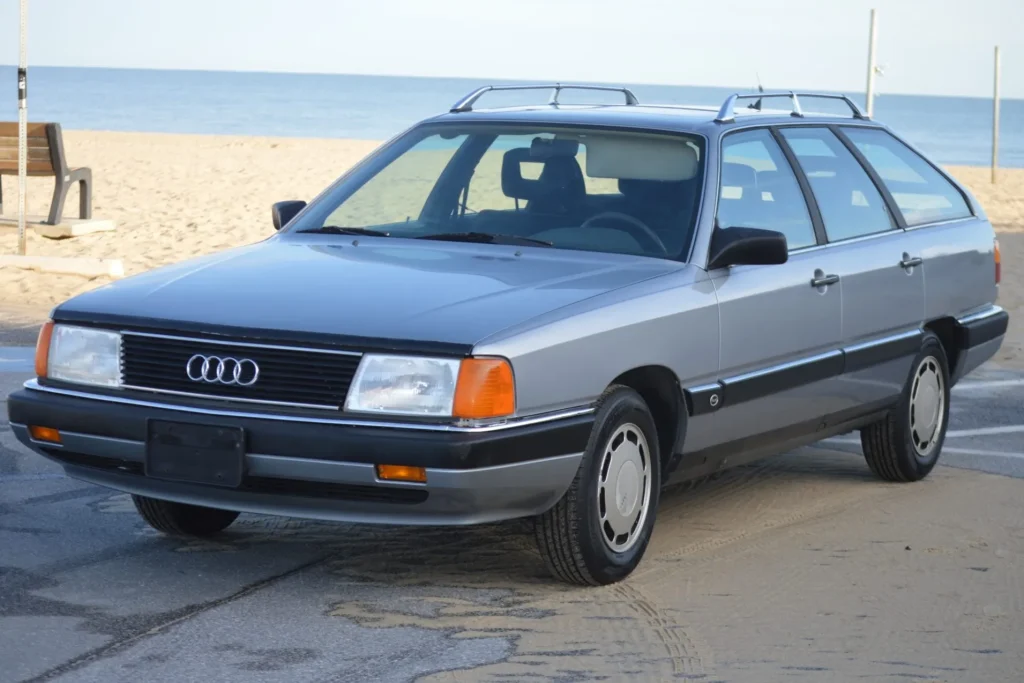
The Audi 5000 became famous because of an allegation that dominated television and public discussion. Federal investigators later reached a more nuanced conclusion, but automotive reputations rarely recover as quickly as technical reports are published.
- Engine: 2.2-liter inline-five
- Torque: Approximately 122 lb-ft
- Horsepower: Approximately 110 hp
- Length/Width: Approximately 188.6 inches / 71.4 inches
8. 1981 DeLorean
The DeLorean is one of the rare cars whose cultural fame is almost completely disconnected from its original commercial performance. Today, stainless-steel body panels and gull-wing doors immediately recall Back to the Future.
In the early 1980s, however, the car became associated with weak sales, production problems, company collapse, and the highly publicized legal troubles of founder John DeLorean. The production car used a 2.85-liter PRV V6 producing only 130 horsepower and 153 lb-ft of torque in U.S. specification.
Those figures were disappointing for a car introduced at roughly $25,000, particularly when its Giorgetto Giugiaro-designed shape suggested exotic performance. Period testing also exposed acceleration that failed to match the dramatic appearance.
Manufacturing created additional difficulties. Early cars developed fit and finish problems, including door striker and weather-sealing concerns. More damaging was the business situation. Demand weakened while inventory increased.
By the end of 1981, approximately 7,500 cars had been produced, but only about 3,000 had been sold. DeLorean Motor Company entered receivership in February 1982 and filed for bankruptcy later that year.
Then came John DeLorean’s arrest in a heavily publicized drug-trafficking case. He was acquitted in 1984 after arguing entrapment, but the televised images and headlines became permanently connected with the company bearing his name.
The car itself received an extraordinary second life after appearing as Doc Brown’s time machine in the 1985 film Back to the Future. That role transformed a failed sports car project into a pop culture icon.
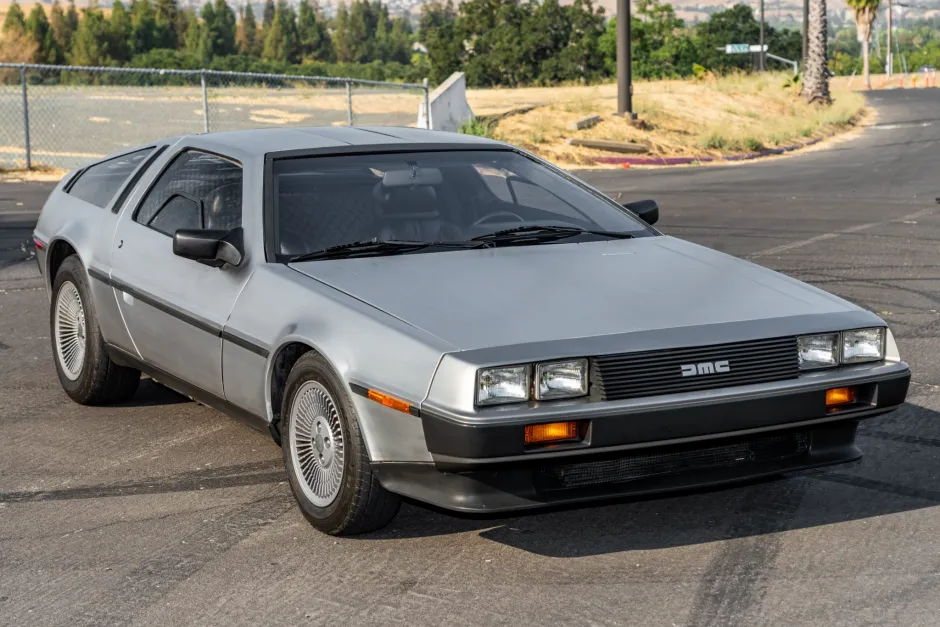
DeLorean intended to build a futuristic American sports car. Instead, the company collapsed after producing roughly 9,000 examples. The strange result is that commercial failure and scandal helped create the background for one of history’s most recognizable automobiles.
- Engine: 2.85-liter naturally aspirated PRV V6
- Torque: 153 lb-ft
- Horsepower: 130 hp
- Length/Width: 168.0 inches / 78.3 inches
Also Read: 10 Mercedes Cars Ranked by Total Sales Volume in the Last 5 Years