
Excessive oil consumption can turn an otherwise dependable vehicle into an expensive ownership problem. Every internal-combustion engine uses some oil, but there is a major difference between normal consumption and an engine that repeatedly needs another quart between routine oil changes.
Worn or poorly functioning piston rings, crankcase ventilation faults, cylinder damage, and valve-seal problems can allow engine oil to enter places it should not.
Several engines sold in the United States became particularly associated with oil-consumption complaints. In some cases, manufacturers issued technical service bulletins or warranty extensions. Other engines became subjects of settlements or detailed oil-consumption testing procedures.
The correct repair can range from replacing an inexpensive ventilation component to removing the engine and installing redesigned pistons and rings.
Repair prices in this article are realistic U.S. estimates rather than universal fixed quotes. Labor rates, vehicle condition, location, dealer pricing, and additional engine damage can move the final invoice significantly. More importantly, topping off the oil is not the same as repairing the cause.
These eight engines have documented oil-burning histories worth understanding. For each one, the real question is not simply how much oil disappears. It is what failed, what the proper mechanical repair involves, and how expensive that solution can become.
Also Read: 8 Best Secondary Car for a Two-Driver Household
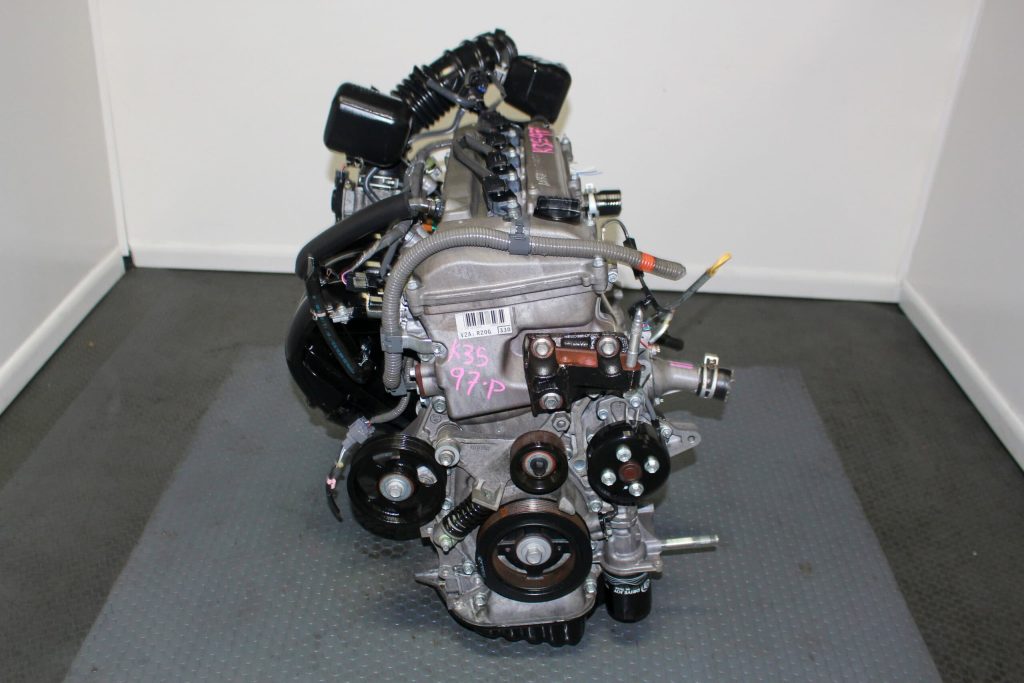
1. Toyota 2AZ-FE 2.4-Liter Four-Cylinder
Toyota’s 2AZ-FE is an important reminder that a durable brand can still produce an engine with a documented oil-consumption problem. The 2.4-liter four-cylinder appeared in high-volume U.S. vehicles, including the Camry, RAV4, Corolla, Matrix, Solara, and Scion models, making the issue relevant to a huge number of used-car shoppers.
Toyota addressed the condition directly in Technical Service Bulletin T-SB-0094-11. The bulletin stated that some 2006 through 2011 vehicles equipped with the 2AZ-FE could exhibit engine oil consumption.
Toyota also noted that the piston assembly had been changed to minimize the condition. A later warranty enhancement covered certain affected vehicles and established an oil-consumption test before major repairs were authorized.
The mechanical repair was not a bottle of additive or a switch to thicker oil. Toyota’s official repair procedure instructed technicians to remove the engine assembly, disassemble it, and replace the pistons and piston ring set. That amount of labor explains why an out-of-warranty repair can become expensive.
For a private-paying U.S. owner today, a proper piston and ring repair can reasonably fall around $2,000 to $4,000, with prices increasing if cylinder damage, machine work, bearings, seals, or other internal components are required. Engine replacement may make more financial sense on a high-mileage vehicle if a good replacement unit is available.
Drivers commonly notice the dipstick level dropping rapidly between oil changes. Ignoring that loss is dangerous because running the engine low on oil can damage bearings and other lubricated components.
The proper first step is a measured consumption test and leak inspection. If internal consumption is confirmed, redesigned pistons and rings are the documented Toyota repair approach.
- Engine: 2.4-liter DOHC 2AZ-FE inline-four
- Torque: Approximately 160 to 165 lb-ft, depending on application
- Horsepower: Approximately 158 to 179 hp, depending on application
- Length/Width: Engine dimensions vary by installation and are not published as a standardized
- Typical Fix Cost: Approximately $2,000 to $4,000 for piston and ring repair
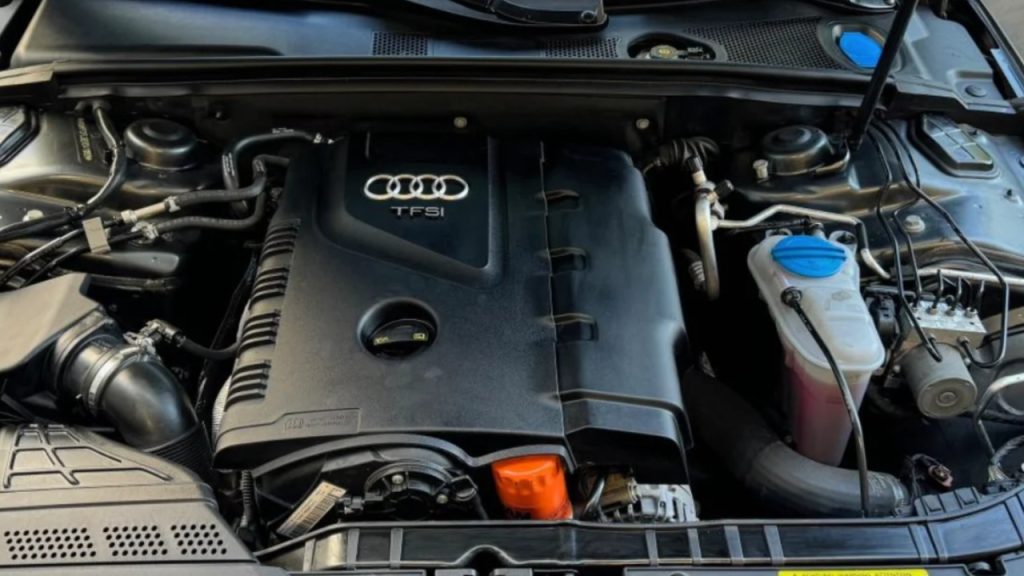
2. Audi EA888 2.0 TFSI
With Audi’s 2.0 TFSI, oil consumption became far more than an enthusiast-forum complaint. Audi issued technical procedures for measuring engine oil consumption on affected vehicles, including documentation specifically referencing the CAEB 2.0 TFSI engine.
Oil-burning allegations also became the subject of U.S. class-action litigation and settlement terms covering certain Audi models.
The core concern frequently centers on the pistons and oil-control rings. When the ring package does not adequately control oil on the cylinder wall, lubricant can move into the combustion chamber and burn with the air-fuel mixture. Owners may repeatedly see an add-oil warning even though no large external leak is visible.
Audi’s technical documentation required a controlled oil-consumption measurement rather than relying solely on an owner’s estimate. That distinction matters. A leaking PCV system or another fault can create oil-use symptoms, so immediately ordering an engine rebuild is a poor diagnosis.
When piston and ring replacement is required, the cost can be severe. U.S. settlement documentation provides useful cost context. Terms connected with affected Audi vehicles referenced reimbursement limits tied to oil-consumption repairs, while dealer repair invoices reported by owners have reached close to $10,000.
A realistic out-of-pocket range for a major piston and ring repair is often about $5,000 to $10,000, depending on the Audi model, labor rate, cylinder condition, and extent of disassembly.
A less expensive PCV-related repair may cost hundreds rather than thousands of dollars, which is why proper testing is essential before opening the engine.
The warning signs are difficult to ignore: frequent oil-level messages, repeated quart additions, spark-plug fouling, smoke in severe cases, and catalytic-converter stress can accompany prolonged oil burning.
For affected EA888-powered Audis, the difference between a ventilation fault and a piston-ring problem can represent thousands of dollars. A documented oil-consumption test, compression or leak-down evaluation when appropriate, and inspection of the crankcase ventilation system should come before authorizing a major rebuild.
- Engine: 2.0-liter turbocharged EA888 TFSI inline-four
- Torque: Approximately 258 lb-ft in many later U.S. applications
- Horsepower: Output varies widely by generation and application
- Length/Width: Engine dimensions vary by vehicle installation
- Typical Fix Cost: Approximately $5,000 to $10,000 for major piston and ring repair
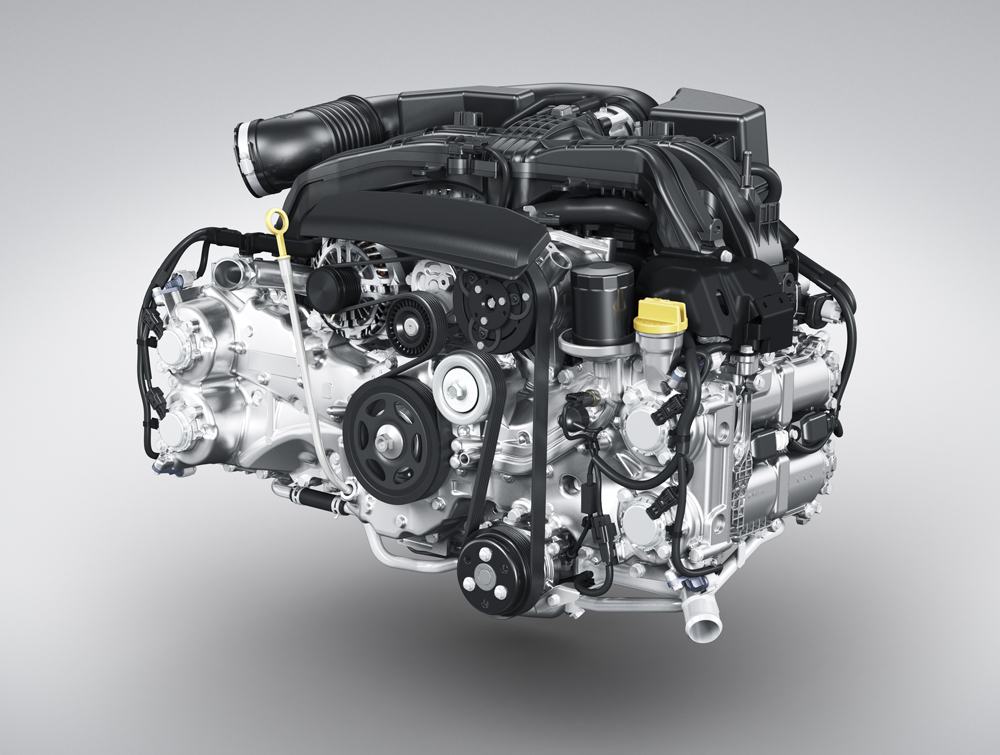
3. Subaru FB25 2.5-Liter Boxer Four-Cylinder
Subaru’s early FB-series engines were introduced with efficiency improvements, but some 2.5-liter FB25 applications developed a documented reputation for excessive oil consumption.
The concern affected certain U.S.-market Forester, Legacy, and Outback model years and eventually resulted in technical guidance, litigation, and extended warranty coverage for qualifying vehicles.
The symptoms could be frustratingly simple. An owner would change the oil, drive normally, and later discover the dipstick level had fallen substantially before the next scheduled service. Subaru established an oil-consumption test so dealers could measure the problem under controlled conditions rather than judging it from an owner’s refill history alone.
Piston rings are central to the more serious cases. If oil control at the cylinder walls is inadequate, engine oil can enter the combustion chamber and burn. Subaru’s repair approach for qualifying vehicles that failed the prescribed consumption test could involve replacing the short block. That is a much larger job than repairing an external gasket leak.
For an owner paying privately in the United States, a short-block replacement can typically cost around $5,000 to $8,000, depending on labor rates and the additional components required during reassembly.
A used or remanufactured engine may change the price significantly. Minor leaks or PCV-related problems can cost far less, so diagnosis remains critical.
Owners should begin with a documented consumption test, leak inspection, and crankcase ventilation check. Simply adding oil keeps the level safe but does not repair failed oil-control components.
The FB25’s history shows why monitoring the dipstick matters. Allowing a consuming engine to run low can turn an oil-burning complaint into bearing damage and a much more expensive engine failure.
- Engine: 2.5-liter DOHC FB25 horizontally opposed four-cylinder
- Torque: Approximately 174 lb-ft in many affected applications
- Horsepower: Approximately 170 to 175 hp, depending on application
- Length/Width: Engine dimensions vary by vehicle installation
- Typical Fix Cost: Approximately $5,000 to $8,000 for short-block replacement
4. Honda J35 V6 With Variable Cylinder Management
Honda’s 3.5-liter J35 V6 built a strong reputation for smooth power, but certain Variable Cylinder Management applications became connected with oil consumption, spark plug fouling, and engine misfire complaints.
The issue became serious enough to produce a U.S. class-action settlement involving more than 1.5 million Honda and Acura vehicles.
Honda’s Technical Service Bulletin 11-033 addressed repeated misfires on certain V6 models. The bulletin explained that VCM operation could contribute to spark-plug fouling in specific cylinders. Oil passing the piston rings could contaminate the plugs, triggering misfire codes and poor engine operation.
The documented repair was much more involved than installing six new spark plugs. Depending on the diagnostic results, Honda’s procedure called for cleaning or replacing affected spark plugs and replacing piston rings on specific cylinders.
In qualifying cases covered by the settlement and warranty extension, Honda handled eligible repairs under extended coverage.
Once those vehicles fall outside applicable coverage, repair economics become less comfortable. A piston-ring job on a transverse Honda V6 requires significant engine disassembly.
U.S. repair costs can reasonably reach $3,000 to $5,500, depending on the vehicle, labor rate, number of cylinders requiring repair, and whether additional internal wear is found. Replacing fouled spark plugs alone may cost a few hundred dollars, but that does not correct an underlying ring-related oil problem.
Owners may first notice a check-engine light, misfire, rough operation, or repeated oil additions. A compression test, leak-down testing when appropriate, spark-plug inspection, and measured oil-consumption history can help separate ring trouble from ignition-coil or other misfire causes.
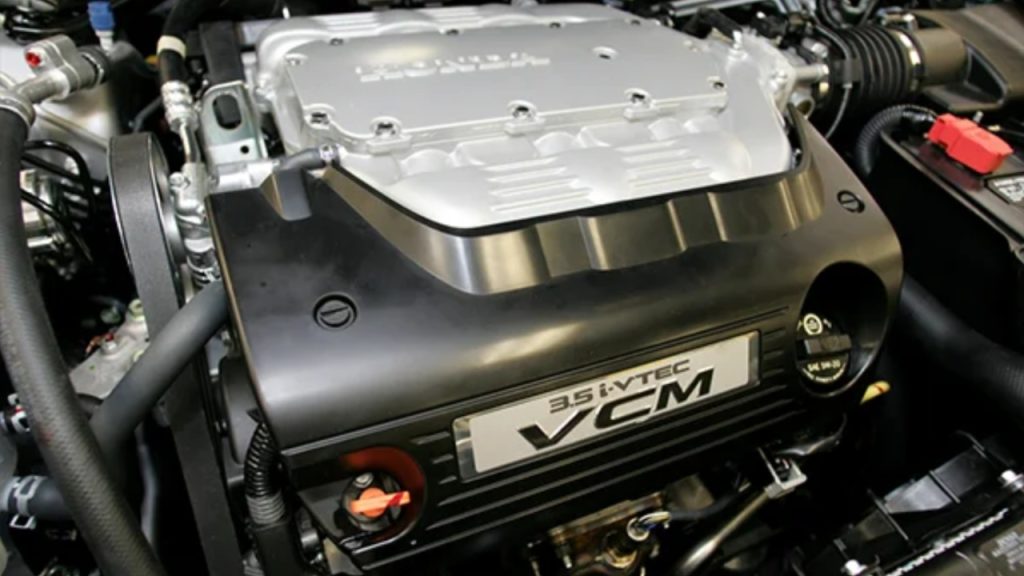
The J35 case is particularly important because replacing plugs can temporarily remove the symptom. If oil contamination caused the fouling, however, the misfire may return.
A proper repair targets the mechanical source rather than repeatedly clearing codes and installing another set of spark plugs.
- Engine: 3.5-liter SOHC J35 V6 with VCM
- Torque: Approximately 250 to 262 lb-ft, depending on application
- Horsepower: Approximately 240 to 280 hp, depending on application
- Length/Width: Engine dimensions vary by vehicle installation
- Typical Fix Cost: Approximately $3,000 to $5,500 for major piston-ring repair
5. GM 2.4-Liter Ecotec LAF and LEA Four-Cylinder
For many Chevrolet Equinox and GMC Terrain owners, the first sign of trouble was not blue smoke pouring from the exhaust. It was a dipstick showing surprisingly little oil long before the next scheduled oil change.
General Motors eventually documented excessive oil consumption on certain 2.4-liter Ecotec engines and created a special coverage program for affected vehicles.
The direct-injected LAF and LEA engines used low-tension piston rings to control oil on the cylinder walls. GM service information tied excessive consumption to piston-ring wear or sticking in affected engines. Carbon and deposit-related ring problems could allow oil to remain on the cylinder wall and enter the combustion chamber.
GM’s testing procedure measured oil use over a controlled mileage interval. When an engine met the applicable excessive-consumption criteria under the program, the major repair involved replacing the pistons and rings.
This was not the same as repairing the commonly discussed PCV or intake-system icing concerns that also affected some 2.4-liter vehicles.
Outside of warranty or special coverage, the financial impact can be substantial. A professional piston and ring job generally costs around $2,500 to $4,500 in the United States.
Additional cylinder wear or oil-starvation damage can push the owner toward a replacement engine, with installed costs potentially reaching $5,000 to $8,000 or more depending on the source of the engine and labor rate.
Frequent oil checks are critical. An owner who continues driving while the level falls can damage timing components, bearings, and other lubricated surfaces. At that stage, correcting the original ring problem may no longer save the engine.
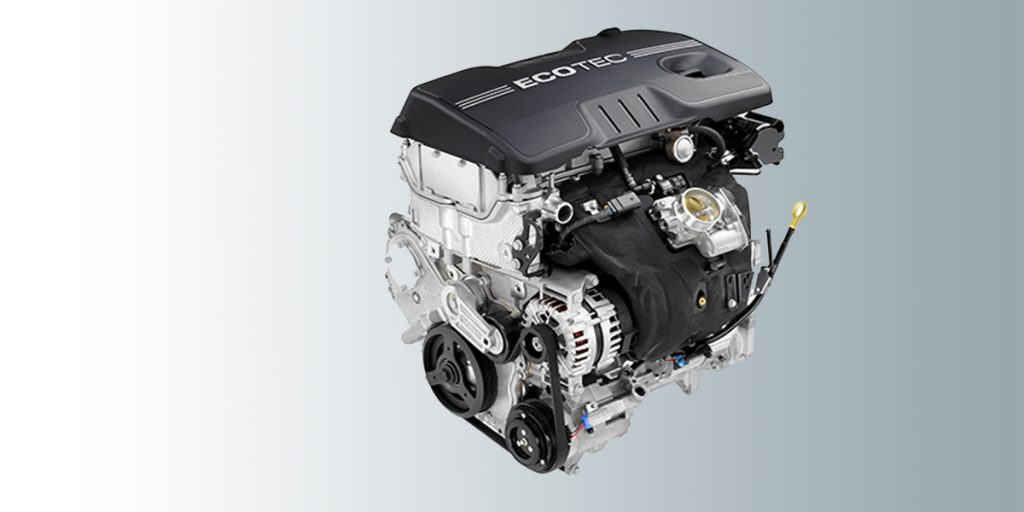
A measured oil-consumption test should come first. If no major external leak exists and consumption is excessive, piston and ring condition must be investigated rather than repeatedly adding another quart.
- Engine: 2.4-liter direct-injected Ecotec LAF or LEA inline-four
- Torque: Approximately 172 lb-ft in Equinox and Terrain applications
- Horsepower: Approximately 182 hp
- Length/Width: Engine dimensions vary by vehicle installation
- Typical Fix Cost: Approximately $2,500 to $4,500 for piston and ring repair
6. BMW N63 4.4-Liter Twin-Turbo V8
BMW’s N63 presents a very different kind of oil-consumption problem. This 4.4-liter twin-turbocharged V8 placed its turbochargers inside the engine’s V, creating the compact hot-V layout that helped deliver remarkable performance.
The same engine family also became connected with extensive oil-consumption complaints and U.S. class-action settlements.
BMW’s own N63 settlement service documentation confirms formal oil-consumption testing and potential engine repair or replacement procedures for qualifying vehicles.
Later, N63TU1 settlement instructions similarly provided eligible owners with oil-consumption tests and a mileage-based contribution program for oil-consumption-related engine repair or engine replacement.
The cause cannot be reduced to one failed component on every N63. Depending on engine generation and diagnosis, crankcase ventilation problems, turbocharger-related oil leakage, valve stem seals, or internal engine wear may contribute. This is precisely why replacing parts based only on an oil-add warning can become extremely expensive.
Valve stem seals are among the costly repairs commonly associated with oil-burning N63 engines. Worn seals can allow oil to enter the combustion chambers, sometimes producing smoke after idling or during certain operating conditions.
A professional valve stem seal repair can cost roughly $4,000 to $8,000 in the U.S. market because of the labor and specialized procedures involved.
If testing confirms deeper internal wear and engine replacement becomes necessary, the invoice can climb past $10,000, with some dealer-level replacement scenarios reaching considerably higher figures. A crankcase ventilation repair is far cheaper and may remain below $1,000, depending on the vehicle.
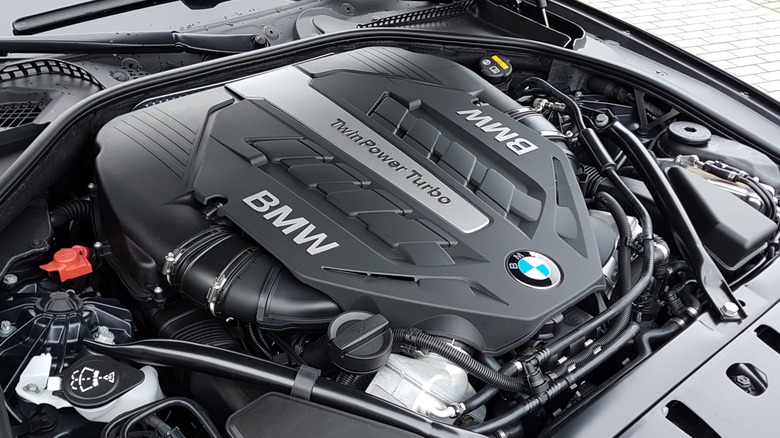
That enormous price spread makes diagnosis essential. BMW’s documented consumption-test procedures are evidence that measured oil use matters more than guessing.
An N63 owner facing repeated oil warnings should document mileage between top-offs, inspect for external leaks, test the ventilation system, and identify the exact N63 generation before approving major work.
- Engine: 4.4-liter DOHC N63 twin-turbocharged V8
- Torque: Approximately 450 lb-ft in early U.S. N63 applications
- Horsepower: Approximately 400 hp in early U.S. N63 applications
- Length/Width: Engine dimensions vary by vehicle installation
- Typical Fix Cost: Approximately $4,000 to $8,000 for valve stem seals, with major engine replacement potentially exceeding $10,000
7. FCA 2.4-Liter Tigershark MultiAir Four-Cylinder
The 2.4-liter Tigershark became associated with an oil-consumption problem that could create a more alarming symptom than a low dipstick reading. On some affected Jeep, Chrysler, Dodge, and Fiat vehicles, falling oil levels could contribute to an engine stall, making regular oil checks particularly important.
FCA addressed the issue through oil-consumption testing and extended warranty coverage for certain vehicles. Stellantis service bulletin 09-003-23 covers a 2.4-liter excessive oil consumption warranty extension and directs dealers to perform a formal engine oil consumption test.
The coverage applied to specified vehicles and was extended to seven years or 100,000 miles for the documented condition.
The more serious mechanical concern centers on the pistons and rings. Settlement information for affected 2.4-liter Tigershark vehicles specifically addressed repairs involving pistons and rings when excessive oil consumption was confirmed.
The engine appeared in U.S. models, including certain Jeep Cherokee, Compass, and Renegade vehicles, along with other FCA products.
Repair cost depends heavily on what testing finds. An oil-consumption test and basic diagnosis may cost a few hundred dollars when warranty coverage does not apply. If internal repair requires piston and ring replacement, a realistic U.S. estimate is approximately $3,000 to $5,500.
Severe damage caused by repeatedly operating with insufficient oil may make a long-block replacement necessary, potentially pushing the bill beyond $6,000.
This engine requires disciplined diagnosis. The oil should be filled to the specified level, mileage recorded, and consumption measured using the manufacturer’s procedure. External leaks must also be ruled out.
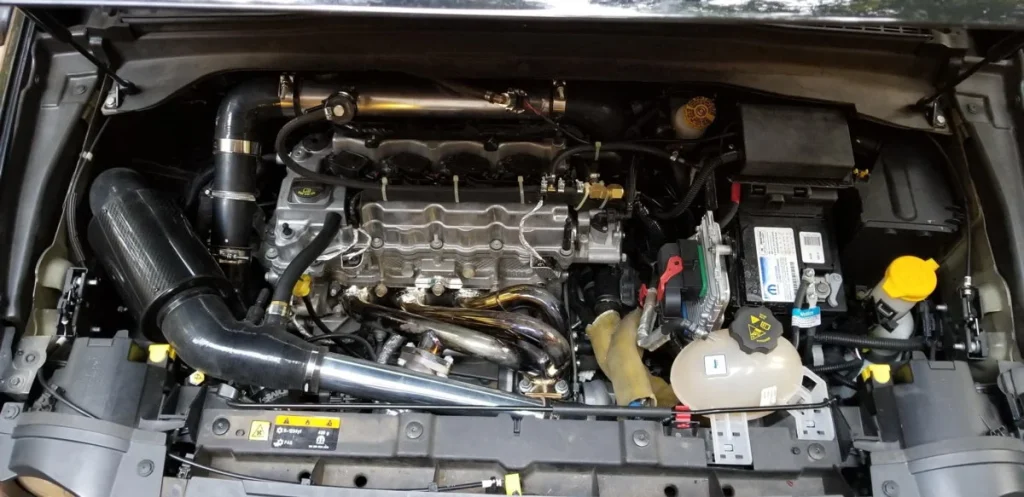
Repeatedly topping off a Tigershark may keep it running, but it does not correct a confirmed internal consumption problem. When the engine fails the documented test, piston, ring, or long-block repair may be the real solution.
- Engine: 2.4-liter SOHC Tigershark MultiAir inline-four
- Torque: 171 to 175 lb-ft, depending on application
- Horsepower: 180 to 184 hp, depending on application
- Length/Width: Engine dimensions vary by vehicle installation
- Typical Fix Cost: Approximately $3,000 to $5,500 for major piston and ring repair
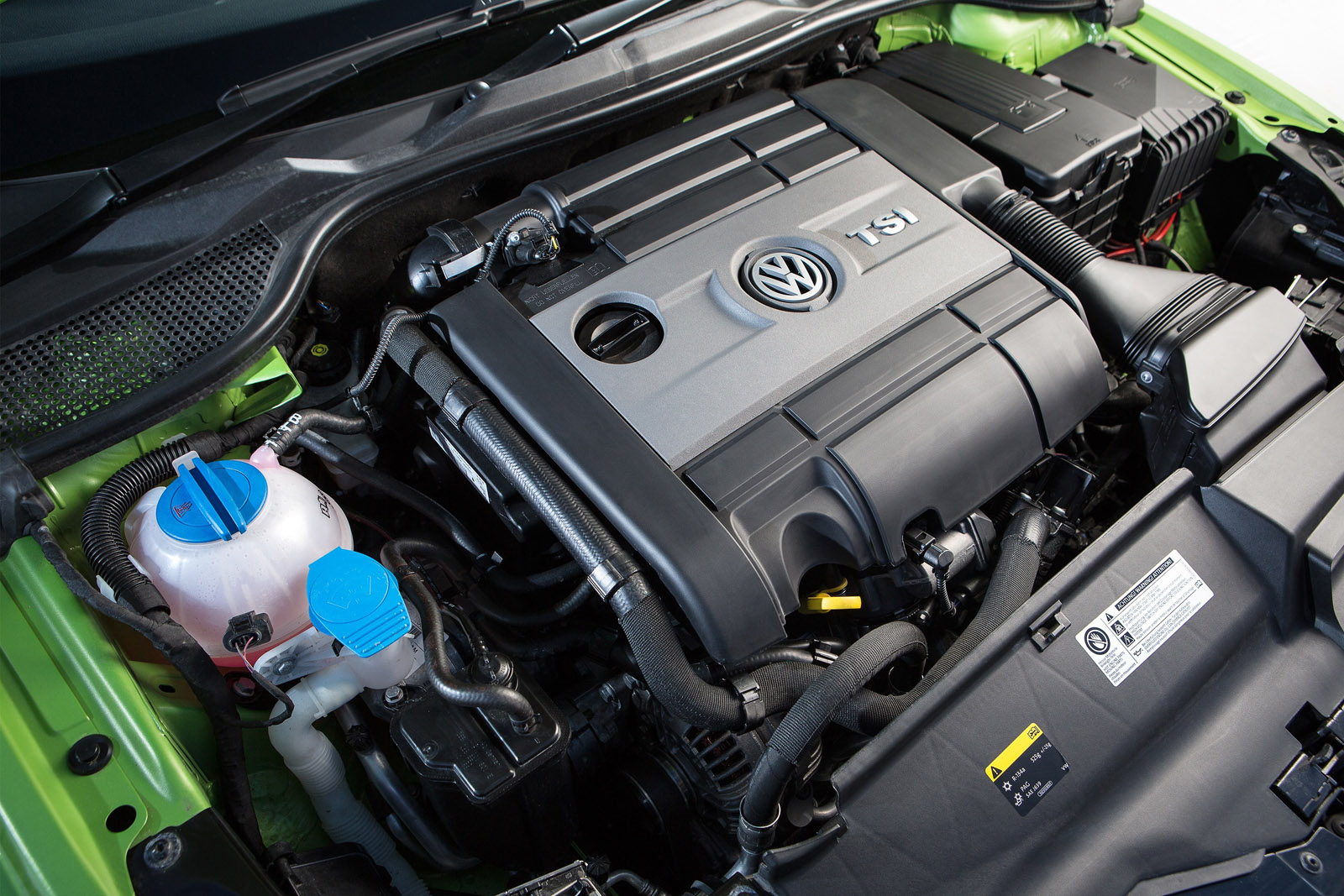
8. Volkswagen EA888 2.0 TSI Four-Cylinder
Volkswagen’s EA888 2.0 TSI closes this list because oil consumption has followed parts of the engine family across different generations and vehicle applications. It is closely related to the Audi engine discussed earlier, but Volkswagen-branded cars created their own large U.S. ownership population and complaint history.
The piston ring package is a critical part of the discussion. Volkswagen Group technical material for third-generation EA888 engines specifically notes a revised three-piece oil-control ring design.
More recent U.S. litigation involving certain Volkswagen and Audi EA888 applications has also alleged that insufficient piston-ring tension can allow oil into the combustion chamber. Those allegations remain legal claims rather than a universal defect finding for every EA888 engine.
For owners, the pattern may begin with increasingly frequent oil additions. A car that once traveled an entire service interval without needing a top-off may eventually request oil every 1,000 miles or less. Burning oil can also contribute to carbon deposits and place additional stress on spark plugs and emissions components.
The repair path should begin with an external leak inspection and crankcase ventilation diagnosis. A failed PCV-related component can be far less expensive to correct, often costing several hundred dollars. If a controlled consumption test and mechanical diagnosis point to piston rings, the financial picture changes dramatically.
A piston and ring repair can reasonably cost $5,000 to $9,000 at U.S. specialist- or dealer-level labor rates. Engine condition, model, generation, and required machine work can move the estimate higher. In some cases, replacement with a remanufactured or used engine becomes the more practical choice.
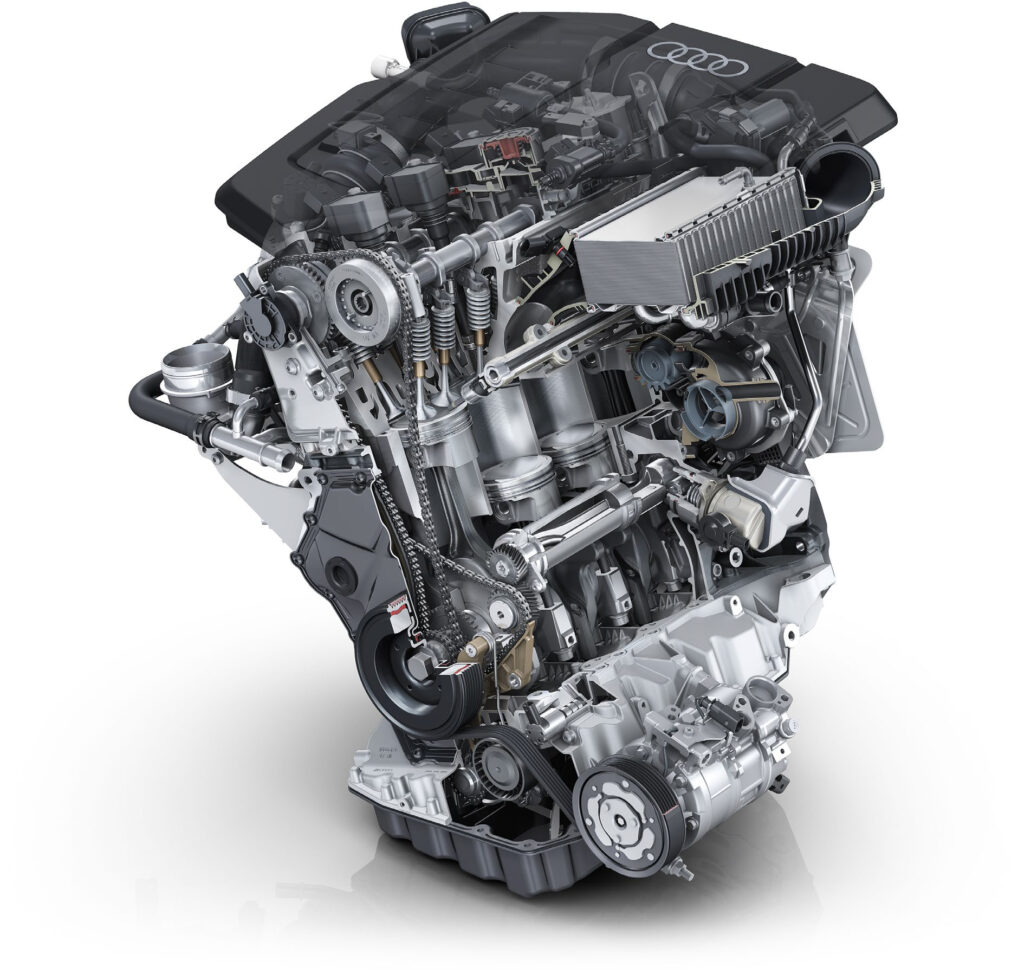
The EA888 name covers multiple generations, so buyers should never assume every 2.0 TSI has identical internal parts or the same oil-consumption risk. Exact engine code and model year matter.
For a Volkswagen that repeatedly needs oil, documenting consumption per 1,000 miles is essential. The correct fix depends on proving whether the loss comes from ventilation, leakage, turbocharger-related issues, or internal oil control.
- Engine: 2.0-liter DOHC EA888 turbocharged inline-four
- Torque: Output varies by generation and U.S. application
- Horsepower: Output varies by generation and U.S. application
- Length/Width: Engine dimensions vary by vehicle installation
- Typical Fix Cost: Approximately $5,000 to $9,000 for major piston and ring repair
Also Read: 10 BMW Cars Ranked by Total Sales Volume in the Last 5 Years
