
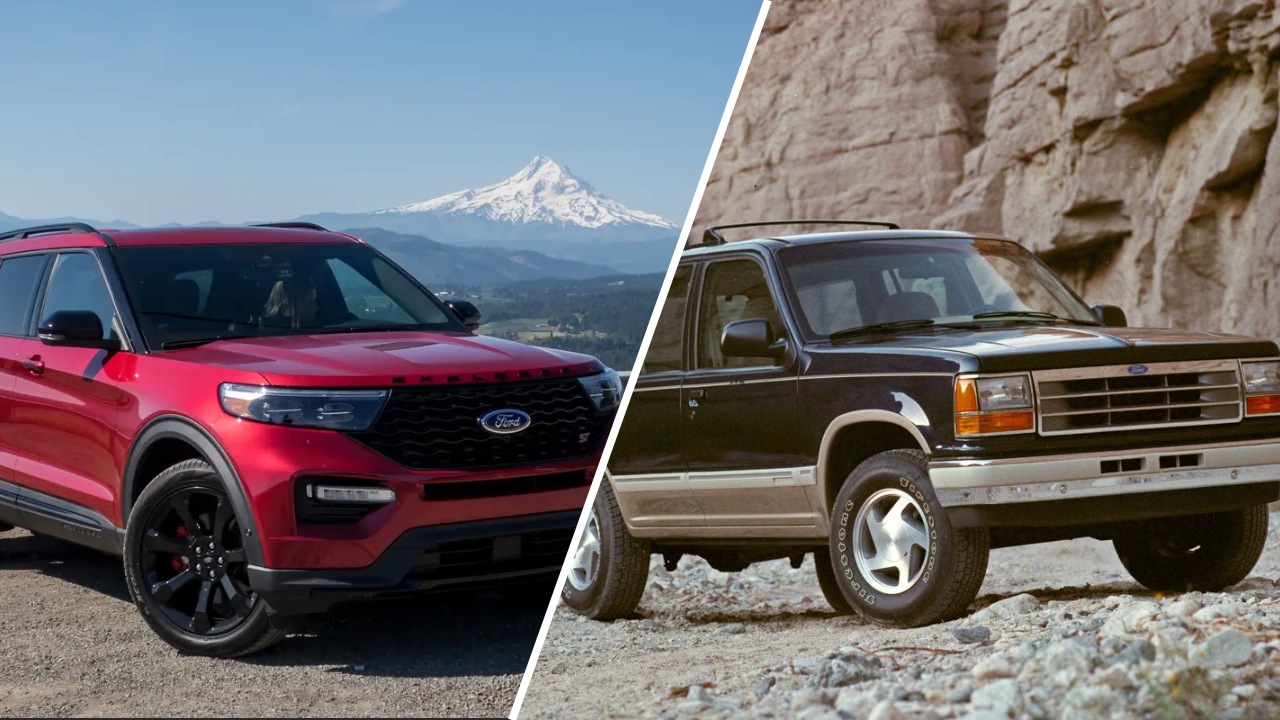
The Ford Explorer has been a defining name in the SUV market since its introduction in 1990. Over more than three decades, it has changed from a traditional body-on-frame utility vehicle into a modern crossover-style SUV filled with advanced technology, improved efficiency, and premium features.
The Explorer played a major role in making SUVs popular among families who wanted more space, higher driving positions, and better everyday practicality without moving to a larger truck-based model.
Throughout its history, the Explorer has gone through six generations, with each version reflecting the needs and expectations of its time. Some generations became icons because of their durability, versatility, and strong performance, while others received criticism for reliability concerns, styling decisions, or mechanical choices.
Ranking every generation requires looking at several factors, including design, capability, innovation, comfort, reliability, sales success, and long-term impact.
This ranking examines every Ford Explorer generation from the original 1991 model to the latest versions, placing them from the least impressive to the most influential. Each generation brought something different to the SUV segment, and understanding their strengths and weaknesses shows how Ford adapted the Explorer to changing customer demands.
Also Read: 5 Best Toyota RAV4 Years vs 5 to Skip
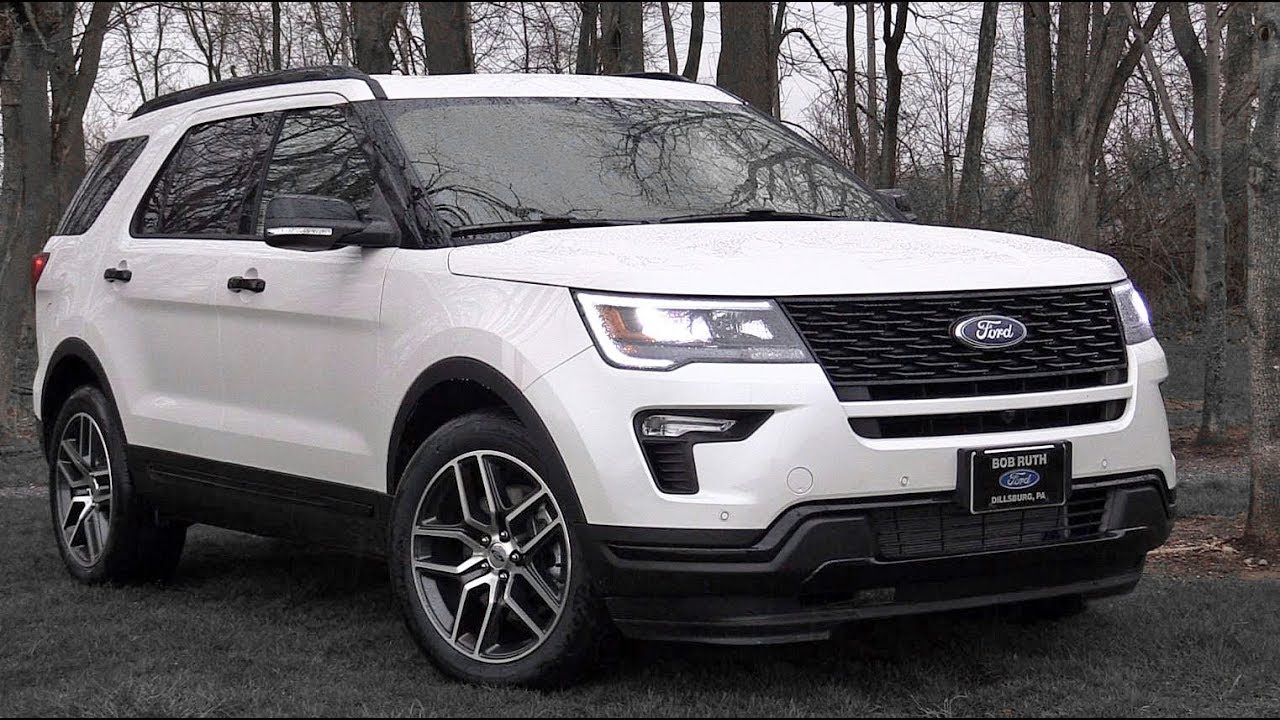
- Engine: 2.0-liter EcoBoost turbocharged 4-cylinder / 3.5-liter Ti-VCT V6 / 3.5-liter EcoBoost twin-turbo V6 / 3.3-liter Hybrid V6 gasoline engine
- Horsepower: 240 hp (2.0L) / 290 hp (3.5L V6) / 365 hp (3.5L EcoBoost) / 318 hp combined (3.3L Hybrid)
- Torque: 270 lb-ft (2.0L) / 255 lb-ft (3.5L V6) / 350 lb-ft (3.5L EcoBoost) / 322 lb-ft combined (3.3L Hybrid)
- Length: 197.1 inches
- Width: 78.9 inches
6. Fifth Generation Ford Explorer (2011 to 2019)
The fifth-generation Ford Explorer represented the biggest transformation in the vehicle’s history. When Ford introduced this model for the 2011 model year, the company moved away from the traditional body-on-frame construction that had defined previous Explorers.
Instead, Ford built the SUV on a unibody platform shared with vehicles such as the Ford Taurus and Flex. This decision changed the Explorer from a rugged truck-based SUV into a more comfortable family crossover designed mainly for road use.
The redesign brought major improvements in driving comfort, fuel economy, and interior refinement. The previous generations were known for their truck-like handling, but the fifth generation delivered a smoother ride and better road manners.
The independent suspension system helped provide a more controlled driving experience, while the lighter construction improved efficiency. For many buyers, these changes made the Explorer easier to live with as a daily family vehicle.
The interior also received a major upgrade. Ford focused on creating a more modern cabin with available features such as the MyFord Touch infotainment system, advanced safety technology, and premium materials in higher trims.
The spacious three-row layout remained a major selling point, giving families plenty of passenger and cargo space. The Explorer became more competitive against newer crossover SUVs that were gaining popularity during this period.
However, the fifth generation also had several weaknesses that prevented it from ranking higher. Early versions of the MyFord Touch system were criticized for being slow and difficult to use.
Some owners reported reliability concerns, including issues with power steering systems and transmission performance. The shift away from body-on-frame construction also reduced the Explorer’s traditional off-road ability, making it less appealing to buyers who wanted a more rugged SUV.
The fifth-generation Explorer deserves credit for adapting to market changes and attracting a wider audience. It helped Ford compete in the growing crossover segment and introduced many buyers to a more comfortable type of SUV ownership.
However, compared with other Explorer generations, it lacked the personality and toughness that made the nameplate famous. Its importance cannot be ignored, but its ownership experience places it near the bottom of this ranking.
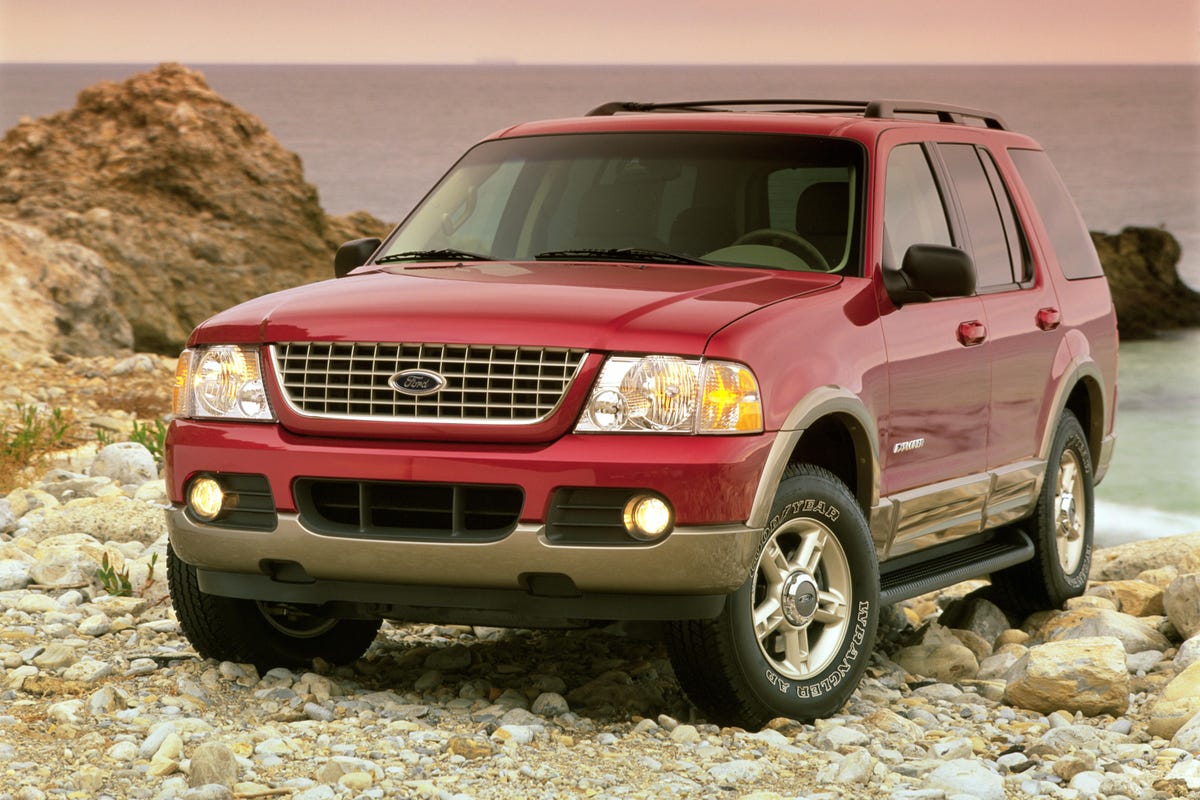
- Engine: 4.0-liter SOHC V6 / 4.6-liter Modular V8 gasoline engine
- Horsepower: 210 hp (4.0L V6) / 239 hp (4.6L V8)
- Torque: 254 lb-ft (4.0L V6) / 282 lb-ft (4.6L V8)
- Length: 189.5 inches
- Width: 72.1 inches
5. Third Generation Ford Explorer (2002 to 2005)
The third-generation Ford Explorer arrived during a period when SUVs were extremely popular in North America. Ford redesigned the Explorer with a more modern appearance, improved interior space, and stronger emphasis on passenger comfort.
It maintained a body-on-frame design, keeping the rugged characteristics that many SUV buyers expected while adding more refinement for daily driving.
One of the biggest improvements was the increased interior space. The third generation offered more space for passengers in all three rows, making it a stronger choice for larger families.
The cabin design became more upscale, with better materials and additional convenience features. Ford also improved suspension tuning, creating a better balance between capability and comfort compared with earlier models.
Engine choices included a 4.0-liter V6 and an available 4.6-liter V8 engine. The V8 option gave the Explorer stronger towing ability and improved performance for drivers who needed extra power.
The introduction of a six-speed automatic transmission in some versions helped improve efficiency and drivability. These upgrades allowed the Explorer to remain competitive against rivals such as the Chevrolet TrailBlazer and Toyota 4Runner.
The third generation faced significant criticism because of reliability problems. Some models experienced transmission failures, particularly with the five-speed automatic transmission used behind the V6 engine.
The suspension system and rear differential also became areas of concern for some owners. These issues affected the Explorer’s reputation and contributed to lower reliability ratings compared with earlier versions.
Even with its problems, the third-generation Explorer remained a successful SUV. It offered strong towing ability, a comfortable interior, and traditional SUV capability at a time when many buyers still wanted truck-based vehicles.
Its combination of practicality and family-friendly features made it useful, but reliability concerns prevent it from reaching the top positions in this ranking.
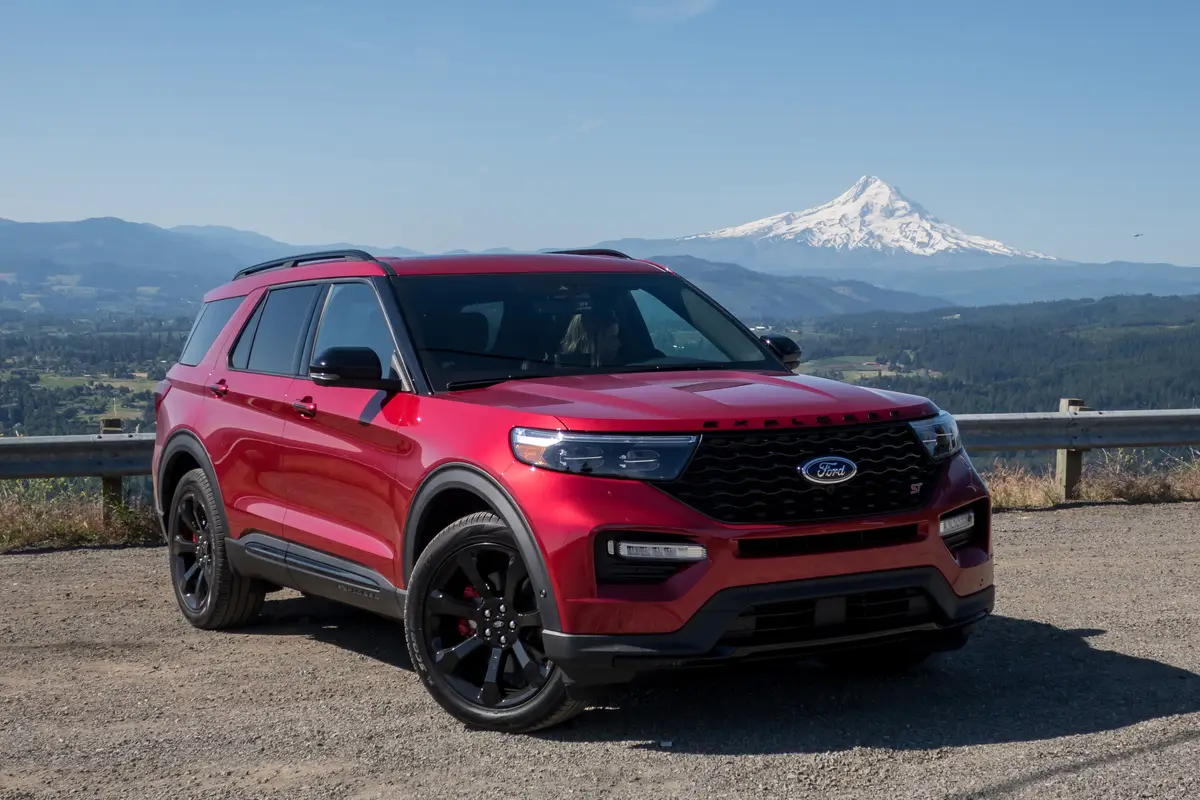
- Engine: 2.3-liter EcoBoost turbocharged 4-cylinder / 3.0-liter EcoBoost twin-turbo V6 / 3.3-liter Hybrid V6 gasoline engine
- Horsepower: 300 hp (2.3L) / 365 hp to 400 hp (3.0L EcoBoost) / 318 hp combined (3.3L Hybrid)
- Torque: 310 lb-ft (2.3L) / 380 to 415 lb-ft (3.0L EcoBoost) / 322 lb-ft combined (3.3L Hybrid)
- Length: 198.8 inches
- Width: 78.9 inches
4. Sixth Generation Ford Explorer (2020 to Present)
The sixth-generation Ford Explorer brought the SUV back toward its performance-focused roots while keeping the comfort expected from a modern family vehicle.
Introduced for the 2020 model year, this generation returned to a rear-wheel-drive-based platform, a significant change from the previous front-wheel-drive-based architecture. Ford designed the new Explorer to provide better handling, stronger towing capability, and more powerful engine options.
The new platform allowed Ford to create a more athletic SUV. The Explorer ST became a major highlight, offering a twin-turbocharged 3.0-liter V6 engine producing impressive power figures.
This model appealed to buyers who wanted sports-car-like performance in a three-row SUV. The Explorer Hybrid also expanded the lineup by offering improved efficiency without sacrificing everyday practicality.
Inside, the sixth-generation Explorer introduced a more advanced cabin with larger touchscreen displays, improved connectivity, and available premium features.
The spacious interior continued to make it attractive for families, while available driver assistance technology helped improve safety and convenience. Higher trim levels provided a more luxurious experience, allowing the Explorer to compete with premium SUVs.
The sixth generation has faced some criticism since launch. Early production models experienced complaints related to transmission behavior, software problems, and interior quality issues.
Ford made updates and improvements over time, but initial problems affected customer confidence. Some competitors offered smoother reliability records and more polished interiors during the same period.
This generation represents a strong comeback for the Explorer name. It combines modern technology, strong performance, and traditional SUV capability better than the previous model.
However, because it is still relatively new, its long-term reliability record is not fully established. It ranks in the middle because it shows great potential but has not yet achieved the reputation of the strongest Explorer generations.
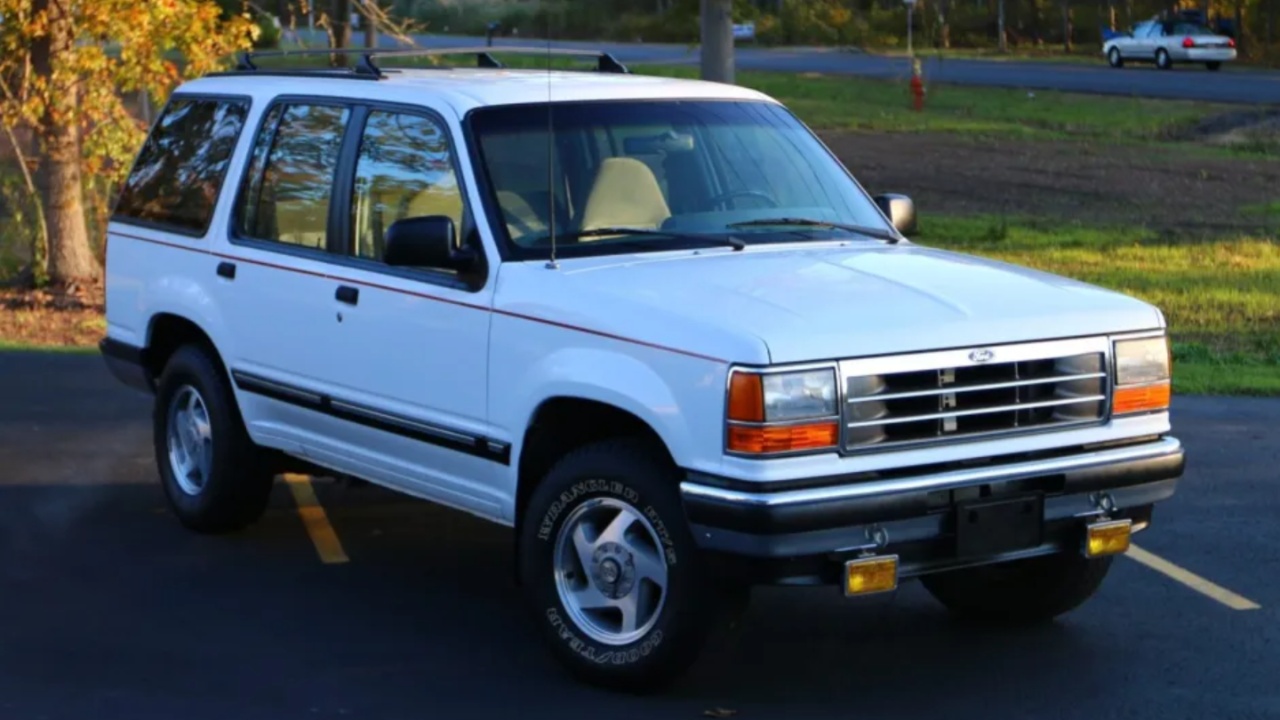
- Engine: 4.0-liter Cologne OHV V6 / 4.0-liter SOHC V6 / 5.0-liter Windsor V8 gasoline engine
- Horsepower: 160 hp (4.0L OHV) / 205 hp (4.0L SOHC) / 210 hp (5.0L V8)
- Torque: 220 lb-ft (4.0L OHV) / 250 lb-ft (4.0L SOHC) / 280 lb-ft (5.0L V8)
- Length: 178.2 inches
- Width: 70.2 inches
3. Second Generation Ford Explorer (1995 to 2001)
The second-generation Ford Explorer built on the success of the original model while improving nearly every area that mattered to SUV buyers.
Introduced for the 1995 model year, it kept the traditional body-on-frame construction and rugged approach that made the Explorer popular, but Ford gave it a more refined design, improved comfort, and stronger performance. It represented a period when SUVs were becoming mainstream family vehicles rather than being used only for utility purposes.
The exterior redesign gave the Explorer a smoother and more modern appearance compared with the boxy first generation. Ford updated the body styling while maintaining the high seating position and tough appearance customers expected from an SUV.
The new model was available in two-door and four-door configurations, giving buyers more choices depending on their needs. The wider body design also improved interior room, making it more comfortable for families and longer road trips.
Under the hood, the second-generation Explorer continued using the popular 4.0-liter V6 engine, which became known for providing dependable power and reasonable durability when properly maintained.
Ford later introduced the 5.0-liter V8 engine in certain models, giving buyers more towing ability and stronger acceleration. The availability of four-wheel drive helped maintain the Explorer’s reputation as a capable vehicle for rough roads, outdoor activities, and challenging weather conditions.
The cabin improvements were another major strength. Ford focused on making the Explorer feel more comfortable and easier to use as a daily vehicle. Features such as improved seating, better climate control systems, and more convenient storage areas increased its appeal among families.
The Explorer became a popular choice for drivers who wanted the capability of a truck-based SUV without moving to a much larger vehicle.
Reliability was generally better than the generation that followed, but the second-generation Explorer was not without issues. Some vehicles experienced problems involving automatic transmissions, especially in higher-mileage examples.
The 4.0-liter V6 engines also had known concerns depending on production year and maintenance history. Still, many well-maintained examples have remained on the road for decades, showing the durability of the platform.
The second-generation Explorer earns a high ranking because it represents the formula that made the model successful. It delivered rugged capability, family-friendly practicality, and improved comfort at a time when SUV demand was rapidly increasing. It was not perfect, but it balanced traditional SUV qualities better than many later versions.
Also Read: 10 Cheapest Everyday Cars to Insure in 2026

- Engine: 4.0-liter Cologne OHV V6 gasoline engine
- Horsepower: 155 hp
- Torque: 220 lb-ft
- Length: 174.5 inches
- Width: 70.2 inches
2. First Generation Ford Explorer (1991 to 1994)
The first-generation Ford Explorer changed the company’s future and helped reshape the SUV market. Introduced as a replacement for the two-door Bronco II, the Explorer arrived at a time when many buyers were looking for vehicles that combined everyday comfort with outdoor capability.
It quickly became a major success and helped establish Ford as a serious competitor in the growing SUV segment.
The original Explorer was built using a truck-based platform related to the Ford Ranger pickup. This gave it a strong foundation for towing, off-road driving, and carrying passengers and cargo.
It offered both two-door and four-door body styles, which allowed Ford to appeal to different types of buyers. The four-door model became especially popular with families who needed additional space but wanted something smaller than traditional full-size SUVs.
Power came from a 4.0-liter V6 engine producing strong torque for its time. While modern SUVs offer significantly more horsepower, the Explorer’s engine provided enough strength for daily driving, towing, and outdoor adventures.
The available four-wheel-drive system helped it compete with established off-road vehicles while maintaining a more comfortable driving experience for everyday use. The interior design reflected the early 1990s SUV market, with a simple and practical layout rather than a luxury-focused approach.
Durable materials, straightforward controls, and useful storage spaces made it appealing to owners who valued function. The Explorer was designed as a vehicle that could handle family responsibilities during the week and recreational activities on weekends.
The first generation was not free from problems. Some models experienced issues involving suspension components, automatic transmissions, and other mechanical areas as they aged.
Safety concerns also became part of its history due to later investigations involving certain rollover incidents. However, these issues do not erase the importance of the original Explorer in automotive history.
This generation ranks near the top because it created the foundation for everything that followed. It introduced millions of buyers to the idea of a midsize SUV and became a symbol of the 1990s SUV boom. Its combination of practicality, affordability, and capability made it a landmark vehicle for Ford.
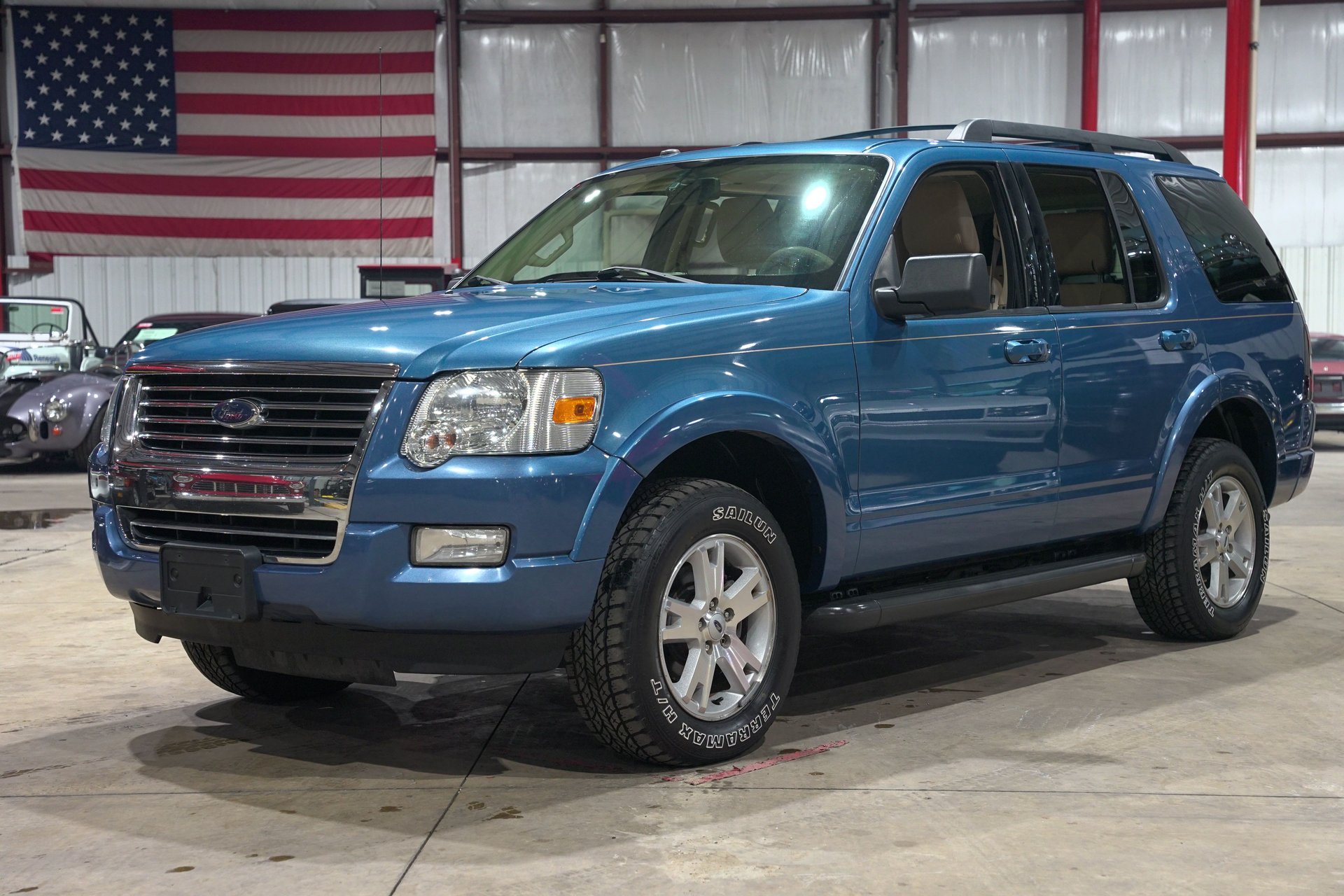
- Engine: 4.0-liter SOHC V6 / 4.6-liter Triton V8 gasoline engine
- Horsepower: 210 hp (4.0L V6) / 292 hp (4.6L V8)
- Torque: 254 lb-ft (4.0L V6) / 300 lb-ft (4.6L V8)
- Length: 193.4 inches
- Width: 73.7 inches
1. Fourth Generation Ford Explorer (2006 to 2010)
The fourth-generation Ford Explorer stands as the strongest version of the SUV because it successfully combined traditional Explorer strengths with significant improvements in comfort, technology, and refinement.
Released for the 2006 model year, this generation kept the body-on-frame structure that many loyal customers preferred while addressing several weaknesses found in earlier models.
Ford redesigned the Explorer with a more modern exterior appearance and improved structural strength. The updated chassis provided better handling, reduced noise, and increased stability.
The suspension system was revised to deliver a smoother ride while maintaining the durability expected from a truck-based SUV. This balance helped the Explorer appeal to both longtime SUV owners and families looking for a comfortable daily driver.
The engine lineup included the familiar 4.0-liter V6 and the powerful 4.6-liter V8 option. The V8 engine provided excellent towing performance and stronger acceleration, making the Explorer a capable choice for trailers, boats, and heavy loads.
Ford also introduced improvements to the transmission system, helping create a more refined driving experience compared with earlier models.
The interior received major attention during this generation. The cabin featured improved materials, better seating comfort, and more advanced available features. Ford offered options such as navigation systems, premium audio equipment, rear-seat entertainment systems, and advanced convenience features.
These upgrades helped the Explorer compete in a market where buyers increasingly expected SUV interiors to provide car-like comfort. Reliability improvements helped restore confidence in the Explorer name after issues affected some previous models.
While certain mechanical concerns remained, including possible transmission-related problems in some vehicles, the fourth generation generally developed a stronger reputation among owners. Many examples continue to provide dependable service when maintained properly.
The fourth-generation Explorer represents the final version of the classic truck-based Explorer before Ford moved toward crossover construction.
It preserved the rugged identity that built the model’s reputation while adding the comfort and features modern buyers wanted. Its strong capability, improved refinement, and connection to the Explorer’s original mission make it the best generation.
