
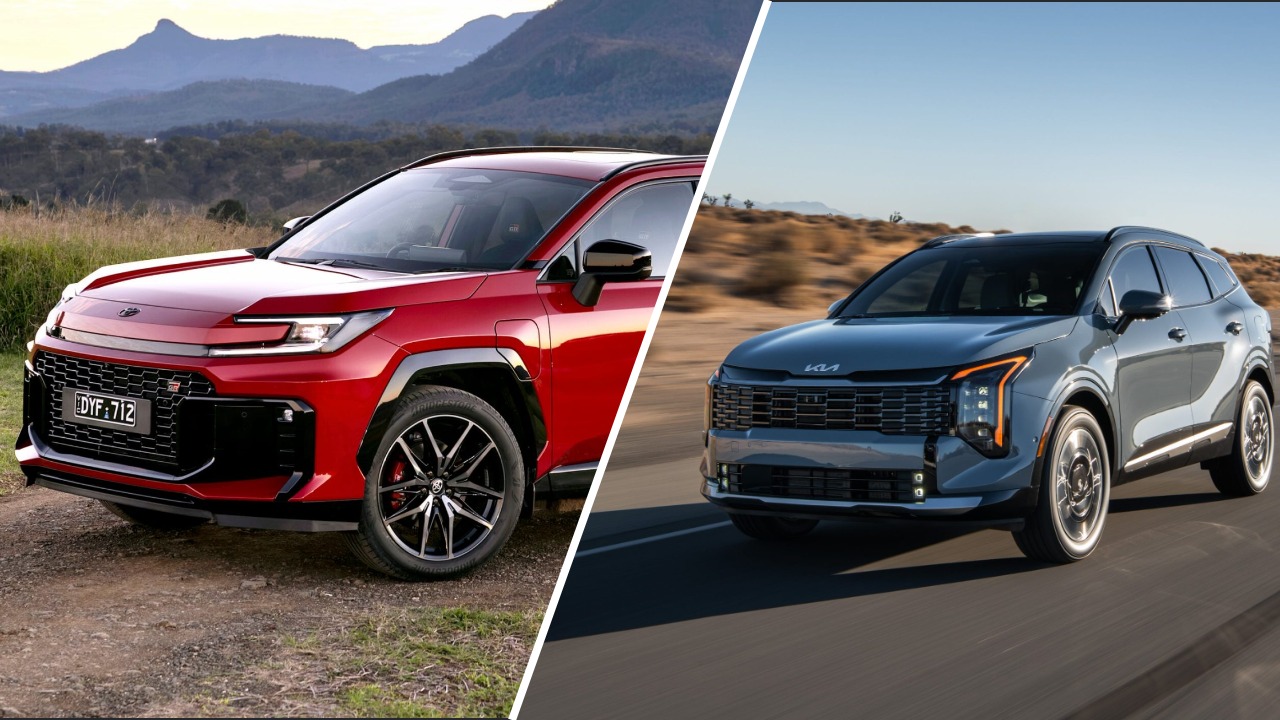
Compact SUVs remain a popular choice because they combine practicality, comfort, cargo space, modern technology, and affordable ownership costs. For many buyers, long-term reliability is just as important as features, since unexpected repairs and maintenance expenses can significantly affect the ownership experience.
This ranking compares eight popular compact SUVs using estimated five-year owner-reported problem rates based on reliability trends, historical performance, and owner feedback. By evaluating each model’s strengths, potential concerns, and long-term reliability, buyers can make more informed decisions when choosing an SUV designed to provide dependable service for years to come.
Also Read: 10 Three-Pedal Cars That Keep Driving Fun Alive
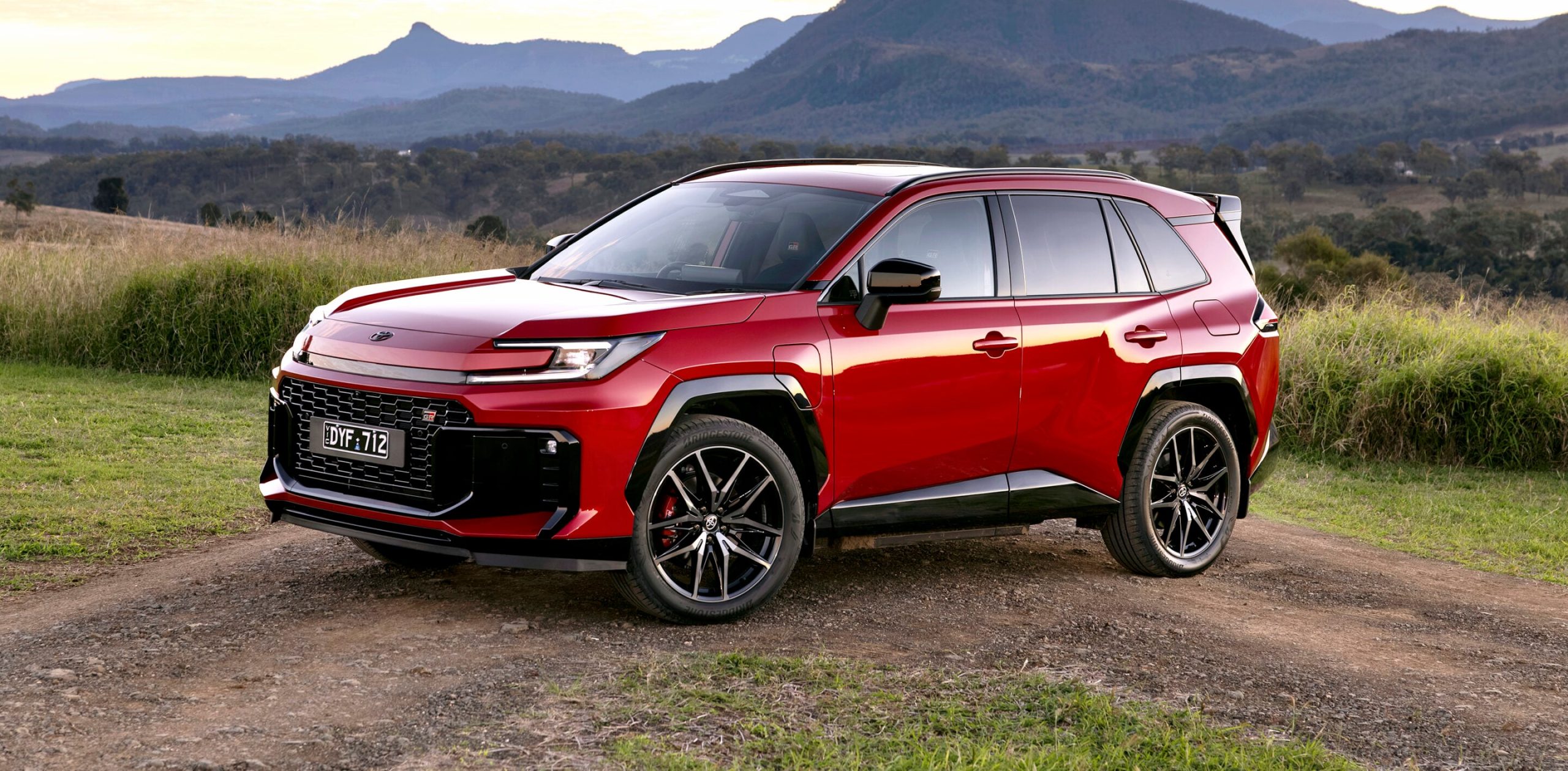
- Engine: 2.5-liter 4-cylinder gasoline engine; available 2.5-liter 4-cylinder hybrid system
- Horsepower: 203 hp (gasoline); 219 hp (hybrid AWD)
- Torque: 184 lb-ft (gasoline); 163 lb-ft (gas engine in hybrid system)
- Length: 180.9 inches (4,598 mm)
- Width: 73.4 inches (1,864 mm)
1. Toyota RAV4: Five-Year Problem Rate 8.5%
The Toyota RAV4 continues to hold a strong reputation among compact SUV buyers because of its dependable mechanical design, efficient powertrain choices, and strong resale value.
With an estimated five-year owner-reported problem rate of 8.5%, it ranks as the most reliable model in this comparison. Many owners choose the RAV4 because they want predictable ownership with fewer unexpected repairs.
Toyota has built the RAV4 around long-lasting components and conservative engineering choices. Recent models use proven four-cylinder engines paired with automatic transmissions designed for daily driving conditions.
The available hybrid version has also gained popularity because it combines fuel efficiency with Toyota’s established hybrid technology. Many owners report that these vehicles continue operating smoothly after reaching high mileage when routine maintenance is followed.
The interior design of the RAV4 focuses on practicality rather than unnecessary complexity. Controls are easy to use, storage areas are well planned, and the cabin materials are designed to handle regular family use. Fewer complicated systems can reduce the chance of technology-related problems as the vehicle ages.
Some owners have reported minor concerns involving infotainment systems, interior noises, or small electronic issues.
These problems are generally less serious than major mechanical failures and are not common enough to significantly affect the vehicle’s reliability ranking. Regular servicing remains important, especially for hybrid models that rely on advanced battery and electrical components.
The RAV4’s combination of durability, efficiency, and ownership confidence makes it a strong choice for buyers who plan to keep their SUV for many years. Its low estimated problem rate reflects a history of dependable performance and strong owner satisfaction.
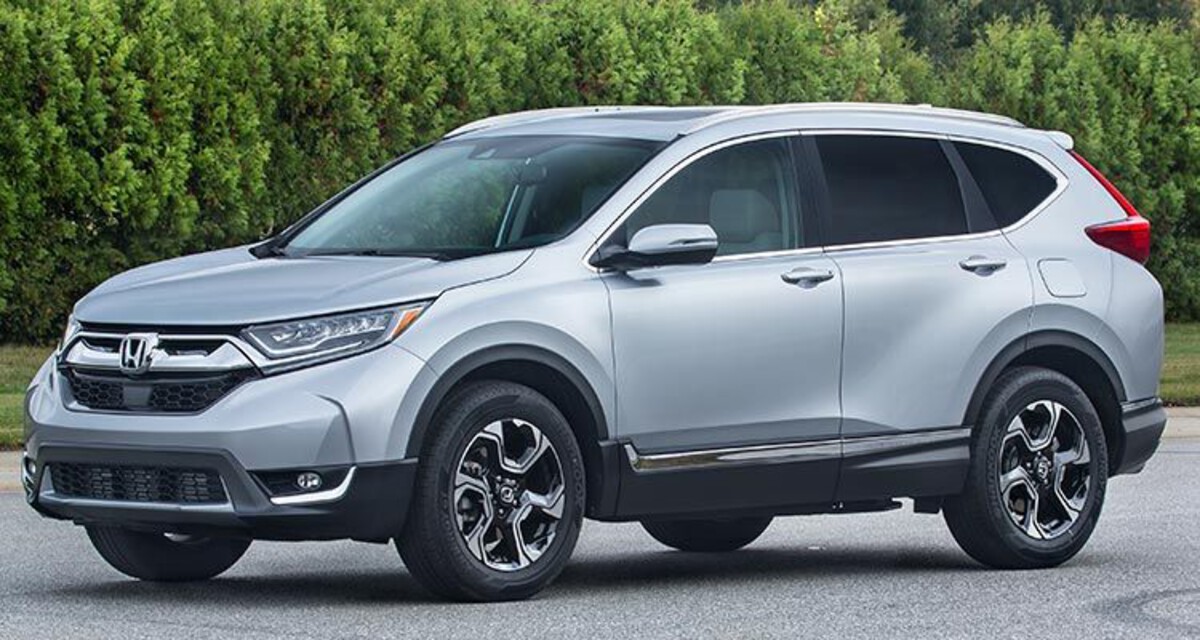
- Engine: 1.5-liter turbocharged 4-cylinder gasoline engine; available 2.0-liter 4-cylinder hybrid system
- Horsepower: 190 hp (turbo gasoline); 204 hp (hybrid system)
- Torque: 179 lb-ft (turbo gasoline); 247 lb-ft (hybrid system)
- Length: 184.8 inches (4,694 mm)
- Width: 73.5 inches (1,867 mm)
2. Honda CR-V: Five-Year Problem Rate 9.2%
The Honda CR-V has earned a reputation as a practical and reliable compact SUV for decades. With an estimated five-year problem rate of 9.2%, it places near the top of this ranking. The CR-V appeals to drivers who want a comfortable vehicle that offers efficient performance, excellent interior space, and dependable operation.
Recent CR-V models feature efficient turbocharged engines and hybrid powertrain options designed to balance performance and fuel economy.
Honda’s engineering approach focuses on creating vehicles that remain comfortable and functional after years of use. Many owners appreciate the smooth driving experience and the vehicle’s ability to handle both city traffic and longer highway journeys.
One major advantage of the CR-V is its interior design. Honda uses available space effectively, creating a roomy cabin and flexible cargo area. Families often choose this SUV because it provides practical storage without feeling oversized. The seating position, visibility, and everyday usability contribute to strong owner satisfaction.
Some newer models have experienced reports related to electronic features, sensors, or infotainment functions. Advanced driver assistance systems can sometimes require software updates or adjustments, especially as manufacturers add more technology. These concerns are usually limited compared with larger mechanical issues.
The Honda CR-V remains a dependable choice for buyers looking for long-term value. Its combination of efficiency, comfort, and a low estimated problem rate helps it maintain a strong position among compact SUVs.
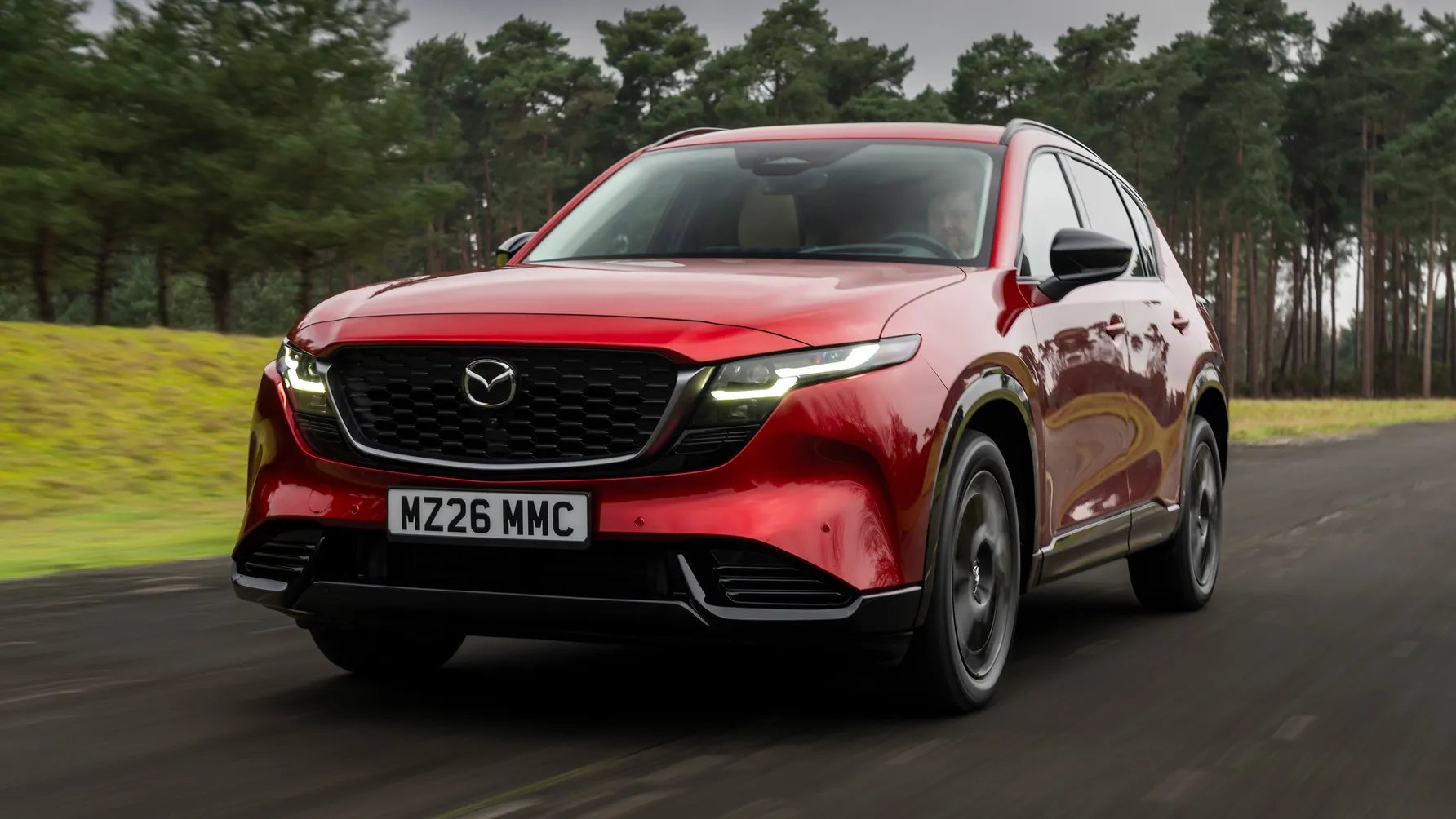
- Engine: 2.5-liter Skyactiv-G 4-cylinder gasoline engine; available 2.5-liter turbocharged 4-cylinder engine
- Horsepower: 187 hp (naturally aspirated); up to 256 hp (turbo with premium fuel)
- Torque: 186 lb-ft (naturally aspirated); up to 320 lb-ft (turbo with premium fuel)
- Length: 180.1 inches (4,575 mm)
- Width: 72.6 inches (1,845 mm)
3. Mazda CX-5: Five-Year Problem Rate 10.1%
The Mazda CX-5 ranks third with an estimated five-year owner-reported problem rate of 10.1%. It stands out in the compact SUV category because it combines reliable engineering with a more engaging driving experience. While many SUVs prioritize practicality alone, the CX-5 focuses on making daily driving more enjoyable.
Mazda uses naturally aspirated engines in many CX-5 models, which can reduce complexity compared with some smaller turbocharged alternatives. The vehicle’s transmission and drivetrain have generally shown solid durability when maintained properly. Owners often appreciate the responsive handling and smooth ride quality.
The interior of the CX-5 offers a more premium feeling compared with many competitors in the same price category. High-quality materials, supportive seats, and a quiet cabin contribute to its appeal. The vehicle provides a comfortable environment for commuting while maintaining a sporty driving character.
Reported problems tend to involve smaller concerns such as infotainment performance, sensors, or occasional electronic issues. These complaints are usually not associated with major reliability failures. Proper maintenance, including regular oil changes and inspections, helps maintain the vehicle’s long-term performance.
For drivers who want reliability without choosing a vehicle that feels ordinary, the Mazda CX-5 provides an attractive balance. Its relatively low problem rate shows that enjoyable driving and dependable ownership can exist together.
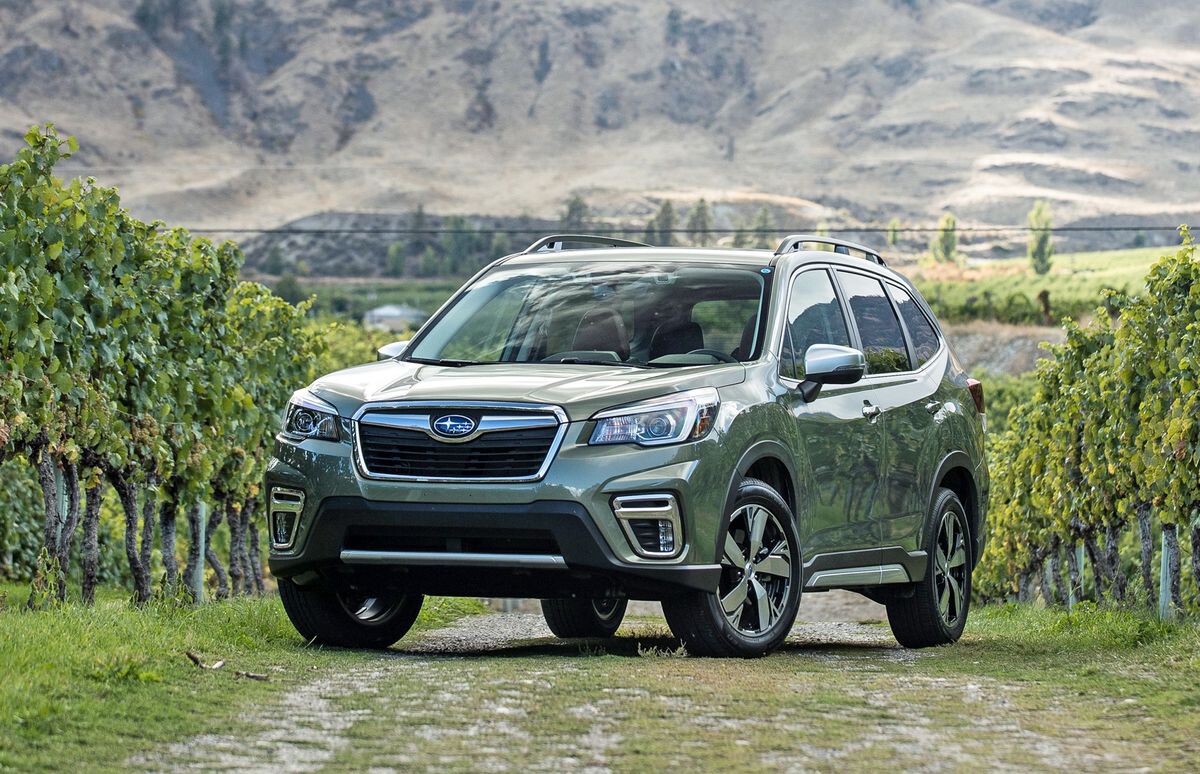
- Engine: 2.5-liter naturally aspirated 4-cylinder boxer engine
- Horsepower: 180 hp
- Torque: 178 lb-ft
- Length: 183.3 inches (4,656 mm)
- Width: 72.4 inches (1,839 mm)
4. Subaru Forester: Five-Year Problem Rate 11.4%
The Subaru Forester ranks fourth in this comparison with an estimated five-year owner-reported problem rate of 11.4%. Known for its practical design, standard all-wheel-drive system, and strong reputation among outdoor-focused drivers, the Forester remains a popular choice for buyers who need a compact SUV capable of handling different road conditions.
Subaru has designed the Forester around safety, visibility, and everyday usability. The upright seating position gives drivers a clear view of the road, while the spacious cabin provides enough room for passengers and cargo.
These features make it appealing to families, commuters, and drivers who frequently travel in areas with changing weather conditions. The Forester uses Subaru’s horizontally opposed engine design, often called a boxer engine, which helps create a lower center of gravity and contributes to balanced handling.
Recent models have improved in durability compared with some older generations. Regular maintenance, including scheduled fluid changes and inspections, plays an important role in keeping the powertrain operating efficiently.
Some owner-reported concerns involve electronics, infotainment features, and driver assistance technology. Certain drivers have also mentioned issues with battery performance or small interior components. These problems are usually related to convenience features rather than major mechanical failures.
The Forester remains a dependable option for buyers who value capability and practicality. Its slightly higher problem rate compared with Toyota, Honda, and Mazda reflects a few additional owner complaints, but it still performs well among compact SUVs. Drivers who prioritize all-weather confidence and a comfortable cabin often find the Forester to be a suitable long-term vehicle.
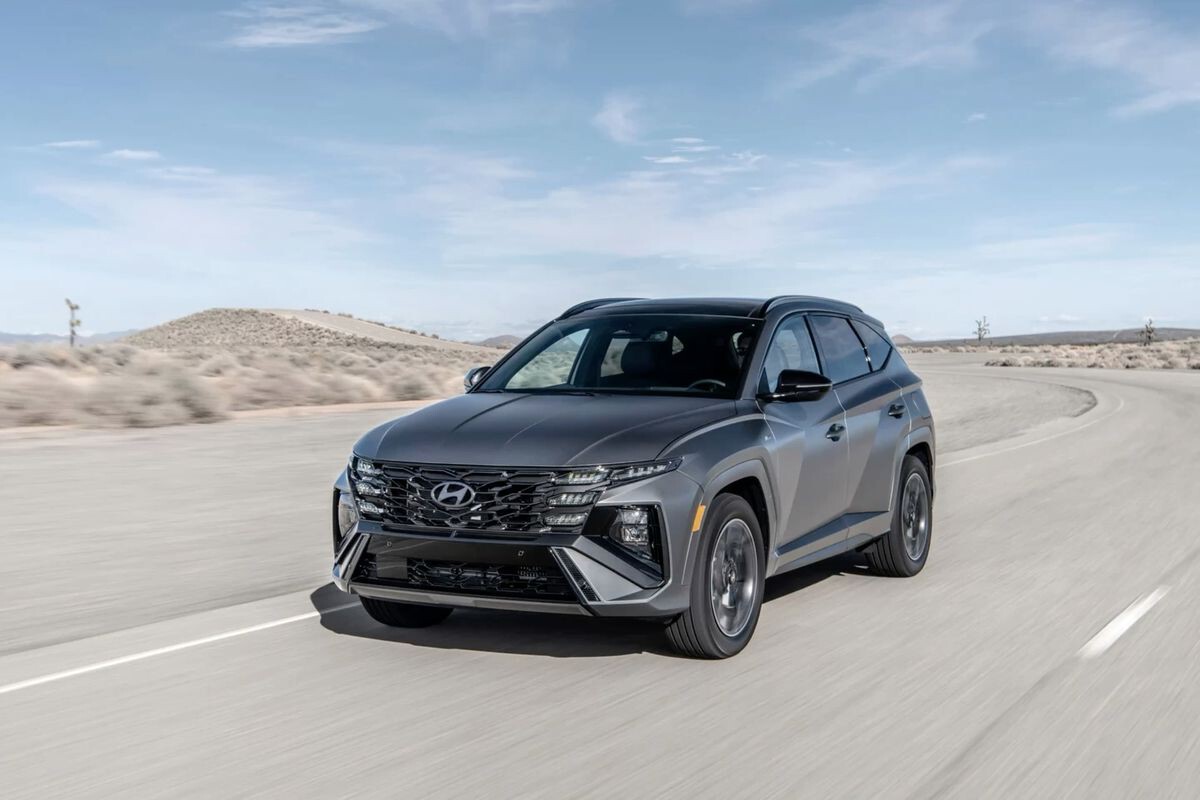
- Engine: 1.6-liter turbocharged four-cylinder petrol engine
- Horsepower: Around 180 hp
- Torque: Around 265 Nm (195 lb-ft)
- Length: Approximately 4,630 mm (182.3 inches)
- Width: Approximately 1,865 mm (73.4 inches)
5. Hyundai Tucson: Five-Year Problem Rate 12.3%
The Hyundai Tucson ranks fifth with an estimated five-year problem rate of 12.3%. Hyundai has significantly improved its reputation for quality over the past several years, with newer Tucson models offering attractive designs, advanced technology, and competitive warranty coverage.
Recent Tucson models feature modern styling, spacious interiors, and multiple powertrain options, including hybrid variants.
The vehicle is designed to compete strongly against established compact SUVs by offering many features at a competitive price. Owners often appreciate the comfortable ride, smooth cabin experience, and available safety technology.
Hyundai’s improvements in manufacturing quality have helped reduce reliability concerns compared with older models. Modern production methods and improved component testing have contributed to stronger owner satisfaction. Many Tucson owners report positive experiences with daily driving, fuel efficiency, and general comfort.
Some reported problems involve software systems, electronic features, and occasional transmission-related concerns in certain configurations.
As vehicles become more technologically advanced, electronic systems can create additional areas where problems may appear. Routine updates and proper servicing can help address many of these issues.
The Tucson offers strong value for buyers who want a feature-rich compact SUV. Its estimated problem rate places it slightly behind some long-established competitors, but it remains a competitive choice with a good balance of comfort, technology, and ownership support.
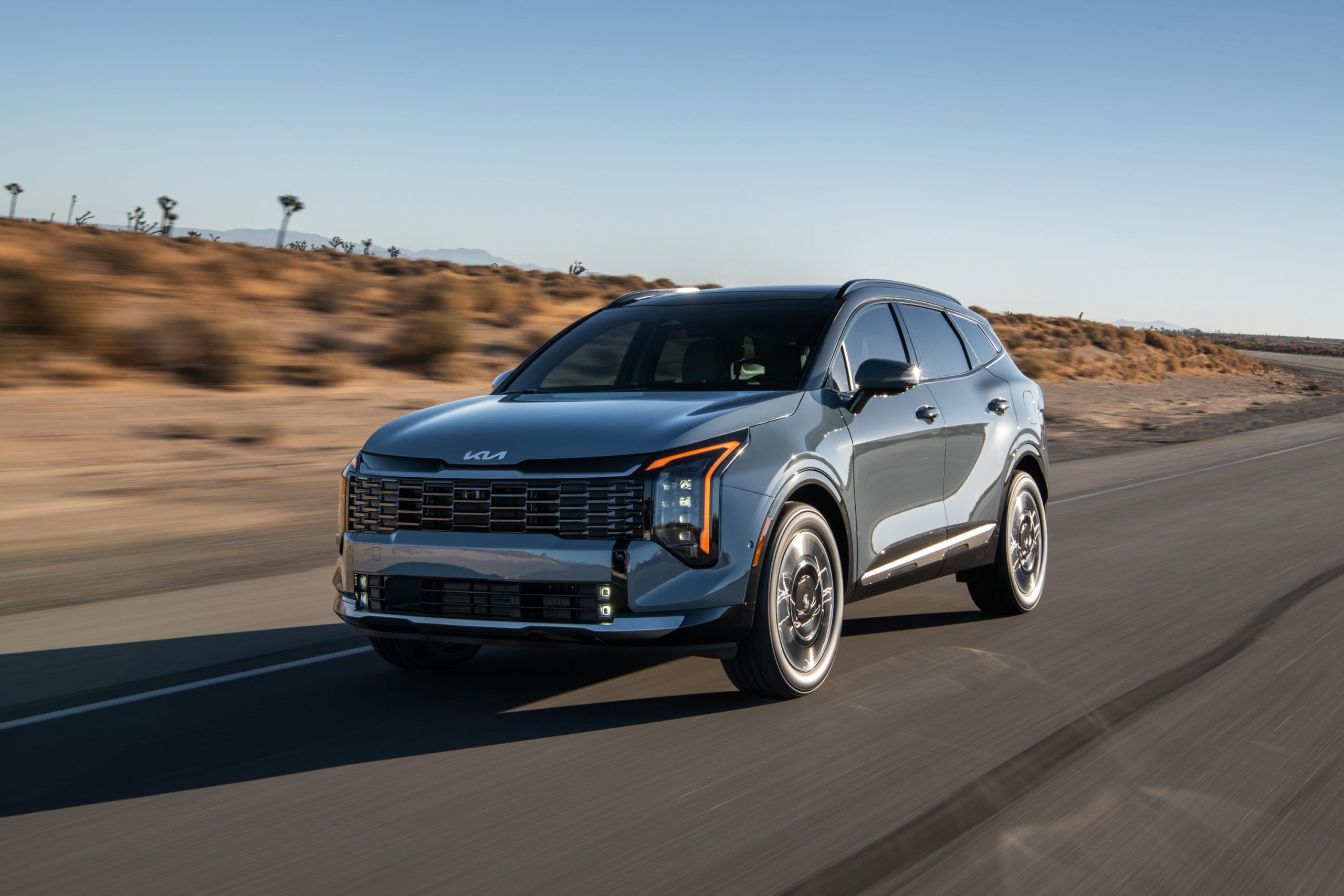
- Engine: 2.5-liter 4-cylinder gasoline engine; available 1.6-liter turbo hybrid system
- Horsepower: 187 hp (gasoline); 231 hp (hybrid)
- Torque: 178 lb-ft (gasoline); 271 lb-ft (hybrid)
- Length: 182.7 inches (4,640 mm)
- Width: 73.4 inches (1,864 mm)
6. Kia Sportage: Five-Year Problem Rate 13.1%
The Kia Sportage ranks sixth with an estimated five-year owner-reported problem rate of 13.1%. Similar to its Hyundai corporate sibling, the Sportage has improved considerably through recent generations. It combines bold styling, a spacious interior, and modern features that attract buyers looking for an affordable yet well-equipped SUV.
The latest Sportage models offer a larger cabin, improved materials, and advanced safety features. Kia has focused on creating vehicles that feel more refined while maintaining competitive pricing. Many owners enjoy the comfortable seats, smooth ride quality, and available hybrid powertrain options.
Reliability improvements have helped the Sportage become a stronger competitor in the compact SUV category. Kia’s longer warranty coverage in many markets also provides additional confidence for buyers concerned about ownership costs. A strong warranty can reduce financial risks related to unexpected repairs during early ownership years.
Owner-reported problems are generally associated with electronic systems, infotainment features, and occasional mechanical concerns depending on the model year. Some drivers have experienced issues with sensors or software-related functions, which are becoming more common across modern vehicles with advanced technology.
The Kia Sportage remains a sensible choice for buyers seeking value and modern features. Its problem rate is higher than some traditional reliability leaders, but it offers strong equipment levels and a comfortable driving experience that appeal to many SUV shoppers.
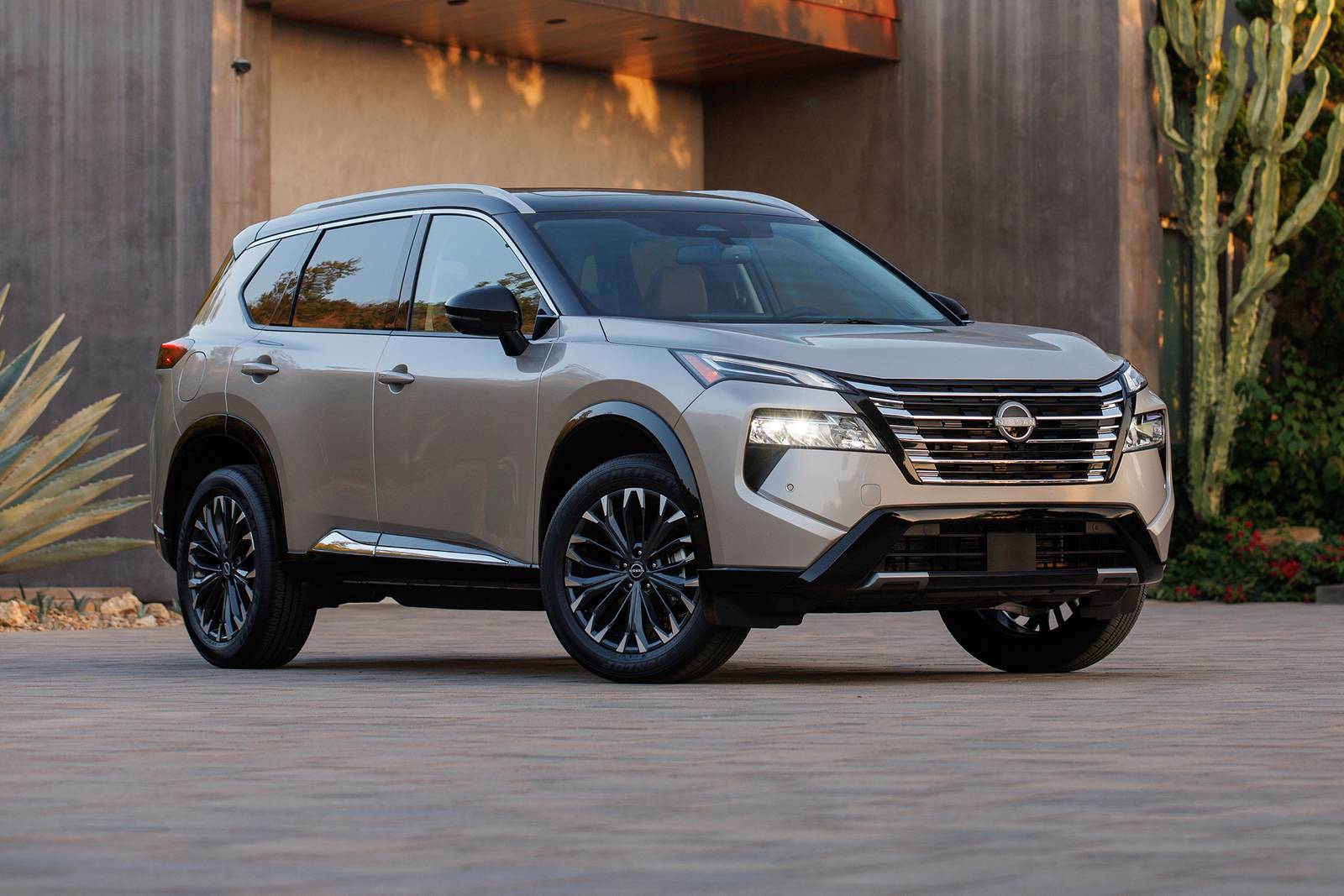
- Engine: 1.5-liter VC-Turbo 3-cylinder turbocharged gasoline engine
- Horsepower: 201 hp
- Torque: 225 lb-ft
- Length: 183.0 inches (4,648 mm)
- Width: 72.4 inches (1,839 mm)
7. Nissan Rogue: Five-Year Problem Rate 14.6%
The Nissan Rogue ranks seventh with an estimated five-year problem rate of 14.6%. The Rogue has been a major seller in the compact SUV segment because of its comfortable interior, fuel efficiency, and family-friendly design.
However, its reliability history has been affected by concerns involving certain mechanical components and technology systems.
Recent Rogue models have introduced updated styling, improved interiors, and more efficient engines. Nissan has worked to improve the driving experience by adding advanced safety features and refining cabin quality. Many owners appreciate the vehicle’s comfortable seats, smooth ride, and practical storage solutions.
The biggest reliability discussions surrounding the Rogue have historically involved transmission concerns, particularly with earlier generations using continuously variable transmissions.
Newer models have received updates and improvements, but some buyers remain cautious because of past experiences reported by owners.
Other reported concerns include electronics, sensors, and infotainment performance. Modern vehicles rely heavily on computer systems, and occasional software problems can affect owner satisfaction. Keeping software updated and following maintenance schedules can help prevent some issues.
The Nissan Rogue still offers several advantages, including comfort, fuel economy, and useful interior space. Its higher estimated problem rate compared with leading competitors suggests buyers should carefully review the specific model year and maintenance history before purchasing a used example.
- Engine: 1.5-liter turbocharged 3-cylinder gasoline engine; available 2.0-liter turbo 4-cylinder and hybrid powertrains
- Horsepower: 180 hp (1.5L turbo); 250 hp (2.0L turbo)
- Torque: 199 lb-ft (1.5L turbo); 280 lb-ft (2.0L turbo)
- Length: 180.5 inches (4,585 mm)
- Width: 74.1 inches (1,882 mm)
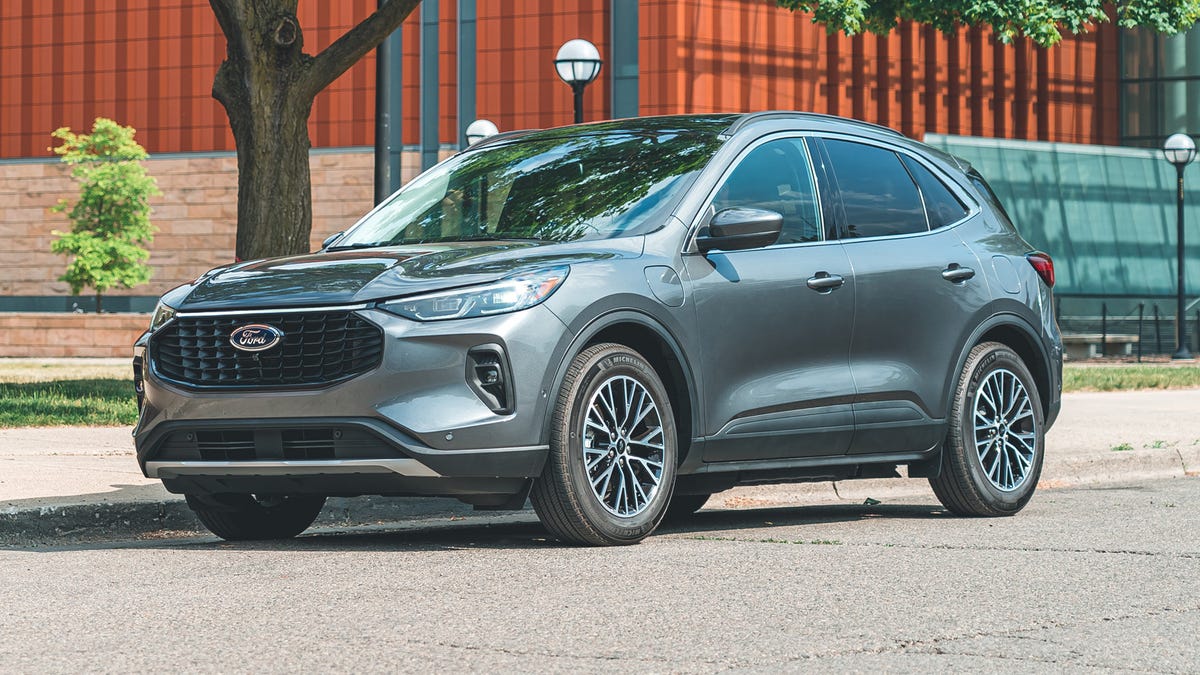
8. Ford Escape: Five-Year Problem Rate 15.8%
The Ford Escape ranks eighth in this comparison with an estimated five-year owner-reported problem rate of 15.8%.
The Escape has remained a familiar name in the compact SUV market because of its comfortable driving style, available hybrid options, and wide range of engine choices. However, reliability reports have been more mixed compared with several competitors.
Ford has updated the Escape over multiple generations to keep pace with changing customer expectations. Recent models provide a comfortable ride, modern technology, and efficient powertrain choices. Hybrid versions have attracted buyers who want improved fuel economy without moving to a larger vehicle category.
The Escape’s driving experience is one of its strengths. It offers responsive handling and a comfortable suspension setup suitable for daily commuting. The interior provides practical features, and newer versions include advanced safety systems designed to improve convenience and protection.
Owner-reported concerns have included electronic problems, transmission-related issues in some model years, and occasional engine-related complaints. Reliability can vary significantly depending on the specific engine, transmission combination, and production year. Careful research is important for buyers considering a used Escape.
The Ford Escape remains appealing for drivers who value comfort, technology, and variety. Its higher problem rate in this ranking does not mean every vehicle will experience issues, but it indicates that owners have reported more concerns compared with several competing compact SUVs.
Also Read: 10 SUVs That Changed the Automotive Industry Forever
