
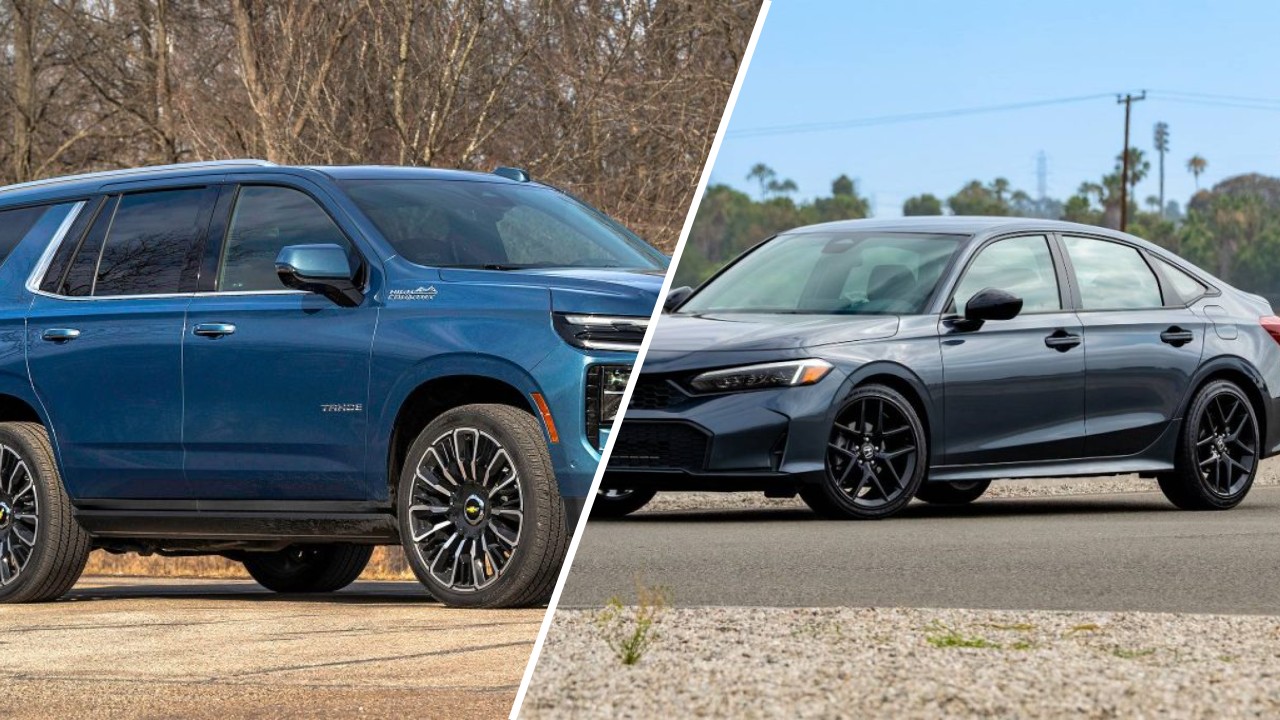
Paint quality is one of the first things buyers notice on a vehicle, but it is also one of the most expensive cosmetic problems to repair. While normal wear from sunlight, road debris, and improper washing can damage any finish, certain vehicles sold in the United States have developed well-documented reputations for premature paint failure or clear-coat peeling.
Evidence of these problems comes from owner complaints, technical service bulletins, warranty extensions, class-action lawsuits in some cases, and long-term ownership reports. The vehicles below are among those most often linked to paint deterioration, fading, bubbling, and clear-coat failure during normal ownership.
Also Read: 10 Cars That Reduce Blind Spots and Boost Driver Confidence
1. Honda Civic
The eighth-generation Honda Civic remains one of the most dependable compact cars sold in the United States, yet it also became one of Honda’s most widely recognized vehicles for premature paint deterioration. Thousands of owners reported fading paint, peeling clear coat, and oxidation developing years before they expected the finish to fail.
The problem became widespread enough that Honda extended paint warranty coverage for certain model years and colors after acknowledging premature paint degradation. The issue affected several exterior colors, although darker shades such as Crystal Black Pearl and Royal Blue Pearl generated particularly high numbers of complaints.
Owners frequently noticed the roof, hood, trunk lid, and upper door panels losing gloss before the clear coat began separating from the underlying base coat. Once the protective clear layer failed, ultraviolet exposure accelerated oxidation, leaving large dull patches that could not be restored through polishing.
Environmental conditions certainly influenced how quickly the finish deteriorated. Vehicles operating in southern states with intense sunlight often exhibited more severe fading than those driven in cooler climates. Nevertheless, many owners experienced peeling despite following recommended washing and waxing practices.
The cosmetic damage rarely affected the vehicle’s mechanical reliability, but repainting large sections of the body often cost several thousand dollars. Because clear-coat failure spreads over time, repairing only one panel frequently resulted in noticeable color differences compared with adjacent factory paint.
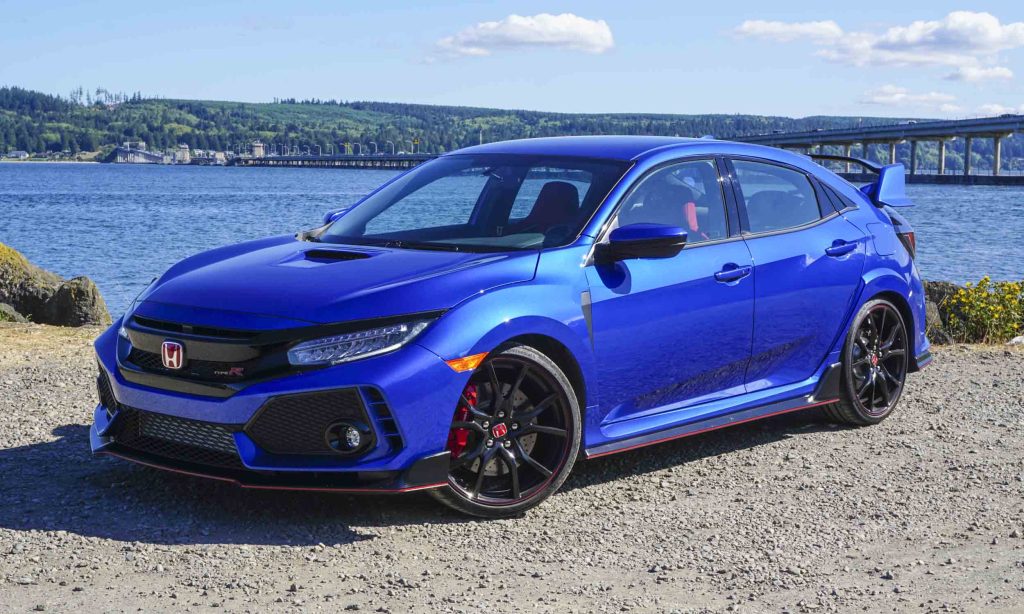
Honda dealerships commonly inspected affected vehicles under the extended warranty program to determine whether the paint failure qualified for refinishing.
While many owners received partial or complete repainting of damaged panels, others whose vehicles fell outside the coverage period were responsible for repair costs themselves. Today, paint condition remains an important factor when evaluating a used eighth-generation Civic.
Specifications
- Engine: 1.8-liter SOHC inline-four
- Torque: 128 lb-ft
- Horsepower: 140 hp
- Length/Width: 177.3 inches / 69.0 inches
2. Honda Accord
The eighth-generation Honda Accord earned praise for durability, comfortable road manners, and strong resale value, but its exterior finish generated a significant number of owner complaints across the United States.
Similar to the Civic of the same era, many Accord owners experienced premature clear-coat failure, particularly on vehicles finished in darker paint colors. The volume of complaints eventually prompted Honda to extend warranty coverage for qualifying vehicles affected by paint defects.
The deterioration usually started on horizontal body panels that received the most direct sunlight rather than appearing as isolated paint chips caused by road debris.
Owners often observed the roof and hood gradually losing their glossy appearance before sections of clear coat started peeling away. As the protective layer separated, the exposed base coat quickly oxidized, resulting in uneven discoloration and a chalky finish.
Although prolonged ultraviolet exposure accelerated the process, numerous owners reported failures occurring even on well-maintained vehicles that were regularly washed and waxed. This suggested that the issue was linked more closely to paint adhesion or clear-coat durability than to owner neglect alone.
Beyond appearance, peeling paint could reduce resale value considerably. Prospective buyers frequently viewed widespread clear-coat failure as evidence of poor maintenance, even though many affected vehicles had been serviced carefully throughout their lives.
Complete refinishing of multiple panels often represented one of the largest cosmetic expenses owners faced after the factory warranty expired.
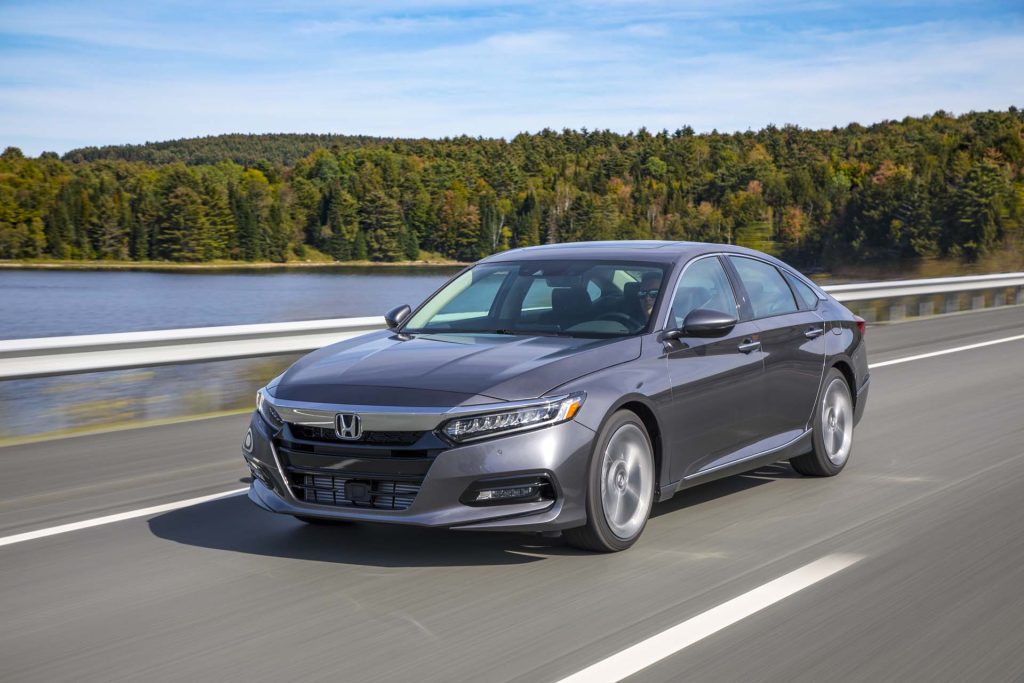
Honda responded by extending paint warranty protection for certain production years and colors, allowing many owners to have affected panels repainted by authorized dealerships.
Even today, shoppers considering a used 2008 to 2012 Accord should inspect the roof, hood, trunk lid, and upper door surfaces carefully for signs of fading, peeling, or oxidation before making a purchase.
Specifications
- Engine: 2.4-liter DOHC inline-four
- Torque: 161 lb-ft
- Horsepower: 190 hp
- Length/Width: 194.1 inches / 72.8 inches
3. Chevrolet Tahoe
The third-generation Chevrolet Tahoe established itself as one of America’s most popular full-size SUVs, but many owners discovered that the exterior finish did not always age as well as the powertrain. Reports of peeling clear coat and fading paint became increasingly common as these vehicles accumulated years of exposure to the elements.
Owner complaints, dealership repair records, and independent body shops all documented recurring paint deterioration, especially on vehicles that spent much of their lives outdoors.
The damage typically appeared on horizontal surfaces exposed to direct sunlight rather than from stone chips or scratches. The hood, roof, and liftgate often lost their deep gloss first, with the clear coat eventually separating from the underlying paint layer.
White, black, and dark blue examples generated particularly high numbers of complaints, although the condition was not limited to specific colors.
The deterioration often started with small cloudy spots that expanded over time. Once the clear coat lifted, the base coat became vulnerable to ultraviolet radiation, causing oxidation and uneven discoloration.
Washing, waxing, or polishing could temporarily improve appearance, but none of those treatments restored the protective layer after it had failed. Owners who delayed repairs sometimes found the peeling spreading across multiple body panels, making spot repairs impractical.
Professional refinishing typically required sanding damaged panels down to stable paint before applying new primer, color, and clear coat. Depending on the extent of the failure, repair costs could easily reach several thousand dollars.
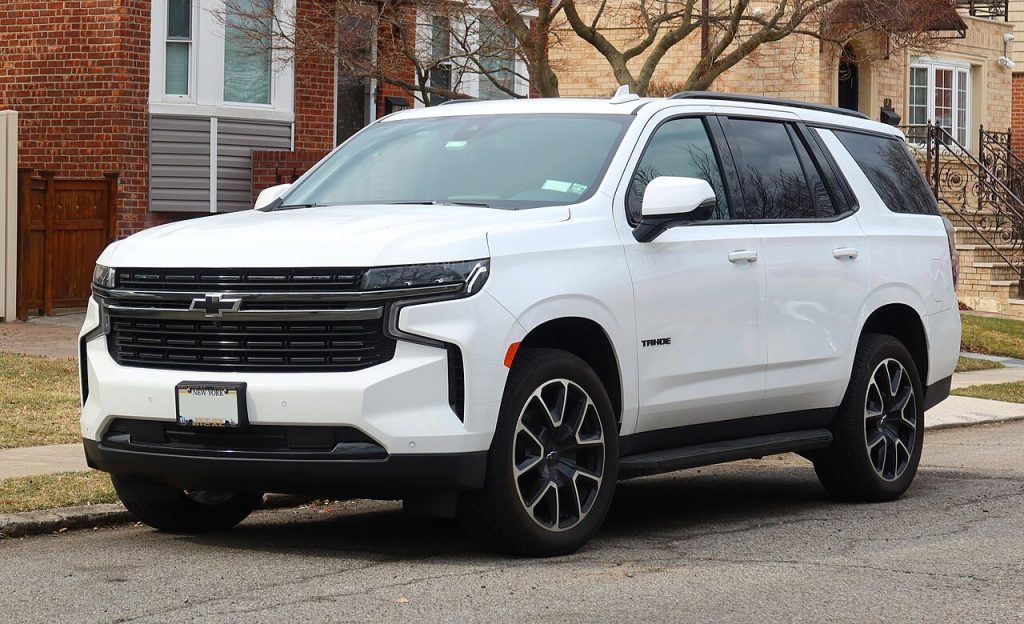
Mechanically, the Tahoe remained a durable SUV, but cosmetic condition significantly influenced resale value. Buyers evaluating used examples should inspect the roof above the windshield, hood edges, liftgate, and upper door frames under direct sunlight.
Any signs of chalking, dullness, or lifting clear coat may indicate that additional paint failure is likely to develop unless the affected panels are professionally refinished.
Specifications
- Engine: 5.3-liter V8
- Torque: 335 lb-ft
- Horsepower: 320 hp
- Length/Width: 202.0 inches / 79.0 inches
4. Ford Explorer
The fifth-generation Ford Explorer helped redefine the model from a truck-based SUV into a modern crossover, yet exterior finish durability became an unexpected concern for a number of owners.
While not every vehicle experienced paint issues, owner complaints and dealership observations documented cases of premature bubbling, paint blistering, and clear-coat deterioration, particularly around the hood and leading body edges.
One commonly discussed issue involved aluminum hood corrosion on certain model years. Because aluminum oxidizes differently than steel, small bubbles sometimes developed beneath the paint surface before becoming visible blisters.
Ford released technical service bulletins addressing inspection and repair procedures for affected vehicles. If corrosion continued beneath the finish, the paint eventually cracked or lifted from the panel.
Some owners also experienced clear-coat deterioration after prolonged exposure to intense sunlight, particularly in southern regions of the United States. The roof and hood were the areas most likely to lose gloss because they received the highest levels of ultraviolet exposure throughout the year.
Although routine washing and waxing helped preserve the finish, they could not stop deterioration once adhesion between the paint layers began to fail.
Repairing isolated corrosion bubbles required more than simply repainting the affected area. Body shops typically removed the damaged finish completely, treated any oxidation present on the aluminum surface, and then refinished the panel using updated preparation procedures. This approach reduced the likelihood of the problem returning.
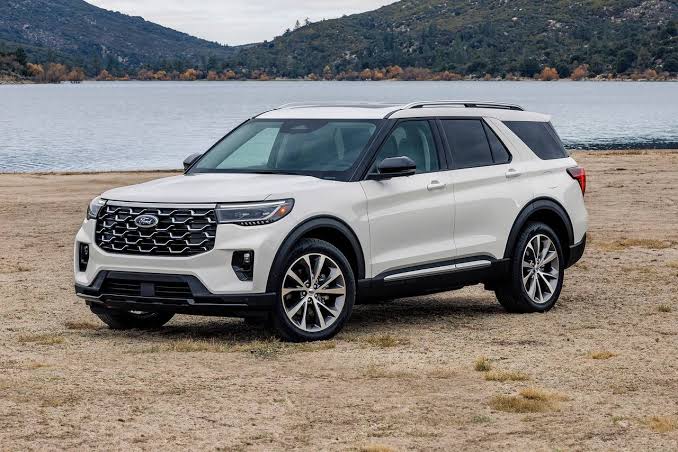
Prospective buyers considering a used Explorer should inspect the hood carefully under bright lighting, paying close attention to the front edge and corners where bubbling often first appears.
Checking the roof and liftgate for fading or peeling is equally worthwhile, as early detection can prevent minor cosmetic issues from developing into extensive refinishing projects.
Specifications
- Engine: 3.5-liter Ti-VCT V6
- Torque: 255 lb-ft
- Horsepower: 290 hp
- Length/Width: 197.1 inches / 78.9 inches
5. Toyota Tacoma
The second-generation Toyota Tacoma has earned a strong reputation for long-term reliability, but many U.S. owners have raised concerns about paint quality. These complaints were separate from the frame corrosion problems seen on earlier models and instead focused on thin paint finishes, increased vulnerability to rock chips, and premature clear-coat breakdown.
Owner reports consistently describe paint that chips more easily than expected during normal highway driving, especially on the hood, front fenders, and leading edge of the roof.
Many owners noticed that small stone impacts quickly penetrated through the paint to the primer or bare metal. Once exposed, those areas became vulnerable to oxidation if they were not touched up promptly.
Dark colors such as Black Sand Pearl and Magnetic Gray Metallic often made chips more noticeable, while lighter colors sometimes revealed clear-coat dulling after years of sun exposure.
The issue was not usually linked to a manufacturing defect affecting every truck. Instead, body repair specialists and long-term owners have frequently attributed the problem to relatively thin paint application compared with many competitors of the same era.
Trucks used regularly on gravel roads or interstate highways naturally accumulated damage more quickly, but numerous owners experienced extensive chipping even under typical suburban driving conditions.
The cosmetic impact extended beyond appearance. A heavily chipped front end often reduced resale value because buyers associated widespread paint damage with harsh use, even when the mechanical components remained in excellent condition.
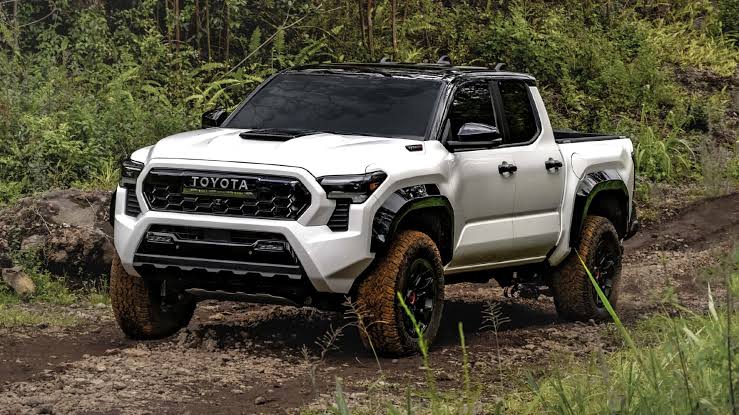
Professional repainting of multiple front-end panels could cost several thousand dollars, making preventive measures such as paint protection film a popular solution among Tacoma owners.
Anyone shopping for a used Tacoma should inspect the hood, front bumper, mirror caps, and roof edge carefully. Numerous touch-up spots or exposed primer can indicate years of paint wear, although the truck itself may still be mechanically dependable.
Specifications
- Engine: 4.0-liter V6
- Torque: 266 lb-ft
- Horsepower: 236 hp
- Length/Width: 208.1 inches / 74.6 inches
6. Nissan Pathfinder
When Nissan redesigned the Pathfinder as a unibody crossover for the 2013 model year, it attracted buyers seeking comfort and practicality. While the powertrain received most of the attention, exterior finish durability also became a discussion point among some owners.
Reports submitted through owner complaint databases and body repair professionals describe premature clear-coat deterioration, fading, and isolated paint peeling developing on certain vehicles after years of outdoor exposure.
Pathfinder paint issues did not affect every vehicle in the same way or stem from a single widespread manufacturing defect. Instead, they typically developed over time and were often influenced by local climate conditions. Models driven in areas with intense year-round sunlight frequently showed earlier signs of clear-coat deterioration on the hood, roof, and upper liftgate.
As ultraviolet exposure continued, the finish lost gloss before oxidation became visible beneath the failing clear coat.
Some owners also reported paint chipping more easily than expected along the front edge of the hood and around the wheel openings. Repeated impacts from gravel and road debris accelerated the wear, particularly on vehicles driven frequently on highways.
Once the protective coating was compromised, exposed paint became increasingly vulnerable to fading and surface deterioration.
Maintaining the finish required prompt attention to chips and scratches. Touch-up paint helped seal exposed areas before corrosion could begin, while regular waxing provided an additional barrier against environmental contaminants. However, once clear-coat separation started, polishing alone could not restore the original finish.
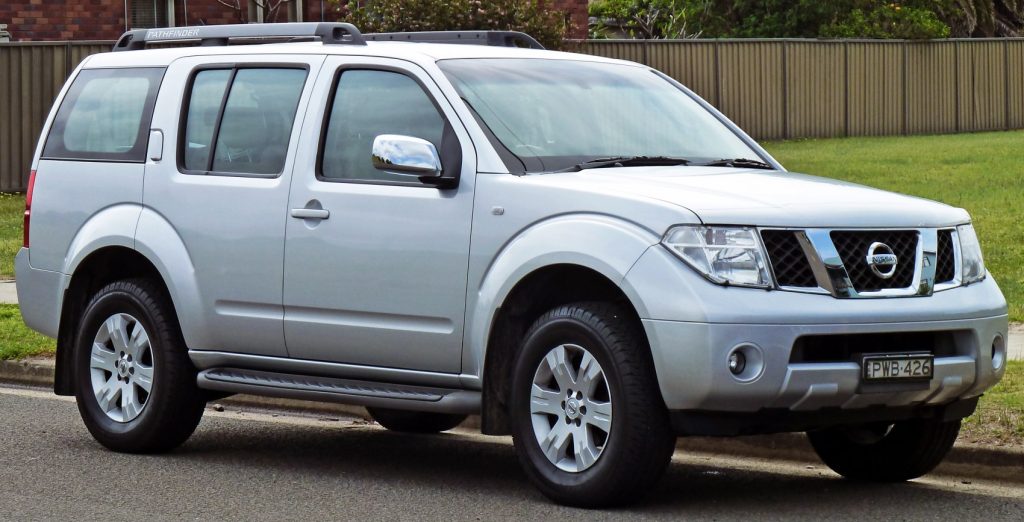
Used vehicle shoppers should inspect the Pathfinder under direct sunlight, paying close attention to horizontal panels where deterioration most commonly begins.
A smooth, glossy surface generally indicates that the finish has held up well, while cloudy patches, peeling edges, or excessive stone chips suggest that refinishing may eventually become necessary despite the vehicle’s otherwise solid reputation for family transportation.
Specifications
- Engine: 3.5-liter V6
- Torque: 259 lb-ft
- Horsepower: 284 hp
- Length/Width: 197.2 inches / 77.2 inches
7. Chevrolet Suburban
The twelfth-generation Chevrolet Suburban shares much of its body structure with the Tahoe, and it also shares a well-documented history of premature clear-coat deterioration on some vehicles.
While the SUV earned praise for towing capability, interior space, and V8 durability, long-term owners frequently reported fading paint and peeling clear coat after several years of normal use. The complaints were especially common among vehicles that spent most of their lives parked outdoors in regions with intense sunlight.
Rather than appearing as isolated paint chips, the damage usually started with the clear coat losing its smooth, glossy appearance. The roof, hood, liftgate, and upper sections of the doors were the first areas to show signs of oxidation because they received the greatest exposure to ultraviolet radiation.
As the protective clear layer weakened, it gradually separated from the color coat beneath it, creating peeling patches that continued expanding over time.
Body repair professionals often found that the affected panels required complete refinishing instead of localized touch-up work. Once the clear coat begins to delaminate, simply applying new clear over damaged material rarely provides a durable repair.
The failed finish must be removed, the panel prepared correctly, and a new base coat and clear coat applied to restore long-term protection.
Although the issue did not affect the SUV’s mechanical reliability, appearance played an important role in resale value. Buyers commonly viewed extensive peeling as evidence of neglect, even when the vehicle had received regular maintenance.
Owners who addressed early signs of failure generally limited the repair to one or two panels instead of repainting large sections of the body.
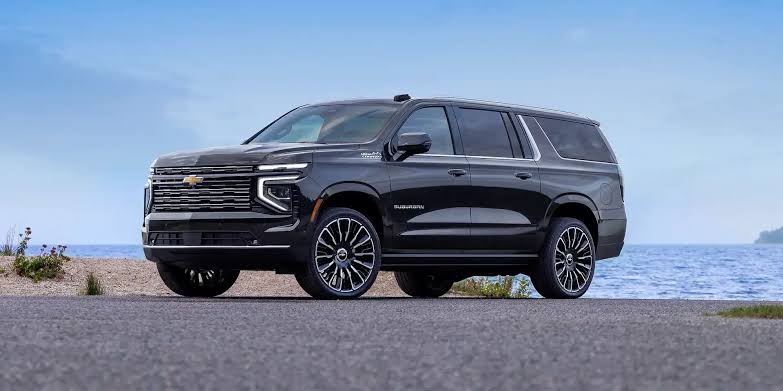
Anyone considering a used Suburban should inspect the roof above the windshield, the hood near its leading edge, and the liftgate around the rear glass. These areas often reveal the earliest stages of clear-coat deterioration before it spreads to additional panels.
Specifications
- Engine: 5.3-liter V8
- Torque: 335 lb-ft
- Horsepower: 320 hp
- Length/Width: 222.4 inches / 79.1 inches
8. Ford Expedition
The third-generation Ford Expedition became a favorite among buyers needing full-size capability, yet paint durability was not always equal to its strong towing and hauling performance.
Owner reports, dealership inspections, and independent collision repair specialists documented recurring concerns involving clear-coat deterioration, fading, and localized paint bubbling on certain vehicles after extended exposure to the elements.
Many of the complaints centered on horizontal surfaces where sunlight is most intense. The hood and roof frequently showed the earliest signs of deterioration, beginning with a noticeable reduction in gloss before progressing to oxidation and peeling.
Some owners also reported bubbling around aluminum body panels or trim attachment points, although the severity varied depending on model year and operating environment.
Vehicles used in southern states often experienced faster deterioration because prolonged ultraviolet exposure accelerates breakdown of the protective clear coat.
Once that layer weakens, the colored base coat becomes exposed to sunlight, moisture, and airborne contaminants, causing discoloration that cannot be corrected through waxing or polishing alone.
Repair specialists generally recommend refinishing affected panels as soon as peeling becomes visible. Delaying repairs allows the damaged area to expand, increasing labor and material costs. Professional refinishing also restores ultraviolet protection that the original clear coat no longer provides.
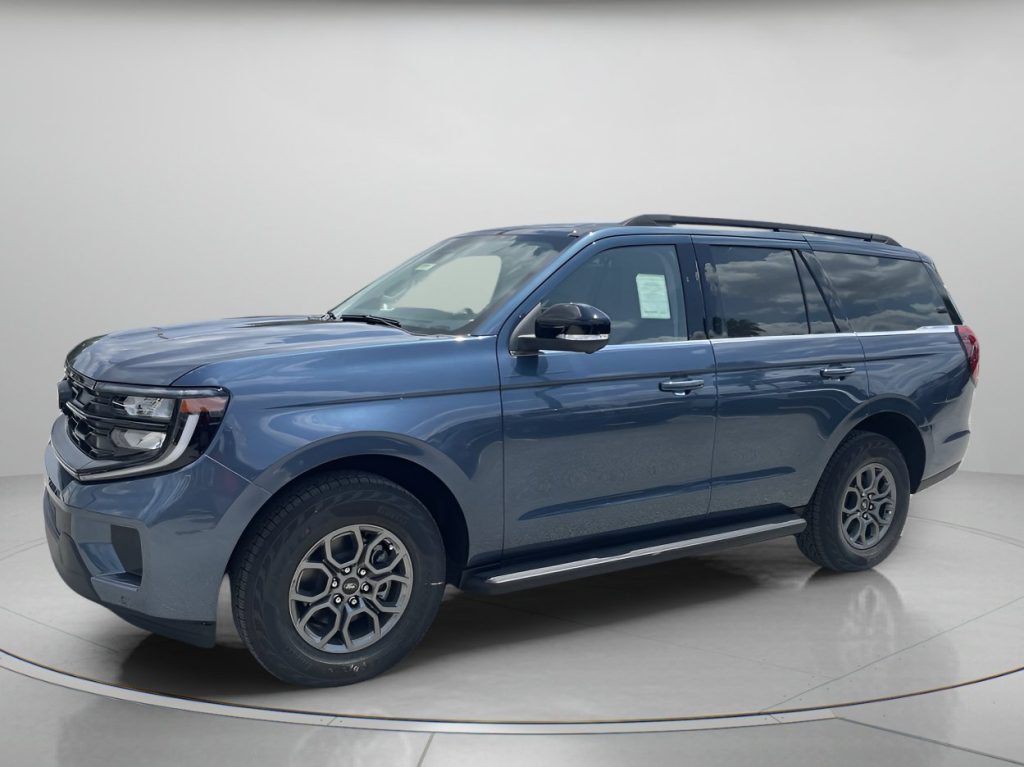
Despite these cosmetic concerns, the Expedition continues to be regarded as a capable full-size SUV with a durable chassis and strong powertrain options.
Buyers evaluating used examples should inspect the roof, hood, tailgate, and upper door frames in bright daylight, looking for fading, cloudiness, peeling edges, or bubbling beneath the paint. Detecting these issues early provides a better understanding of potential refinishing expenses before purchase.
Specifications
- Engine: 5.4-liter Triton V8
- Torque: 365 lb-ft
- Horsepower: 310 hp
- Length/Width: 206.0 inches / 78.8 inches
Also Read: 10 Cars That Are Getting A Complete Redesign for 2027
