
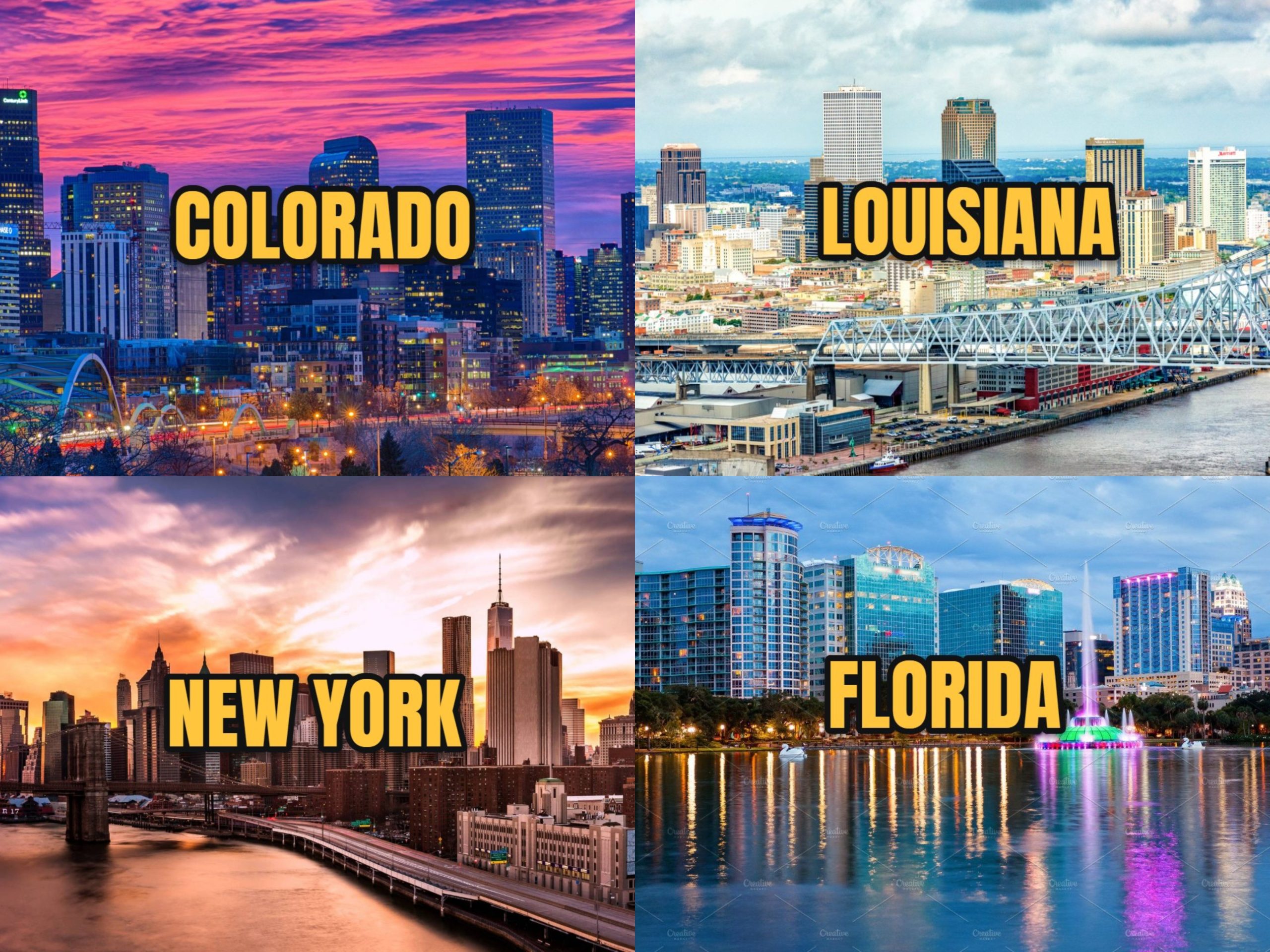
Car insurance premiums vary dramatically across the United States because insurers calculate risk using state-specific factors such as accident frequency, severe weather, vehicle theft, repair costs, litigation, uninsured drivers, and state insurance regulations.
Bankrate’s 2026 analysis of average full-coverage auto insurance premiums highlights the states where drivers pay the highest annual rates. In many of these locations, expensive claims, dense traffic, hurricanes, hailstorms, and high medical or repair expenses contribute to elevated premiums.
The following rankings are based on Bankrate’s 2026 state average full-coverage insurance data, with additional context explaining why motorists in each state face some of the nation’s highest insurance costs.
Also Read: 10 Best-Selling Vehicles In American History Ranked By Sale Volume
1. Florida
Florida ranks as the most expensive state for car insurance in Bankrate’s 2026 analysis of average full-coverage premiums.
Drivers in the Sunshine State pay substantially more than the national average due to a combination of environmental, legal, and demographic factors that consistently generate costly insurance claims. Hurricanes remain one of the largest contributors.
Even when vehicles are not destroyed, flooding, wind damage, and storm debris often result in expensive repairs or total losses that insurers must absorb.
Traffic density is another major factor. Metropolitan areas such as Miami, Orlando, Tampa, and Fort Lauderdale experience heavy congestion throughout the year, increasing the likelihood of collisions.
Florida also welcomes millions of tourists annually, placing additional pressure on roads and contributing to accident frequency. High rates of uninsured motorists create another layer of financial risk, forcing insurers to spread higher claim costs across policyholders.
Vehicle theft rates remain elevated in several Florida cities, particularly for popular SUVs and pickup trucks. Modern vehicles also cost significantly more to repair because advanced driver assistance systems, cameras, radar sensors, and LED lighting increase parts and labor expenses after even relatively minor crashes.
Florida’s legal environment has historically produced higher litigation costs than many other states. Although legislative reforms have sought to reduce excessive lawsuits, insurers continue to account for expensive settlements and claim payouts when determining premiums.
Drivers can often lower their insurance costs by maintaining a clean driving record, improving their credit where permitted, increasing deductibles, bundling home and auto coverage, and comparing quotes from multiple insurers before renewing a policy.
Despite these strategies, Florida continues to sit at the top of Bankrate’s rankings because the state’s underlying risk factors remain among the highest anywhere in the United States.
2. Louisiana
Louisiana consistently ranks among the nation’s most expensive states for auto insurance, and Bankrate’s 2026 report again places it near the very top. Insurance companies face a combination of severe weather risks, expensive accident claims, high legal costs, and elevated injury payouts that collectively push premiums well above the national average.
Weather plays a central role in Louisiana’s insurance market. Hurricanes, tropical storms, flooding, and heavy rainfall frequently damage thousands of vehicles each year. Comprehensive insurance claims resulting from floodwaters and wind damage significantly increase insurer losses.
Even motorists who never file a claim may pay higher premiums because insurance pricing reflects statewide risk rather than individual driving history alone.
Urban traffic in cities such as New Orleans and Baton Rouge contributes to another major expense. Congested roads increase the frequency of collisions, while modern repair costs continue climbing due to sophisticated vehicle technology.
Replacing sensors, cameras, bumpers, and electronic safety systems is considerably more expensive than repairing older vehicles, resulting in larger average claims.
Louisiana has also historically experienced high bodily injury claim costs and elevated levels of insurance litigation. Medical expenses following crashes can quickly increase settlement amounts, forcing insurers to build those anticipated costs into future premiums. Theft and vandalism in certain metropolitan areas further add to claim frequency.
Although drivers cannot control statewide risk factors, they can often reduce personal insurance costs through defensive driving, maintaining continuous coverage, selecting vehicles with strong safety ratings, and shopping for new quotes at renewal instead of remaining with the same insurer indefinitely.
Bankrate’s findings reflect the combined impact of weather exposure, accident frequency, repair inflation, and legal expenses, making Louisiana one of the costliest places in America to insure a vehicle in 2026.
3. Nevada
Nevada ranks among the most expensive states for car insurance in Bankrate’s 2026 study, with average full-coverage premiums remaining significantly above the national average.
While the state has large rural areas, the majority of insurance claims originate from densely populated regions such as Las Vegas, Henderson, and Reno. Heavy traffic, frequent crashes, and rising repair costs continue to push premiums upward for drivers across the state.
Las Vegas is one of the country’s busiest tourism destinations, welcoming millions of visitors every year. The constant flow of rental vehicles, unfamiliar drivers, rideshare services, and commercial traffic increases the likelihood of accidents.
Insurance companies account for this elevated risk when determining statewide premiums. Even drivers with clean records may pay higher rates simply because they live in an area where claims occur more frequently.
Nevada also experiences a relatively high rate of vehicle theft, particularly in urban counties. Stolen vehicles and vandalism contribute to comprehensive insurance claims, adding another expense for insurers.
Repair costs have climbed sharply as newer vehicles include advanced safety technologies such as adaptive cruise control, blind-spot monitoring, radar sensors, and multiple cameras. Even a minor collision involving these systems can result in repair bills costing several thousand dollars.
Population growth has further increased congestion on Nevada’s highways over the past decade. More vehicles sharing the same roads naturally create additional opportunities for collisions, while medical costs associated with injury claims continue to rise.

Drivers looking to reduce insurance expenses often benefit from comparing quotes every renewal period, maintaining excellent driving records, increasing deductibles when financially practical, and taking advantage of multi-policy discounts.
Despite these savings opportunities, Bankrate’s 2026 rankings show Nevada remaining one of the most expensive states in the country because of its combination of urban congestion, tourism-related traffic, vehicle theft, and increasing claim costs.
4. Colorado
Colorado has become one of the nation’s most expensive states for car insurance, earning a place near the top of Bankrate’s 2026 rankings. Several factors contribute to the state’s elevated premiums, including severe weather, rapid population growth, increasing vehicle theft, and rising repair expenses.
Together, these risks create a challenging insurance environment that affects nearly every driver regardless of individual driving history.
One of Colorado’s biggest insurance challenges is weather. Hailstorms frequently damage thousands of vehicles every year, resulting in a large number of comprehensive insurance claims. Heavy snowfall, ice-covered roads, flash flooding, and occasional wildfires also increase vehicle losses.
Unlike isolated accidents involving a single driver, severe weather events can generate thousands of insurance claims within a matter of hours.
Colorado has also experienced substantial population growth, especially around Denver and Colorado Springs. Increased traffic congestion has contributed to more collisions during daily commuting. As accident frequency rises, insurance companies adjust premiums to reflect the greater financial risk of operating within the state.
Vehicle theft remains another significant concern. According to national crime statistics, Colorado has ranked among the states with the highest motor vehicle theft rates in recent years. Stolen vehicles generate expensive claims that ultimately influence insurance pricing for all policyholders.
Repair costs have continued climbing because modern vehicles contain increasingly sophisticated technology. Replacing radar sensors, digital lighting systems, aluminum body panels, and advanced driver assistance equipment can dramatically increase the cost of repairing even relatively low-speed crashes.

Consumers can sometimes reduce premiums by installing anti-theft devices, maintaining continuous insurance coverage, qualifying for safe-driver discounts, and regularly comparing rates among insurers.
Even with those efforts, Bankrate’s 2026 data confirms Colorado remains one of America’s costliest states for full-coverage auto insurance because multiple high-risk factors affect insurers simultaneously.
5. New York
New York ranks among the most expensive states for car insurance in Bankrate’s 2026 analysis, largely because of its dense population, expensive claims environment, and high repair and medical costs.
Although premiums vary considerably between New York City and upstate communities, statewide averages remain well above the national level, placing New York firmly among the costliest locations for full-coverage auto insurance.
Traffic congestion is one of the biggest contributors to elevated premiums. New York City alone has millions of registered vehicles sharing limited road space with taxis, buses, delivery vehicles, rideshare drivers, cyclists, and pedestrians.
Constant stop-and-go traffic increases the frequency of collisions, many of which result in costly property damage and bodily injury claims. Even seemingly minor accidents can become expensive because labor rates and replacement parts cost more than in many other parts of the country.
New York also operates under a no-fault insurance system. Drivers generally rely on their own personal injury protection coverage for medical expenses after an accident, regardless of who caused the collision.
This system helps ensure prompt medical treatment but also contributes to higher insurance costs because insurers pay a significant number of injury-related claims.
Another factor is the high value of many vehicles registered throughout the state. Luxury brands, electric vehicles, and premium SUVs are common, particularly around the New York metropolitan area. These vehicles often require specialized repairs and replacement components that increase claim costs.

Drivers seeking lower premiums often benefit from maintaining clean driving records, completing defensive driving courses approved by the state, bundling insurance policies, and comparing multiple quotes before renewal.
Nevertheless, Bankrate’s 2026 report shows New York remaining one of the nation’s most expensive states because of heavy congestion, expensive repairs, medical costs, and its unique insurance regulations.
6. Michigan
Michigan continues to rank among the states with the highest car insurance costs in Bankrate’s 2026 study, even after major reforms to its auto insurance laws in recent years.
While some drivers have experienced lower premiums since the reforms took effect, statewide averages remain considerably higher than the national average because insurers continue to face significant claim expenses.
Historically, Michigan required unlimited personal injury protection benefits, making it one of the most expensive insurance markets in the United States. Although motorists now have more coverage options, many policies still include substantial medical benefits that increase premiums compared with states offering lower mandatory coverage levels.
Urban areas such as Detroit remain an important factor in statewide pricing. High accident frequency, elevated vehicle theft rates, vandalism, and expensive bodily injury claims all contribute to insurer losses. Detroit has consistently ranked among the most expensive cities in America for auto insurance due to these combined risks.
Repair expenses also continue to increase. Many vehicles now include advanced driver assistance technologies that require specialized calibration following even relatively minor collisions. Labor shortages within the automotive repair industry and rising replacement part prices have further increased average claim costs.
Michigan experiences challenging winter weather that leads to snow-related crashes and icy road conditions for several months each year. Seasonal accident spikes influence insurer pricing across much of the state.
Motorists can often reduce costs by selecting appropriate coverage levels, maintaining excellent driving records, improving credit where permitted, and reviewing policies annually for available discounts.
Despite ongoing reforms intended to improve affordability, Bankrate’s 2026 rankings confirm that Michigan remains one of the country’s most expensive states for full-coverage auto insurance because it combines medical coverage requirements, theft, urban accident rates, and high repair costs.
7. Delaware
Delaware ranks among the states with the highest average car insurance premiums in Bankrate’s 2026 report, despite being one of the smallest states by land area. Its location along the heavily traveled Interstate 95 corridor creates a steady flow of commuter and commercial traffic, increasing the frequency of accidents and insurance claims.
This concentration of vehicles, combined with rising repair and medical costs, helps explain why Delaware’s average full-coverage premiums remain well above the national average.
A large percentage of the state’s drivers regularly commute to neighboring Maryland, Pennsylvania, and New Jersey. This daily movement places additional pressure on highways during peak travel hours, increasing the likelihood of collisions.
More accidents translate into greater claim expenses, which insurers account for when calculating premiums.
Delaware has also experienced the same inflationary pressures affecting the rest of the country. Modern vehicles equipped with advanced driver assistance systems require expensive replacement parts and specialized repairs.
Components such as radar sensors, adaptive LED headlights, and camera calibration systems can dramatically increase repair costs after relatively minor crashes.
Medical expenses have also risen steadily, contributing to higher bodily injury claims. Insurance companies incorporate these costs into future pricing to maintain financial stability.
Severe coastal storms occasionally generate additional comprehensive claims through flooding, falling trees, and wind damage, although weather is not as significant a factor as it is in Gulf Coast states.

Drivers can improve affordability by maintaining continuous coverage, avoiding traffic violations, increasing deductibles when appropriate, and comparing quotes from multiple insurers before policy renewal.
Even so, Bankrate’s 2026 analysis places Delaware among the nation’s most expensive insurance markets because of dense commuter traffic, costly claims, and continued increases in repair and healthcare expenses.
8. California
California remains one of the most expensive states for car insurance in Bankrate’s 2026 rankings due to its enormous population, congested highways, costly repairs, and elevated accident frequency.
Home to nearly 40 million residents, California has more registered vehicles than any other state, creating constant demand on its transportation network and increasing insurers’ exposure to claims.
Traffic congestion is particularly severe in metropolitan regions such as Los Angeles, San Diego, San Francisco, Sacramento, and the Inland Empire.
Stop-and-go traffic increases rear-end collisions and low-speed crashes, while higher traffic volumes naturally result in more insurance claims. Even experienced drivers cannot entirely avoid the risks associated with heavily congested roads.
California also faces expensive environmental risks. Wildfires have become increasingly destructive in recent years, damaging vehicles directly through flames, smoke, and evacuation-related incidents. Flooding, mudslides, and severe winter storms in some regions further contribute to comprehensive insurance claims.
Vehicle repair costs continue climbing because California has one of the largest populations of electric vehicles and luxury automobiles in the United States.
Battery-electric vehicles often require specialized repair procedures, while luxury brands use costly replacement components and advanced electronics. Labor costs are also among the highest in the country, increasing average claim expenses.
Strict insurance regulations help provide consumer protections, but insurers still adjust premiums to reflect statewide claim frequency and repair costs.
Drivers can sometimes lower premiums by maintaining clean driving records, selecting vehicles with strong safety ratings, qualifying for low-mileage discounts, and periodically comparing insurance providers.

Despite competitive insurance markets, Bankrate’s 2026 report confirms California remains one of the country’s most expensive states for full-coverage auto insurance because of congestion, natural disasters, expensive repairs, and one of the nation’s largest driving populations.
9. Rhode Island
Rhode Island ranks among the ten most expensive states for car insurance in Bankrate’s 2026 analysis, even though it is the smallest state by land area in the United States. Its compact geography means a high concentration of vehicles share relatively short stretches of roadway, particularly around Providence and the Interstate 95 corridor.
This traffic density contributes to a higher frequency of collisions, increasing the number of claims insurers must pay each year.
The state’s location in the Northeast also exposes vehicles to a wide range of weather conditions. Winter snowstorms, freezing rain, and icy roads can lead to seasonal increases in accident claims, while coastal storms occasionally bring flooding and wind damage that generate comprehensive insurance losses. These weather-related risks are reflected in statewide premium calculations.
Repair costs are another significant factor. Rhode Island has experienced the same inflationary pressures affecting the rest of the country, with replacement parts, skilled labor, and vehicle technology becoming increasingly expensive.
Modern vehicles equipped with collision avoidance systems, multiple cameras, radar sensors, and sophisticated lighting require specialized repairs following even relatively minor accidents. Those higher repair bills eventually influence insurance pricing across the market.
Medical expenses associated with injury claims have also continued to rise. Insurance companies evaluate historical claim data, healthcare costs, and legal settlements when determining future premiums. Since these expenses remain elevated, policyholders continue to face higher-than-average rates.

Drivers can improve affordability by maintaining a clean driving history, qualifying for safe-driver discounts, bundling home and auto policies, and reviewing quotes from several insurers each renewal period.
While these strategies may reduce individual premiums, Bankrate’s 2026 report shows Rhode Island remaining one of the nation’s costliest states for full-coverage auto insurance because of congestion, expensive repairs, weather exposure, and increasing claim costs.
10. New Jersey
New Jersey rounds out Bankrate’s list of the ten states with the highest average car insurance costs in 2026. Despite its relatively small size, the state has one of the highest population densities in America, creating heavy traffic volumes throughout much of the year.
Congestion on major highways such as the New Jersey Turnpike, Garden State Parkway, and Interstate 78 contributes to frequent accidents, making insurance claims more common than in less populated states.
Many New Jersey residents commute daily into New York City or Philadelphia, producing long periods of stop-and-go traffic during morning and evening rush hours.
This constant congestion increases the likelihood of rear-end collisions, lane-change accidents, and multi-vehicle crashes. Higher accident frequency directly affects the cost of providing insurance coverage.

Vehicle repair expenses are also above the national average. Labor rates in many parts of New Jersey are relatively high, while newer vehicles equipped with advanced driver assistance systems require specialized diagnostic equipment and calibration after repairs. These additional costs significantly increase the average insurance claim.
The state’s proximity to the Atlantic Ocean introduces occasional hurricane remnants, coastal flooding, and severe storms that generate comprehensive claims. Although weather is not the largest contributor to insurance pricing, it adds another layer of financial risk for insurers operating within the state.
Insurance regulations requiring specific minimum coverage levels, combined with rising medical expenses and legal claim costs, also influence premium calculations. Drivers often lower their individual costs by comparing insurers annually, maintaining excellent credit where permitted, avoiding moving violations, and selecting vehicles with strong safety ratings.
Bankrate’s 2026 findings illustrate that New Jersey’s combination of dense traffic, expensive repairs, high medical costs, and frequent claims keeps it among the most expensive states in America for full-coverage car insurance.
Also Read: 10 Cars That Are Easiest to Repair Outside the Dealership
