
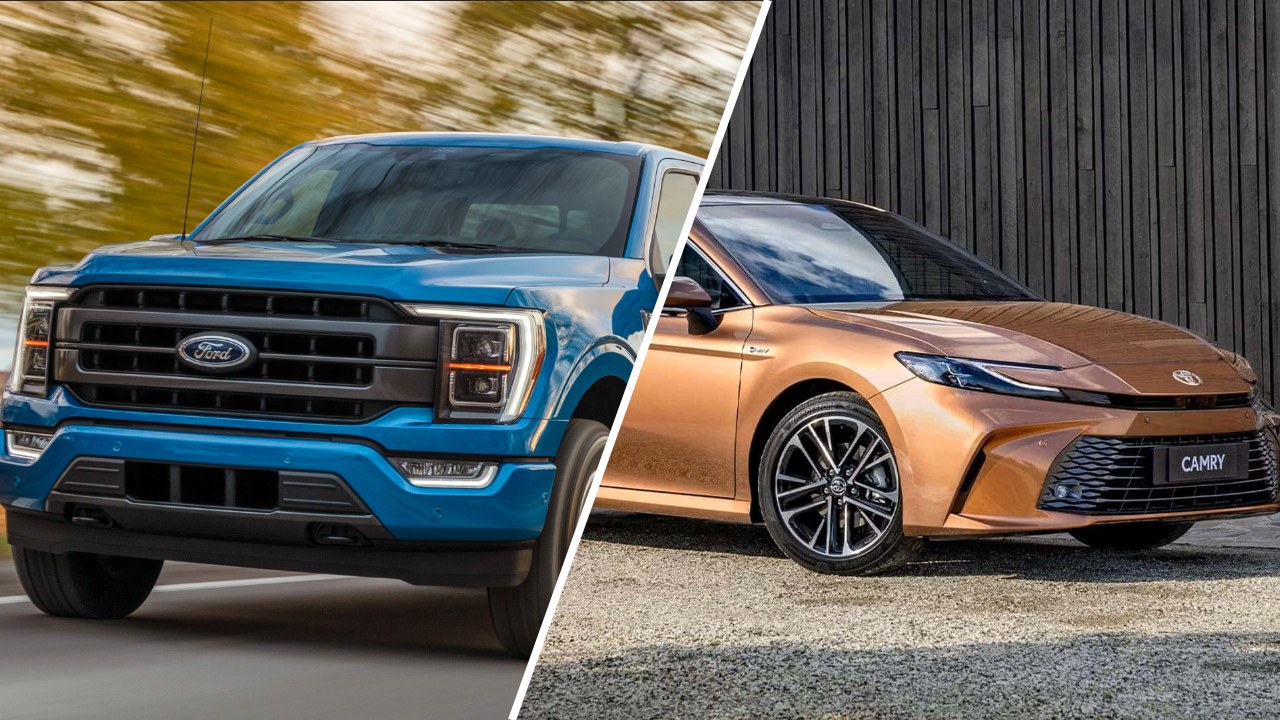
The American automotive market has produced some of the most recognizable vehicles ever built. From practical family cars to dependable pickup trucks, certain models have earned long-lasting popularity through decades of production, changing consumer demands, and strong brand loyalty.
Sales numbers reveal more than just popularity. They show how vehicles became part of everyday American life, serving families, workers, businesses, and generations of drivers. Ranking the best-selling vehicles in American history requires looking at total production and sales volume across the lifespan of each model.
Some vehicles reached impressive numbers through continuous production for many decades, while others succeeded by adapting to changing trends and customer expectations. These vehicles represent reliability, affordability, innovation, and the ability to remain relevant in a competitive industry.
This list focuses on vehicles with the highest cumulative sales figures connected to the American market. It includes legendary nameplates that have shaped automotive history and influenced how people view transportation.
From compact cars that became symbols of efficiency to trucks that defined strength and capability, these models earned their place through millions of sales and years of customer trust.
Also Read: 10 Luxury Cars With the Least 10-Year Maintenance Costs
- Engine: 3.6-liter V6 gasoline engine
- Horsepower: 305 hp
- Torque: 264 lb-ft
- Length: 201.3 inches (5,113 mm)
- Width: 73.0 inches (1,854 mm)
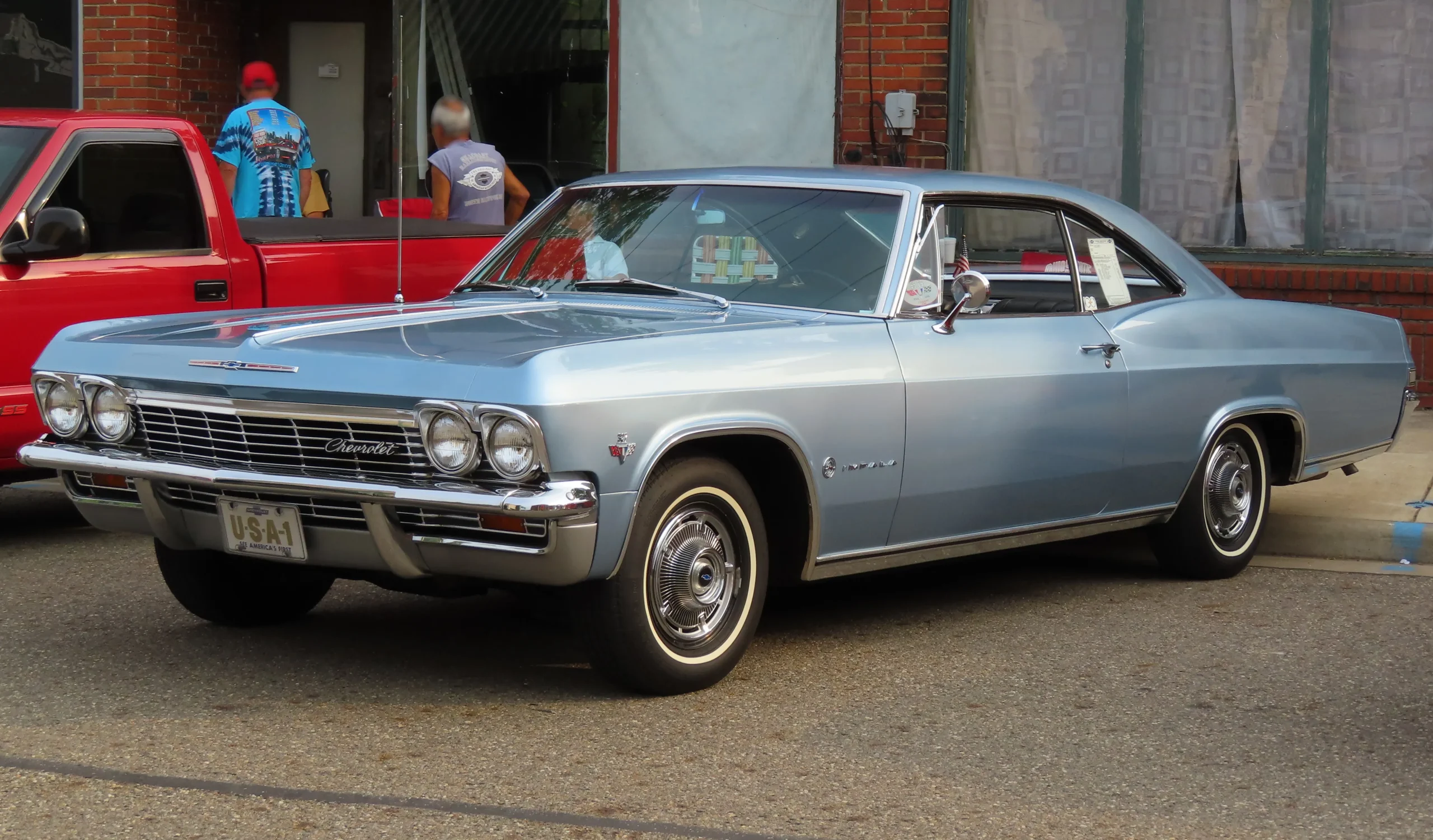
10. Chevrolet Impala: Approximately 14 Million Sales
The Chevrolet Impala holds a special place in American automotive history because it represented style, comfort, and accessibility for a wide range of buyers.
Introduced in 1958 as part of Chevrolet’s full-size lineup, the Impala quickly became a popular choice among American families who wanted a spacious vehicle with attractive styling and strong performance. Its combination of affordability and premium features helped it gain attention during a period when large cars dominated the market.
During the 1960s, the Impala reached remarkable sales success. The model became Chevrolet’s flagship passenger car and attracted customers with its smooth ride, powerful engine options, and distinctive designs.
The 1965 Impala achieved record-breaking sales, becoming one of the highest-selling vehicles in the United States during that period. Its success showed how strongly American buyers connected with large, comfortable automobiles.
The Impala remained popular through several automotive eras by adapting to new expectations. As fuel prices increased and consumer preferences changed, Chevrolet adjusted the vehicle’s size, design, and technology. Later generations focused more on efficiency, safety features, and modern driving needs while maintaining the nameplate’s reputation for comfort.
Although production eventually ended in 2020, the Chevrolet Impala left behind a significant legacy. Its millions of sales reflect decades of popularity among families, professionals, taxi operators, and fleet buyers.
The model became more than a vehicle because it represented an important chapter in American automotive culture.
The Impala’s long production history demonstrates how a vehicle can remain successful by changing with the times. From powerful V8-powered models of the past to modern versions designed for daily transportation, the Impala remained recognizable across generations. Its strong sales numbers secure its position among America’s best-selling vehicles.
- Engine: 2.3-liter EcoBoost turbocharged 4-cylinder engine
- Horsepower: 300 hp
- Torque: 310 lb-ft
- Length: 198.8 inches (5,050 mm)
- Width: 78.9 inches (2,004 mm)
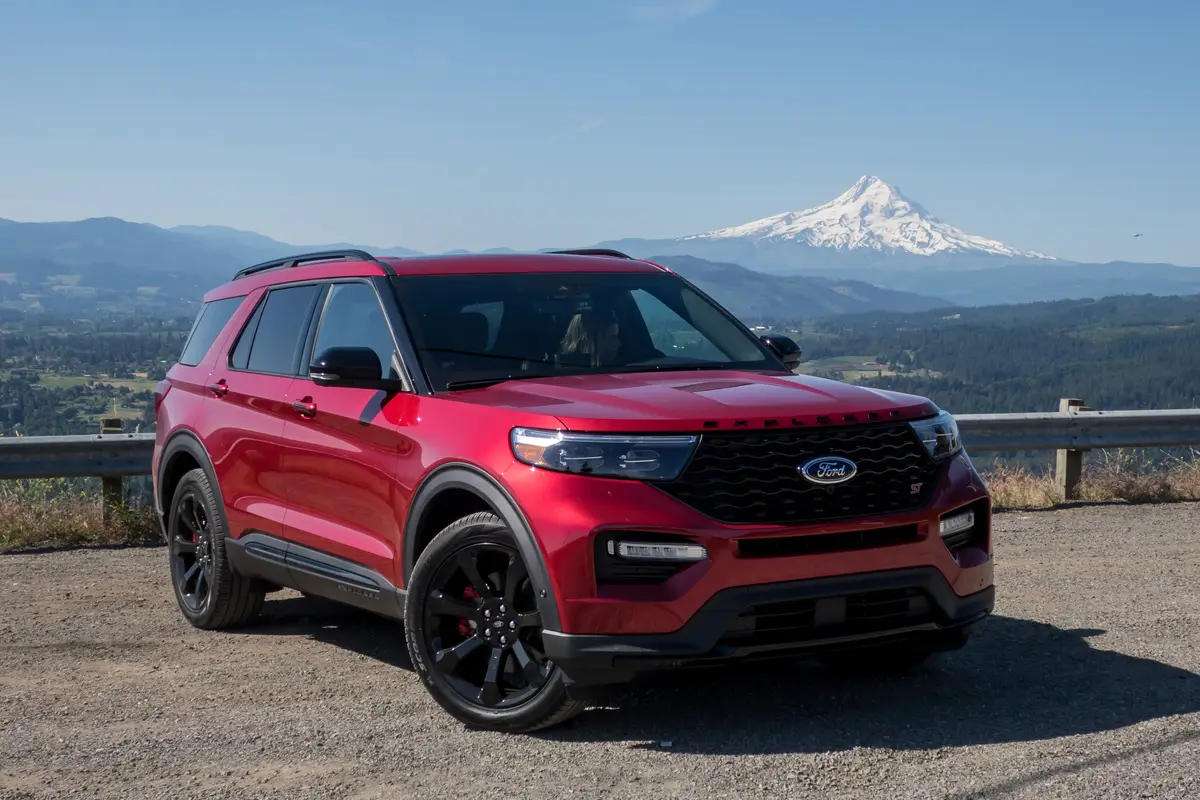
9. Ford Explorer: Approximately 8 Million Plus Sales
The Ford Explorer changed the American automotive landscape when it arrived in 1990 for the 1991 model year. It helped popularize the sport utility vehicle category by combining passenger-car comfort with the capability of a truck-based platform.
At a time when many buyers wanted more space and versatility, the Explorer offered an appealing alternative to traditional station wagons and sedans.
The first-generation Explorer became highly successful because it matched the needs of growing families. It provided seating for multiple passengers, available four-wheel drive, and enough cargo space for outdoor activities and daily responsibilities. The vehicle quickly became a common sight on American roads and played a major role in the shift toward SUVs.
Ford continued improving the Explorer through multiple generations. Later models moved toward more refined designs, improved fuel economy, advanced safety technology, and increased comfort. The vehicle evolved from a rugged utility model into a family-focused SUV while keeping its reputation for practicality.
The Explorer’s popularity also benefited from changing consumer preferences. As more American drivers moved away from traditional cars, SUVs became a dominant segment. The Explorer was already established as a trusted name, helping Ford maintain a strong position in the growing market.
With millions of sales recorded over several decades, the Ford Explorer remains a significant part of American automotive history. Its success reflects how effectively it responded to changing lifestyles and helped define the modern SUV category.
- Engine: 1.5-liter turbocharged 4-cylinder gasoline engine / 2.0-liter hybrid system available
- Horsepower: 192 hp (1.5T) / 204 hp (Hybrid)
- Torque: 192 lb-ft (1.5T) / 247 lb-ft (Hybrid combined)
- Length: 195.7 inches (4,971 mm)
- Width: 73.3 inches (1,862 mm)
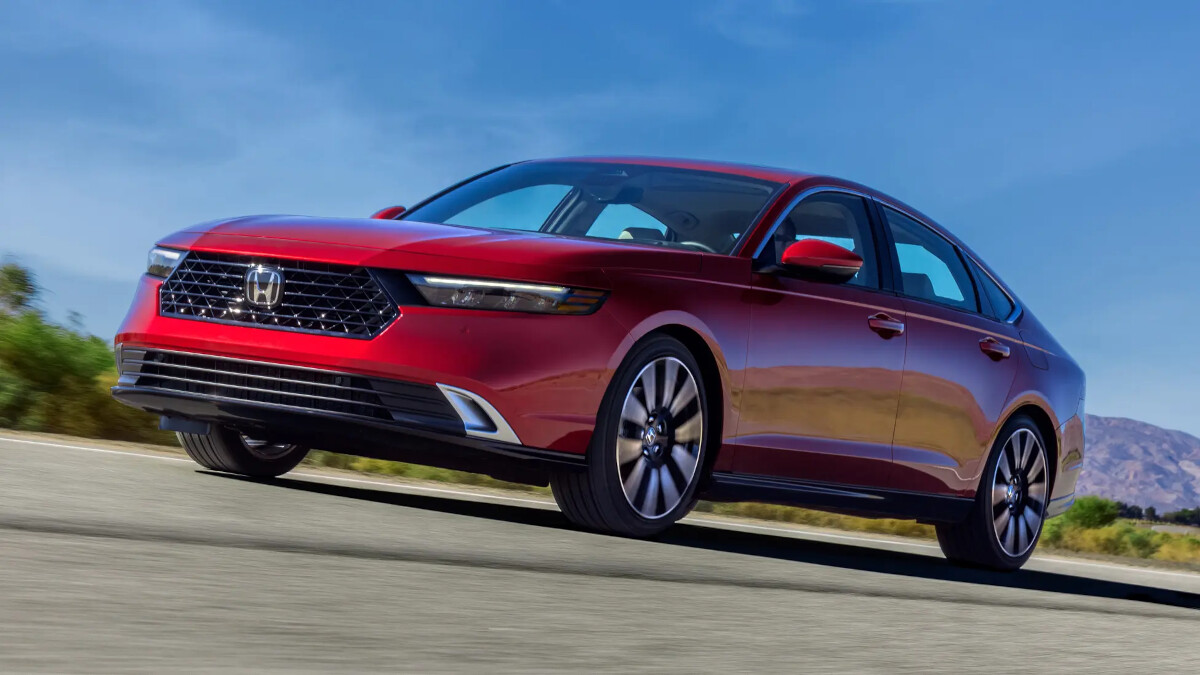
8. Honda Accord: More Than 12 Million Sales In The United States
The Honda Accord became a major success story in the American automotive market after its introduction in 1976. Originally launched as a compact hatchback, the Accord quickly gained attention because of its reliability, fuel efficiency, and practical design.
American buyers looking for affordable transportation during periods of rising fuel costs found the Accord to be an appealing option.
Honda expanded the Accord lineup over time, transforming it into a midsize sedan known for comfort, quality, and dependable performance. The vehicle earned a strong reputation among families, commuters, and professionals. Many owners valued its ability to provide years of reliable service with reasonable maintenance costs.
The Accord also gained recognition for its engineering and consistent improvements. Each generation introduced updated technology, better safety features, and more refined driving characteristics. Honda focused on creating a balanced vehicle that offered comfort without sacrificing efficiency or reliability.
The model’s success was strengthened by customer loyalty. Many Accord owners returned to purchase newer versions because of positive experiences with previous vehicles. This repeat demand helped the Accord maintain strong sales across multiple decades.
The Honda Accord’s history shows how consistency can create lasting success. It became a familiar name across American households and remains recognized for practicality, durability, and thoughtful design. Its impressive sales record places it among the most successful vehicles ever sold in the United States.
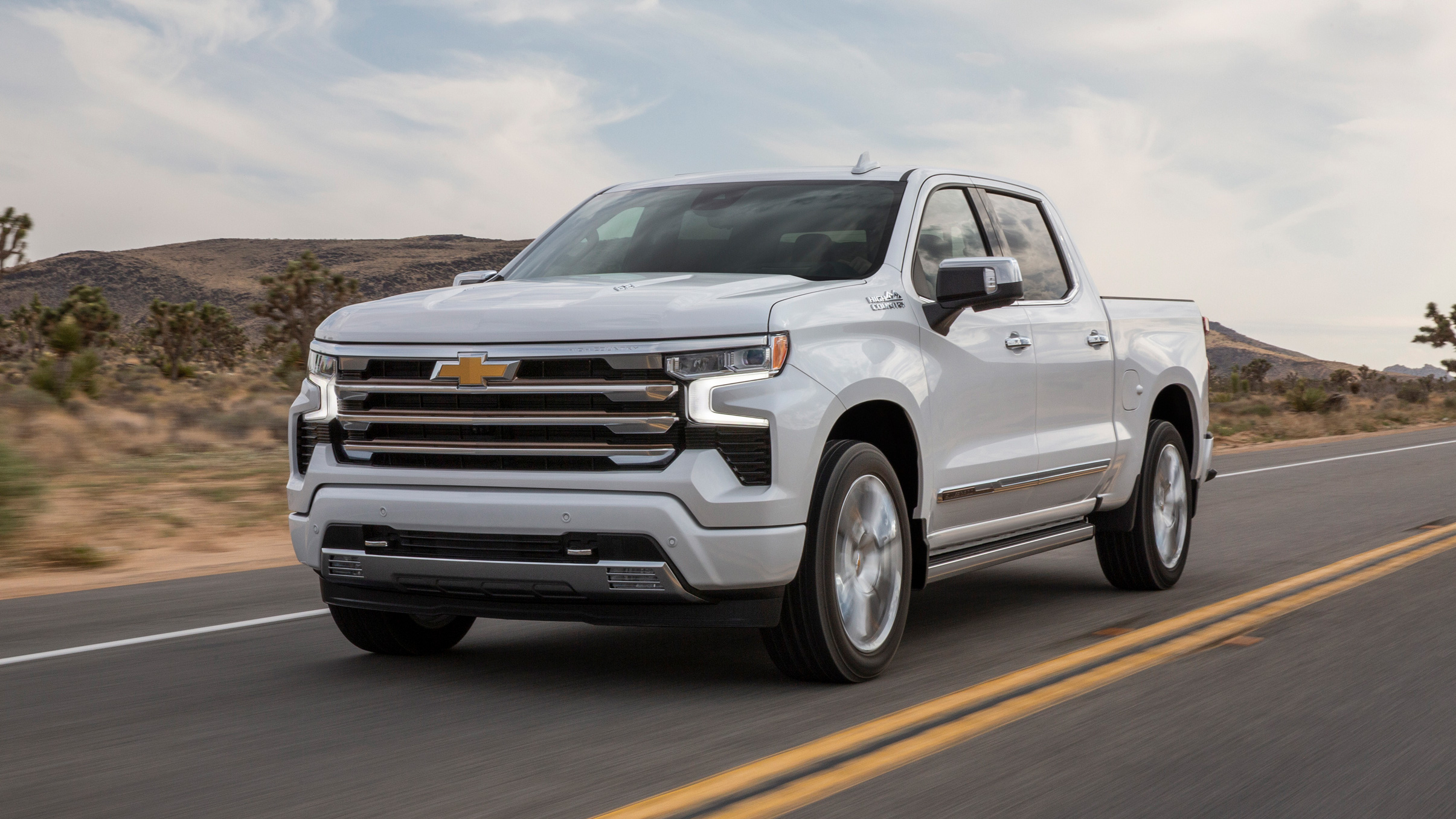
- Engine: 5.3-liter EcoTec3 V8 gasoline engine
- Horsepower: 355 hp
- Torque: 383 lb-ft
- Length: 231.7 inches (5,885 mm), depending on cab and bed configuration
- Width: 81.2 inches (2,065 mm)
7. Chevrolet Silverado: More Than 12 Million Sales
The Chevrolet Silverado has become one of America’s most important pickup trucks since its introduction in 1998. While Chevrolet had produced pickup trucks for many decades before the Silverado name appeared, this model established a dedicated identity focused on strength, capability, and everyday usability.
Pickup trucks hold a unique position in the American market because they serve both personal and professional purposes.
The Silverado appealed to construction workers, farmers, business owners, and families who needed a vehicle capable of handling demanding tasks. Its combination of towing ability, durability, and comfort helped it become a consistent sales leader.
Over the years, Chevrolet continued developing the Silverado with stronger engines, improved technology, and better interior features. Modern versions provide advanced safety systems, connectivity options, and refined cabins while maintaining the rugged qualities expected from a full-size truck.
The Silverado also benefited from the growing popularity of pickup trucks in America.
Many buyers began choosing trucks as their primary vehicles because they offered space, versatility, and confidence in different driving conditions. Chevrolet successfully positioned the Silverado as both a work machine and a daily driver.
With millions of units sold, the Chevrolet Silverado represents the continued strength of the pickup truck market. Its combination of capability and adaptability has helped it become a major part of American automotive history and a vehicle trusted by generations of drivers.
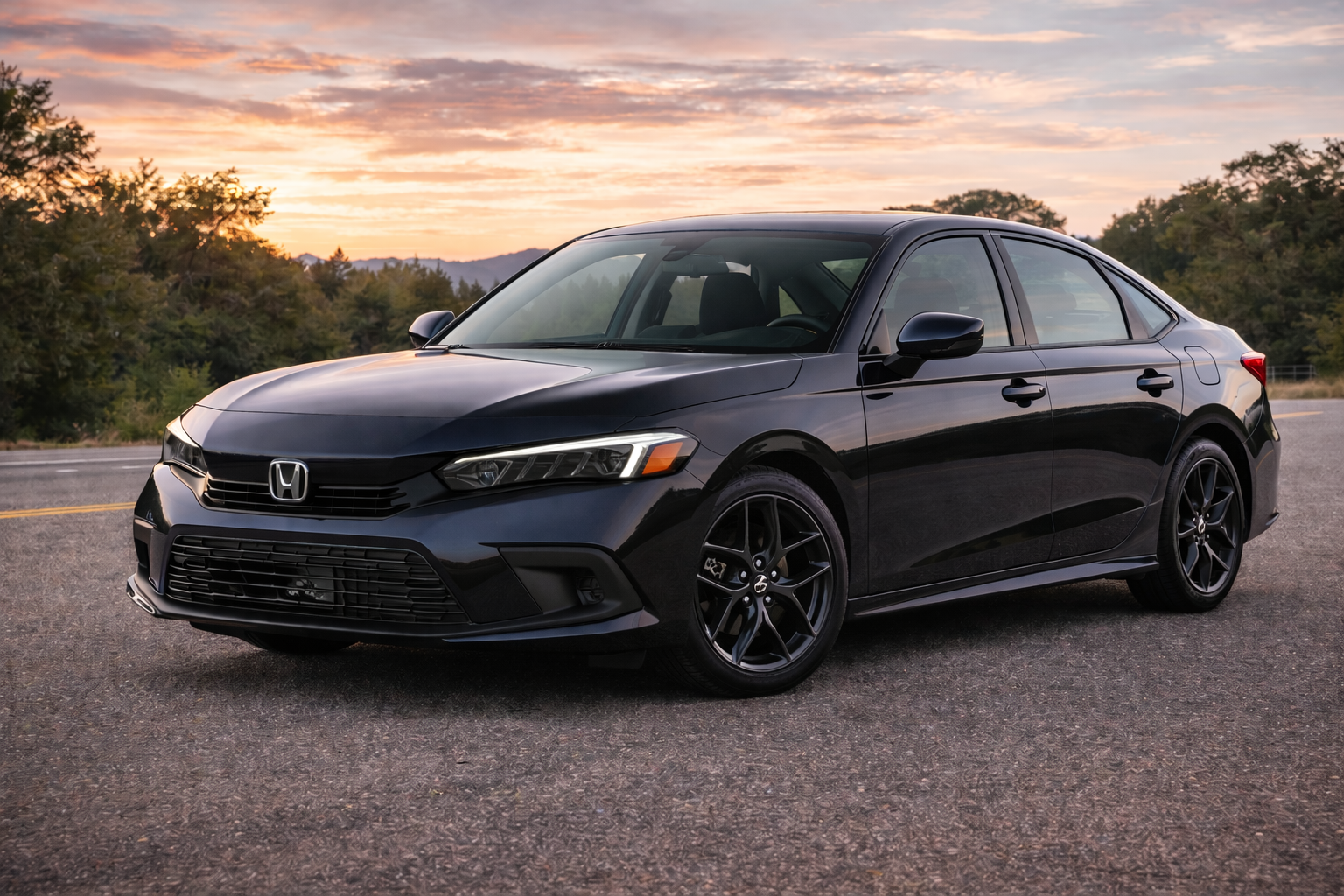
- Engine: 1.5-liter turbocharged 4-cylinder gasoline engine
- Horsepower: 180 hp
- Torque: 177 lb-ft
- Length: 184.0 inches (4,674 mm)
- Width: 70.9 inches (1,801 mm)
6. Honda Civic: More Than 12 Million Sales In The United States
The Honda Civic has been a major success story in the American automotive market since arriving in 1973.
Created during a period when many drivers were searching for affordable and efficient transportation, the Civic quickly gained attention for its compact size, excellent fuel economy, and dependable engineering. Its practical design made it appealing to students, commuters, families, and first-time vehicle buyers.
The Civic became especially popular during the fuel crisis era because it offered an economical alternative to larger vehicles. While many manufacturers focused on bigger cars, Honda developed a small vehicle that delivered impressive efficiency without sacrificing everyday usability. This approach helped the Civic build a strong reputation among American consumers.
Throughout its many generations, the Civic continued to evolve. Honda introduced improved engines, updated safety technology, better interiors, and more advanced designs while keeping the vehicle affordable.
The Civic expanded from a simple economy car into a versatile lineup that included sedans, coupes, hatchbacks, and performance-focused versions.
A major factor behind the Civic’s success has been its reliability. Many owners have reported keeping their vehicles for hundreds of thousands of miles with proper maintenance. This reputation created strong customer confidence and helped the Civic maintain consistent demand across decades.
The Honda Civic’s impressive sales history proves the importance of meeting everyday transportation needs. It became a symbol of efficient and dependable driving while remaining accessible to a broad group of buyers. Its long production history and strong sales performance make it one of America’s most successful vehicles.
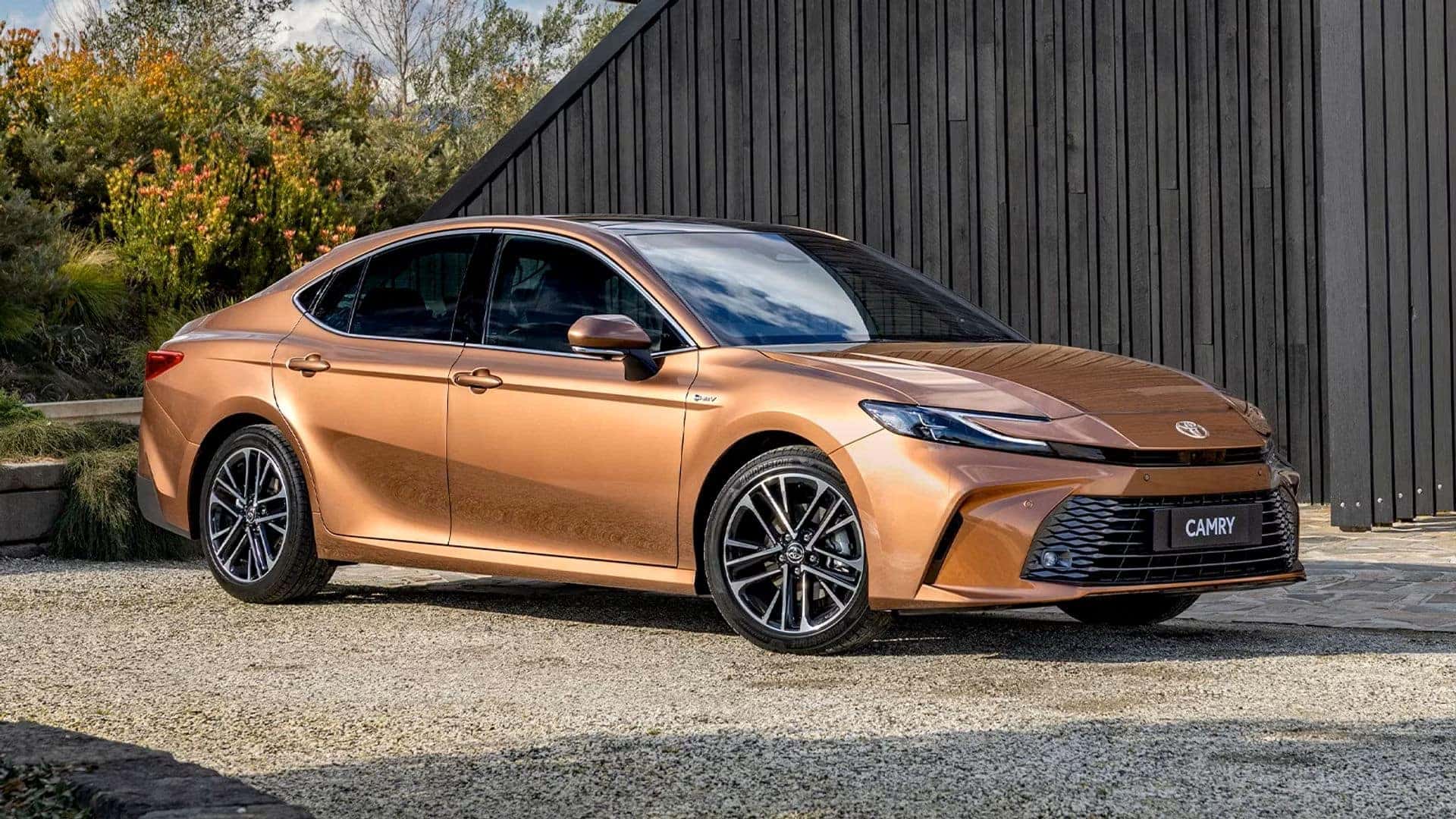
- Engine: 2.5-liter 4-cylinder hybrid engine
- Horsepower: 225 hp (front-wheel drive) / 232 hp (all-wheel drive)
- Torque: Approximately 163 lb-ft (engine torque)
- Length: 193.5 inches (4,915 mm)
- Width: 72.4 inches (1,839 mm)
5. Toyota Camry: More Than 13 Million Sales In The United States
The Toyota Camry became a household name in America by offering a combination of comfort, reliability, and reasonable ownership costs. Introduced to the American market in 1983, the Camry entered a competitive midsize sedan segment and quickly developed a reputation for being a practical choice for families and professionals.
Toyota focused on creating a vehicle that balanced efficiency with comfort. The Camry provided a smooth driving experience, a spacious interior, and dependable mechanical performance. These qualities helped it attract buyers who wanted a vehicle that could handle daily commuting, long road trips, and family responsibilities.
The Camry’s reputation grew through consistent improvements. Toyota updated each generation with modern technology, improved safety systems, and more refined styling. The company also introduced hybrid versions, allowing the Camry to appeal to drivers interested in better fuel efficiency and lower emissions.
For many years, the Camry remained among the highest-selling passenger cars in the United States. Its success came from customer trust and a strong reputation for long-term dependability. Many buyers considered the Camry a smart financial decision because of its durability and strong resale value.
The Toyota Camry’s place in automotive history comes from its ability to satisfy a wide range of customers. It was never designed to be flashy or extreme. Instead, it focused on delivering consistent quality, making it a preferred choice for millions of American drivers.
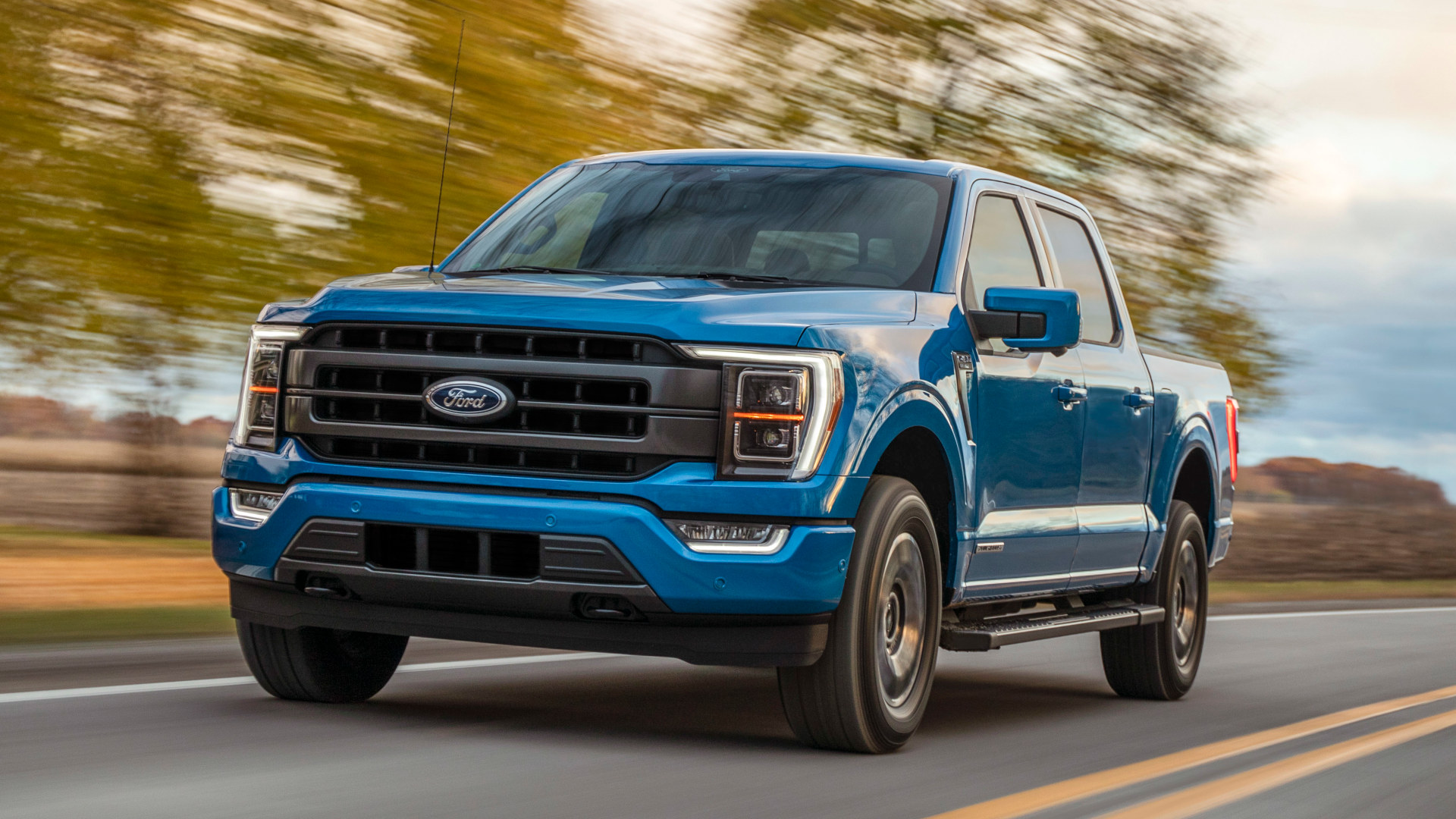
- Engine: 3.5-liter EcoBoost twin-turbocharged V6
- Horsepower: 400 hp
- Torque: 500 lb-ft
- Length: 209.1 inches to 243.5 inches depending on configuration
- Width: 79.9 inches (2,029 mm)
4. Ford F-Series: More Than 40 Million Sales
The Ford F-Series is the best-selling pickup truck lineup in American history and has been a dominant force for decades.
First introduced in 1948, the F-Series grew from a basic work truck into a complete range of pickups designed for personal, commercial, and recreational use. Its long-running success has made it one of the most recognizable vehicle names in the country.
Ford built the F-Series around strength and dependability. Early models gained popularity among workers and businesses that needed reliable transportation for demanding jobs. Over time, the lineup expanded with different sizes, engine choices, and configurations to meet changing customer requirements.
The F-150 became the most recognized model in the lineup, appealing to buyers who wanted a capable truck that could also serve as a comfortable daily vehicle.
Modern F-Series trucks introduced advanced technology, luxury features, improved fuel efficiency, and powerful performance options while maintaining their reputation for durability.
The popularity of the F-Series reflects the importance of trucks in American life. Many buyers use these vehicles for work, towing, outdoor activities, and everyday transportation. Ford successfully created a product that fits multiple lifestyles while maintaining a strong identity.
The continued success of the Ford F-Series comes from decades of customer loyalty and constant improvement. Its sales numbers are unmatched among pickup trucks, and its influence on the American automotive industry is significant. The F-Series represents capability, versatility, and long-term popularity.
- Engine: 2.0-liter turbocharged 4-cylinder gasoline engine
- Horsepower: 174 hp
- Torque: 184 lb-ft
- Length: 168.8 inches (4,288 mm)
- Width: 71.2 inches (1,809 mm)
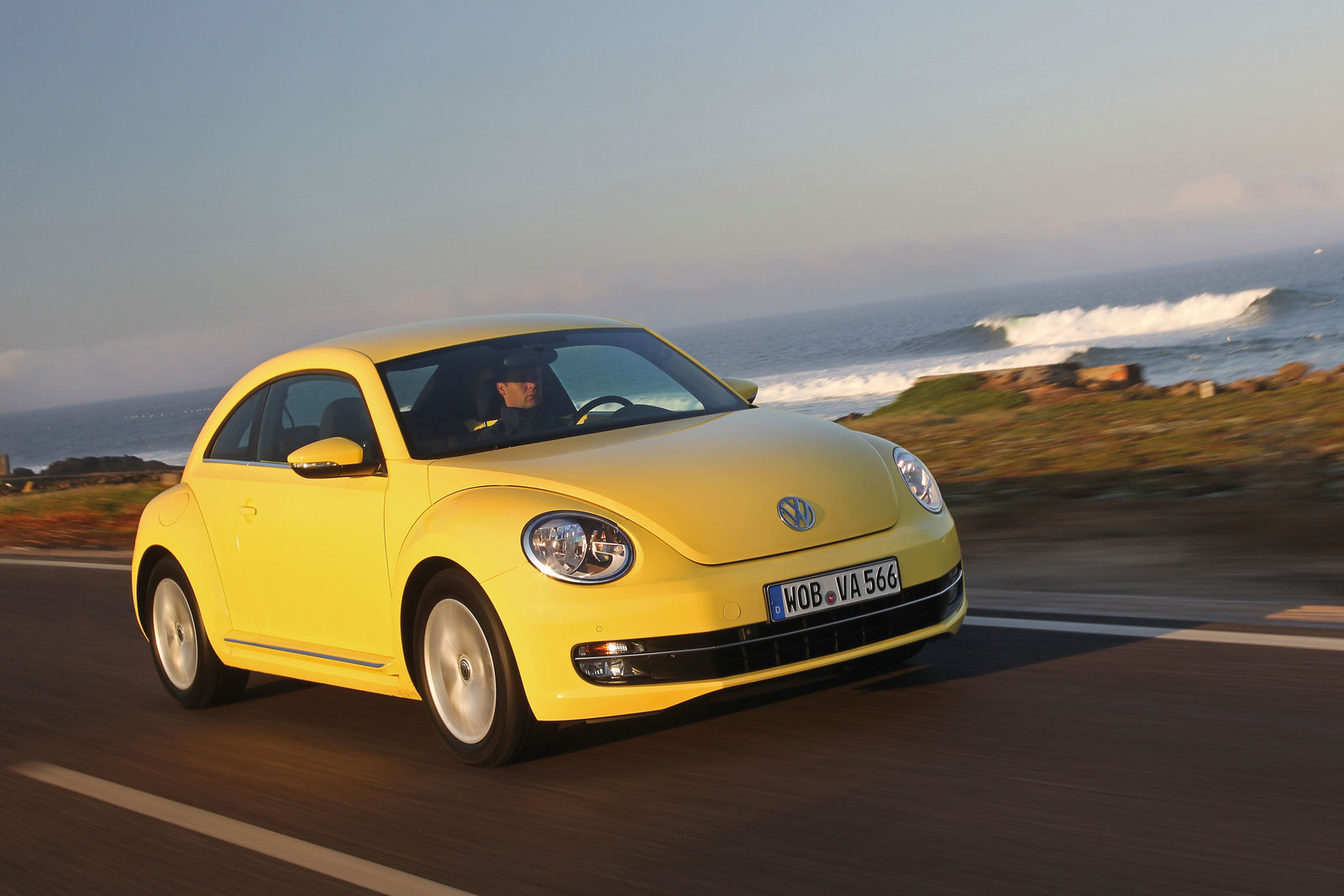
3. Volkswagen Beetle: More Than 21 Million Global Sales
The Volkswagen Beetle became an automotive icon through its unique design, affordability, and worldwide popularity. While its strongest sales numbers came from global markets rather than only the United States, the Beetle had a major cultural impact on American drivers.
It arrived in America during the post-war period and gained attention as an affordable, efficient alternative to larger domestic vehicles.
The Beetle’s simple engineering helped make it reliable and inexpensive to maintain. Its rear-engine layout, compact size, and distinctive appearance separated it from many vehicles available at the time. These qualities attracted buyers looking for practical transportation with personality.
During the 1960s and 1970s, the Beetle became especially popular among younger drivers. Its connection with counterculture movements and its affordable price helped create a strong emotional connection with owners. The vehicle became recognized not only as transportation but also as a symbol of individuality.
Volkswagen continued producing updated versions of the Beetle for many years. The modern revival introduced new technology and a refreshed design while keeping elements of the original appearance.
However, changing consumer preferences eventually reduced demand, leading to the end of production in 2019.
The Volkswagen Beetle remains the most recognizable vehicles ever created. Its massive global sales and cultural influence ensure its place among the greatest automotive success stories. Few vehicles have created such a strong identity while achieving millions of sales across different generations.
- Engine: 2.0-liter Dynamic Force 4-cylinder gasoline engine
- Horsepower: 169 hp
- Torque: 151 lb-ft
- Length: 182.3 inches (4,630 mm)
- Width: 70.1 inches (1,780 mm)
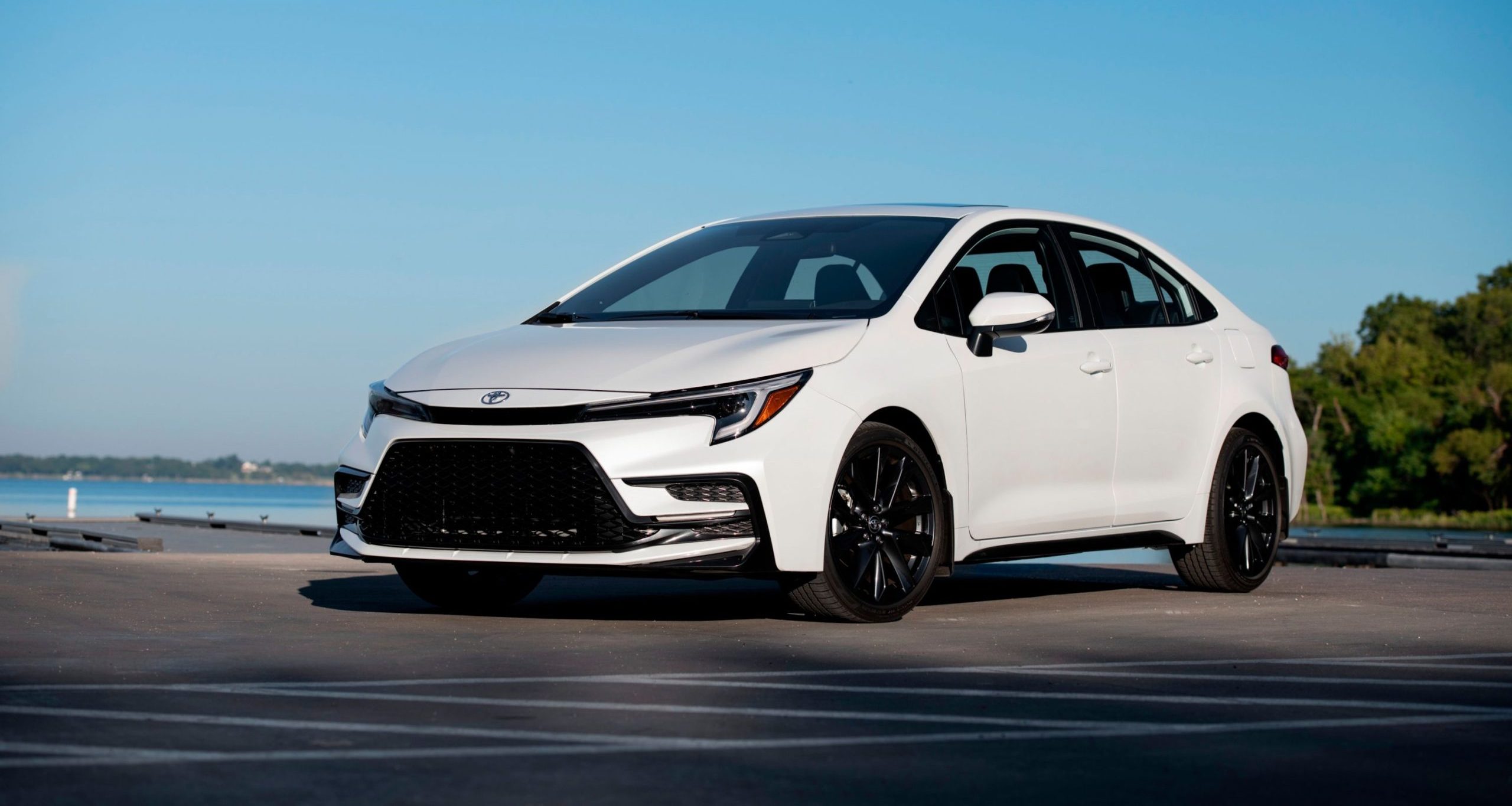
2. Toyota Corolla: More Than 50 Million Global Sales
The Toyota Corolla is among the most successful vehicles ever produced, with global sales exceeding 50 million units. Since its introduction in 1966, the Corolla has built a reputation for affordability, reliability, fuel efficiency, and practicality.
While its sales success is worldwide, the model has also maintained a strong presence in the American market for decades.
Toyota designed the Corolla to meet the transportation needs of everyday drivers. Its compact size, efficient engines, and reasonable ownership costs made it attractive to people looking for dependable transportation. The vehicle quickly gained popularity because it delivered consistent performance without unnecessary complexity.
The Corolla’s success came from Toyota’s focus on continuous improvement. Each generation introduced updated designs, better safety features, improved technology, and more efficient powertrains.
Instead of making dramatic changes that could affect reliability, Toyota refined the formula that customers already trusted.
In America, the Corolla became a popular choice for commuters, students, and families. Its reputation for lasting many years with proper maintenance helped create strong customer loyalty.
Many drivers selected the Corolla because they wanted a vehicle that could provide dependable transportation without high repair expenses.
The Toyota Corolla represents a successful approach to automotive manufacturing. Its incredible sales volume comes from decades of meeting basic customer needs with consistency and quality. The vehicle’s global popularity and American success make it one of the most important models in automotive history.
- Engine: 2.9-liter inline 4-cylinder gasoline engine
- Horsepower: 20 hp
- Torque: Approximately 83 lb-ft
- Length: Approximately 134 inches (3,404 mm)
- Width: Approximately 67 inches (1,702 mm)
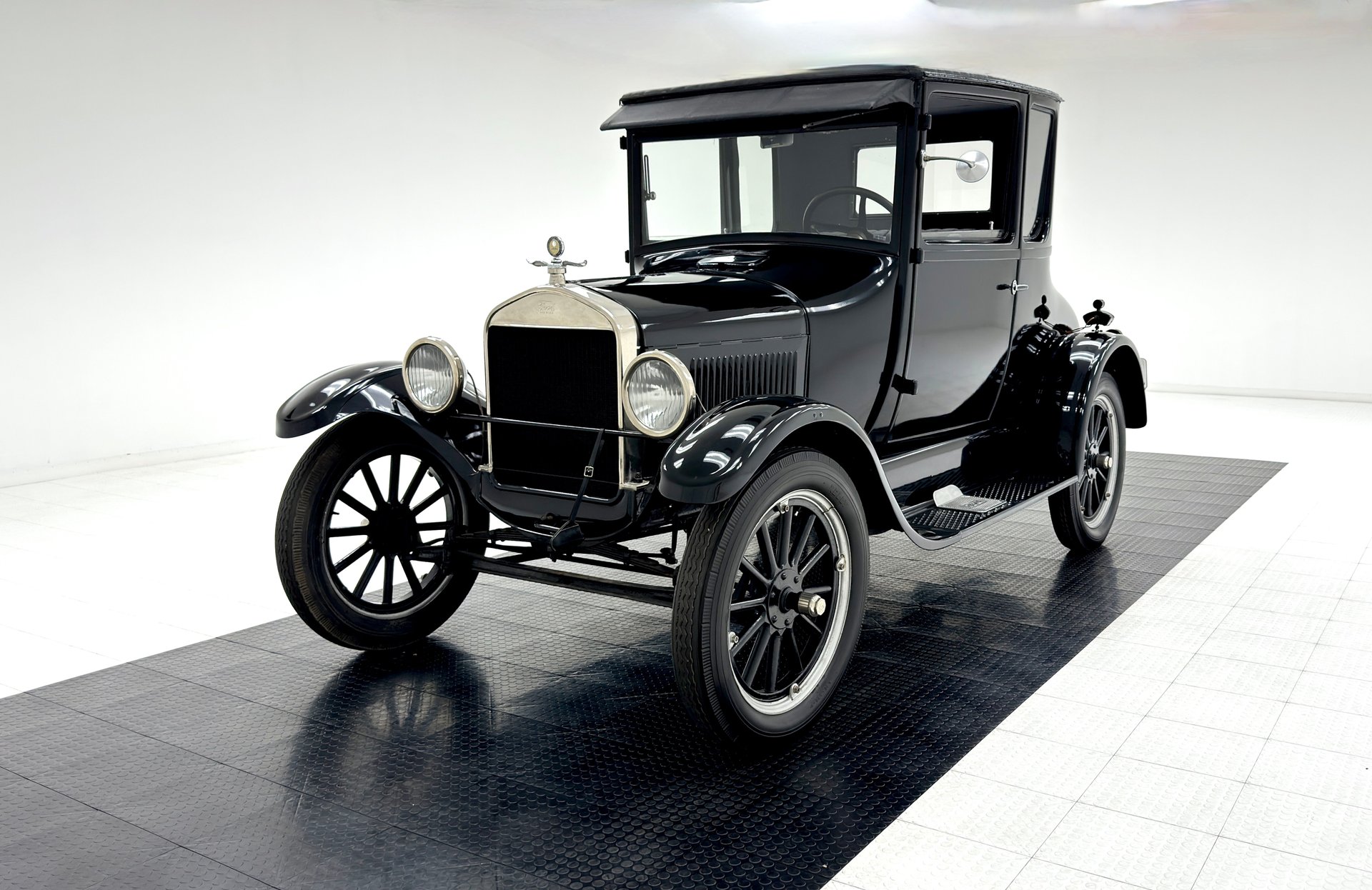
1. Ford Model T: More Than 15 Million Sales
The Ford Model T holds a historic position in automotive history because it transformed how ordinary people accessed personal transportation. Introduced in 1908, the Model T was designed to be affordable, durable, and easy to operate.
It became the vehicle that helped move automobiles from a luxury product into a practical option for average American families.
Henry Ford and his company changed automobile production through the use of assembly-line manufacturing. This method allowed Ford to produce vehicles more efficiently and reduce costs. The lower price made the Model T available to a much larger group of customers compared with earlier automobiles.
The Model T was built to handle different road conditions during an era when many roads were unpaved.
Its strong construction, simple mechanical design, and ease of repair helped it become a dependable choice for rural communities, businesses, and families. The vehicle was available in different body styles, allowing customers to choose versions that matched their needs.
The popularity of the Model T continued for nearly two decades. By the time production ended in 1927, Ford had sold more than 15 million units. This figure represented an extraordinary achievement at the time and showed the enormous demand for affordable transportation.
The Ford Model T’s influence extends far beyond its sales numbers. It changed manufacturing, shaped American mobility, and helped establish the automobile as an important part of daily life.
While newer vehicles have surpassed it in total sales volume, the Model T remains a landmark achievement that changed the direction of the automotive industry.
Also Read: 10 Slowest Sports Cars Ever Made
