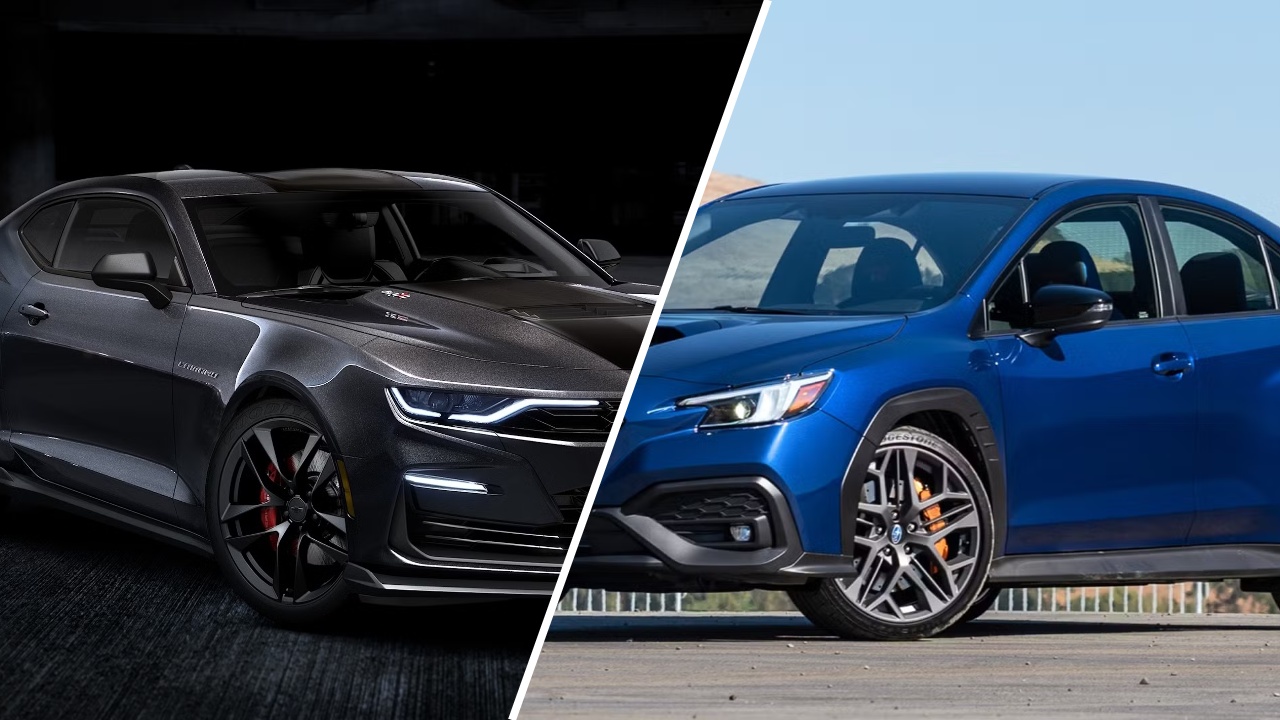
Buying a popular car often means comparing fuel economy, reliability, safety, and monthly payments, but insurance costs deserve just as much attention.
A vehicle can have an affordable sticker price yet still surprise owners with expensive insurance premiums. Factors such as repair costs, theft rates, claim frequency, horsepower, and advanced technology all influence what insurers charge.
Using U.S.-based insurance data from Bankrate, Insure.com, The Zebra, and industry analyses, this list highlights 10 popular cars that frequently carry higher-than-expected insurance premiums, explaining why they cost more to insure despite their widespread popularity.
Also Read: 10 SUVs That Changed the Automotive Industry Forever
1. Tesla Model 3
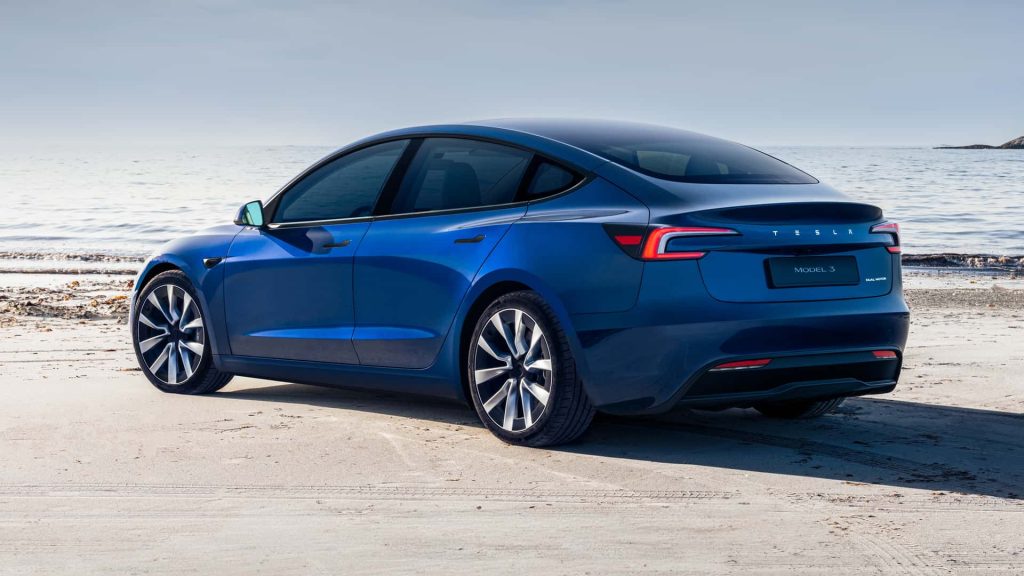
The Tesla Model 3 has become one of America’s best-selling electric vehicles, attracting buyers with impressive acceleration, cutting-edge technology, and access to Tesla’s extensive Supercharger network.
Many shoppers assume that a relatively compact sedan should also be inexpensive to insure. In reality, the opposite is often true. Multiple insurance studies consistently place the Model 3 among the costliest mainstream vehicles to insure in the United States, despite its popularity.
One of the biggest reasons is repair cost. Even relatively minor collisions can become expensive because of Tesla’s specialized aluminum body components, integrated battery structure, numerous cameras, radar systems, and sensors used for driver-assistance features.
Repairs frequently require certified Tesla-approved body shops, limiting repair options in many areas and increasing claim costs.
Performance also affects insurance pricing. Even the standard versions accelerate much faster than most gasoline-powered sedans, while Long Range and Performance trims rival traditional sports cars. Higher acceleration capability often correlates with increased claim severity, something insurers factor into their pricing models.
Replacement parts can also be expensive compared with similarly priced gasoline vehicles. Battery packs, electronic modules, and specialized structural components raise the average repair bill after collisions. Insurers spread those higher claim costs across policyholders through increased premiums.
Recent insurance industry reports also show Tesla models remaining outliers as insurance costs continue rising even while premiums for many other popular vehicles stabilize. Buyers attracted by low charging costs should therefore include insurance quotes in their ownership calculations before purchasing.
Specifications
- Engine: Dual electric motors (long-range AWD)
- Torque: 376 lb-ft (approximate combined)
- Horsepower: 510 hp
- Length: 185.8 inches
- Width: 72.8 inches
2. Dodge Charger
The Dodge Charger has remained one of America’s most recognizable performance sedans, combining four-door practicality with powerful engine options.
Even though production has ended for the traditional gasoline model, millions remain on U.S. roads, and insurance companies continue to classify the Charger as one of the more expensive mainstream vehicles to insure.
Unlike many family sedans, the Charger carries a unique risk profile. High-output V8 versions have long attracted performance enthusiasts, while theft statistics have consistently ranked certain Charger trims among the nation’s most frequently stolen vehicles.
Even owners of V6 models may pay upgraded premiums because insurers often group rates across the model line according to historical claims data.
Repair expenses contribute as well. Modern Chargers incorporate advanced safety technology, multiple airbags, sophisticated lighting systems, and electronic driver-assistance features that increase repair costs following accidents. Insurance companies evaluate average claim severity rather than simply vehicle price.
Another factor involves accident frequency. Vehicles capable of rapid acceleration statistically experience different driving patterns than typical commuter sedans. Insurers analyze years of claim history when calculating premiums, and the Charger has developed a higher-risk profile than many similarly priced family cars.
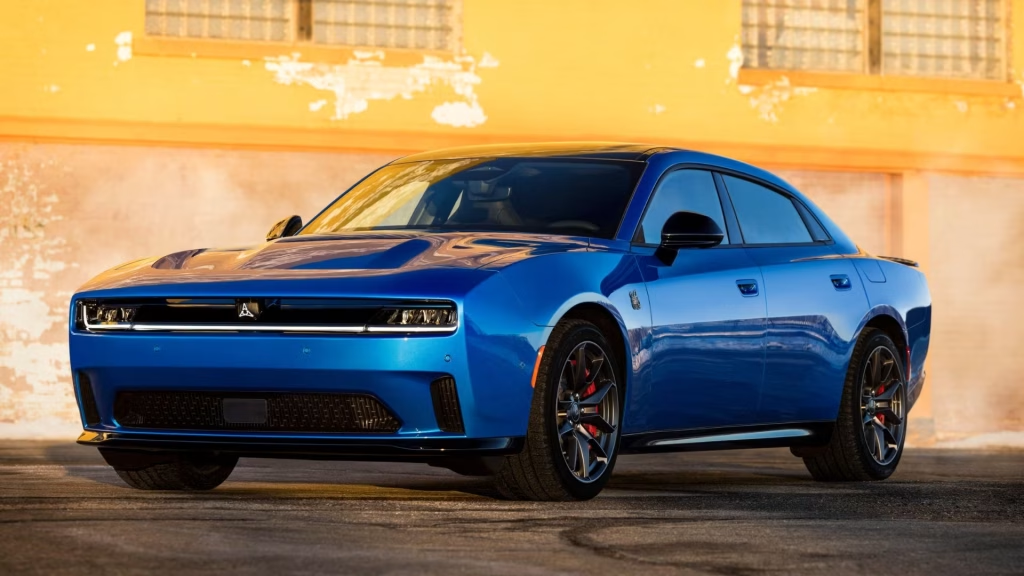
Bankrate’s insurance analysis places the Dodge Charger among the most expensive vehicles to insure in the United States, with average annual full-coverage premiums approaching $4,900 for its sample profile. That figure significantly exceeds the national average for many midsize sedans.
For buyers considering a used Charger because of its affordable purchase price, insurance may become one of the largest long-term ownership expenses.
Specifications
- Engine: 3.6-liter Pentastar V6
- Torque: 260 lb-ft
- Horsepower: 292 hp
- Length: 198.4 inches
- Width: 75.0 inches
3. Kia K5
The Kia K5 has earned widespread popularity by offering bold styling, a spacious interior, and a long list of standard technology at a price that undercuts many rivals. From a shopper’s perspective, it appears to be an affordable midsize sedan that should also be inexpensive to insure. However, insurance quotes often tell a different story, catching many buyers by surprise.
One reason stems from the theft issues that affected numerous Kia models in recent years. Although the K5 itself was not universally vulnerable to the same theft method that impacted older key-start Kia vehicles, insurers evaluate risk using broader claim data across a manufacturer’s lineup.
Increased theft claims involving Kia vehicles contributed to higher insurance costs in many parts of the United States, and some carriers adjusted premiums accordingly.
Repair costs also influence rates. Modern K5 models include adaptive cruise control, lane-keeping assistance, forward collision avoidance, blind-spot monitoring, and other advanced driver-assistance systems.
While these technologies improve safety, they also increase the cost of repairing even relatively minor collisions because sensors and cameras often require replacement and recalibration.
The available turbocharged engines further affect pricing. Higher-performance GT models produce substantially more power than the standard engine, leading insurers to account for greater performance potential when calculating premiums.
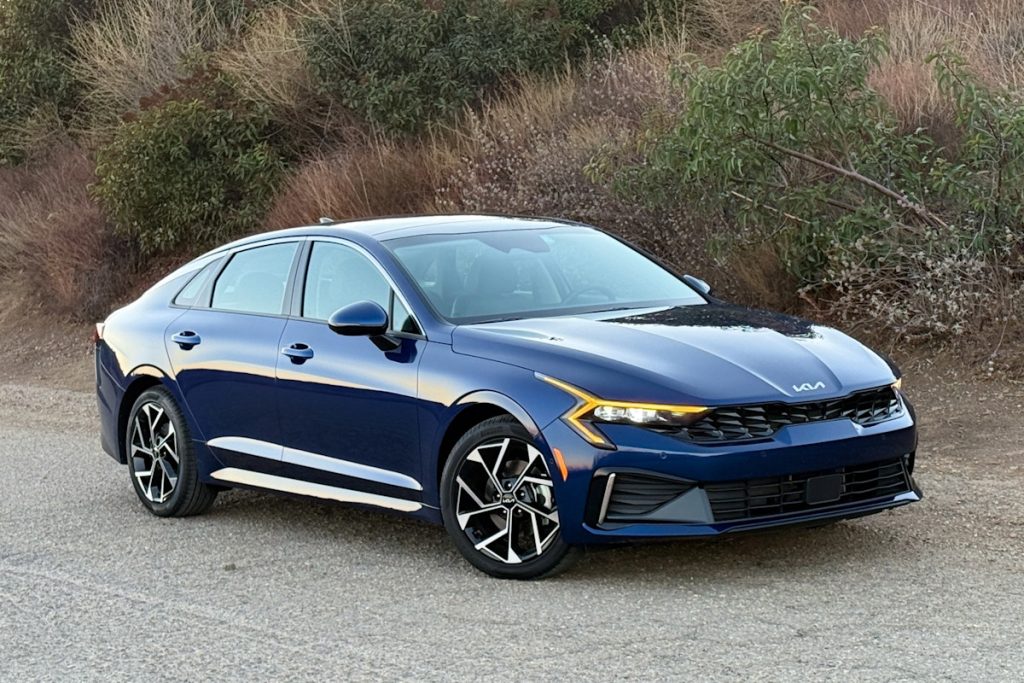
Another factor is replacement parts. LED lighting assemblies, large infotainment displays, and sophisticated electronic components are considerably more expensive than the parts used in midsize sedans a decade ago. Those higher repair bills ultimately translate into higher insurance costs.
For buyers comparing ownership expenses, requesting insurance quotes before signing paperwork is especially important. The K5 continues to offer strong value and attractive styling, but insurance premiums can be noticeably higher than expected depending on the driver’s location and coverage level.
Specifications
- Engine: 2.5-liter naturally aspirated inline-four
- Torque: 181 lb-ft
- Horsepower: 191 hp
- Length: 193.1 inches
- Width: 73.2 inches
4. Honda Civic
The Honda Civic has long been recognized as one of America’s most dependable compact cars. It is known for excellent fuel economy, strong resale value, and proven reliability, making it a common recommendation for commuters, students, and first-time buyers. Despite that reputation, insurance premiums are often higher than many shoppers anticipate.
Popularity is one reason. Millions of Civics are on American roads, which naturally results in a large number of insurance claims. Insurers rely on historical loss data when setting premiums, and the Civic’s extensive presence means accident and repair statistics are closely tracked.
The model has also experienced consistently high theft rates over many years. While older Civics remain the most frequently stolen because of their simplicity and valuable replacement parts, theft history continues to influence insurance risk calculations across the model line.
Companies also recognize that Civics are driven by a broad range of drivers, including younger motorists who statistically generate more insurance claims.
Repair expenses have risen as well. Today’s Civic includes sophisticated driver-assistance technology through Honda Sensing, featuring collision mitigation braking, adaptive cruise control, lane keeping assist, road departure mitigation, and traffic sign recognition.
Replacing cameras, sensors, and radar equipment after an accident is considerably more expensive than repairing previous generations.
Sport-oriented trims such as the Civic Si and Civic Type R also contribute to the model’s insurance profile. Although they represent only part of the lineup, their higher performance influences historical claim costs considered by insurers.
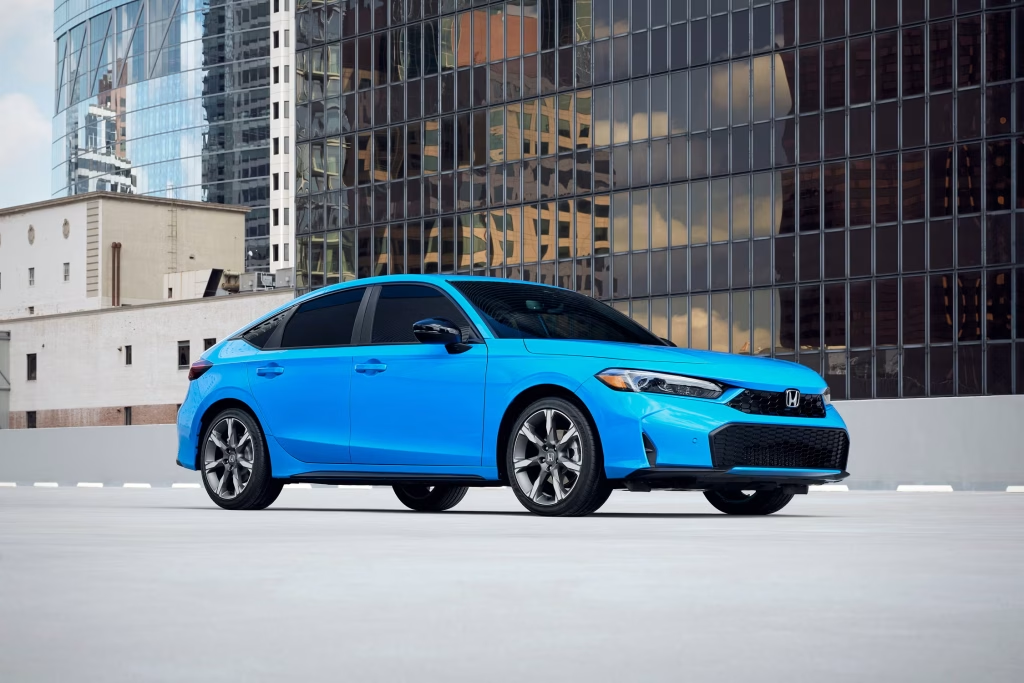
The Civic remains an outstanding compact car, but buyers should remember that a vehicle’s popularity does not automatically guarantee inexpensive insurance. Obtaining multiple quotes before purchasing can prevent an unexpected increase in annual ownership costs.
Specifications
- Engine: 2.0-liter naturally aspirated inline-four
- Torque: 133 lb-ft
- Horsepower: 150 hp
- Length: 184.0 inches
- Width: 70.9 inches
5. Hyundai Elantra
The Hyundai Elantra has become one of the most recognizable compact sedans in the United States by offering an attractive price, generous warranty coverage, and an impressive collection of standard technology.
On paper, it appears to be an economical vehicle in nearly every category. Many buyers therefore expect insurance costs to be equally affordable. In practice, premiums can be noticeably higher than anticipated.
The primary reason is the upgraded theft risk associated with many Hyundai models in recent years. Although newer Elantras include immobilizers and enhanced anti-theft systems, insurance companies rely on historical claims data that spans multiple model years.
The surge in theft-related claims involving certain Hyundai vehicles caused several insurers to raise premiums across parts of the lineup, particularly in metropolitan areas where theft rates increased.
Repair expenses have also climbed. Modern Elantras feature forward collision avoidance, lane-keeping assistance, blind-spot monitoring, adaptive cruise control, and large digital displays.
These systems improve occupant safety but make collision repairs more expensive because damaged sensors and cameras often require replacement and calibration.
Trim level can influence pricing as well. Performance-oriented N Line and Elantra N models produce significantly more horsepower than the standard sedan, increasing the vehicle’s performance profile in insurers’ risk calculations.
Even buyers selecting the standard engine may notice higher premiums than expected because insurers consider the model’s historical claims experience.
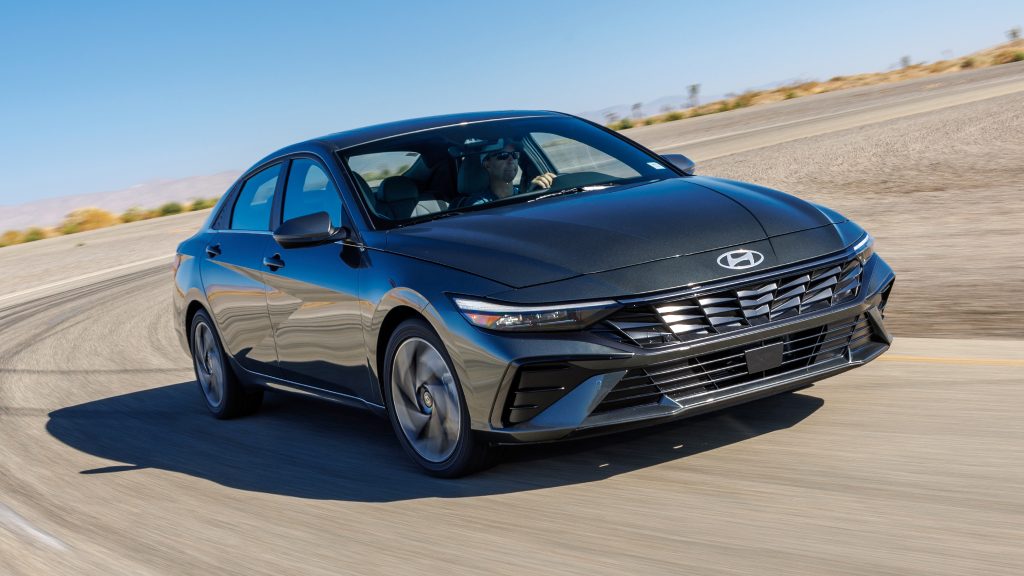
The Elantra continues to deliver excellent fuel economy, a comfortable cabin, and one of the strongest warranties in the industry.
However, insurance remains an ownership expense that many shoppers underestimate. Comparing quotes from several insurers before purchasing can make a meaningful difference in yearly operating costs.
Specifications
- Engine: 2.0-liter naturally aspirated inline-four
- Torque: 132 lb-ft
- Horsepower: 147 hp
- Length: 185.4 inches
- Width: 71.9 inches
6. Subaru WRX
Unlike many compact sedans, the Subaru WRX has always been designed with performance in mind. Turbocharged power, standard all-wheel drive, and rally-inspired engineering have built a loyal following among driving enthusiasts. Its popularity, however, also contributes to insurance premiums that frequently exceed what buyers expect for a compact four-door car.
Insurers evaluate more than purchase price when determining rates. The WRX has historically generated higher claim frequencies because of its performance capability and the way many examples are driven.
Rapid acceleration, sporty handling, and enthusiastic ownership can increase both accident frequency and claim severity, factors that directly influence premium calculations.
Another consideration is modification. The WRX has one of the largest aftermarket communities in the United States. Suspension upgrades, larger turbochargers, engine tuning, and cosmetic modifications are common.
Even when a specific vehicle remains completely stock, insurers account for the model’s historical risk profile, which includes a substantial number of modified examples.
Repair costs also contribute. Turbocharged engines, symmetrical all-wheel-drive components, LED lighting systems, and advanced safety technologies raise the average cost of repairing collision damage. Subaru’s EyeSight driver-assistance system adds additional cameras that require calibration after certain repairs.
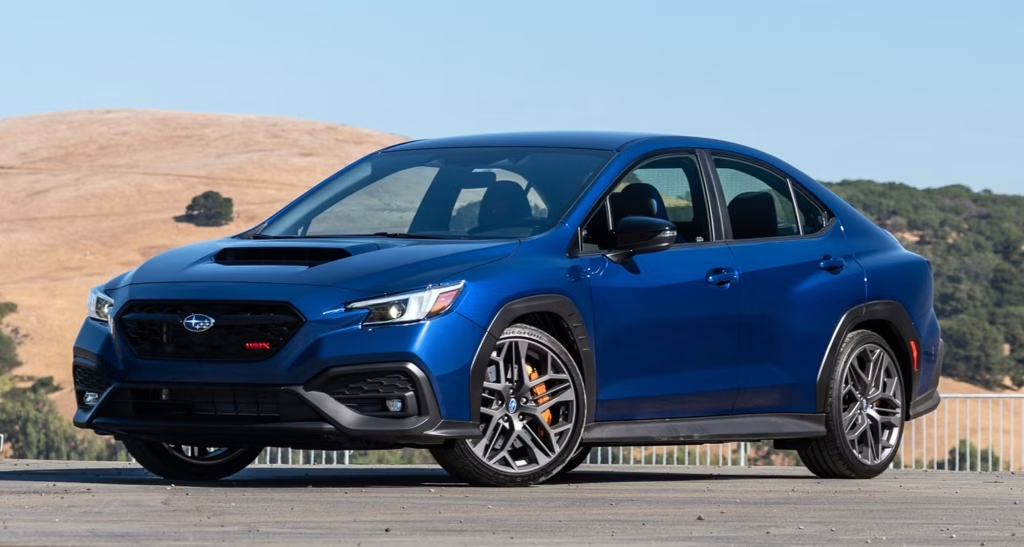
Despite the upgraded insurance costs, the WRX remains highly desirable because it offers year-round capability, engaging handling, and strong performance at a relatively accessible price.
Buyers should simply include insurance quotes as part of their purchasing decision, since annual premiums can be significantly higher than those of many other compact sedans with similar sticker prices.
Specifications
- Engine: 2.4-liter turbocharged BOXER four-cylinder
- Torque: 258 lb-ft
- Horsepower: 271 hp
- Length: 183.8 inches
- Width: 71.9 inches
7. Toyota GR Corolla
The Toyota Corolla has a reputation for low ownership costs, but the GR Corolla follows a very different path. Developed by Toyota’s Gazoo Racing division, it transforms the familiar hatchback into a high-performance machine with a turbocharged engine, standard all-wheel drive, and track-capable engineering.
While enthusiasts appreciate its capabilities, insurers view it as a much higher-risk vehicle than the standard Corolla.
One of the biggest reasons for upgraded premiums is performance. The GR Corolla produces more than 300 horsepower from a compact turbocharged three-cylinder engine and can accelerate far quicker than the average compact car.
Insurance companies have decades of data showing that higher-performance vehicles generally experience more costly claims, whether from collisions, speeding incidents, or expensive repairs.
Repair costs are another factor. The GR Corolla shares relatively few body and mechanical components with the standard Corolla. Specialized brakes, performance suspension parts, unique body panels, forged components, and advanced all-wheel-drive hardware significantly increase repair expenses after an accident.
Limited production numbers can also make replacement parts more expensive and harder to source.
The model’s enthusiast following further influences insurance pricing. High-performance cars often spend time at autocross events, track days, or spirited driving routes. Although insurers do not price policies based on individual hobbies alone, historical claims associated with similar vehicles contribute to premium calculations.
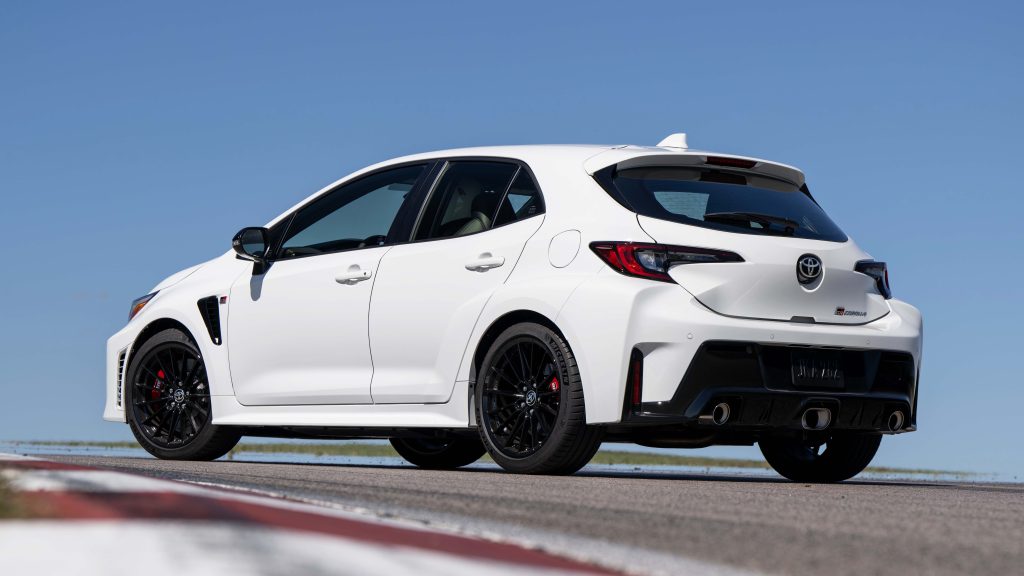
For buyers seeking exceptional performance in a compact package, the GR Corolla remains an outstanding choice. However, anyone budgeting for ownership should request insurance quotes before making a purchase, because premiums can be substantially higher than those for conventional compact hatchbacks.
Specifications
- Engine: 1.6-liter turbocharged inline-three
- Torque: 295 lb-ft
- Horsepower: 300 hp
- Length: 173.6 inches
- Width: 72.8 inches
8. Ford Mustang
The Ford Mustang has been one of America’s best-selling sports cars for decades, attracting everyone from first-time enthusiasts to experienced collectors. Strong performance, iconic styling, and a wide range of trims have made it a fixture on U.S. roads.
Despite its popularity, the Mustang consistently carries insurance premiums that exceed what many buyers anticipate.
Performance plays the largest role. Even the entry-level EcoBoost model delivers acceleration that rivals many traditional sports cars, while GT and Dark Horse variants produce significantly greater horsepower.
Insurers recognize that vehicles with higher performance capabilities tend to generate more expensive claims than ordinary passenger cars.
The Mustang also experiences relatively high claim frequencies because it appeals to a wide demographic, including younger drivers who statistically file more insurance claims. Historical accident data, theft statistics, and repair costs all contribute to higher premiums across the lineup.
Modern Mustangs are also more expensive to repair than earlier generations. Adaptive cruise control, lane-centering technology, digital instrument clusters, LED lighting systems, and advanced structural components increase repair costs following collisions. Even minor front-end damage can require replacement and recalibration of multiple electronic systems.
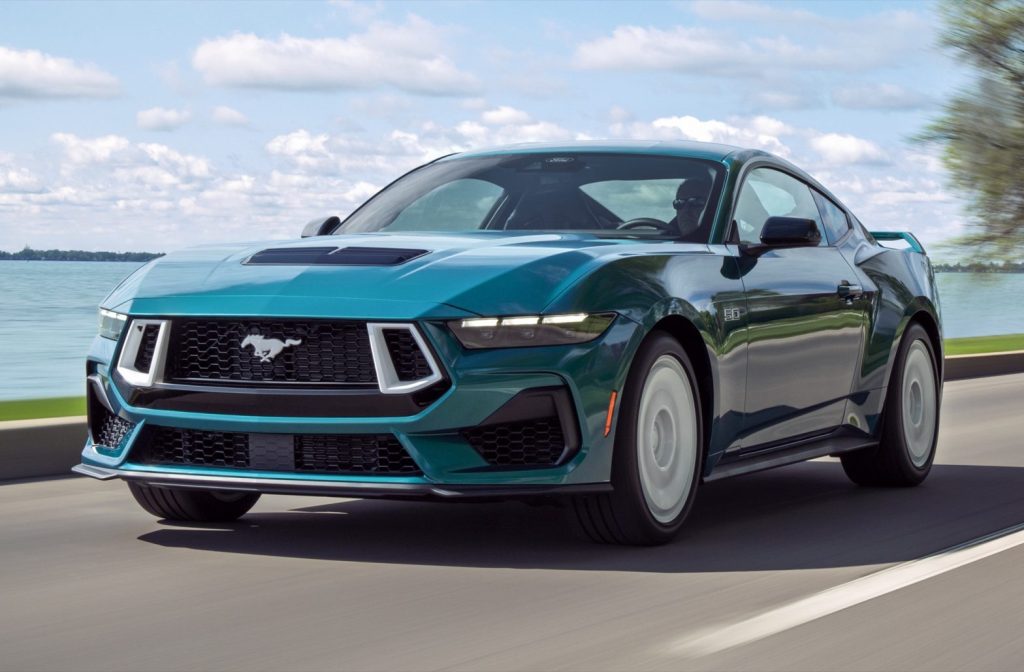
Despite the added insurance expense, the Mustang remains one of the best values in the performance-car market. Buyers receive impressive power, strong aftermarket support, and everyday usability in a package that continues to attract enthusiasts nationwide.
Insurance simply becomes another ownership cost that deserves careful consideration before signing a purchase contract.
Specifications
- Engine: 2.3-liter turbocharged EcoBoost inline-four
- Torque: 350 lb-ft
- Horsepower: 315 hp
- Length: 189.4 inches
- Width: 75.4 inches
9. Chevrolet Camaro
Although Chevrolet ended Camaro production after the 2024 model year, the sports coupe remains one of the most recognizable performance cars on American roads. Thousands of used Camaros continue to change hands every year, and demand remains strong across V6, V8, and turbocharged models.
Buyers are often attracted by relatively affordable purchase prices, but many discover that insurance premiums remain considerably higher than expected.
Insurance companies classify the Camaro as a performance-oriented vehicle regardless of engine choice. Even the turbocharged four-cylinder version delivers brisk acceleration, while SS and ZL1 trims offer power levels comparable to high-end sports cars.
Historical claims data shows that high-performance vehicles typically experience more severe accidents and higher repair costs, leading insurers to charge higher premiums.
Repair expenses also contribute to insurance pricing. Modern Camaros incorporate aluminum components, sophisticated electronic stability systems, multiple airbags, advanced lighting technology, and available driver-assistance features. After a collision, replacing these parts often costs significantly more than repairing a conventional midsize sedan.
Another important factor is theft. Sports cars have traditionally experienced higher theft rates because of their desirability and valuable performance components. Insurers consider years of historical theft claims when determining premiums, even for older model years.
Visibility is another consideration that indirectly affects claims. The Camaro’s low roofline and narrow windows have frequently been criticized for limiting outward visibility compared with many other passenger cars. While skilled drivers adapt quickly, insurers rely on long-term claims history rather than individual driving ability.
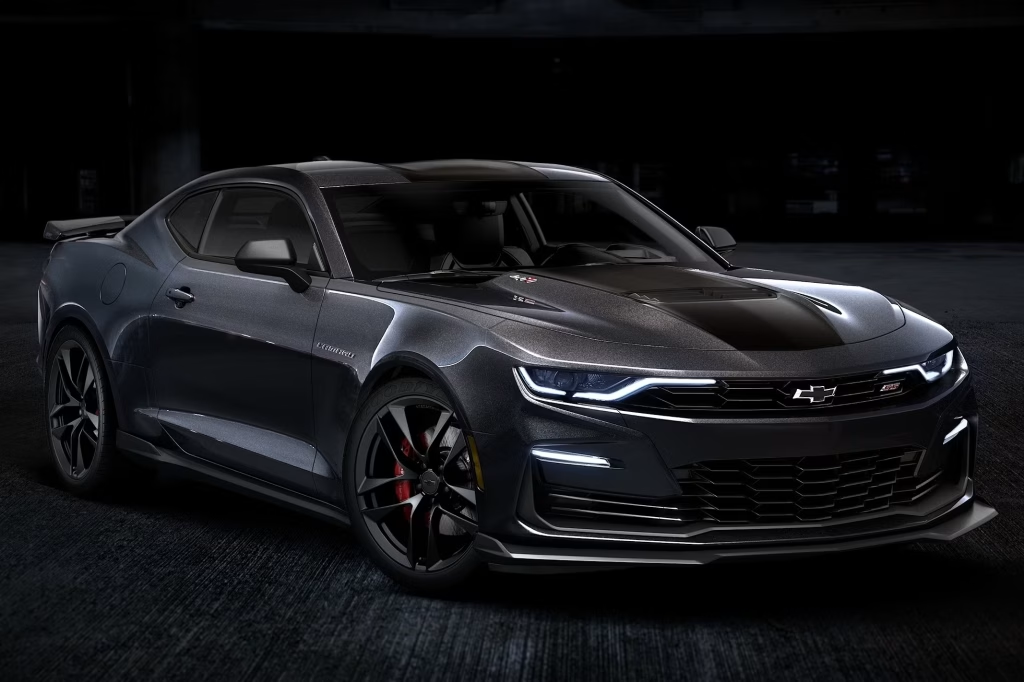
The Camaro remains an exciting performance bargain on the used market, but buyers should budget carefully. Insurance premiums can easily offset part of the savings gained from purchasing a discounted used sports coupe.
Specifications
- Engine: 2.0-liter turbocharged inline-four
- Torque: 295 lb-ft
- Horsepower: 275 hp
- Length: 188.3 inches
- Width: 74.7 inches
10. Toyota Prius
The Toyota Prius may seem like an unexpected addition to this list because it has long been associated with fuel savings and practical transportation rather than high performance.
Yet insurance premiums for the Prius are frequently higher than many buyers anticipate, especially on newer generations equipped with advanced technology and more powerful hybrid systems.
One major reason is repair cost. Modern Prius models feature sophisticated hybrid components, battery systems, radar sensors, cameras, and extensive driver-assistance technology through Toyota Safety Sense. Even relatively minor collisions can become expensive when these components require replacement or recalibration.
Replacement parts also influence premiums. LED headlamps, large digital displays, and hybrid-specific mechanical components generally cost more than the parts used in conventional compact cars. Insurance companies base premiums on expected claim payouts, not simply on the vehicle’s purchase price.
The latest Prius is also significantly quicker than previous generations. With up to 196 combined horsepower on all-wheel-drive models, acceleration has improved dramatically compared with older versions. While it is still not a sports car, the increased performance changes the vehicle’s risk profile slightly compared with earlier Prius models.
Another consideration is the Prius’ popularity in densely populated urban areas, where accident frequency and theft claims tend to be higher than in rural regions. Geographic claim patterns are an important factor in insurance pricing.
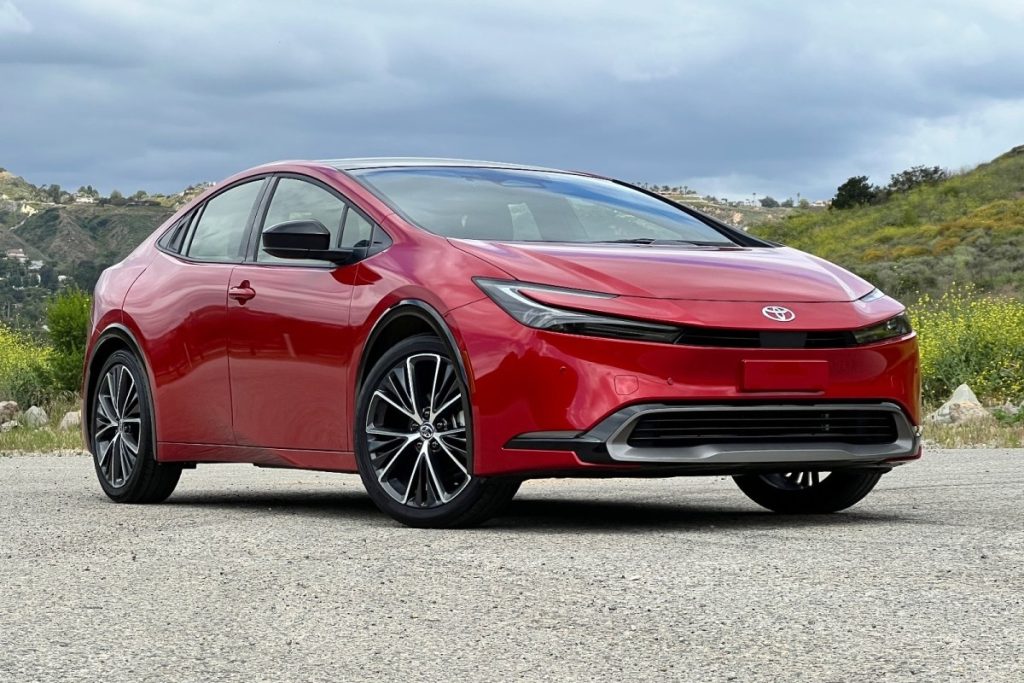
Despite these higher premiums, the Prius continues to deliver excellent fuel economy, outstanding reliability, and strong resale value.
Buyers often recover much of the additional insurance expense through lower fuel costs, but it remains wise to compare insurance quotes before purchasing, particularly in cities where premiums can vary substantially between carriers.
Specifications
- Engine: 2.0-liter naturally aspirated inline-four hybrid
- Torque: 139 lb-ft (gas engine)
- Horsepower: 194 hp (FWD combined system)
- Length: 181.1 inches
- Width: 70.2 inches