
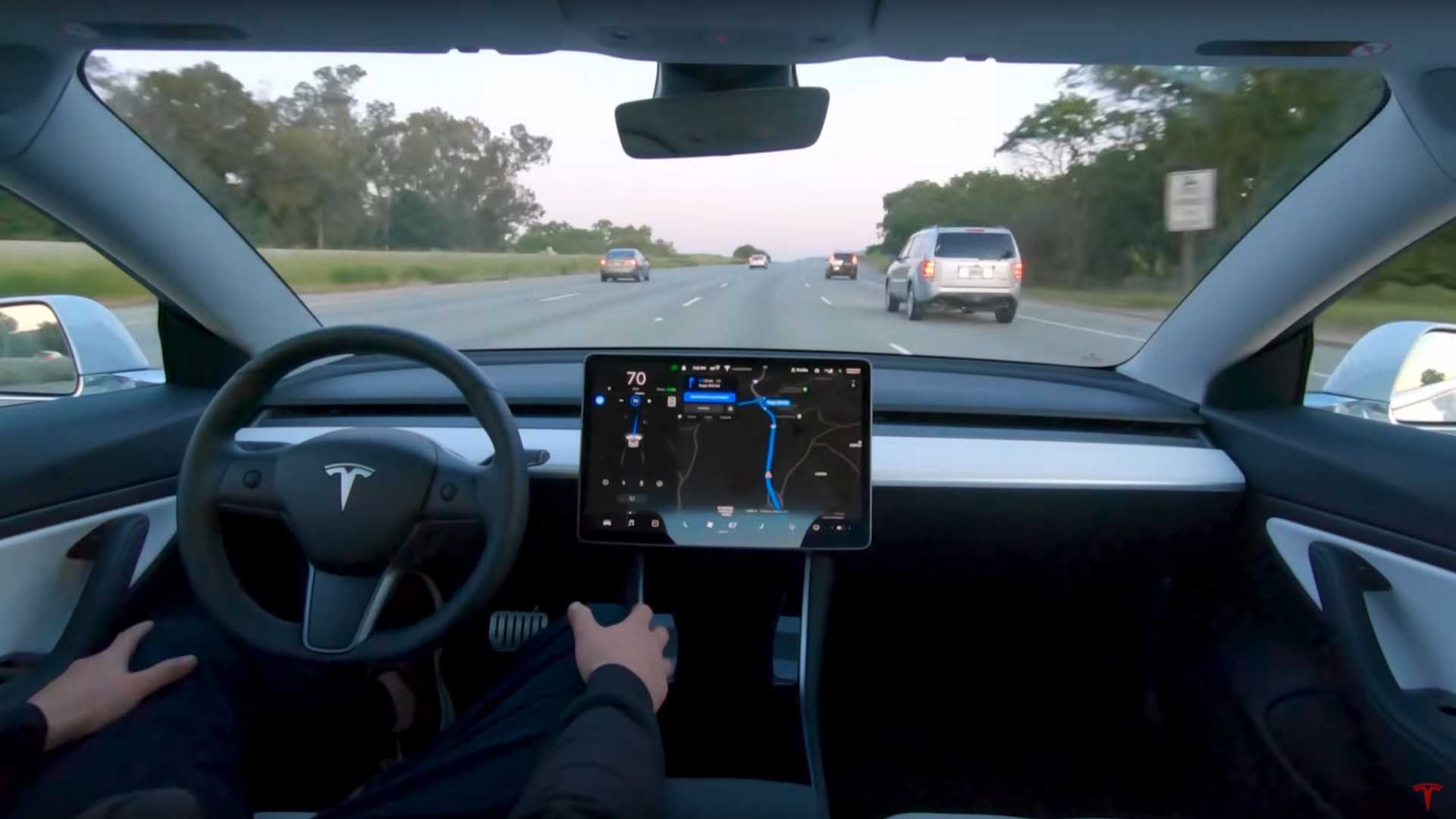
Self-driving technology has advanced rapidly over the past decade, with automakers and technology companies investing billions of dollars in autonomous driving systems.
Features such as adaptive cruise control, lane-centering assistance, and hands-free highway driving have become increasingly common, while companies continue testing fully autonomous vehicles in selected U.S. cities.
Despite these technological improvements, public confidence has not kept pace with industry progress. Many Americans remain hesitant to trust a vehicle that operates without direct human control, particularly after several high-profile crashes involving advanced driver-assistance systems.
A new AAA 2026 Automated Vehicle Survey, highlighted by Vehicle Lookup, illustrates just how cautious consumers remain. According to the survey, 61% of U.S. drivers say they are afraid to ride in a self-driving vehicle, while only 14% said they would trust riding in one.
Another 25% remain uncertain, indicating that a large portion of the public has yet to form a firm opinion. The survey also found a significant generational divide.
Fear was highest among drivers aged 65 and older, with 76% expressing concern, compared with 37% of Gen Z drivers. The findings suggest that while autonomous technology continues to develop, earning consumer trust remains one of the industry’s greatest challenges.
Also Read: 10 Muscle Cars From the 1980s That Are Still Cheap to Buy
Why Most Americans Still Do Not Trust Self-Driving Cars
AAA’s latest survey demonstrates that technological progress alone is not enough to convince consumers to embrace autonomous vehicles.
Although modern driver-assistance systems have become increasingly sophisticated, many Americans continue to believe that a human driver is better equipped to respond to unexpected road conditions.
This perception helps explain why nearly two-thirds of respondents said they are afraid to ride in a fully self-driving vehicle. One of the biggest reasons is safety. High-profile crashes involving vehicles operating with advanced driver-assistance systems have received widespread media attention over the past several years.
While investigations have often shown that these systems were not designed to replace an attentive driver, the incidents have influenced public perception. Many consumers now associate autonomous technology with uncertainty rather than increased safety.
Another concern is the complexity of real-world driving. Construction zones, severe weather, pedestrians, cyclists, and unpredictable driver behavior create situations that many people believe still require human judgment.
Even if autonomous systems perform well under normal conditions, consumers remain skeptical about how they will respond during rare or unusual events.
Public understanding also plays a role. Many drivers struggle to distinguish between advanced driver-assistance systems, such as adaptive cruise control and lane-keeping assistance, and fully autonomous vehicles. This confusion can create unrealistic expectations about what today’s technology can safely accomplish.
The survey’s generational differences are particularly notable. While 76% of drivers aged 65 and older reported being afraid to ride in a self-driving vehicle, only 37% of Gen Z respondents expressed the same concern.
Younger drivers have generally grown up alongside rapidly evolving technology and may therefore be more willing to trust automated systems. Older drivers, meanwhile, often have decades of experience relying on their own driving skills and may be less comfortable surrendering control to a computer.
Another factor is the lack of widespread real-world experience. Most Americans have never ridden in a fully autonomous vehicle. Without firsthand exposure, opinions are often shaped by news reports, online videos, or isolated incidents rather than everyday experience.
As autonomous ride-hailing services expand into more cities, consumer attitudes may gradually evolve, but for now skepticism remains widespread.
How the Auto Industry Is Responding to Consumer Concerns
While the AAA survey highlights widespread public skepticism, it does not mean the automotive industry is slowing its investment in autonomous technology.
Instead, automakers and technology companies are focusing on improving safety, increasing transparency, and gradually introducing automated driving features rather than moving directly to fully driverless vehicles. The results suggest that earning consumer trust may be just as important as advancing the technology itself.
Most new vehicles sold today are equipped with advanced driver-assistance systems (ADAS) rather than true self-driving capability. Features such as automatic emergency braking, blind-spot monitoring, rear cross-traffic alert, adaptive cruise control, and lane-keeping assistance are designed to assist drivers, not replace them.
Organizations including AAA and the National Highway Traffic Safety Administration (NHTSA) have repeatedly emphasized that drivers must remain attentive whenever these systems are active.
Many manufacturers are also being more careful with how they market automated driving technology. Industry experts have warned that names suggesting vehicles can drive themselves may create unrealistic expectations among consumers.
As a result, several companies now emphasize that their systems require constant driver supervision, even when hands-free operation is available on certain highways.
Another priority is improving system reliability. Developers continue testing autonomous software across millions of real-world and simulated miles to better handle difficult driving situations such as construction zones, emergency vehicles, heavy rain, snow, and unpredictable pedestrian behavior.
Artificial intelligence, advanced cameras, radar, and lidar sensors continue to improve, but engineers acknowledge that autonomous systems must consistently perform under nearly every road condition before widespread public acceptance becomes possible.
The survey also shows that education remains a significant challenge. Many consumers mistakenly believe today’s advanced driver-assistance systems are fully autonomous.
Despite rapid advancements in autonomous driving technology, most systems currently available to consumers are classified as SAE Level 2. These systems can assist with steering, acceleration, and braking but still require the driver to continuously monitor the driving environment and be prepared to intervene whenever necessary. By contrast, fully autonomous Level 4 and Level 5 vehicles remain largely confined to controlled testing environments and limited commercial applications, with widespread deployment still years away.
Public demonstrations and robotaxi services may gradually improve confidence. Companies operating autonomous ride-hailing fleets in selected U.S. cities allow passengers to experience self-driving technology firsthand, potentially helping reduce fear among consumers who have never ridden in an autonomous vehicle.
Positive real-world experiences may prove more effective than advertising in changing public opinion.
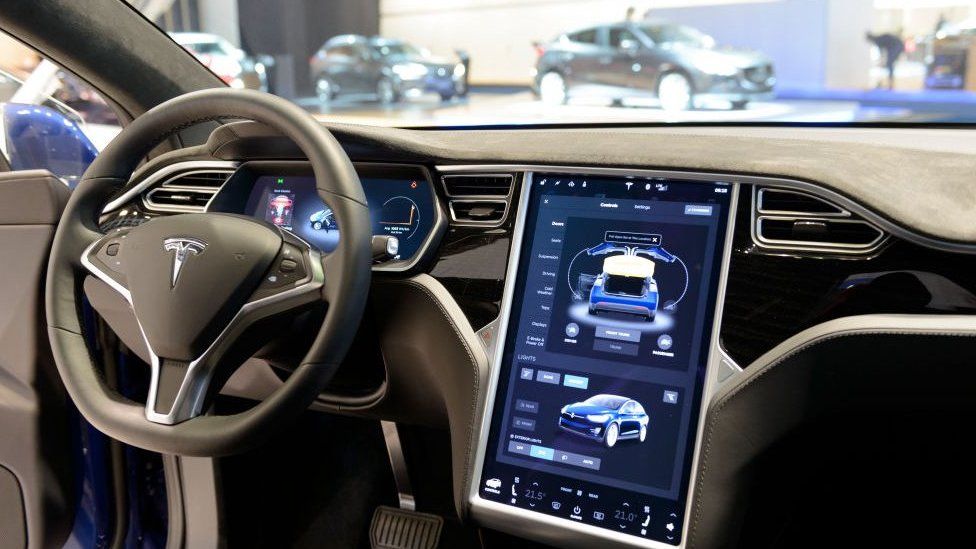
Insurance companies are also closely monitoring autonomous technology. As self-driving systems become more capable, insurers, regulators, and automakers will need to determine how responsibility is shared between drivers, manufacturers, and software developers when crashes occur.
Clear legal frameworks could help increase consumer confidence by addressing one of the biggest concerns surrounding autonomous vehicles. The industry’s challenge extends beyond engineering. Building a vehicle that can safely navigate public roads is only part of the equation.
Convincing millions of consumers to trust that technology may take years of consistent real-world performance, transparent communication, and continued safety improvements before autonomous vehicles become widely accepted by the general public.
What This Means for the Future of Self-Driving Cars
AAA’s 2026 survey makes one point clear: autonomous vehicle technology may be advancing quickly, but public acceptance is progressing much more slowly.
With 61% of U.S. drivers saying they are afraid to ride in a self-driving vehicle, only 14% expressing trust and another 25% remaining undecided, consumer confidence remains one of the biggest barriers to widespread adoption.
For automakers and technology companies, the findings reinforce that introducing more advanced automation will require patience.
Rather than expecting consumers to immediately embrace fully driverless vehicles, many manufacturers are likely to continue expanding driver-assistance features that gradually familiarize motorists with automated technology.
Systems such as adaptive cruise control, lane-centering assistance, and hands-free highway driving can help build confidence while still keeping drivers responsible for vehicle operation.
The survey’s age gap also suggests that acceptance may increase over time. Younger generations, who have grown up with connected technology and artificial intelligence, appear significantly more comfortable with automation than older drivers.
As these younger consumers become a larger share of the car-buying market, attitudes toward autonomous vehicles may gradually become more favorable.
Regulators will also play an important role. Before fully autonomous vehicles become common, governments are expected to establish clearer safety standards, testing requirements, and liability rules.
Consistent regulations could help reassure consumers that autonomous systems are being evaluated under rigorous safety guidelines.
Technology itself will continue improving. Advances in artificial intelligence, sensor technology, computing power, and mapping systems are expected to make autonomous driving more reliable in challenging environments.
However, technical capability alone will not determine success. Public trust must grow alongside these improvements. For now, the AAA survey indicates that most Americans still believe human drivers provide a greater sense of safety and control than autonomous systems.
Until consumers become more comfortable with self-driving technology through proven safety records, better public understanding, and positive real-world experience, widespread adoption of fully autonomous vehicles is likely to remain a long-term goal rather than an immediate reality.
Also Read: 10 Cars That Reduce Blind Spots and Boost Driver Confidence
