
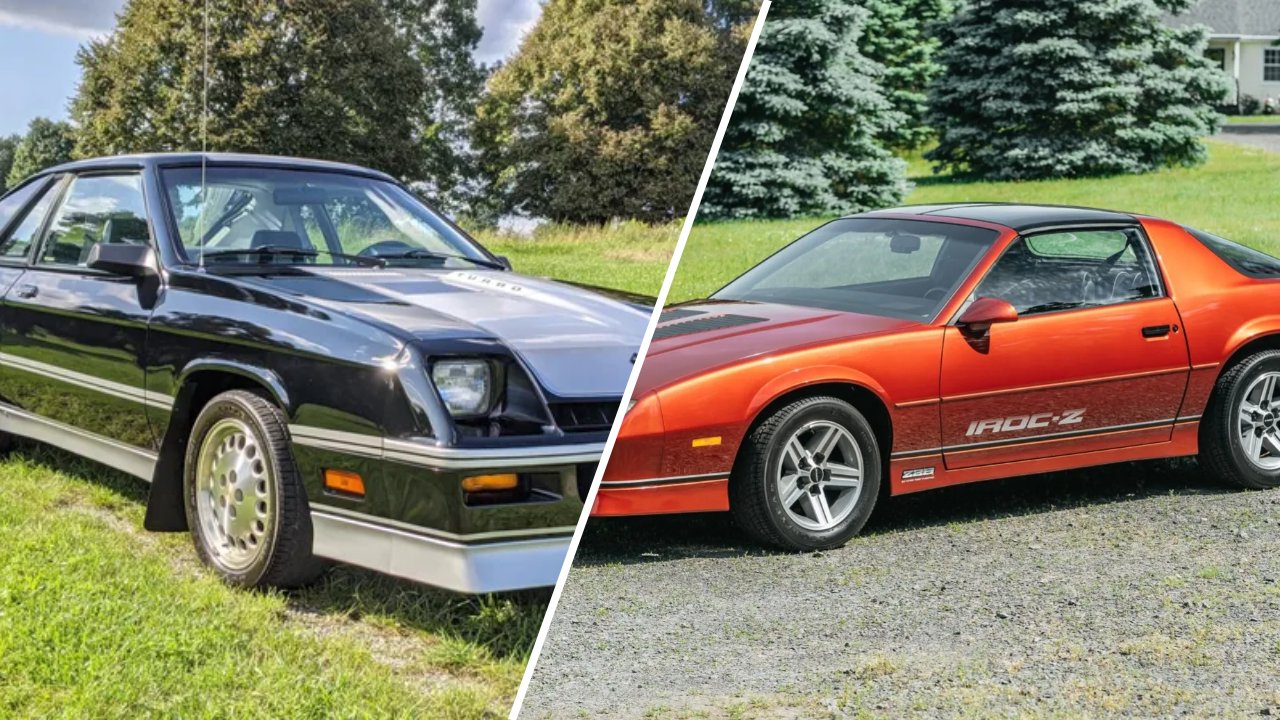
The 1980s marked the return of American performance after the horsepower slump of the 1970s. Automakers gradually introduced fuel injection, improved engine management systems, and higher-output V8 engines, laying the foundation for the muscle cars of the 1990s.
While a handful of iconic models have become expensive collector cars, many 1980s muscle cars remain surprisingly affordable in today’s U.S. collector market.
According to recent pricing trends from Hagerty, Classic.com, and Hemmings, several well-preserved examples can still be purchased for significantly less than comparable muscle cars from the 1960s and early 1970s.
These cars deliver authentic V8 performance, classic styling, and strong enthusiast support without requiring an enormous budget.
Also Read: 10 Three-Pedal Cars That Keep Driving Fun Alive
1. 1987 Chevrolet Camaro IROC-Z
The IROC-Z represents one of the defining American performance cars of the late 1980s, yet it remains attainable for enthusiasts.
Named after the International Race of Champions series, the model received upgraded suspension tuning, wider tires, aerodynamic bodywork, and several V8 engine options that transformed the third-generation Camaro into a serious performance machine.
Hagerty valuation data shows that clean driver-quality examples remain considerably less expensive than first-generation Camaros, making them one of the best values in the muscle car market.
Performance was especially impressive when equipped with the 5.7-liter Tuned Port Injection V8 introduced during the late 1980s. Fuel injection improved drivability while delivering noticeably stronger low-end torque than earlier carbureted engines.
Contemporary road tests recorded 0 to 60 mph times in the low six-second range, making the IROC-Z one of America’s quickest production cars at the time.
Affordability today is supported by abundant replacement parts. Mechanical components are widely available because the small-block Chevrolet platform remained in production for many years. This helps keep maintenance costs lower than many competing classics.
Another advantage is the large enthusiast community. Owners have access to restoration parts, technical knowledge, and aftermarket upgrades that make preserving or improving an IROC-Z relatively straightforward.
Insurance costs also remain reasonable because the car has not reached the collector values associated with first-generation Camaros. Buyers can still find well-maintained V8 models without entering six-figure territory.
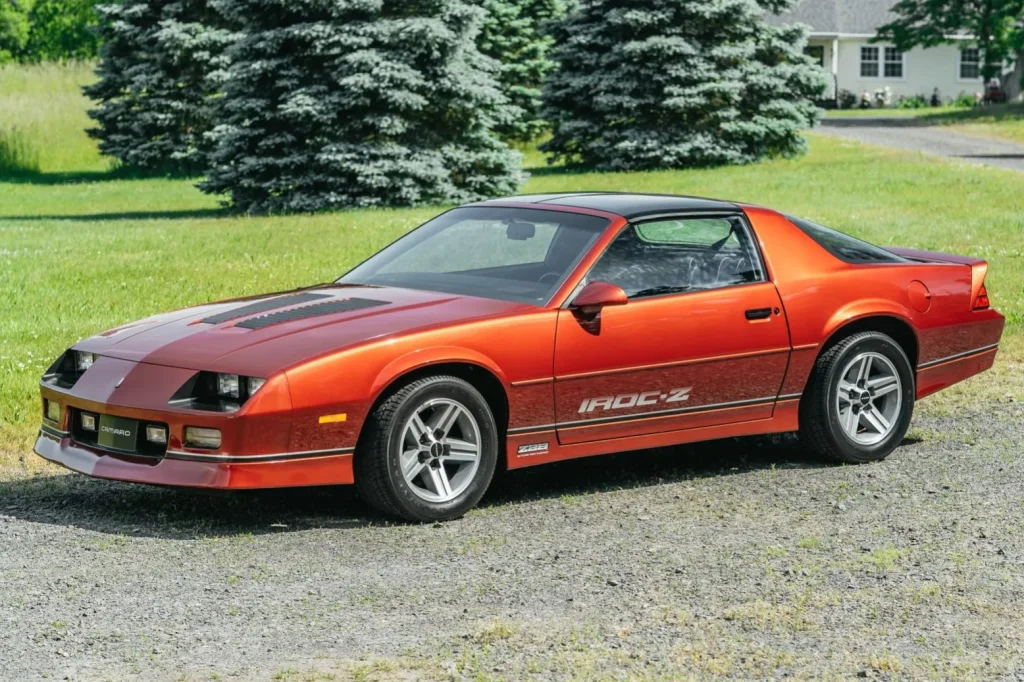
For anyone wanting authentic 1980s muscle car styling, strong V8 performance, and broad aftermarket support, the Camaro IROC-Z continues to deliver one of the strongest combinations of value and performance available in the United States.
Specifications
- Engine: 5.7-liter Tuned Port Injection V8
- Torque: 330 lb-ft
- Horsepower: 225 hp
- Length: 192.0 inches
- Width: 72.8 inches
2. 1989 Ford Mustang GT 5.0
Few American performance cars symbolize the late 1980s better than the Fox Body Mustang GT. Demand has increased during the past several years, yet thousands were produced, allowing many clean examples to remain within reach of budget-conscious buyers.
Hagerty and Classic.com sales data continue to show that driver-quality cars cost substantially less than most big-block Mustangs from the 1960s.
The 5.0-liter High Output V8 became legendary for its durability and modification potential. Factory output reached 225 horsepower and 300 lb-ft of torque in 1989, respectable numbers for the period.
Magazine testing regularly produced quarter-mile times in the mid-14-second range, giving the Mustang performance that rivaled far more expensive sports cars.
One reason the Fox Body remains affordable is the enormous supply of replacement components. Nearly every mechanical, interior, and exterior part can be purchased new, reducing restoration expenses. The aftermarket is equally extensive, allowing owners to improve suspension, braking, and engine performance without major fabrication.
Its relatively light weight also contributes to its appeal. Compared with many contemporary muscle cars, the Mustang feels responsive and agile while still providing traditional rear-wheel-drive V8 character.
Because millions of Fox Body Mustangs were built throughout the platform’s production run, buyers have numerous choices in the used market. That healthy supply continues to keep prices below many comparable collector vehicles despite growing enthusiast interest.
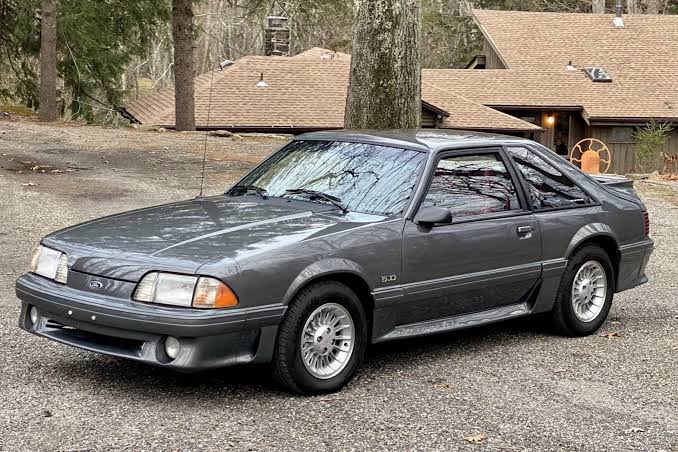
For enthusiasts seeking a genuine American V8 performance car from the 1980s that combines affordability, easy maintenance, and exceptional aftermarket support, the 1989 Mustang GT remains one of the smartest purchases available.
Specifications
- Engine: 5.0-liter high-output V8
- Torque: 300 lb-ft
- Horsepower: 225 hp
- Length: 179.6 inches
- Width: 69.1 inches
3. 1987 Pontiac Firebird Trans Am GTA
During the late 1980s, the Pontiac Firebird Trans Am GTA stood near the top of General Motors’ performance lineup. Sharing its F-body platform with the Chevrolet Camaro, the GTA distinguished itself with more upscale equipment, distinctive body styling, and one of the strongest V8 engines available in the segment.
Although appreciation has increased in recent years, Hagerty and Classic.com market data indicate that driver-quality examples remain far less expensive than many earlier Trans Ams from the 1970s, making them one of the better values among American muscle cars.
The centerpiece of the GTA was Chevrolet’s 5.7-liter tuned port injection V8, producing 225 horsepower and an impressive 330 lb-ft of torque. The engine emphasized low-end pulling power, giving the car effortless acceleration on highways while remaining smooth in daily driving.
Contemporary magazine testing placed the GTA among the quickest American production cars of its era, with 0 to 60 mph runs in approximately six seconds.
Pontiac also gave the GTA performance-oriented suspension tuning, larger wheels, and four-wheel disc brakes, improving stability compared with earlier Firebird models. The result was a muscle car capable of handling winding roads with greater confidence than many domestic rivals.
One reason these cars remain affordable is production volume. Pontiac built thousands during the late 1980s, allowing buyers to find clean examples without entering the high collector price range reserved for limited-production classics.
Mechanical maintenance is another advantage. The small-block Chevrolet V8 enjoys one of the largest aftermarket support networks in America, making replacement parts readily available and reasonably priced. Restoration is generally less expensive than many European performance cars from the same decade.
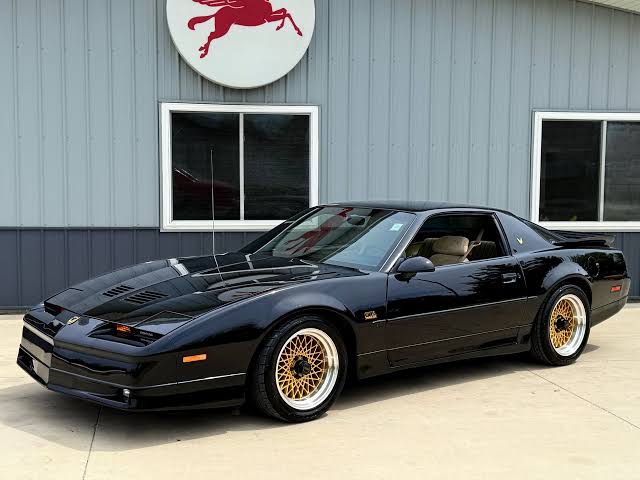
For enthusiasts seeking authentic 1980s styling, V8 power, and long-distance comfort, the Firebird Trans Am GTA remains a compelling entry into classic American muscle ownership without requiring an extraordinary investment.
Specifications
- Engine: 5.7-liter Tuned Port Injection V8
- Torque: 330 lb-ft
- Horsepower: 225 hp
- Length: 196.9 inches
- Width: 72.4 inches
4. 1986 Dodge Charger Shelby
The 1986 Dodge Charger Shelby marked a departure from the traditional V8-powered performance cars of previous decades. Created with input from Carroll Shelby, the front-wheel-drive hatchback emphasized lightweight engineering and turbocharged efficiency instead of relying on large engine displacement for performance.
While purists sometimes overlook it, that lack of widespread collector demand has helped keep prices relatively affordable. According to recent sales tracked by Hagerty and Classic.com, well-maintained examples can still be purchased for significantly less than many other Shelby-branded vehicles.
Power came from Chrysler’s 2.2-liter turbocharged inline-four, producing up to 174 horsepower with an available intercooler package. In a car weighing well under 3,000 pounds, those numbers translated into lively acceleration that surprised many contemporary competitors.
Road tests from the period praised the Charger’s quick response and nimble handling, qualities that made it enjoyable on winding roads as well as city streets.
Shelby also upgraded the suspension, steering, and exterior appearance, giving the Charger a more aggressive personality than standard Dodge models. Unique wheels, graphics, and aerodynamic enhancements further distinguished it from ordinary economy cars.
Affordability today is partly due to limited mainstream recognition. Many collectors focus on rear-wheel-drive V8 muscle cars, leaving turbocharged front-wheel-drive performance models in a lower price bracket despite their historical significance.
Replacement mechanical components remain available through Chrysler enthusiast suppliers, while the car’s relatively simple engineering keeps maintenance manageable for experienced hobbyists.
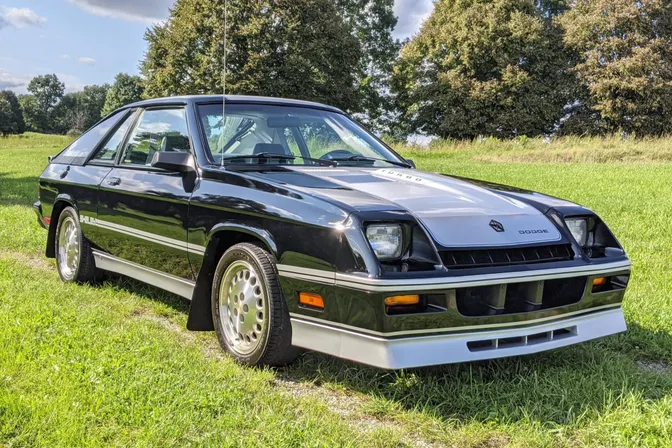
Although it differs from traditional muscle car formulas, the Charger Shelby occupies an important place in 1980s American performance history.
It delivers genuine Shelby heritage, entertaining turbocharged performance, and attainable ownership costs that make it an appealing option for enthusiasts seeking something distinctive.
Specifications
- Engine: 2.2-liter turbocharged inline-four
- Torque: 170 lb-ft
- Horsepower: 174 hp
- Length: 174.8 inches
- Width: 66.9 inches
5. 1988 Chevrolet Monte Carlo SS
By the late 1980s, the Chevrolet Monte Carlo SS represented one of the last traditional rear-wheel-drive American performance coupes before General Motors shifted toward front-wheel-drive platforms.
Although NASCAR fans recognize its racing heritage, the road-going Monte Carlo SS has remained relatively affordable compared with many other Chevrolet performance models. Recent Hagerty and Classic.com market data show that clean, driver-quality examples still sell for considerably less than classic Chevelle SS or first-generation Camaro models.
Every Monte Carlo SS came equipped with Chevrolet’s dependable 5.0-liter high-output small-block V8 paired with a four-speed automatic transmission.
While its factory output of 180 horsepower appears modest by modern standards, the engine produced a broad torque curve that delivered smooth acceleration and relaxed highway cruising. Contemporary reviews often praised the car’s comfortable ride and predictable handling rather than outright speed.
Its affordability is also tied to production numbers. Chevrolet built thousands of Monte Carlo SS models during the 1980s, ensuring a healthy supply remains available. The G-body platform also shares many mechanical components with other General Motors vehicles of the era, making replacement parts easy to source and reasonably priced.
Collectors increasingly appreciate the Monte Carlo SS because it represents the closing chapter of Chevrolet’s rear-wheel-drive midsize coupe era. The car’s aerodynamic nose, subtle rear spoiler, and distinctive graphics have become defining styling elements of late-1980s American performance.
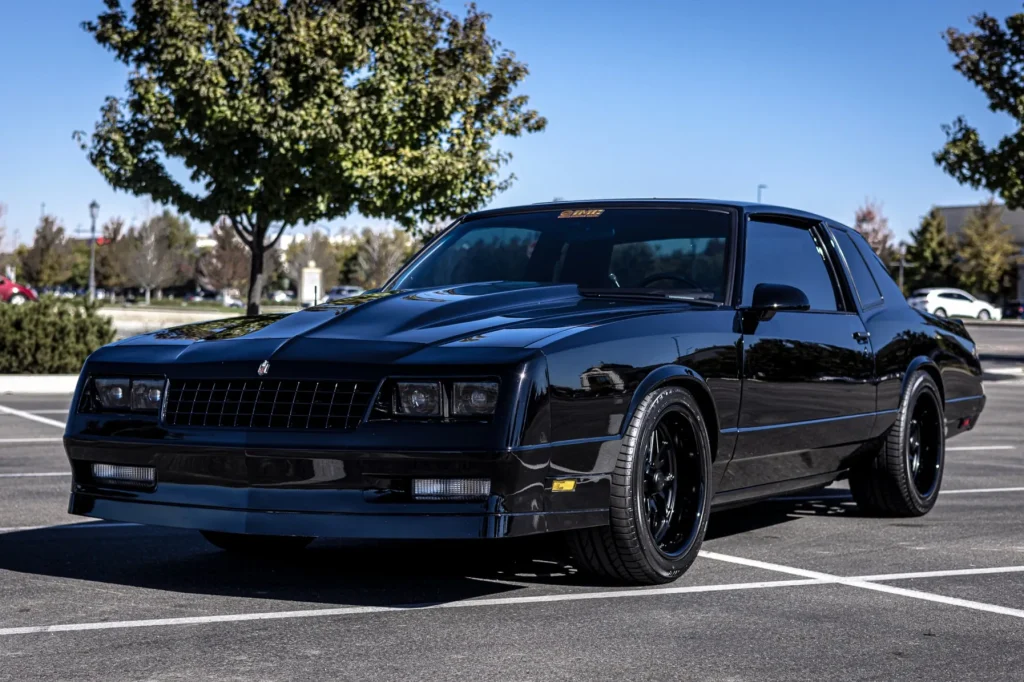
For enthusiasts looking for a practical classic, the Monte Carlo SS offers generous interior space, comfortable seating, and straightforward maintenance.
Insurance costs also remain relatively manageable because market values have risen gradually rather than dramatically. Buyers who want an authentic V8-powered coupe with NASCAR connections and affordable ownership costs continue to find the Monte Carlo SS an attractive choice.
Specifications
- Engine: 5.0-liter high-output V8
- Torque: 240 lb-ft
- Horsepower: 180 hp
- Length: 200.9 inches
- Width: 71.4 inches
6. 1985 Mercury Capri 5.0 RS
Often overshadowed by its Ford Mustang sibling, the Mercury Capri 5.0 RS remains one of the hidden bargains among 1980s American performance cars.
Built on the same Fox platform, the Capri shared much of the Mustang’s proven mechanical hardware while featuring unique styling that included a distinctive bubble-back hatch and different front fascia.
Because production numbers were lower and collector attention has traditionally focused on the Mustang, the Capri continues to offer excellent value in today’s collector market. Under the hood sits Ford’s 5.0-liter High Output V8, delivering 210 horsepower and 270 lb-ft of torque for the 1985 model year.
Combined with the lightweight Fox platform, the engine produced strong straight-line performance that compared favorably with many domestic rivals. Contemporary magazine testing praised the Capri’s responsive acceleration and balanced handling characteristics.
One of the biggest advantages for buyers today is parts availability. Since the Capri shares most of its drivetrain, suspension, and braking components with the Fox Body Mustang, sourcing replacement parts is straightforward and relatively inexpensive.
Owners also benefit from one of the largest aftermarket communities in the American performance world.
The Capri’s rarity works in its favor without significantly increasing prices. While fewer survive compared with Mustangs, demand remains modest enough that well-preserved examples are still attainable for enthusiasts working within a reasonable budget.
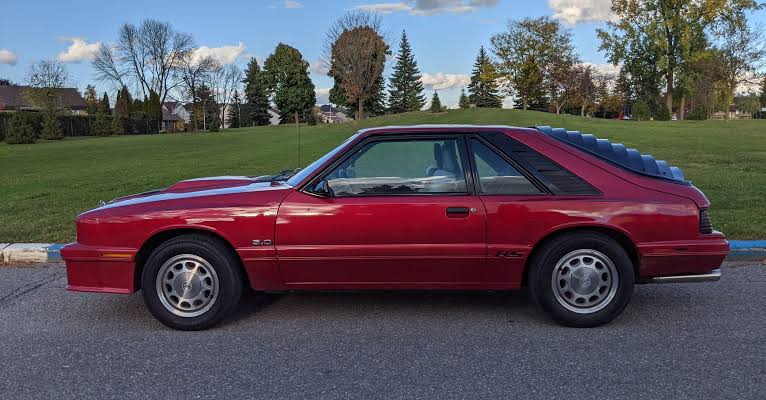
Collectors have gradually begun recognizing the Capri’s significance, but values remain comfortably below many comparable Fox Body Mustangs.
That creates an opportunity to own a distinctive piece of Ford performance history with dependable V8 power, simple maintenance, and strong aftermarket support before prices climb further.
Specifications
- Engine: 5.0-liter high-output V8
- Torque: 270 lb-ft
- Horsepower: 210 hp
- Length: 179.5 inches
- Width: 69.1 inches
7. 1984 Pontiac Firebird Trans Am
The 1984 Pontiac Firebird Trans Am offered buyers a blend of sharp styling, V8 performance, and respectable handling during a period when American muscle cars were steadily regaining their strength.
While special editions such as the 20th Anniversary Turbo Trans Am command substantial prices today, standard V8-powered 1984 Trans Ams remain relatively affordable. Recent Hagerty and Classic.com market trends show that driver-quality examples continue to sell for far less than earlier second-generation Trans Ams from the 1970s.
Most enthusiasts seek the optional 5.0-liter High Output V8, which produces up to 190 horsepower depending on configuration.
Although those numbers appear modest today, the lightweight third-generation F-body platform helped the car deliver respectable acceleration and noticeably better handling than many traditional muscle cars that preceded it.
Pontiac invested heavily in suspension improvements for the third-generation Firebird. The lower ride height, revised steering geometry, and improved weight distribution created a car that felt composed on winding roads while remaining comfortable during long highway drives.
Contemporary automotive publications frequently praised its balance between ride quality and cornering ability.
Ownership costs remain reasonable because the Firebird shares numerous mechanical components with the Chevrolet Camaro. Replacement engines, transmissions, suspension parts, and interior components remain widely available through restoration suppliers and aftermarket manufacturers.
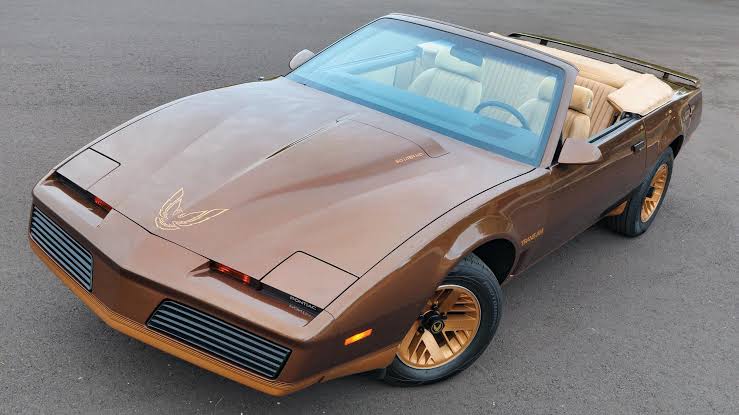
The car also carries unmistakable 1980s styling with hidden headlights, wraparound rear glass, and aggressive body lines that continue to attract younger collectors. Yet values have not risen to the level of more famous Pontiac performance models, making the Trans Am an attractive entry point into classic muscle car ownership.
For enthusiasts who want genuine V8 power, timeless styling, and manageable maintenance expenses, the 1984 Trans Am remains one of the most sensible American performance purchases from the decade.
Specifications
- Engine: 5.0-liter high-output V8
- Torque: 240 lb-ft
- Horsepower: 190 hp
- Length: 196.9 inches
- Width: 72.4 inches
8. 1987 Buick Regal T-Type
The Buick Regal T-Type often lives in the shadow of the legendary GNX and Grand National, yet that has worked in favor of buyers searching for an affordable performance car. Sharing much of the same engineering, the T-Type delivers turbocharged performance at a significantly lower purchase price.
According to recent Hagerty and Classic.com market data, clean examples remain noticeably less expensive than the highly collectible GNX while still offering impressive performance credentials.
Power comes from Buick’s famous turbocharged 3.8-liter V6, an engine that helped redefine American performance during the 1980s.
Producing up to 245 horsepower and 355 lb-ft of torque, the T-Type generated remarkable acceleration for its era. Contemporary road tests recorded quarter-mile times that rivaled or surpassed many V8-powered competitors.
The Regal T-Type took a different approach from traditional muscle cars by using turbocharging rather than a large-displacement engine to deliver performance. Its turbocharged powertrain produced strong low-RPM torque, providing quick acceleration from a stop and confident passing power. Paired with rear-wheel drive and a four-speed automatic transmission, the setup created a responsive and enjoyable driving experience.
One reason these cars remain attainable is collector preference. Many buyers focus almost exclusively on the Grand National or limited-production GNX, leaving the T-Type available at considerably lower prices despite sharing many of the same performance components.
Mechanical support remains excellent thanks to a dedicated Buick turbo enthusiast community. Engine parts, suspension upgrades, and restoration components are widely available, making long-term ownership practical for hobbyists.
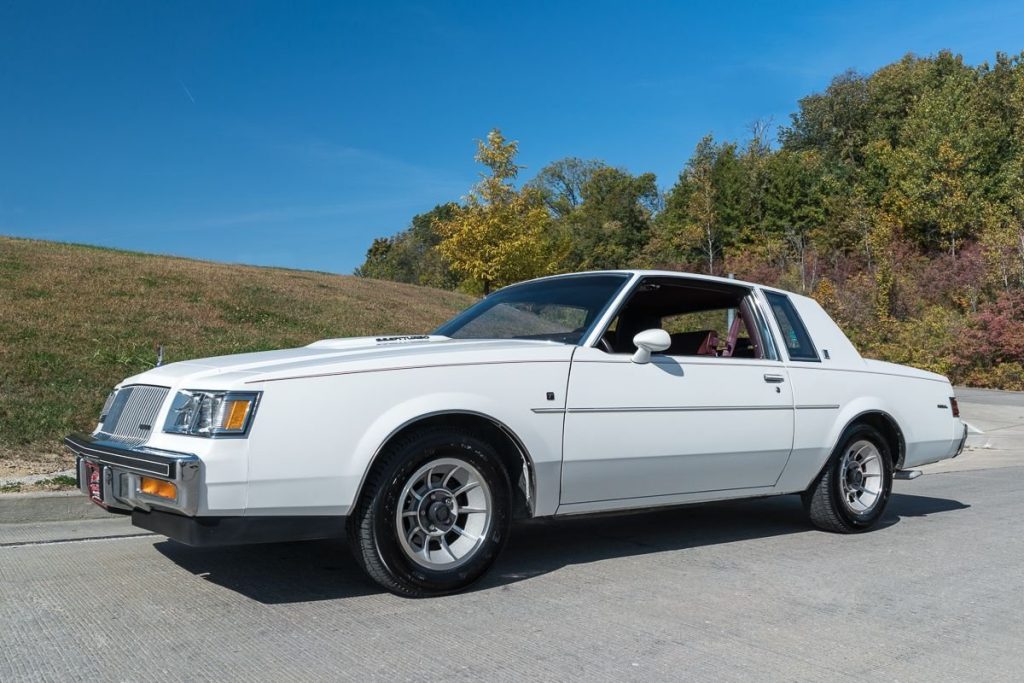
For buyers seeking one of the quickest American performance cars of the 1980s without paying premium collector prices, the Regal T-Type continues to represent exceptional value. It combines historic turbocharged engineering with genuine muscle car performance in a package that remains accessible to many enthusiasts.
Specifications
- Engine: 3.8-liter turbocharged V6
- Torque: 355 lb-ft
- Horsepower: 245 hp
- Length: 200.0 inches
- Width: 71.4 inches
9. 1988 Pontiac Firebird Formula 350
The Firebird Formula 350 has long been one of the overlooked performance bargains from the late 1980s. While buyers often gravitate toward the more visually aggressive Trans Am, the Formula delivered nearly identical performance with a cleaner appearance and a lower purchase price.
Recent pricing from Hagerty, Classic.com, and Hemmings continues to show that driver-quality Formula 350 models remain noticeably more affordable than comparable Trans Ams, making them an attractive option for enthusiasts who prioritize performance over appearance packages.
Under the hood, the Formula 350 featured Chevrolet’s proven 5.7-liter Tuned Port Injection V8, producing 225 horsepower and 330 lb-ft of torque. The engine was praised for its strong mid-range acceleration and dependable reliability.
Contemporary magazine testing placed the Formula among the quickest American performance cars of its class, capable of reaching 60 mph in approximately six seconds.
The Formula followed a more understated approach than the Trans Am by leaving out several cosmetic enhancements, which helped reduce both weight and the original purchase price. This decision continues to influence its appeal among collectors today, as demand remains slightly lower despite sharing much of the same mechanical equipment.
Another advantage is parts availability. Since the Formula shares its drivetrain and chassis with the Camaro and other Firebird variants, replacement engines, suspension components, and interior parts remain widely available throughout the United States.
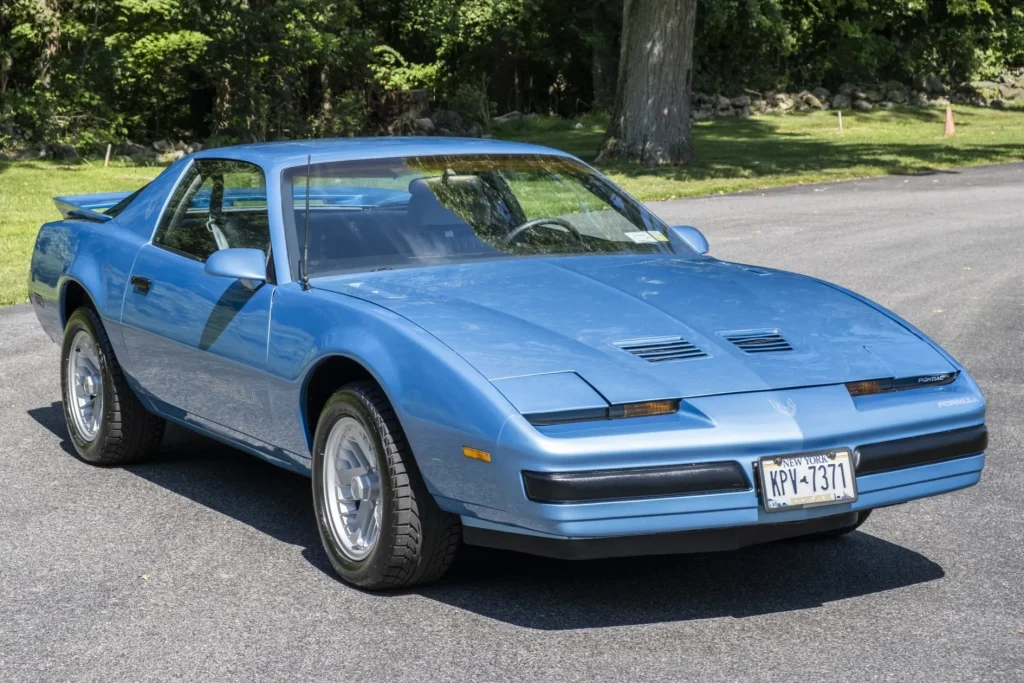
The Formula 350 also appeals to enthusiasts seeking a more understated muscle car. Without oversized graphics or additional body cladding, it offers classic third-generation Firebird styling while delivering genuine V8 performance.
For buyers searching for an affordable collector car that combines proven reliability, strong aftermarket support, and respectable appreciation potential, the Formula 350 remains one of the smartest values from the 1980s.
Specifications
- Engine: 5.7-liter Tuned Port Injection V8
- Torque: 330 lb-ft
- Horsepower: 225 hp
- Length: 196.9 inches
- Width: 72.4 inches
10. 1989 Chevrolet Camaro RS 305 V8
Although the IROC-Z usually receives the spotlight, the 1989 Chevrolet Camaro RS equipped with the optional 5.0-liter V8 deserves recognition as one of the best affordable muscle cars from the decade.
Because it lacked the IROC-Z’s premium suspension and appearance package, the RS has remained significantly less expensive on the collector market. Hagerty and Classic.com sales data indicate that clean driver-quality examples can still be purchased for a fraction of what buyers often pay for earlier first-generation Camaros.
The optional 305-cubic-inch V8 produced up to 170 horsepower and 255 lb-ft of torque, providing respectable performance for everyday driving. While it was not the fastest Camaro available, the lightweight third-generation platform helped the RS deliver enjoyable acceleration and balanced handling.
It also shared much of its engineering with higher-performance Camaro models, making upgrades straightforward for owners who wanted additional power.
Affordability extends beyond the purchase price. Replacement parts are plentiful because General Motors produced hundreds of thousands of third-generation Camaros. Engines, transmissions, body panels, suspension components, and interior trim are all widely supported by restoration suppliers and aftermarket manufacturers.
The RS also benefits from the unmistakable styling that defined Chevrolet performance during the late 1980s. Its sleek profile, low hood, and wraparound hatchback glass remain instantly recognizable to enthusiasts.
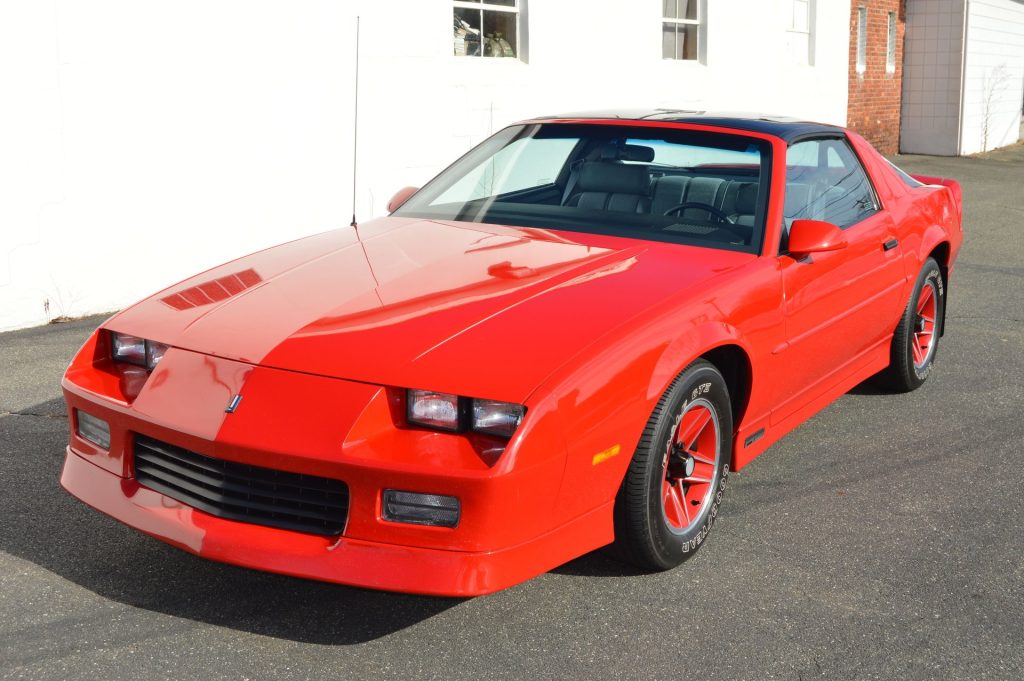
For buyers entering the classic muscle car hobby on a reasonable budget, the Camaro RS offers dependable V8 performance, low maintenance costs, excellent parts availability, and genuine collector appeal. As values of premium Camaro models continue to rise, the RS remains one of the most affordable ways to own an authentic 1980s American performance coupe.
Specifications
- Engine: 5.0-liter (305 cu in) V8
- Torque: 255 lb-ft
- Horsepower: 170 hp
- Length: 192.0 inches
- Width: 72.8 inches
Also Read: 10 Least Reliable Engines In Last 20 Years
