
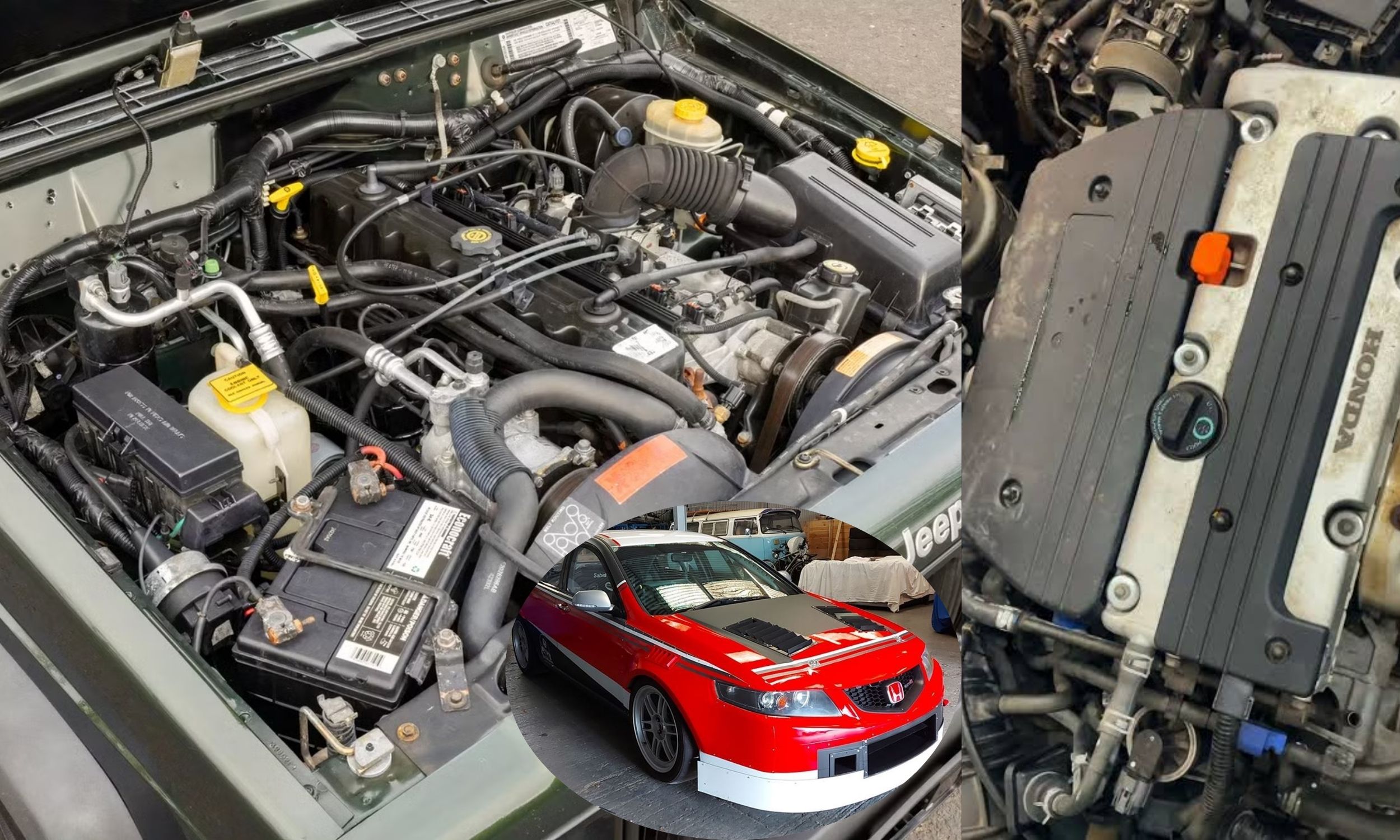
Life happens. You get busy, that oil change reminder sticker fades into the background, and suddenly you’re three thousand miles past due without even realizing it. For some engines, that kind of minor lapse barely registers as a blip in their lifespan. For others, it’s the beginning of a genuinely expensive mechanical nightmare.
The difference lies in the engineering choices behind each design. Older engines often relied on durable cast-iron construction, naturally aspirated operation, and generous oil capacity. Many modern engines instead use lightweight aluminum components, turbocharging, and more compact oil passages, which can become more susceptible to wear and contamination over time if maintenance is neglected.
Some engines were built like tanks, forgiving enough to survive genuine abuse and neglect for hundreds of thousands of miles. Others were built with tighter tolerances and higher stress points, meaning even a modest delay in maintenance can trigger problems that cost thousands to repair. Below, we’re breaking down five engines known for genuine durability under less-than-perfect maintenance, followed by five that punish even minor oil change delays considerably more harshly.
Engines That Tolerate Neglect Relatively Well
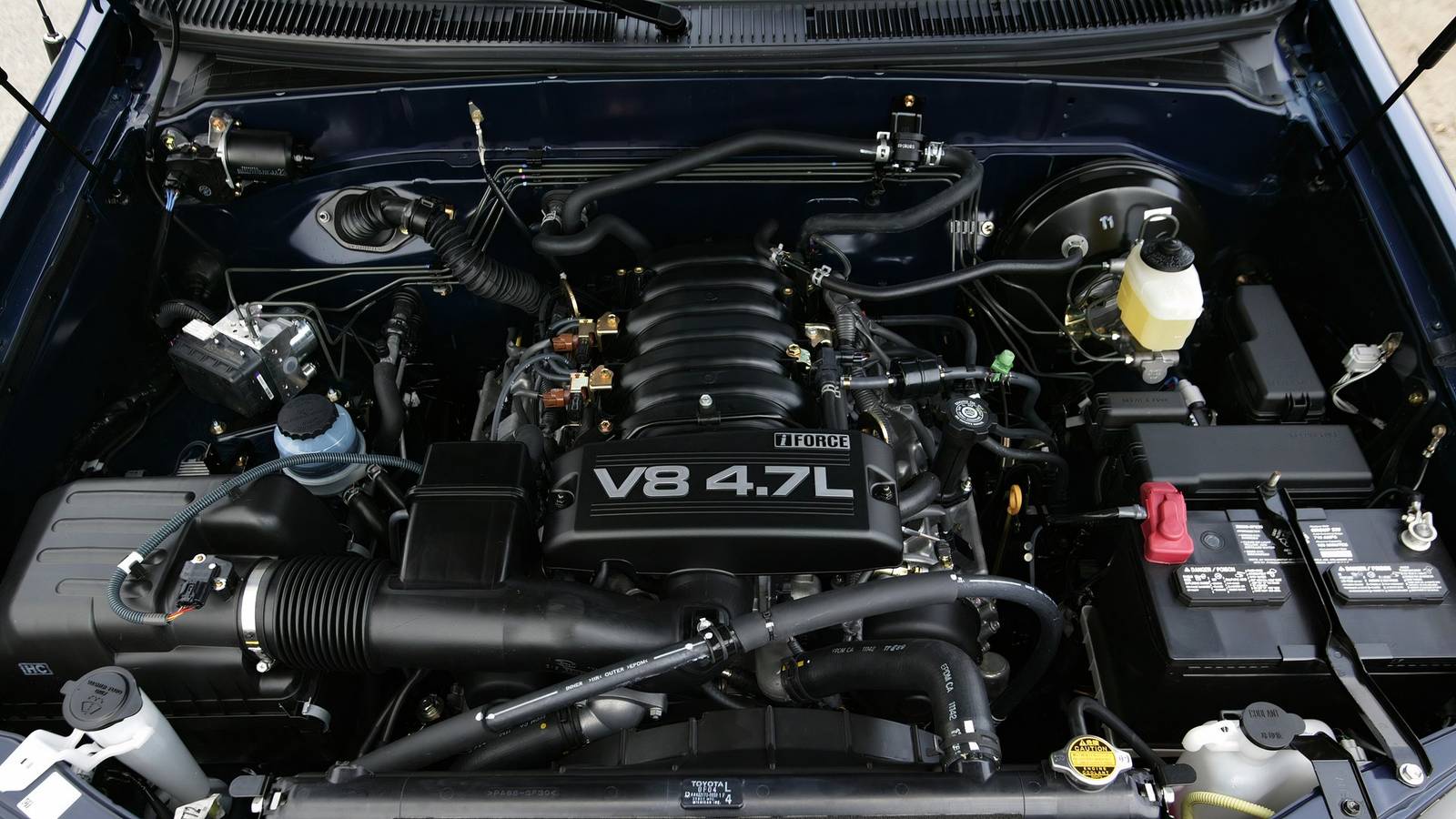
1. Toyota 2UZ-FE 4.7L V8
Proof: Frequently exceeds 300,000-500,000 miles. A million-mile Toyota Tundra teardown showed minimal wear after proper maintenance. Cast-iron block and conservative design.
Toyota built this engine like it genuinely expected owners to occasionally forget an oil change or two, and the results speak for themselves. That cast-iron block construction gives this V8 a genuine structural advantage over more modern aluminum designs, providing considerably more thermal mass and durability margin when maintenance intervals stretch slightly longer than ideal.
Perhaps the most famous piece of evidence supporting this engine’s reputation comes from a widely documented million-mile Tundra teardown, where mechanics disassembled an engine that had genuinely covered over a million miles of real-world driving. What they found inside genuinely surprised even seasoned professionals: minimal wear, healthy bearing surfaces, and internal components that looked remarkably clean given the astronomical mileage the truck had accumulated.
Conservative engineering defines this powerplant throughout. Rather than chasing maximum horsepower figures through aggressive tuning or turbocharging, Toyota’s engineers prioritized genuine longevity and durability margins, accepting somewhat modest performance numbers in exchange for an engine that could genuinely withstand decades of hard use without catastrophic failure.
Fleet operators and commercial truck buyers specifically gravitated toward vehicles equipped with this engine precisely because of its documented ability to handle less-than-perfect maintenance schedules, understanding that real-world commercial use rarely allows for textbook-perfect oil change timing.
Owners specifically driving vehicles equipped with the 2UZ-FE shouldn’t treat this reputation as permission to genuinely neglect maintenance entirely, since even the most robust engine benefits from proper care. Still, for anyone specifically researching used trucks with a documented history of occasional maintenance gaps, this particular V8 offers genuine peace of mind that few other engines from this same era can match.
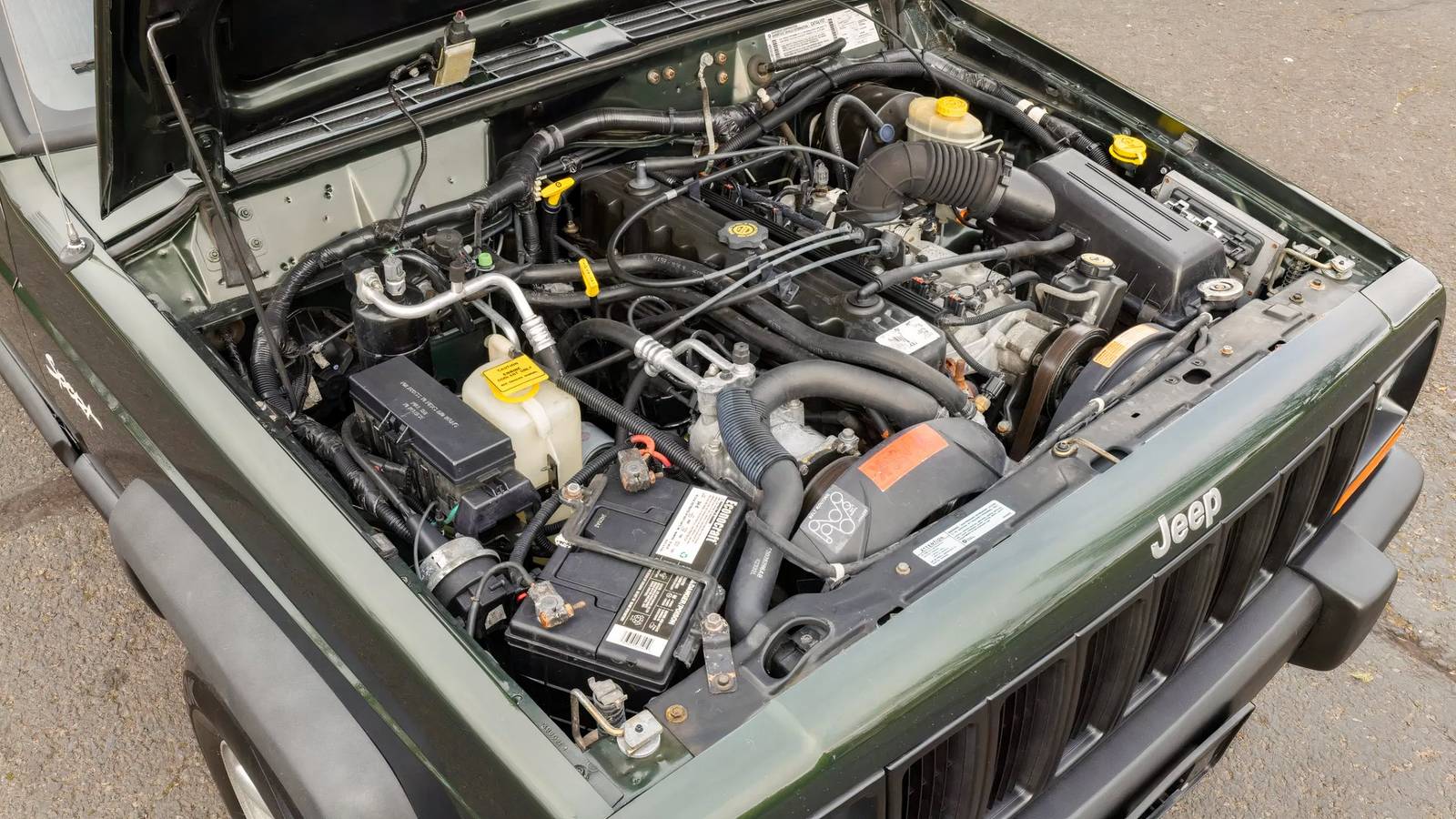
2. Jeep/AMC 4.0L Inline-6
Proof: Known for 300,000+ mile longevity. Simple OHV design with robust internals. Numerous fleet and off-road examples survive severe abuse.
The Jeep/AMC 4.0-litre inline-six earned its reputation through simple engineering and outstanding durability rather than advanced technology. Instead of relying on complicated systems, this engine was built with strength and reliability in mind. That straightforward design has helped it remain one of the most respected engines among Jeep owners, especially those who regularly drive in demanding conditions.
One of the reasons for its long life is its overhead valve design, which uses fewer moving parts than many modern overhead cam engines. With fewer components under constant stress, there is less that can go wrong as the engine ages. Although regular oil changes are still important, the 4.0-litre has shown it can tolerate the occasional delayed service better than many newer engines.
Off-road enthusiasts have spent years pushing these engines through mud, dust, steep trails, and extreme temperatures, yet many continue running well beyond 300,000 miles. Fleet operators have also reported similar experiences, with many high-mileage Jeeps staying in service for years despite demanding daily use.
Also Read: 8 Engines Where Carbon Buildup Is a Known Maintenance Cost
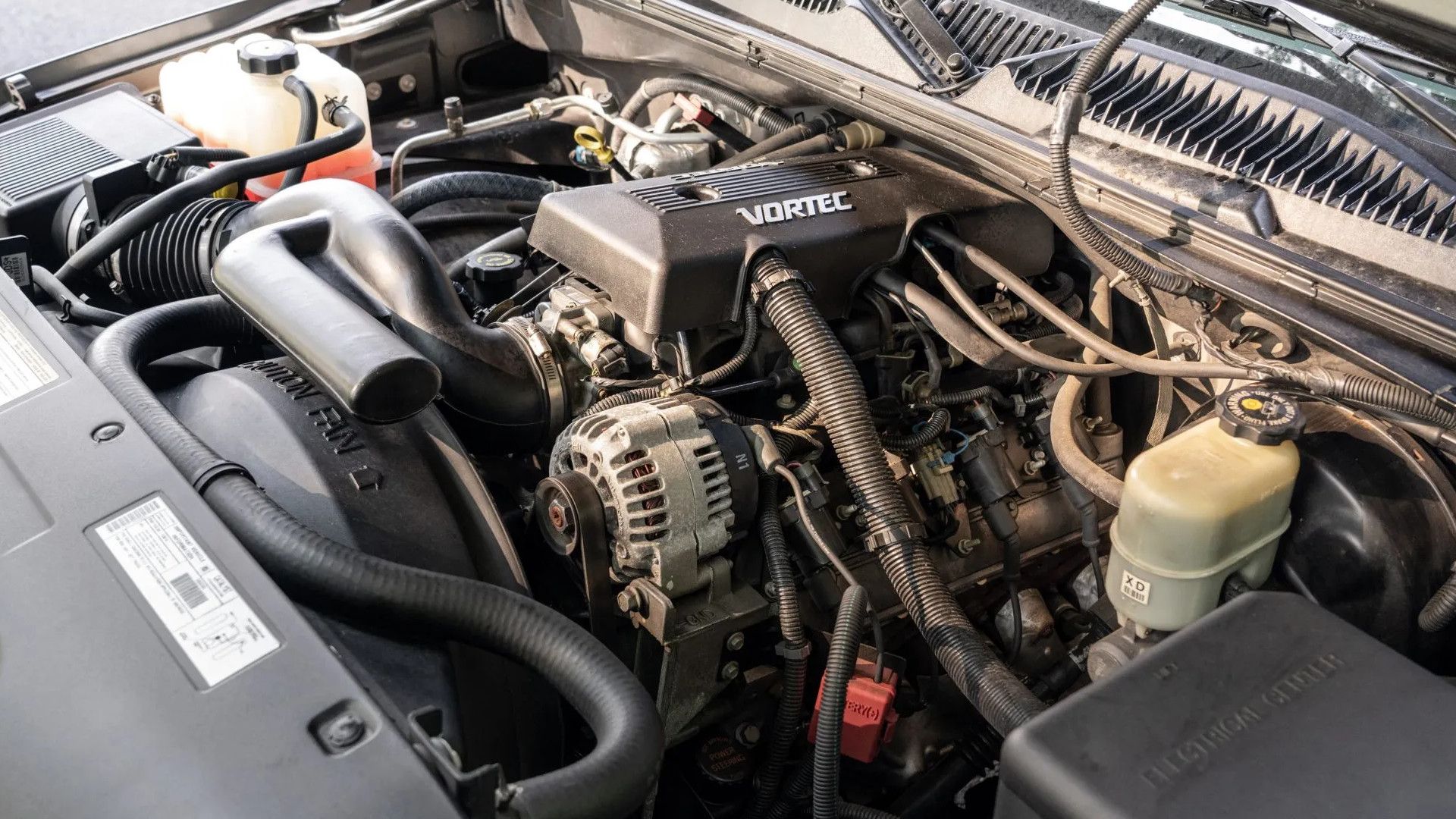
3. GM Vortec 5300 (LM7/L59) 5.3L V8
Proof: Hundreds of thousands of commercial trucks exceed 250,000-350,000 miles. Large oil capacity and durable pushrod architecture.
The GM Vortec 5300 V8 has built a strong reputation through years of service in commercial fleets, where reliability matters more than anything else. Found in countless Chevrolet and GMC trucks, this engine has powered delivery vehicles, construction trucks, and utility fleets that spend long hours on the road every day. While no engine benefits from skipped oil changes, the Vortec 5300 has shown that it can handle the occasional delay better than many modern designs without suffering immediate mechanical failure.
One reason for its durability is its relatively generous oil capacity, which helps reduce the concentration of contaminants as the oil ages. Its traditional pushrod design is another advantage. Compared with many overhead-cam engines, it has fewer moving parts and a simpler valve train, making it less sensitive to minor maintenance delays.
That does not mean owners should ignore the recommended service schedule, but the engine has earned a reputation for remaining dependable even when maintenance is not always perfect. Fleet operators across North America have logged hundreds of thousands of miles with Vortec 5300-powered trucks, and many examples have comfortably exceeded 250,000 miles, with some reaching well beyond 300,000 miles when given reasonable care.
Independent mechanics who regularly maintain work trucks often describe this V8 as one of the toughest engines GM has produced. Its ability to keep running under demanding conditions has made it a favourite among businesses that depend on their vehicles every day.
Anyone looking for a used pickup with a proven record of durability should consider the Vortec 5300. Regular oil changes remain the best way to maximise engine life, but this V8 has repeatedly shown that it can cope with the occasional maintenance delay better than many engines built in the same era.
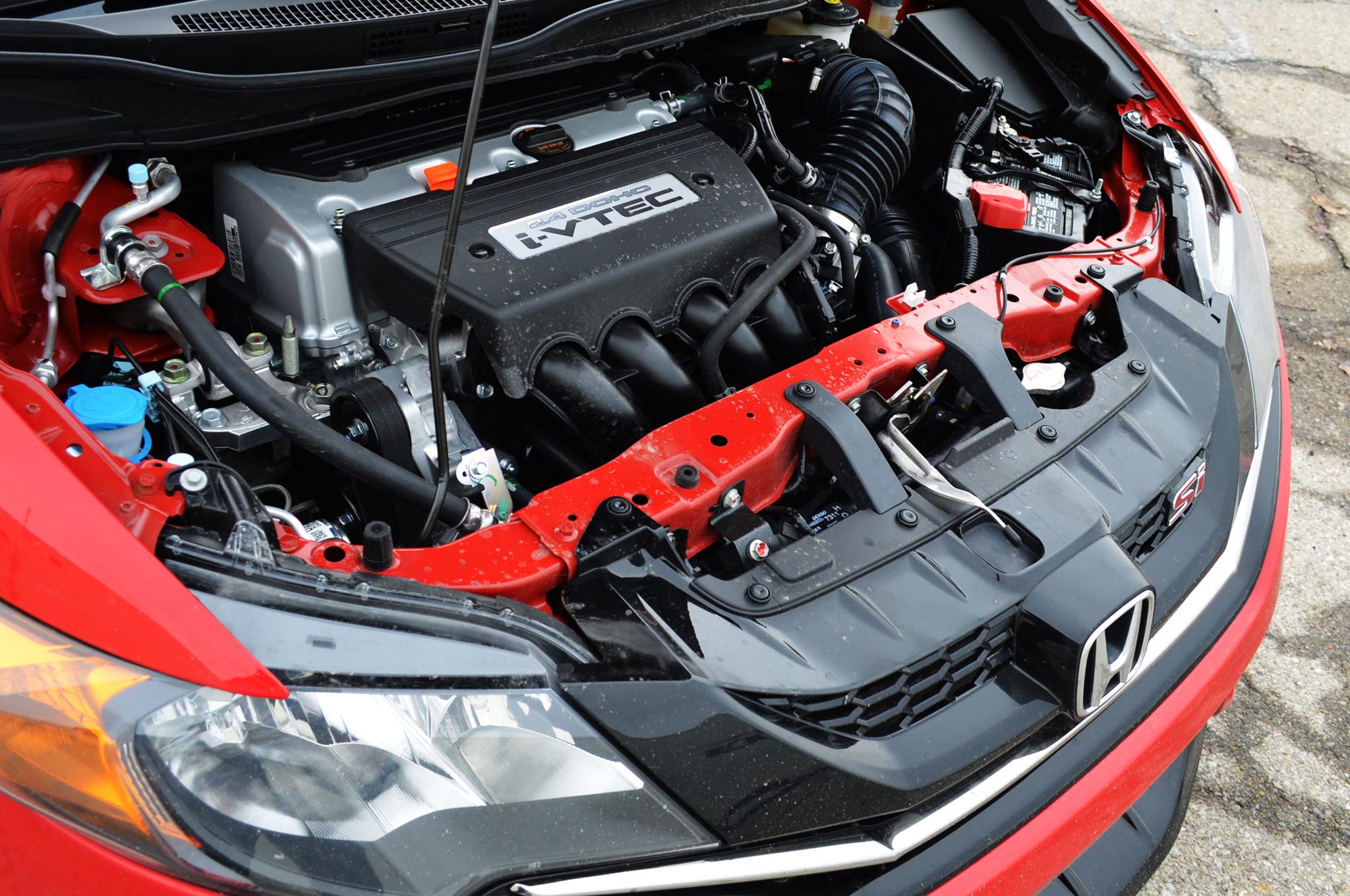
4. Honda K24
Proof: Regularly reaches 250,000-350,000 miles. Strong bottom end. Widely praised by mechanics for durability.
Honda has built its reputation on dependable engineering, and the K24 engine remains one of the company’s strongest success stories. Used in vehicles like the Accord, CR-V, and Element, this 2.4-litre four-cylinder has earned the trust of mechanics and owners who value long-lasting performance. Many technicians recommend it to used car buyers because it has repeatedly shown that it can cover very high mileage without developing serious internal engine problems.
One reason the K24 stands out is its strong internal construction. The crankshaft, connecting rods, and bearings were built to handle years of daily use without wearing out quickly. Its naturally aspirated design also helps by avoiding the extra heat and pressure that come with turbocharged engines, allowing the oil to do its job under less demanding conditions.
Although regular oil changes are still necessary, this engine has shown it can tolerate the occasional delayed service better than many newer designs. Repair shops regularly report seeing K24 engines with more than 250,000 miles that still run smoothly, even when maintenance records are not perfect.
Plenty of owners have pushed them beyond 300,000 miles with routine care. That does not mean skipping oil changes is a good idea, but it does show how durable this engine has proven to be. If you are looking for a dependable used Honda, the K24 remains one of the safest choices available.
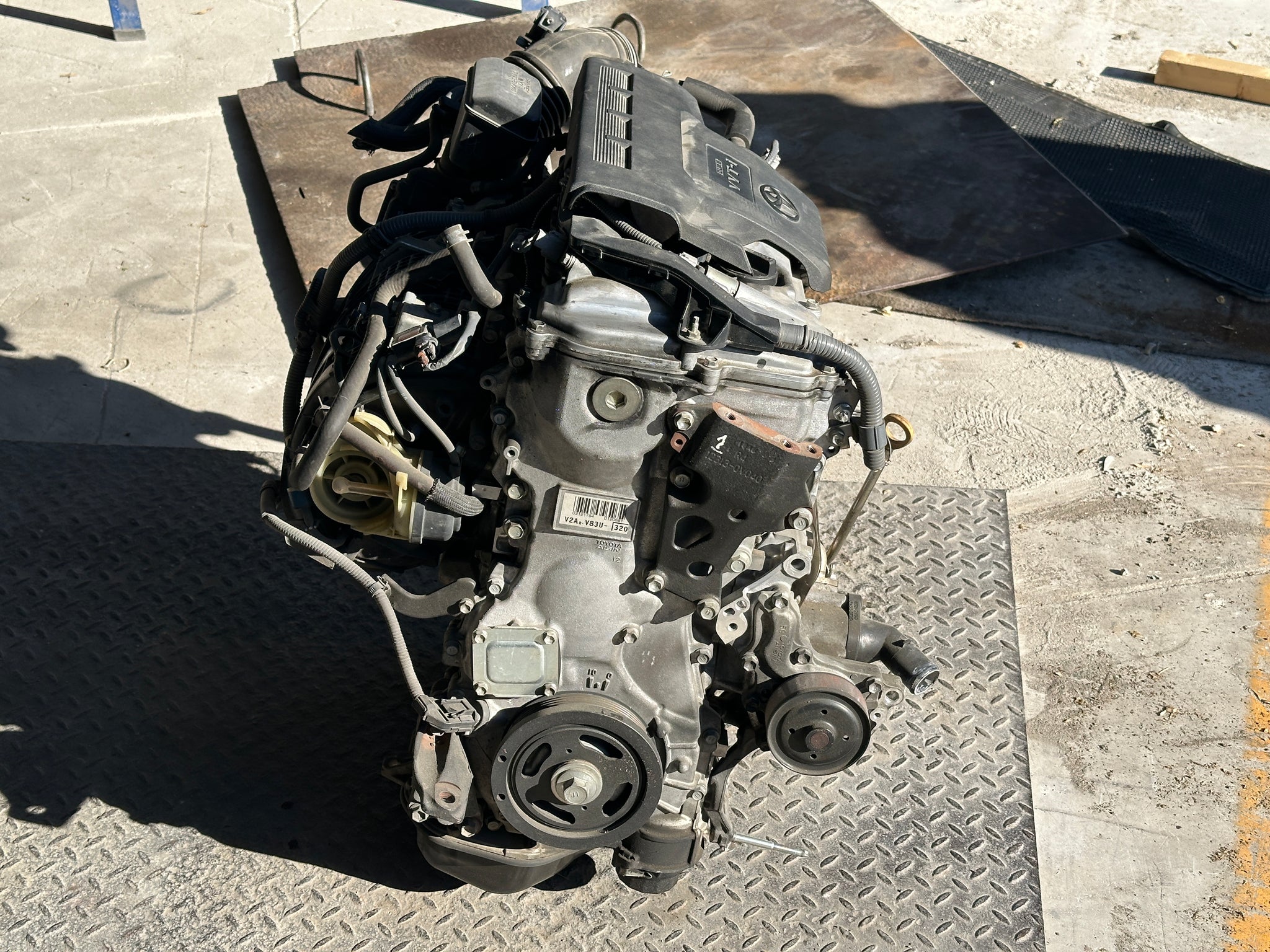
5. Toyota 2AR-FE
Proof: Many taxis and fleet vehicles exceed 300,000 miles. Simple naturally aspirated design. Few sludge-related failures when oil is merely delayed.
Few engines have built a stronger reputation for reliability than Toyota’s 2AR-FE, especially in vehicles used for taxi and commercial fleet work. These cars spend long hours in traffic, cover huge distances every year, and rarely enjoy perfect maintenance schedules. Even under those demanding conditions, many 2AR-FE engines have comfortably passed 300,000 miles, earning the trust of fleet operators and independent mechanics alike.
One reason for its durability is its naturally aspirated design. Without a turbocharger generating extra heat and pressure, the engine places less stress on its oil, giving it a better chance of staying effective even when service intervals are occasionally delayed. The engine is also well known for resisting heavy sludge buildup, thanks to a dependable lubrication system and a straightforward design that has proven itself over many years.
Mechanics who regularly service high-mileage Toyotas often report that the 2AR-FE shows very little internal wear compared to many rivals with similar mileage. That does not mean owners should ignore oil changes, since fresh oil is still essential for long engine life.
Even so, this engine has shown that it can handle the occasional delayed service better than many modern designs. If you are shopping for a dependable used sedan or SUV, the 2AR-FE remains one of the safest four-cylinder engines you can buy.
Engines That Punish Neglected Oil Changes
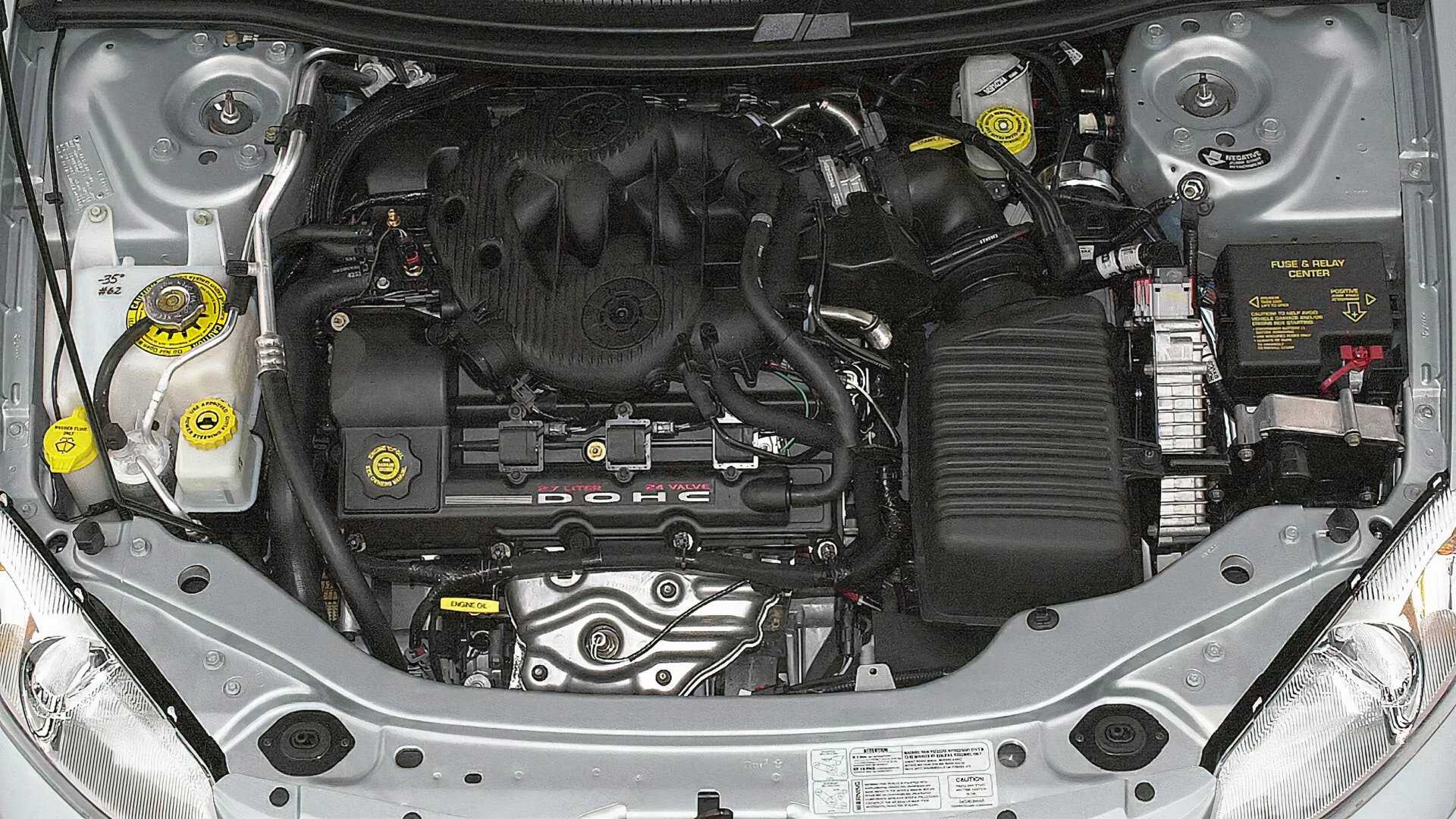
1. Chrysler 2.7L V6
Proof: One of the most sludge-prone engines ever built. Numerous TSBs and owner complaints. Small oil capacity and high operating temperatures.
Few engines have earned quite as notorious a reputation as this particular Chrysler V6, and that reputation isn’t exaggerated in the slightest. Mechanics throughout the industry consistently identify this engine as one of the single most sludge-prone designs ever produced, a genuinely serious problem that transformed minor maintenance delays into catastrophic engine failures for countless unsuspecting owners.
That small oil capacity represents a fundamental design weakness underlying this engine’s poor reputation. With considerably less total oil volume compared to more forgiving engines covered earlier, contaminants and degradation byproducts concentrate considerably faster, meaning even modest delays between oil changes allow sludge formation to progress dangerously quickly compared to engines with more generous oil reservoirs.
High operating temperatures compound this problem further. This engine genuinely runs hotter than many contemporaries, accelerating oil breakdown considerably faster than cooler-running alternatives, creating a genuinely unforgiving combination where limited oil volume degrades even more rapidly under elevated thermal stress.
Numerous technical service bulletins document this engine’s widespread sludge problems, with Chrysler eventually acknowledging the issue formally after countless owner complaints and warranty claims flooded in from frustrated customers whose engines failed prematurely despite reasonably normal maintenance habits.
Owner complaints throughout online forums and consumer review platforms consistently describe genuinely alarming failure patterns, sometimes occurring even in vehicles where owners insist they followed reasonably standard maintenance schedules, suggesting this engine’s tolerance for any deviation from perfect, frequent oil changes remains genuinely minimal.
For anyone specifically considering a used vehicle equipped with this particular V6, verifying meticulous, documented maintenance history becomes absolutely essential rather than optional, since this engine’s well-documented sludge vulnerability means even minor historical maintenance gaps could indicate genuine, potentially catastrophic internal damage already underway.
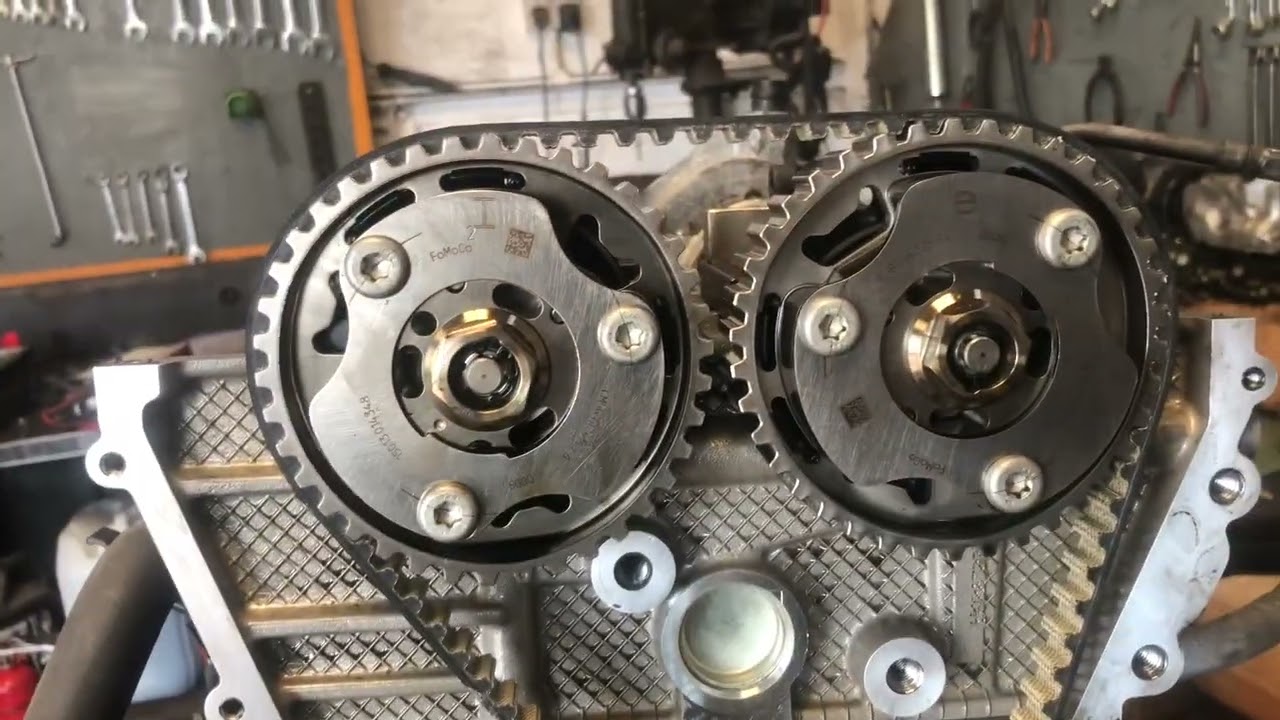
2. Ford 1.0 EcoBoost (wet timing belt)
Proof: Oil degradation breaks down the wet timing belt. Belt debris clogs oil pickup. Numerous repair bulletins and mechanic reports.
Wet timing belts represent a genuinely unusual engineering approach, submerging the timing belt directly in engine oil rather than isolating it in a separate, dry compartment like traditional designs. That decision creates a genuinely unique vulnerability specifically tied to oil condition that makes this particular EcoBoost engine considerably less forgiving than conventional alternatives.
Here’s the genuinely troubling mechanical chain reaction: as oil ages and degrades, it gradually breaks down the timing belt material itself, since that belt sits constantly submerged within the very oil that’s supposed to lubricate the engine. Degraded oil accelerates belt deterioration considerably faster than fresh, properly maintained oil would allow.
Belt debris resulting from this deterioration then creates a genuinely serious secondary problem, clogging the oil pickup and restricting proper oil flow throughout the engine. This creates a genuinely dangerous compounding failure pattern, where degraded oil damages the belt, and resulting belt debris then further compromises the oil system’s ability to properly lubricate and protect the engine’s remaining components.
Numerous repair bulletins have documented this specific failure pattern extensively, with mechanics throughout the industry reporting genuinely consistent problems tracing directly back to extended oil change intervals or delayed maintenance specifically involving this wet timing belt design.
Independent mechanic reports consistently emphasize that this particular engine demands considerably stricter oil change adherence compared to conventional dry timing belt or timing chain designs, since the wet belt’s direct exposure to oil conditions creates a genuinely unique vulnerability that doesn’t exist in more traditional engineering approaches.
For anyone specifically owning or considering a vehicle equipped with this engine, maintaining genuinely strict, possibly even more frequent than manufacturer-recommended oil change intervals becomes considerably more important than with most conventional engines, given this design’s well-documented sensitivity to oil condition and quality.
3. Hyundai/Kia Theta II GDI
Proof: Massive recalls. NHTSA investigations. Bearing failures become much more likely when oil quality deteriorates.
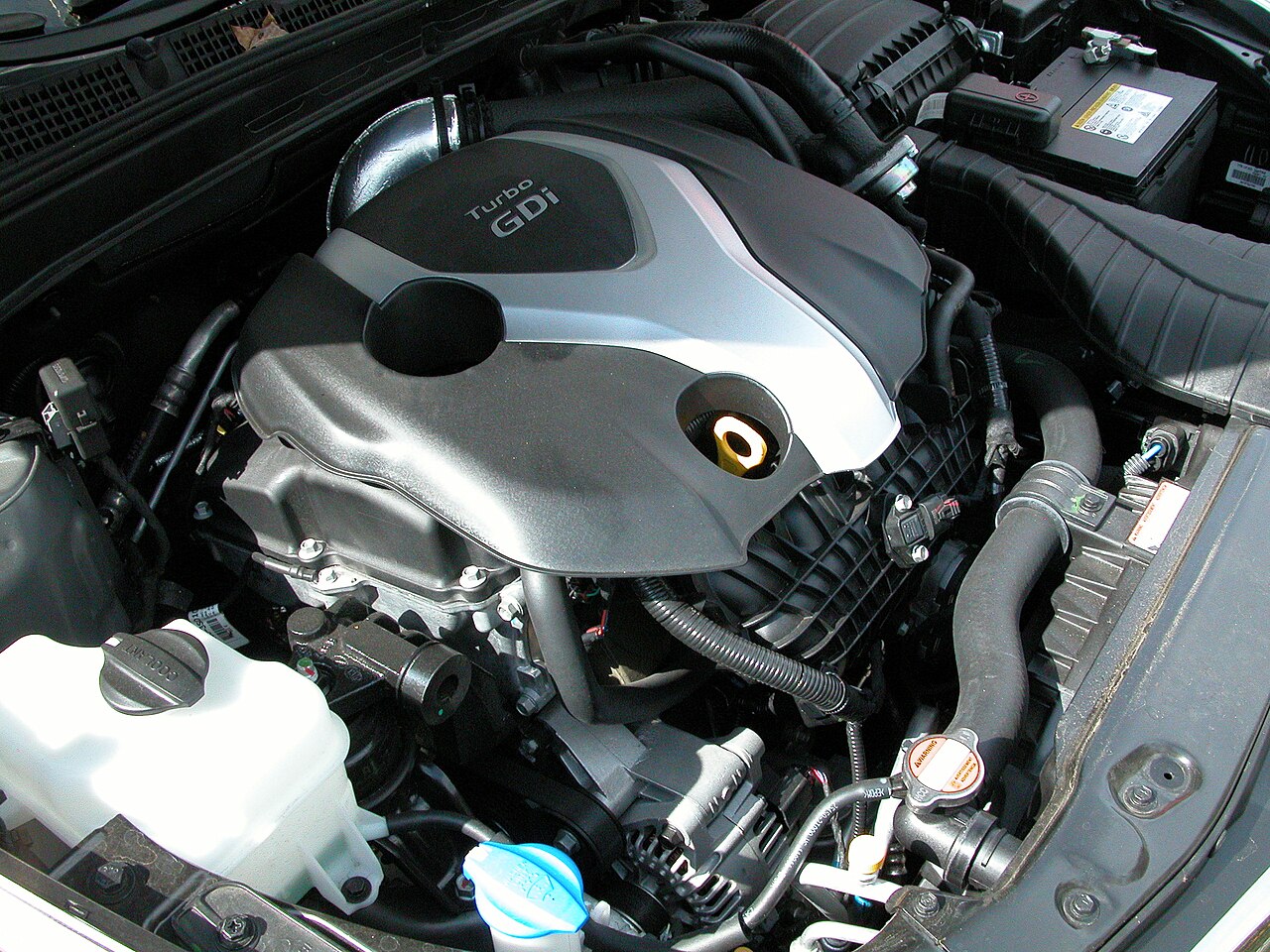
Few modern engines have attracted as much attention as the Hyundai and Kia Theta II GDI. Fitted to several popular models, it became widely known after thousands of owners reported serious engine failures. The growing number of complaints led to investigations by the National Highway Traffic Safety Administration (NHTSA), multiple recalls, warranty extensions, and class-action lawsuits.
Many drivers reported hearing knocking noises before the engine failed, while others experienced sudden power loss without much warning. Investigations found that manufacturing debris inside some engines could restrict oil flow and damage the connecting rod bearings.
Keeping clean oil in this engine is especially important because poor lubrication can speed up bearing wear. Missing one oil change does not automatically destroy the engine, but the Theta II has shown that it is less forgiving than many competing engines when maintenance is delayed.
Hyundai and Kia later introduced the Knock Sensor Detection System (KSDS) to help identify bearing problems before complete engine failure, and many owners received replacement engines through extended warranty programs. Anyone driving a vehicle with this engine should follow the recommended oil change schedule, use the correct oil grade, and keep all maintenance records.
If knocking sounds, warning lights, or reduced performance appear, the vehicle should be checked immediately. Staying up to date with recalls and software updates can also help reduce the risk of major engine damage while protecting warranty coverage where applicable.
4. BMW N54
Proof: Turbochargers operate at extremely high temperatures. Dirty oil accelerates turbo wear, VANOS problems, and carbon buildup. BMW specialists strongly recommend shorter oil intervals than the factory schedule.
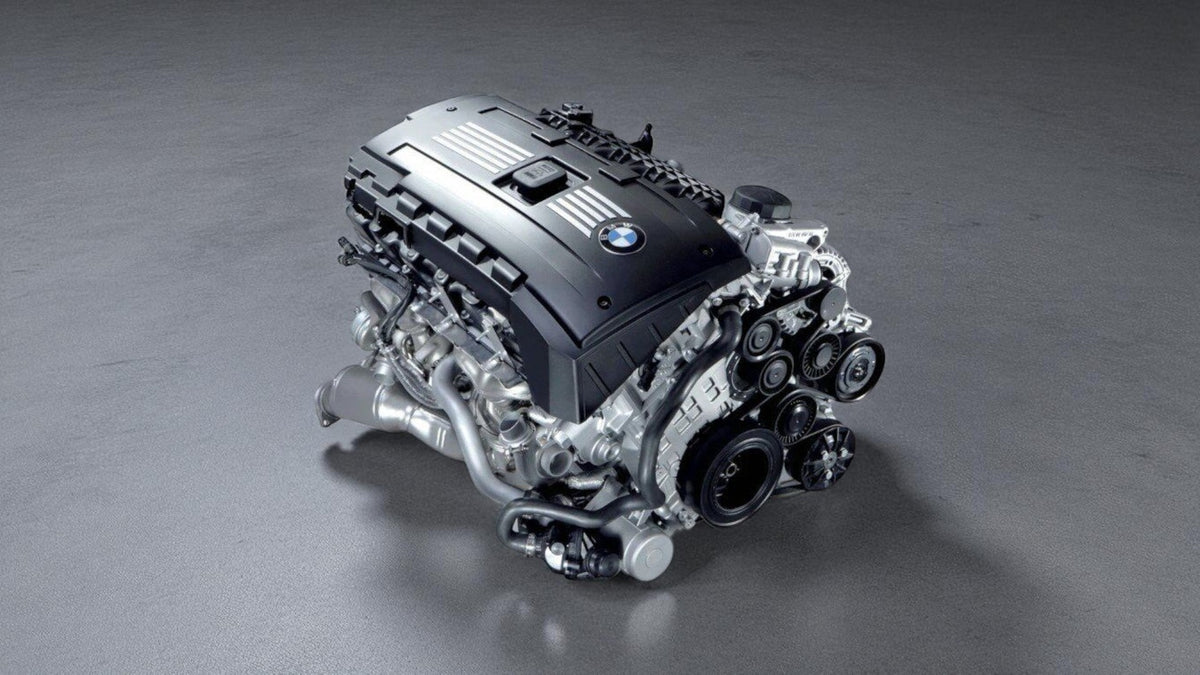
BMW’s N54 became famous for its strong performance, but it also gained a reputation for demanding careful maintenance. Unlike a naturally aspirated engine, the twin-turbocharged N54 puts much more pressure on its engine oil. The turbochargers spin at extremely high speeds and produce a great deal of heat, making clean, high-quality oil essential for proper lubrication and cooling. Once the oil begins to break down, wear on the turbochargers can increase much faster, leading to expensive repairs.
The engine also relies on BMW’s VANOS variable valve timing system, which depends on clean oil and steady oil pressure to work properly. Dirty or degraded oil can affect the system’s operation, causing rough running, reduced performance, and fault codes. Another concern is carbon buildup, a common issue with direct-injection engines like the N54.
Poor oil condition can make these deposits build up faster, eventually reducing engine efficiency and requiring professional cleaning. Because of these known issues, many independent BMW specialists advise changing the oil more frequently than the factory service schedule recommends. Owners who follow shorter oil change intervals often avoid many of the problems that appear on neglected engines.
The N54 can be a rewarding engine to own, but it responds best to regular maintenance. Anyone considering a used BMW with this engine should look for complete service records showing consistent oil changes rather than relying only on the manufacturer’s original maintenance schedule.
Also Read: 10 Inline-Six Engines That Became Automotive Legends
5. Volkswagen/Audi EA888 Gen 1 & Gen 2
Proof: Turbocharged design places heavy demands on oil. Oil consumption and timing chain tensioner issues are well documented. Dirty oil accelerates wear of the turbocharger and timing components.
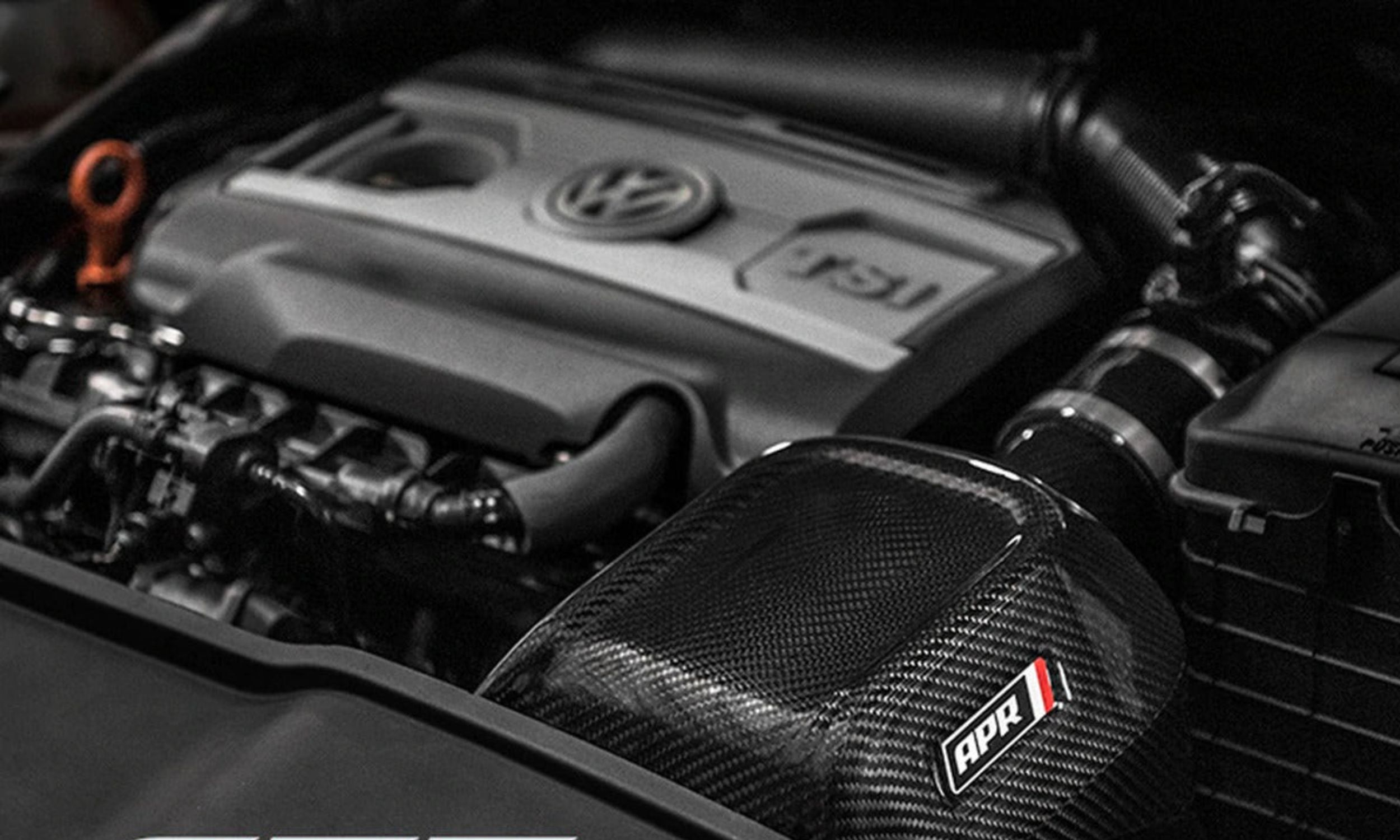
Volkswagen and Audi earned plenty of praise for the EA888 engine thanks to its strong performance, smooth power delivery, and impressive fuel economy. Even so, early versions of this turbocharged engine also gained a reputation for being far less forgiving when routine oil changes were delayed. Many experienced technicians agree that clean, high-quality oil is one of the most important factors in keeping these engines healthy for the long haul.
Turbocharging exposes the engine oil to very high temperatures, causing it to break down faster than in many naturally aspirated engines. Early EA888 engines are also known for higher-than-average oil consumption, so owners who fail to check oil levels between services can unknowingly run the engine with too little lubrication. That combination increases wear on internal parts and raises the risk of expensive repairs.
One of the biggest concerns involves the timing chain tensioner found in earlier EA888 generations. Dirty or degraded oil can speed up wear on this component, and if the tensioner fails, the timing chain can jump, causing severe internal engine damage. Many Volkswagen and Audi specialists recommend changing the oil more frequently than the factory interval, especially on older, higher-mileage vehicles.
Anyone planning to keep an EA888-powered vehicle for many years should stay on top of oil changes and check the oil level regularly. That simple habit can help prevent common problems and greatly improve the engine’s long-term reliability.
