
Ask a mechanic what car they’d never buy used, and you’ll usually get an immediate answer, no hesitation, no thinking required. These are the people who see the actual failure patterns firsthand, the transmissions that shudder at 60,000 miles, the engines that knock and seize without warning, the electrical systems that fail in ways no owner could’ve predicted. Styling and infotainment screens don’t factor into their decision-making process at all.
What matters is diagnostic data, catastrophic failure rates, and how many hours of labor a repair actually demands once something inevitably goes wrong. Below are ten used vehicles that professional technicians consistently flag as high-risk purchases, backed by real complaint data, recall history, and documented reliability studies.
If you’re shopping the used market and want to avoid becoming another cautionary tale in an online forum, this list is worth reading carefully before you sign anything.
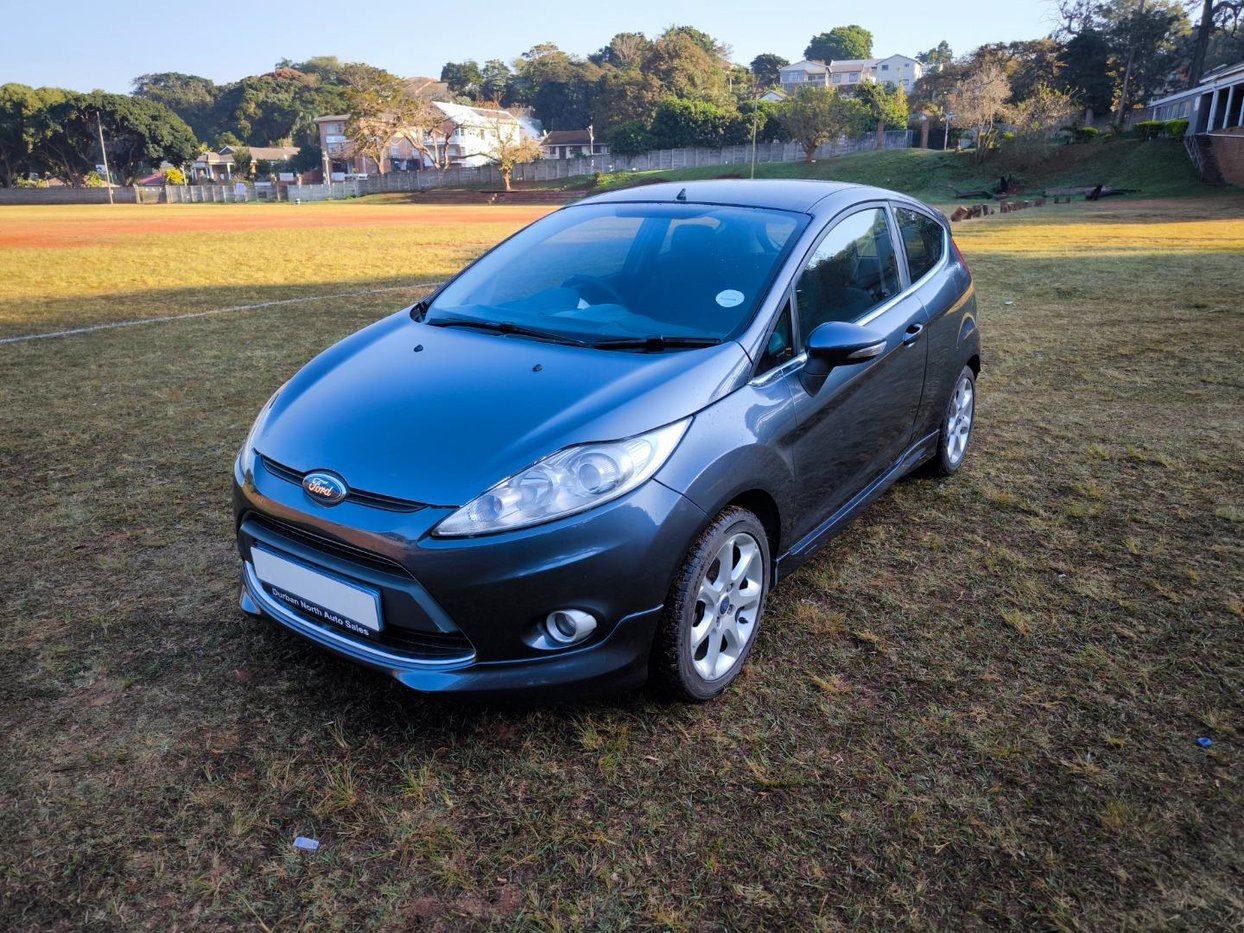
1. Ford Fiesta (2011-2016) Automatic
Proof & Data: The DPS6 PowerShift dual-clutch automatic transmission is one of Ford’s most criticized modern gearboxes. NHTSA complaints, multiple class-action lawsuits, and Ford technical service bulletins document shuddering, hesitation, clutch wear, and repeated TCM failures. Many mechanics recommend avoiding automatic models entirely.
- Engine: 1.6L Inline-4
- Horsepower: 120 hp
- Torque: 112 lb-ft
- Size: 173.6 in L × 67.8 in W
That DPS6 PowerShift transmission has become something close to a warning label within mechanic circles, and for genuinely good reason. This dual-clutch automatic was marketed as delivering manual-like efficiency with automatic convenience, yet the execution fell considerably short of that promise almost immediately after launch.
Shuddering during acceleration became one of the most commonly reported complaints, with drivers describing a genuinely unsettling jerking sensation that made everyday driving feel unpredictable and unsafe in stop-and-go traffic. Hesitation compounded this problem further, with some owners reporting delayed response when attempting to merge or pass, a genuinely dangerous characteristic for any transmission to exhibit.
NHTSA’s complaint database contains genuinely extensive documentation on this specific transmission, with thousands of individual reports painting a consistent picture of premature clutch wear and repeated transmission control module failures that often required multiple dealership visits before technicians could genuinely resolve the underlying problem.
Ford issued numerous technical service bulletins attempting various software and hardware fixes throughout this transmission’s production run. Yet, mechanics consistently report that these fixes rarely resolved the underlying reliability concerns completely, leaving many owners facing repeat failures even after supposedly corrective dealership service.
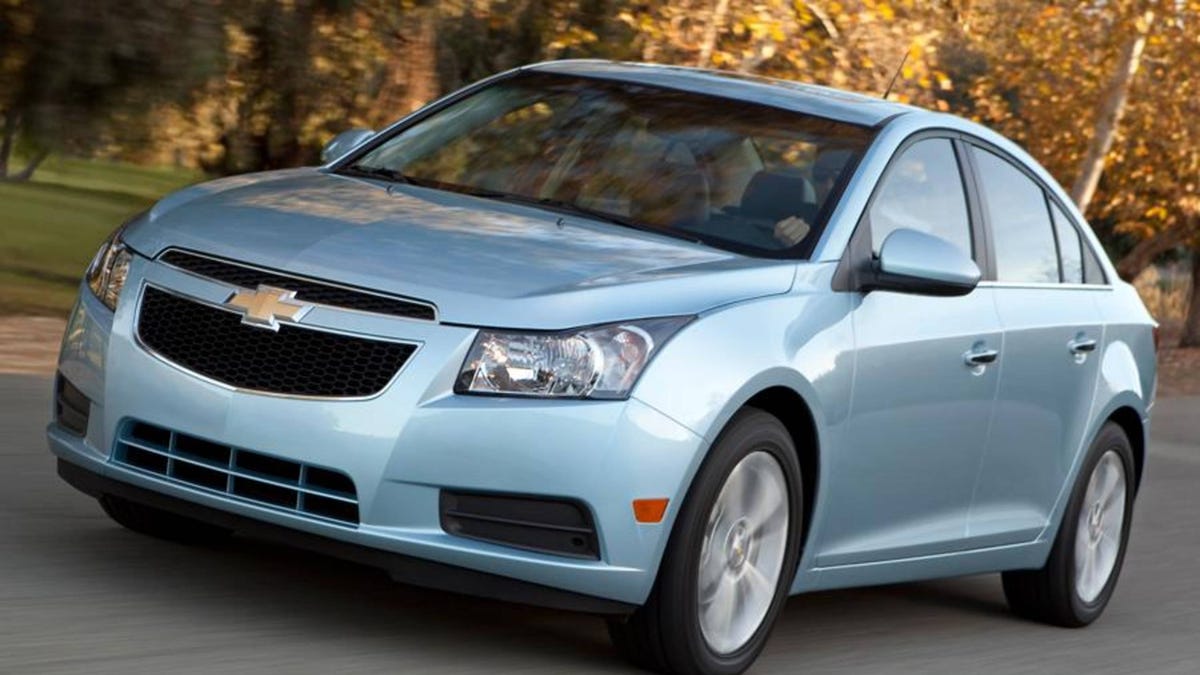
2. Chevrolet Cruze (2011-2015) 1.4 Turbo
Proof & Data: RepairPal, CarComplaints, and owner reports consistently cite coolant leaks, water pump failures, thermostat housing failures, PCV valve issues, valve cover failures, and turbocharger problems. While repair costs are usually manageable individually, repeated failures make ownership expensive.
- Engine: 1.4L Turbo Inline-4
- Horsepower: 138 hp
- Torque: 148 lb-ft
- Size: 181.0 in L × 70.7 in W
Death by a thousand cuts describes this engine’s reliability reputation better than any single catastrophic failure ever could. Individual repairs on this turbocharged 1.4-liter rarely bankrupt an owner outright, yet the sheer frequency and variety of documented problems means ownership costs accumulate considerably faster than most buyers ever anticipate walking into the purchase.
Coolant leaks rank among the most persistent complaints throughout owner forums and repair databases, often stemming from failing water pumps or thermostat housing components that seem to wear out considerably faster than comparable systems found in competing compact sedans from this same era.
PCV valve failures add another genuinely recurring headache to this engine’s documented history, sometimes causing rough idling or check engine lights that leave owners chasing an intermittent problem across multiple repair visits before technicians finally isolate the actual root cause.
Valve cover issues compound these coolant and PCV concerns further, with degraded gaskets allowing oil leaks that, left unaddressed, can eventually contribute toward more serious engine damage if the leak goes genuinely unnoticed for an extended period.
Turbocharger problems round out this engine’s troubled reputation, with owners reporting premature wear and occasional complete turbo failure well before the mileage most buyers would reasonably expect from a properly engineered turbocharged system.
Also Read: Why the Slowest-Selling Used Cars Are Your Best Shot at a Discount
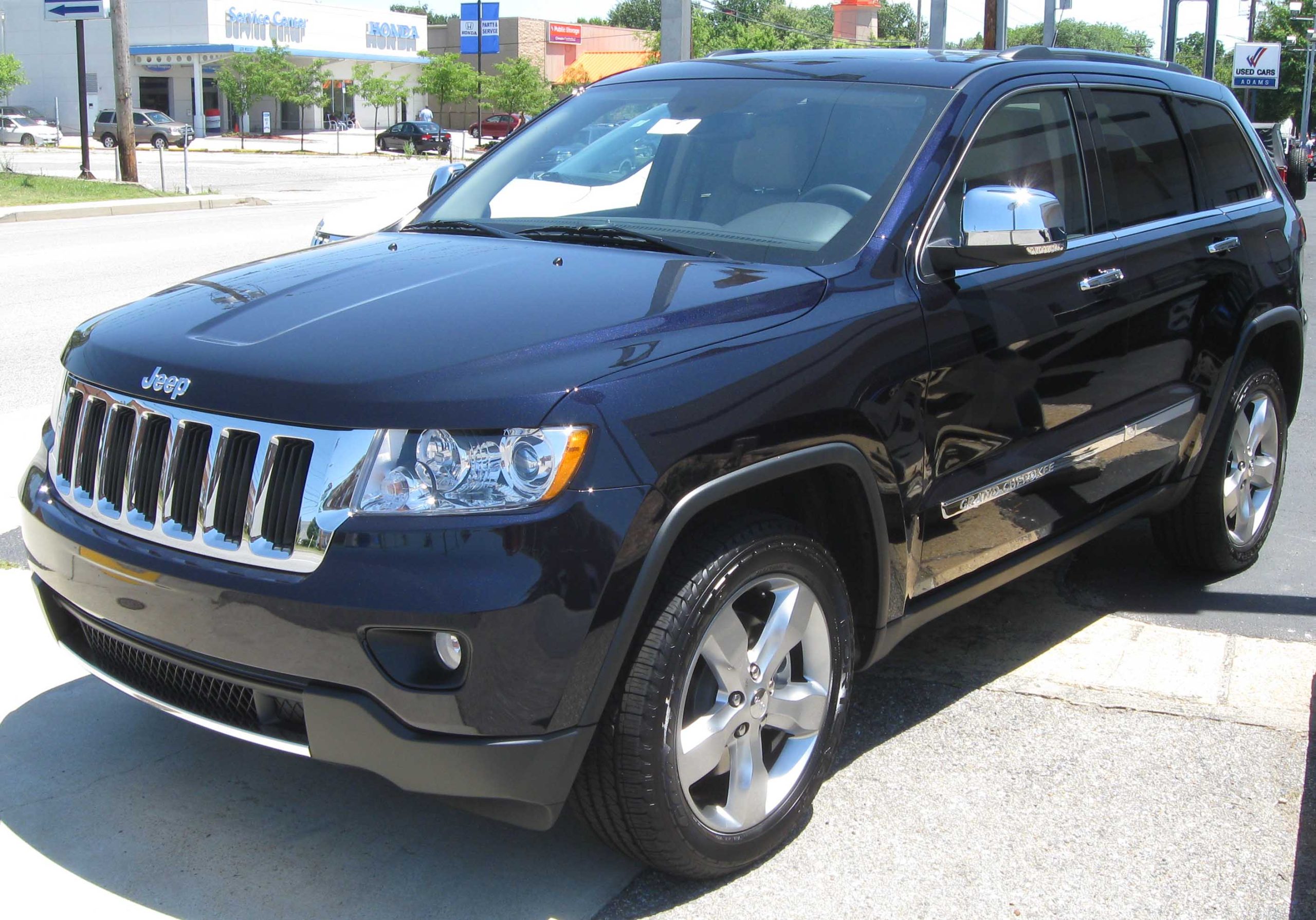
3. Jeep Grand Cherokee (2011-2015)
Proof & Data: Consumer Reports and CarComplaints identify these years as among the least reliable. Common issues include TIPM electrical failures (earlier years), air suspension repairs, oil filter housing leaks, transmission problems, and electronic faults.
- Engine: 3.6L Pentastar V6
- Horsepower: 290 hp
- Torque: 260 lb-ft
- Size: 189.8 in L × 76.5 in W
Electrical gremlins haunt this particular Grand Cherokee generation in ways that genuinely frustrate even experienced mechanics. The Totally Integrated Power Module, responsible for managing numerous electrical functions throughout the vehicle, developed a genuinely troubling reputation for failure during earlier production years within this specific range, sometimes causing seemingly unrelated systems to malfunction simultaneously.
Air suspension repairs represent another genuinely expensive recurring theme documented across owner complaints and reliability surveys. When this system fails, and documentation suggests it fails with genuinely concerning frequency, repair costs climb considerably higher than conventional suspension repairs would typically demand.
Oil filter housing leaks add yet another documented weakness to this SUV’s mechanical profile, with degraded seals allowing oil to seep out in locations that can be genuinely difficult to diagnose without specific familiarity with this particular platform’s known failure points.
Consumer Reports has consistently rated these particular model years poorly compared to both earlier and later Grand Cherokee generations, a genuinely telling indication that something specific about this era’s engineering or manufacturing quality control fell short compared to the nameplate’s broader reputation.
CarComplaints data reinforces this pattern too, with these specific years accumulating considerably more documented owner complaints than would be expected for a mainstream three-row 0.
For anyone specifically considering a used Grand Cherokee from this range, budgeting considerable additional funds for potential electrical and suspension repairs remains genuinely essential rather than optional given this generation’s well-documented reliability challenges.
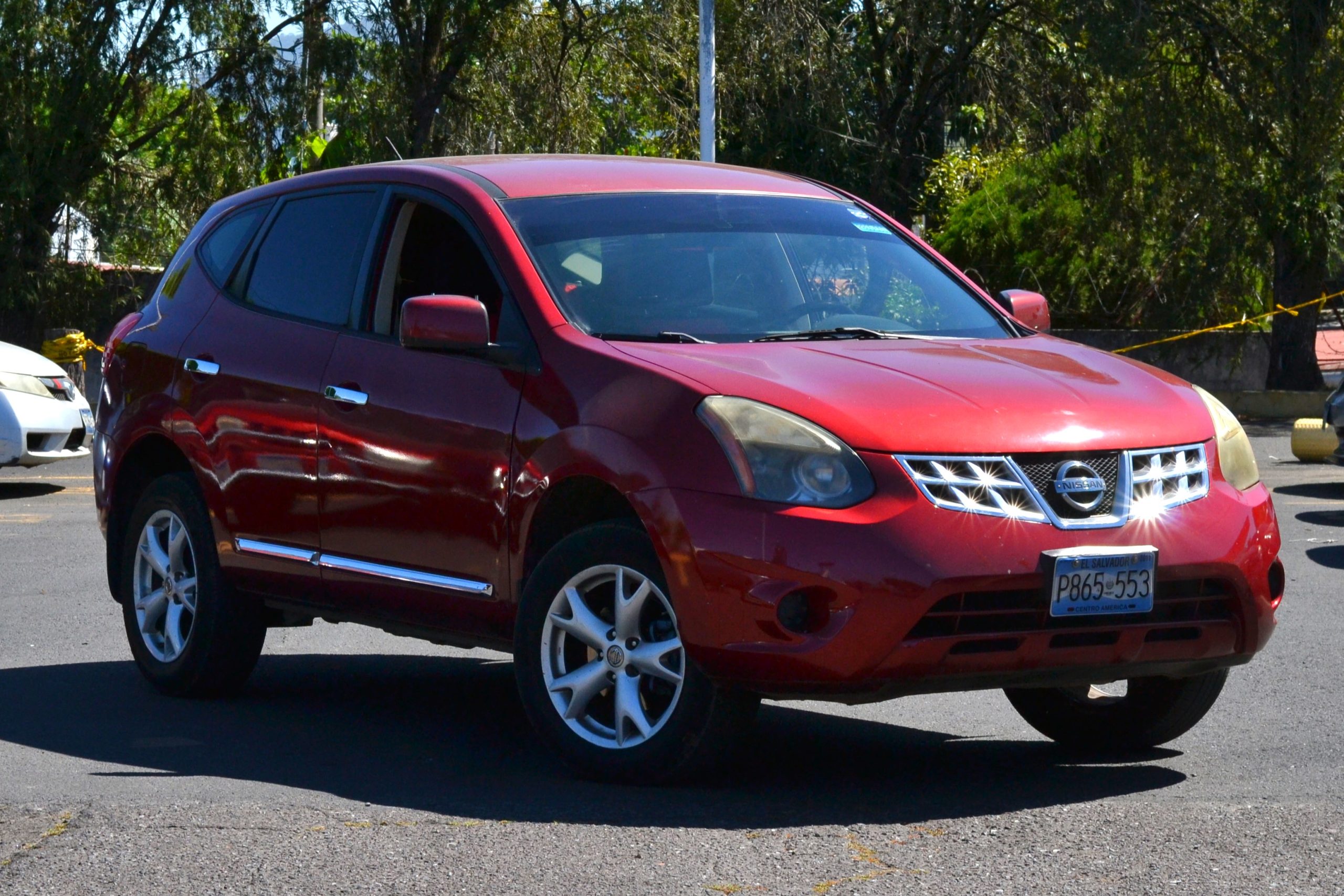
4. Nissan Rogue (2014-2018)
Proof & Data: Numerous complaints on NHTSA and CarComplaints involve Jatco CVT failures, including shuddering, overheating, delayed acceleration, and complete transmission replacement. Consumer Reports has also rated several model years below average for reliability.
- Engine: 2.5L Inline-4
- Horsepower: 170 hp
- Torque: 175 lb-ft
- Size: 184.5 in L × 72.4 in W
That Jatco continuously variable transmission has become genuinely notorious throughout Nissan’s broader lineup, and the Rogue represents one of the more heavily documented examples of this particular CVT’s shortcomings during this specific production window.
Shuddering sensations during acceleration rank among the most frequently reported complaints, with owners describing a genuinely unsettling vibration that makes normal driving feel mechanically unstable, particularly noticeable during highway merging or hill climbing when the transmission works hardest.
Overheating represents another genuinely serious documented concern, since CVTs generally require careful thermal management to function properly, and this particular unit’s tendency toward excessive heat buildup has contributed directly toward premature internal component wear across countless documented cases.
Delayed acceleration compounds these existing safety concerns further, with some owners reporting a genuinely dangerous lag between pressing the accelerator and actually feeling the vehicle respond, a characteristic that becomes particularly hazardous when merging into fast-moving traffic or attempting to avoid a sudden obstacle.
Complete transmission replacement, unfortunately, became a genuinely common outcome for many owners once these problems progressed far enough, representing one of the single most expensive repairs any vehicle owner could face, often costing thousands of dollars depending on the specific shop and replacement parts involved.
NHTSA’s complaint database contains extensive documentation specifically tied to this transmission across the covered model years, while Consumer Reports has consistently rated several of these particular years below average for reliability.
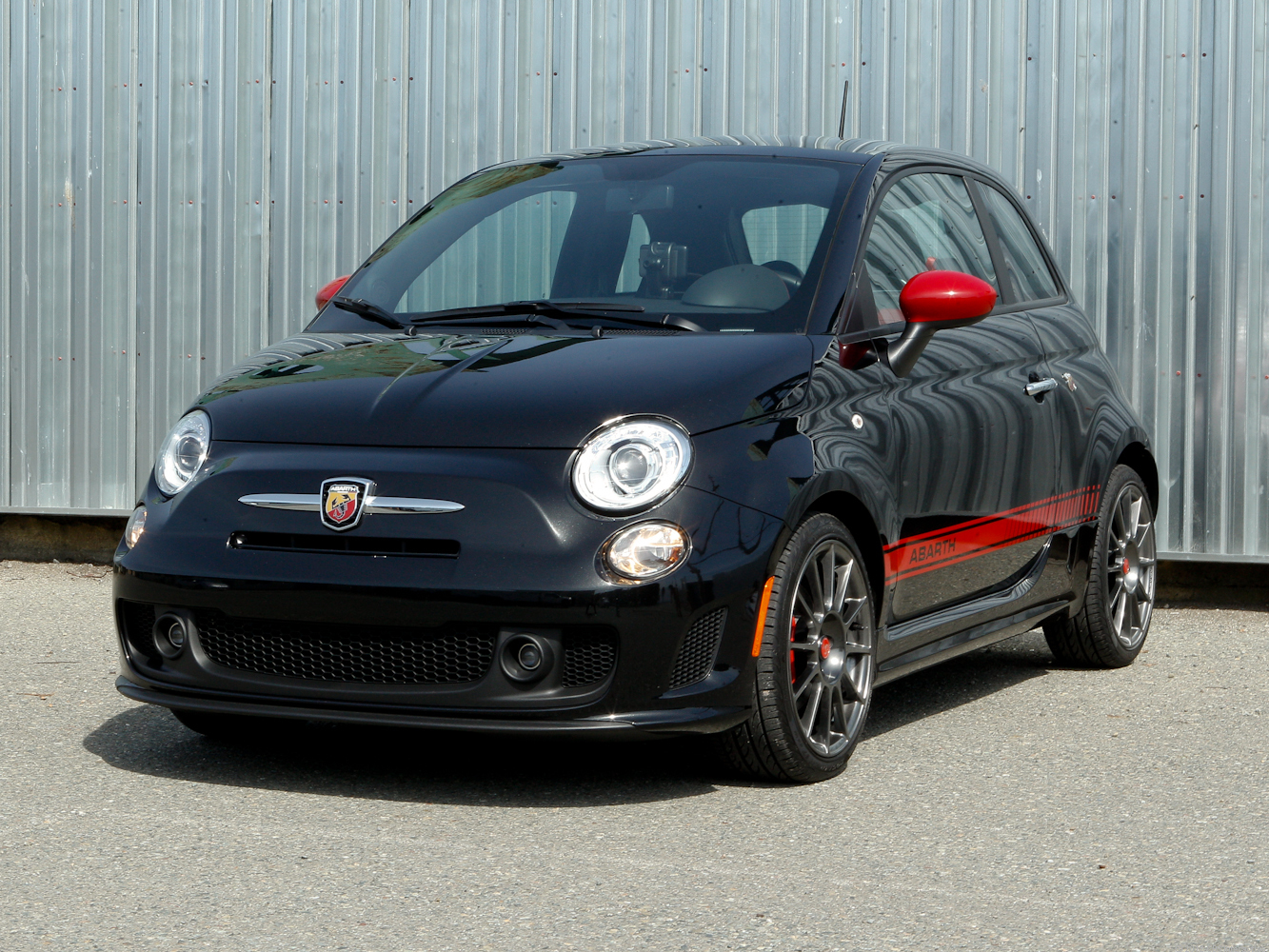
5. Fiat 500 (2012-2017)
Proof & Data: Consumer Reports, RepairPal, and owner surveys consistently rank Fiat near the bottom for reliability. Common issues include electrical faults, suspension wear, door handle failures, and expensive repairs caused by the cramped engine bay.
- Engine: 1.4L Inline-4
- Horsepower: 101 hp
- Torque: 98 lb-ft
- Size: 139.6 in L × 64.1 in W
Cute styling couldn’t compensate for what turned into one of the more consistently disappointing reliability records among modern subcompact cars. The Fiat 500’s charming retro design captured plenty of initial buyer interest, yet Consumer Reports and RepairPal have both repeatedly ranked this platform near the very bottom of their respective reliability rankings throughout its entire production run.
Electrical faults appear with genuinely concerning frequency throughout owner complaint databases, ranging from minor annoyances like malfunctioning power windows to more serious issues affecting critical vehicle systems that leave owners facing repeat dealership visits chasing intermittent problems.
Suspension wear develops considerably faster on this particular platform compared to competing subcompacts, with owners frequently reporting the need for premature component replacement well before the mileage most buyers would reasonably expect from a properly engineered suspension system.
Door handle failures might sound like a minor inconvenience, yet this specific issue appears repeatedly enough throughout owner surveys and complaint forums that it’s become something of a running joke within Fiat ownership communities, genuinely reflecting broader quality control concerns that extend well beyond just this single component.
Perhaps most frustrating for owners and mechanics alike, this car’s genuinely cramped engine bay transforms what should be routine, affordable repairs into considerably more labor-intensive, expensive procedures, since technicians often need to remove multiple components simply to access parts that would be easily reachable on a more conventionally engineered vehicle.
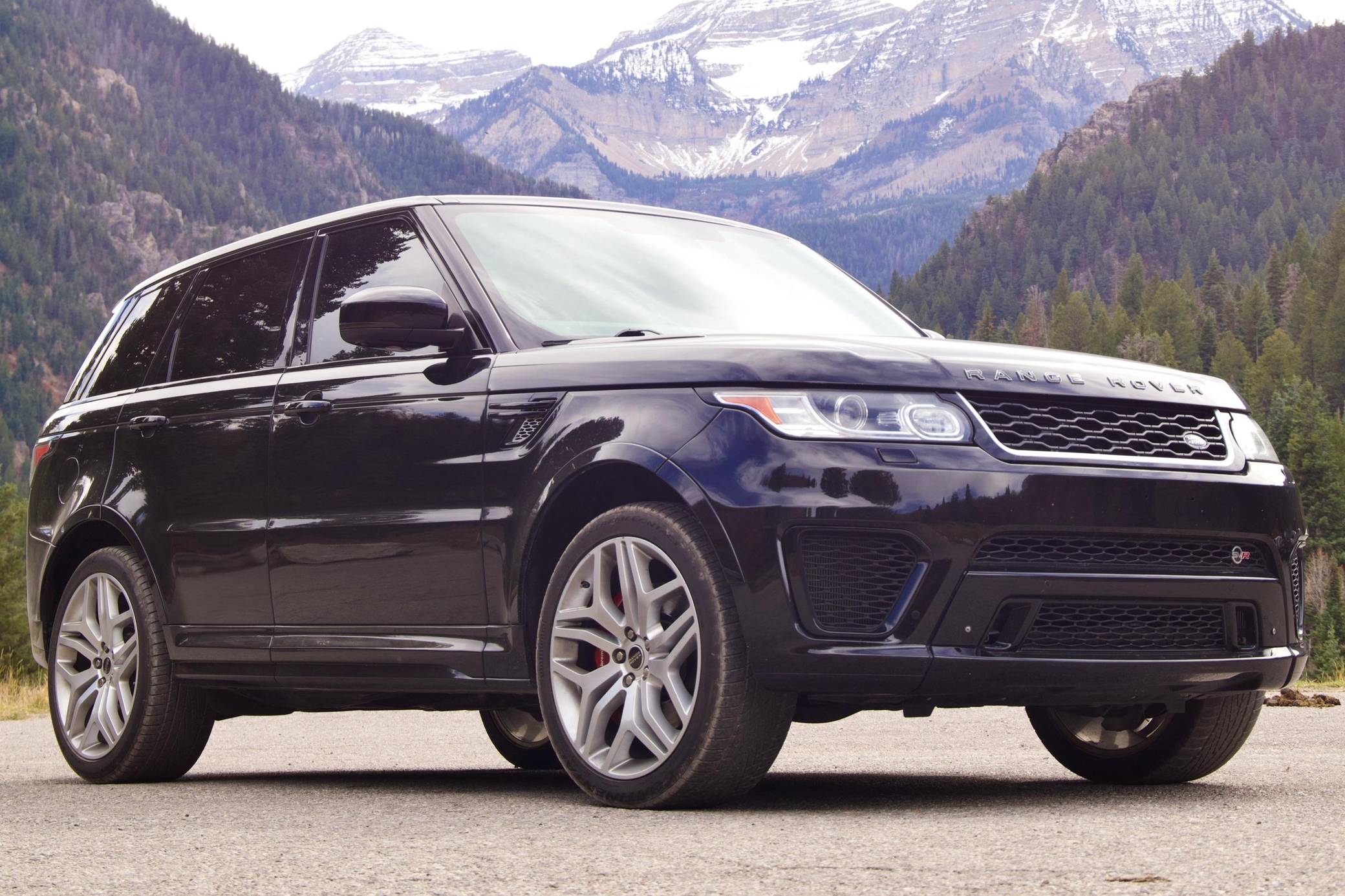
6. Range Rover Sport (2014-2017)
Proof & Data: RepairPal, What Car?, Warrantywise, and owner reports document high repair costs involving air suspension, cooling systems, electronic modules, and drivetrain components. Luxury parts and labor make repairs especially expensive.
- Engine: 3.0L Supercharged V6
- Horsepower: 340 hp
- Torque: 332 lb-ft
- Size: 191.0 in L × 78.1 in W
Owning a used Range Rover Sport may sound appealing because of its premium styling, strong performance, and luxury features, but many experienced mechanics advise buyers to proceed with caution. This generation delivers an enjoyable driving experience with its 340-horsepower supercharged V6 and excellent off-road capability, yet it also has a reputation for expensive repairs that can quickly outweigh the savings of buying used.
One of the most common issues involves the air suspension system, which has been widely reported by owners and highlighted in reliability studies from sources such as RepairPal and What Car?. Cooling system failures are another concern. If parts like the water pump or coolant pipes fail and the problem is ignored, the engine can overheat and lead to costly damage.
Electronic faults also become more common as these SUVs age, with many repairs requiring specialized diagnostic equipment and technicians familiar with Land Rover systems. Drivetrain repairs can also be expensive, especially when major components begin to wear.
Warrantywise has repeatedly ranked Land Rover among the costliest brands to repair because of high parts prices and labor charges. Anyone shopping for a used Range Rover Sport should arrange a detailed pre-purchase inspection and keep a healthy repair budget, since maintenance costs can be much higher than the attractive used purchase price suggests.
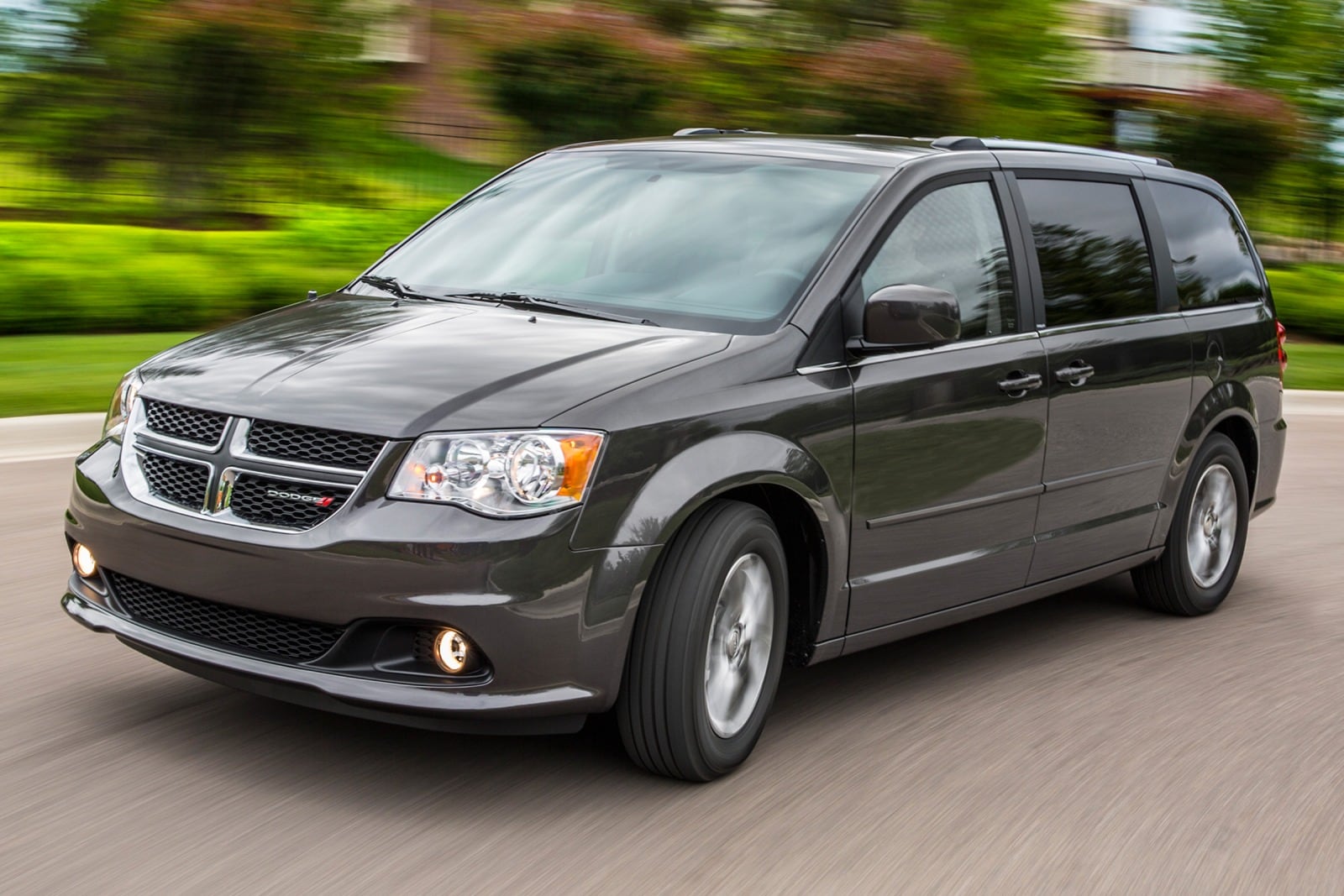
7. Dodge Grand Caravan (2011-2020)
Proof & Data: Mechanics commonly report transmission failures on higher-mileage examples, HVAC blend door actuator failures, worn suspension components, and electrical problems. Dashboard removal is often required for HVAC repairs, making labor costs high.
- Engine: 3.6L Pentastar V6
- Horsepower: 283 hp
- Torque: 260 lb-ft
- Size: 202.8 in L × 78.7 in W
A family minivan should provide dependable transportation every day, but the Dodge Grand Caravan has earned a mixed reputation once higher mileage starts to build. Many mechanics say these vans can serve families well when properly maintained, yet certain repairs become common enough that buyers should know what to expect before purchasing a used one.
Transmission problems are among the biggest concerns, especially on vans that have covered many miles without consistent maintenance. Since many Grand Caravans spend years handling school runs, shopping trips, and family holidays, the transmission often works under demanding conditions. Another common issue involves the HVAC blend door actuator.
Although the faulty part itself is not especially expensive, replacing it usually requires removing much of the dashboard, turning a simple repair into a costly labor job. Suspension components such as control arms and bushings also tend to wear sooner than many owners expect, adding to long-term maintenance costs.
Electrical faults are another complaint frequently mentioned by owners and repair shops. Some problems are minor, while others require repeated diagnostic work before the exact cause is found. Experienced mechanics often point out that labor charges, rather than replacement parts, account for much of the ownership cost on older Grand Caravans.
Anyone considering one should carefully review the vehicle’s maintenance records, confirm that the transmission has been properly serviced, and have the heating and air conditioning system inspected before completing the purchase.
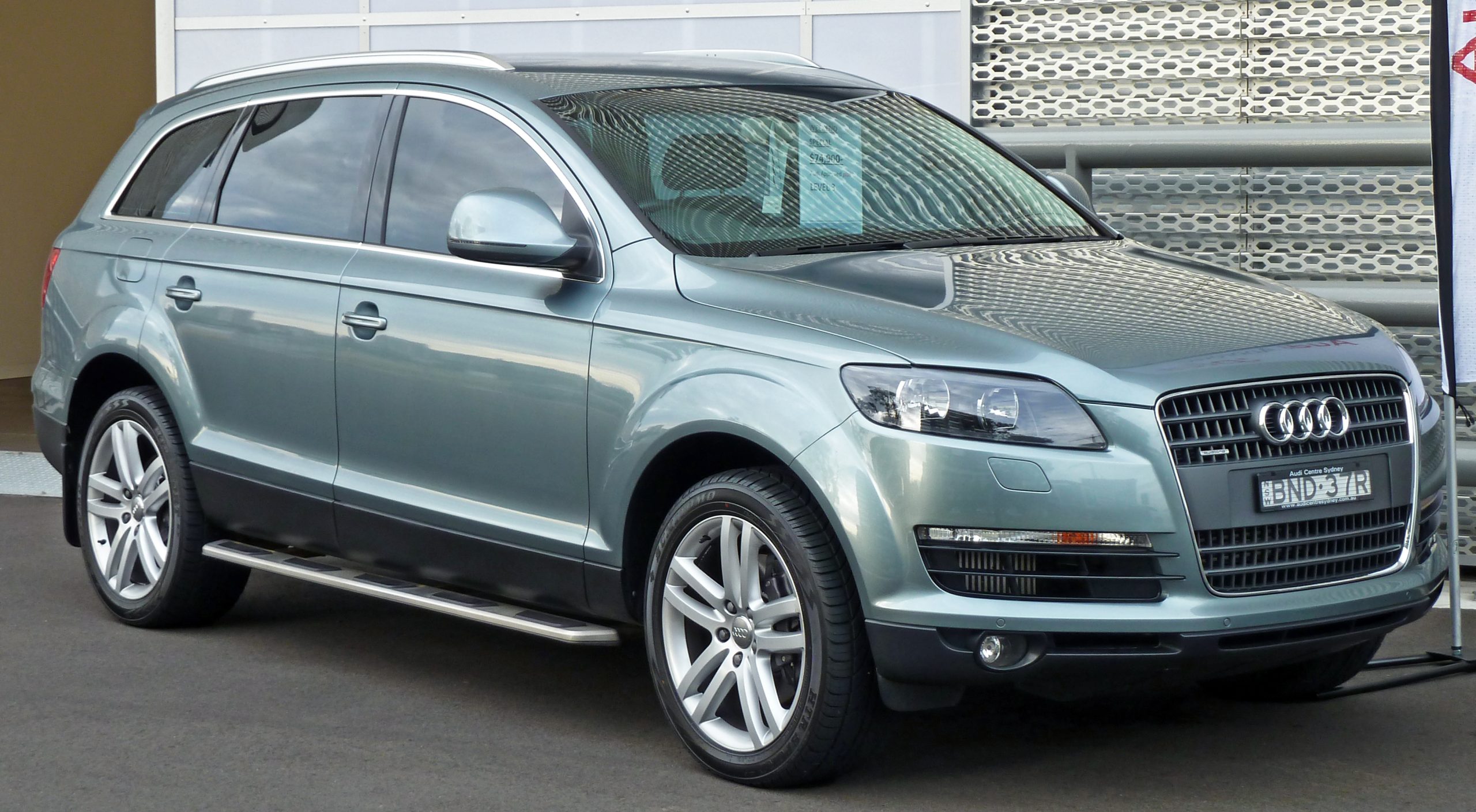
8. Audi Q7 (2007-2015)
Proof & Data: Consumer Reports and RepairPal consistently show high maintenance costs. Common issues include timing chain repairs on some engines, air suspension failures, cooling system leaks, oil leaks, and expensive electronic repairs.
- Engine: 3.0L Supercharged V6
- Horsepower: 280–333 hp
- Torque: 266–325 lb-ft
- Size: 199.3 in L × 78.1 in W
Buying a used Audi Q7 can seem like a bargain at first, especially when you compare its luxury features with its used market price. Many experienced mechanics, however, advise buyers to look beyond the attractive price tag. As these SUVs age, repair costs can rise quickly, and several reliability studies have shown that keeping one on the road often costs much more than owning a typical midsize SUV.
One of the biggest concerns involves timing chain repairs on certain engine versions. Fixing this problem usually requires many hours of labor, making it one of the costliest repairs owners may face. Air suspension problems are another common complaint.
While the system delivers a smooth and comfortable ride, worn components can lead to expensive repairs. Cooling system leaks also appear regularly in owner reports, with water pumps, thermostats, and related parts needing replacement more often than many buyers expect.
Oil leaks add another layer of expense, especially as mileage increases. Electronic faults can also become frustrating because many repairs require specialized diagnostic equipment that is usually available only at Audi dealerships or independent European repair shops.
Consumer Reports, RepairPal, and owner surveys consistently rank this generation below many mainstream SUVs for long-term ownership costs. Anyone considering a used Q7 should set aside a healthy repair budget and arrange for a thorough pre-purchase inspection before making a final decision.
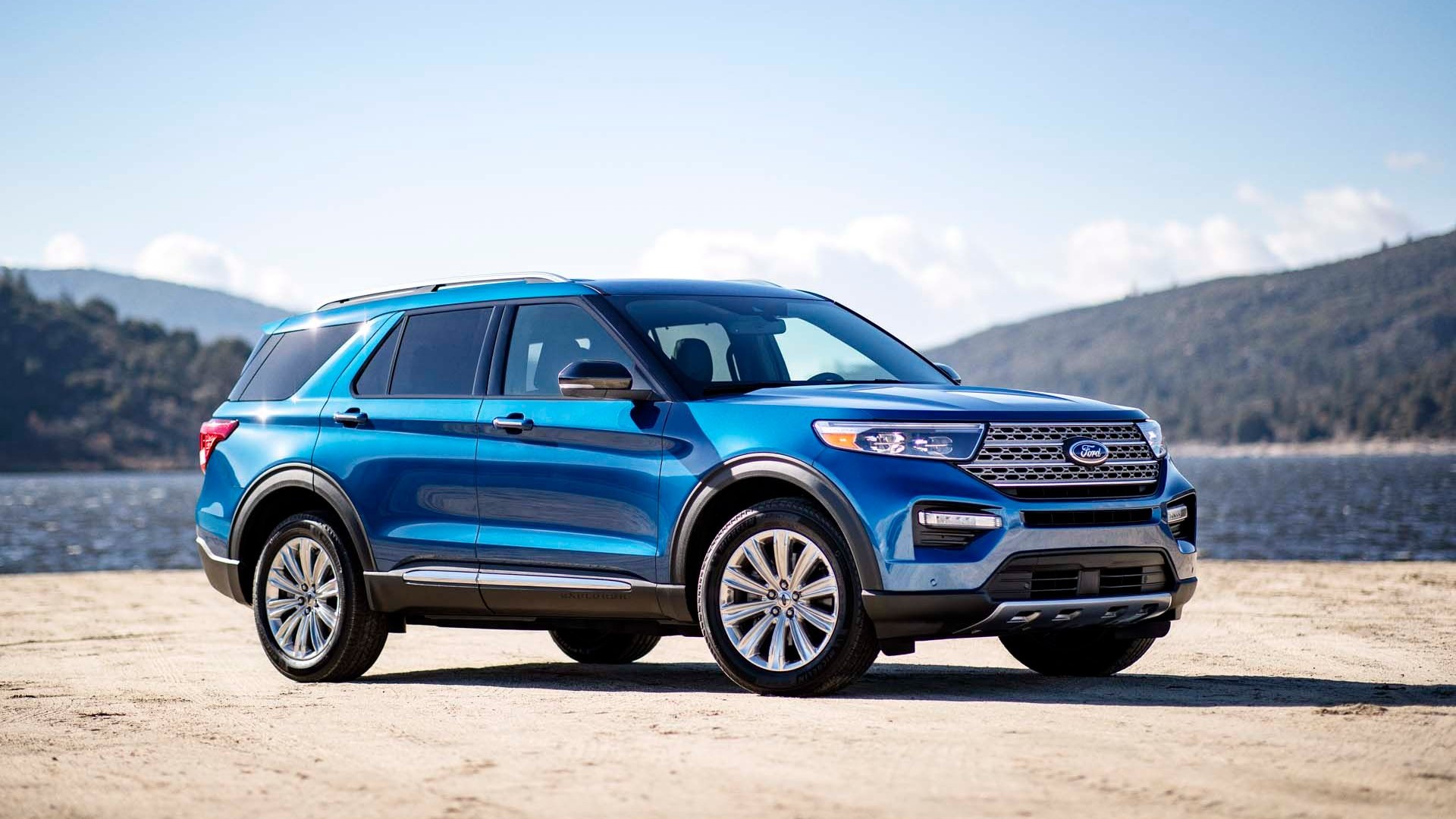
9. Ford Explorer (2020-2022)
Proof & Data: Consumer Reports removed its Recommended status after early reliability concerns. NHTSA recalls and owner complaints document transmission issues, rear axle bolt recalls, software glitches, and electrical problems.
- Engine: 2.3L EcoBoost Inline-4
- Horsepower: 300 hp
- Torque: 310 lb-ft
- Size: 198.8 in L × 78.9 in W
A newer model does not always guarantee better reliability, and the 2020 to 2022 Ford Explorer is a good example. Although it introduced updated styling, improved technology, and a more refined interior, early owners reported enough problems for Consumer Reports to remove its Recommended rating. That alone made many mechanics advise used car buyers to inspect these SUVs carefully before making a purchase.
Transmission complaints are among the most common issues. Some owners reported rough shifting, hesitation, and inconsistent performance, with many cases requiring software updates or more extensive repairs. Ford also issued recalls involving the rear axle bolt after discovering that a faulty part could affect vehicle safety if left unrepaired. Buyers should confirm that all recall work has already been completed before purchasing any used example.
Owners have also reported software glitches affecting the infotainment system and certain driver-assistance features. Electrical faults have appeared as well, leading to additional trips to the repair shop for diagnosis and updates. Records from the National Highway Traffic Safety Administration include numerous complaints and recalls covering these issues.
Anyone considering a used Explorer from these model years should review its service history carefully, verify recall completion, and have a trusted mechanic perform a thorough inspection before signing the paperwork.
Also Read: 10 Used Cars Under $20,000 With Excellent Reliability and IIHS-Recommended Safety
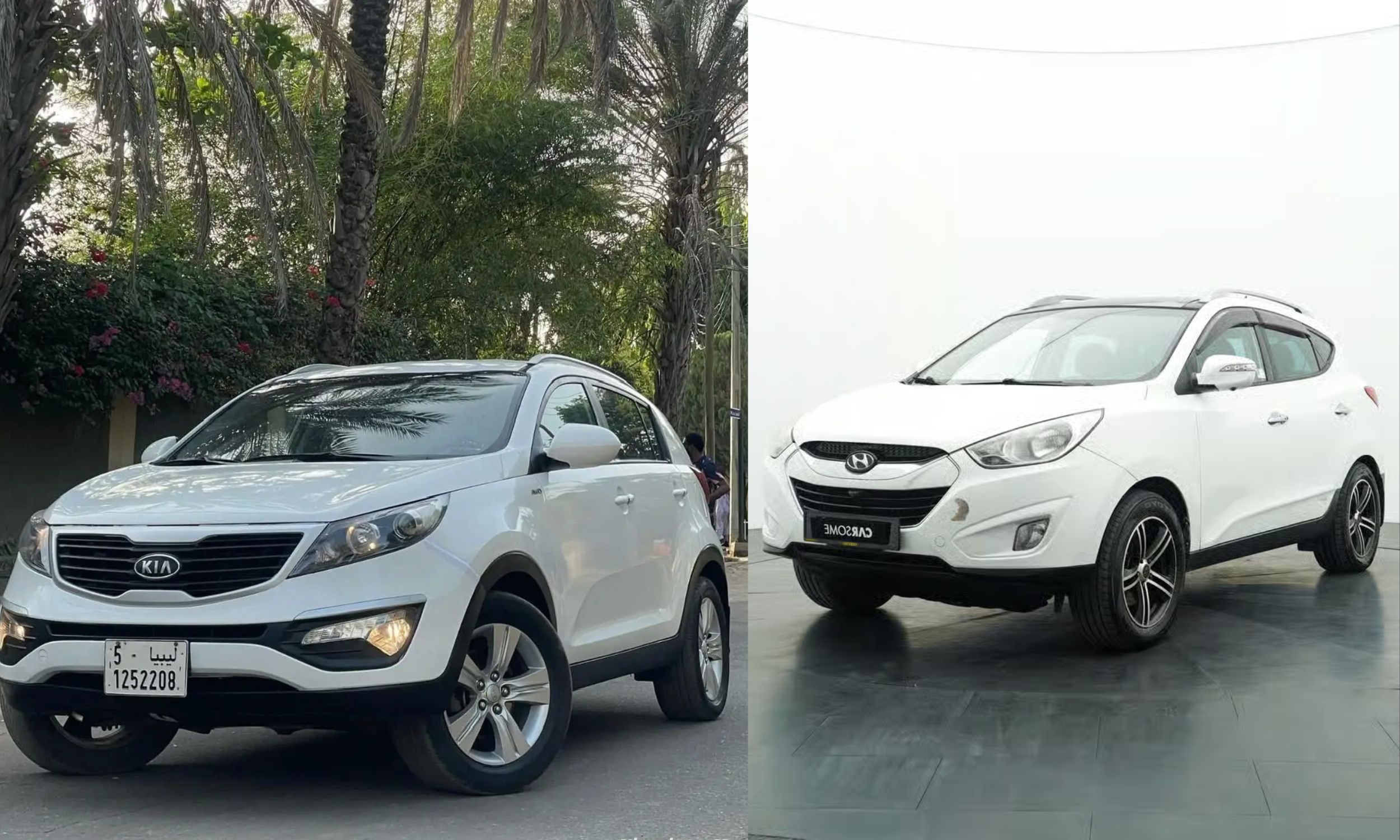
10. Hyundai Tucson / Kia Sportage (2011-2019) 2.4L Theta II
Proof & Data: NHTSA investigations, recalls, and class-action settlements documented connecting rod bearing failures linked to manufacturing debris in Theta II engines. Many engines experienced knocking, stalling, seizure, and, in some cases, engine fires, leading Hyundai and Kia to extend warranty coverage.
- Engine: 2.4L Inline-4
- Horsepower: 181–182 hp
- Torque: 175–177 lb-ft
- Size: 176.2–176.4 inches long × 72.8–73.0 inches wide
Closing out this list, the shared Theta II engine found across both these Hyundai and Kia compact SUVs represents perhaps the single most serious documented reliability crisis covered anywhere throughout this entire article, involving genuine safety concerns rather than simply expensive, inconvenient repairs.
Manufacturing debris left inside these engines during production created a genuinely dangerous situation, gradually damaging connecting rod bearings from the inside as the vehicle accumulated normal driving mileage, a defect that had nothing to do with owner maintenance habits and everything to do with fundamental manufacturing quality control failures.
Knocking sounds often served as the first warning sign for affected owners, followed in many documented cases by sudden stalling or complete engine seizure, sometimes occurring while driving at highway speeds with genuinely limited warning before catastrophic failure.
Massive recall campaigns eventually followed this investigation, with Hyundai and Kia both extending warranty coverage considerably to address affected vehicles, acknowledging the genuine scope and severity of this manufacturing defect across millions of vehicles equipped with this specific engine family.
Class-action settlements further reinforced how seriously both manufacturers eventually needed to address this documented problem, providing additional compensation and extended coverage options for owners whose vehicles fell within the affected production range.
