
Buying a used car starts long before you stand beside the vehicle or take it for a test drive. The first phone call with the seller can reveal important information that photos and online listings often leave out. A few carefully chosen questions can help you identify honest sellers, avoid vehicles with hidden problems, and save valuable time.
Genuine owners usually answer with confidence and provide clear details, while dishonest sellers often become uncomfortable when asked for basic facts. Using a simple pre-drive phone script allows you to recognize warning signs early and focus your attention on vehicles that deserve a closer look.
Also Read: 10 Three-Pedal Cars That Keep Driving Fun Alive
Question 1: “Can You Tell Me the Vehicle Identification Number Before I Come?”
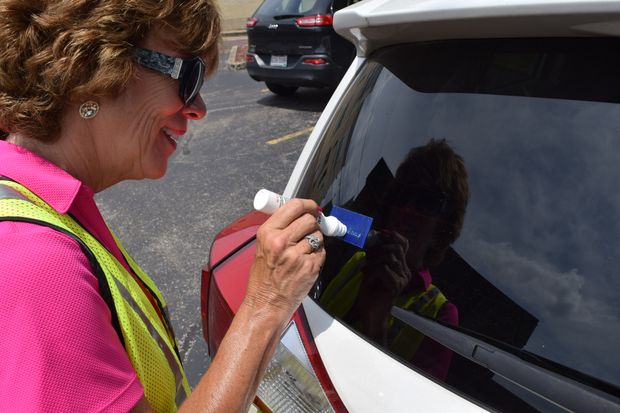
The Vehicle Identification Number, commonly known as the VIN, is a unique code assigned to every vehicle. Asking for this number before arranging a meeting is a simple step that can reveal valuable information.
The VIN allows buyers to compare the vehicle’s details with available history records and confirm that the information in the advertisement matches the actual car.
A seller who owns the vehicle and has nothing to hide usually understands this request and provides the number without hesitation. It is a standard part of responsible used car shopping and should never be viewed as an unreasonable demand.
Receiving the VIN before your visit also helps you prepare more effectively. You can confirm the vehicle’s model year, engine type, factory specifications, and other identifying information. If the seller accidentally listed incorrect details in the advertisement, you can clarify those differences before making the trip.
This simple step reduces confusion and helps ensure that the vehicle you expect to see is the same one being offered for sale. Accurate information creates trust and sets a positive tone for the rest of the buying process.
Some sellers refuse to provide the VIN until a buyer arrives in person. While there may occasionally be innocent reasons, this response should encourage additional caution.
A seller who avoids sharing basic identifying information may worry that a buyer will discover accident history, title issues, mileage inconsistencies, or other concerns before the meeting. Refusing to provide the VIN does not automatically mean the vehicle has serious problems, but it removes an important opportunity for verification and increases the buyer’s risk.
When requesting the VIN, remain polite and professional. Explain that you like to verify vehicle information before scheduling appointments because it saves time for everyone involved. Most genuine sellers appreciate dealing with organized buyers who know what they are looking for.
A calm request is far more effective than sounding suspicious or confrontational. The goal is simply to gather facts so both parties can move forward with confidence if everything checks out.
This question often creates a clear difference between transparent sellers and those who prefer buyers to rely only on the advertisement. Someone selling a legitimate vehicle generally has no issue sharing information that confirms ownership and supports the listing.
If the seller becomes defensive, repeatedly avoids the request, or makes excuses without providing a reasonable explanation, consider it an early warning sign. There are always other vehicles available, and taking time to verify basic details can prevent expensive mistakes later.
Question 2: “Is the Title Clean and in Your Name?”
The vehicle title is one of the most important documents involved in a used car purchase. It proves legal ownership and contains information that helps buyers confirm they are dealing with the rightful seller.
Before spending time arranging a meeting, ask if the title is clean and whether it is registered in the seller’s name. An honest seller will usually answer this question immediately because they understand that proper paperwork is essential for a smooth transaction. This single question can prevent legal complications and unnecessary frustration later.
A clean title generally means the vehicle has not been declared a total loss by an insurance company due to severe damage. It also indicates that ownership can usually be transferred without unusual restrictions.
If the seller mentions that the vehicle has a rebuilt, salvage, or branded title, ask for an explanation and decide whether you are comfortable investigating further. Some rebuilt vehicles have been repaired professionally, but buyers should understand exactly why the title changed before making any commitment.
The name on the title should also match the person selling the car. If the seller says they are selling it for a friend, a relative, or someone who is unavailable, proceed carefully.
This situation can sometimes involve unofficial car flipping, incomplete ownership transfers, or paperwork issues that complicate registration. While there are legitimate reasons for selling a family member’s vehicle, buyers should verify that all required documents are available before agreeing to meet.
Listen closely to the way the seller answers this question. A genuine owner usually responds with confidence and may even offer additional details about when they purchased the vehicle or how long they have owned it.
Someone who hesitates, changes the subject, or gives inconsistent explanations may be trying to avoid discussing ownership. Consistency throughout the conversation is often a positive sign that the information being shared is accurate.
Proper ownership documents are just as important as the condition of the vehicle itself. Even a well-maintained car can become a stressful purchase if the paperwork is incomplete or incorrect.
By asking about the title before scheduling a test drive, you reduce the chance of discovering legal problems after investing your time. Responsible sellers recognize the importance of this question and usually appreciate buyers who take the purchasing process seriously.
Question 3: “Why Are You Selling the Car?”
Every used car has a story, and asking why the owner is selling it often reveals valuable information that is not included in the online listing. Most legitimate sellers have a straightforward explanation.
They may be purchasing a newer vehicle, moving to a different city, reducing household expenses, or simply no longer needing a second car. These reasons are common and usually easy to explain. A confident and consistent answer often indicates that the seller is being open about the transaction.
The goal is not to judge the seller’s personal circumstances but to determine whether the explanation makes sense when compared with the vehicle’s condition and history. For example, if someone claims they recently invested heavily in repairs but now wants to sell the car immediately, it is reasonable to ask follow-up questions.
Understanding the timeline helps buyers decide whether the seller’s explanation is logical or whether additional investigation is necessary.
Pay attention to vague responses that avoid providing useful details. Statements such as “I just want it gone,” “I don’t really know,” or “I need to sell it quickly” may have perfectly innocent explanations, yet they can also indicate that the seller prefers not to discuss the vehicle’s background. If the seller becomes uncomfortable with a simple question about the reason for selling, that reaction may deserve as much attention as the answer itself.
Long-term ownership can also provide reassurance. Someone who has driven the same vehicle for several years is usually familiar with its maintenance history, driving habits, and previous repairs.
They can often describe both the strengths and the minor weaknesses of the vehicle from personal experience. Sellers who have owned the car only briefly may know very little about it, making it more difficult for buyers to evaluate its history with confidence.
This question encourages an open conversation rather than a simple yes or no response. Honest sellers generally appreciate the opportunity to explain why they are moving on from the vehicle. Their willingness to discuss ownership history, daily use, and future plans often creates trust before the meeting even takes place.
If the explanation remains consistent with the advertisement and the rest of the conversation, buyers can move forward with greater confidence when arranging a test drive.

Question 4: “Has the Car Ever Been in an Accident or Had Major Repairs?”
Accident history is a major factor that can influence a used car’s value, safety, and future reliability. Before arranging a test drive, asking about previous accidents gives the seller an opportunity to explain the vehicle’s past.
A trustworthy owner will usually provide details about any collision, repair work, or replaced parts. They may explain what happened, how serious the damage was, and where the repairs were completed. This information helps buyers understand the vehicle rather than simply judging it by appearance.
Some sellers describe repaired vehicles using phrases such as “no issues at all” while leaving out important details about previous damage. A car can look excellent after repairs, but hidden problems may remain if the work was not completed properly. Asking directly about accidents makes it harder for important information to be ignored.
Buyers should remember that the goal is not to reject every repaired vehicle but to understand what happened before making a financial decision.
Major repairs should also be discussed during the phone call. Engine replacements, transmission repairs, suspension work, electrical repairs, and structural fixes can affect a vehicle’s future ownership costs.
A seller who openly explains these repairs and provides supporting documents may actually demonstrate responsible ownership. Someone who avoids discussing repairs or claims they know nothing about the vehicle’s condition may create uncertainty.
The way a seller answers can provide useful clues. A detailed response that includes dates, repair shops, and explanations usually sounds more believable than a short answer designed to end the discussion quickly.
If the seller says the vehicle has never had any problems but the advertisement mentions replaced parts or previous damage, ask for clarification. Consistency between the listing, conversation, and documents is important.
Before meeting the seller, understanding accident history allows you to decide whether the vehicle deserves further attention. A professional inspection can reveal issues that are difficult to notice during a casual viewing.
Asking this question early helps prevent surprises and ensures that you spend your time looking at vehicles that match your expectations. A transparent seller will usually respect a buyer who wants complete information before moving forward.
Question 5: “Can I Take It to My Own Mechanic Before Buying?”
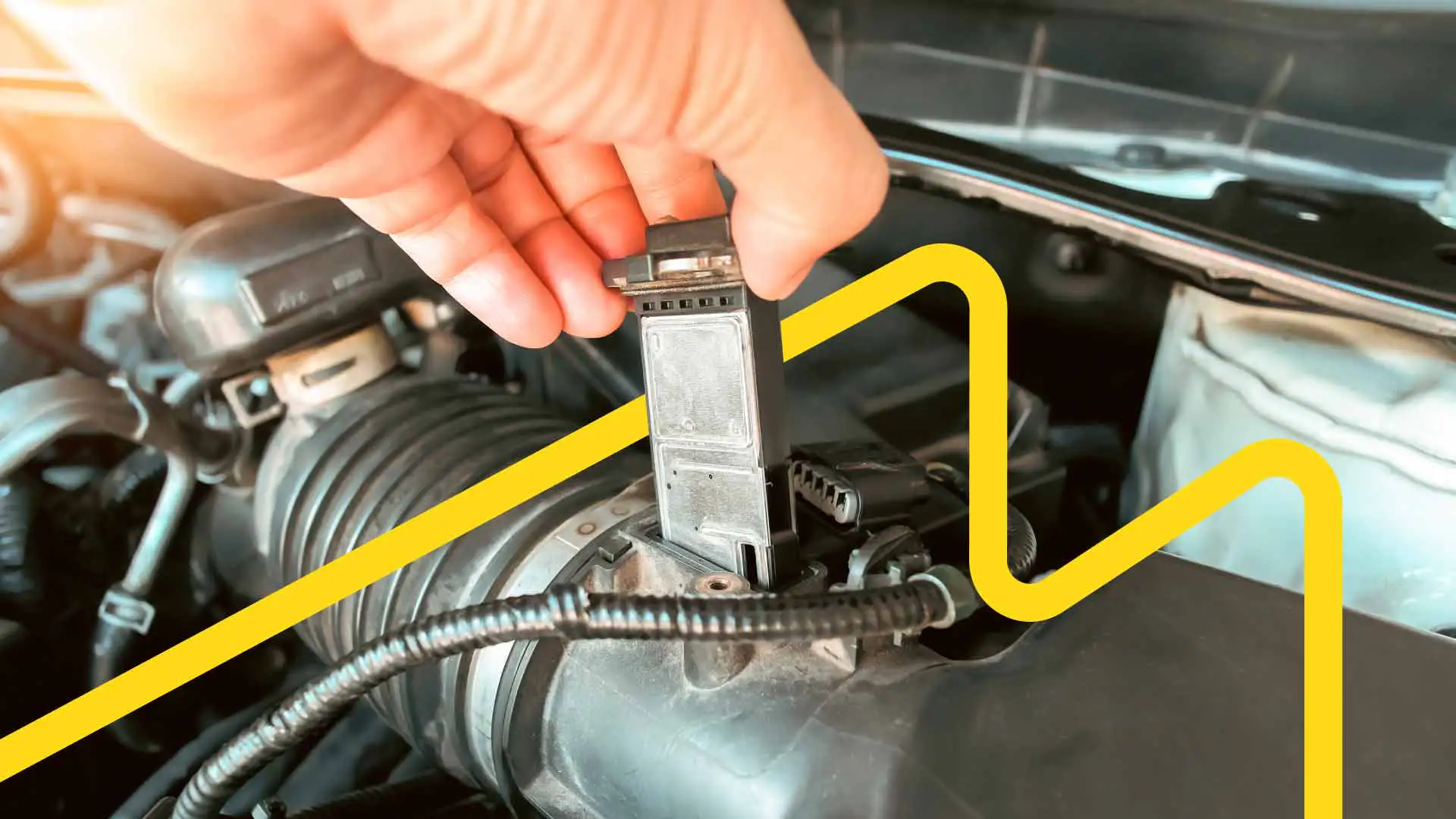
A pre-purchase inspection is one of the smartest steps a used car buyer can take. Asking whether you can have the vehicle checked by your own mechanic before buying helps determine how confident the seller is in the car’s condition.
A reliable seller usually understands that buyers want professional confirmation before spending a significant amount of money. Allowing an independent inspection shows that the seller has nothing to hide and is willing to support their claims with evidence.
A seller who refuses any inspection should be approached carefully. Some may say that there is no time, that other buyers are interested, or that the car is already perfect. These explanations are often used to discourage additional checks.
A mechanical inspection protects buyers from expensive surprises because trained professionals can identify problems that are not obvious during a short drive or visual inspection.
The choice of mechanic also matters. Buyers should ideally select a repair professional they trust rather than relying only on someone recommended by the seller.
An independent opinion provides a more accurate understanding of the vehicle’s condition. A cooperative seller will usually agree to reasonable inspection arrangements because they know that a fair evaluation benefits both sides.
A short test drive cannot reveal every possible issue. Problems with the engine, transmission, cooling system, suspension, brakes, electrical components, or previous repairs may require specialized equipment and professional knowledge.
A mechanic can identify warning signs that an average buyer may miss. This information gives buyers a stronger position when deciding whether to purchase the vehicle or negotiate based on necessary repairs.
The response to this question often reveals the seller’s attitude toward transparency. Someone confident in their vehicle will usually welcome the opportunity for verification. A seller who becomes defensive or creates repeated excuses may be attempting to avoid discovering problems.
Asking about a mechanic inspection before meeting ensures that both parties understand expectations and prevents disagreements later in the buying process.
Question 6: “Can You Send Recent Photos and a Cold Start Video?”
Requesting recent photos and a cold start video is a practical way to gather more information before visiting a seller. Online advertisements sometimes use older images that no longer represent the vehicle’s current condition.
Fresh photos allow buyers to confirm details such as exterior condition, interior wear, dashboard information, tires, and visible damage. A seller who provides updated pictures usually shows a willingness to communicate openly.
A cold start video can provide additional clues about how the vehicle behaves after sitting unused for several hours. Starting problems, unusual engine sounds, warning lights, or visible smoke may appear during this process.
While a video cannot replace a physical inspection, it can help identify obvious concerns before a buyer spends time traveling to see the car. This simple request can prevent unnecessary visits.
Some dishonest listings use attractive photos taken from another time or location. Asking the seller to send specific images, such as the current odometer reading or a picture of the vehicle from a particular angle, helps confirm that the advertisement is genuine. A real owner usually has no problem providing these details because they already have access to the vehicle.
A seller who refuses to provide updated information should be questioned carefully. There may be innocent explanations, such as being unavailable at the moment, but repeated excuses can become a warning sign.
Buyers should be cautious when someone wants a serious commitment while providing very little evidence about the vehicle’s current state.
This question also improves communication between buyers and sellers. It allows both sides to understand expectations before scheduling a meeting. A serious buyer gains more confidence, while an honest seller has an opportunity to demonstrate the vehicle’s condition.
Taking a few extra steps before the test drive can make the final inspection more productive and reduce the chances of disappointment.
Also Read: 10 SUVs That Changed the Automotive Industry Forever
