
Buying a car involves more than comparing sticker prices and negotiating the final amount with a dealership. Many buyers discover additional charges listed on the purchase agreement that can increase the total cost significantly. Some dealer fees are legitimate, while others are optional charges that customers may be able to remove or negotiate.
Understanding these fees helps shoppers make informed decisions, avoid unnecessary expenses, and approach negotiations with confidence. This guide explains eight common dealer fees you may be able to refuse, based on common dealership practices and fee breakdown concepts discussed by automotive experts.
Also Read: 10 Three-Pedal Cars That Keep Driving Fun Alive
Understanding Dealer Fees Before Signing a Car Purchase Agreement
When purchasing a vehicle, the final price often includes several charges beyond the advertised selling price. Dealerships may add documentation fees, preparation charges, protection packages, advertising fees, and other items that buyers do not expect. These costs can make a good deal appear less attractive once all numbers are added together.
Many customers focus only on negotiating the vehicle price and overlook the smaller charges appearing later in the paperwork. Dealers understand that buyers often pay close attention to the monthly payment instead of the complete purchase breakdown. A lower monthly payment can sometimes hide additional costs that increase the amount paid during the loan period.
Not every fee added by a dealership is automatically unfair. Some charges cover actual expenses connected with completing a transaction, such as government registration, title processing, and taxes. These costs are generally required and difficult to avoid. However, dealership-added fees that provide little direct value to the buyer may be negotiable.
Before signing any documents, buyers should request a complete breakdown of all charges included in the purchase agreement. A dealership should clearly explain what each fee covers and whether the charge is required. If a fee does not provide a meaningful service or benefit, customers can ask questions and negotiate changes.
Preparation is one of the most important parts of buying a vehicle. Understanding common dealer charges helps shoppers separate necessary expenses from optional additions. With better knowledge of the process, buyers can make decisions based on the true cost of ownership instead of focusing only on the advertised vehicle price.

1. Dealer Documentation Fee
A documentation fee, commonly called a doc fee, is a charge dealerships add for preparing and processing vehicle paperwork. This fee may cover administrative work such as creating sales contracts, organizing documents, submitting forms, and maintaining transaction records. The amount charged varies depending on the dealership and location.
Many buyers question documentation fees because paperwork is already a normal part of dealership operations. Sales teams and administrative employees handle these tasks as part of their regular responsibilities, which makes some customers feel that the cost should already be included in the vehicle price.
The rules surrounding documentation fees differ by state and region. Some areas regulate how much dealerships can charge, while others allow dealers more flexibility. Because of these differences, buyers should understand local regulations before deciding whether a fee can be removed or challenged.
A practical negotiation approach is to discuss the total vehicle price rather than focusing only on removing the documentation charge. If the dealership insists on keeping the fee, buyers can request a lower selling price to balance out the added expense. This method often keeps negotiations focused on the final amount.
Customers should also compare documentation fees between different dealerships. A dealer offering a lower vehicle price may not actually provide the best deal if it adds large administrative charges later. Looking at the complete purchase agreement gives buyers a clearer picture of the actual cost.
2. Dealer Preparation or Vehicle Preparation Fee
A vehicle preparation fee is sometimes added to cover tasks performed before a customer takes delivery of a car. Dealerships may explain that this charge includes cleaning, detailing, inspections, checking fluids, or preparing the vehicle for use. These services are intended to make the car ready for the new owner.
Many buyers question whether this fee should exist because preparing vehicles for sale is already a basic responsibility of a dealership.
A clean, inspected, and properly prepared vehicle helps the dealer complete sales and maintain customer satisfaction, making some shoppers believe the cost should be included in normal business expenses.
Before agreeing to pay this charge, customers should ask for a detailed explanation of what the preparation fee includes. A dealership should be able to provide specific information about the work performed.
If the charge only covers basic cleaning or routine tasks, buyers may have a reasonable opportunity to negotiate.
Negotiating this fee does not always mean demanding its complete removal. Some dealerships may be unwilling to delete specific charges from their paperwork system. In these situations, buyers can request a price reduction elsewhere in the deal to compensate for the added cost.
Inspecting the vehicle before finalizing the purchase is also important. Customers should confirm that the car matches the promised condition and that all features work properly. If a dealership charges a preparation fee but the vehicle does not appear ready for delivery, buyers can raise concerns before signing.

3. Advertising Fee
An advertising fee is a charge some dealerships add to recover marketing expenses. Dealers may describe this cost as covering promotional campaigns, online advertisements, local marketing efforts, and regional advertising programs used to attract potential customers.
Many buyers question advertising fees because marketing is typically considered a normal operating expense for businesses. Customers usually do not expect separate charges for a company’s advertising activities, which is why this fee often becomes a point of negotiation during vehicle purchases.
Advertising charges can create confusion because some marketing expenses may already be included in vehicle pricing structures. Buyers may not know whether they are paying for the same cost more than once. Reviewing the sales agreement carefully helps identify exactly where these charges appear.
When a dealership adds an advertising fee, customers can ask whether the charge is required and whether it can be removed. If the dealership refuses to eliminate it, buyers can negotiate a lower vehicle price to offset the additional amount.
Comparing offers from several dealerships is another useful strategy. A vehicle with a slightly higher advertised price may actually cost less after fees are included. The most important number is the final out-the-door price, which includes all charges, taxes, and required expenses.

4. Market Adjustment Fee or Market Adjustment Charge
A market adjustment fee is an additional amount a dealership adds above the manufacturer’s suggested retail price because of supply, demand, vehicle popularity, or market conditions.
This charge became more common during periods when certain vehicles were difficult to find, and buyers competed for limited inventory. Dealerships often use this fee to increase profit on models that are in high demand.
Unlike government taxes or registration expenses, a market adjustment charge is not required to complete a vehicle purchase. It is a dealer-created price increase that buyers can choose to accept or reject.
Customers should carefully review the window sticker and purchase agreement to identify whether this extra amount has been added.
Negotiating a market adjustment fee can be challenging because dealerships may have other customers interested in the same vehicle. However, buyers still have options. Researching similar vehicles at different dealerships can reveal whether the added charge is common or simply a dealership-specific pricing decision.
If a dealer refuses to remove the market adjustment amount, buyers may consider waiting, choosing a different trim level, or looking at similar models. Patience can create more negotiating power because dealerships compete for customers who are prepared to walk away from unfavorable deals.
A strong purchasing strategy involves focusing on the full out-the-door price rather than becoming attached to a specific vehicle. A car that appears affordable at first may become expensive after dealer-added charges. Reviewing every fee allows buyers to compare offers based on the actual amount they will pay.
5. Dealer Installed Accessories and Protection Packages
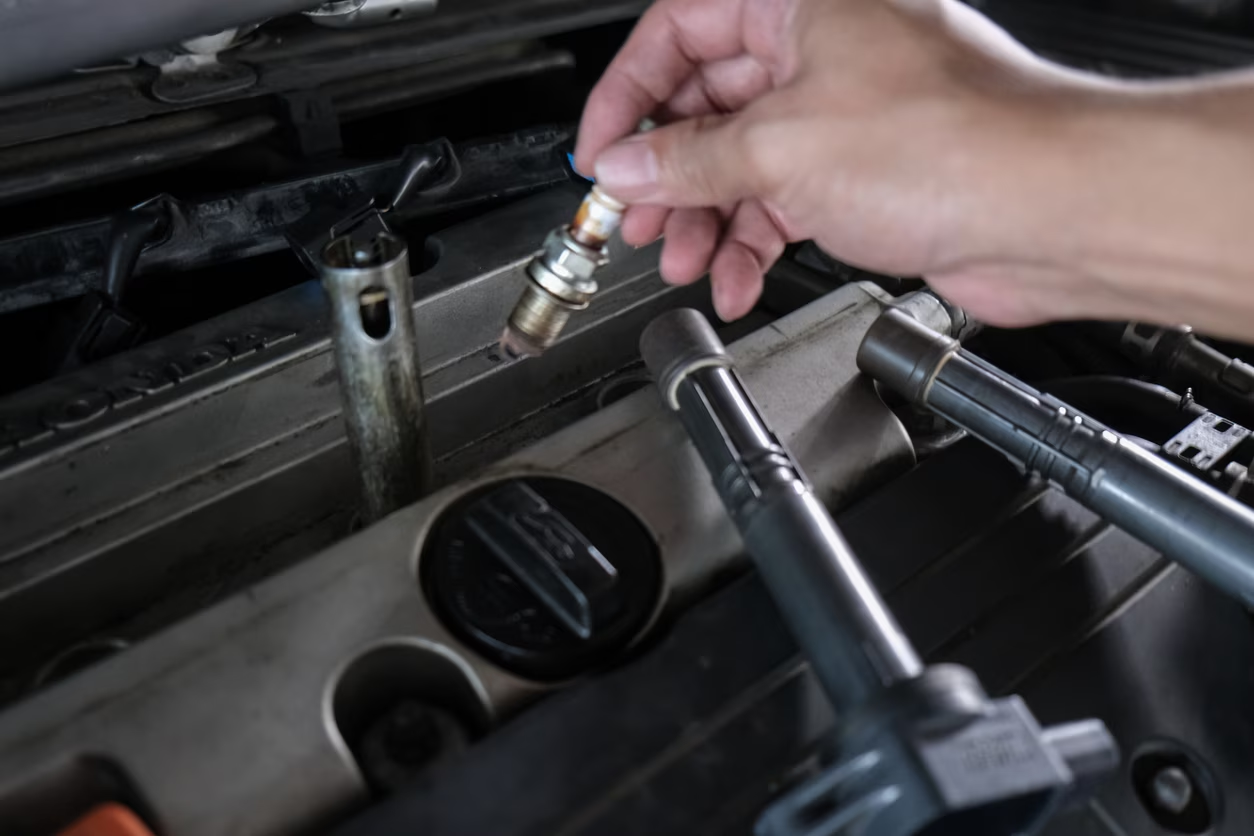
Many dealerships offer additional products and services added to vehicles before delivery. These may include paint protection, fabric treatments, window tinting, wheel protection, security systems, nitrogen-filled tires, or upgraded floor mats. Dealers often group these items into packages and add them to the final purchase price.
Some accessories may provide value for certain customers, but many are optional purchases rather than required expenses. Buyers should understand that a dealership cannot usually force customers to purchase unwanted products as a condition of buying a vehicle. These additions should be clearly explained before signing any agreement.
Protection packages are often presented as ways to preserve vehicle appearance or increase resale value. However, customers should compare the cost of these products with alternatives available from outside providers. Similar services may sometimes be available at lower prices from specialized companies.
A common mistake among buyers is accepting accessories because they are already installed on the vehicle. Customers may assume they must pay for anything added by the dealership. In many cases, buyers can request removal of the items, ask for a discount, or choose a different vehicle without those additions.
The best approach is to decide which features are actually useful before negotiating. A buyer who understands the difference between necessary equipment and optional upgrades can avoid paying for products that do not match their needs. Every extra charge should have a clear purpose and reasonable value.

6. VIN Etching Fee
VIN etching involves marking a vehicle identification number onto windows or other parts of a vehicle. Dealerships may promote this service as a theft prevention measure because law enforcement can use the identification information to help identify stolen vehicles.
While VIN etching may provide some benefits, many dealerships charge significantly more than the actual cost of performing the service. Some dealers add this fee automatically to purchase agreements, making buyers pay for a service they did not request.
Customers should ask whether VIN etching has already been completed and whether it is optional. If the buyer does not want the service, they can request its removal from the agreement. A dealership should not add optional products without clearly informing the customer.
Buyers should also consider whether the cost provides enough value compared with other security options. Modern vehicles already include several security features, including electronic systems designed to reduce theft risks. The usefulness of additional protection varies depending on the vehicle and location.
Negotiating VIN etching charges is usually straightforward because the service is not essential to completing the purchase. Customers who carefully review paperwork can identify these small fees before they become part of the final loan amount.
7. Nitrogen Tire Fee
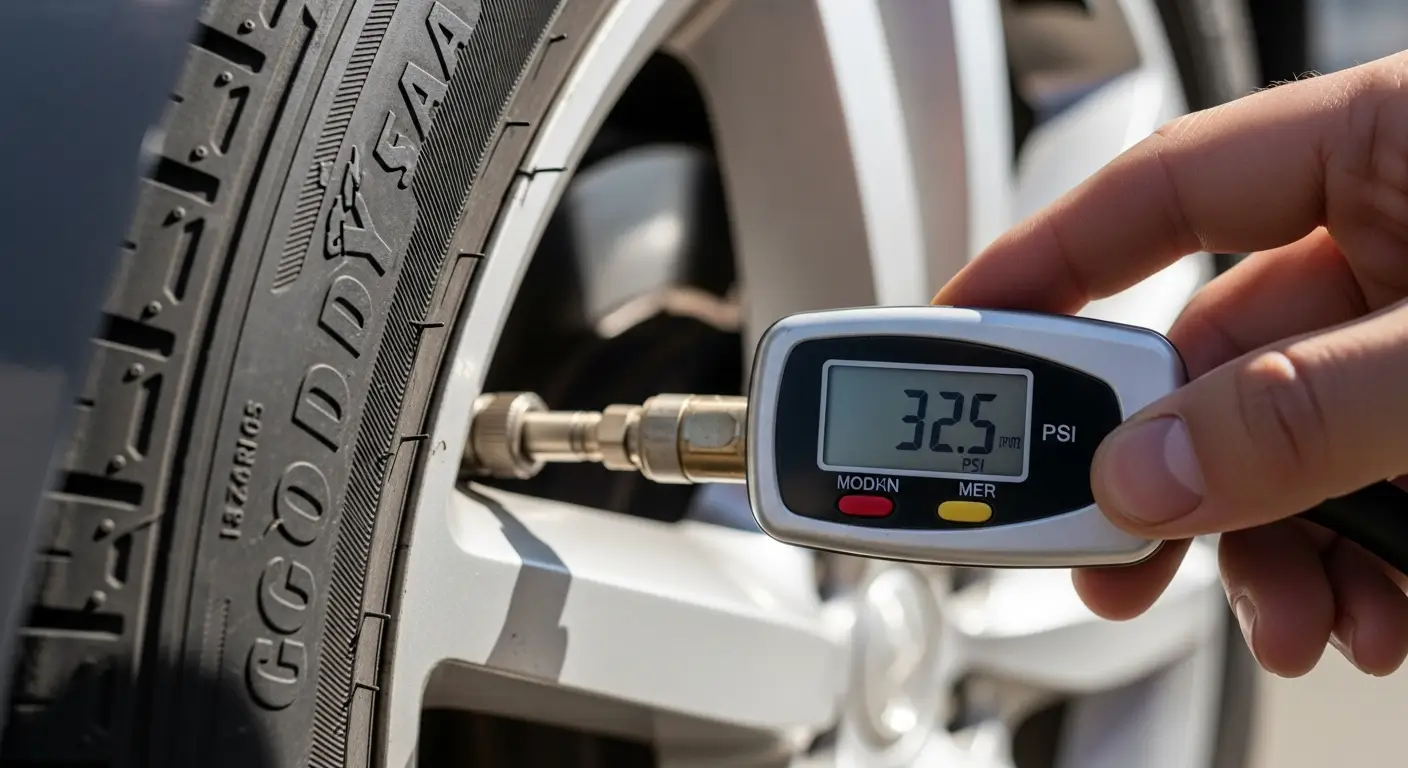
Some dealerships offer nitrogen-filled tires as an upgrade and charge an additional fee for the service. Nitrogen is sometimes marketed as providing benefits such as improved tire pressure stability and reduced pressure loss compared with regular air.
Although nitrogen can have certain advantages in specific situations, many everyday drivers may not notice a significant difference during normal use.
Standard compressed air already contains mostly nitrogen, and regular tire maintenance remains more important than the type of gas inside the tire.
Dealerships may present nitrogen as a premium feature included with new vehicles, but customers should understand that it is usually optional. Buyers can ask whether the tires contain nitrogen and whether they are being charged separately for the service.
If a buyer does not want nitrogen-filled tires, they can request removal of the charge or negotiate a lower price. Since maintaining correct tire pressure is the key factor affecting safety and efficiency, regular inspections and proper inflation are still necessary.
Before accepting any tire-related add-on, customers should consider the actual benefit compared with the cost. A small fee may seem harmless, but several unnecessary charges combined can increase the total purchase amount significantly.

8. Extended Warranty and Additional Finance Products
Extended warranties and finance department products are among the most commonly offered extras during vehicle purchases. These products may include vehicle service contracts, gap insurance, maintenance plans, and other protection options designed to reduce future financial risks.
Some of these products can be useful depending on the vehicle, ownership plans, and personal preferences. However, they are not automatically required when purchasing a car.
Buyers should take time to understand coverage details, exclusions, deductibles, and total costs before making a decision.
Finance managers often present these options after the vehicle price has already been negotiated. At this stage, customers may feel pressure to quickly approve additional products because they are focused on completing the purchase.
Taking time to review each offer can prevent unnecessary expenses.
Buyers should compare extended warranty pricing with independent providers and consider the reliability history of the vehicle. A product that sounds valuable may not provide enough benefit if coverage is limited or the cost is higher than expected repair expenses.
Customers have the right to decline optional finance products. A dealership cannot require unnecessary protection plans as a condition of purchasing a vehicle. Making decisions based on personal needs rather than sales pressure helps buyers maintain control of their budget.
Also Read: 10 SUVs That Changed the Automotive Industry Forever
