
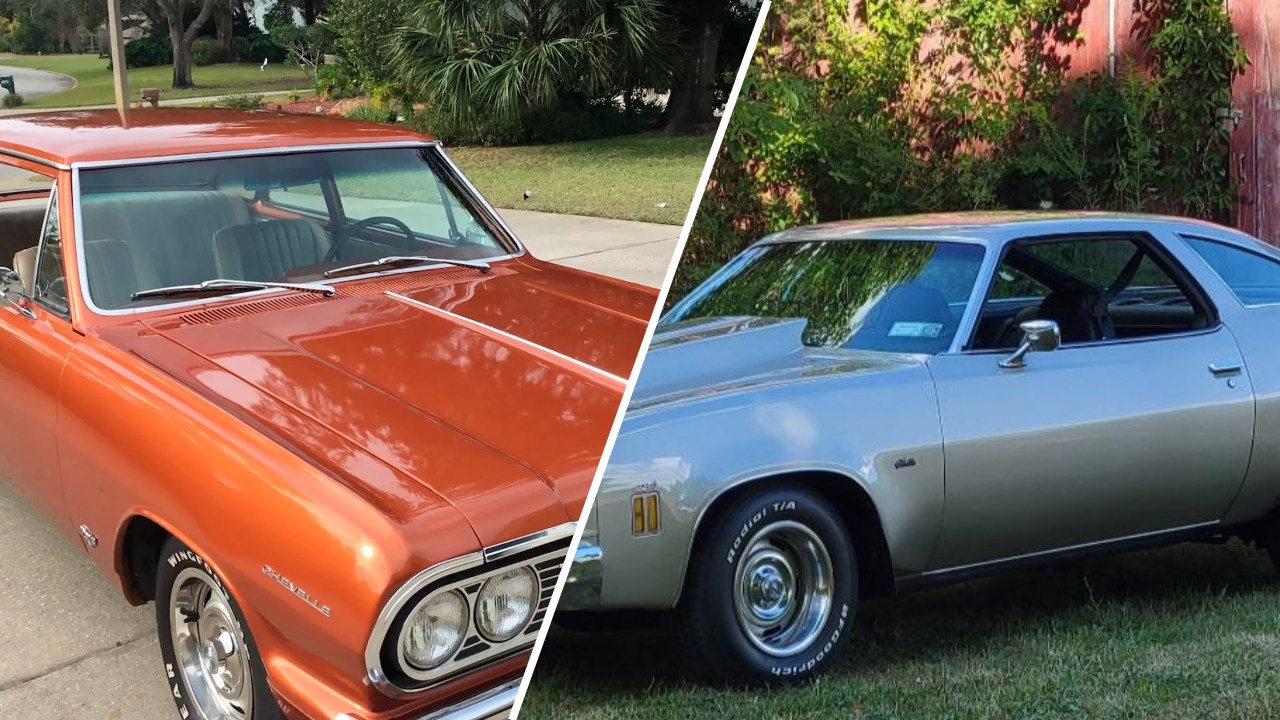
Collectors usually chase the highest trim level, assuming more horsepower, extra options, and limited-production packages automatically make a vehicle more desirable. However, automotive history has repeatedly shown that the opposite can happen.
In some cases, base models survive in much smaller numbers because they were used harder, modified, or simply discarded when newer vehicles arrived. Others became icons because of their simplicity, lighter weight, manual transmissions, or historical significance.
Today, these entry-level versions often attract stronger collector interest than the premium trims that once overshadowed them. Here are the first two base-model cars that have become surprisingly collectible in the United States.
Also Read: 10 Hybrids That Miss Their EPA Numbers by the Widest Margin
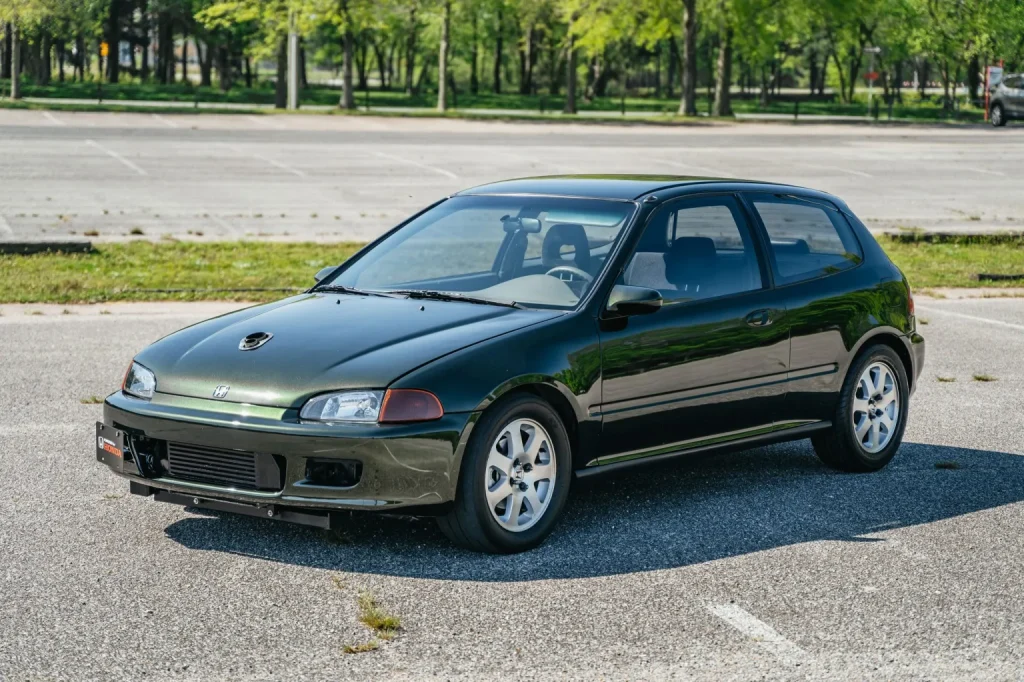
1. 1992 to 1995 Honda Civic CX Hatchback
When the fifth-generation Honda Civic was new, the CX hatchback sat at the bottom of the lineup. Buyers looking for more comfort usually upgraded to the DX, Si, or EX trims, leaving the CX as the budget-friendly commuter.
Decades later, the story has changed dramatically. Clean, unmodified CX hatchbacks have become some of the most desirable Civics in the collector market, often commanding prices that rival or exceed better-equipped trims.
The appeal comes from simplicity. The CX was the lightest version of the EG Civic sold in the United States, lacking many comfort features found in higher trims.
That lower curb weight made it attractive to enthusiasts interested in performance builds, autocross competition, and engine swaps. Unfortunately, that popularity also meant thousands of CX models were heavily modified, raced, or dismantled for parts.
As surviving numbers declined, original examples became increasingly difficult to find. Collectors now place a premium on factory paint, stock interiors, matching drivetrains, and documented ownership history. The car’s lightweight construction and Honda’s reputation for reliability have helped maintain strong demand.
While the Civic Si earned recognition as a collectible early on, the CX’s value grew largely because original examples became increasingly difficult to find. Years of enthusiast modifications left few untouched models, making well-preserved CXs highly desirable. As a result, clean, unmodified examples now command prices that would have seemed surprising when they were simply affordable daily drivers.
Its rise illustrates an important lesson in the collector market. Sometimes the least expensive version becomes the rarest because few people believed it was worth preserving when it was new.
Specifications
- Engine: 1.5-liter SOHC inline-four (D15B8)
- Torque: 98 lb-ft
- Horsepower: 70 hp
- Length/Width: 160.1 inches / 66.7 inches
2. 1968 Plymouth Road Runner Coupe
The Plymouth Road Runner entered the muscle car market with a unique philosophy. Instead of offering luxury equipment, upscale interiors, or expensive trim packages, Plymouth focused on delivering maximum performance for minimum cost.
The base Road Runner quickly became a legend because it provided V8 power at a price that younger buyers could actually afford. Many customers eventually upgraded to more powerful engines, premium options, or special editions like the GTX, but standard Road Runners were often driven hard.
These cars spent years at drag strips, local race tracks, and daily commutes before many disappeared through accidents, rust, or extensive modifications. As a result, factory-correct base models have become surprisingly scarce.
Collectors now appreciate the original concept behind the Road Runner. Its stripped-down approach represents the essence of the American muscle car era. Without unnecessary luxury equipment, the vehicle emphasized raw acceleration and mechanical simplicity.
Restored examples retaining factory drivetrains, steel wheels, original interiors, and matching VIN documentation generate significant interest at collector auctions.
The Road Runner also benefits from historical importance. It won Motor Trend’s Car of the Year award in 1969 while proving that affordable performance could compete directly with far more expensive muscle cars.
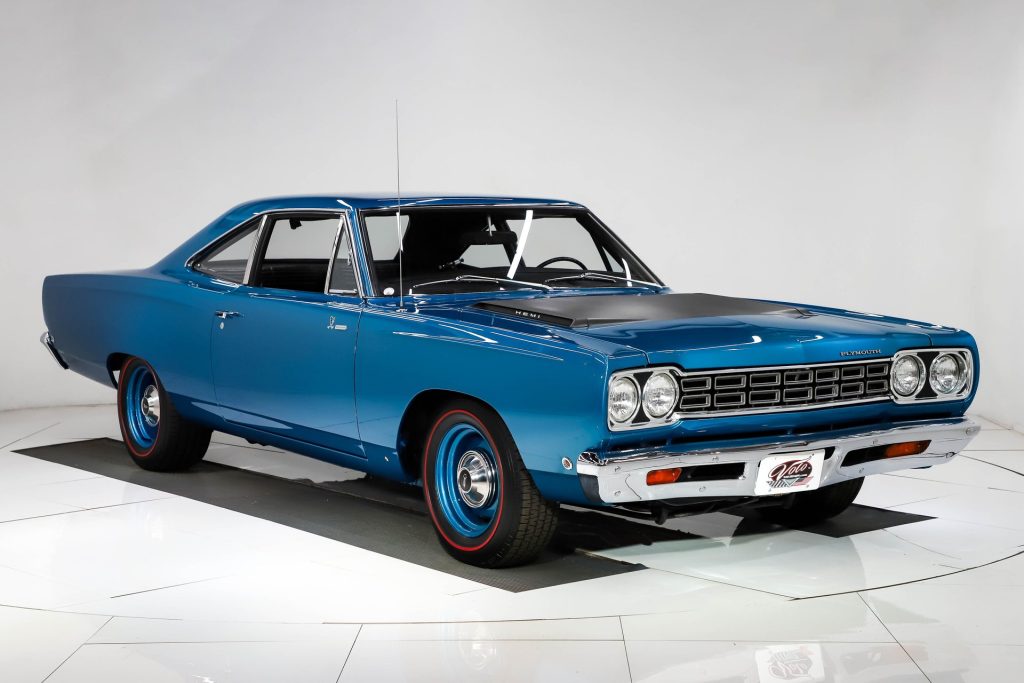
Today, authentic base Road Runners are often viewed as more historically significant than heavily optioned examples because they best represent the original philosophy that made the model famous. Their combination of rarity, authenticity, and cultural importance continues driving collector demand decades after production ended.
Specifications
- Engine: 383 cubic-inch Magnum V8
- Torque: 425 lb-ft
- Horsepower: 335 hp
- Length/Width: 202.7 inches / 76.4 inches
3. 1987 to 1993 Ford Mustang LX 5.0
During the Fox Body era, many buyers gravitated toward the better-equipped Mustang GT because of its aggressive body kit, fog lights, and sporty appearance. At the time, the Mustang LX 5.0 was viewed as the understated alternative.
Today, that perception has completely changed. Clean LX 5.0 models have become some of the most sought-after Fox Body Mustangs, with exceptional examples often commanding prices equal to or higher than comparable GTs.
The biggest reason is performance. Both the LX 5.0 and GT shared Ford’s legendary 5.0-liter High Output V8, producing identical power figures, but the LX weighed slightly less because it lacked some of the GT’s exterior equipment.
Drag racers quickly realized the lighter car offered an advantage, leading thousands of LX models to be modified extensively for street and strip competition.
That popularity dramatically reduced the number of original survivors. Many cars received engine upgrades, roll cages, aftermarket suspension components, or complete drivetrain swaps. Factory-original LX 5.0 coupes with matching drivetrains, stock interiors, and documented history are now remarkably difficult to locate.
Collectors also appreciate the car’s sleeper image. Without prominent ground effects or flashy graphics, the LX looked like an ordinary Mustang while delivering the same V8 performance as the GT. That understated personality has become a defining part of its appeal.
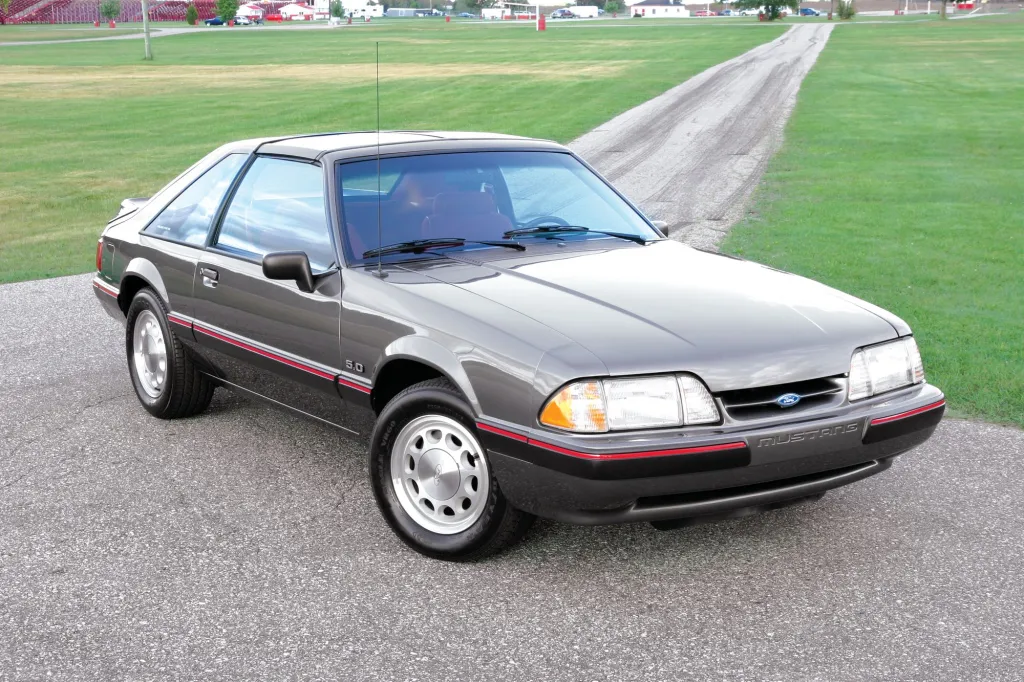
Auction prices have reflected this growing demand. Low-mileage, unmodified LX 5.0 coupes regularly attract serious collector interest because they represent a rapidly disappearing chapter of Ford performance history.
Their value comes not from luxury equipment or exclusivity at launch but from decades of heavy use that made surviving originals exceptionally rare.
Specifications
- Engine: 5.0-liter high-output V8
- Torque: 300 lb-ft
- Horsepower: 225 hp
- Length/Width: 179.0 inches / 68.3 inches
4. 1990 to 1993 Nissan 240SX XE
When Nissan introduced the S13-generation 240SX, the entry-level XE trim was intended to provide affordable rear-wheel-drive transportation. Buyers wanting additional comfort typically selected the SE, which added more equipment and convenience features.
Few expected the simpler XE to become one of the most collectible versions of the platform decades later.
The transformation occurred because of the drifting boom. The lightweight rear-wheel-drive chassis became a favorite among enthusiasts, and the vast majority of XE models were modified with aftermarket suspension, turbocharged engine swaps, body kits, and racing components.
Many were damaged during competitive drifting or dismantled for performance projects. As the supply of factory-original cars dwindled, collectors shifted their attention toward untouched examples.
A completely stock XE equipped with its original KA24E engine, factory steel wheels, and unmodified interior is now significantly rarer than many better-equipped trims. Authenticity has become more valuable than additional factory options.
The XE also captures the original character of the 240SX before years of customization changed the platform’s identity. Its simple mechanical layout, balanced chassis, and lightweight construction remain highly respected among enthusiasts who appreciate original Japanese sports cars.
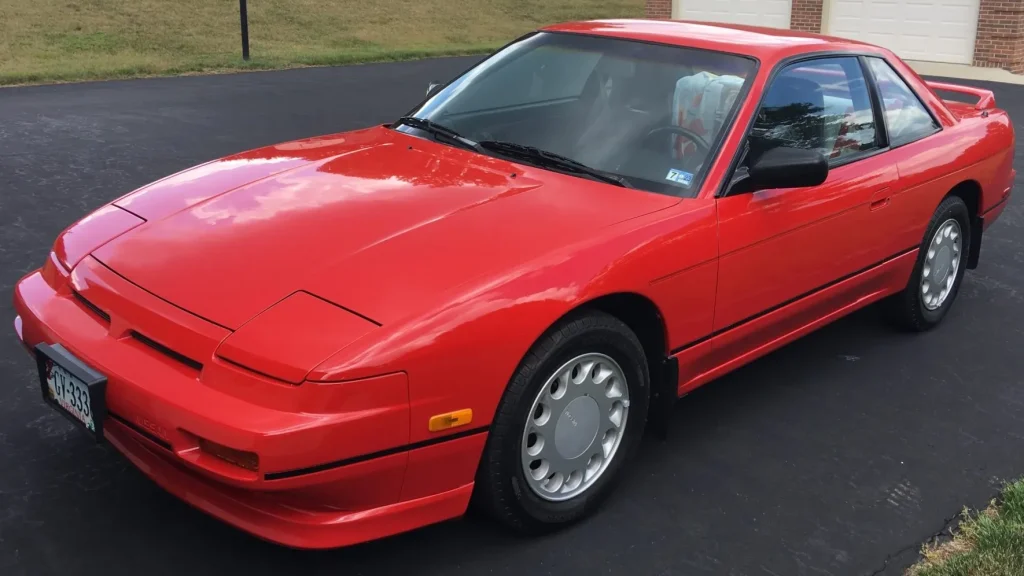
Growing international interest in Japanese domestic market vehicles has further strengthened collector demand across North America.
As prices continue climbing, the humble XE demonstrates how the least expensive version of a popular performance platform can ultimately become one of the hardest to find in factory condition.
Specifications
- Engine: 2.4-liter SOHC inline-four (KA24E)
- Torque: 152 lb-ft
- Horsepower: 140 hp
- Length/Width: 177.2 inches / 66.7 inches
5. 1973 Chevrolet Chevelle Deluxe
When enthusiasts discuss classic Chevelles, the conversation almost always turns to the Malibu SS, Laguna, or the high-performance SS 454. The entry-level Chevelle Deluxe rarely received the same attention when it was new. Yet decades later, original Deluxe models have become increasingly collectible because so few survived in factory condition.
The Deluxe was marketed as Chevrolet’s budget midsize car. Most buyers ordered practical six-cylinder engines or small-block V8s with minimal options, treating the vehicle as basic transportation rather than a future collectible.
As values of high-performance Chevelles increased during the 1980s and 1990s, many Deluxe cars were converted into SS replicas with upgraded engines, bucket seats, cowl-induction hoods, and performance trim. Others simply wore out after years of everyday use.
That widespread modification dramatically reduced the number of authentic Deluxe models. Collectors now appreciate these cars because they accurately represent what average Americans actually purchased during the muscle car era.
Original paint colors, bench seats, column shifters, steel wheels, and factory documentation have become valuable features rather than undesirable compromises.
The Deluxe also provides insight into Chevrolet’s manufacturing history by preserving the company’s most accessible midsize offering. While it lacks the raw power of an SS 454, its historical authenticity has become a significant part of its appeal.
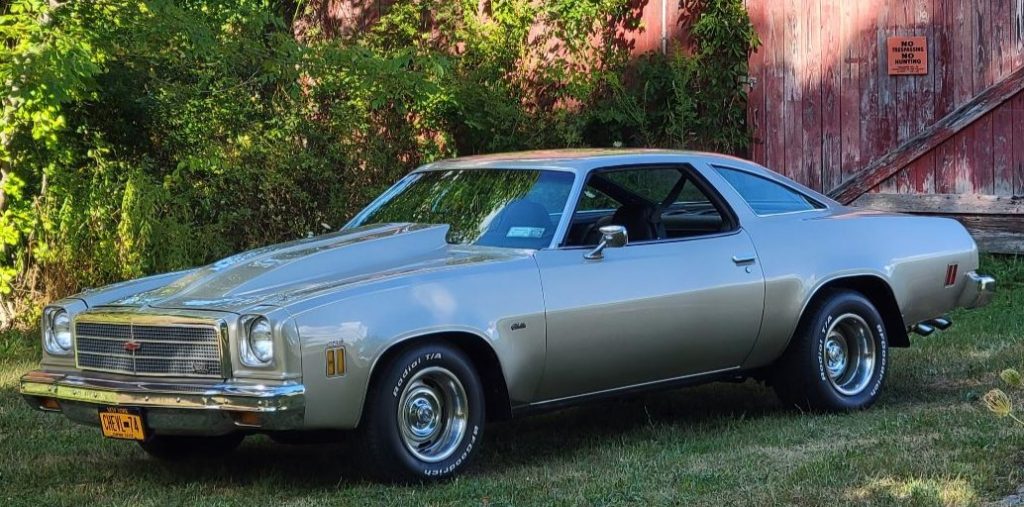
Today, well-preserved Chevelle Deluxe examples frequently attract collectors looking for originality instead of maximum horsepower. Their rarity comes not from limited production but from decades of being overlooked, modified, or scrapped while enthusiasts focused on higher-performance versions.
Specifications
- Engine: 250 cubic-inch inline-six
- Torque: 210 lb-ft
- Horsepower: 100 hp
- Length/Width: 203.2 inches / 76.0 inches
6. 1981 to 1987 Volkswagen Rabbit Pickup
The Volkswagen Rabbit Pickup, known internationally as the Caddy, entered the American market as an inexpensive compact work truck. It lacked the comfort and convenience features offered on better-equipped trims, making it a practical choice for contractors, delivery drivers, and small businesses.
Ironically, that hardworking reputation is precisely why original base models have become highly collectible today.
Rather than being tucked away in garages like many sports cars, Rabbit pickups were put to work every day. Owners relied on them to carry tools, building materials, landscaping gear, and other cargo. Years of hard labor, exposure to rust, and extensive mileage meant that many were worn out and scrapped before they were ever considered collectible classics.
The truck’s compact dimensions, front-wheel-drive layout, and exceptional fuel economy also made it popular for engine swaps and custom builds.
Many received diesel conversions, lowered suspensions, aftermarket wheels, or modern Volkswagen powertrains. Finding an untouched base-model truck with its original drivetrain and factory interior has become increasingly difficult.
Collectors value the Rabbit Pickup because it represents a unique period in Volkswagen’s American history when compact utility vehicles occupied a niche largely abandoned by domestic manufacturers.
Its straightforward engineering and distinctive styling continue attracting enthusiasts looking for something different from traditional classic trucks.
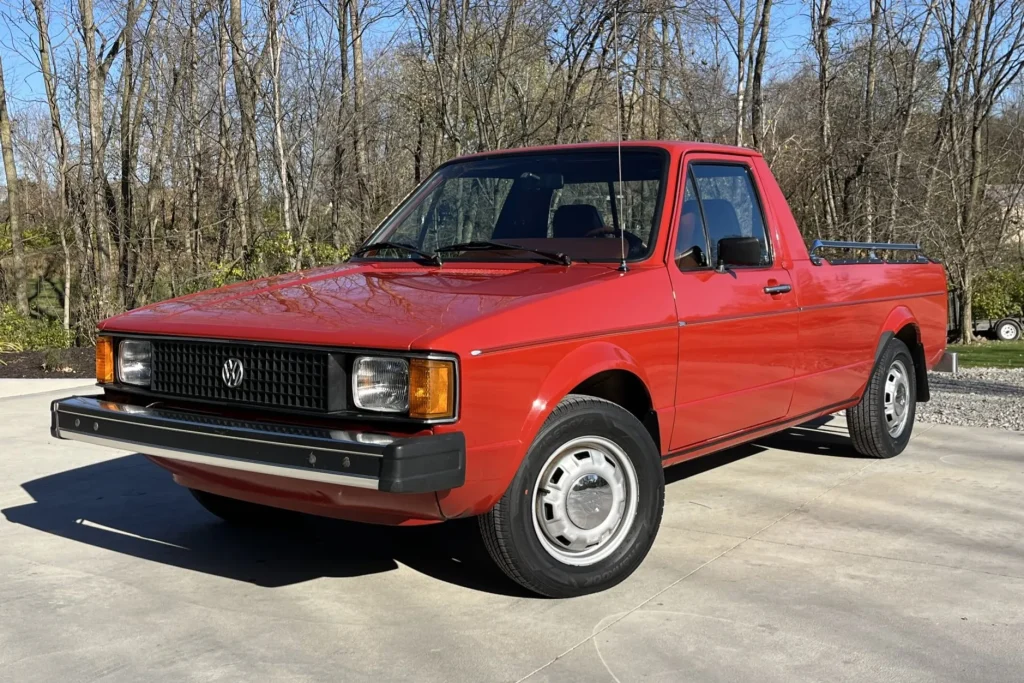
As interest in vintage compact pickups grows, original Rabbit pickups have experienced significant appreciation.
Their scarcity stems from decades of demanding work rather than limited production, proving once again that practical entry-level vehicles can eventually become prized collector pieces when few authentic survivors remain.
Specifications
- Engine: 1.6-liter naturally aspirated diesel inline-four
- Torque: 71 lb-ft
- Horsepower: 52 hp
- Length/Width: 172.4 inches / 64.6 inches
7. 1964 Chevrolet Chevelle 300
The Chevrolet Chevelle SS dominates most collector conversations, but the humble Chevelle 300 has quietly developed a following that few predicted decades ago. Introduced as the entry-level member of the first-generation Chevelle family, the 300 emphasized affordability rather than luxury.
Many buyers selected six-cylinder engines, vinyl interiors, and minimal options, using the car as dependable daily transportation. Because of that, very few were preserved.
The Chevelle 300’s growing collector status comes from authenticity and rarity rather than horsepower. During the muscle car boom, countless surviving base cars were converted into SS look-alikes.
Owners installed V8 engines, bucket seats, console shifters, SS badges, and upgraded suspension components in an effort to recreate higher-value models. As those conversions became common, factory-correct Chevelle 300s virtually disappeared.
Collectors today appreciate original examples because they represent Chevrolet’s true entry-level offering from the mid-1960s. Bench seats, painted steel wheels, simple dashboards, and modest trim pieces are now viewed as desirable historical features instead of cost-cutting measures.
Vehicles retaining matching VINs, original drivetrains, factory documentation, and unmodified interiors consistently generate strong interest at auctions.
The car also reflects an era when affordable American transportation formed the backbone of Chevrolet’s sales success. It tells a different story than the performance-oriented SS models, highlighting what most customers actually drove home from dealerships.
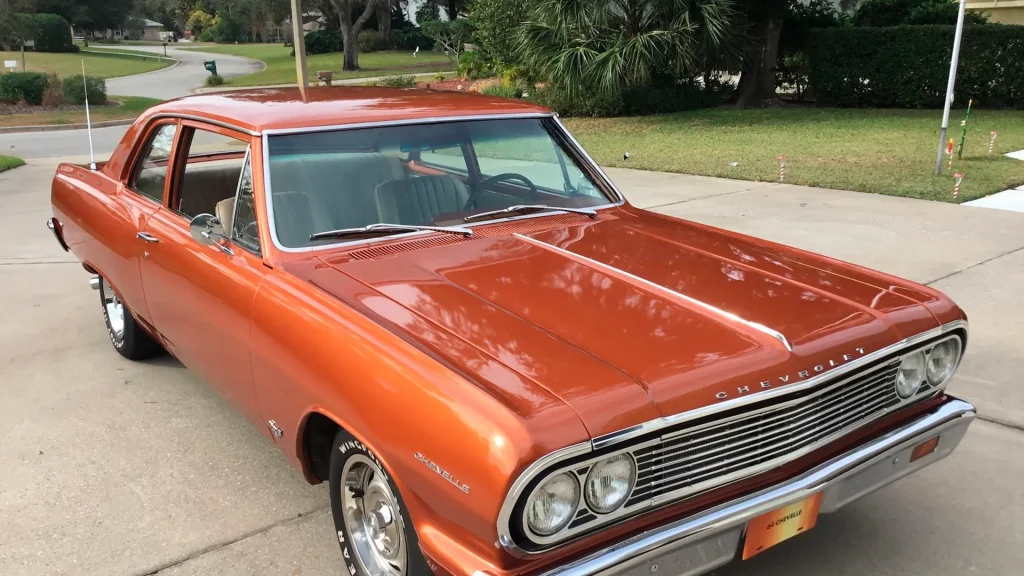
As originality continues becoming more valuable than extensive restoration or modification, the Chevelle 300 has earned recognition as one of the most collectible base-model American cars, often attracting enthusiasts seeking historical accuracy rather than maximum performance.
Specifications
- Engine: 194 cubic-inch inline-six
- Torque: 177 lb-ft
- Horsepower: 120 hp
- Length/Width: 197.0 inches / 72.8 inches
8. 1970 Dodge Dart Swinger Base
The Dodge Dart earned a reputation as one of Chrysler’s most dependable compact cars, and the base Dart Swinger represented practical transportation for thousands of American families.
Buyers looking for maximum performance typically ordered 340-powered models or moved up to larger Mopar muscle cars, leaving the standard Swinger to handle daily commuting duties. That ordinary role is exactly why genuine base models have become increasingly collectible.
Most base swingers were driven until they wore out. Their dependable mechanicals encouraged owners to keep them on the road for decades, but few considered them worthy of preservation.
Others became popular foundations for drag racing because the lightweight A-body platform accepted powerful V8 engine swaps with relative ease. As a result, original six-cylinder cars gradually disappeared through modification or neglect.
Collectors now recognize the significance of surviving factory-stock examples. Cars retaining their original Slant Six engine, bench seats, factory wheels, and production documentation provide an authentic snapshot of Chrysler’s high-volume compact lineup during the muscle car era.
Their scarcity has steadily increased interest among Mopar enthusiasts who value originality. The Dart’s straightforward engineering also contributes to its appeal.
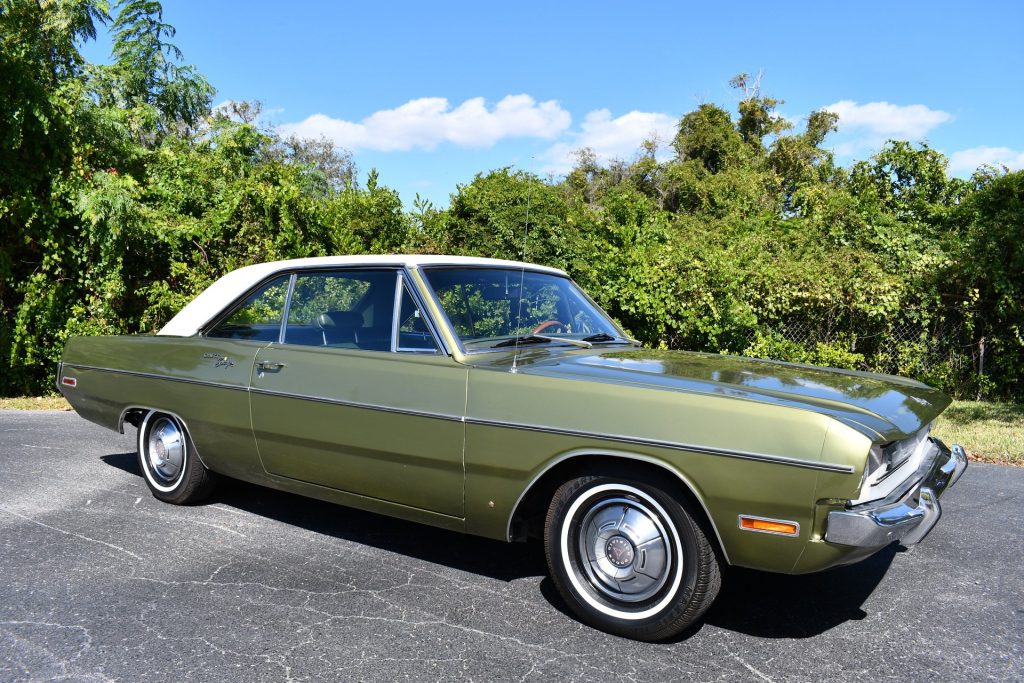
Mechanical simplicity makes restoration more practical than many contemporary vehicles, allowing collectors to preserve authentic examples without recreating expensive high-performance specifications.
The market has evolved to reward originality, and the once-overlooked base Swinger now enjoys growing appreciation among collectors seeking an honest representation of Chrysler’s everyday production rather than another restored performance clone.
Specifications
- Engine: 225 cubic-inch Slant Six
- Torque: 215 lb-ft
- Horsepower: 145 hp
- Length/Width: 188.4 inches / 71.5 inches
9. 1984 to 1988 Toyota Pickup Base 2WD
The fourth-generation Toyota Pickup built its reputation through durability rather than luxury. While buyers could choose better-equipped SR5 trims with upgraded interiors, chrome accents, and additional convenience features, the entry-level two-wheel-drive model quietly became the truck that defined Toyota’s reputation for reliability in the United States.
Today, original base models have become increasingly collectible, often drawing more attention than heavily optioned versions.
One reason is survival rate. Most base pickups were purchased by contractors, farmers, delivery companies, and small business owners. They accumulated high mileage, hauled heavy loads, and spent decades performing demanding jobs before finally being retired.
Few owners stored them as future collectibles, meaning factory-original examples have become remarkably scarce.
The truck’s legendary 22R four-cylinder engine further strengthens its appeal. Known for routinely surpassing 200,000 miles with proper maintenance, it became one of Toyota’s most respected powerplants.
Because these trucks earned such a dependable reputation, many received engine swaps, lifted suspensions, oversized tires, or off-road modifications. Finding an untouched example with its original drivetrain and body has become increasingly difficult.
Collectors now appreciate the truck’s simplicity. Manual windows, vinyl seating, steel wheels, and uncomplicated mechanical systems represent an era before pickups evolved into luxury vehicles. That straightforward design appeals to enthusiasts looking for authenticity rather than premium equipment.
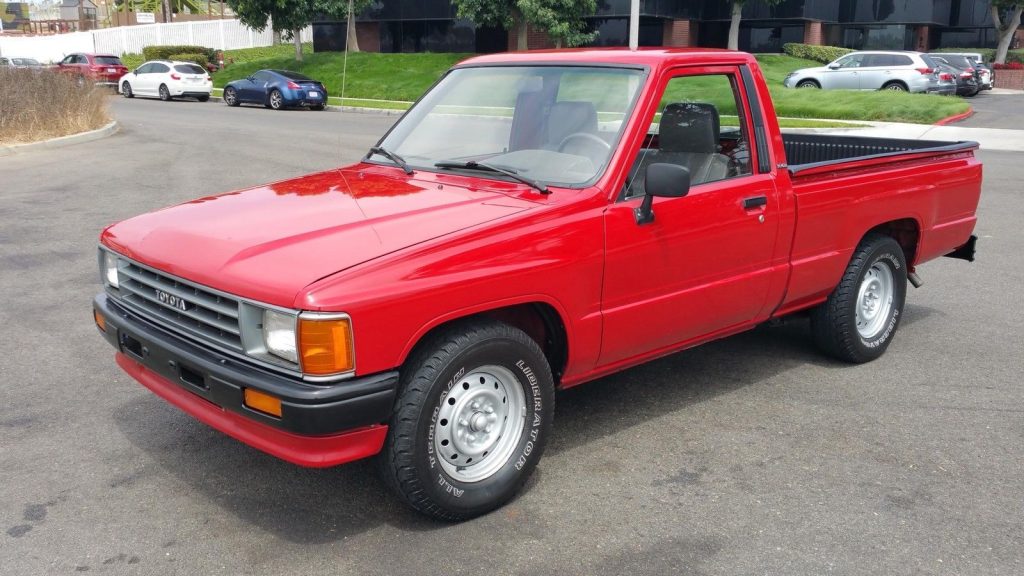
Values for clean, rust-free base models have risen steadily in recent years, particularly for low-mileage trucks retaining factory paint and documentation.
The once-humble work truck has become a symbol of Toyota’s engineering philosophy, proving that rarity created through decades of hard use can make an entry-level vehicle one of the most desirable versions in today’s collector market.
Specifications
- Engine: 2.4-liter SOHC inline-four (22R)
- Torque: 132 lb-ft
- Horsepower: 105 hp
- Length/Width: 174.6 inches / 66.5 inches
10. 1975 Ford F-100 Custom
The Ford F-100 Custom entered dealerships as the most affordable full-size pickup in the lineup. Buyers interested in chrome trim, upgraded upholstery, or additional convenience features usually selected Ranger or Ranger XLT models, leaving the Custom to serve as a dependable work truck.
Decades later, that humble beginning has made surviving examples surprisingly collectible. Most F-100 Customs spent their lives on farms, construction sites, or in commercial fleets. They hauled equipment, trailers, livestock, and building materials with little thought given to long-term preservation.
Exposure to harsh weather, heavy workloads, and rust claimed countless trucks before collector interest in classic pickups began accelerating during the 2000s.
Another factor influencing collectibility is originality. As restoration values increased, many owners transformed base trucks into Ranger-style replicas by adding chrome trim, upgraded interiors, and modern wheels.
Authentic custom models retaining painted grilles, bench seats, factory steel wheels, and original drivetrains have therefore become much harder to locate than many upscale trims.
Collectors increasingly value these trucks because they accurately represent the working-class pickups that built America’s infrastructure during the 1970s. Their simple appearance reflects practicality rather than luxury, giving them historical significance beyond horsepower or optional equipment.
The F-100 Custom also benefits from excellent parts availability and a loyal enthusiast community, making restoration practical without sacrificing originality. As demand for classic American pickups continues growing, clean, numbers-matching base models are attracting buyers who appreciate authenticity more than decorative trim.
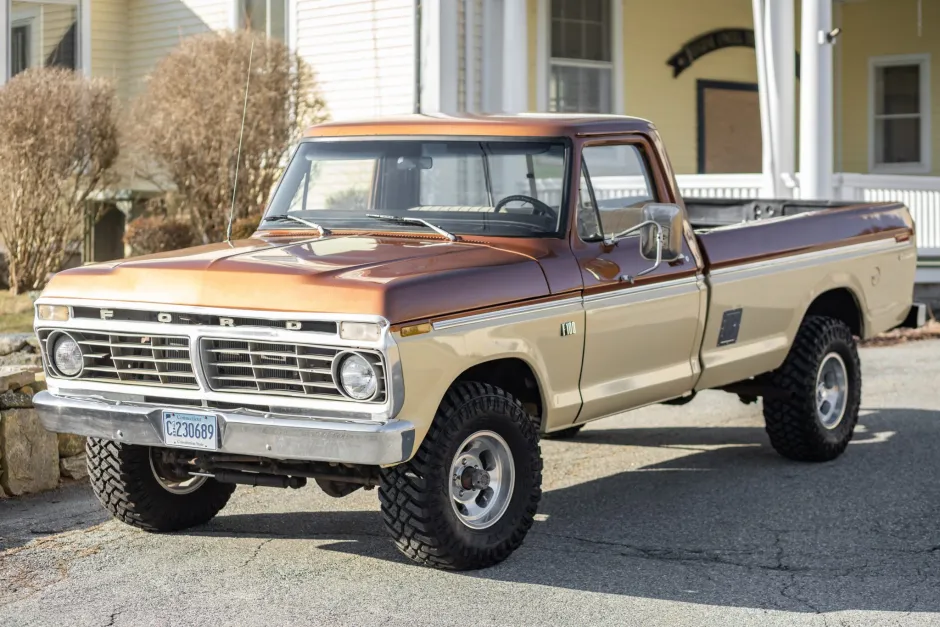
The story of the F-100 Custom reinforces a recurring lesson throughout the collector’s market. Vehicles that once represented the lowest-priced choice often become the hardest to find decades later, allowing their historical importance to outweigh the appeal of more expensive trims.
Specifications
- Engine: 300 cubic-inch inline-six
- Torque: 260 lb-ft
- Horsepower: 117 hp
- Length/Width: 211.8 inches / 79.0 inches
Also Read: 8 Cars With Turbo Failures Reported Before 100,000 Miles
