
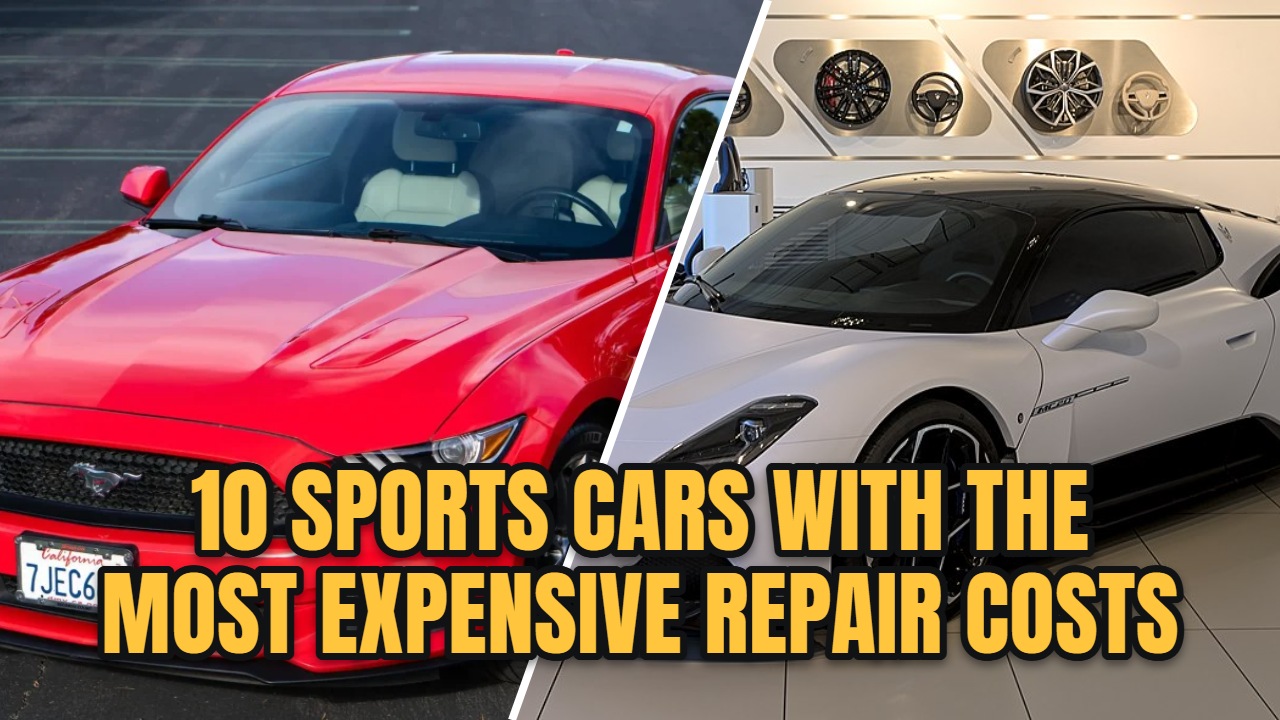
Buying a high-performance sports car involves far more than the purchase price. One of the biggest ownership expenses often appears after an accident, even when the collision seems relatively minor.
Modern sports cars are built using lightweight aluminum structures, carbon fiber body panels, active aerodynamics, sophisticated suspension systems, and advanced driver assistance sensors. While these technologies improve performance and safety, they also make collision repairs significantly more expensive than those of conventional passenger cars.
Insurance industry repair data in the United States consistently shows that premium sports cars generate some of the highest average collision claim costs.
Original equipment body panels, specialized paints, carbon ceramic braking components, adaptive suspension systems, and factory calibration procedures can quickly increase repair bills into five-figure territory.
Even replacing a bumper may require recalibrating cameras, radar sensors, and parking systems, adding labor hours beyond traditional bodywork.
This ranking focuses on sports cars sold in the United States that are widely recognized by insurers, certified collision repair centers, manufacturer repair procedures, and industry repair databases as some of the most expensive vehicles to repair after an accident.
The costs discussed include structural damage, replacement parts, paintwork, electronics, and labor rather than routine maintenance. Although insurance can offset much of the financial burden, repair invoices for these vehicles frequently remind owners that high-performance engineering often comes with equally high collision repair costs.
Also Read: 10 Slowest Sports Cars Ever Made
1. Ferrari SF90 Stradale
The Ferrari SF90 Stradale demonstrates how advanced engineering can dramatically increase collision repair costs. Built around an aluminum chassis with numerous carbon fiber exterior components, the plug-in hybrid supercar requires specialized repair procedures that only Ferrari-approved collision centers are authorized to perform.
Even moderate front-end impacts can involve replacing carbon fiber aerodynamic pieces, LED matrix lighting assemblies, hybrid cooling components, and radar sensors hidden behind body panels. Because many structural parts cannot simply be straightened after damage, replacement is often the only manufacturer-approved repair method.
Another major factor is labor. Ferrari technicians receive specialized factory training, and many repairs require proprietary diagnostic equipment to recalibrate electronic systems after replacement parts are installed.
The SF90’s hybrid drivetrain adds another level of complexity because high-voltage electrical components must be inspected and isolated before body repairs begin
. Certified repair facilities also follow strict aluminum repair procedures to prevent contamination with conventional steel tools, increasing labor time and equipment costs.
Replacement parts themselves contribute heavily to repair bills. Carbon fiber panels, forged wheels, active aerodynamic components, and adaptive suspension hardware cost substantially more than equivalent parts on mainstream performance cars.
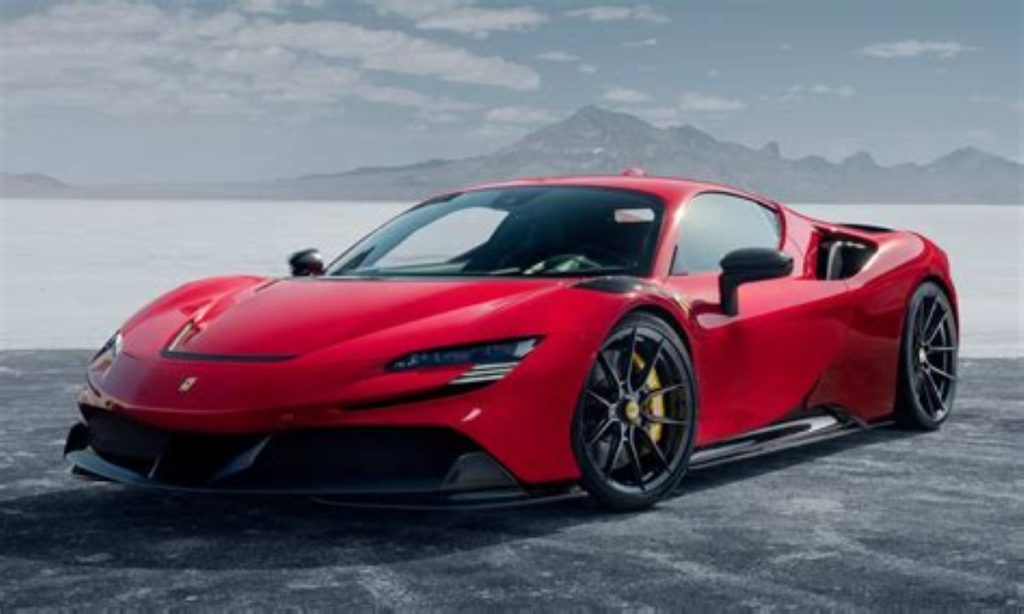
Insurance industry estimates and collision repair specialists routinely report five-figure repair invoices from relatively low-speed accidents, while major structural repairs can exceed six figures.
For owners, the SF90 delivers breathtaking performance, but it also represents one of the most expensive vehicles in America to repair following a collision. Its combination of exotic materials, advanced hybrid technology, and exclusive factory repair requirements places it near the top of any discussion involving post-accident repair costs.
Specifications
- Engine: 4.0-liter twin-turbocharged V8 with three electric motors
- Torque: 590 lb-ft (engine)
- Horsepower: 986 hp (combined)
- Length/Width: 185.4 inches / 77.6 inches
2. Lamborghini Revuelto
Replacing the Aventador was always going to be a difficult task, yet Lamborghini introduced the Revuelto with even more sophisticated engineering. The car uses a carbon fiber monofuselage chassis, aluminum subframes, advanced aerodynamics, and a plug-in hybrid powertrain producing nearly 1,000 horsepower.
While these technologies create extraordinary performance, they also make collision repairs among the most expensive in the automotive industry. Even seemingly minor accidents frequently require extensive inspections before technicians can determine whether the carbon fiber structure has sustained hidden damage.
Carbon fiber construction enhances the Lamborghini’s performance and reduces weight, but it also increases repair costs. Traditional repair methods that work for steel body panels are rarely suitable for carbon fiber, so damaged components are typically replaced in accordance with Lamborghini’s factory repair guidelines. Precision-engineered parts such as front splitters, side air channels, rear diffusers, and active aerodynamic elements are especially expensive, making even minor damage a costly repair.
Certified repair centers must also inspect the high-voltage hybrid system before body repairs begin, adding diagnostic time and specialized labor.
Paintwork presents another challenge. Lamborghini’s multi-layer finishes and exclusive color options require meticulous preparation and factory-approved refinishing techniques to match the original appearance.
Advanced driver assistance sensors, cameras, and electronic stability systems must then be recalibrated after repairs are completed. These additional procedures significantly increase labor hours compared with traditional sports cars.

Collision repair specialists frequently note that even moderate impacts can result in repair estimates well into five figures because of expensive replacement parts and specialized labor requirements. Major structural damage involving the carbon fiber passenger cell can raise costs dramatically.
Owners purchasing the Revuelto receive one of the world’s most advanced supercars, but they also assume some of the highest post-accident repair expenses found anywhere in the United States.
Specifications
- Engine: 6.5-liter naturally aspirated V12 with three electric motors
- Torque: 535 lb-ft
- Horsepower: 1,001 hp
- Length/Width: 194.8 inches / 80.2 inches
3. McLaren 750S
McLaren has built its reputation around lightweight engineering, and the 750S continues that philosophy with a carbon fiber Monocage II chassis, aluminum suspension components, and composite body panels. These materials provide exceptional performance and rigidity, but they also make collision repairs exceptionally expensive.
The McLaren 750S requires repairs to be carried out at factory-approved collision centers staffed by technicians trained to work with carbon fiber structures. Standard body shop equipment and repair methods are generally not suitable for the vehicle’s advanced construction, making collision repairs more specialized and often more expensive.
Even a moderate accident can require extensive inspections to verify that the carbon tub has not suffered microscopic damage that could compromise its structural integrity.
Body panels on the 750S are not inexpensive cosmetic pieces. The front bumper integrates aerodynamic channels, cooling ducts, parking sensors, cameras, and lighting systems that must all function perfectly after repairs.
Replacing a damaged front corner may involve recalibrating driver assistance systems, wheel alignment, suspension geometry checks, and software programming.
Insurance repair specialists frequently report that relatively minor front-end impacts generate repair estimates well into five figures because labor hours accumulate rapidly on exotic vehicles.
Paint work is another contributor to the final invoice. McLaren’s premium finishes require specialized refinishing procedures to match adjacent panels, while replacement carbon fiber components often need factory-approved coatings before installation.
If suspension components are damaged, forged aluminum control arms and adaptive dampers further increase parts costs.
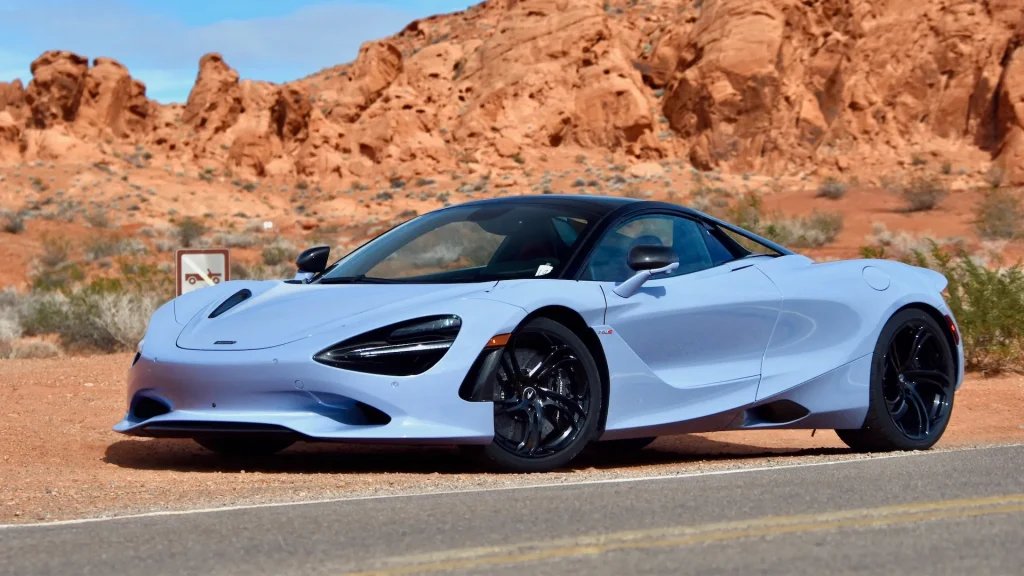
Owners benefit from extraordinary driving dynamics and world-class performance, but they also inherit one of the most expensive repair profiles in the supercar segment.
Insurance industry data consistently places McLaren models among the highest collision claim costs because of expensive replacement parts, specialized repair procedures, and the limited number of certified repair facilities capable of restoring the vehicle to factory specifications after an accident.
Specifications
- Engine: 4.0-liter twin-turbocharged V8
- Torque: 590 lb-ft
- Horsepower: 740 hp
- Length/Width: 179.9 inches / 75.0 inches
4. Porsche 911 GT3 RS
Although the Porsche 911 GT3 RS is designed to excel on the race track, its advanced engineering also makes it one of the most expensive sports cars to repair after a collision.
The vehicle combines aluminum construction with lightweight composite materials, magnesium wheels on optional packages, carbon fiber aerodynamic elements, and active aerodynamic systems that require precise alignment.
Damage to the front splitter, rear wing assembly, or suspension frequently involves replacing complete assemblies rather than repairing individual components, substantially increasing repair costs.
Porsche also requires strict repair procedures for structural aluminum sections. Certified collision centers use dedicated aluminum repair areas and specialized equipment to prevent contamination from conventional steel tools.
Even after physical repairs are completed, technicians must recalibrate cameras, radar sensors, steering systems, and electronic stability controls before returning the vehicle to the owner. These calibration procedures add significant labor hours that are not typically required on ordinary passenger vehicles.
Another factor is the availability and price of genuine Porsche GT3 RS components. Carbon fiber hood panels, lightweight doors, ceramic brake components, forged suspension parts, and adaptive dampers are considerably more expensive than equivalent pieces fitted to standard 911 models.
Insurance companies frequently classify the GT3 RS among the costliest Porsche models to repair because replacement parts alone can account for a substantial portion of the total estimate.
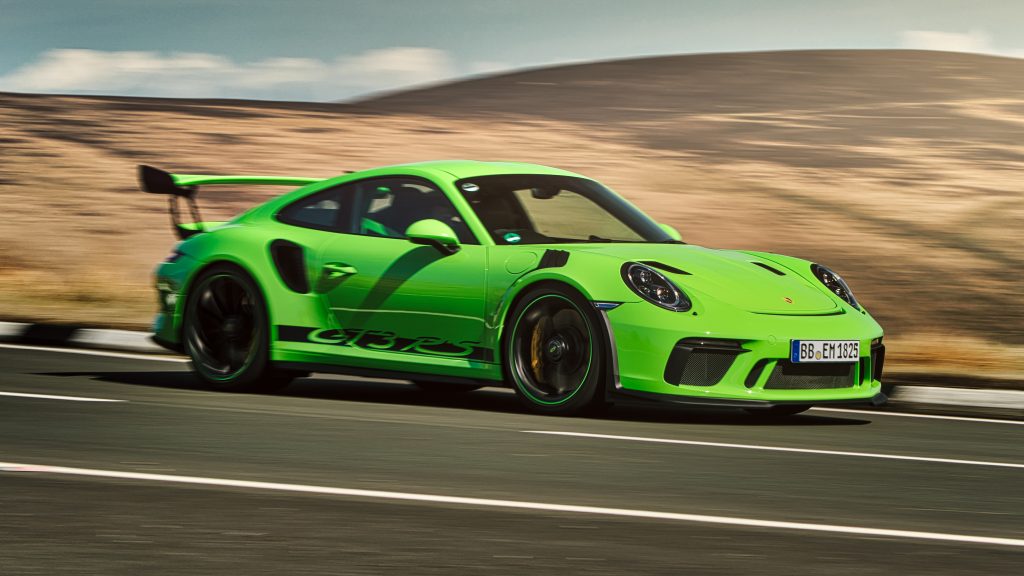
Despite these ownership costs, the GT3 RS remains one of the world’s most celebrated driver’s cars. Buyers receive extraordinary precision and track capability, but they should also recognize that repairing accident damage requires specialized expertise, factory-approved components, and repair procedures that can quickly produce repair invoices reaching tens of thousands of dollars.
Specifications
- Engine: 4.0-liter naturally aspirated flat-six
- Torque: 343 lb-ft
- Horsepower: 518 hp
- Length/Width: 179.0 inches / 74.9 inches
5. Aston Martin Vantage
The Aston Martin Vantage combines handcrafted luxury with serious sports car performance, but that exclusivity comes at a price when collision repairs become necessary.
The car’s bonded aluminum architecture is designed for strength and reduced weight, yet repairing it requires specialized equipment and technicians trained specifically in Aston Martin’s structural repair procedures.
Vehicles built with aluminum-intensive structures require specialized repair techniques that differ from those used on conventional steel unibody designs. When structural aluminum components are damaged, standard body shop repair methods are often insufficient. To maintain the vehicle’s crash protection and structural integrity, factory repair procedures frequently call for replacing affected sections instead of repairing them.
Exterior repairs can become particularly expensive because the Vantage uses lightweight aluminum body panels alongside complex LED lighting units, active aerodynamic elements, and sophisticated electronic systems.
Even a relatively minor front-end accident may involve replacing the hood, bumper assembly, parking sensors, adaptive cruise radar, cameras, and cooling ducts. Each component must then be recalibrated using factory diagnostic equipment before the vehicle is considered roadworthy.
Parts availability also contributes to higher repair costs. Aston Martin produces vehicles in much lower volumes than mainstream manufacturers, meaning replacement components are considerably more expensive and often require longer delivery times.
Specialized paint finishes further increase costs because matching premium metallic or exclusive factory colors demands additional labor and precise refinishing techniques.
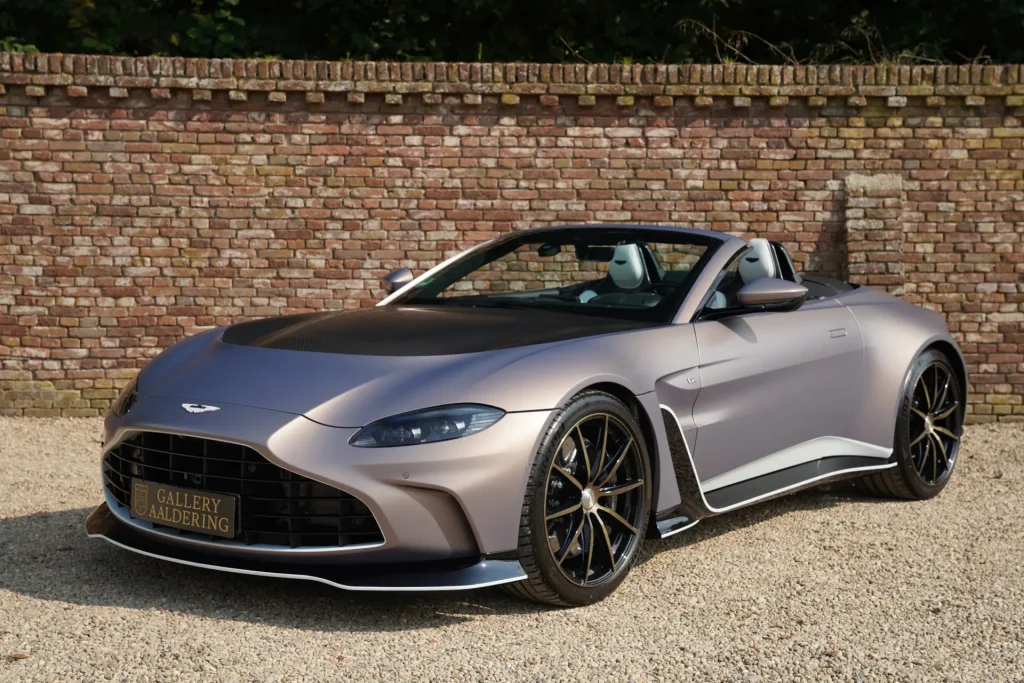
Insurance industry repair data consistently places Aston Martin among the most expensive brands to repair after collisions. Certified repair facilities frequently report five-figure repair estimates following moderate impacts, while accidents involving structural aluminum damage can exceed that by a substantial margin.
For enthusiasts, the Vantage delivers unmistakable style and engaging performance, but owners should be prepared for repair expenses that reflect its hand-built construction and limited-production status.
Specifications
- Engine: 4.0-liter twin-turbocharged V8
- Torque: 590 lb-ft
- Horsepower: 656 hp
- Length/Width: 176.1 inches / 76.1 inches
6. Chevrolet Corvette Z06 (C8)
At first glance, the Chevrolet Corvette Z06 appears less expensive to repair than European exotics because its purchase price is considerably lower. However, collision repair specialists have found that the mid-engine Z06 can generate surprisingly high repair bills.
Its aluminum chassis, carbon fiber aerodynamic options, advanced suspension, and extensive use of lightweight composite panels require repair techniques that differ significantly from those of previous front-engine Corvettes.
Even moderate impacts often involve removing large sections of the vehicle to inspect hidden structural damage around the mid-mounted powertrain.
One reason repair invoices climb quickly is the complexity of the body structure. A damaged rear quarter can require extensive disassembly to access structural components surrounding the engine compartment.
If equipped with the carbon fiber aero package or carbon fiber wheels, replacement costs increase dramatically because these components are among the most expensive offered on any American sports car.
The front fascia also integrates cameras, parking sensors, cooling ducts, and aerodynamic features that require recalibration after installation.
Labor represents another major expense. Chevrolet requires certified repair procedures for aluminum structural components, while advanced driver assistance systems must be programmed and tested after repairs are complete. Genuine OEM parts are also recommended to maintain crashworthiness and aerodynamic performance.
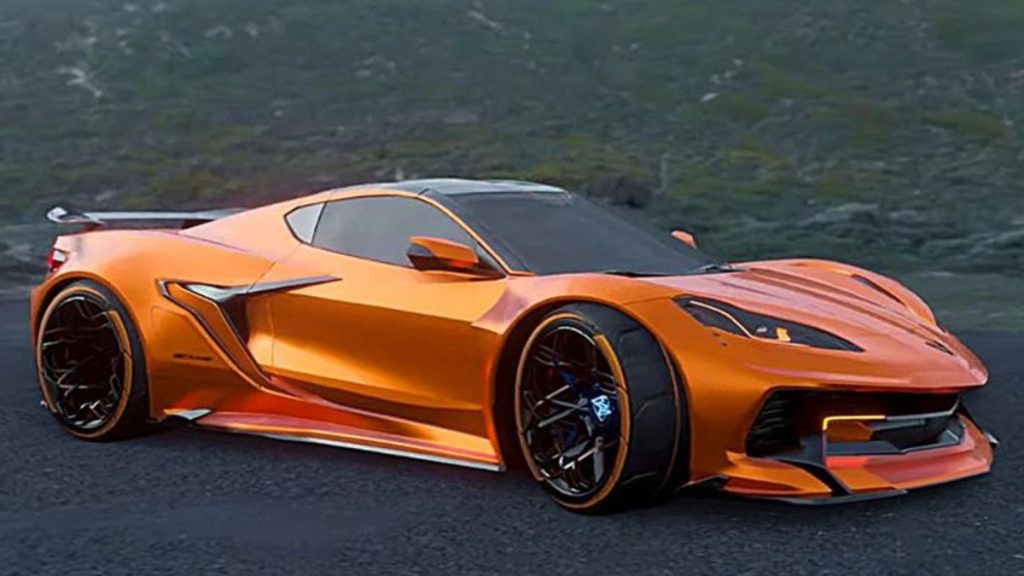
Insurance repair databases indicate that serious Z06 collision claims frequently cost substantially more than repairs for previous Corvette generations because of the vehicle’s sophisticated engineering.
Owners receive world-class performance capable of competing with exotic European sports cars, but they should also recognize that repair costs now reflect that upgraded level of technology and construction.
Specifications
- Engine: 5.5-liter naturally aspirated DOHC V8
- Torque: 460 lb-ft
- Horsepower: 670 hp
- Length/Width: 184.6 inches / 79.7 inches
7. Mercedes-AMG GT 63 Coupe
The Mercedes-AMG GT 63 Coupe combines supercar performance with grand touring comfort, but its sophisticated construction also places it among the most expensive sports cars to repair after an accident.
The vehicle uses a lightweight aluminum spaceframe, magnesium components, high-strength steel reinforcements, and advanced composite materials to reduce weight while maintaining exceptional rigidity.
Although these materials contribute to outstanding driving dynamics, they also require manufacturer-approved repair methods that many conventional body shops cannot perform. Mercedes-Benz requires certified collision centers to follow detailed structural repair procedures to preserve crash performance.
A seemingly straightforward front-end collision can quickly become a costly repair because the AMG GT integrates numerous electronic systems behind its bumper. Radar modules, surround-view cameras, adaptive cruise sensors, parking assist equipment, and active grille shutters often require replacement or recalibration after impact.
Even if these components survive the collision, Mercedes-Benz mandates electronic verification and calibration before the vehicle returns to service. Labor charges rise accordingly because these procedures demand factory diagnostic equipment and technicians trained specifically on AMG models.
Replacement parts also contribute significantly to repair invoices. Aluminum body panels, LED digital light assemblies, forged wheels, carbon fiber trim packages, and optional carbon ceramic brake components carry premium prices.
Paint repairs can be equally expensive because factory finishes require precise color matching and multiple-stage refinishing procedures to achieve original quality.
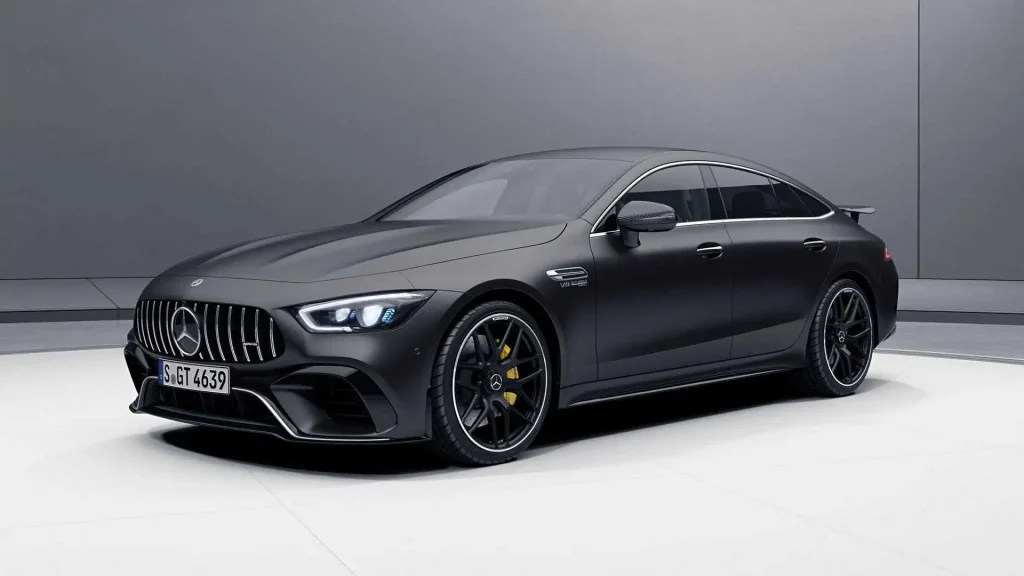
Insurance industry collision data consistently ranks AMG performance models among the most expensive Mercedes-Benz vehicles to repair. Certified repair facilities frequently report estimates exceeding five figures following moderate accidents, while structural damage can increase costs substantially.
Buyers receive remarkable performance and luxury, but accident repairs reflect the complexity of one of Germany’s most advanced high-performance coupes.
Specifications
- Engine: 4.0-liter twin-turbocharged V8
- Torque: 590 lb-ft
- Horsepower: 577 hp
- Length/Width: 199.2 inches / 76.3 inches
8. Audi R8 V10 Performance
Although Audi ended R8 production, the V10 Performance remains one of the most technically advanced sports cars sold in the United States. Sharing engineering principles with Lamborghini, the R8 features an aluminum and carbon fiber spaceframe, magnetic ride suspension, advanced all-wheel drive, and naturally aspirated V10 power.
These characteristics make the car exceptionally rewarding to drive while simultaneously increasing collision repair costs well beyond those of conventional luxury vehicles.
Repairing structural damage requires specialized equipment because Audi’s Space Frame architecture combines aluminum castings, extrusions, and composite reinforcement sections. Factory repair procedures often specify replacing damaged structural members rather than attempting conventional repairs.
Even minor body damage can involve removing extensive exterior panels to inspect hidden structural components beneath the aluminum skin.
The R8’s lighting and electronic systems also contribute to repair expenses. Matrix LED headlights, laser lighting on certain models, radar sensors, cameras, parking systems, and sophisticated engine management components frequently require recalibration following collision repairs.
Replacement parts are expensive because of the vehicle’s limited production numbers and specialized engineering. Carbon fiber trim packages, forged wheels, ceramic brakes, and active suspension components further increase repair estimates when damaged.
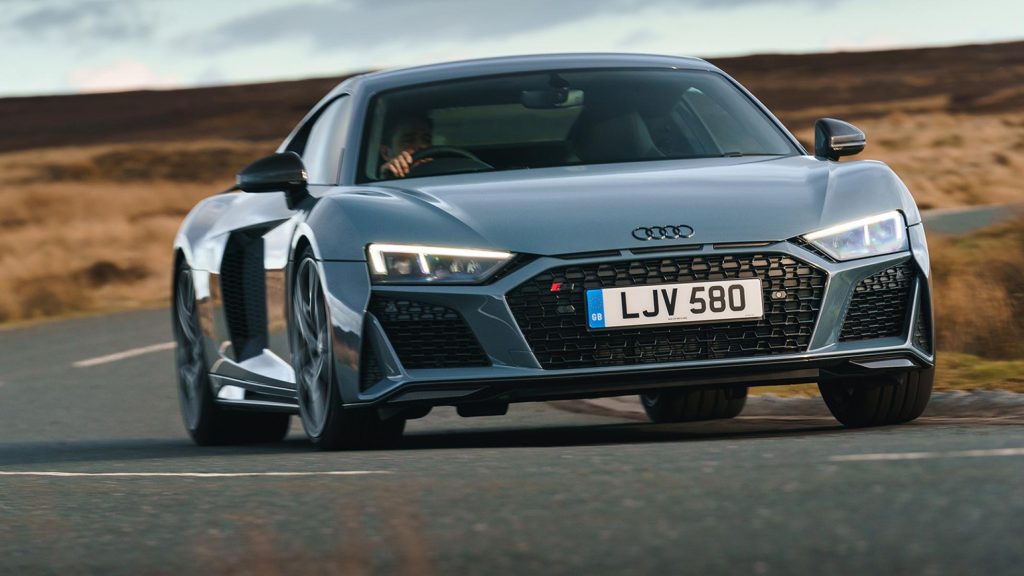
Industry repair specialists regularly identify the R8 among Audi’s most expensive vehicles to restore after accidents. Five-figure repair estimates are common even for moderate impacts, particularly when structural aluminum or electronic systems require replacement.
Owners benefit from one of the last naturally aspirated V10 sports cars available in America, but they should also understand that collision repairs demand factory expertise, specialized equipment, and premium replacement parts that significantly increase repair costs.
Specifications
- Engine: 5.2-liter naturally aspirated V10
- Torque: 413 lb-ft
- Horsepower: 602 hp
- Length/Width: 174.4 inches / 76.4 inches
9. Maserati MC20
The Maserati MC20 marked the brand’s return to the modern supercar segment, introducing a carbon fiber monocoque chassis, butterfly doors, and the all-new Nettuno V6 engine. While these features deliver exceptional performance, they also place the MC20 among the costliest sports cars to repair following a collision.
The carbon fiber passenger cell is manufactured using advanced composite construction techniques, and Maserati requires certified repair centers to follow strict inspection procedures after any significant impact.
Even if exterior damage appears minor, technicians must verify the integrity of the monocoque before additional repairs begin.
Body panels are another major contributor to repair costs. The MC20 uses lightweight composite materials, complex aerodynamic components, and uniquely shaped exterior panels that cannot always be repaired conventionally.
Many damaged panels must be replaced rather than reshaped, increasing both parts and labor expenses. The front bumper also houses cameras, parking sensors, and advanced electronic systems that require calibration after installation.
Even replacing a headlamp can become a substantial expense because the LED units integrate sophisticated lighting technology and are produced in relatively low volumes.
Paint refinishing demands specialized techniques as well. Maserati’s premium finishes often require multiple application stages and careful blending across adjacent panels to restore the original appearance. Genuine replacement parts are imported through Maserati’s dealer network, which can increase repair times and total costs.
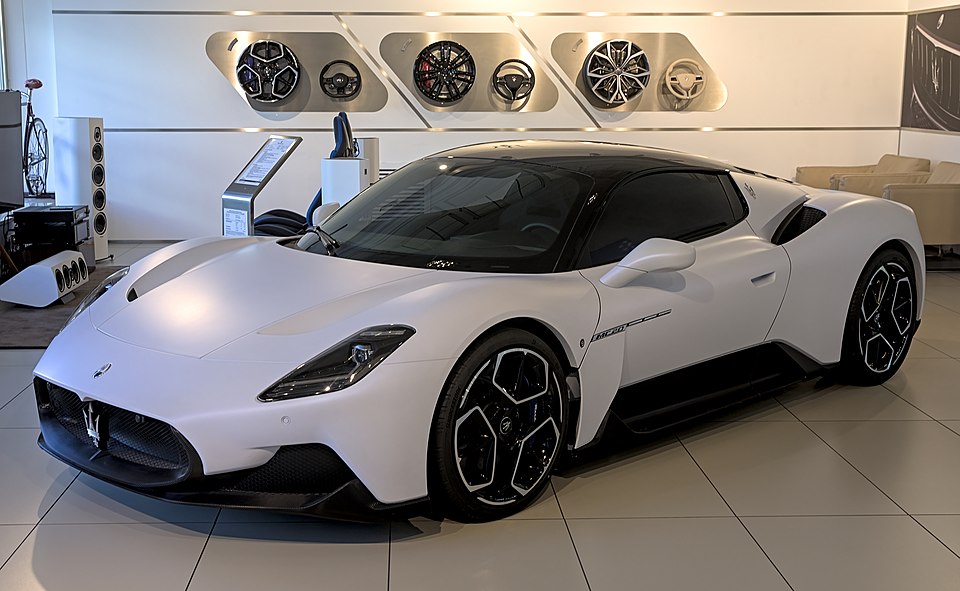
Insurance industry repair specialists consistently identify the MC20 as one of the most expensive Maserati models to restore after an accident. Structural carbon fiber components, specialized labor, and premium replacement parts routinely produce repair estimates that extend well into five figures.
Buyers gain an exotic Italian supercar with remarkable engineering, but collision repairs reflect its limited-production design and advanced construction methods.
Specifications
- Engine: 3.0-liter twin-turbocharged V6
- Torque: 538 lb-ft
- Horsepower: 621 hp
- Length/Width: 184.5 inches / 77.4 inches
10. Ford GT (Second Generation)
The second-generation Ford GT was engineered with endurance racing technology at its core, making it one of the most exclusive American performance cars ever produced.
Its carbon fiber passenger cell, aluminum front and rear subframes, active aerodynamics, hydraulic suspension system, and extensive use of lightweight composites create extraordinary performance while also making post-accident repairs exceptionally expensive. Few vehicles require more specialized expertise following a collision.
The Ford GT’s carbon fiber construction requires specialized inspections using manufacturer-approved procedures following any significant impact. Because of the vehicle’s advanced structural design, conventional body shop repair methods are often not appropriate. If damage extends to the carbon fiber structure, factory guidelines typically require the replacement of major assemblies to preserve the vehicle’s strength, safety, and performance.
Active aerodynamic components, including the hydraulically operated rear wing and deployable body elements, further complicate repairs because they must be precisely aligned and electronically calibrated after installation.
Replacement parts are produced in very limited numbers, contributing to exceptionally high component costs. Carbon fiber body panels, LED lighting assemblies, forged aluminum suspension pieces, and specialized cooling ducts are considerably more expensive than comparable parts found on mass-produced performance cars.
Certified Ford GT service centers also use dedicated diagnostic equipment to verify suspension operation, aerodynamic systems, and powertrain electronics before returning the vehicle to the owner.
Collision repair professionals routinely classify the Ford GT among the most expensive American vehicles to repair. Even moderate accident damage can generate repair estimates exceeding tens of thousands of dollars because of specialized labor, scarce replacement parts, and complex engineering.
Although the Ford GT delivers world-class performance and remarkable exclusivity, owners should recognize that its race-inspired construction carries equally extraordinary repair costs whenever accident damage occurs.
Specifications
- Engine: 3.5-liter twin-turbocharged EcoBoost V6
- Torque: 550 lb-ft
- Horsepower: 660 hp
- Length/Width: 188.1 inches / 78.9 inches
Also Read: 10 Vehicles That Come With Free Scheduled Maintenance in 2026
