

Turbochargers have become increasingly common in modern vehicles because they enable smaller engines to deliver stronger performance while improving fuel efficiency. By forcing more air into the engine, they provide quicker acceleration and responsive power without the need for larger engines.
Despite these advantages, turbochargers operate under extreme heat and high rotational speeds, making them highly dependent on proper maintenance and clean engine oil. Some vehicles have reported turbocharger failures before reaching 100,000 miles, leading to costly repairs. This article examines eight models associated with these issues and highlights the warning signs owners should watch for.

Also Read: 10 Three-Pedal Cars That Keep Driving Fun Alive
- Engine: 1.4-liter turbocharged TSI four-cylinder petrol engine
- Horsepower: Around 122 hp to 150 hp (varies by version)
- Torque: Around 200 Nm to 250 Nm (148 lb-ft to 184 lb-ft)
- Length: Approximately 4,255 mm (167.5 inches)
- Width: Approximately 1,799 mm (70.8 inches)
1. Volkswagen Golf 1.4 TSI
The Volkswagen Golf has built a strong reputation for combining practicality, driving comfort, and efficient engines. The 1.4 TSI turbocharged engine became popular because it offered a balance between performance and fuel economy. Many drivers enjoyed the smooth power delivery and compact design of the engine.
However, some owners reported turbo-related problems before reaching 100,000 miles, creating concerns about long-term reliability. Turbocharger issues in the 1.4 TSI engine have been linked to several possible causes, including lubrication problems, carbon buildup, and component wear.
Since the turbo relies on a constant supply of clean engine oil, delayed oil changes or incorrect oil specifications can increase stress on the system. Small passages inside turbo components can become restricted, reducing lubrication and causing premature wear.
Some drivers reported symptoms such as hesitation during acceleration, reduced engine power, and unusual whining sounds coming from the turbo area. A failing turbo may struggle to create the expected boost pressure, which can make the vehicle feel slower than normal. In some cases, drivers noticed smoke from the exhaust due to oil entering areas where it should not be present.
Repair costs can vary depending on the extent of the damage. Replacing a turbocharger often requires significant labor because technicians must remove surrounding components before accessing the unit.
Additional inspections may also be needed to check intercooler systems, oil lines, and related engine parts. Addressing the problem early can prevent further damage.
Regular maintenance plays an important role in reducing turbocharger problems. Owners of turbocharged Golf models should follow recommended oil change intervals, use approved oil types, and allow the engine to warm up before demanding high performance. Proper driving habits can improve turbo lifespan and reduce the chance of early failure.

- Engine: 1.5-liter turbocharged EcoBoost three-cylinder/four-cylinder petrol engine (varies by model)
- Horsepower: Around 150 hp to 182 hp
- Torque: Around 240 Nm to 270 Nm (177 lb-ft to 199 lb-ft)
- Length: Approximately 4,378 mm (172.4 inches)
- Width: Approximately 1,825 mm (71.9 inches)
2. Ford EcoBoost
Ford’s EcoBoost engines introduced turbocharging technology to many popular models, including sedans, SUVs, and pickup trucks. These engines became widely recognized for delivering strong horsepower from smaller engine sizes.
The technology helped Ford provide better fuel efficiency while maintaining competitive performance. However, certain EcoBoost engines have received reports involving turbocharger failures before reaching 100,000 miles.
Turbocharger problems in EcoBoost engines have been connected to factors such as excessive heat, oil supply concerns, and component durability.
Turbochargers in these engines operate in demanding conditions because they generate additional pressure and heat during operation. Without proper cooling and lubrication, internal parts can wear faster than expected.
Drivers experiencing turbo problems may notice a variety of warning signs. Common complaints include weak acceleration, boost loss, strange noises, and engine warning lights. A vehicle that suddenly feels less powerful may have a turbo system issue, especially if the problem appears during acceleration or when climbing hills.
Maintenance history has a major impact on turbocharger performance. EcoBoost engines require consistent oil changes because the turbo system depends on clean oil for cooling and lubrication. Neglecting maintenance can allow deposits to form, increasing stress on moving parts. Following factory service recommendations can help protect the turbocharger.
Owners should also pay attention to driving habits. Allowing the engine to cool after heavy use can help protect turbo components from excessive heat. Sudden shutdowns after aggressive driving may leave high temperatures inside the turbo system. Good maintenance practices cannot guarantee that a turbo will never fail, but they can improve reliability.

- Engine: 2.0-liter turbocharged N20 four-cylinder petrol engine
- Horsepower: Around 180 hp to 240 hp (depending on model)
- Torque: Around 270 Nm to 350 Nm (199 lb-ft to 258 lb-ft)
- Length: Approximately 4,624 mm (182.0 inches) for BMW 3 Series
- Width: Approximately 1,811 mm (71.3 inches)
3. BMW N20 Turbocharged Engines
BMW’s N20 turbocharged four-cylinder engine was introduced as a replacement for some naturally aspirated engines while providing stronger performance with improved efficiency.
It appeared in several BMW models and became popular among drivers who wanted sporty acceleration with lower fuel consumption. The engine delivered impressive power for its size, but some owners reported turbocharger-related failures before reaching 100,000 miles.
Turbocharger problems in N20-powered vehicles have been associated with wear, oil supply concerns, and the demanding conditions created by high-performance driving.
A turbocharger depends on precise oil flow to protect its bearings and internal components. When lubrication is reduced or contaminated, the turbo can experience increased friction, leading to premature wear.
Drivers who experienced turbo problems often reported symptoms such as reduced acceleration, unusual whistling sounds, and inconsistent boost pressure.
Some vehicles entered a reduced-power mode when the engine computer detected that the turbo system was not operating correctly. A noticeable drop in performance can be an early warning sign that the turbocharger requires inspection.
Repairing a failed turbocharger on a BMW can become expensive because replacement involves labor-intensive procedures and additional checks.
Technicians may need to inspect oil lines, cooling systems, and related components to ensure that a replacement turbo does not suffer the same issue. Simply replacing the turbo without identifying the cause of failure may lead to repeated problems.
Proper servicing is important for BMW turbo engines. Regular oil changes with the correct specification, allowing the engine to reach normal operating temperature, and avoiding excessive strain during cold starts can help maintain turbo health.
Owners should also address warning signs quickly because continued driving with a damaged turbo can create additional engine issues.

- Engine: 2.0-liter turbocharged four-cylinder petrol engine
- Horsepower: Around 189 hp to 192 hp
- Torque: Around 280 Nm (207 lb-ft)
- Length: Approximately 3,863 mm (152.1 inches)
- Width: Approximately 1,727 mm (68.0 inches)
4. Mini Cooper Turbo Models
Mini Cooper models equipped with turbocharged engines have attracted drivers who enjoy compact cars with strong performance and distinctive styling. Turbocharged versions provide quick acceleration and a sporty driving experience. However, some Mini Cooper owners have reported turbo failures occurring before the vehicle reached 100,000 miles.
Turbocharger issues in certain Mini models have been connected to oil circulation problems, high operating temperatures, and component wear.
Because the turbocharger sits close to areas exposed to significant heat, it requires effective cooling and proper lubrication. Any disruption in oil flow can increase the chance of damage to the turbo’s internal parts.
Owners may notice several signs when a Mini Cooper turbo begins developing problems. Common symptoms include a loss of power, unusual engine noises, smoke from the exhaust, and increased oil consumption. A turbocharger that cannot maintain proper boost pressure can make the vehicle feel less responsive during normal driving.
The cost of repairing a Mini Cooper turbo system depends on the extent of the failure and whether additional parts require replacement. Some repairs may involve replacing oil supply lines, cleaning related systems, or installing a new turbocharger. Ignoring early symptoms can allow oil leaks or damaged components to affect other engine areas.
Preventive care remains important for turbocharged Mini models. Owners should maintain regular service schedules and use high-quality oil designed for turbo engines.
Avoiding aggressive driving immediately after starting the engine can reduce stress on the turbo system. Careful maintenance can help extend the lifespan of the vehicle’s performance components.

- Engine: 2.0-liter turbocharged horizontally opposed four-cylinder (FA20)
- Horsepower: Around 268 hp
- Torque: Around 350 Nm (258 lb-ft)
- Length: Approximately 4,595 mm (180.9 inches)
- Width: Approximately 1,795 mm (70.7 inches)
5. Subaru WRX Turbo Models
The Subaru WRX has long been associated with turbocharged performance, rally-inspired engineering, and strong enthusiast support. Its turbocharged boxer engine provides impressive acceleration and a unique driving experience.
However, some WRX owners have reported turbocharger failures before reaching 100,000 miles, particularly in vehicles that experienced demanding use or inconsistent maintenance.
Turbochargers in performance vehicles like the WRX operate under intense conditions. Higher boost pressures and frequent spirited driving place additional demands on the turbo system. Heat management becomes especially important because excessive temperatures can accelerate wear on turbo bearings and other internal components.
Signs of turbo trouble in a WRX can include smoke from the exhaust, loss of boost pressure, unusual sounds, and reduced engine performance. Some drivers report hearing grinding or whining noises before a turbo failure becomes severe.
These symptoms should be inspected quickly because a damaged turbo can send metal particles or oil into other engine systems.
Maintenance history strongly influences turbo reliability in performance vehicles. Regular oil changes, proper warm-up procedures, and allowing the turbocharger to cool after hard driving can help reduce unnecessary stress.
Vehicles that have been modified with aftermarket tuning may also experience increased turbo strain if upgrades are not properly installed or calibrated.
Repairing a WRX turbo system can require a significant investment. Costs depend on whether the turbocharger can be rebuilt or needs complete replacement. Additional inspections of the engine, intercooler, and oil system may be necessary to confirm that no other damage occurred. Careful maintenance and responsible driving habits can help owners avoid premature failures.

- Engine: 1.4-liter turbocharged four-cylinder petrol engine
- Horsepower: Around 153 hp
- Torque: Around 240 Nm (177 lb-ft)
- Length: Approximately 4,666 mm (183.7 inches)
- Width: Approximately 1,795 mm (70.7 inches)
6. Chevrolet Cruze
The Chevrolet Cruze 1.4 Turbo engine was designed to provide efficient performance in a compact sedan. Turbocharging allowed the small engine to produce useful power while maintaining competitive fuel economy. Many Cruze owners appreciated its smooth operation, but some reported turbocharger failures before reaching 100,000 miles.
Turbo problems in the Cruze 1.4 Turbo have been linked to issues involving oil leaks, wastegate operation, and general component durability.
The wastegate controls turbo boost pressure, and problems with this system can affect engine performance. A malfunctioning turbo system may prevent the engine from delivering expected power.
Drivers may notice warning signs such as weak acceleration, a check engine light, unusual sounds, or excessive exhaust smoke. Some owners reported that their vehicles struggled during highway acceleration or under heavier loads. These symptoms often indicate that the turbocharger system should be inspected by a qualified technician.
Repair expenses depend on whether the issue involves a small component or complete turbo replacement. A damaged wastegate or related part may require less work than a fully failed turbocharger. Proper diagnosis is important because several engine problems can create symptoms similar to turbo failure.
Keeping the Cruze Turbo properly maintained is essential for long-term performance. Regular oil changes, checking for leaks, and addressing unusual engine behavior early can help prevent larger repair bills. Turbocharged engines require more attention than many naturally aspirated engines because their additional components operate under higher stress.
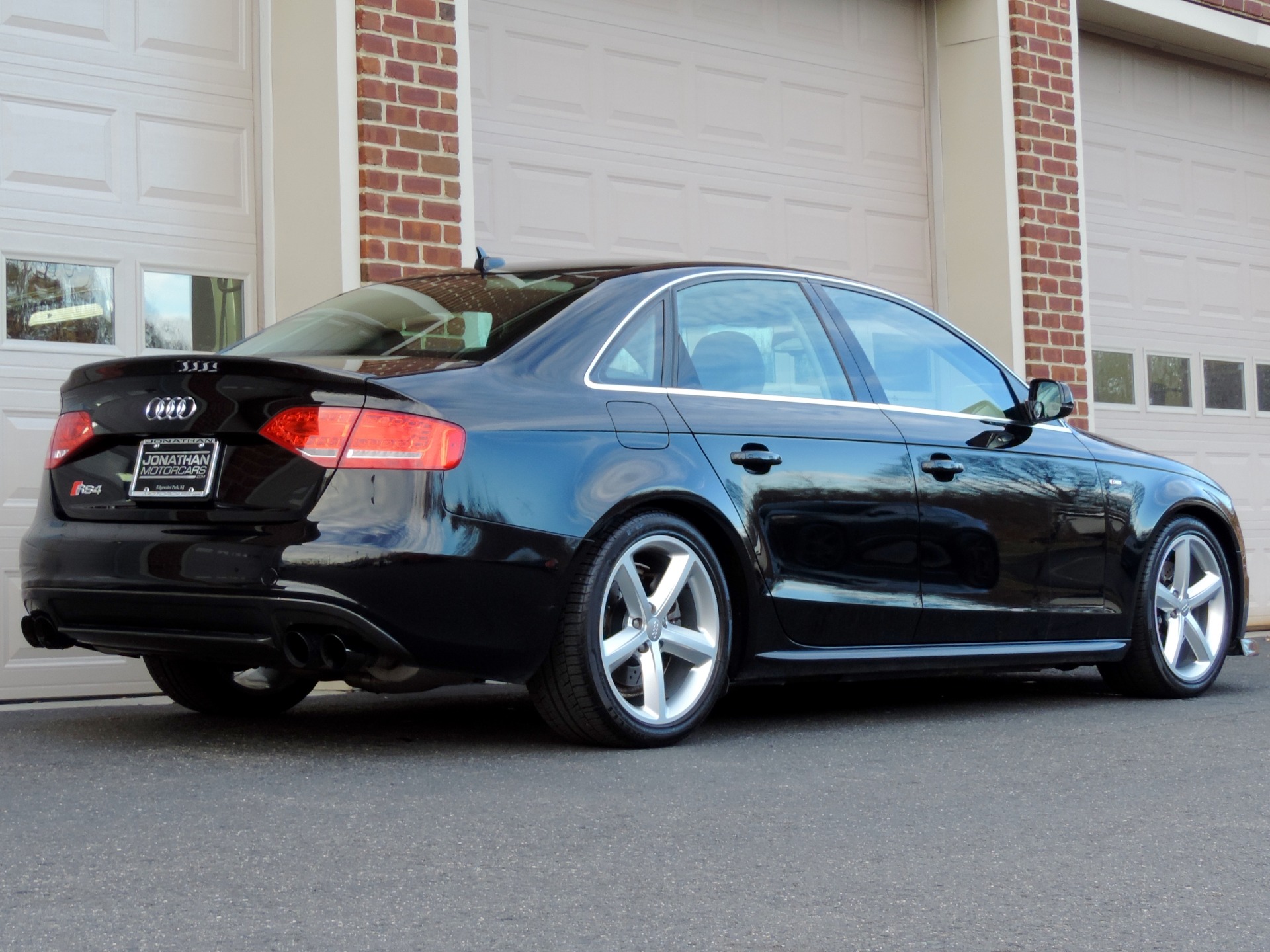
- Engine: 2.0-liter turbocharged TFSI four-cylinder petrol engine
- Horsepower: Around 190 hp to 252 hp
- Torque: Around 320 Nm to 370 Nm (236 lb-ft to 273 lb-ft)
- Length: Approximately 4,726 mm (186.1 inches)
- Width: Approximately 1,842 mm (72.5 inches)
7. Audi 2.0
Audi’s 2.0 TFSI engine has been widely used across various models because it offers a strong combination of performance, refinement, and efficiency.
The turbocharged four-cylinder engine provides smooth acceleration and helps smaller vehicles deliver power levels that appeal to many drivers. However, some Audi owners have reported turbocharger failures before reaching 100,000 miles.
Turbocharger concerns in certain 2.0 TFSI applications have been connected to oil supply issues, carbon buildup, and wear in related components. A turbocharger requires precise lubrication because its internal shaft can spin at extremely high speeds. Any interruption in oil flow can increase friction and heat, which may shorten the lifespan of the unit.
Early signs of turbo problems can include reduced engine power, delayed acceleration, unusual noises, and increased oil consumption.
Some drivers notice that the vehicle no longer feels as responsive when pressing the accelerator. Warning lights may also appear when the engine computer detects boost pressure problems or irregular turbo operation.
Repairing an Audi turbocharger can be costly because the system is integrated with several engine components. A technician may need to inspect oil lines, intake systems, and exhaust components before replacing the turbo. Proper diagnosis is necessary because replacing a turbo without fixing the underlying cause can result in repeated failures.
Maintenance is a major factor in turbocharger reliability. Audi owners should follow recommended service intervals and use the correct engine oil approved for their vehicle. Allowing the engine to warm up before heavy acceleration and avoiding immediate shutdown after intense driving can also reduce unnecessary stress on the turbo system.

- Engine: 1.6-liter turbocharged four-cylinder petrol engine
- Horsepower: Around 188 hp to 215 hp (depending on version)
- Torque: Around 240 Nm to 250 Nm (177 lb-ft to 184 lb-ft)
- Length: Approximately 4,135 mm (162.8 inches)
- Width: Approximately 1,765 mm (69.5 inches)
8. Nissan Juke
The Nissan Juke 1.6 Turbo was introduced as a compact crossover with a sporty character and strong acceleration for its size. Its turbocharged engine gave the vehicle a unique driving feel compared with many other small crossovers. However, some owners reported turbocharger failures before the vehicle reached 100,000 miles.
Turbocharger problems in the Nissan Juke have been associated with factors such as oil contamination, excessive heat, and component wear.
Like other turbocharged engines, the Juke’s turbo relies on proper lubrication to maintain performance. When maintenance is neglected, internal turbo parts can experience additional strain.
Drivers dealing with turbo issues may notice symptoms such as reduced acceleration, unusual sounds, smoke from the exhaust, or poor engine response. A failing turbo may not provide enough air pressure to support normal engine performance. In some cases, the vehicle may enter a protective mode that limits power.
The repair process for a failed Juke turbocharger can involve replacing the turbo unit and checking connected systems. Mechanics often inspect oil supply lines, intake components, and engine conditions to determine why the failure occurred. This approach helps prevent a replacement turbo from experiencing similar damage.
Routine care can improve the reliability of turbocharged Nissan Juke models. Owners should keep up with oil changes, monitor fluid levels, and pay attention to performance changes. Turbo engines reward consistent maintenance because their components operate under greater pressure compared with many traditional engines.
Also Read: 10 SUVs That Changed the Automotive Industry Forever
