
Motorcycles are often associated with freedom, speed, and lower ownership expenses compared with many cars. However, insurance costs can vary widely depending on the motorcycle’s engine size, performance, repair expenses, theft risk, and rider profile.
Some premium motorcycles can carry insurance rates that exceed the cost of insuring a standard vehicle. High-powered machines, luxury models, and bikes built with advanced components often require more expensive coverage.
Understanding which motorcycles tend to have higher insurance costs can help riders make smarter purchasing decisions and prepare for long-term ownership expenses beyond the initial price.
Also Read: 10 Three-Pedal Cars That Keep Driving Fun Alive
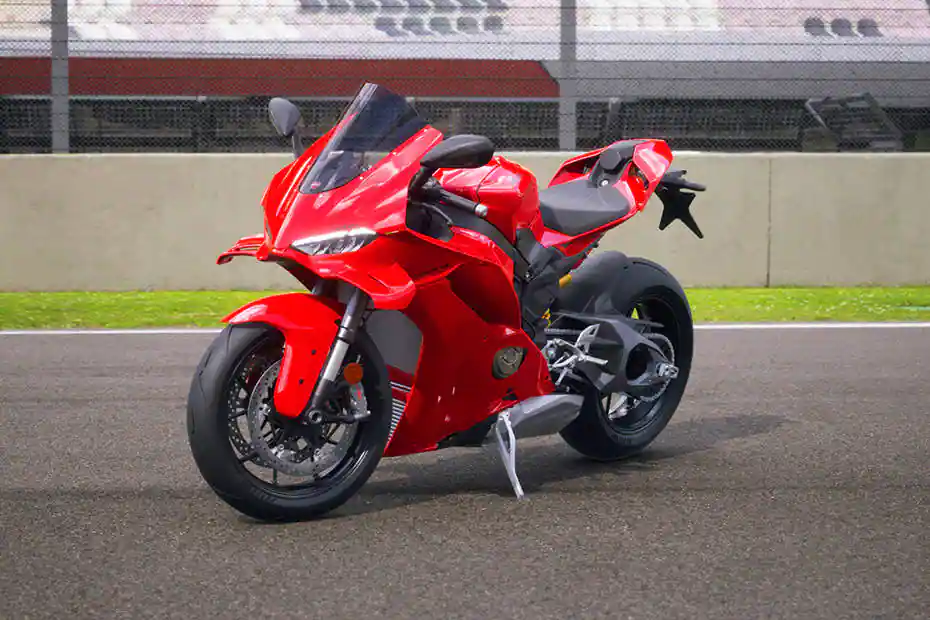
- Engine: 1,103 cc Desmosedici Stradale V4, liquid-cooled, 4-cylinder engine
- Torque: 124 Nm at 9,500 rpm
- Horsepower: 215.5 hp at 13,000 rpm
- Length: Approximately 2,070 mm (81.5 inches)
- Width: Approximately 745 mm (29.3 inches)
1. Ducati Panigale V4
The Ducati Panigale V4 is recognized as a premium sport motorcycle designed for riders seeking exceptional performance. Its advanced engineering, powerful engine, and racing-inspired technology place it among the most expensive motorcycles to insure.
Insurance companies often classify high-performance superbikes as higher risk because they are capable of extreme speeds and require specialized maintenance.
The motorcycle features sophisticated electronics, premium suspension components, and advanced aerodynamic designs. These technologies improve performance but can increase repair expenses after collisions.
Replacing specialized parts on a motorcycle like the Panigale V4 can be significantly more expensive than repairing a typical commuter bike. Insurance providers consider these repair costs when calculating premiums.
The bike’s strong connection to racing technology also influences its insurance pricing. Riders who purchase high-performance motorcycles may be more likely to use them for spirited riding, track events, or high-speed experiences.
Insurers account for these behaviors when determining potential risks. Even careful owners may face higher premiums because the motorcycle category itself carries additional risk.
Maintenance expenses also contribute to ownership costs. Premium motorcycles often require specialized technicians, manufacturer-approved parts, and careful servicing schedules. These factors increase the financial impact of accidents or mechanical issues. Insurance coverage must reflect the possibility of expensive repairs, which can result in higher annual premiums.
For buyers considering a Ducati Panigale V4, insurance should be included in the ownership budget from the beginning. The purchase price represents only part of the total cost.
Fuel, maintenance, protective equipment, registration fees, and insurance can significantly affect long-term expenses. Riders who understand these factors can make more informed decisions before choosing a high-performance motorcycle.
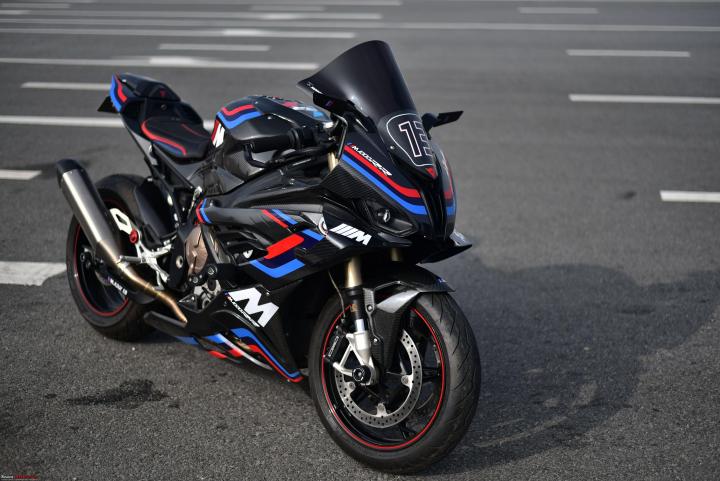
- Engine: 999 cc inline 4-cylinder, liquid-cooled engine
- Torque: 113 Nm at 11,000 rpm
- Horsepower: 205 hp at 13,500 rpm
- Length: Approximately 2,073 mm (81.6 inches)
- Width: Approximately 848 mm (33.4 inches)
2. BMW S 1000 RR
The BMW S 1000 RR is a premium supersport motorcycle that combines racing technology with advanced road-going features. Since its introduction, the model has gained recognition among performance-focused riders because of its powerful engine, lightweight construction, and sophisticated electronic systems.
These qualities make it an exciting motorcycle to own, but they also contribute to higher insurance expenses. Insurance companies often classify high-performance motorcycles differently from standard commuter bikes because their speed, repair costs, and accident risks can result in more expensive claims.
The motorcycle’s engine performance is a major factor affecting insurance prices. The BMW S 1000 RR delivers exceptional acceleration and handling capabilities, which place it in a category designed for experienced riders.
Insurers generally consider motorcycles with higher power output to carry increased risk because mistakes at high speeds can lead to severe accidents and costly repairs. Even riders with years of experience may face higher premiums because the motorcycle itself is considered a performance-oriented machine.
Advanced technology is another reason insurance costs can rise for this model. The S 1000 RR includes features such as advanced riding modes, traction control, electronic suspension systems, and aerodynamic components.
These systems improve safety and performance, but replacing damaged parts after an accident can be expensive. Modern motorcycles rely heavily on specialized electronics, which means repair bills can quickly become higher than those associated with simpler motorcycle designs.
The premium value of the BMW S 1000 RR also influences coverage costs. Riders who purchase expensive motorcycles often choose comprehensive insurance plans to protect their investment.
Comprehensive policies provide protection against theft, accidents, and other unexpected events, but they usually come with higher premiums. The motorcycle’s resale value and replacement cost are important factors insurers consider when determining annual rates.
For riders considering the BMW S 1000 RR, understanding insurance expenses is an important part of ownership planning. The motorcycle offers impressive performance and advanced engineering, but the financial commitment includes more than the purchase price.
Maintenance, protective gear, fuel, and insurance all contribute to the total cost of owning this machine. Careful planning can help riders enjoy the motorcycle while managing long-term expenses.
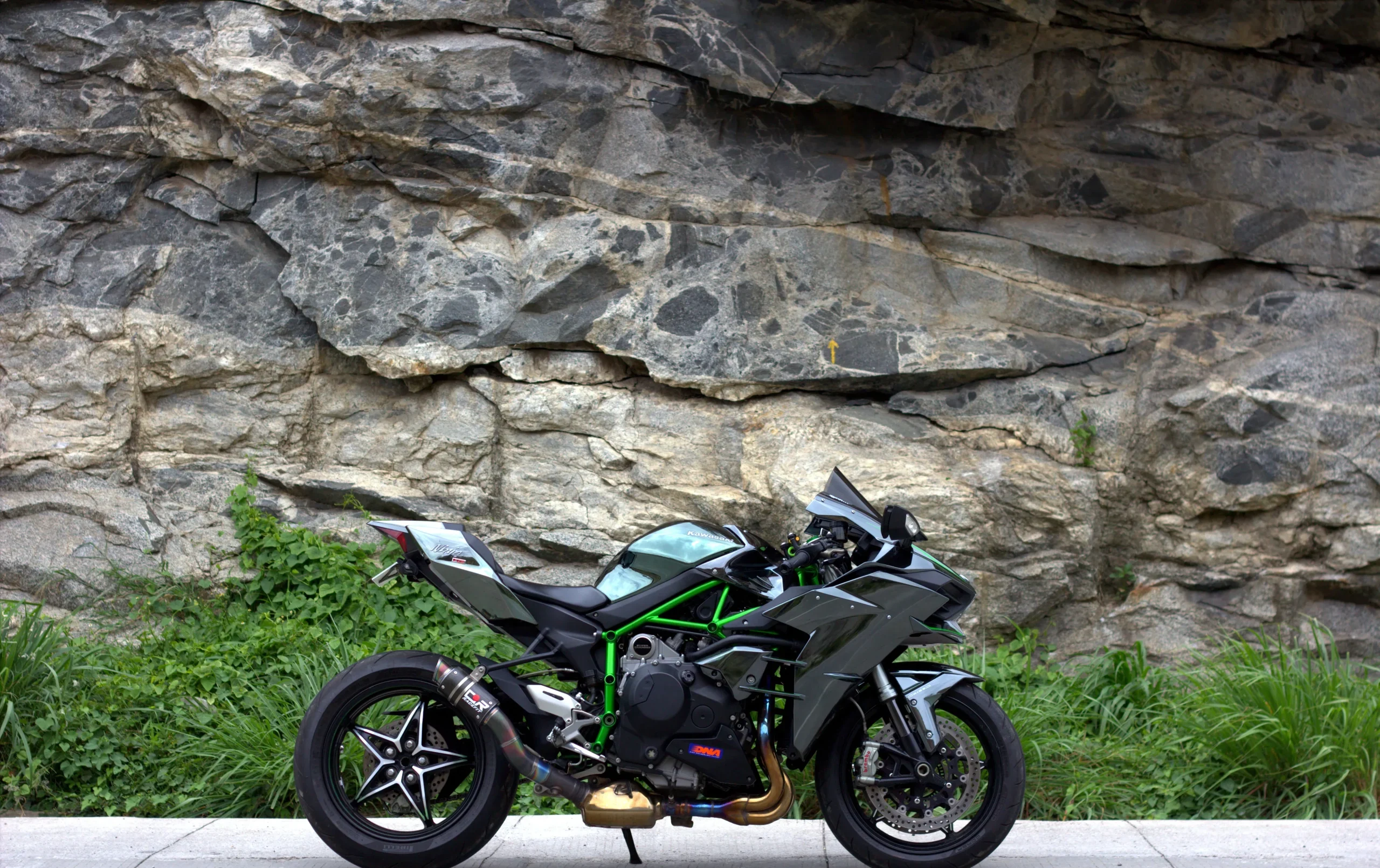
- Engine: 998 cc supercharged inline 4-cylinder, liquid-cooled engine
- Torque: 137 Nm at 8,500 rpm
- Horsepower: 228 hp at 11,500 rpm (with ram air)
- Length: Approximately 2,085 mm (82.1 inches)
- Width: Approximately 770 mm (30.3 inches)
3. Kawasaki Ninja H2
The Kawasaki Ninja H2 is among the most technologically advanced motorcycles available, featuring a supercharged engine and a design focused on extreme performance. It represents a category of motorcycles built for riders who want exceptional power and engineering innovation.
The same characteristics that make the Ninja H2 impressive also make it more expensive to insure. Insurance providers often consider high-powered motorcycles a greater financial risk because accidents involving these machines can lead to significant repair costs.
The supercharged engine is one of the defining features of the Ninja H2. Unlike many traditional motorcycles, this technology provides extraordinary power delivery and acceleration.
While this creates an exciting riding experience, insurers evaluate the increased performance potential when setting premiums. Motorcycles capable of reaching very high speeds often receive higher insurance rates because they are associated with more severe accident outcomes.
The construction quality and specialized components of the Ninja H2 also contribute to insurance expenses. The motorcycle uses premium materials, advanced electronics, and carefully engineered systems designed for performance.
When damaged, these components may require expensive replacements and specialized service. Insurance companies account for these repair costs when calculating coverage prices for owners.
The motorcycle’s reputation and limited appeal among enthusiasts can also affect insurance considerations. High-value performance motorcycles may attract attention from thieves because of their desirability and market value. Comprehensive insurance coverage becomes especially important for owners who want financial protection against theft, vandalism, and major damage.
Owning a Kawasaki Ninja H2 requires careful financial preparation. The motorcycle provides extraordinary performance, but the total ownership cost includes several ongoing expenses.
Insurance can represent a significant portion of annual costs, especially for riders seeking complete protection. Buyers should compare insurance options and understand expected expenses before purchasing this powerful machine.
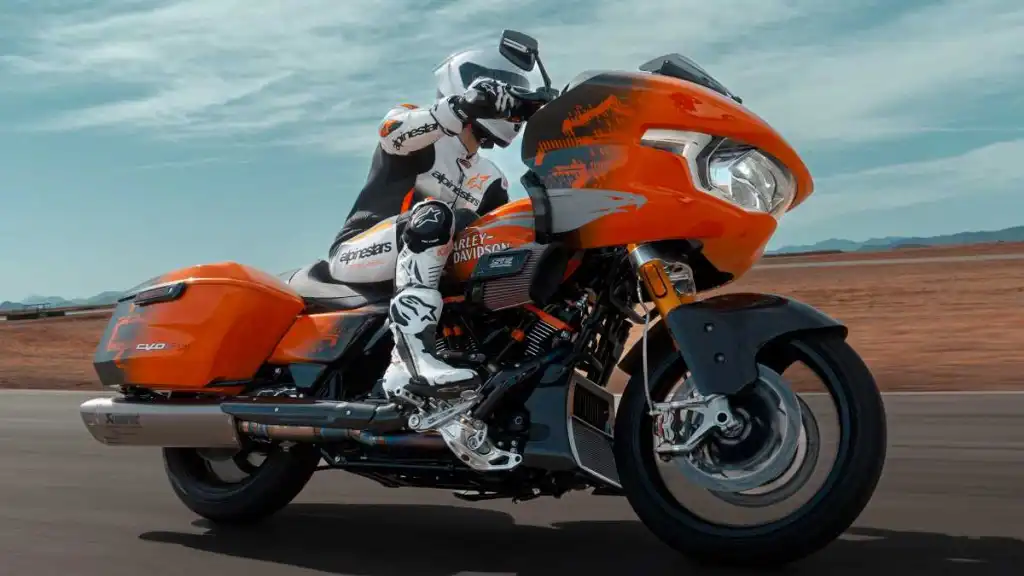
- Engine: 1,977 cc Milwaukee-Eight VVT 121 V-twin engine
- Torque: 183 Nm at 3,500 rpm
- Horsepower: Approximately 115 hp
- Length: Approximately 2,465 mm (97.0 inches)
- Width: Approximately 965 mm (38.0 inches)
4. Harley-Davidson CVO Road Glide
The Harley-Davidson CVO Road Glide is a premium touring motorcycle designed for riders who value comfort, luxury, and long-distance capability.
Unlike lightweight sport motorcycles, this model focuses on providing a refined touring experience with high-end features and premium craftsmanship. Its expensive components, large size, and high market value can contribute to insurance costs that exceed those of many regular motorcycles and even some cars.
The motorcycle’s premium equipment plays a major role in determining insurance rates. The CVO Road Glide includes advanced technology, upgraded materials, premium finishes, and specialized touring features. These additions improve comfort and convenience but also increase repair expenses. If the motorcycle is involved in an accident, replacing damaged parts can require significant investment due to the model’s luxury positioning.
The high purchase price of the CVO Road Glide affects the type of insurance coverage many owners choose. Riders who spend a considerable amount on a motorcycle often prefer comprehensive protection rather than basic coverage.
This type of policy provides broader financial protection but generally results in higher premiums. Insurers evaluate the motorcycle’s replacement value when determining the cost of coverage.
Large touring motorcycles also have unique risk factors that influence insurance calculations. Their size and weight require careful handling, especially during slow-speed maneuvers, parking, and tight spaces. While experienced riders can manage these motorcycles effectively, insurers consider the characteristics of the machine when assessing potential claims.
The Harley-Davidson CVO Road Glide offers a premium riding experience with impressive comfort and style. However, ownership involves several financial responsibilities beyond the initial purchase.
Insurance costs, maintenance expenses, and replacement part prices should all be considered before buying. Riders who understand these factors can make better decisions and prepare for the long-term costs of owning a luxury touring motorcycle.
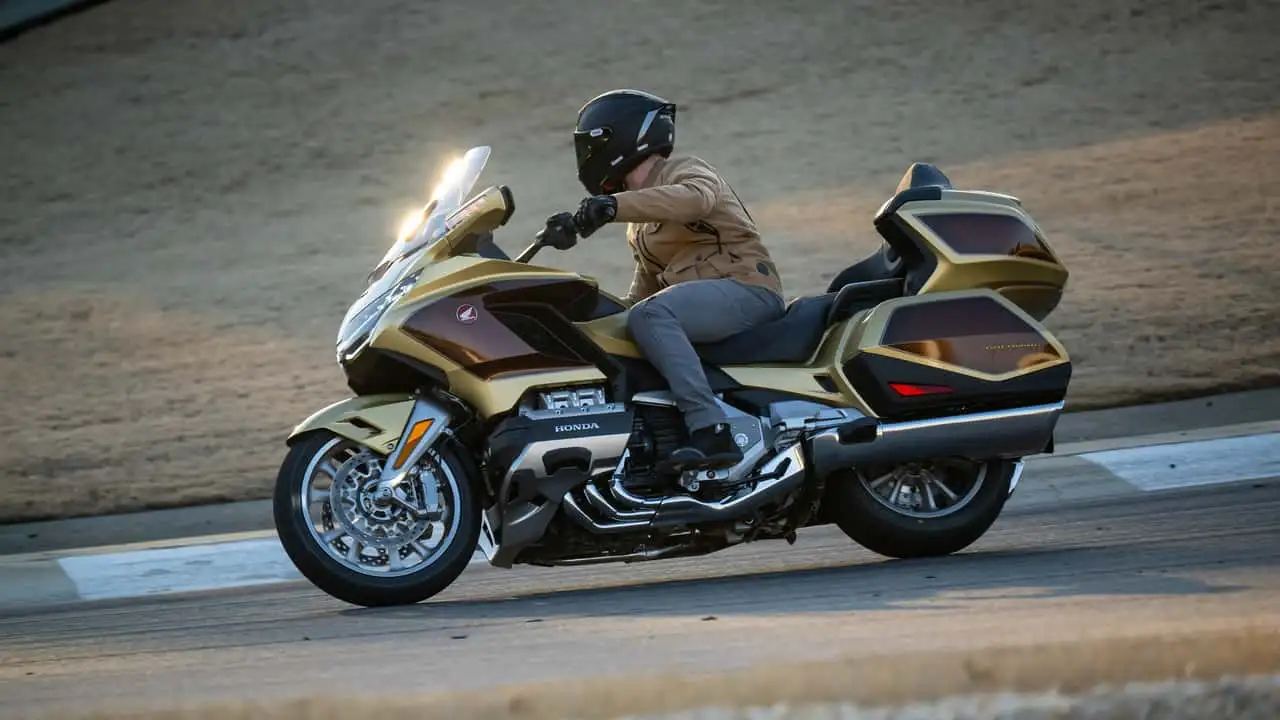
- Engine: 1,833 cc liquid-cooled horizontally opposed 6-cylinder engine
- Torque: 170 Nm at 5,500 rpm
- Horsepower: Approximately 126 hp at 5,500 rpm
- Length: Approximately 2,615 mm (102.9 inches)
- Width: Approximately 905 mm (35.6 inches)
5. Honda Gold Wing Tour
The Honda Gold Wing Tour is a premium touring motorcycle designed for riders who prioritize comfort, technology, and long-distance travel.
While it is not built for extreme speed like a superbike, its advanced features, large size, and expensive components can contribute to higher insurance costs. Many riders consider the Gold Wing Tour a luxury vehicle on two wheels because of the equipment and engineering included.
The motorcycle includes features such as advanced navigation systems, premium audio equipment, electronic suspension, safety technology, and extensive bodywork.
These additions improve the riding experience but also increase the potential cost of repairs. When a motorcycle contains more technology and specialized parts, insurance providers must account for higher repair expenses when determining coverage rates.
The Gold Wing Tour’s purchase price also influences insurance costs. Higher-value motorcycles generally require more comprehensive protection because replacing or repairing them can involve significant expenses.
Owners who want strong financial protection often select broader policies, which can increase premiums compared with basic motorcycle coverage.
The motorcycle’s size and weight can also influence risk assessments. Large touring bikes require more skill to handle, especially at low speeds or in challenging conditions. Although many experienced riders operate them safely, insurers consider the characteristics of the motorcycle when calculating potential risks.
For riders interested in comfortable highway travel and premium features, the Honda Gold Wing Tour can be an appealing choice.
However, buyers should consider insurance expenses before purchasing. The cost of protecting a luxury touring motorcycle may be higher than expected, making it important to include insurance in the total ownership budget.
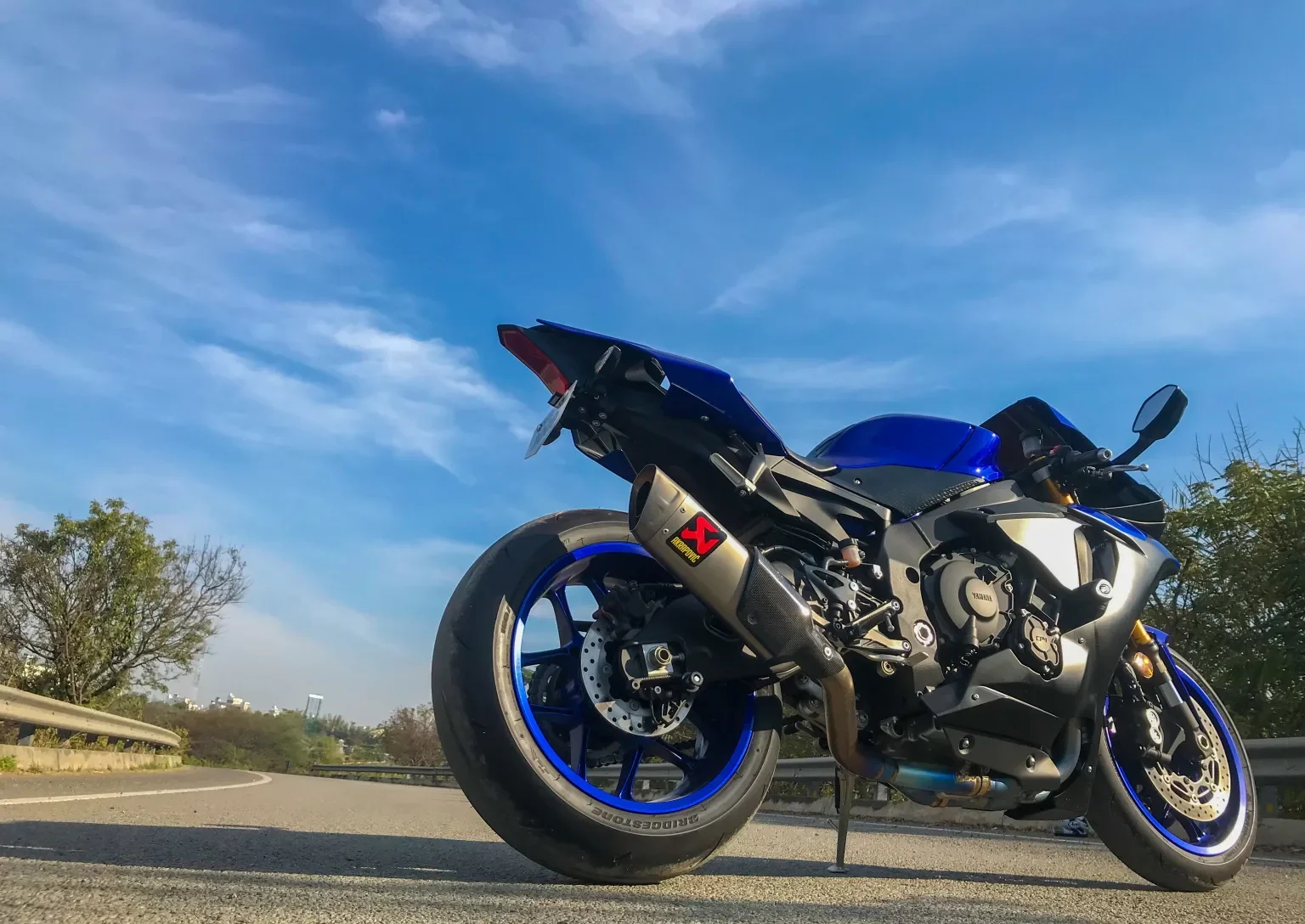
- Engine: 998 cc liquid-cooled inline 4-cylinder engine
- Torque: 113 Nm at 11,500 rpm
- Horsepower: 197 hp at 13,500 rpm
- Length: Approximately 2,055 mm (80.9 inches)
- Width: Approximately 690 mm (27.2 inches)
6. Yamaha YZF-R1
The Yamaha YZF-R1 is a legendary sport motorcycle recognized for its racing-inspired technology and powerful engine performance.
Built with features influenced by Yamaha’s competition experience, the R1 attracts riders who want a thrilling and responsive machine. These characteristics also place it in a category where insurance rates are often higher than average.
Performance motorcycles like the Yamaha YZF-R1 are commonly associated with increased insurance costs because of their capabilities. The bike offers rapid acceleration, advanced electronics, and handling designed for aggressive riding. Insurance companies evaluate the risk associated with these characteristics when calculating premiums.
The repair costs of the YZF-R1 can also affect insurance pricing. Modern sport motorcycles contain lightweight materials, aerodynamic body panels, advanced braking systems, and electronic controls.
If these parts are damaged, replacement costs can be significant. Insurance providers consider these possible expenses when setting policy rates.
The motorcycle’s popularity among performance riders also plays a role. Models with strong enthusiast communities often have higher demand in the used market, which can influence theft concerns. Comprehensive coverage becomes valuable for owners who want protection against multiple risks, including theft and accident-related damage.
Owning a Yamaha YZF-R1 requires understanding the complete financial commitment. The motorcycle may offer outstanding performance and engineering, but insurance represents a major part of the ownership experience. Riders who maintain safe habits, use security equipment, and compare insurance providers may find ways to better manage coverage costs.
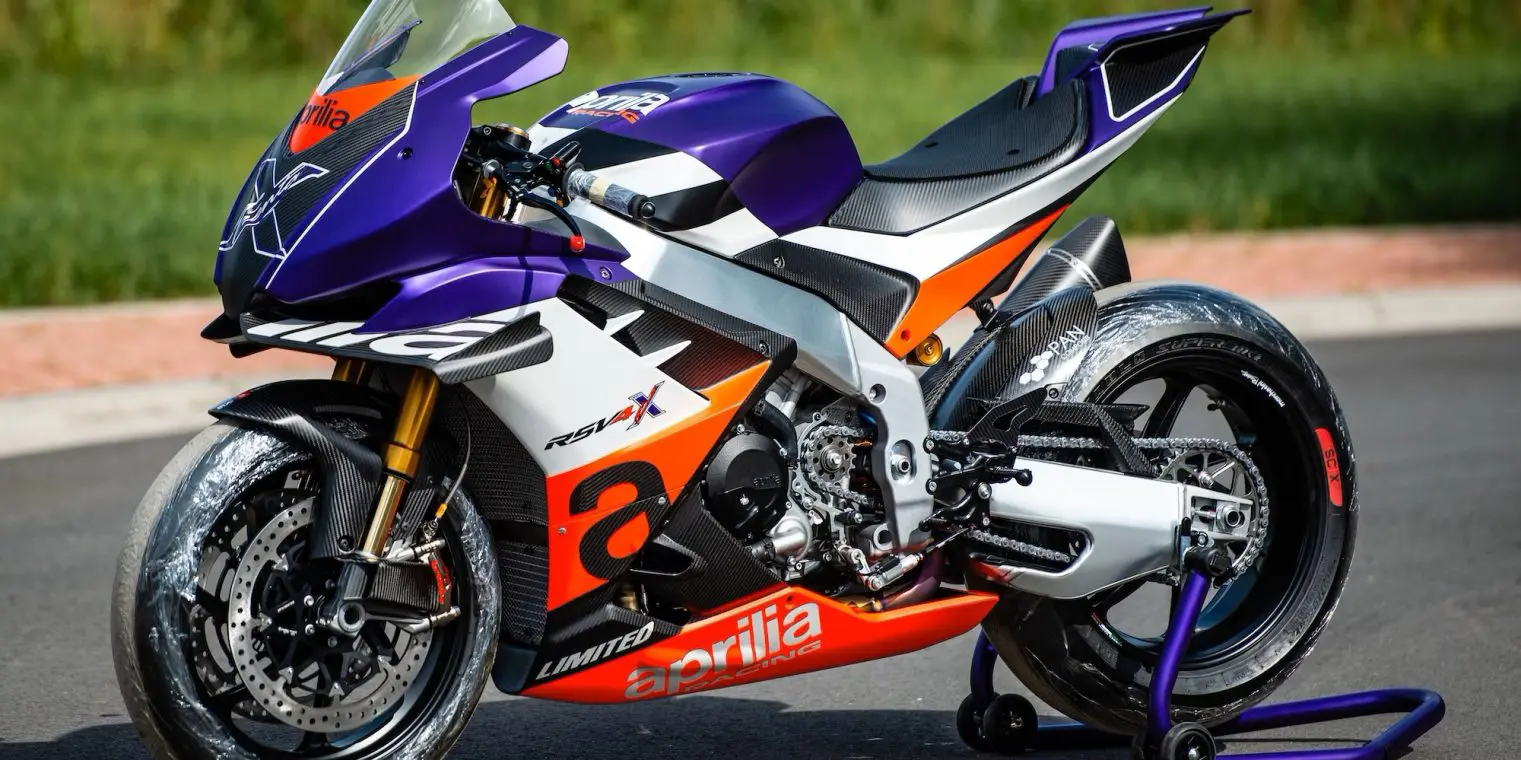
- Engine: 1,099 cc V4, liquid-cooled engine
- Torque: 125 Nm at 10,500 rpm
- Horsepower: 217 hp at 13,000 rpm
- Length: Approximately 2,040 mm (80.3 inches)
- Width: Approximately 735 mm (28.9 inches)
7. Aprilia RSV4
The Aprilia RSV4 is an Italian superbike known for its racing heritage, advanced engineering, and premium performance features.
Designed with technology inspired by professional competition, the motorcycle appeals to experienced riders who value handling, speed, and precision. These qualities also contribute to higher insurance costs compared with more practical motorcycles.
Insurance providers often view superbikes like the Aprilia RSV4 as higher-risk models. The motorcycle’s powerful engine and performance-focused design increase the potential severity of accidents. Even responsible riders may face higher premiums because insurers base pricing on risk patterns associated with the motorcycle category.
The specialized components used in the RSV4 can increase repair expenses. High-performance suspension systems, electronic rider aids, premium brakes, and lightweight materials are valuable features but can be costly to replace.
After a collision, restoring the motorcycle to factory condition may require expensive parts and skilled technicians.
The motorcycle’s premium pricing also affects insurance requirements. Owners who invest heavily in a high-performance motorcycle often choose comprehensive policies to protect their investment. Broader coverage provides greater protection but usually comes with higher premiums.
The Aprilia RSV4 represents a combination of technology, performance, and Italian craftsmanship. Riders who choose this motorcycle should prepare for more than the purchase cost. Insurance, maintenance, and protective equipment all contribute to the total expense of ownership, making financial planning an important part of the buying process.
- Engine: 1,340 cc inline 4-cylinder, liquid-cooled engine
- Torque: 150 Nm at 7,000 rpm
- Horsepower: 187 hp at 9,700 rpm
- Length: Approximately 2,180 mm (85.8 inches)
- Width: Approximately 735 mm (28.9 inches)
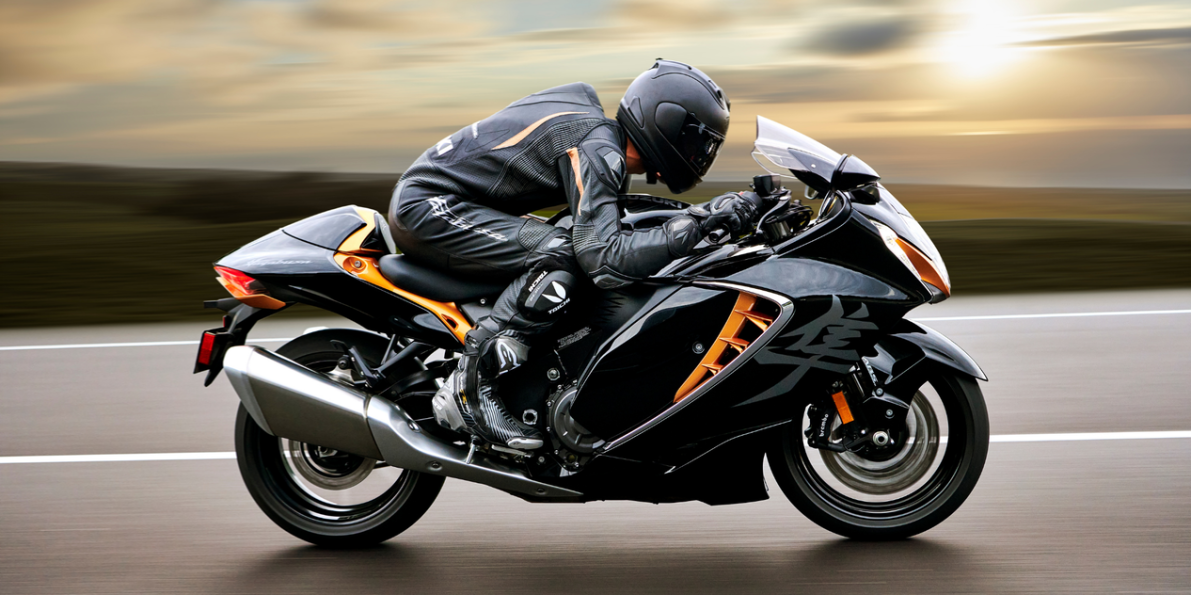
8. Suzuki Hayabusa
The Suzuki Hayabusa has earned a reputation as one of the most recognizable high-performance motorcycles ever produced.
Known for its aerodynamic design, powerful engine, and impressive speed capabilities, the Hayabusa has attracted performance enthusiasts for decades. Its reputation and specifications can contribute to higher insurance costs compared with ordinary motorcycles.
The motorcycle’s speed potential is a major factor considered by insurers. High-performance models are generally associated with increased risk because they can reach speeds beyond what many standard motorcycles can achieve. Insurance companies use accident data and motorcycle classifications to determine appropriate premium levels.
Repair costs also influence Hayabusa insurance rates. The motorcycle includes specialized components designed for performance and stability.
Body panels, electronic systems, and mechanical parts can be expensive to replace after an accident. These potential costs affect how insurers calculate coverage prices.
The Hayabusa’s popularity can also influence theft-related considerations. Because of its strong reputation and demand among motorcycle enthusiasts, it may receive additional attention from thieves. Comprehensive insurance coverage can help protect owners from financial losses related to theft or major damage.
For many riders, the Suzuki Hayabusa represents a balance of comfort and extreme performance. However, its ownership costs include more than fuel and maintenance. Insurance expenses should be considered carefully before purchase, especially for riders who want complete protection for a valuable performance motorcycle.
Also Read: 10 SUVs That Changed the Automotive Industry Forever
