

Buying a used car can be a smart financial decision, but dishonest sellers can turn the process into a costly mistake. Illegal vehicle flippers, often known as curbstoners, operate outside normal dealership rules and use misleading tactics to sell damaged, unreliable, or unsafe cars.
These sellers may hide major problems, alter vehicle histories, or create false impressions about a vehicle’s condition. Understanding common curbstoning signs helps buyers recognize suspicious deals before losing money.
From title issues to fake repairs, illegal flippers rely on several methods to make junk cars appear valuable. Learning these warning signs can help consumers make safer choices.
Also Read: 10 Three-Pedal Cars That Keep Driving Fun Alive
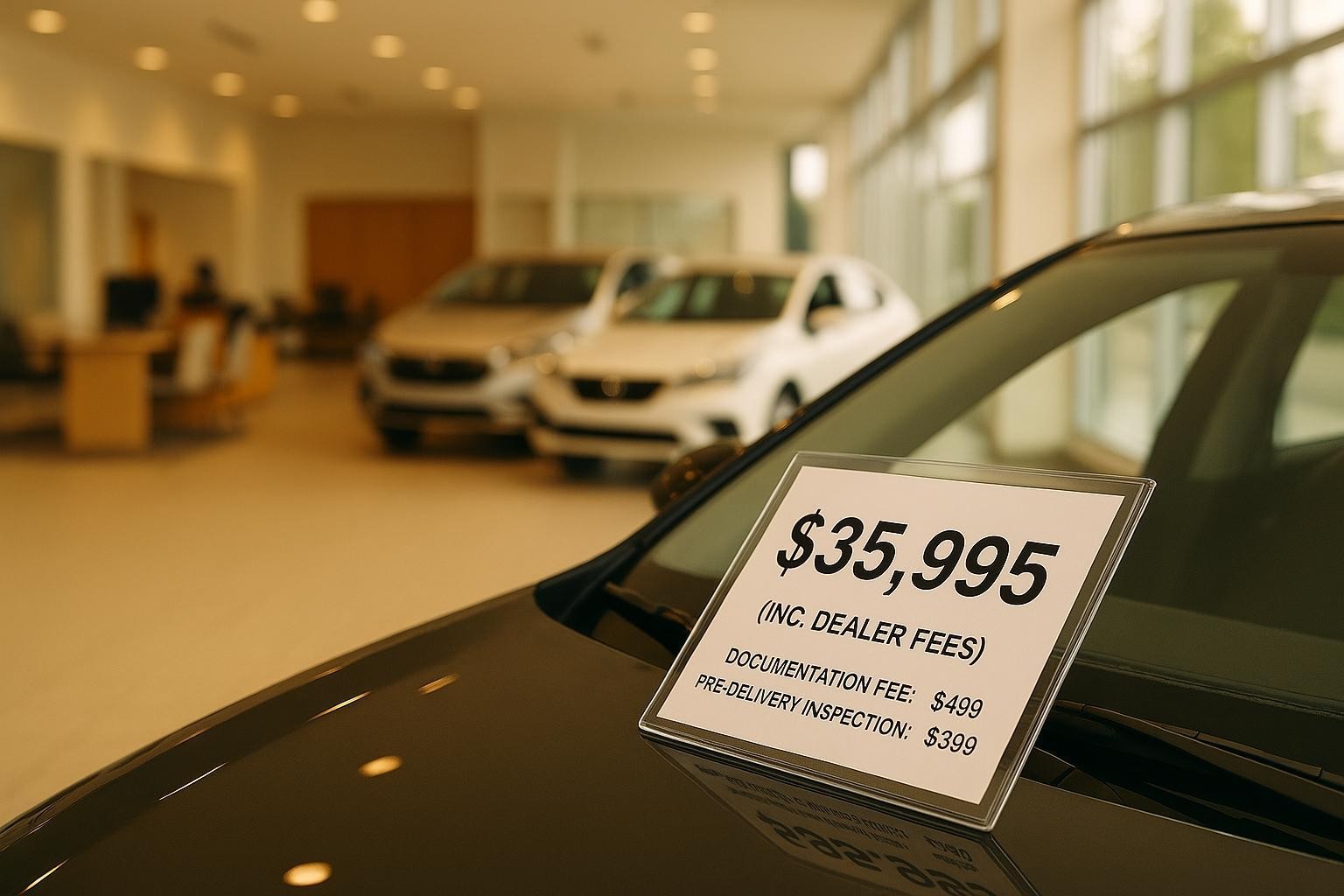
1. Selling Multiple Cars Without Being a Licensed Dealer
Illegal car flippers often avoid dealership regulations by pretending to be private sellers. A person selling a personal vehicle occasionally is usually normal, but someone constantly advertising different cars may be operating an unlicensed business.
These sellers purchase damaged, neglected, or auction vehicles at low prices and quickly resell them for profit without following dealer requirements.
Many curbstoners advertise several vehicles under different names, phone numbers, or locations. They may claim that each car belongs to a family member, friend, or someone who recently moved away. These explanations are commonly used to avoid appearing like a dealer. Buyers who notice the same person connected to multiple vehicle listings should pay close attention.
Licensed dealers typically follow laws involving inspections, paperwork, disclosures, and consumer protections. Illegal flippers avoid these responsibilities because repairs, legal requirements, and warranty obligations can reduce their profits. They focus on quick sales rather than providing accurate information about the vehicle.
A common warning sign is meeting a seller in parking lots, empty areas, or random neighborhoods instead of a registered business location.
While private sales can happen anywhere, repeated patterns of unusual meeting places may indicate someone trying to hide their operation. Buyers should ask direct questions about ownership and selling history.
Checking the seller’s name against the vehicle title can reveal important information. If the person selling the car is not listed as the owner, the situation requires extra caution. Curbstoners frequently sell vehicles without transferring ownership properly, creating future problems for buyers. Taking time to verify ownership can prevent expensive mistakes.

2. Hiding Vehicle Damage and Previous Accidents
Many illegal flippers make money by purchasing heavily damaged vehicles, performing cheap cosmetic repairs, and selling them without proper disclosure.
A car may look clean from a distance while hiding serious mechanical or structural problems. Accident damage, flood exposure, and poor repairs can create safety risks for future owners.
One common tactic involves covering damaged areas with fresh paint or replacing only visible parts. A vehicle may have a polished exterior while important components underneath remain damaged. Buyers should inspect gaps between body panels, unusual paint differences, and signs of rushed repair work.
Flood-damaged cars are especially attractive to dishonest sellers because they can appear normal after cleaning. However, water damage may affect electrical systems, sensors, wiring, and mechanical components. Problems may not appear immediately, allowing sellers to complete a quick transaction before issues become obvious.
Illegal flippers may avoid discussing accidents by saying they do not know the vehicle’s history. While some private sellers genuinely lack information, repeated avoidance of basic questions can be concerning. A responsible owner should usually provide details about repairs, maintenance, and past problems.
A professional inspection can reveal issues that are difficult for regular buyers to notice. Mechanics can identify structural repairs, engine problems, hidden leaks, and unsafe modifications. Spending money on an inspection before purchasing a used vehicle can save thousands of dollars in future repairs.
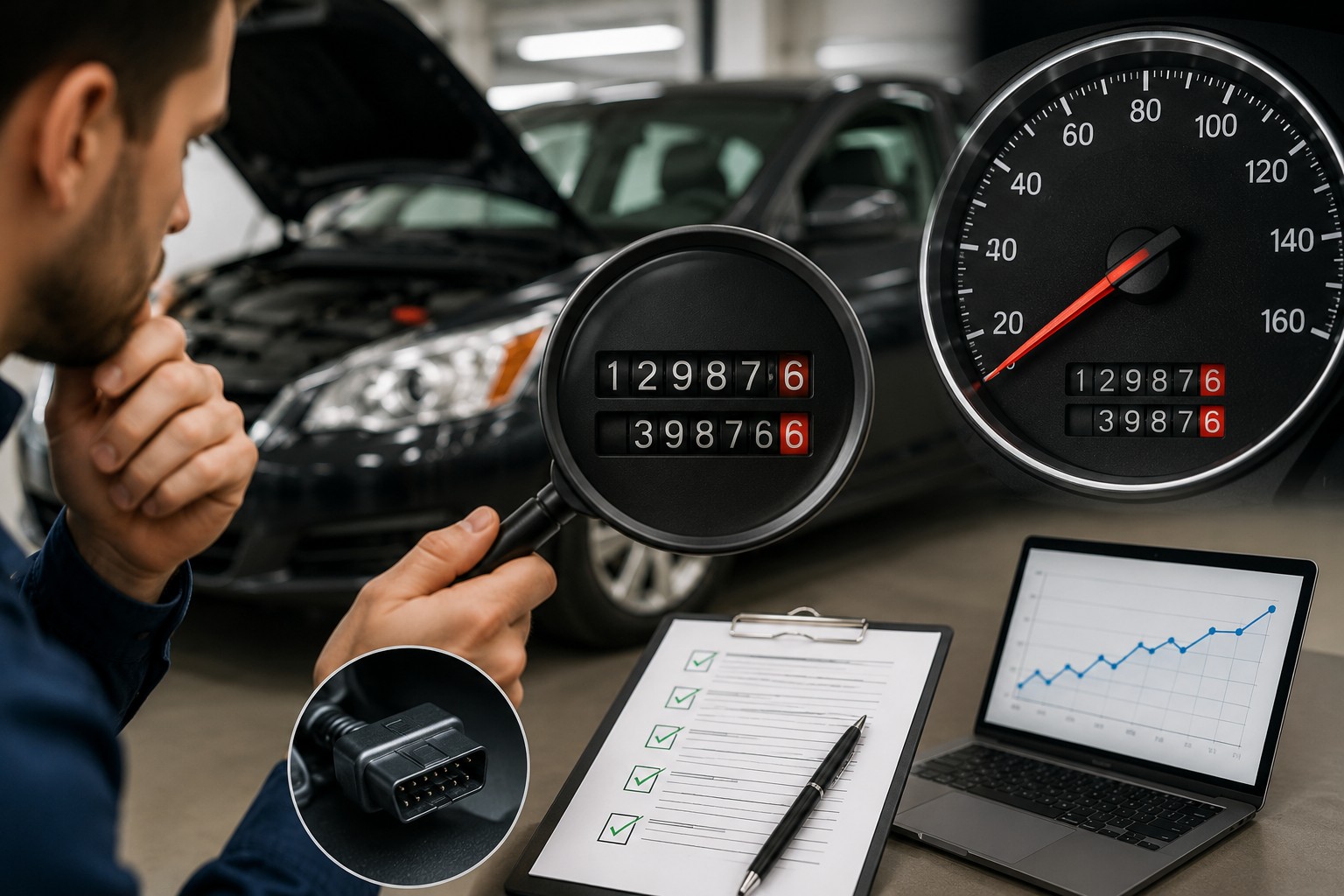
3. Rolling Back the Odometer to Show Lower Mileage
Mileage plays a major role in how buyers judge used vehicles. Illegal flippers sometimes manipulate odometers or misrepresent mileage records to make worn-out cars appear newer. Lower mileage often allows sellers to demand higher prices, creating a strong incentive for dishonest behavior.
Modern vehicles store mileage information in several electronic systems, but fraud still occurs. Some sellers alter digital records or replace instrument clusters to display fewer miles. Older vehicles with mechanical odometers can also be modified more easily.
Warning signs include mismatched maintenance records, worn interior parts, and mileage that seems inconsistent with the vehicle’s age. A car showing unusually low mileage with heavily damaged seats, faded controls, or excessive pedal wear deserves additional investigation.
Service records can help verify whether displayed mileage matches the vehicle’s history. Oil changes, inspections, and repair documents often contain mileage information. Buyers should compare these records with the odometer reading before completing a purchase.
Vehicle history reports may also provide clues about mileage changes, previous ownership, and reported incidents. While these reports are not perfect, they can reveal information that sellers may not mention. Combining records, inspection results, and careful questions creates a stronger picture of the vehicle’s true condition.
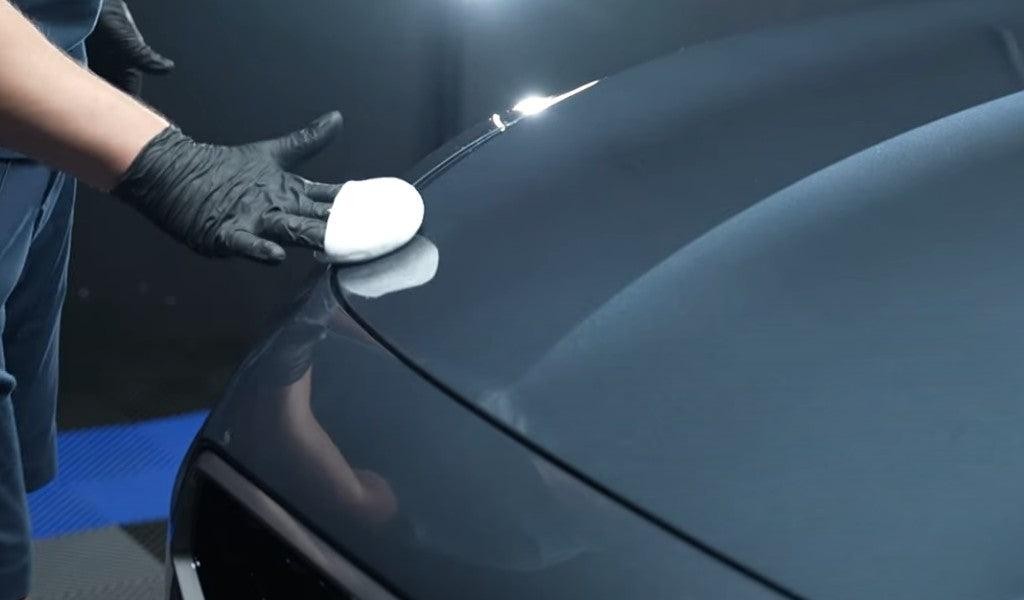
4. Creating Fake Repairs and Cheap Cosmetic Improvements
Illegal flippers often focus on making a damaged vehicle look attractive rather than fixing problems properly. Their goal is usually to spend as little money as possible while creating the appearance of a well-maintained car.
Fresh paint, detailed interiors, and temporary repairs can make a poor vehicle seem like a great deal.
A common method involves repairing only visible issues. A seller may replace a damaged bumper, clean the engine bay, or install inexpensive accessories to distract buyers from deeper mechanical failures. These improvements can create a false sense of quality while important repairs remain unfinished.
Engine cleaning is another technique used by dishonest sellers. A clean engine compartment may look impressive, but excessive cleaning can sometimes hide leaks, fluid problems, or signs of neglect. Buyers should inspect whether the engine area appears naturally maintained or recently prepared for a quick sale.
Cheap replacement parts can also hide previous damage. Some repairs use low-quality components that do not meet original safety standards. Examples include poorly fitted body panels, mismatched headlights, and low-grade tires. These details may indicate that the vehicle was repaired only for resale purposes.
A careful inspection should include checking paint texture, panel alignment, warning lights, and unusual noises during a test drive. Buyers should avoid making decisions based only on appearance. A vehicle that looks attractive may still require expensive repairs shortly after purchase.
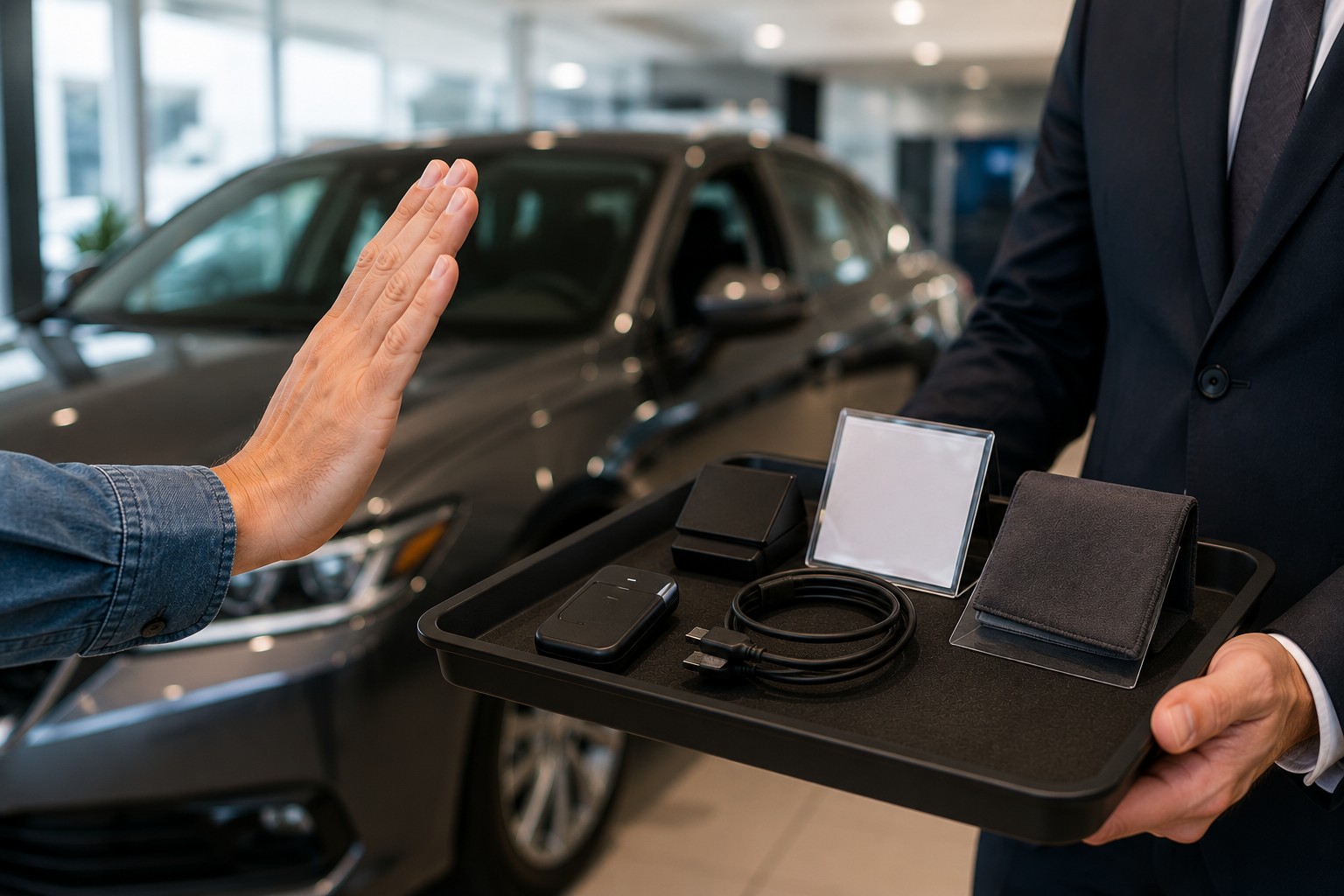
5. Using Pressure Tactics to Force Quick Decisions
Curbstoners often rely on urgency because they do not want buyers to investigate the vehicle carefully. They may claim that several people are interested, offer a limited-time price, or insist that payment must happen immediately. These tactics are designed to prevent buyers from noticing problems.
A trustworthy seller usually allows time for questions, inspections, and paperwork review. Someone who becomes impatient when a buyer requests a mechanic inspection or additional documents may be hiding something. Rushing the process benefits sellers who want to complete the transaction before problems are discovered.
Common pressure statements include claims that the vehicle will be sold within hours or that someone else is ready to purchase it. While some legitimate sellers may have other interested buyers, repeated urgency combined with missing information should raise concerns.
Buyers should avoid emotional decisions based on a low price alone. A cheap vehicle can become expensive if it requires major repairs, has ownership issues, or cannot be legally registered. Taking extra time to verify details is usually worth the effort.
A safe purchase process includes reviewing documents, completing a test drive, checking ownership information, and arranging an independent inspection. Sellers who refuse these basic steps may not have the buyer’s best interests in mind.

6. Selling Cars With Title Problems
Title issues are among the most serious warning signs when purchasing a used vehicle. Illegal flippers may sell cars without proper ownership documents, use open titles, or hide important title brands. These problems can prevent registration and create legal complications for buyers.
An open title occurs when someone sells a vehicle without transferring ownership into their own name first. Curbstoners often use this method to avoid taxes, paperwork, and dealer requirements. The buyer may later discover that the person who sold the vehicle was not legally recognized as the owner.
Salvage, rebuilt, flood, and other title brands provide important information about a vehicle’s past. Dishonest sellers may avoid mentioning these details because they can reduce the vehicle’s value. Buyers should carefully examine the title and ask questions about any unusual markings.
A seller who claims the title is missing or promises to provide paperwork later, should be treated carefully. A vehicle should not be purchased without reviewing the required ownership documents. Missing paperwork can create significant problems after money has already changed hands.
Before buying, consumers should confirm that the seller’s identification matches the title information. Any mismatch between the seller, paperwork, and vehicle history should be investigated. Proper documentation is a key part of protecting yourself from fraudulent vehicle sales.

7. Advertising False Information Online
Online marketplaces have made it easier for illegal flippers to reach many buyers quickly. They often create attractive listings with incomplete or misleading information. Photos, descriptions, and claims about condition may be carefully designed to make a vehicle appear better than it really is.
Some sellers use phrases like “runs perfectly,” “no issues,” or “excellent condition” without providing evidence. These statements may not match the actual condition of the vehicle. Buyers should treat broad claims with caution and request specific details about maintenance and repairs.
Photos can also be misleading. Sellers may avoid showing damaged areas, warning lights, rust spots, or worn interiors. Bright lighting and carefully selected angles can make older vehicles appear much better than they are in person.
Fake accounts and repeated listings are additional warning signs. A seller who frequently posts different vehicles or removes and reposts the same listing may be trying to attract quick buyers. Checking seller history and asking detailed questions can reveal suspicious patterns.
Meeting the vehicle in person remains essential. Buyers should never rely only on online descriptions when purchasing a used car. A physical inspection, document review, and test drive provide information that advertisements cannot provide.
8. Selling Vehicles With Hidden Mechanical Problems
Illegal flippers often purchase vehicles with serious mechanical issues because these cars can be bought cheaply. Instead of completing proper repairs, they may perform temporary fixes designed to keep the vehicle running long enough for a sale. Buyers who are unaware of these problems can face large repair bills soon after purchase.
Engine and transmission problems are among the most expensive issues a used vehicle owner can experience. A seller may use additives, quick adjustments, or short-term solutions to reduce symptoms without fixing the actual cause. During a short test drive, these problems may remain unnoticed.
Warning signs can include unusual engine sounds, delayed gear changes, smoke from the exhaust, overheating, fluid leaks, or warning lights that appear after driving for a longer period. A vehicle that seems fine during a few minutes of driving may develop problems under normal conditions.
Some illegal sellers disconnect dashboard warning lights or clear diagnostic codes before showing a vehicle. This can temporarily remove warning indicators, but the problems may return after the car is driven for some time. A diagnostic scan performed by a qualified mechanic can help identify stored issues.
Buyers should avoid assuming that a low purchase price makes a questionable vehicle a good deal. Repair costs can quickly exceed the savings from buying a cheaper car. A professional inspection before purchase provides valuable information about the vehicle’s actual condition.

9. Using Fake Ownership Stories and False Explanations
Curbstoners often create stories to make suspicious vehicle sales appear legitimate. They may claim they are selling a relative’s car, helping a friend, handling an estate sale, or selling a vehicle for someone who moved away. These explanations can be difficult to verify.
A genuine private seller usually has a clear connection to the vehicle. They can explain how long they owned it, why they are selling it, and provide maintenance information. Someone who avoids simple questions or gives inconsistent answers may not have a legitimate ownership history.
Illegal sellers may also use different names when communicating with buyers. They might advertise under one identity and provide different information when meeting in person. This behavior can make it harder for buyers to track responsibility if problems occur after the sale.
Another warning sign is when the seller does not know basic details about the vehicle. A person who claims to have owned a car for years should usually know information about repairs, driving habits, and previous issues. Lack of knowledge can suggest they recently acquired the vehicle only for resale.
Buyers should trust documented information more than verbal explanations. Ownership records, service documents, and inspection reports provide stronger evidence than stories provided during a sale. Clear paperwork helps reduce the risk of purchasing a problem vehicle.

10. Offering Deals That Are Too Good to Be True
A very low price is one of the most common ways illegal flippers attract buyers. Everyone wants a good deal, but a vehicle priced far below similar models often requires closer examination. Extremely low prices can indicate hidden damage, title problems, or mechanical failures.
Curbstoners understand that many buyers search for bargains. They use attractive prices to create excitement and encourage quick decisions. The lower price can make people overlook missing records, unclear ownership, or requests to skip inspections.
Comparing similar vehicles in the same market can help identify unusual pricing. If a car is significantly cheaper than others with similar age, mileage, and features, buyers should investigate why. A seller with a legitimate reason for a lower price should be able to explain it clearly.
Some sellers advertise vehicles at attractive prices but add unexpected fees or conditions later. Others may claim that the low price is available only if the buyer pays immediately. These tactics can pressure people into accepting terms they would normally question.
A good deal should still include proper paperwork, a reasonable inspection process, and honest communication. Saving money on the purchase price is not helpful if the vehicle creates financial problems afterward. Careful evaluation matters more than simply finding the cheapest option.
Also Read: 10 SUVs That Changed the Automotive Industry Forever
