
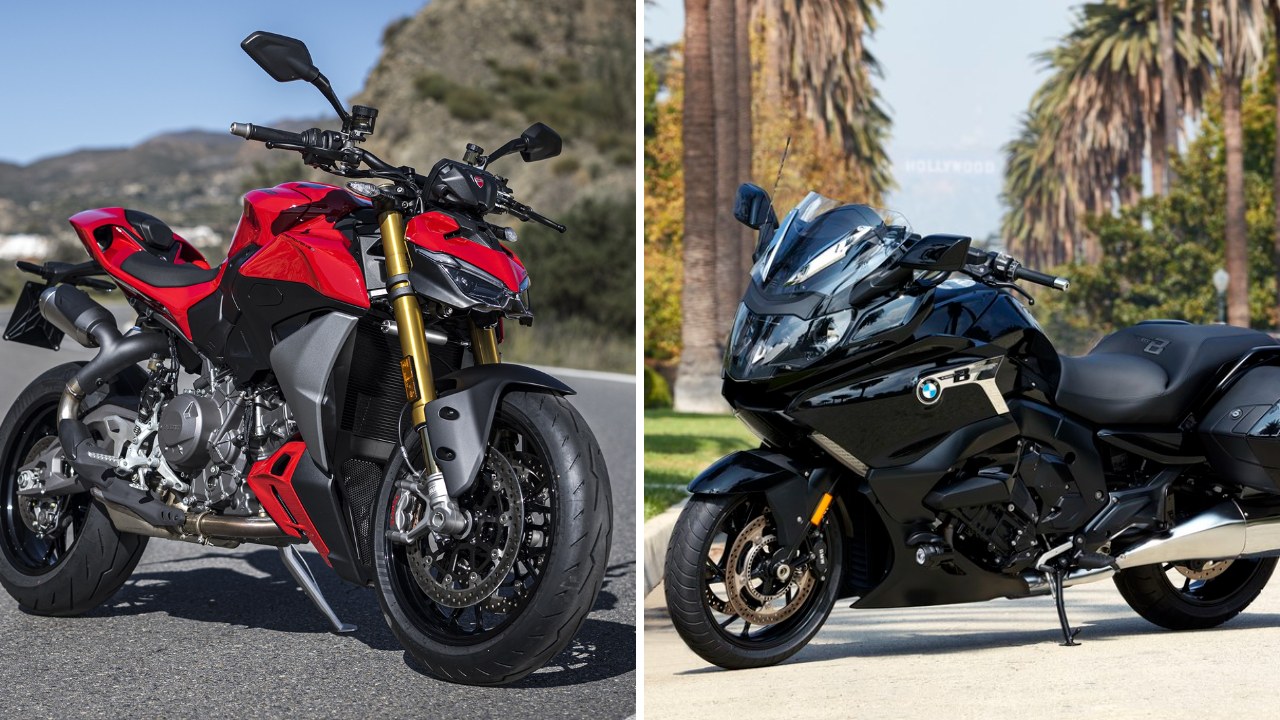
Motorcycles represent freedom, performance, and personal expression, but reliability remains an important factor when choosing the right machine. While many brands have built loyal followings through impressive designs and powerful engines, some models have received more repair reports from owners than others.
Consumer Reports conducted a motorcycle reliability survey based on feedback from thousands of riders, highlighting differences in reported problems among major manufacturers.
This article examines eight motorcycle brands with higher reported problem rates from that survey, including the percentage of owners who experienced issues within the first four years of ownership. The information helps riders understand potential maintenance concerns before making a purchase decision.
Also Read: 10 EVs Ranked by Charging Speed
1. Can-Am: The Brand With the Highest Reported Problem Rate
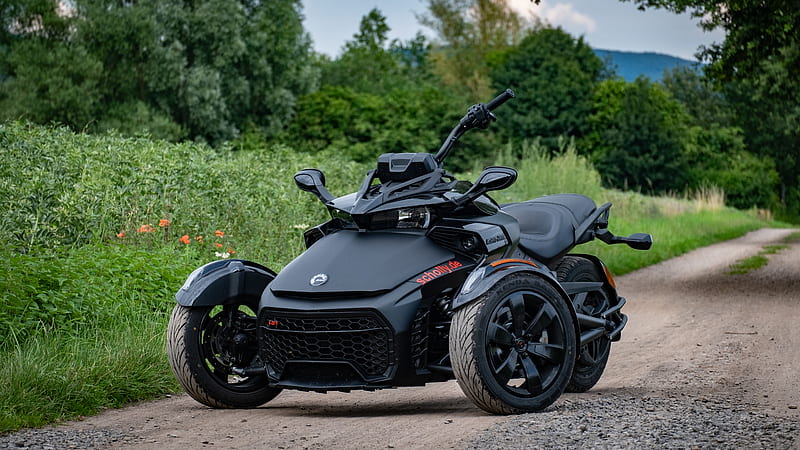
Can-Am recorded the highest reported problem rate in Consumer Reports’ motorcycle reliability survey, with an estimated 42% of surveyed motorcycles requiring repairs by the fourth year of ownership. The brand is known mainly for three-wheel motorcycles and adventure-focused models that combine motorcycle handling with features associated with automobiles.
The unique engineering behind these machines creates a different ownership experience compared with traditional two-wheel motorcycles. The survey results do not mean every Can-Am motorcycle will experience problems, but they show that owners reported a higher number of repair needs compared with several competing brands.
Can-Am motorcycles include advanced technology, automatic transmissions, electronic systems, and specialized designs. These features provide convenience and comfort for many riders, but additional mechanical and electrical components can increase the number of areas that may require maintenance.
Complex systems often need careful servicing, and repairs may become more expensive when specialized parts or trained technicians are required. Owners who follow maintenance schedules and use qualified service centers may reduce the risk of major issues during ownership.
Reported problems among Can-Am owners have included electrical concerns, mechanical repairs, and issues connected with the drivetrain or other major components. Consumer Reports collected these results through owner responses, meaning the information reflects real experiences from people using these motorcycles in everyday conditions.
Surveys based on owner feedback can reveal patterns that may not always appear during short-term testing because riders often keep motorcycles for several years and encounter different riding conditions.
Can-Am has continued improving its motorcycle lineup through updates in design, engineering, and technology. Newer models may include changes that are not represented in older reliability surveys.
A reliability ranking from a specific survey period should be viewed as a historical measurement rather than a permanent judgment of current products. Motorcycle manufacturers frequently update components, improve manufacturing processes, and respond to customer feedback over time.
Buyers considering a Can-Am motorcycle should examine maintenance history, ownership costs, warranty coverage, and reviews from current owners.
A motorcycle with higher reported repair rates can still provide enjoyable ownership when it matches a rider’s needs and expectations. Understanding reliability data helps buyers make informed choices instead of relying only on brand reputation or appearance.
2. BMW: Premium Engineering With Higher Repair Reports
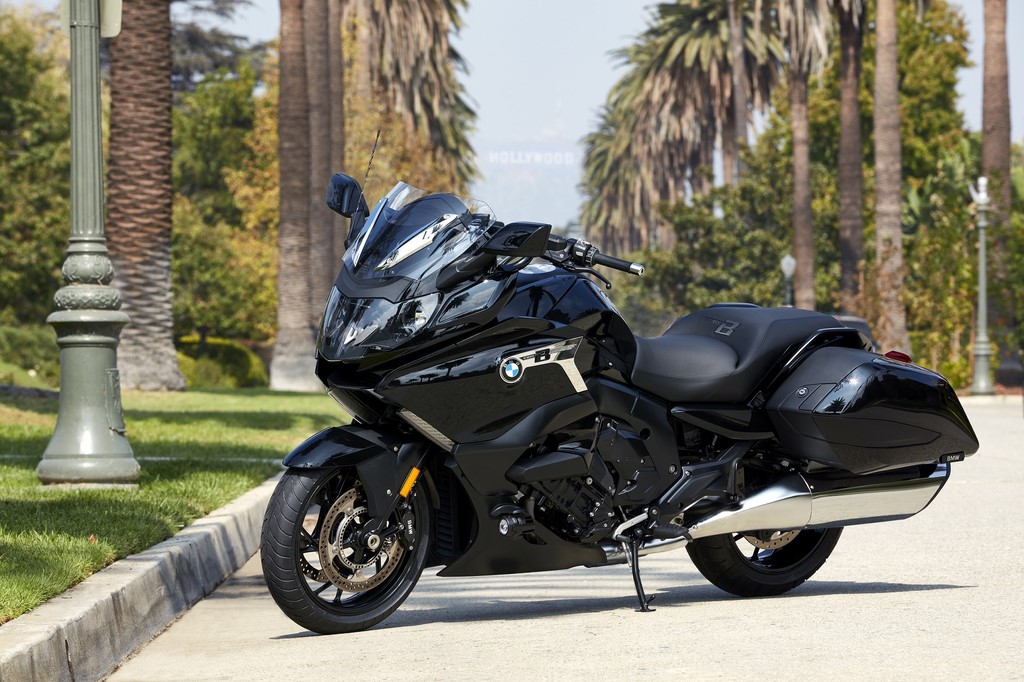
BMW motorcycles received an estimated 40% reported problem rate in the Consumer Reports reliability survey. The German manufacturer has built a strong reputation for producing touring motorcycles, adventure models, and performance-focused machines with advanced engineering.
BMW motorcycles often include sophisticated technology, high-quality materials, and features designed for long-distance comfort. The survey results indicate that owners reported repair needs more frequently than riders of several competing brands.
Many BMW motorcycles use advanced systems such as electronic suspension controls, rider assistance technology, and complex engine designs. These features improve comfort, safety, and riding performance, but they also introduce additional components that may require attention during ownership.
Modern motorcycles rely heavily on sensors, computer systems, and electronic controls, making maintenance knowledge increasingly important for long-term reliability.
BMW owners have often praised the brand for handling, comfort, and innovation. However, repair costs can become a concern when specialized parts and dealership service are needed.
European motorcycles sometimes require specific tools and trained technicians, which can increase service expenses compared with simpler designs. Regular maintenance plays a major role in keeping these motorcycles operating properly.
The Consumer Reports findings came from owner experiences rather than a laboratory test. This means the results represent repair reports from thousands of riders who provided information about their motorcycles.
Some owners may experience frequent trouble, while others may operate their BMW motorcycles for years with few major issues. Individual maintenance habits, riding conditions, and model selection can influence ownership experiences.
BMW continues to develop motorcycles with updated engines, improved electronics, and revised designs. Reliability results from older surveys should be considered alongside current model information. Riders interested in BMW motorcycles can benefit from researching specific model years, service records, and common issues before making a purchase decision.
3. Ducati: Performance Focus With Maintenance Considerations
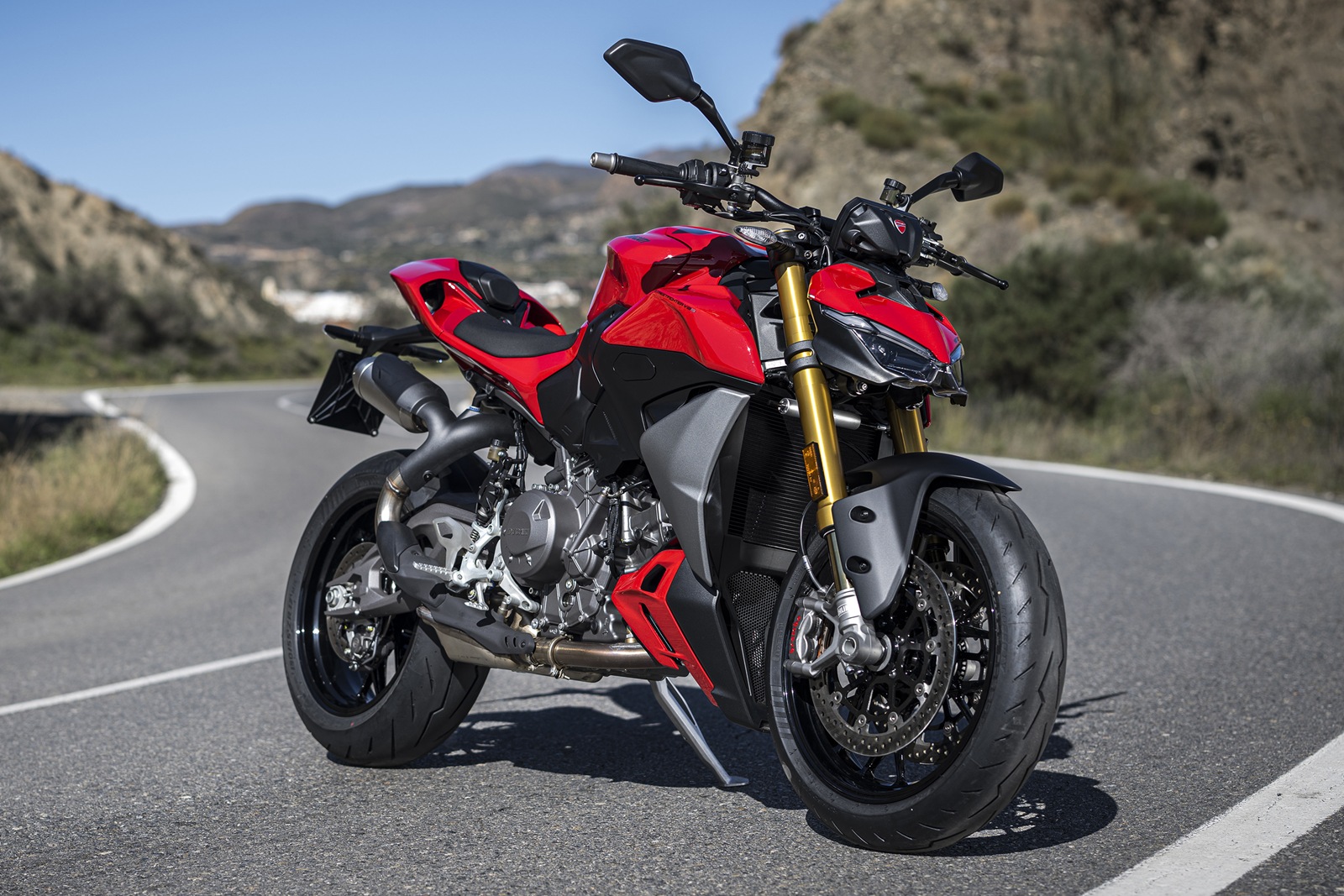
Ducati recorded a 33% reported problem rate in the Consumer Reports motorcycle reliability survey. The Italian manufacturer is recognized for producing motorcycles focused on performance, distinctive styling, and engaging riding characteristics.
Ducati models often attract riders who value powerful engines, precise handling, and premium design. The survey showed that owners reported more repair needs compared with several brands that ranked higher for reliability.
Ducati motorcycles use advanced engineering aimed at delivering strong performance on the road. High-performance engines often require careful maintenance because they operate under demanding conditions.
Service intervals, specialized procedures, and replacement parts can influence ownership costs. Riders who understand these requirements may have a more positive experience with Ducati ownership.
Common concerns reported by motorcycle owners can include electrical issues, mechanical adjustments, and maintenance-related challenges. Performance motorcycles generally require more attention than basic commuter models because they are designed with different priorities.
A motorcycle built for excitement and strong riding performance may involve additional care compared with a simpler machine designed mainly for transportation.
Consumer Reports reliability data provides useful information, but it does not measure every part of motorcycle ownership. Factors such as riding enjoyment, comfort, design preference, and emotional connection also influence purchasing decisions.
Many Ducati owners choose these motorcycles because of their character and riding experience, even when maintenance requirements may be higher.
Potential buyers should research individual Ducati models rather than judging the entire brand only through survey rankings. Different engines, production years, and updates can create different reliability experiences. A well-maintained Ducati with proper service records may provide years of enjoyable riding for owners who appreciate performance-focused motorcycles.
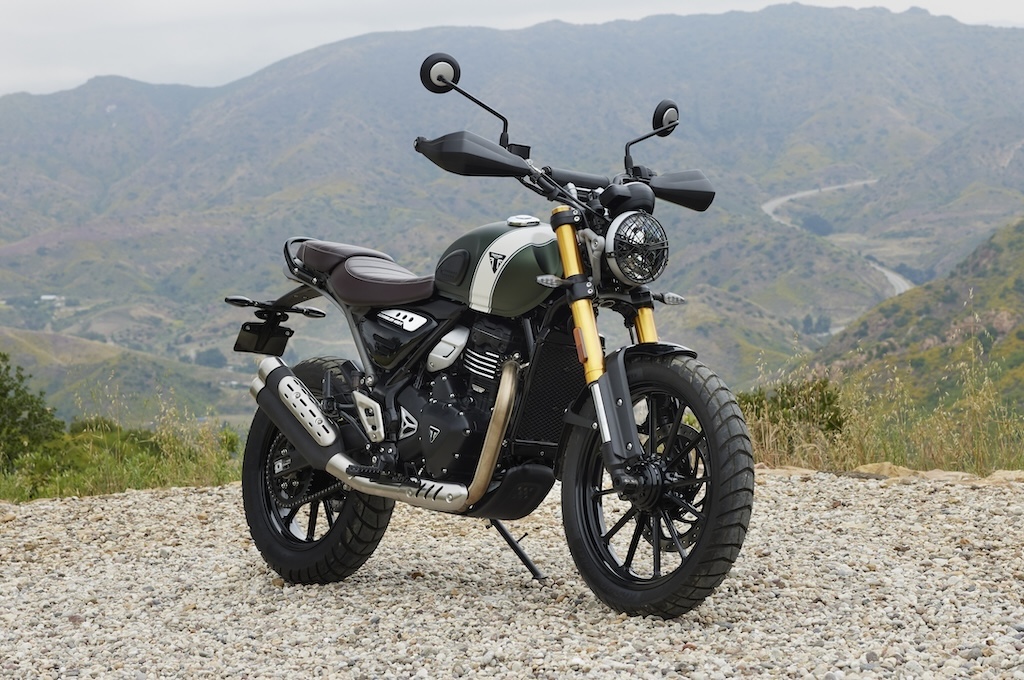
4. Triumph: Classic Design With Modern Technology
Triumph reported an estimated 29% problem rate in Consumer Reports’ motorcycle reliability survey. The British manufacturer has a long history in motorcycle production and is known for combining classic styling with modern engineering.
Triumph motorcycles include roadsters, adventure bikes, and touring models designed for different types of riders. The reliability survey placed the brand above several companies with higher reported repair rates.
Modern Triumph motorcycles include electronic systems, fuel injection, advanced suspension components, and updated engine technology. These improvements help motorcycles meet current performance and emissions requirements. At the same time, additional technology can create more components that require inspection and maintenance during long-term ownership.
Owners often appreciate Triumph motorcycles for their appearance, handling, and comfortable riding position. The brand has developed a strong following among riders who enjoy motorcycles with traditional styling combined with current features.
Reliability concerns reported in surveys do not represent every motorcycle produced by the company, as individual models may perform differently over many years.
Maintenance remains important for Triumph owners. Following recommended service schedules, checking fluids, and addressing small problems early can help prevent larger repairs. Motorcycle reliability depends not only on manufacturing quality but also on how owners operate and care for their machines.
The Consumer Reports survey offers valuable historical information about ownership experiences. Riders researching Triumph motorcycles should compare specific models, read owner feedback, and review maintenance requirements before buying.
A thoughtful purchase decision can help match a motorcycle’s characteristics with a rider’s expectations and lifestyle.
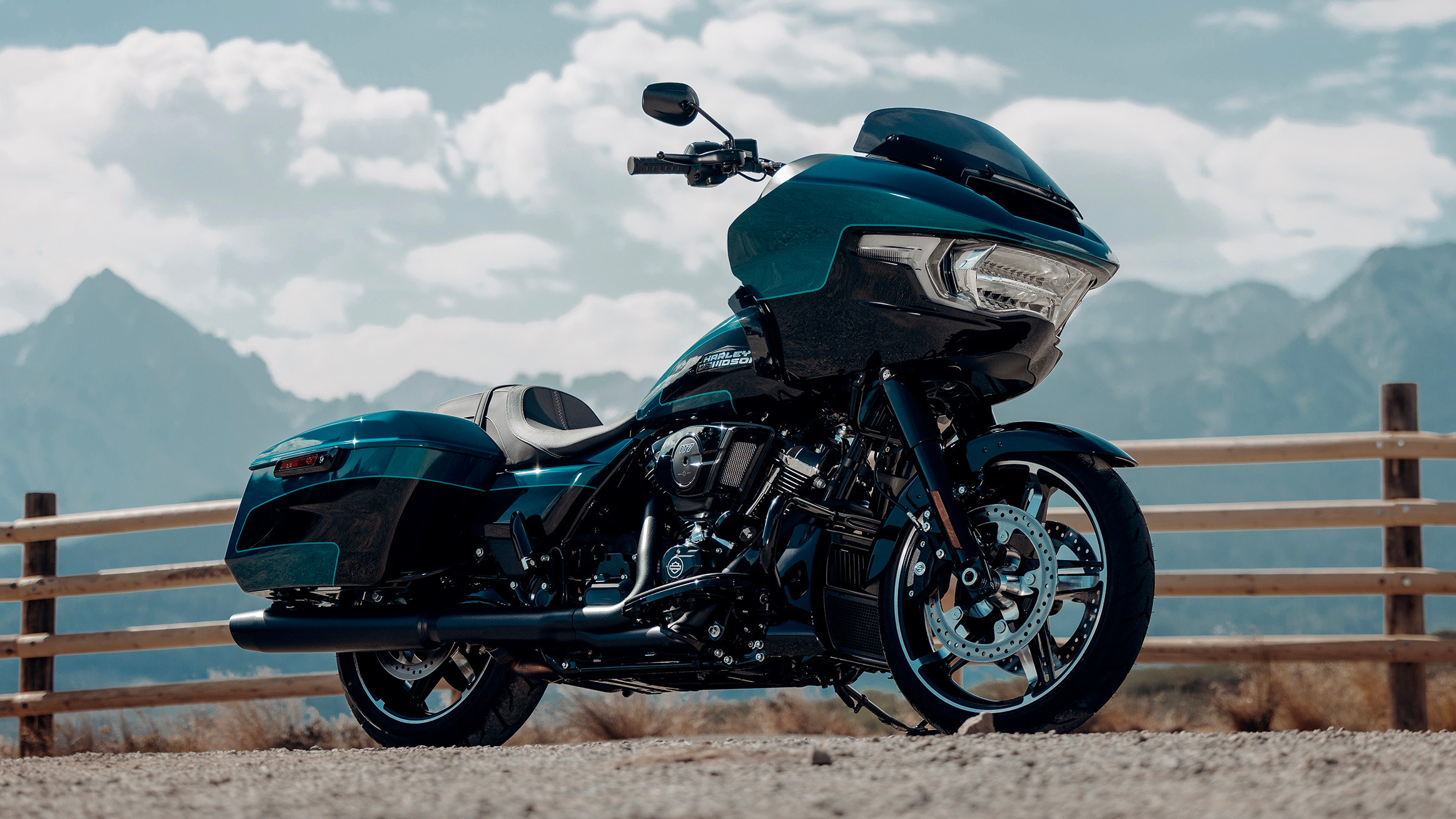
5. Harley-Davidson: Strong Brand Identity With Reported Repair Concerns
Harley-Davidson recorded an estimated 26% reported problem rate in the Consumer Reports motorcycle reliability survey. The American motorcycle manufacturer has built a long-standing reputation through its large touring bikes, cruisers, and distinctive V-twin engines.
Many riders choose Harley-Davidson motorcycles because of their riding style, sound, comfort, and strong community connection. However, Consumer Reports data showed that a portion of owners experienced repair needs within the first four years of ownership.
Harley-Davidson motorcycles are generally designed around durability, long-distance riding, and relaxed performance. Many models feature large engines, heavy frames, and components built for highway travel.
While these characteristics appeal to many riders, larger motorcycles can require more maintenance because of their size, weight, and mechanical complexity. Regular inspections and scheduled servicing are important for maintaining performance and preventing avoidable problems.
Reported issues from Harley-Davidson owners have included concerns related to electrical systems, oil leaks, mechanical components, and other maintenance-related areas. Some problems may depend on the specific model year, riding habits, and how well the motorcycle has been maintained.
A motorcycle used for frequent long-distance travel may experience different wear compared with a machine used occasionally for short recreational rides.
The brand has made several changes over the years to improve engineering, production quality, and customer experience. Newer motorcycles often include updated technology, improved engines, and redesigned components.
Reliability surveys from previous years provide useful information but should not be treated as a complete evaluation of every current Harley-Davidson motorcycle.
Many Harley-Davidson owners remain highly satisfied because the ownership experience involves more than repair frequency alone. Factors such as comfort, customization options, riding enjoyment, and brand culture influence customer opinions.
Buyers interested in Harley-Davidson models should research specific motorcycles, examine service records, and consider maintenance costs before purchasing.
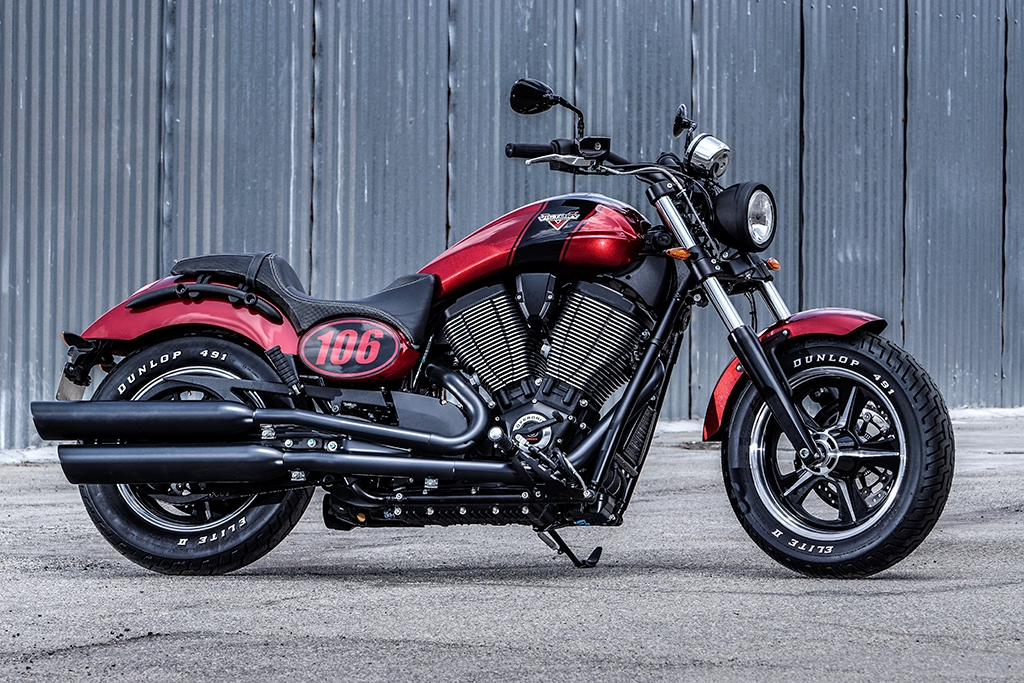
6. Victory: Reliable Performance With Some Reported Issues
Victory motorcycles recorded an estimated 17% reported problem rate in the Consumer Reports survey. The brand, produced by Polaris Industries, was known for building large cruiser motorcycles with strong engines and comfortable touring features.
Although Victory motorcycles are no longer produced after Polaris ended the brand in 2017, many examples remain available in the used motorcycle market.
Victory motorcycles developed a reputation for strong performance and dependable engines. The company focused on creating alternatives within the cruiser segment by offering unique designs and modern engineering. Many riders appreciated the smooth power delivery, comfortable seating, and highway performance found in Victory models.
The reported problems identified by Consumer Reports included issues that some owners experienced during ownership. These reports may involve different components depending on the motorcycle model and usage conditions.
Since motorcycles experience wear based on mileage, climate, maintenance routines, and riding style, individual experiences can vary significantly.
One consideration for used Victory motorcycle buyers is long-term parts availability. While many replacement parts and service options remain available, discontinued brands can sometimes create challenges compared with manufacturers currently producing motorcycles. Buyers should investigate local service support and parts availability before purchasing an older Victory model.
For riders searching for a used cruiser, Victory motorcycles can still represent an interesting option. Their reliability ranking was stronger than several brands included in the Consumer Reports survey, and many owners continue to praise their performance and comfort. A detailed inspection and review of maintenance history are important steps before buying any used motorcycle.
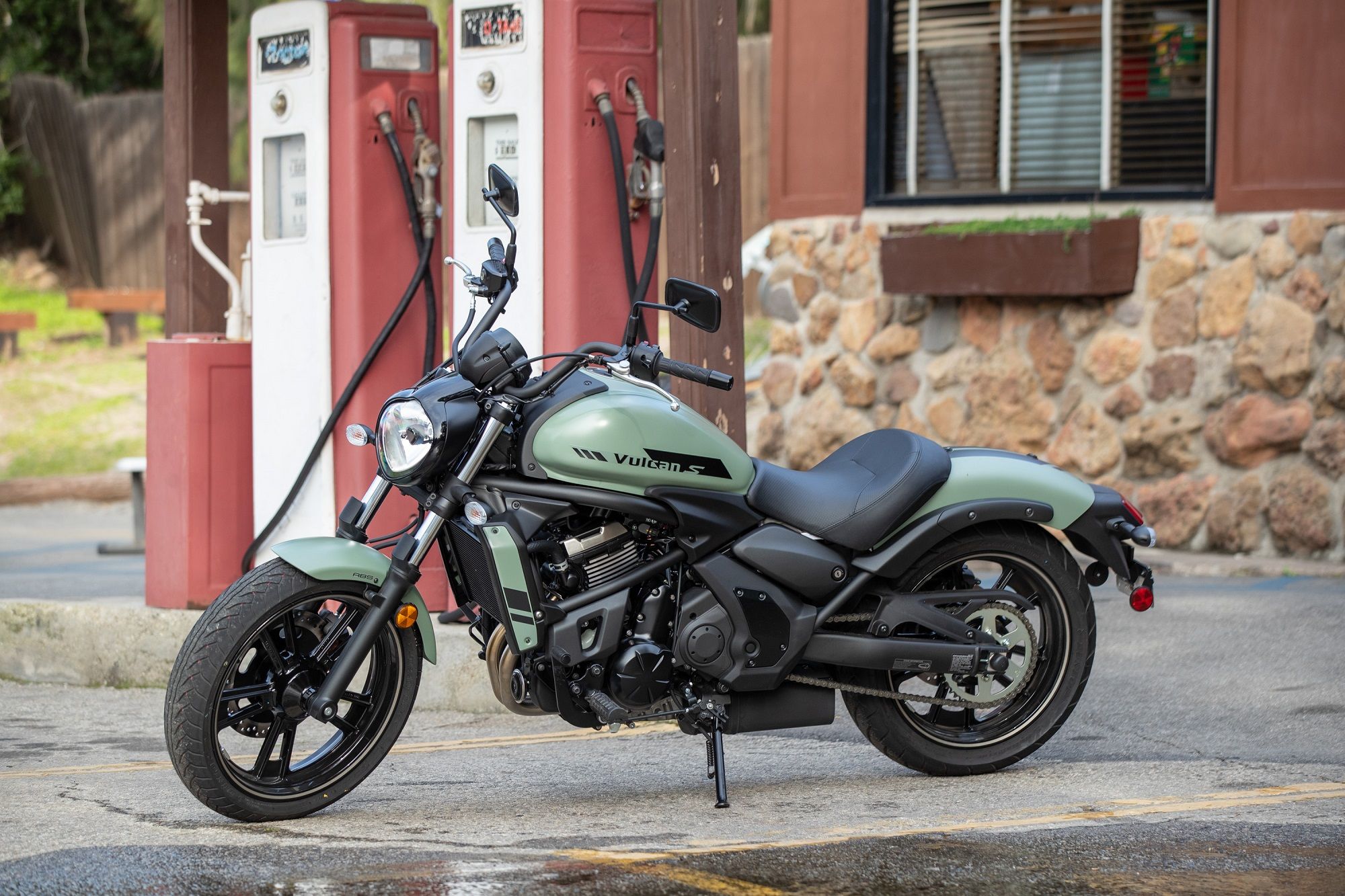
7. Kawasaki: Popular Japanese Engineering With Moderate Reports
Kawasaki recorded an estimated 15% reported problem rate in the Consumer Reports motorcycle reliability survey. The Japanese manufacturer produces a wide range of motorcycles, including sport bikes, touring motorcycles, adventure models, and beginner-friendly machines.
Kawasaki has earned recognition among riders for producing motorcycles with strong performance, practical designs, and competitive pricing.
Japanese motorcycle manufacturers have traditionally been associated with consistent engineering and dependable production. Kawasaki benefits from decades of experience developing engines and motorcycle technology for different riding categories. The company’s broad lineup allows riders to choose motorcycles designed for commuting, racing, touring, or recreational riding.
The survey results showed that Kawasaki owners reported fewer problems compared with several brands ranked higher on the list. However, the reported repair rate demonstrates that no manufacturer is completely free from maintenance requirements.
Mechanical wear, electrical concerns, and normal service needs can occur with any motorcycle depending on usage and care.
Many Kawasaki models are known for accessible maintenance and widely available parts. This can make ownership easier for riders who prefer handling basic repairs themselves or working with independent mechanics. The availability of service information and replacement components can influence long-term ownership satisfaction.
Buyers considering Kawasaki motorcycles should still research specific models and production years. Reliability can differ between individual motorcycles, and certain designs may have their own common concerns. Checking owner reviews, maintenance records, and professional inspections can help buyers choose a motorcycle that fits their needs.
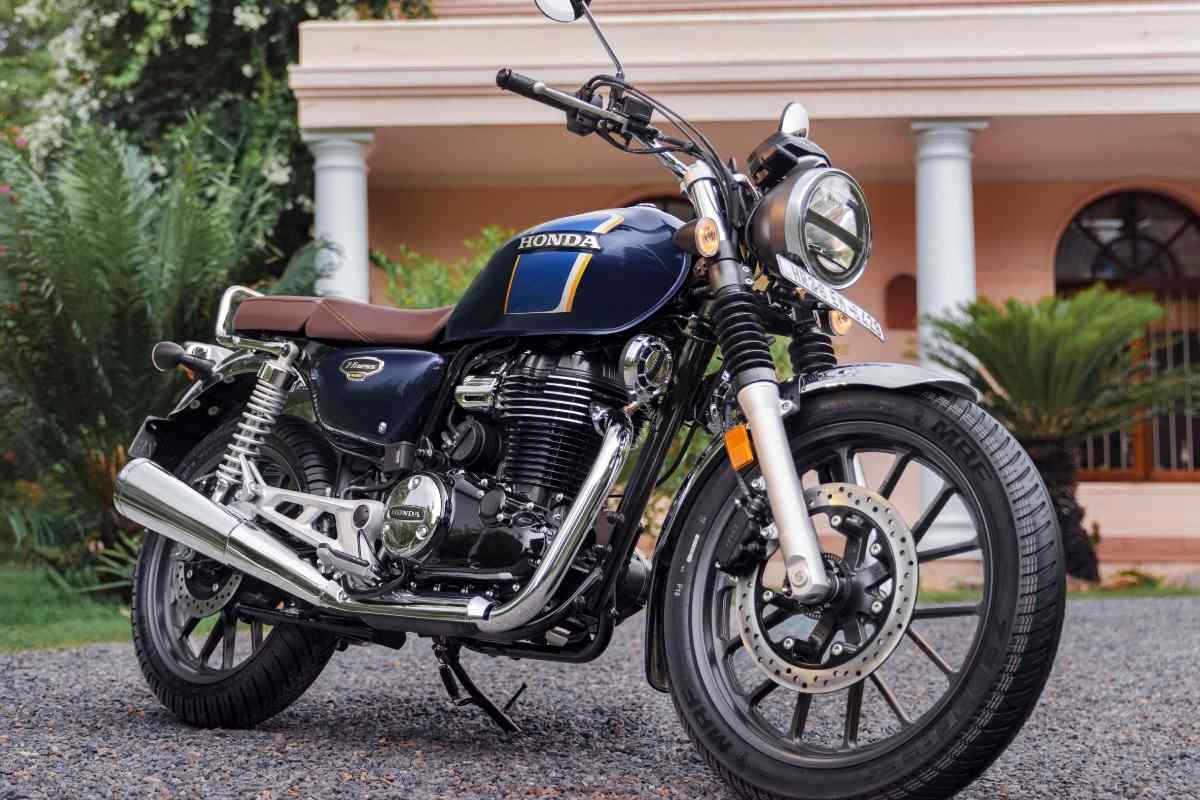
8. Honda: Low Problem Rate But Not Completely Issue-Free
Honda recorded an estimated 12% reported problem rate in the Consumer Reports motorcycle reliability survey, making it the eighth brand on this list of manufacturers with more serious reported problems among the selected group.
Honda is widely recognized as one of the largest motorcycle manufacturers and has produced motorcycles for commuters, touring riders, sport enthusiasts, and adventure riders.
Honda motorcycles have built a reputation for dependable engines, practical designs, and long service life. Models from the company are commonly used around the world because they combine efficiency, durability, and accessible maintenance. The lower reported problem rate in the Consumer Reports survey reflects the positive reliability experiences shared by many Honda owners.
Even reliable motorcycles can experience problems during ownership. Reported issues may involve normal wear items, electrical components, or mechanical repairs that occur after years of use.
Factors such as maintenance schedules, riding conditions, and mileage can influence whether a motorcycle requires repairs.
Honda’s extensive dealer network and large production volume can make ownership easier for many riders. Replacement parts are generally easier to find, and many mechanics are familiar with Honda motorcycle systems. These advantages can reduce the difficulty and cost of maintaining a motorcycle over time.
The Consumer Reports survey shows that Honda performed better than several brands included in the ranking. However, reliability should be considered alongside other factors such as performance, comfort, intended use, and personal preference. A motorcycle should match the rider’s needs rather than being selected only based on reliability statistics.
