
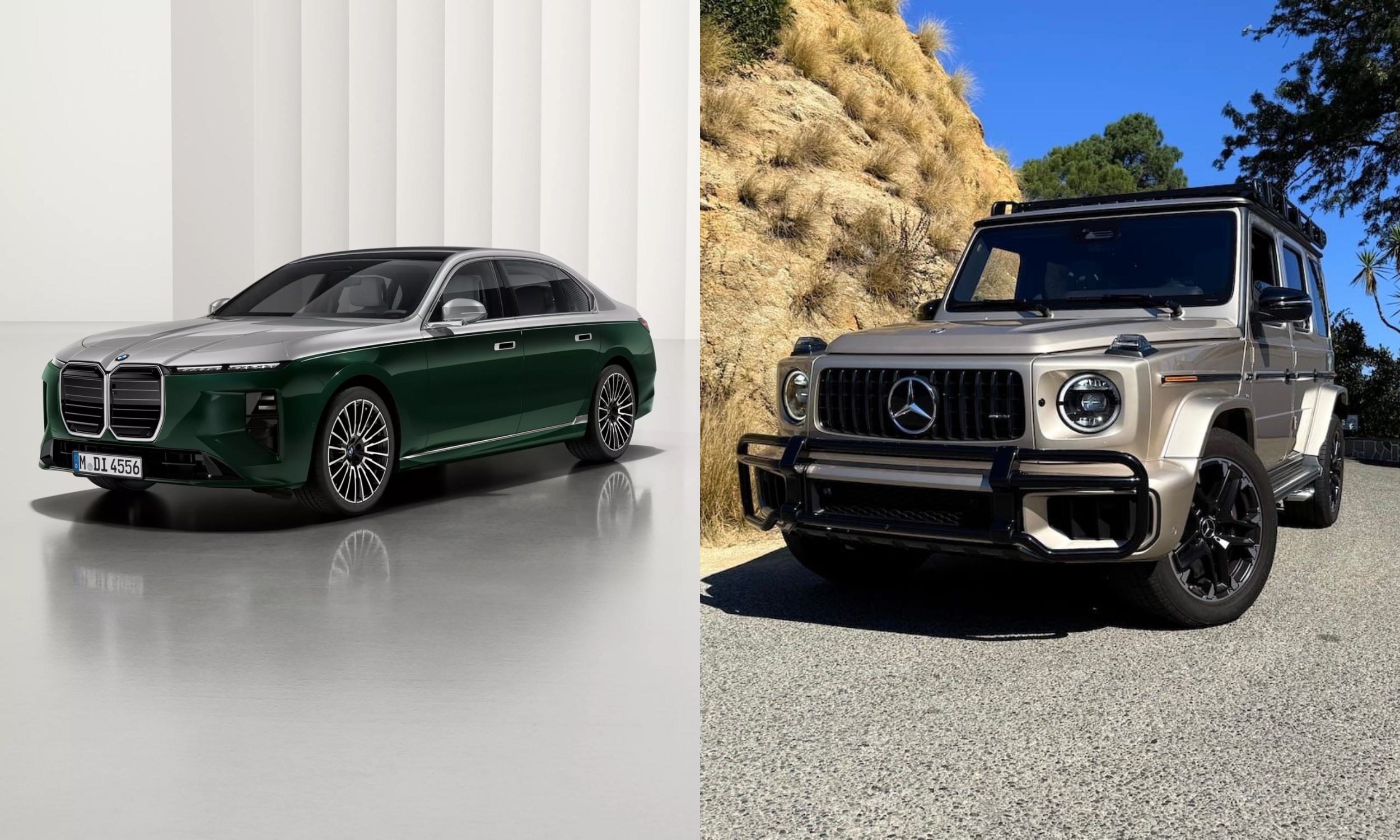
Buyer’s remorse doesn’t always show up right away. Sometimes it takes twelve months of payments, insurance bills, and daily reality checks before someone admits their exciting new purchase isn’t working out. Trading in a vehicle that’s barely broken in often signals something deeper: a mismatch between the dream and the day-to-day.
High payments, shifting priorities, disappointing fuel economy, and unexpected discomfort all play a role. Here are ten vehicles that show up more often than most on first-year trade-in lists, along with the reasons buyers tend to walk away sooner than planned.
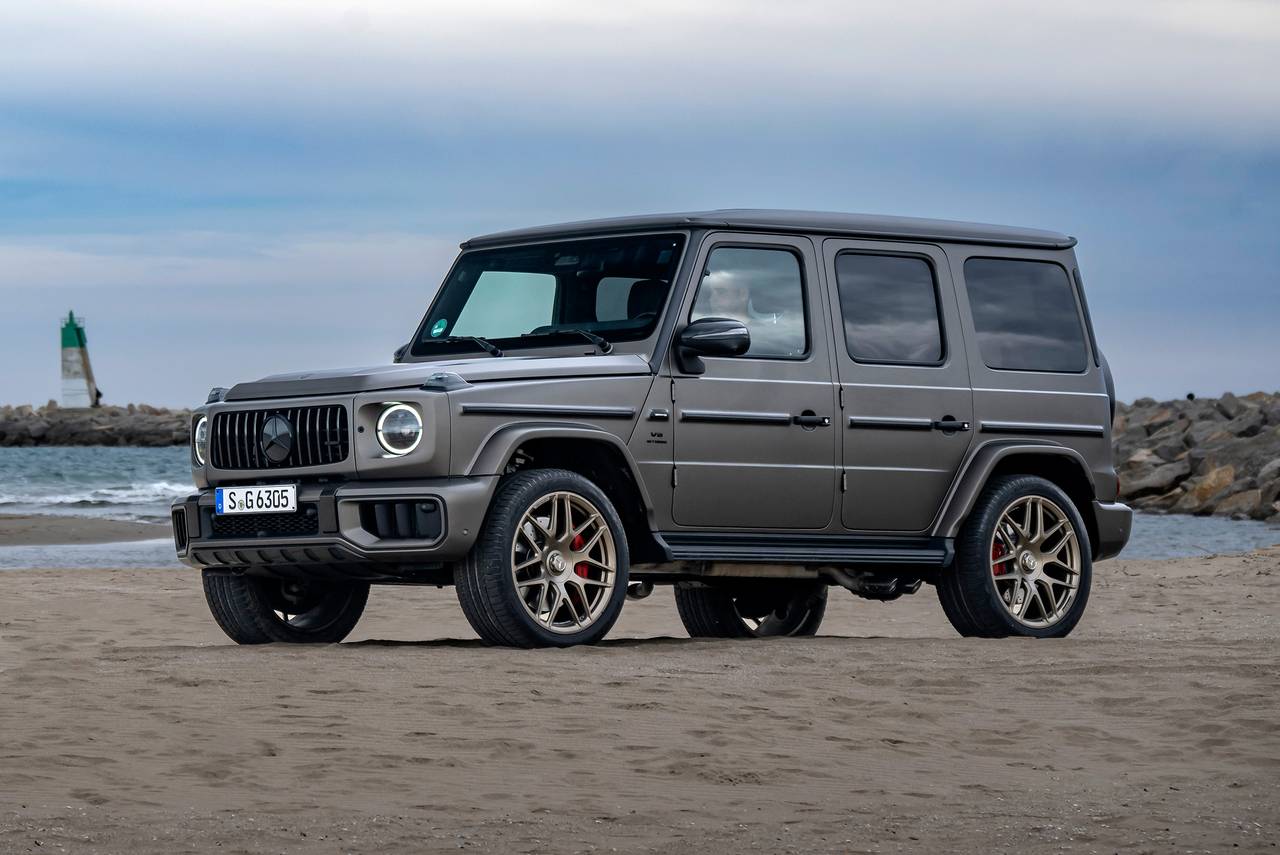
1. Mercedes-Benz G-Class
- Engine: 4.0L Twin-Turbo V8
- Horsepower: 416 hp to 577 hp
- Torque: 450 lb-ft to 627 lb-ft
- Size: 191.9 inches Long x 76.0 inches Wide
Owning a G-Class comes with a certain kind of status that’s hard to replicate anywhere else, and that’s exactly what draws buyers in the first place. The boxy silhouette, the badge, the sheer presence on the road, all of it sells the fantasy before a single mile gets driven. Reality tends to arrive quietly, usually somewhere around month eight or nine of ownership.
The ride is famously firm, a byproduct of body-on-frame construction that prioritizes off-road toughness over daily comfort, and buyers expecting a plush luxury cruiser often find themselves surprised by how much they feel every bump and pothole. Fuel costs add up fast too, given the size and weight this SUV carries around every single day.
Then there’s practicality, or the lack of it. Despite its imposing exterior, interior space doesn’t always match expectations for families needing genuine cargo room or easy third-row access, since the G-Class doesn’t even offer a third row. Maintenance costs climb quickly once minor issues surface, and specialized service requirements mean fewer shops can handle repairs affordably.
Add it all together, and plenty of owners who bought purely on prestige find themselves back at a dealership within a year, trading prestige for something that fits their actual daily life more comfortably.
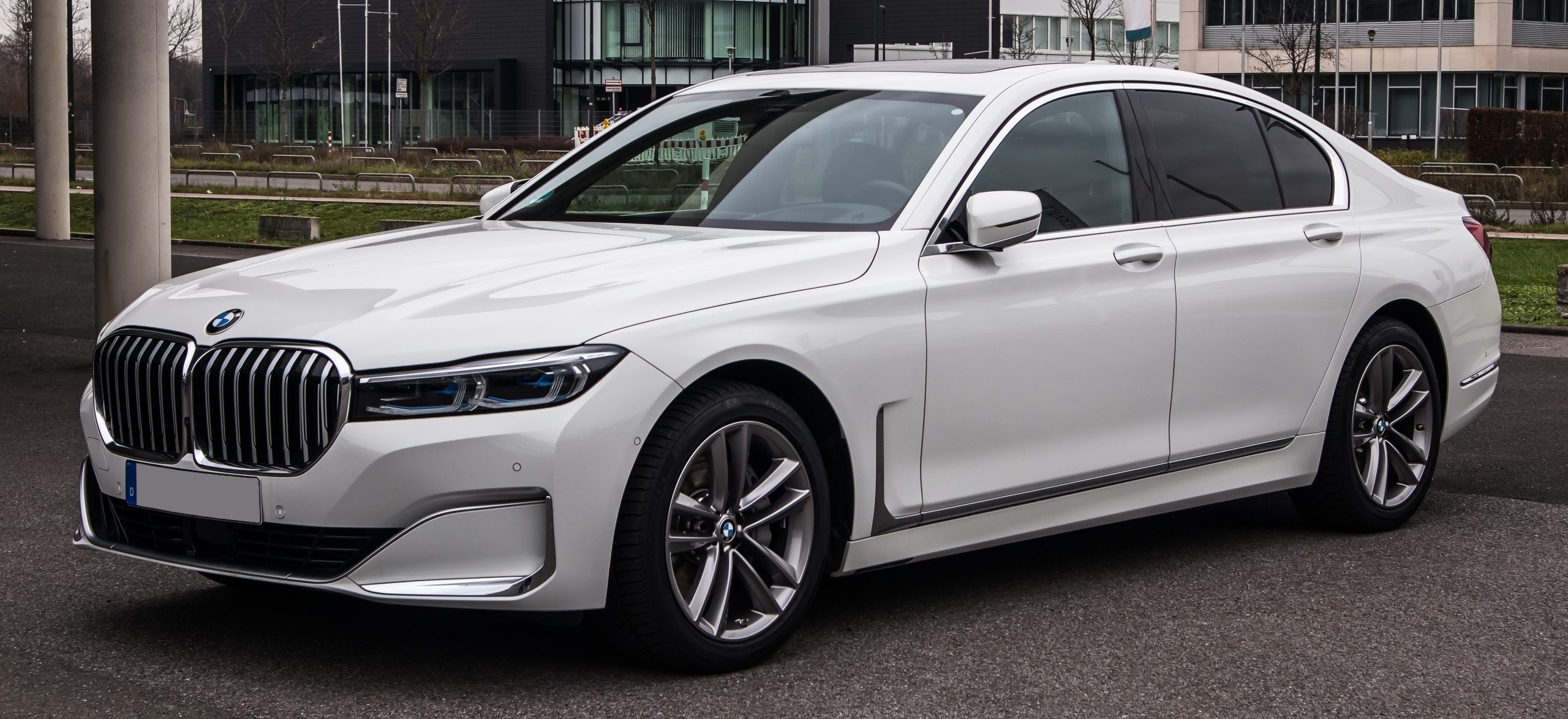
2. BMW 7 Series
- Engine: 3.0L Turbocharged 6-Cylinder or 4.4L Twin-Turbo V8
- Horsepower: 375 hp to 536 hp
- Torque: 369 lb-ft to 553 lb-ft
- Size: 212.2 inches Long x 76.8 inches Wide
The BMW 7 Series represents the brand at its highest level, offering luxury, advanced technology, and a smooth driving experience. Many buyers choose it because they want every premium feature BMW can provide. After a few months, though, ownership can feel more demanding than expected.
One of the biggest surprises is depreciation. Flagship luxury sedans usually lose value faster than smaller models because fewer people are willing to buy an expensive used luxury car with higher running costs. Seeing the vehicle’s value fall quickly encourages some owners to trade it in sooner than planned.
The technology can also take time to get used to. Large digital displays, gesture controls, and advanced driver-assistance features look impressive at first, but some drivers find them harder to use in everyday situations than they expected. What felt exciting during the test drive may become frustrating during daily commuting.
Running costs add to the experience. Insurance premiums, maintenance, and repairs are usually higher than many buyers expect, especially after the first bills start arriving. Those expenses can make a smaller luxury sedan seem like a better fit.
The 7 Series remains an excellent luxury car with comfort, performance, and cutting-edge features. Many early trade-ins happen because owners decide they would rather own something easier to live with each day while still enjoying a premium driving experience.
Also Read: 8 Most Frequently Stolen Vehicles in the Los Angeles Metro Area
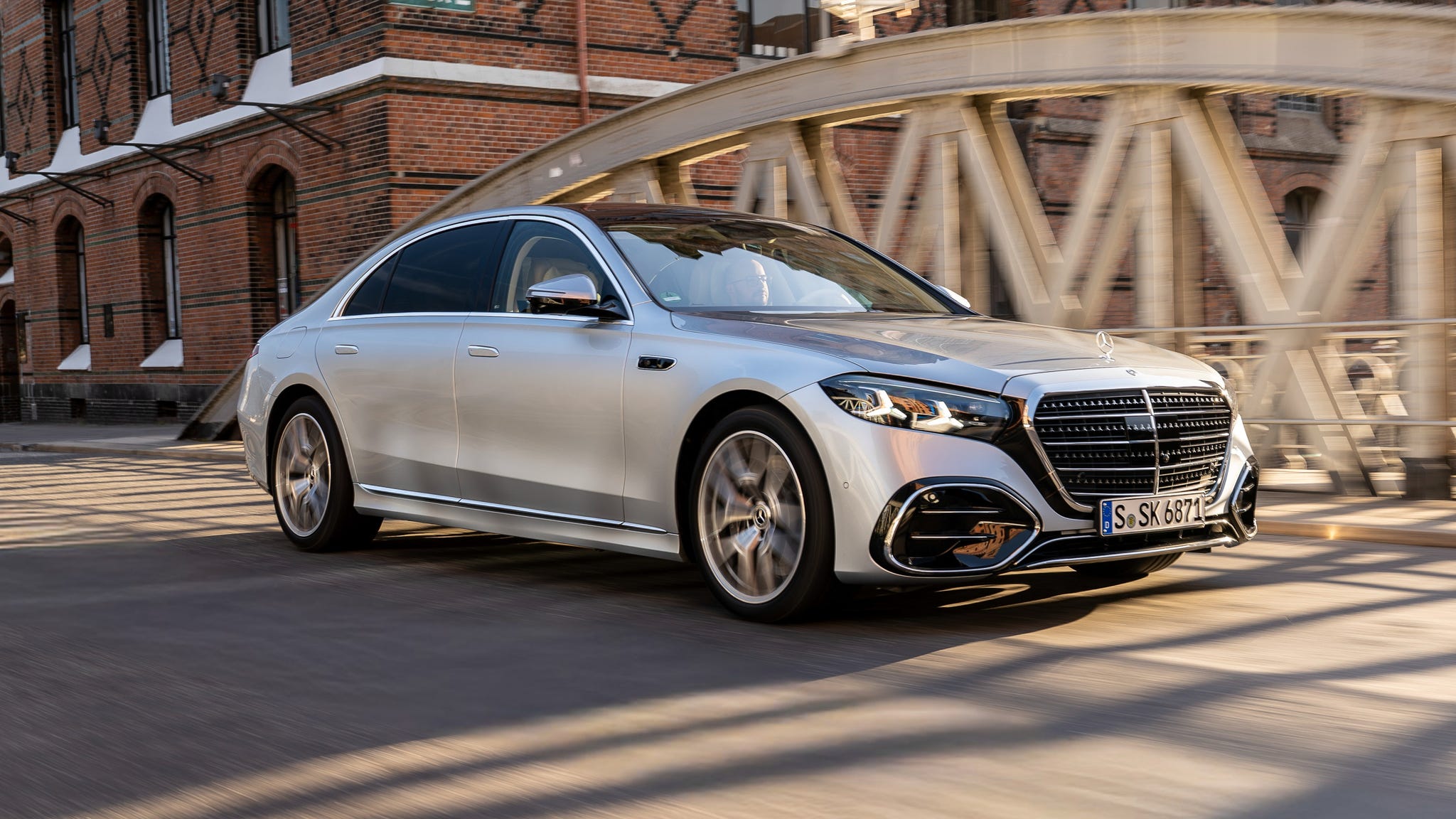
3. Mercedes-Benz S-Class
- Engine: 3.0L Turbocharged 6-Cylinder Hybrid
- Horsepower: 442 hp
- Torque: 413 lb-ft
- Size: 208.2 inches Long x 76.9 inches Wide
Ask any longtime luxury car owner what excites them about the S-Class, and you’ll hear the same answer repeatedly: it’s simply the newest, most advanced version of what Mercedes can build. That reputation for having the latest technology is precisely what draws buyers toward this sedan year after year.
It’s also part of what pushes some of them right back out the door within twelve months. Ownership costs outside the manufacturer’s warranty window can climb sharply, and buyers who financed or leased to eventually keep the car long-term sometimes discover just how expensive routine maintenance becomes once complimentary service periods expire.
Depreciation compounds the concern further, since flagship luxury sedans historically lose value faster than mainstream competitors, leaving early trade-in owners facing a steeper financial gap than they anticipated when signing the original paperwork.
There’s also a psychological factor worth mentioning: buyers drawn to “the newest luxury experience” specifically are, by definition, the type of shopper likely to want the next newest experience once it arrives. That mindset naturally shortens ownership cycles regardless of how well the car actually performs.
None of this means the S-Class disappoints mechanically. It simply attracts a buyer profile predisposed toward frequent upgrades, and the numbers on first-year trade-ins reflect that pattern consistently across the segment.
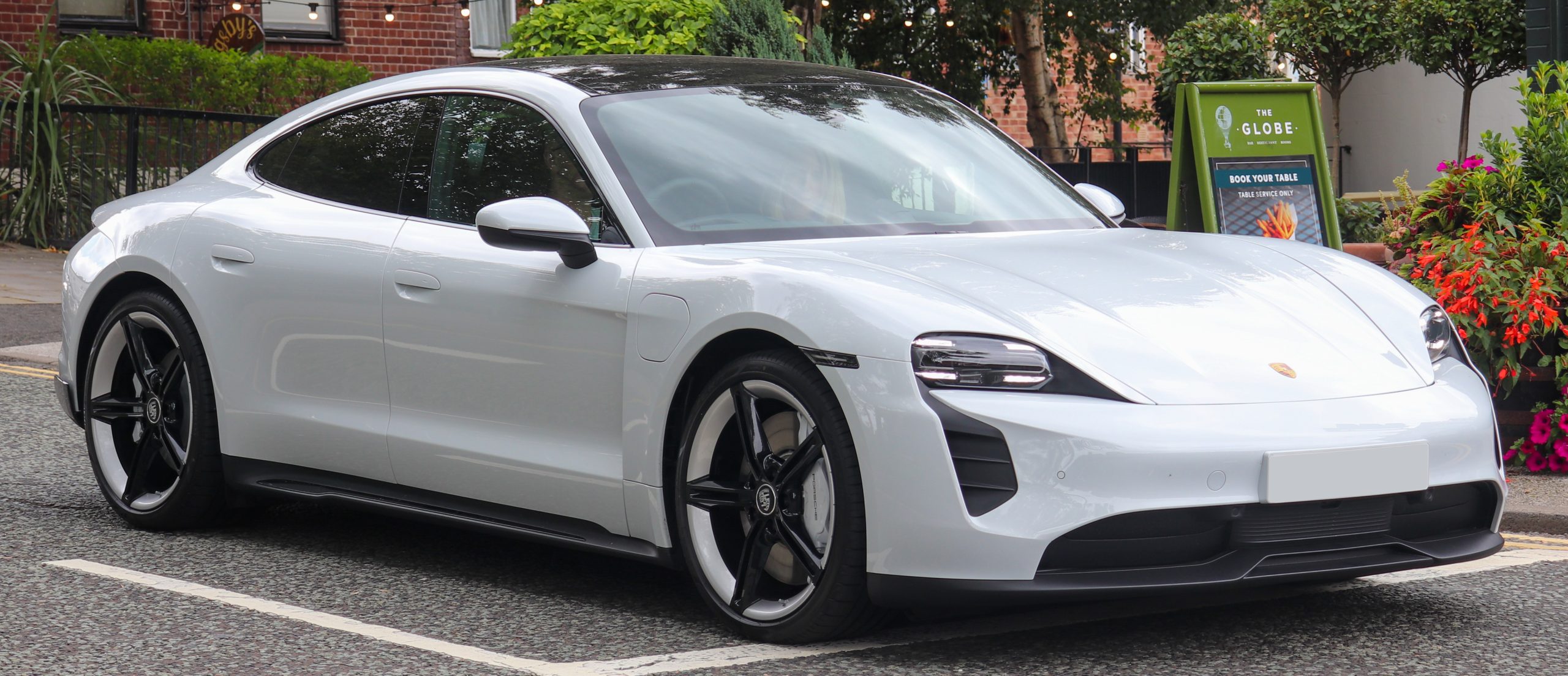
4. Porsche Taycan
- Engine: Dual Electric Motors
- Horsepower: 402 hp to 1,019 hp
- Torque: 302 lb-ft to 988 lb-ft
- Size: 195.4 inches Long x 77.4 inches Wide
The Porsche Taycan entered the market as one of the most exciting electric luxury cars, but the EV market changes at a very fast pace. Owners who bought one early often see newer models arrive with longer driving range, quicker charging, and better software only a short time later. That doesn’t make the Taycan a worse car. It simply means newer technology keeps arriving at a rapid rate.
Resale value is another reason some owners decide to move on early. Electric vehicles have seen larger swings in used prices than many gasoline-powered luxury cars. Watching values fall faster than expected can encourage owners to trade in their Taycan before prices drop even more.
Charging also takes some adjustment. Drivers switching from gasoline vehicles sometimes underestimate how much easier EV ownership becomes with a home charger already installed. Without that setup, charging can feel less convenient during everyday use.
Driving range adds another concern. Real-world mileage often depends on weather, speed, and driving conditions, so some owners discover they can’t always match the official range estimates they expected when buying the car.
The Taycan remains an impressive blend of luxury and performance, but the fast pace of electric vehicle development, changing resale values, charging habits, and range expectations lead some owners to replace it much sooner than they originally planned.
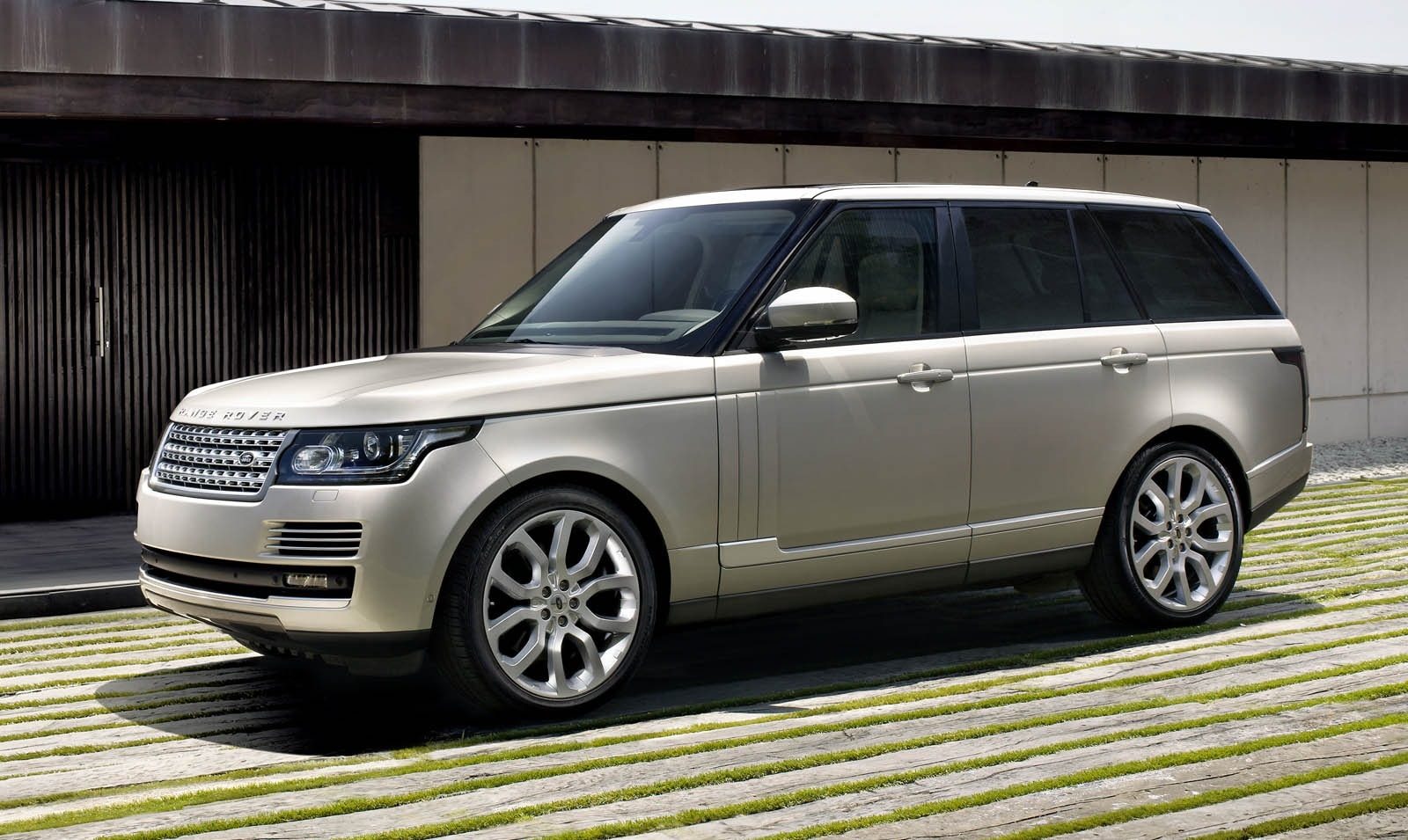
5. Land Rover Range Rover
- Engine: 3.0L Turbocharged Inline-6 or 4.4L Twin-Turbo V8
- Horsepower: 395 hp to 523 hp
- Torque: 406 lb-ft to 553 lb-ft
- Size: 207.9 inches Long x 80.6 inches Wide
Here’s a question worth asking honestly: does the Range Rover deliver genuine luxury and capability? Absolutely, and few SUVs match its blend of off-road toughness and upscale comfort inside the cabin. So why do so many owners trade one within a year of buying it?
The excitement of driving something this capable and prestigious tends to fade once real ownership costs start arriving in the mail. Reliability concerns have followed this nameplate for years, and while recent models have improved considerably, owner forums and repair shop reports still reveal a pattern of electrical glitches and mechanical hiccups that catch buyers off guard.
Repair bills for a vehicle this complicated rarely come cheap, and specialized parts combined with dealer-only service requirements push costs higher than most comparably priced SUVs from other brands. Buyers who budgeted carefully for the purchase price sometimes fail to budget equally carefully for what comes after, and that gap becomes painfully clear somewhere around the six-to-nine-month mark of ownership.
Initial excitement genuinely does wear off here too, since the novelty of driving something this recognizable and capable settles into routine faster than expected. Once the daily grind sets in, unresolved reliability worries and mounting service costs push a meaningful share of Range Rover buyers back toward the trade-in lot sooner than they originally planned.
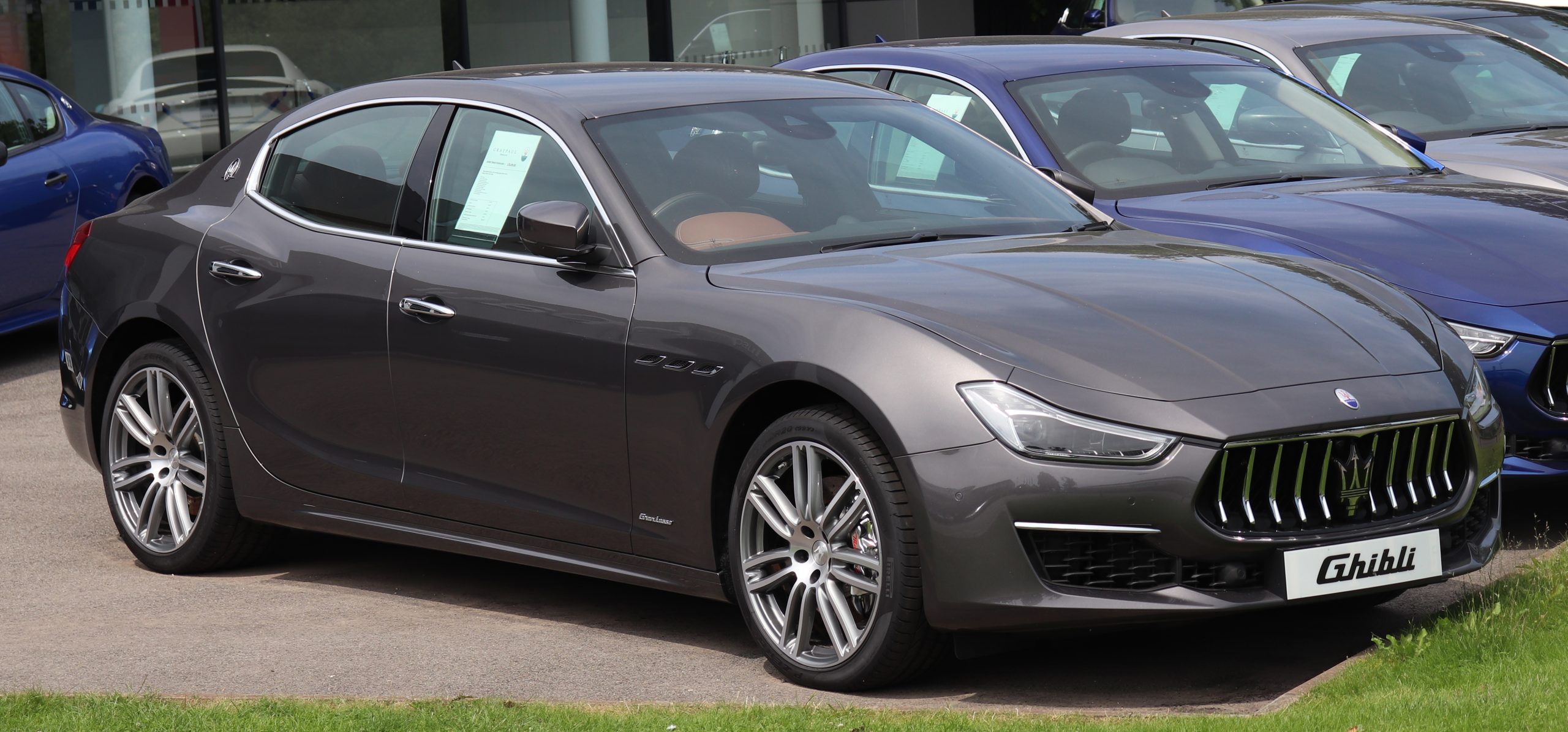
6. Maserati Ghibli
- Engine: 3.0L Twin-Turbo V6
- Horsepower: 345 hp to 424 hp
- Torque: 369 lb-ft to 428 lb-ft
- Size: 195.7 inches Long x 76.6 inches Wide
The Maserati Ghibli attracts buyers who want something different from the usual luxury sedan. Its bold styling, distinctive exhaust note, and Italian character help it stand out in a segment filled with more common choices from German and Japanese brands.
One challenge, however, is depreciation. The Ghibli has historically lost value faster than many of its competitors, and some owners decide to trade it in early after seeing how quickly its resale price drops. Rather than keep a car that’s declining in value, they choose to move on while they still can.
Everyday ownership can also be more demanding than expected. Maserati has a smaller dealership and service network than brands like BMW, Mercedes-Benz, or Lexus, making maintenance and repairs less convenient for many owners. What feels exciting during the buying process can become less appealing when regular servicing requires extra time and effort.
For some people, the thrill of owning an Italian luxury sedan eventually gives way to practical concerns. They still appreciate the Ghibli’s design and driving experience, but they realize that convenience, resale value, and lower ownership costs better fit their daily lives.
The Ghibli remains a stylish and engaging luxury sedan. Its higher rate of early trade-ins is less about the car itself and more about the realities of depreciation and the added commitment that comes with owning a more exclusive brand.
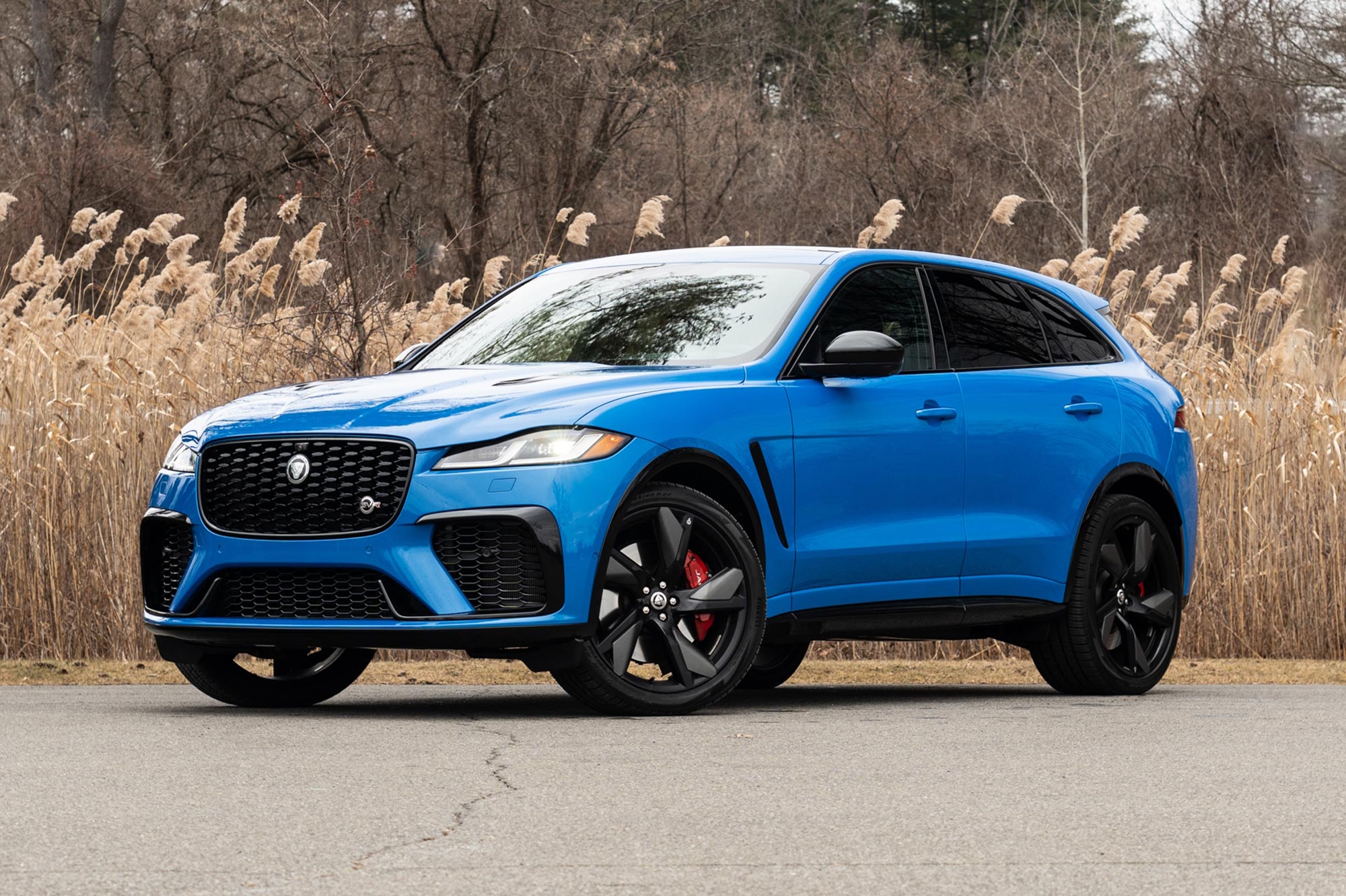
7. Jaguar F-Pace
- Engine: 2.0L Turbocharged 4-Cylinder or 3.0L Turbocharged Inline-6
- Horsepower: 246 hp to 395 hp
- Torque: 269 lb-ft to 406 lb-ft
- Size: 186.3 inches Long x 81.5 inches Wide
Styling sells the F-Pace immediately, and it’s easy to see why. Jaguar’s design language gives this SUV a genuinely distinctive look on the road, paired with driving dynamics that feel sharper and more engaging than several rivals in the same segment. That appeal, unfortunately, doesn’t always translate into long-term satisfaction.
Depreciation numbers for the F-Pace tend to run steeper than comparable offerings from German competitors, a pattern that becomes uncomfortably clear to owners once they check their vehicle’s trade-in value after just a handful of months.
Infotainment and technology systems have drawn consistent criticism too, with owners reporting glitches, slow response times, and general frustration that chips away at daily satisfaction far more than buyers expect during a test drive at the dealership.
Long-term ownership cost concerns round out the picture, since parts and specialized service tend to cost more than what buyers experience with comparable Japanese or German alternatives, and that gap becomes obvious once the factory warranty coverage starts winding down.
None of this erases what the F-Pace does well behind the wheel. It simply means the combination of faster depreciation, ongoing technology frustrations, and higher anticipated ownership costs pushes a meaningful number of buyers toward trading in well before they originally intended, often in favor of a more established rival with fewer daily annoyances.
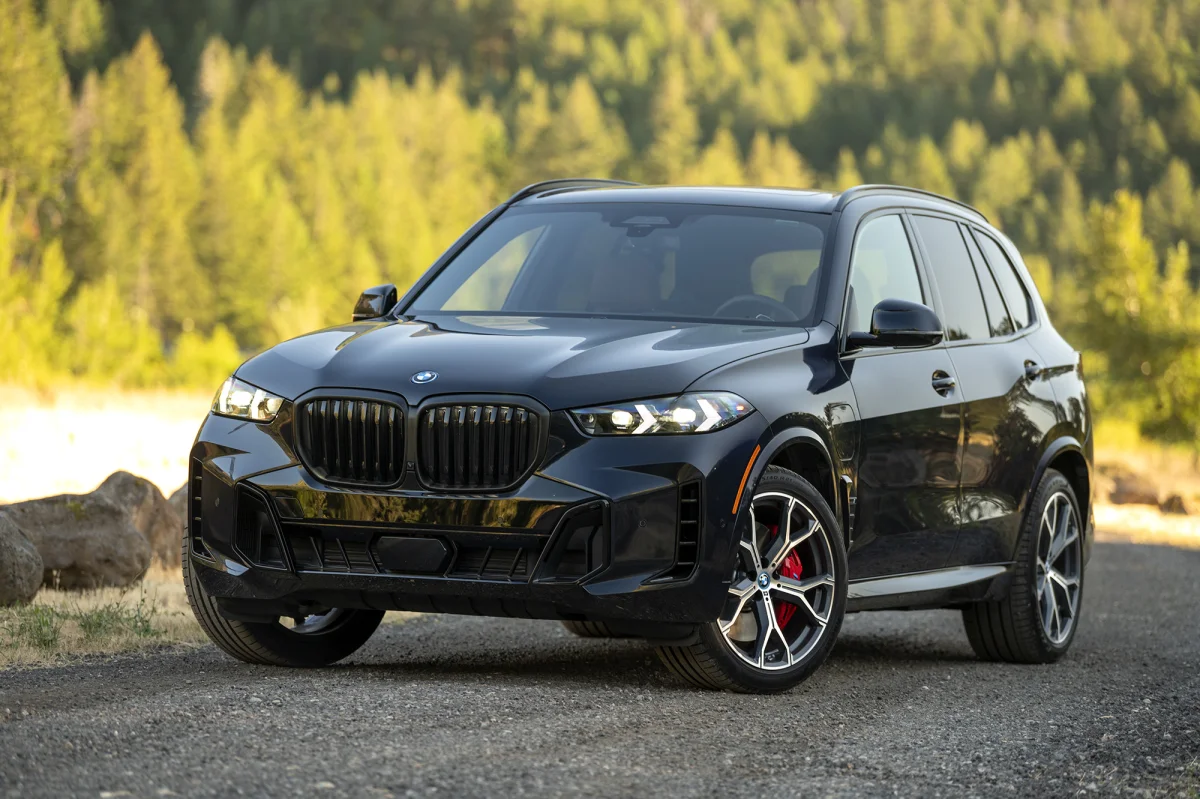
8. BMW X5
- Engine: 3.0L Turbocharged Inline-6 or 4.4L Twin-Turbo V8
- Horsepower: 375 hp to 523 hp
- Torque: 398 lb-ft to 553 lb-ft
- Size: 194.3 inches Long x 78.9 inches Wide
The BMW X5 is a strong seller because it blends luxury, performance, and everyday comfort in a way that appeals to many buyers. Its popularity also means it’s one of the SUVs that shows up in early trade-ins more often. That doesn’t mean there’s something wrong with it. It simply reflects how owners’ needs can change after living with the vehicle.
For some buyers, the monthly payments become harder to manage than expected, especially if they added several expensive options during the purchase. Features that seemed worth every dollar at the dealership can feel less important once those higher payments become part of the monthly budget.
Family needs also play a big role. Many owners eventually realize that two rows of seats aren’t enough as their households grow or they start carrying more passengers. When that happens, they often move to a three-row SUV like the BMW X7 or another larger competitor.
These early trade-ins are usually driven by changing circumstances rather than dissatisfaction with the X5 itself. The SUV remains highly regarded for its driving experience, quality, and premium feel. Since BMW sells so many X5s each year, even a relatively small percentage of owners trading them in early is enough to make the pattern stand out.
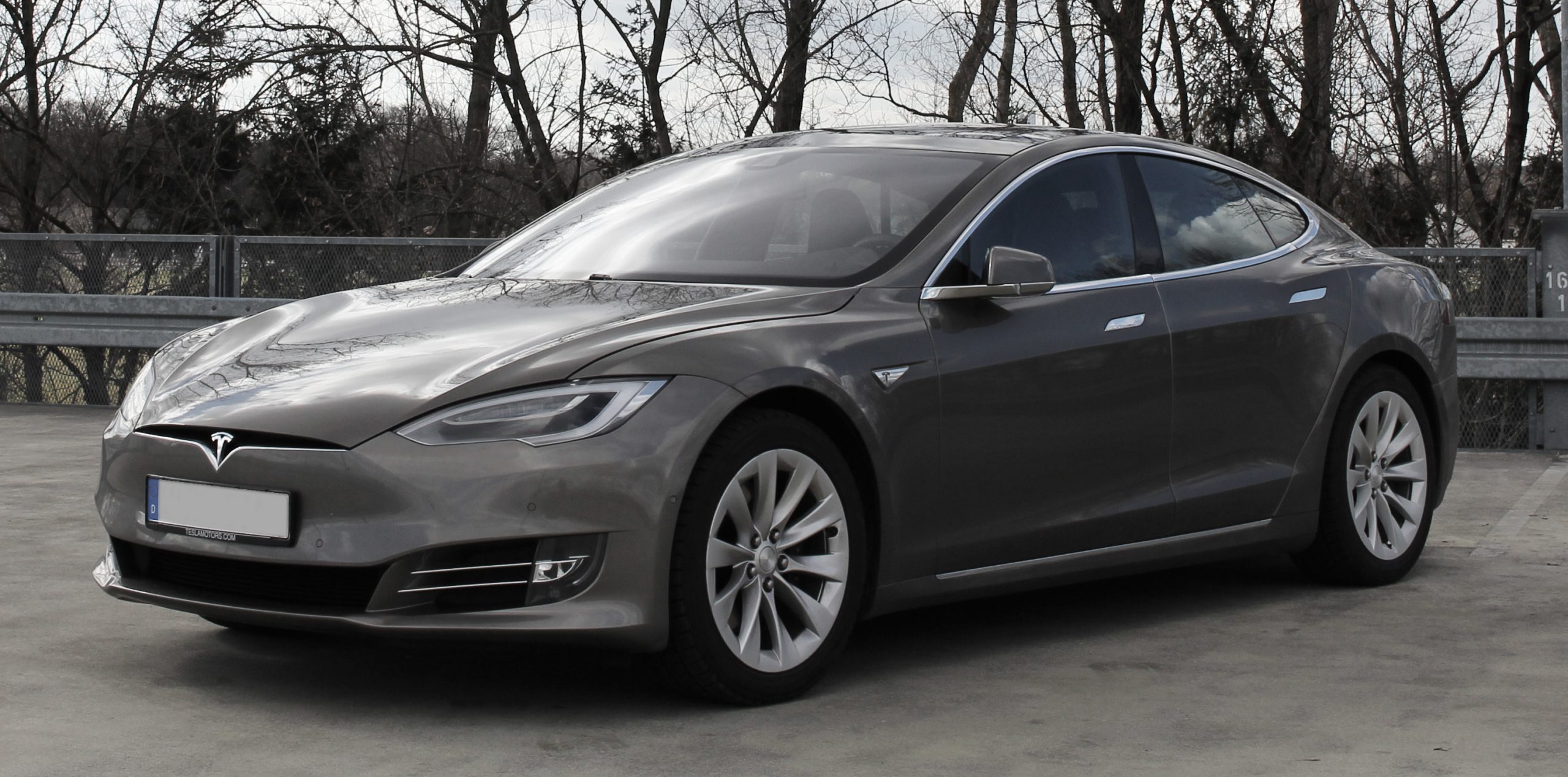
9. Tesla Model S
- Engine: Dual Electric Motors
- Horsepower: Up to 1,020 hp
- Torque: Up to 1,050 lb-ft
- Size: 197.7 inches Long x 78.2 inches Wide
Owning a Tesla Model S is different from owning most other cars because it can keep getting better through software updates. New features, improved performance, and extra functionality can arrive without ever visiting a dealership. At the same time, Tesla moves so quickly that many owners find themselves looking ahead to the next version instead of fully enjoying the one they already have.
The company regularly introduces better batteries, longer driving range, updated styling, and new technology at a much faster pace than many traditional automakers. That constant progress makes it tempting for some owners to upgrade earlier than they originally planned.
Tesla’s pricing strategy also plays a role. The company has made frequent and sometimes huge price adjustments, which can leave recent buyers feeling frustrated if the same car becomes much cheaper only a short time after they purchased it.
Battery range is another factor. As Tesla and rival EV brands continue to extend driving distances, some owners begin comparing their cars with newer models that can travel farther on a single charge. None of this takes away from what makes the Model S an impressive vehicle. It remains fast, capable, and packed with advanced technology.
The desire to replace it usually comes from the type of buyers Tesla attracts. Many are passionate about having the latest innovations, making them more likely to trade in a perfectly good car simply to experience the newest advancements.
Also Read: 8 Common Reasons Exotic Car Owners Register Their Vehicles in Montana
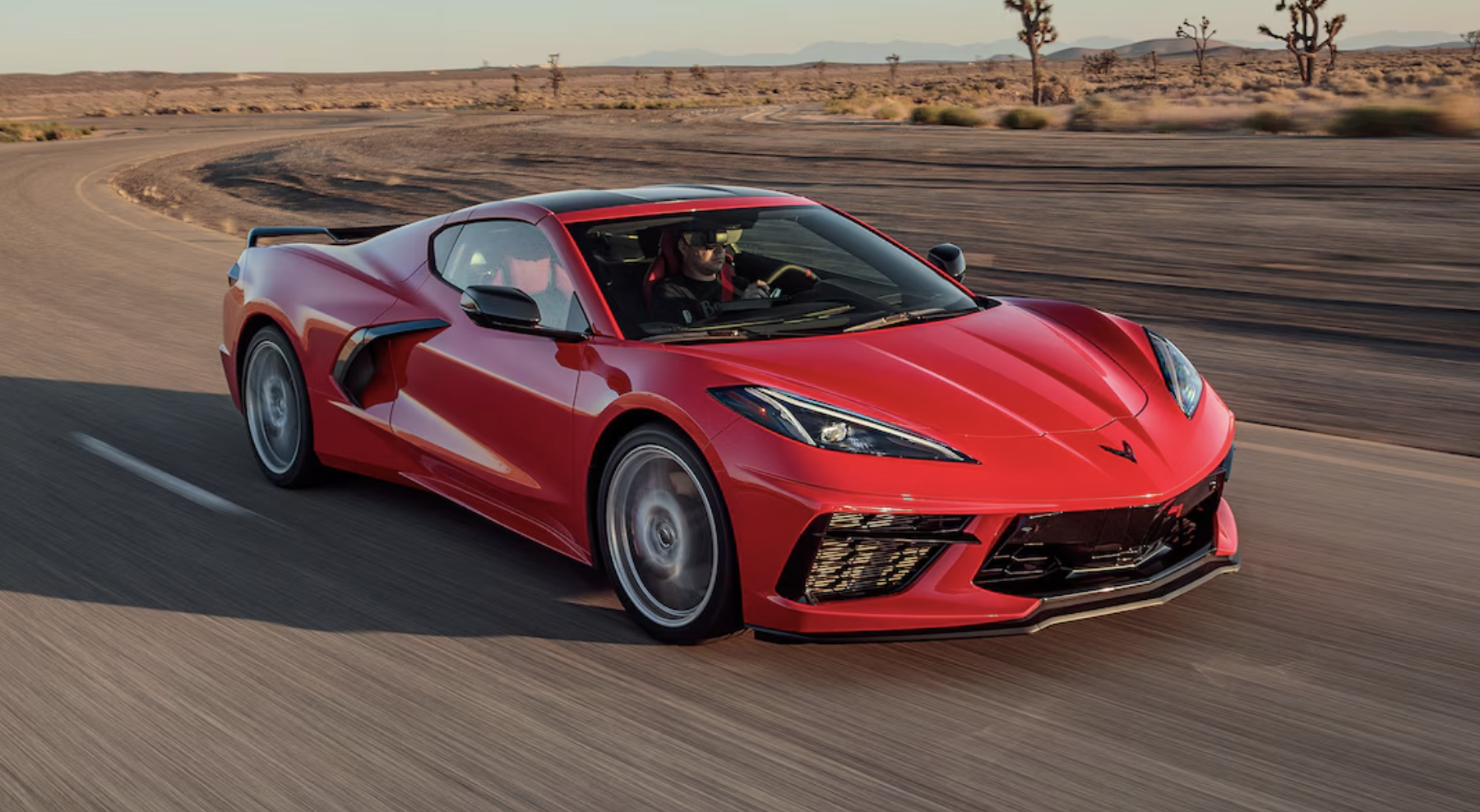
10. Chevrolet Corvette C8
- Engine: 6.2L Naturally Aspirated V8
- Horsepower: 490 hp to 670 hp
- Torque: 465 lb-ft to 623 lb-ft
- Size: 182.3 inches Long x 76.1 inches Wide
Excitement buys a lot of cars, and few vehicles sell on pure emotion quite like the Corvette C8. The mid-engine layout, the aggressive styling, the genuinely thrilling performance figures- all of it makes for an incredibly compelling purchase decision in the moment. Living with that decision daily tells a different story for a meaningful number of buyers.
Sports car ownership simply doesn’t fit smoothly into every lifestyle, and that mismatch tends to reveal itself gradually rather than immediately. Limited cargo space and minimal practicality become genuinely inconvenient once the initial thrill of ownership settles into routine, particularly for buyers who underestimated how often they’d need to haul something larger than a small overnight bag.
Insurance costs add real financial weight too, since a car capable of this kind of performance carries premiums that surprise plenty of first-time sports car owners once that first renewal bill arrives. Changing lifestyles play a role as well; a new job, a growing family, or simply a change in daily priorities can make a two-seat sports car feel less practical than it did during the excitement of the original purchase.
None of this means the Corvette disappoints as a driving machine. It simply means buyers who purchased primarily on emotion sometimes discover within months that their actual daily needs point toward something considerably more practical.
