
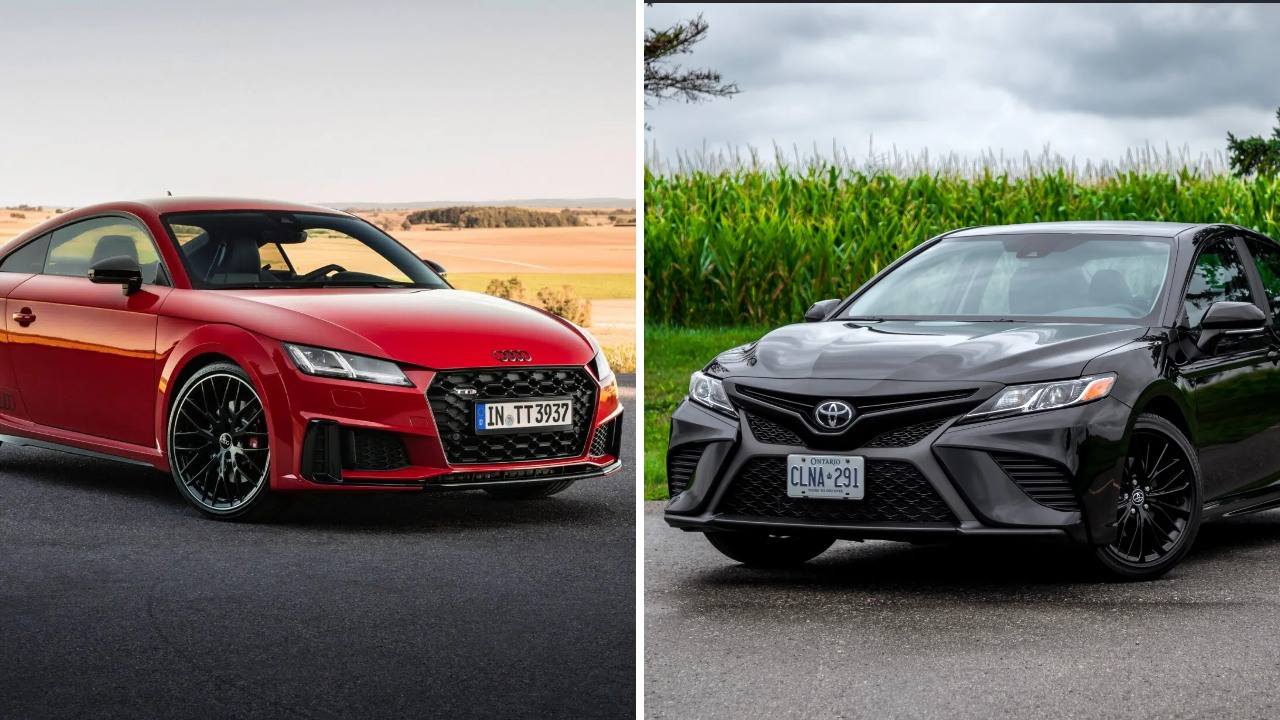
A comfortable car seat can completely change the driving experience, especially for people who spend hours commuting, traveling, or taking road trips.
However, some seats that feel acceptable during a short test drive can become uncomfortable after extended use. Drivers have reported problems such as lower back pain, stiff cushions, pressure points, numb legs, and poor thigh support in several popular vehicles.
These complaints appear across owner forums, social media discussions, and vehicle complaint websites. This article examines eight car seats that have received repeated comfort complaints from owners and looks at the reasons some drivers struggle with them after about an hour behind the wheel.
Also Read: 10 EVs Ranked by Charging Speed
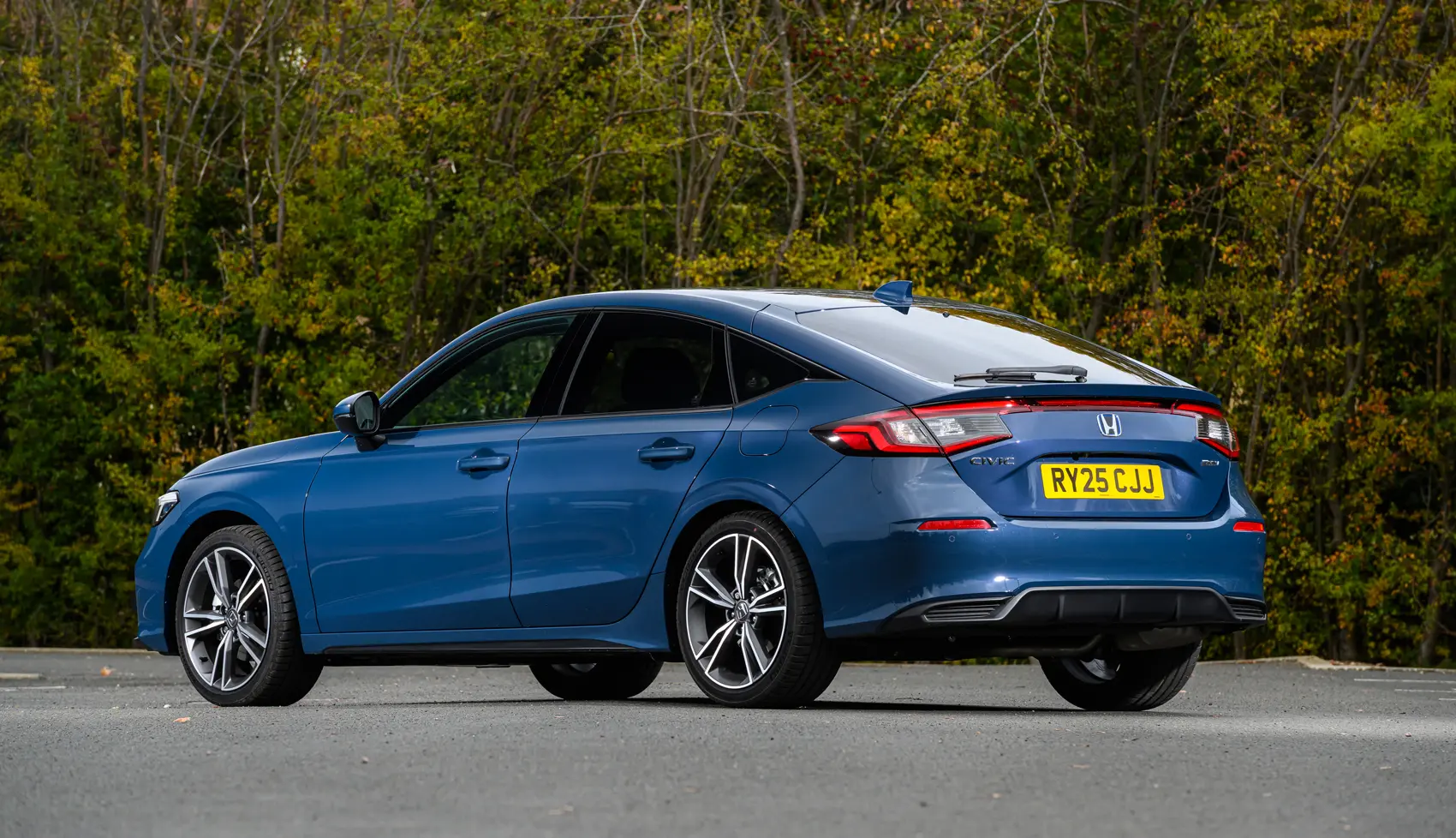
- Engine: 1.5-liter turbocharged 4-cylinder petrol engine (varies by trim; hybrid models use a 2.0-liter hybrid system)
- Horsepower: 180 hp (1.5 turbo) / 200 hp (Civic Hybrid)
- Torque: 177 lb-ft (240 Nm) (1.5 turbo) / 232 lb-ft (315 Nm) (Civic Hybrid)
- Length: 184.0 inches (4,674 mm)
- Width: 70.9 inches (1,800 mm)
1. Honda Civic: A Popular Sedan With Repeated Seat Comfort Complaints
The Honda Civic has built a strong reputation for reliability, efficiency, and affordable ownership. Many drivers appreciate its driving dynamics and interior quality, yet seat comfort has become a frequent discussion point among some owners. Complaints often involve firm cushioning, limited lower back support, and discomfort that appears after longer drives.
Several Honda Civic owners have shared their experiences on Reddit and automotive forums, mentioning that the seats feel comfortable initially but become tiring during longer journeys.
Some drivers describe pressure around the lower back and hips after spending more than an hour inside the vehicle. These reports are particularly common among owners who use their Civic for highway commuting.
A Reddit discussion about newer Civic models included owners comparing their experiences with previous generations. Some participants stated that newer seats feel firmer and less forgiving than older Civic seats.
Others said they adjusted the seat angle, steering wheel position, and lumbar settings and eventually found a comfortable setup. The difference between these experiences shows how much personal body shape influences seat satisfaction.
Complaint websites also contain reports from Civic owners describing discomfort during longer trips. Some users have mentioned leg numbness and back soreness, saying that daily driving was manageable but extended journeys became unpleasant. These reports do not mean every Civic seat causes problems, but they show a repeated pattern among certain drivers.
The main concerns reported by owners usually involve the seat cushion rather than the cabin design. The Civic provides good visibility and a practical driving position, but some drivers feel the padding is too firm for long-distance comfort. People considering this model should spend enough time adjusting the seat before deciding whether it provides enough support.
Another factor affecting Civic comfort is the sporty seating position. The vehicle places the driver lower compared with some SUVs, which many enthusiasts enjoy. However, drivers who prefer a more upright position may find the seating angle less comfortable over several hours.
For buyers who frequently take long trips, testing the Civic seat on a longer drive is important. A short dealership visit may not reveal pressure points that develop after extended sitting. Adding a small lumbar cushion or adjusting the seatback angle solves the issue for some owners, while others decide the seat design does not suit their body.
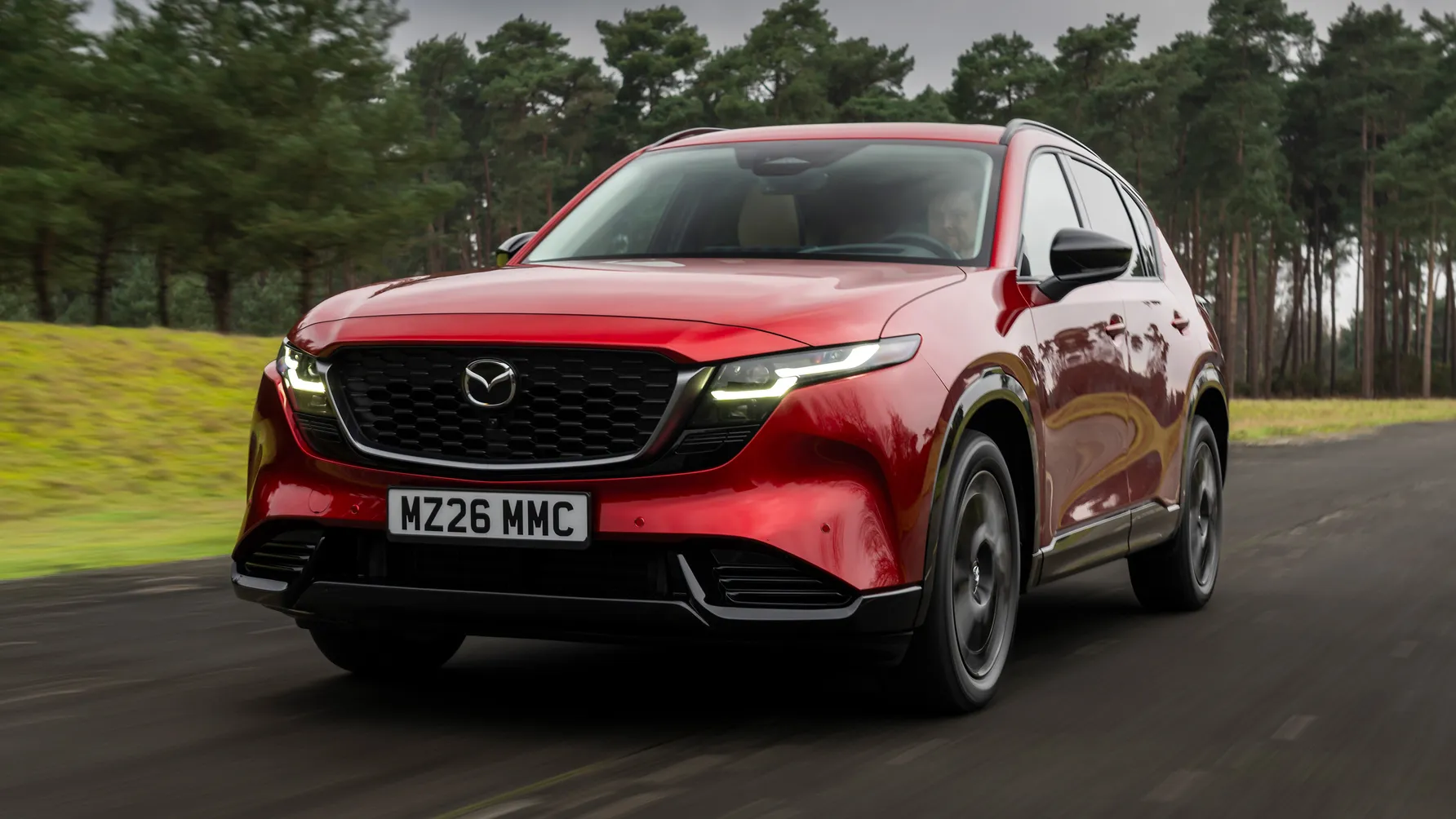
- Engine: 2.5-liter Skyactiv-G 4-cylinder petrol engine (turbocharged option available in some markets)
- Horsepower: 187 hp (naturally aspirated) / 256 hp (turbo with premium fuel)
- Torque: 186 lb-ft (252 Nm) / 320 lb-ft (434 Nm) turbo version
- Length: 180.1 inches (4,575 mm)
- Width: 72.6 inches (1,845 mm)
2. Mazda CX-5: Premium Interior, Firm Seating Complaints
The Mazda CX-5 is often praised for its upscale cabin, quiet ride, and engaging driving experience. It uses higher-quality materials compared with many compact SUVs in its price range. However, some owners have reported that the seats feel too firm, especially during long highway drives.
A common complaint among CX-5 owners involves the firmness of the seat cushion. Some drivers say the seats provide excellent support during short trips but create discomfort after extended periods. Reports mention soreness around the hips, tailbone pressure, and lower back fatigue after one to two hours.
Reddit discussions about the CX-5 include several owners sharing frustration about seat comfort. Some drivers have described needing additional cushions or adjustments to make the vehicle suitable for longer journeys. Other owners disagree and say they have driven thousands of miles without problems, showing that experiences vary widely.
Mazda’s approach to seat design focuses heavily on driver positioning. The company has often emphasized keeping the driver connected to the vehicle, which contributes to a more supportive and structured seating design. For some drivers, this feels secure and comfortable. For others, the firmer structure becomes tiring.
The shape of the CX-5 seat can also affect taller drivers. Some owners have mentioned that thigh support is not ideal because the lower cushion does not extend far enough forward. This can create pressure around the legs during longer drives, especially when the driver cannot find the perfect seat height.
Owner forums contain suggestions ranging from adjusting the seat angle to using aftermarket cushions. Some drivers report that simple changes solve their discomfort, while others continue searching for solutions.
Professional reviewers generally rate the CX-5 interior highly, but owner complaints provide another perspective that short reviews may not capture. A vehicle can have excellent materials and attractive design while still creating comfort problems for certain drivers.
People interested in the CX-5 should pay attention to how their lower back and legs feel after sitting for an extended period. The seat may feel supportive at first, but the true test comes after spending enough time behind the wheel.
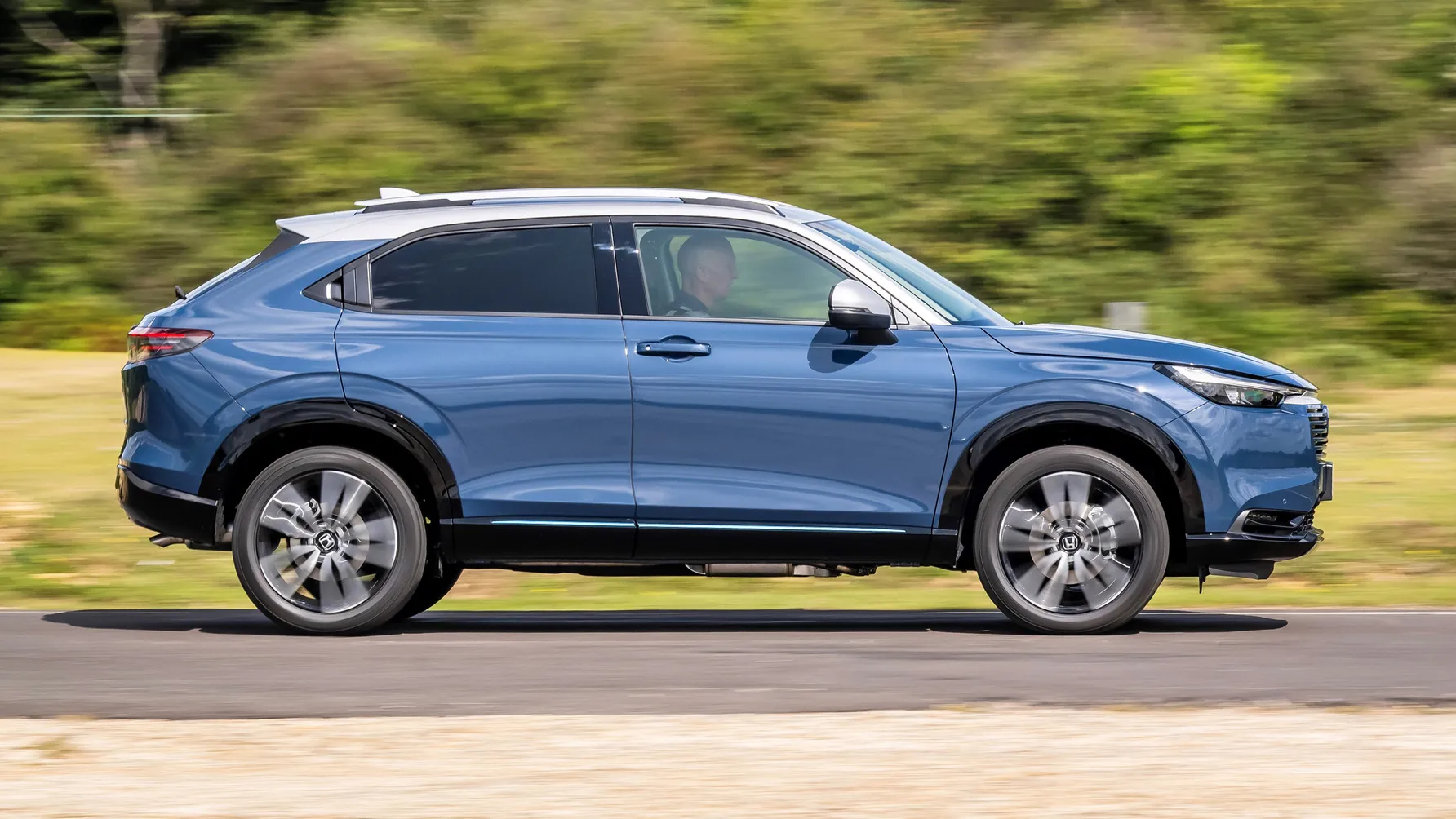
- Engine: 2.0-liter naturally aspirated 4-cylinder petrol engine
- Horsepower: 158 hp
- Torque: 138 lb-ft (187 Nm)
- Length: 179.8 inches (4,568 mm)
- Width: 72.4 inches (1,839 mm)
3. Honda HR-V: Practical SUV With Mixed Seat Comfort Feedback
The Honda HR-V has become popular among drivers who want a compact SUV with good visibility, efficient performance, and practical interior space. However, seat comfort has been a recurring discussion among some owners. Many complaints focus on the firmness of the cushions and the lack of enough support during longer journeys.
Several HR-V owners have shared that the seats feel acceptable during short city drives but become uncomfortable after extended highway trips.
Common descriptions include pressure around the lower back, discomfort around the hips, and reduced support under the thighs. These issues tend to appear after drivers remain seated for an hour or longer without frequent breaks.
Owner discussions on forums and social media show mixed opinions about the HR-V seats. Some drivers praise the upright seating position because it makes entering and exiting easier. Others say the same upright design does not provide enough flexibility for long-distance driving, especially when the seat adjustments cannot perfectly match their body shape.
A frequent complaint involves the seat cushion firmness. Some drivers prefer firm seats because they prevent the body from sinking too deeply, while others feel the harder surface creates pressure points. This difference explains why HR-V seat reviews can vary significantly between owners.
Another concern mentioned by some drivers is the limited ability to customize support. While the HR-V provides basic seat adjustments, certain owners feel that additional lumbar adjustment would improve comfort during longer trips. Drivers who already experience back discomfort are often more sensitive to this limitation.
Some HR-V owners have solved the issue by adding lumbar pillows or memory foam cushions. These modifications can change the seating position and reduce pressure areas. However, others feel that a factory seat should already provide enough support without additional accessories.
The HR-V remains a practical choice for many drivers, and seat complaints do not represent every owner’s experience. The best approach for buyers is to spend extra time in the driver’s seat before purchasing. Sitting for ten minutes at a dealership may not reveal discomfort that appears after a longer drive.
- Engine: 2.5-liter 4-cylinder hybrid engine (current generation)
- Horsepower: 225 hp (front-wheel drive) / 232 hp (all-wheel drive)
- Torque: Around 163 lb-ft (221 Nm) engine torque
- Length: 193.5 inches (4,915 mm)
- Width: 72.4 inches (1,840 mm)
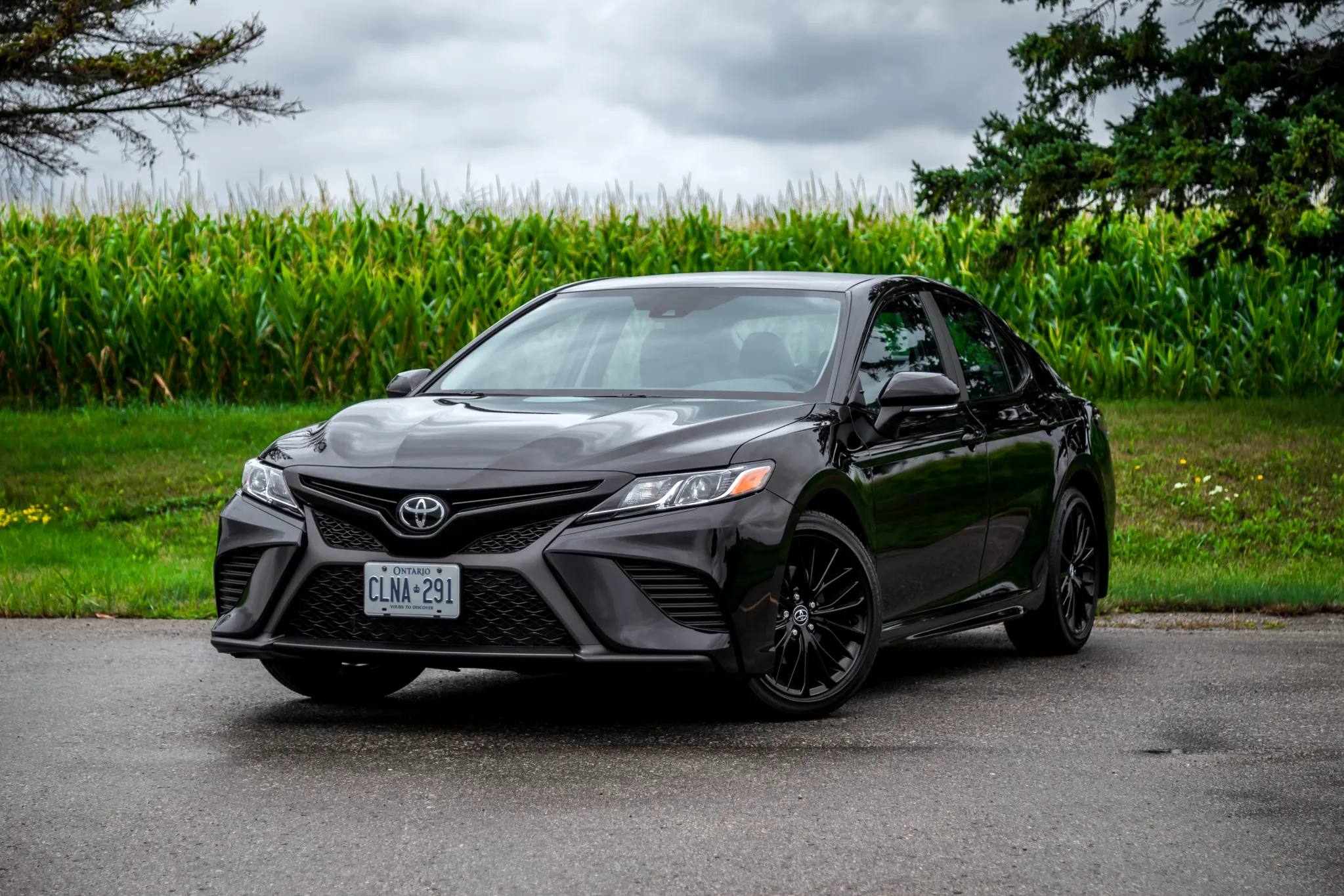
4. Toyota Camry SE: Sporty Seating That Some Drivers Find Too Firm
The Toyota Camry has earned a reputation as a dependable midsize sedan with strong resale value and comfortable everyday driving characteristics. However, the SE trim introduces a sportier design philosophy that changes the seating experience. Some drivers who expected traditional Camry comfort have reported that the firmer seats become tiring during longer drives.
The Camry SE uses seats designed to provide more support during cornering. This approach appeals to drivers who enjoy a more connected driving experience. However, the firmer padding and different seat shape have led some owners to complain about discomfort after extended periods behind the wheel.
Owner discussions frequently mention lower back pressure and stiffness after highway trips. Some drivers report that their first impression of the seat was positive, but after an hour or more, they noticed discomfort around the hips and lower spine.
Toyota forums and social media discussions include owners comparing different Camry trims. Many drivers say the XLE and XSE trims provide a softer experience, while the SE feels more focused on sporty driving. This difference highlights how trim levels can affect comfort even within the same vehicle model.
Another complaint involves the front seat cushion angle. Some drivers feel the cushion does not provide enough thigh support, particularly taller individuals. When the legs are not properly supported, pressure can build around the knees and hips during longer trips.
Several owners have experimented with seat cushions, lumbar supports, and different driving positions. Some report major improvements after adjusting the seat height and steering wheel placement, while others still find the design uncomfortable.
The Camry SE is not considered uncomfortable by all drivers. Many owners appreciate the firm support and say it remains comfortable during daily use. However, people who frequently travel long distances should spend extra time testing this trim because the sportier design may not match their comfort preferences.

- Engine: 2.0-liter 4-cylinder hybrid engine with two electric motors
- Horsepower: 204 hp
- Torque: 247 lb-ft (335 Nm) combined system torque
- Length: 184.8 inches (4,694 mm)
- Width: 73.5 inches (1,867 mm)
5. Honda CR-V Hybrid: Comfortable For Many, But Some Owners Report Long Drive Fatigue
The Honda CR-V Hybrid has attracted buyers because of its fuel efficiency, spacious cabin, and smooth driving experience. Many owners consider it an excellent family vehicle. However, some drivers have raised concerns about seat comfort, particularly during longer highway trips.
The most common complaints involve the lower seat cushion and lumbar area. Some owners report that the seat feels supportive at first but creates discomfort after several hours. Lower back soreness and pressure around the hips are among the issues mentioned in owner discussions.
Reddit and automotive forums contain conversations from CR-V Hybrid owners discussing seat adjustments. Some drivers explain that changing the seat angle or adjusting lumbar settings solved their problems. Others say they still needed additional support through cushions or aftermarket products.
The seating position of the CR-V is generally considered comfortable because it offers an upright SUV driving posture. However, an upright position does not automatically guarantee comfort. The shape of the cushion, firmness of the foam, and placement of support areas all influence how the body feels during long drives.
Some owners have compared the CR-V Hybrid with competing SUVs and said other models offered softer cushions. These comparisons are subjective, but they show that comfort expectations vary depending on previous vehicles owned.
The vehicle’s family-focused design means many buyers use it for road trips, school runs, and daily commuting. Because of this, seat comfort becomes an important factor for owners who spend significant time inside the cabin.
The CR-V Hybrid remains highly regarded by many drivers, and seat complaints represent a portion of owner feedback rather than a universal problem. Buyers should take longer test drives and pay attention to how their body feels after sitting for extended periods.
- Engine: 2.4-liter turbocharged 4-cylinder petrol engine (RX 500h F Sport Performance)
- Horsepower: 367 hp
- Torque: 406 lb-ft (551 Nm)
- Length: 192.5 inches (4,890 mm)
- Width: 75.6 inches (1,920 mm)
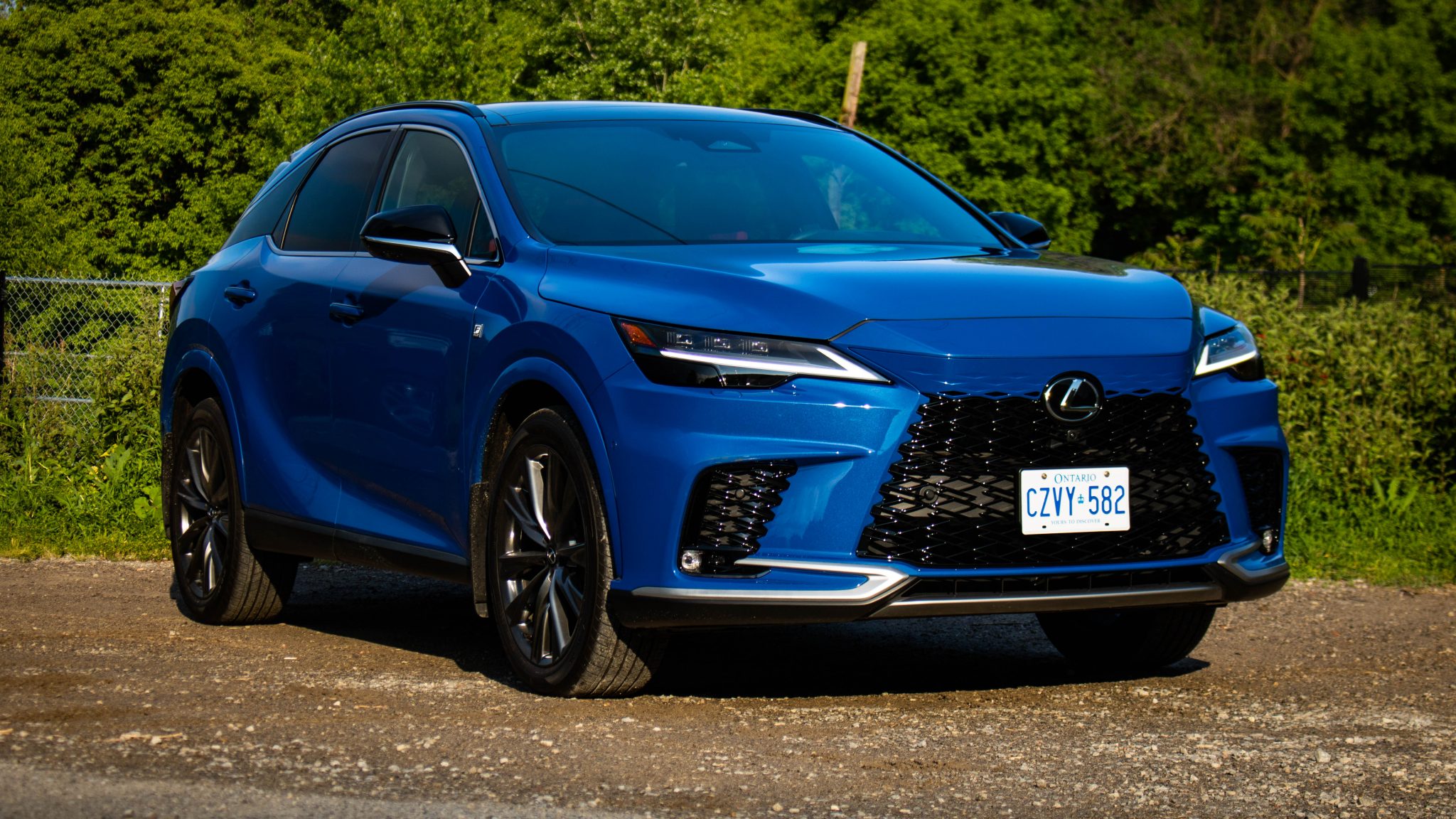
6. Lexus RX F Sport: Performance Seats That Can Create Pressure Points
The Lexus RX is known for luxury, quiet operation, and refined interiors. However, the F Sport version uses a different seating approach compared with standard RX models. The seats feature stronger bolsters and firmer support to provide better body control during spirited driving.
These performance-focused seats appeal to drivers who want a more engaging experience. However, some owners report that the aggressive design becomes uncomfortable during longer journeys. The side bolsters, which are designed to hold passengers securely, can create pressure around the hips and thighs.
Lexus owner communities include discussions about F Sport seat comfort. Some drivers mention that the seats feel excellent during short drives but become tiring during extended highway trips. Taller and broader drivers often report more difficulty because the bolstered design provides less room.
The lumbar support system also receives mixed feedback. Some owners appreciate the ability to adjust support, while others feel the settings do not perfectly match their lower back shape.
Compared with standard RX models, the F Sport version represents a different priority. The standard model focuses more heavily on relaxed comfort, while the F Sport adds a performance character. Buyers expecting a traditional luxury seat may find the sport version less forgiving.
Some owners have improved comfort by adjusting the seat angle, lowering the seating position, or using small support cushions. Proper adjustment can make a significant difference because performance seats often require a different setup compared with softer luxury seats.
The Lexus RX F Sport demonstrates how a premium vehicle can still receive comfort complaints. High-quality materials and advanced features do not guarantee that every driver will find the seat comfortable.
- Engine: 2.0-liter turbocharged TFSI 4-cylinder petrol engine
- Horsepower: 288 hp
- Torque: 280 lb-ft (380 Nm)
- Length: 165.0 inches (4,191 mm)
- Width: 72.1 inches (1,832 mm)
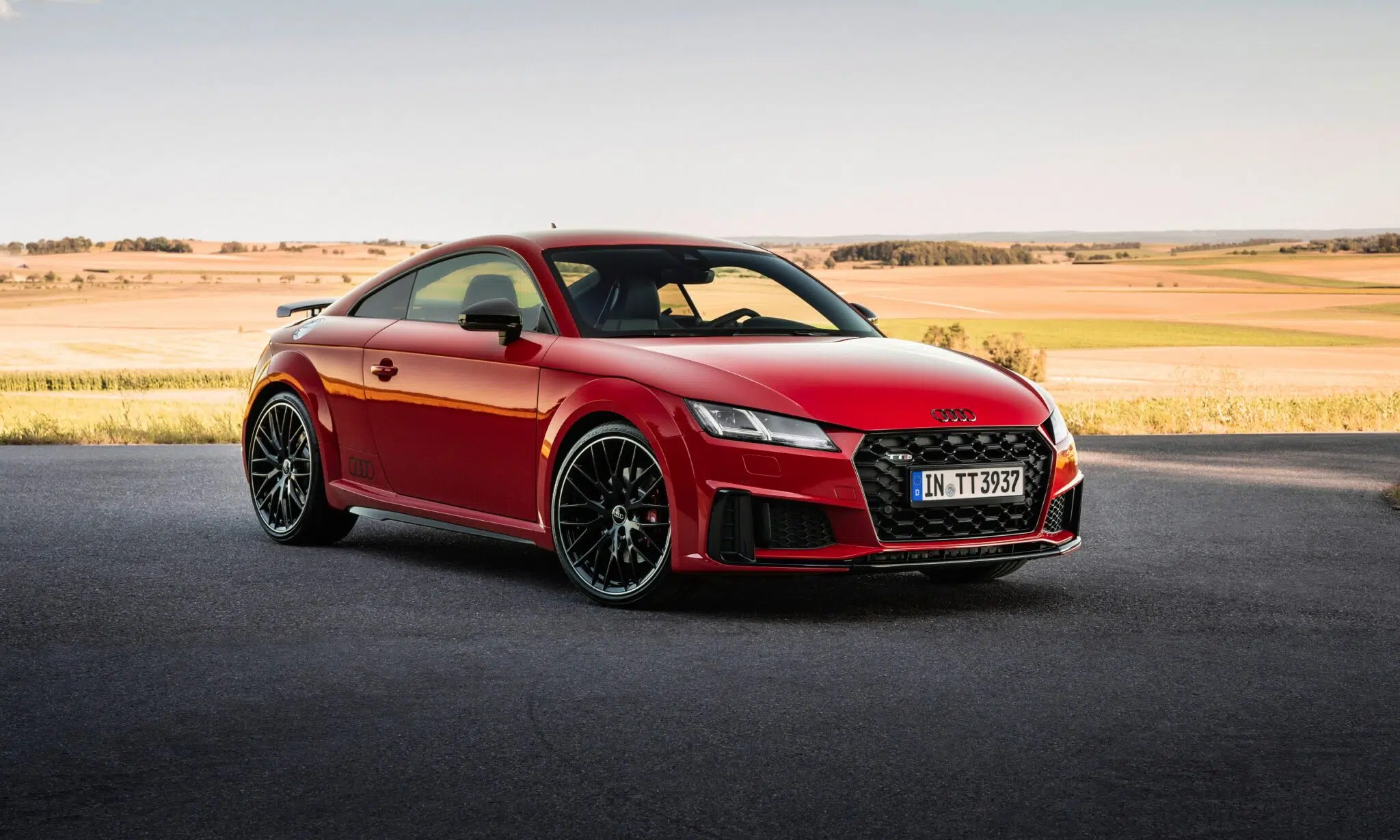
7. Audi TTS: Sport Seats Designed For Control Rather Than Long-Distance Comfort
The Audi TTS is a compact sports car built around performance, handling, and driver involvement. Its sport seats provide strong support and hold occupants securely during aggressive driving. However, that same design can create discomfort during longer journeys for some drivers.
Owners often praise the seats during short drives because they feel supportive and premium. Problems usually appear during extended highway travel when the firm padding and narrow bolsters create pressure points.
Audi enthusiast communities contain discussions from owners describing hip discomfort, lower back fatigue, and difficulty finding an ideal seating position. Some drivers say the seats are perfect for weekend driving but less suitable for long road trips.
The limited interior space also affects comfort. Sports cars naturally have tighter cabins, which means larger drivers may feel restricted. The side supports that keep the body stable during corners can become noticeable after sitting for a long period.
Some owners add cushions or make small adjustments to improve comfort. However, changing the seating setup can sometimes reduce the support that makes the vehicle enjoyable during performance driving.
The TTS represents a common trade-off found in sports cars. Manufacturers design these seats for control and stability rather than maximum softness. Drivers who prioritize comfort may prefer a luxury sedan or larger vehicle.
Before buying a performance car like the TTS, potential owners should consider how they plan to use it. Occasional weekend driving may make the seats enjoyable, while daily long-distance commuting may expose their limitations.
- Engine: 2.0-liter turbocharged 4-cylinder petrol engine
- Horsepower: 276 hp
- Torque: 289 lb-ft (392 Nm)
- Length: 184.1 inches (4,675 mm)
- Width: 71.9 inches (1,825 mm)
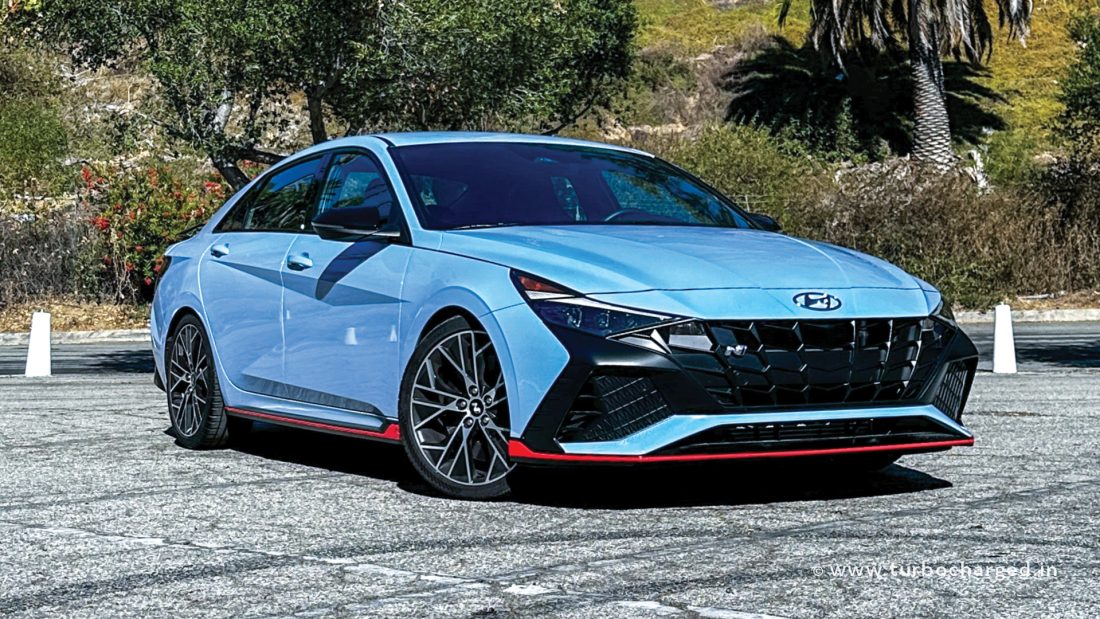
8. Hyundai Elantra N: Performance Bucket Seats That Divide Owners
The Hyundai Elantra N has gained attention for delivering strong performance at an affordable price. It features aggressive sport seats designed to support drivers during spirited driving. These seats receive praise from enthusiasts but criticism from drivers who prioritize long-distance comfort.
Many owners appreciate the firm structure because it keeps them stable during sharp turns. However, the same features can create discomfort during regular commuting or highway travel.
Owner discussions frequently mention pressure from the side bolsters and firm lower cushions. Some drivers report hip soreness after extended periods, especially when driving for more than an hour without stopping.
Performance forums show that many Elantra N owners accept these compromises because the seats match the vehicle’s sporty personality. They view the firm support as part of the driving experience rather than a disadvantage.
Other owners say they expected more comfort from a daily-use vehicle and have looked for solutions such as seat cushions or additional lumbar support.
The Elantra N highlights an important point about car seats: comfort depends on purpose. A seat designed for track-style driving may not provide the same experience as a seat designed for relaxed commuting.
Drivers considering the Elantra N should evaluate their typical driving habits. Those who enjoy spirited driving may appreciate the seats, while people who spend hours on highways may find the design tiring.
