
Towing changes a truck’s fuel economy because the engine has to produce more power to move extra weight. A pickup that delivers strong MPG during daily driving can lose several miles per gallon when pulling a trailer, camper, boat, or heavy equipment.
The amount of fuel used depends on the truck model, engine type, trailer size, road conditions, speed, and driving habits. Full-size pickups, midsize trucks, gasoline engines, and diesel models all respond differently under towing conditions. Understanding these changes helps truck owners estimate fuel costs and select the right vehicle for their hauling needs.
Also Read: 10 Vehicles Most Often Traded In Within a Year
How Towing Affects a Truck’s MPG
Every truck experiences a drop in fuel economy when towing because the engine must overcome additional resistance. The extra weight increases the amount of energy required to accelerate, maintain speed, and climb hills.
Even modern trucks with turbocharged engines, advanced transmissions, and hybrid systems cannot avoid increased fuel use when carrying heavy loads.
A truck traveling without a trailer mainly fights its own weight and air resistance. When a trailer is attached, the vehicle has to move two separate masses together. The engine works harder during acceleration and often stays at higher RPM levels, which increases fuel consumption.
Trailer design also influences MPG. A small open utility trailer creates less aerodynamic resistance than a tall travel trailer. A large camper can reduce fuel economy significantly because it acts like a large wall against the air. This means two trailers with similar weights can produce different MPG results depending on their shape.
Driving conditions also affect towing fuel economy. Flat highways usually provide better results than mountain roads because the engine does not need to produce as much power. Strong winds, poor tire pressure, heavy traffic, and aggressive acceleration can reduce MPG even further.
The table below shows estimated real-world towing MPG changes for popular trucks. Actual results vary based on load size, weather, terrain, and driving style.
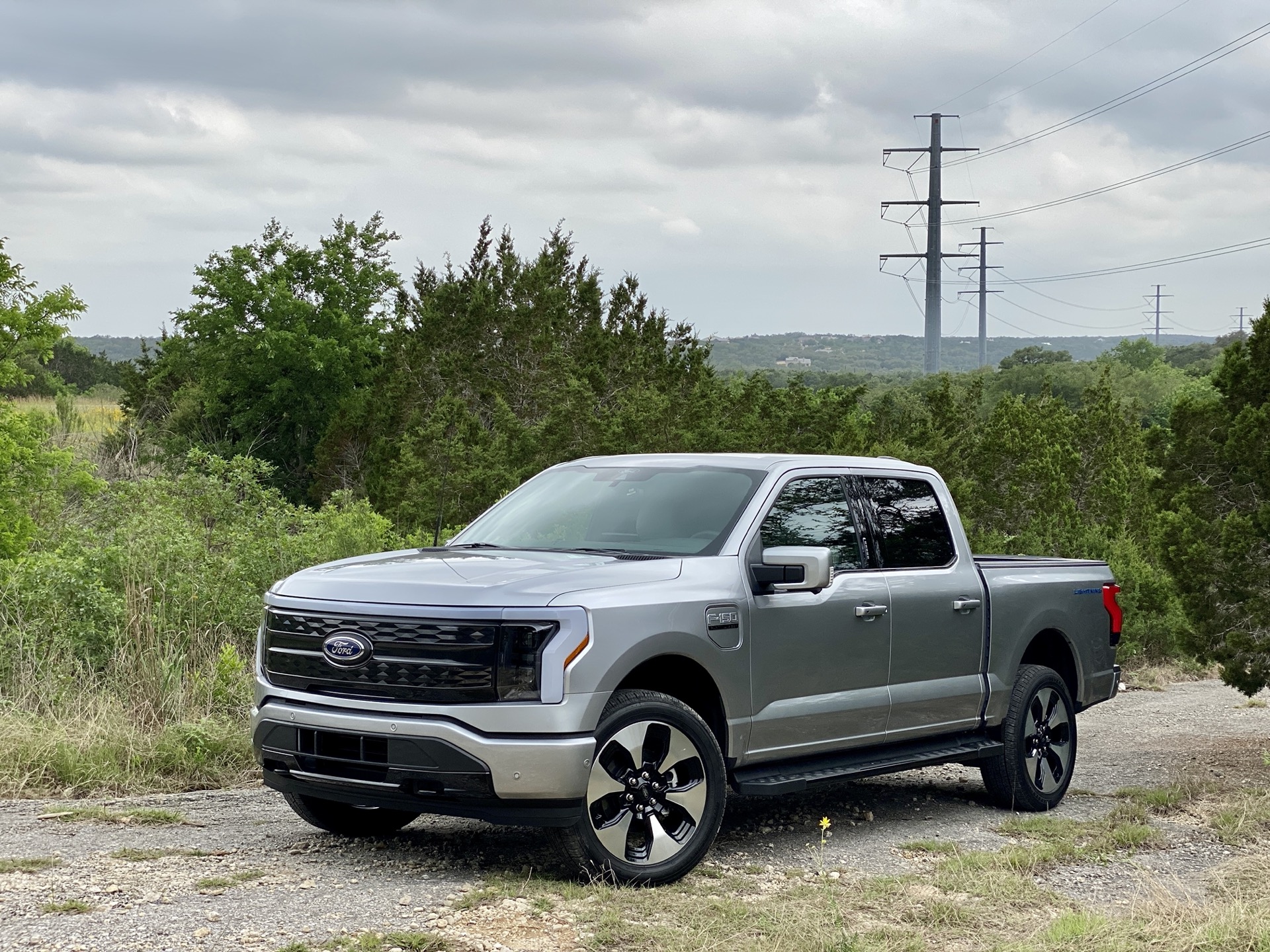
Ford F-150 Towing MPG Performance
The Ford F-150 is among the most popular trucks for personal and professional towing because it offers multiple engine choices. The 3.5-liter EcoBoost engine is known for producing strong torque, making it capable of handling campers, trailers, and work equipment.
During normal driving, the F-150 EcoBoost can achieve fuel economy in the high teens or low 20s depending on configuration. When towing a medium trailer, fuel economy commonly falls into the 10 to 15 MPG range. Larger trailers create more aerodynamic drag and can reduce mileage even further.
The F-150’s turbocharged engine helps maintain power without requiring extremely high engine speeds. This can improve towing performance compared with smaller naturally aspirated engines. However, the laws of physics still apply, and moving extra weight requires more fuel.
The available hybrid version of the F-150 can provide excellent efficiency during regular driving. When towing, however, the hybrid advantage becomes smaller because the gasoline engine must operate more frequently to provide the required power.
For drivers who tow occasionally, the F-150 provides a good balance between daily fuel economy and towing ability. Those who regularly pull heavy trailers may prefer a heavier-duty truck designed specifically for higher loads.
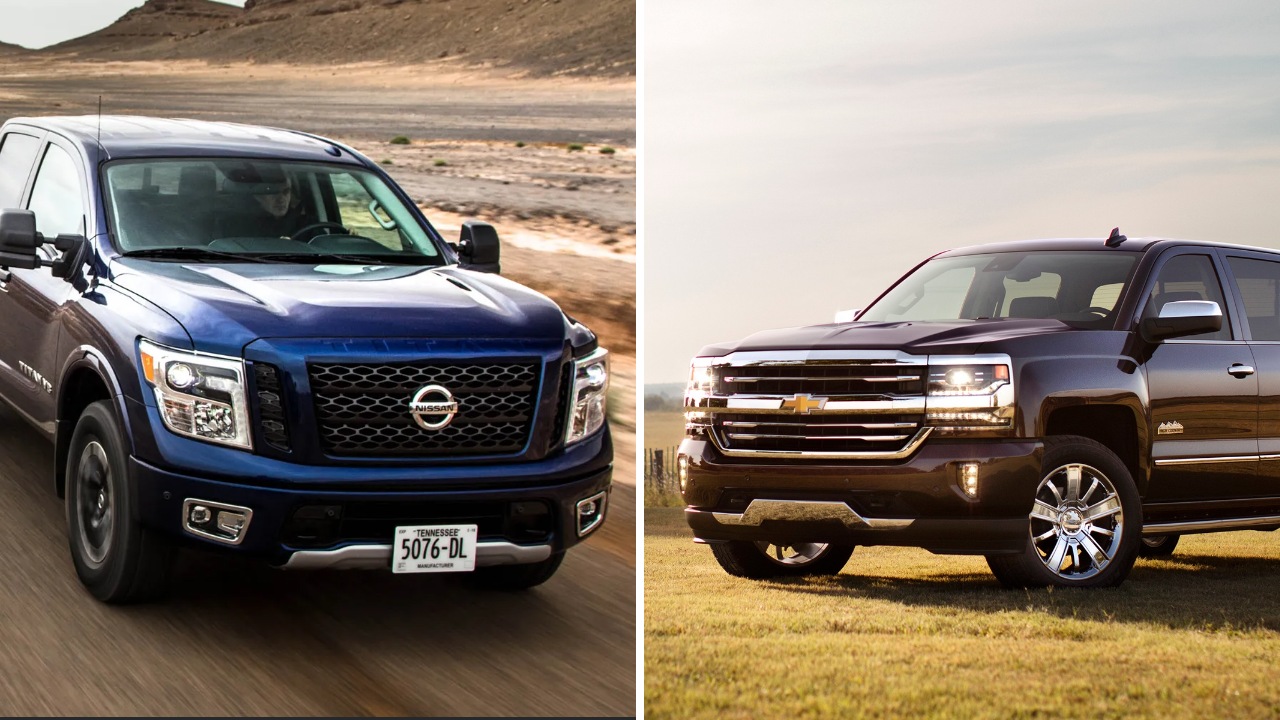
Chevrolet Silverado 1500 Towing MPG Performance
The Chevrolet Silverado 1500 offers gasoline and diesel engine options designed for different types of truck owners. The 5.3-liter V8 remains a popular choice because it provides dependable power for towing.
Without a trailer, the Silverado 1500 can deliver fuel economy in the upper teens or low 20 MPG range depending on configuration. Adding a trailer often reduces efficiency to around 10 to 14 MPG.
The available 3.0-liter Duramax diesel engine provides better fuel economy during many towing situations. Diesel engines produce strong torque at lower RPM levels, which helps when moving heavy loads over long distances.
A Silverado towing a large camper or enclosed trailer will experience a greater MPG loss than a truck pulling a small utility trailer. Trailer height and wind resistance are major factors affecting fuel consumption.
Truck buyers who tow frequently may benefit from choosing the diesel option. Drivers who tow occasionally may find the gasoline engines provide enough capability while keeping purchase costs lower.
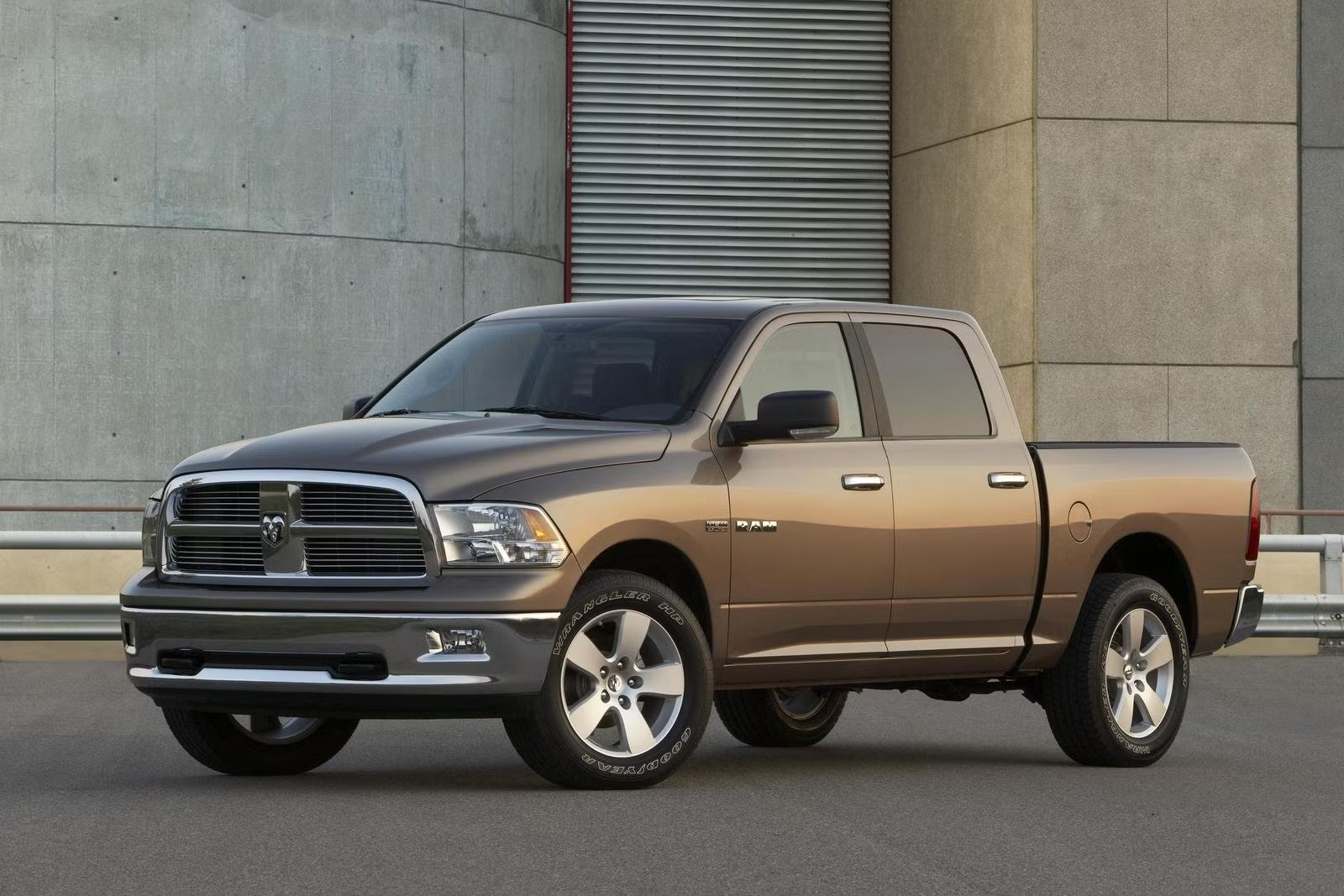
Ram 1500 Towing MPG Performance
The Ram 1500 combines strong towing capability with a comfortable driving experience. Available engines include V6, V8, and diesel options, each providing different fuel economy results under load.
The 5.7-liter Hemi V8 delivers strong horsepower and towing performance. However, when pulling heavy trailers, fuel economy often drops into the single digits or low teens depending on conditions.
The EcoDiesel engine has traditionally been attractive for drivers who want improved efficiency during long towing trips. Diesel torque allows the engine to handle heavy loads without constantly operating at high RPM.
Ram’s transmission technology helps manage towing conditions by selecting appropriate gears and maintaining smooth power delivery. This improves control but does not eliminate fuel consumption increases.
Owners who tow regularly should choose an engine based on trailer weight rather than only focusing on unloaded MPG ratings.
Toyota Tundra Towing MPG Performance
The Toyota Tundra uses a twin-turbocharged V6 engine designed to provide strong pulling power. Newer models also offer hybrid assistance for improved performance.
The Tundra can achieve competitive fuel economy during normal driving, but towing reduces MPG because the engine must provide additional power. Most towing situations place fuel economy in the 10 to 14 MPG range.
Turbocharged engines provide strong torque, which helps maintain speed while towing. However, large trailers still create significant aerodynamic resistance.
The Tundra includes towing technology designed to improve trailer control and driver confidence. These features help create a smoother towing experience. For buyers who need a reliable truck for recreational towing, the Tundra remains a strong option.
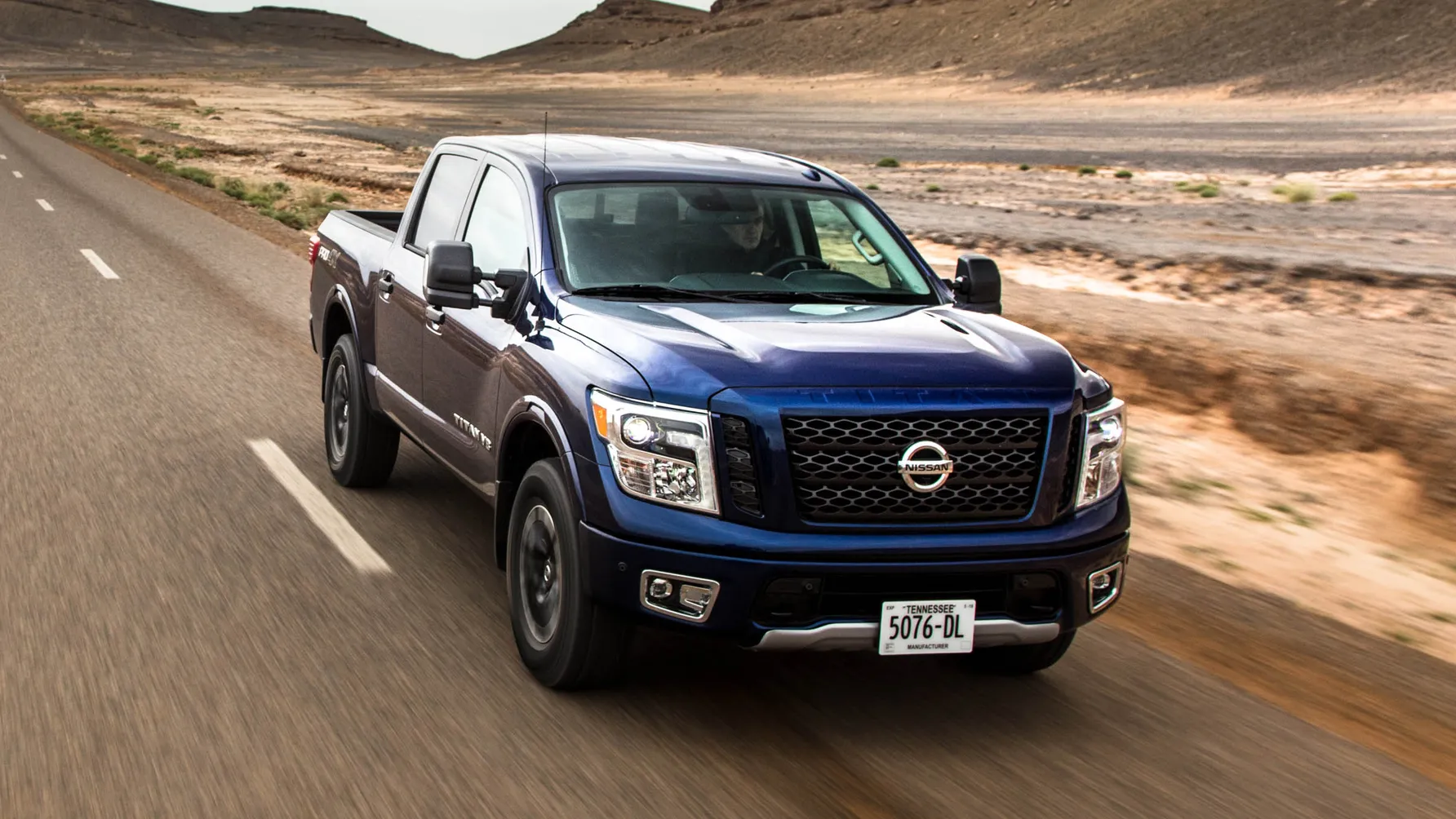
Nissan Titan Towing MPG Performance
The Nissan Titan uses a 5.6-liter V8 engine that provides solid towing capability. The engine delivers strong acceleration and dependable performance when carrying heavier loads. Normal driving fuel economy usually falls in the mid to high teens. When towing, MPG can decrease to around 9 to 13 MPG.
The Titan’s V8 power allows it to handle many towing tasks comfortably, but larger engines typically consume more fuel under heavy demand. Drivers who use their truck for occasional trailers, boats, or equipment hauling may find the Titan suitable for their needs.
Midsize Trucks and Towing MPG
Midsize trucks such as the Ford Ranger, Chevrolet Colorado, and Toyota Tacoma offer better daily fuel economy because they are smaller and lighter than full-size pickups. The Ford Ranger with its 2.3-liter EcoBoost engine can deliver around 20 MPG during normal driving. When towing, fuel economy may fall into the 12 to 17 MPG range.
The Chevrolet Colorado with its turbocharged engine provides strong low-end torque and can handle moderate trailers efficiently. Towing usually reduces MPG by several miles per gallon.
The Toyota Tacoma is known for durability and off-road capability. However, its fuel economy decreases when pulling heavier loads because smaller engines must work harder. Midsize trucks work well for lighter trailers but may not be the best choice for frequent heavy towing.
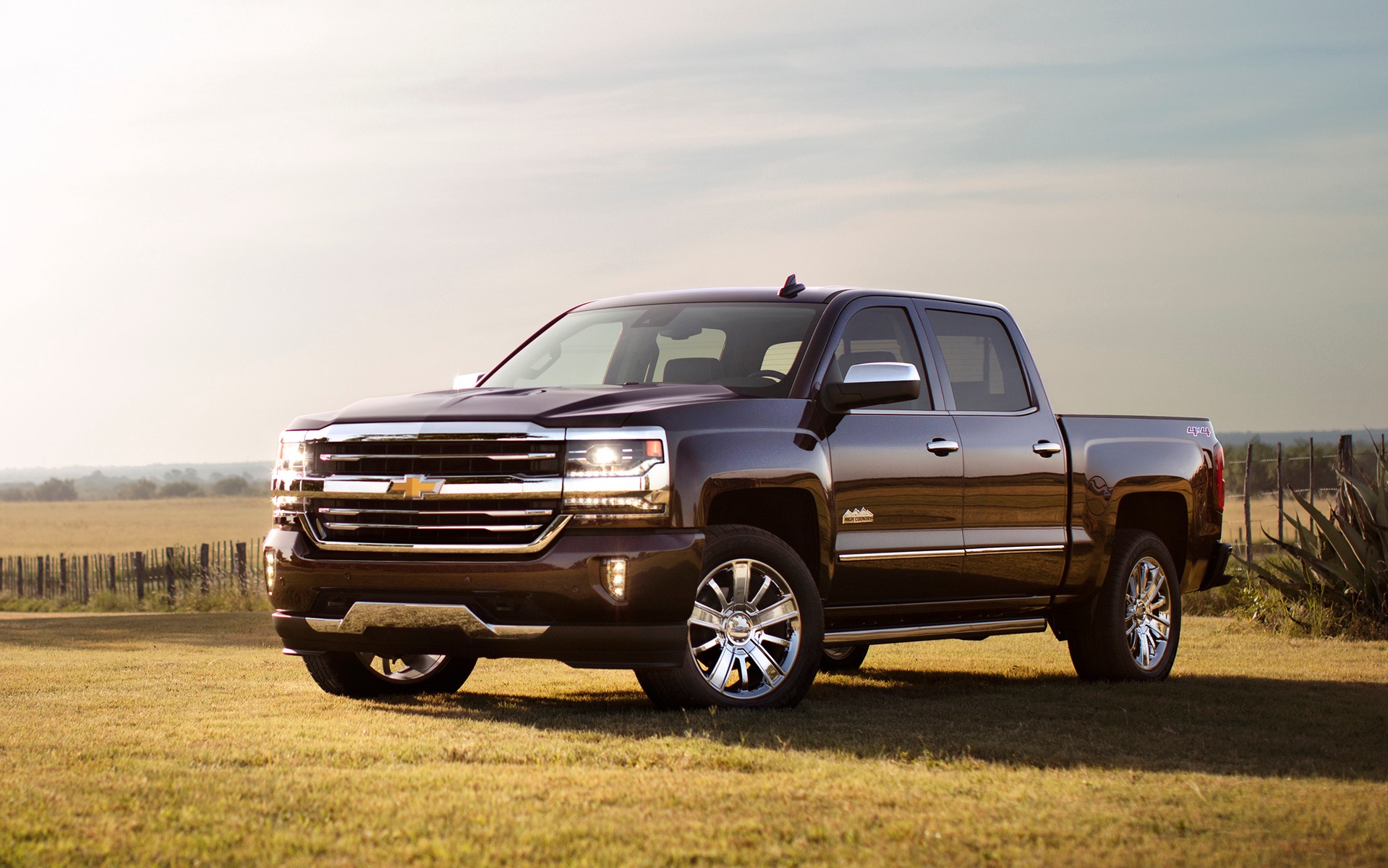
Heavy-Duty Trucks and Towing MPG
Heavy-duty trucks such as the Ford F-250 are designed for serious towing jobs. Their engines produce much higher torque levels than half-ton pickups. The 6.7-liter Power Stroke diesel engine in the F-250 can deliver impressive pulling power. However, towing large trailers can reduce fuel economy to around 9 to 14 MPG.
Heavy-duty trucks often consume more fuel because they are built with stronger frames, larger engines, and heavier components. For people who regularly tow large campers, equipment trailers, or commercial loads, the extra capability can make the lower MPG worthwhile.
How to Improve MPG While Towing
Improving fuel economy while towing starts with proper preparation. Keeping tires properly inflated reduces rolling resistance and helps the truck move more efficiently. Maintaining steady speeds is another important factor. Sudden acceleration and heavy braking increase fuel consumption. Smooth driving helps reduce unnecessary engine strain.
Reducing unnecessary cargo in both the truck and trailer can also improve efficiency. Extra weight requires additional energy to move. Using the correct tow mode can help the transmission select better gears. Modern trucks use computer systems to manage power delivery and improve towing control.
The best way to maintain reasonable towing MPG is to select a truck that matches the trailer. A truck operating within its comfortable limits will usually provide better fuel economy, improved reliability, and safer performance.
Also Read: 10 EVs Ranked by Charging Speed
| Truck Model | Engine Example | MPG Without Towing | MPG While Towing | Average MPG Drop |
|---|---|---|---|---|
| Ford F-150 | 3.5L EcoBoost V6 | 18 to 22 MPG | 10 to 15 MPG | 5 to 10 MPG |
| Chevrolet Silverado 1500 | 5.3L V8 | 17 to 21 MPG | 10 to 14 MPG | 6 to 9 MPG |
| Ram 1500 | 5.7L Hemi V8 | 16 to 20 MPG | 9 to 14 MPG | 6 to 10 MPG |
| Toyota Tundra | Twin-Turbo V6 | 17 to 22 MPG | 10 to 14 MPG | 6 to 10 MPG |
| GMC Sierra 1500 | 3.0L Duramax Diesel | 20 to 24 MPG | 13 to 18 MPG | 5 to 8 MPG |
| Nissan Titan | 5.6L V8 | 16 to 20 MPG | 9 to 13 MPG | 6 to 10 MPG |
| Ford Ranger | 2.3L EcoBoost | 20 to 24 MPG | 12 to 17 MPG | 6 to 9 MPG |
| Chevrolet Colorado | 2.7L Turbo | 18 to 22 MPG | 12 to 16 MPG | 5 to 8 MPG |
| Toyota Tacoma | 3.5L V6 | 17 to 21 MPG | 10 to 15 MPG | 5 to 8 MPG |
| Ford F-250 Super Duty | 6.7L Power Stroke Diesel | 18 to 22 MPG | 9 to 14 MPG | 7 to 10 MPG |
