
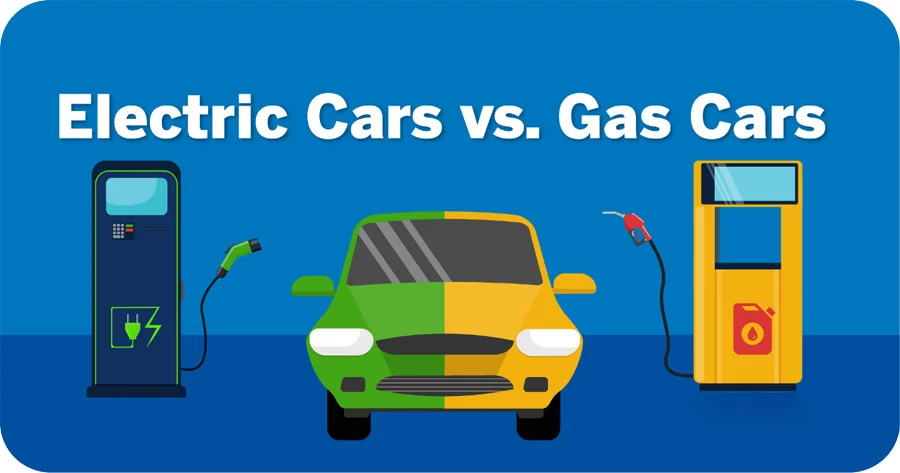
The used car market has entered an interesting new phase. Just a few years ago, electric vehicles dominated headlines, with demand frequently outpacing supply and many models commanding prices close to or even above their original sticker prices.
Today, the market looks very different. While EV adoption continues to grow, many gasoline-powered vehicles are proving they remain highly desirable, especially in the used market.
According to an iSeeCars analysis of millions of used vehicle listings, several gasoline-powered models from Hyundai, Lexus, and Audi ranked among the fastest-selling used vehicles in the United States during February 2026.
Their rapid turnover highlights a broader shift in consumer priorities. Rather than chasing the newest technology, many buyers are placing greater value on proven reliability, lower ownership costs, and the convenience of traditional internal combustion vehicles.
The trend does not suggest that EVs are losing relevance. Instead, it demonstrates that gasoline-powered vehicles continue to occupy an important place in the market, particularly for shoppers seeking dependable transportation without concerns about charging infrastructure or long-term battery depreciation.
Also Read: 10 States With the Roughest Roads, Per Federal Data
Why Gasoline Models Continue to Dominate the Fastest-Selling Used Market
Several factors explain why specific gasoline vehicles continue to disappear from dealership lots within days.
One of the biggest reasons is predictability. Internal combustion engines have been refined over more than a century, giving buyers confidence in maintenance schedules, repair costs, and long-term durability.
Independent repair shops across the United States are also far more familiar with servicing gasoline vehicles than high-voltage electric powertrains, making ownership less intimidating for many consumers.
According to iSeeCars, demand has remained especially strong for vehicles that combine reliability, fuel efficiency, and strong resale value.
Hyundai has dramatically improved its reputation over the past decade through longer warranties, improved build quality, and modern technology, making many of its late-model used vehicles attractive purchases.
Lexus continues to benefit from its long-standing reputation for exceptional dependability, while Audi appeals to buyers looking for premium features at significantly lower prices than new luxury models.
Hyundai’s recent success is particularly noteworthy. Models such as the Tucson, Santa Fe, and Elantra have steadily climbed reliability rankings while offering generous standard equipment compared with similarly priced competitors.
Buyers shopping for used crossovers frequently find they can purchase a well-equipped Hyundai for thousands of dollars less than an equivalent Toyota or Honda while sacrificing very little in quality.
Lexus occupies a unique position in the luxury market. As Toyota’s premium division, Lexus combines luxury appointments with engineering that has consistently earned high marks for durability.
Industry studies from organizations including J.D. Power and Consumer Reports have repeatedly ranked Lexus among the most reliable automotive brands in America. That reputation translates directly into stronger demand when these vehicles enter the used market.
Audi represents another interesting case. Although German luxury vehicles have historically experienced faster depreciation than Japanese competitors, this depreciation benefits second-hand buyers.
A three- or four-year-old Audi often offers advanced driver assistance technology, premium interiors, sophisticated all-wheel-drive systems, and turbocharged performance at a fraction of its original purchase price, making it particularly attractive to value-conscious luxury shoppers.
Another major factor is financing. Interest rates remain high compared with the unusually low borrowing costs seen earlier in the decade. Higher monthly payments have encouraged many buyers to seek dependable used gasoline vehicles instead of significantly more expensive new EVs.
According to Cox Automotive, affordability has become one of the defining themes of today’s automotive market, with consumers placing greater emphasis on total ownership costs than on adopting the newest technology.
Fuel prices have also stabilized compared with the volatility experienced during previous years. While EVs still provide lower operating costs in many situations, the financial advantage narrows when gasoline prices remain relatively moderate.
Buyers who drive average annual mileage often find the savings from an EV insufficient to offset higher purchase prices or potential depreciation concerns.
Perhaps most importantly, gasoline vehicles offer familiarity. Filling a fuel tank takes only a few minutes, thousands of stations exist nationwide, and road trip planning remains simple. For consumers without home charging or those living in apartments, gasoline vehicles continue to provide unmatched convenience.
EV Momentum Continues, but the Used Market Is Becoming More Selective
None of this means electric vehicles are failing. In fact, EV technology continues to improve, charging networks continue expanding, and manufacturers keep introducing more capable models with longer driving ranges.
However, the used EV market has become increasingly selective. During the early years of rapid electrification, limited supply pushed resale values unusually high. As production increased and more vehicles entered the second-hand market, depreciation accelerated for several models.
Buyers also became more informed about battery health, software support, warranty coverage, and charging compatibility, leading them to compare vehicles more carefully before purchasing.
According to industry analysts, buyers today are increasingly separating premium EVs with strong charging ecosystems and established reliability from models with uncertain long-term value. This creates greater variation in resale performance than is typically seen among comparable gasoline vehicles.
Battery replacement concerns, although often overstated, still influence purchasing decisions. Modern lithium-ion batteries generally retain a substantial portion of their original capacity for many years, but replacement costs remain significantly higher than most traditional engine repairs.
Consumers unfamiliar with EV technology frequently consider this a financial risk even when manufacturer warranties provide substantial coverage.
Charging infrastructure also remains uneven across the United States. Urban regions continue seeing rapid charger deployment, while rural communities still offer fewer fast-charging options.
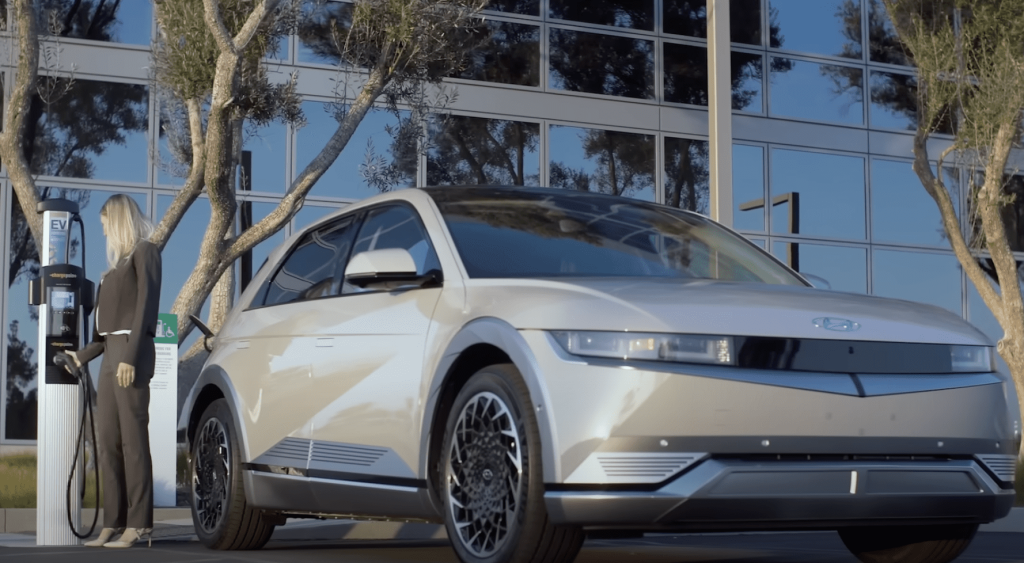
Buyers who regularly travel long distances or lack reliable home charging frequently decide that gasoline vehicles better match their daily needs.
Another important factor is depreciation. Some used EVs have experienced sharper value declines than comparable gasoline vehicles over the past two years, largely because of aggressive new vehicle incentives and frequent technological improvements that make older EVs appear outdated more quickly.
Buyers focused on resale value, therefore, continue gravitating toward proven gasoline models with historically stable demand.
Meanwhile, hybrid vehicles are increasingly occupying the middle ground. They deliver significant fuel economy improvements while preserving the convenience of gasoline refueling, making them attractive to consumers hesitant about transitioning to fully electric transportation.
Toyota and Lexus have especially benefited from this trend through their mature hybrid technology and long-standing reputation for reliability.
The current market illustrates that consumers are no longer choosing vehicles based solely on propulsion technology. Instead, purchasing decisions increasingly revolve around practical considerations such as reliability, affordability, depreciation, insurance costs, maintenance expenses, and everyday usability.
What the Fastest-Selling Vehicles Reveal About Today’s Buyers
The continued popularity of gasoline-powered Hyundai, Lexus, and Audi models says less about resistance to electrification and more about how consumers evaluate value in today’s market.
Used vehicle shoppers are conducting more research than ever before. They compare ownership costs, reliability histories, warranty coverage, insurance premiums, fuel expenses, and resale performance before making purchasing decisions.
Vehicles that consistently perform well across these categories naturally spend less time sitting on dealership lots.
According to iSeeCars, millions of used vehicle listings continue to demonstrate that well-maintained gasoline vehicles remain exceptionally competitive despite the rapid growth of electrification.
The fastest-selling models are not necessarily the newest or most technologically advanced. Instead, they are the vehicles buyers trust to deliver dependable transportation with manageable ownership costs.
That reality explains why Hyundai continues attracting practical buyers, why Lexus remains one of the strongest names in luxury reliability, and why Audi offers compelling value for shoppers seeking premium features without paying new-car prices.
The automotive industry is clearly moving toward greater electrification, and EV adoption will almost certainly continue expanding over the coming decade. Yet the used market demonstrates that internal combustion engines remain highly relevant.
Millions of Americans still prioritize convenience, established reliability, widespread service networks, and predictable ownership costs, ensuring that well-engineered gasoline vehicles continue selling remarkably quickly even as the transition toward electric mobility accelerates.
Also Read: 10 Cars With the Best Factory Headlights
