
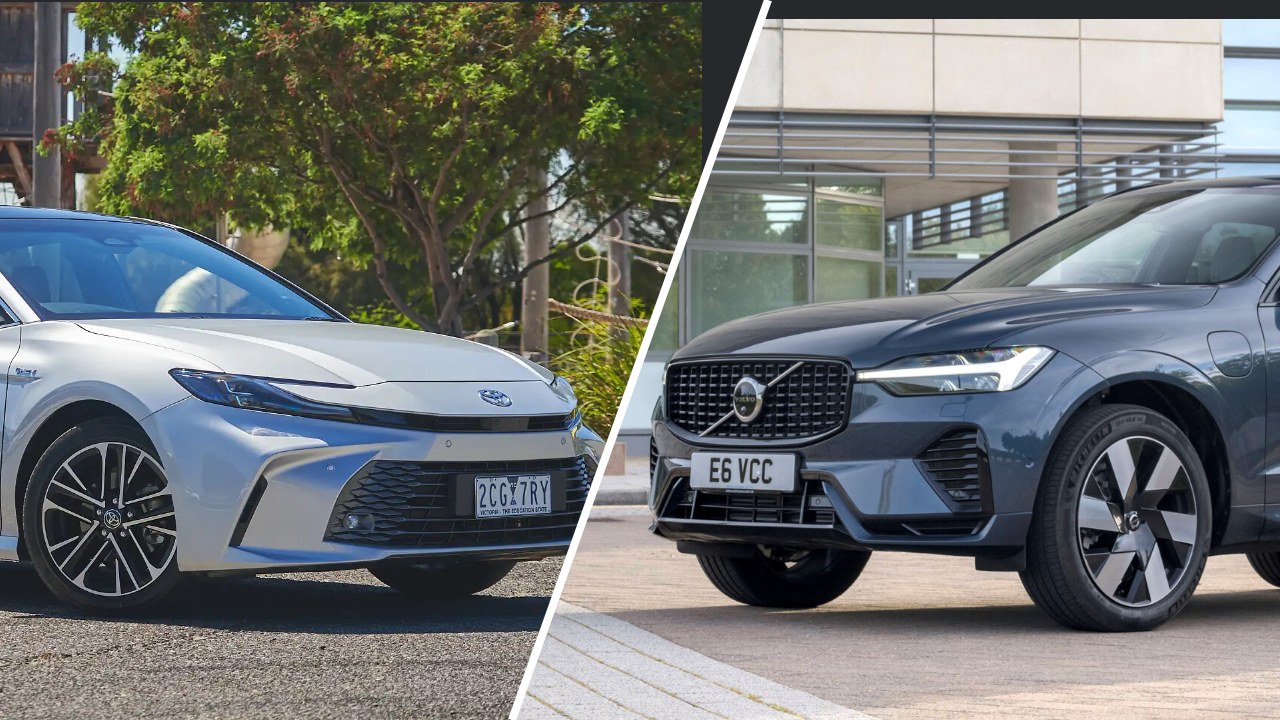
Vehicle headlights play a major role in road safety because they determine how clearly drivers can see obstacles, road markings, pedestrians, and changing conditions after sunset. Modern automotive lighting technology has improved significantly, with manufacturers adopting LED systems, adaptive beams, and carefully designed projector setups to improve visibility.
The Insurance Institute for Highway Safety (IIHS) evaluates vehicle headlights through detailed testing that measures how far light reaches on straight roads and curves while also considering glare produced for other drivers. This article highlights 10 vehicles known for their strong factory-installed headlights according to IIHS evaluations.
Also Read: 10 Three-Pedal Cars That Keep Driving Fun Alive
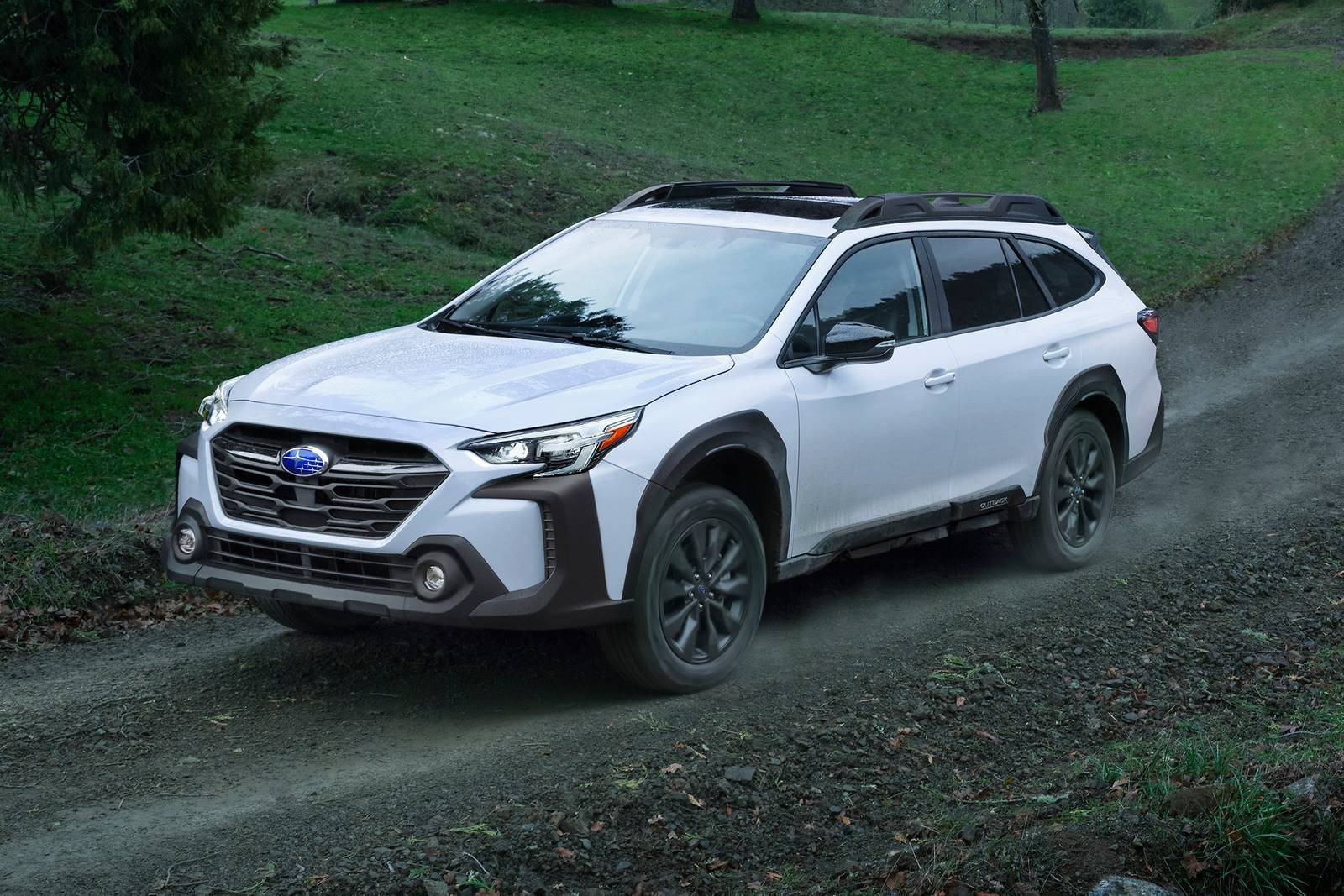
- Engine: 2.5-liter 4-cylinder Boxer engine (standard) / 2.4-liter turbocharged 4-cylinder Boxer engine (available)
- Horsepower: 182 hp (2.5L) / 260 hp (2.4L turbo)
- Torque: 176 lb-ft (2.5L) / 277 lb-ft (2.4L turbo)
- Length: 191.9 inches
- Width: 74.2 inches
1. Subaru Outback
The Subaru Outback has earned recognition for its strong safety reputation, and its factory headlight performance has contributed to its positive IIHS evaluations. Subaru has focused heavily on driver assistance and visibility technologies, making nighttime driving more manageable for families, commuters, and outdoor enthusiasts.
The Outback commonly uses LED steering-responsive headlights that adjust their direction based on vehicle movement. This feature helps illuminate curves more effectively, allowing drivers to identify hazards earlier when traveling on winding roads.
The IIHS evaluates headlights by measuring illumination levels in multiple driving situations, including straight sections and curves. The Outback has performed well in these tests because its lighting system provides useful visibility without creating excessive glare for approaching traffic.
A balanced headlight design is important because powerful lights alone do not guarantee better safety. Proper beam placement, consistent brightness, and controlled distribution all contribute to better nighttime awareness.
Subaru’s approach to lighting is connected with its broader safety philosophy. The company integrates headlights with systems such as adaptive cruise control, lane assistance, and collision prevention technology through its EyeSight driver assistance package.
While these features serve different purposes, they work together to provide drivers with additional support during challenging conditions. Good headlights remain essential because electronic safety systems depend on drivers being able to see clearly.
The Outback’s lighting performance is especially useful for drivers who frequently travel outside urban areas. Rural roads often have limited street lighting, making factory headlights a critical part of safe transportation.
Strong low beams help reveal lane boundaries and road hazards, while effective high beams extend visibility when conditions allow their use. This makes a vehicle like the Outback appealing for people who regularly drive through darker environments.
Another important advantage of the Outback’s headlight system is consistency across different trims. Some vehicles achieve strong ratings only when equipped with expensive optional lighting packages, but Subaru has worked to make advanced safety equipment widely available.
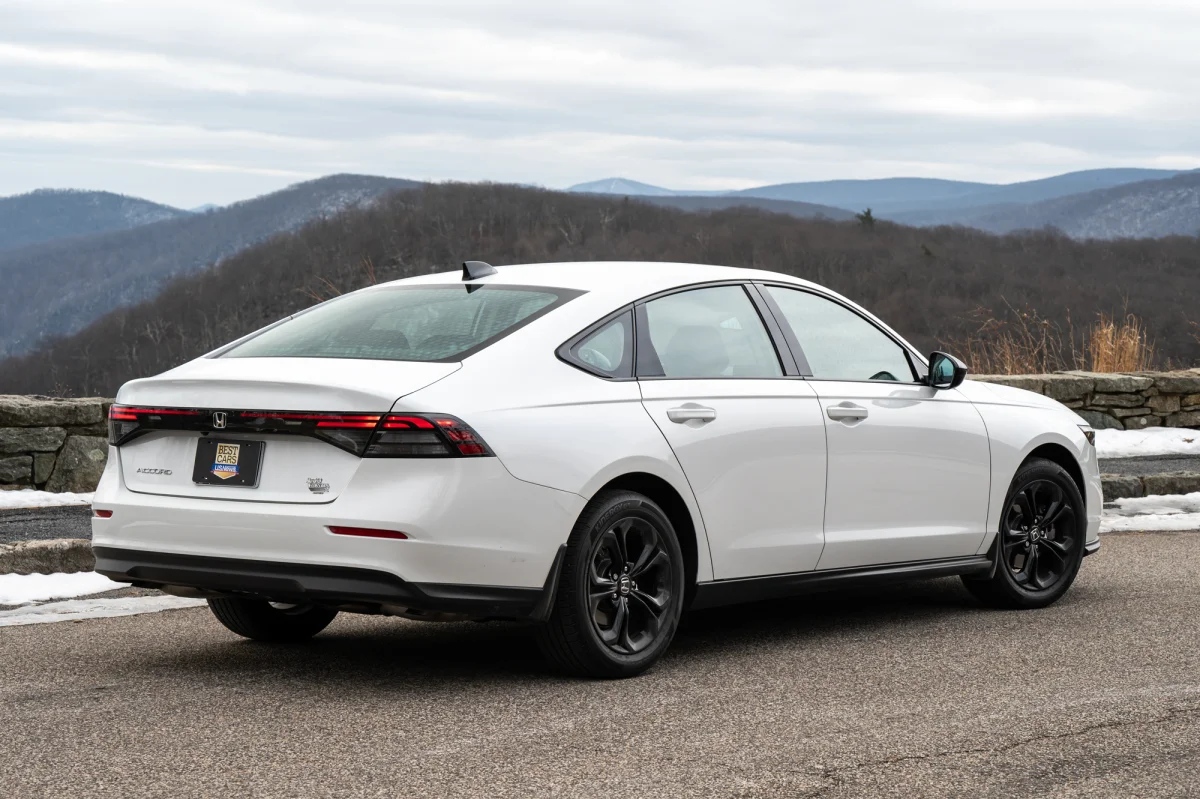
- Engine: 1.5-liter turbocharged 4-cylinder engine (gas models) / 2.0-liter hybrid powertrain (hybrid models)
- Horsepower: 192 hp (1.5L turbo) / 204 hp (hybrid system output)
- Torque: 192 lb-ft (1.5L turbo) / 247 lb-ft (hybrid system output)
- Length: 195.7 inches
- Width: 73.3 inches
2. Honda Accord
The Honda Accord has long been recognized as a practical midsize sedan with strong engineering, comfortable driving characteristics, and dependable safety equipment. Its factory LED headlights have helped the model achieve positive results in IIHS safety evaluations.
Honda designed the Accord’s lighting system to provide broad road coverage while maintaining controlled brightness. This balance helps drivers identify important details ahead without unnecessarily affecting other road users.
The Accord’s headlights are designed with modern LED technology that offers several benefits compared with older halogen systems. LEDs typically provide a brighter and more consistent light output while using less energy.
They also allow manufacturers to create smaller, more precise lighting designs. In the Accord, this technology supports improved nighttime visibility by producing clear illumination patterns that assist drivers during highway travel and city driving.
IIHS testing focuses on practical visibility rather than simply measuring how bright a headlight appears. A good headlight system must provide useful light in areas where drivers actually need it, including straight roads, intersections, and curves.
The Accord’s performance reflects Honda’s attention to creating lighting systems that support real driving conditions. Effective headlights can help drivers react faster when unexpected objects appear on the road.
The sedan’s low driving height also influences how its headlights interact with the road. Compared with taller vehicles, sedans generally have a lower headlight position, which requires careful engineering to provide enough forward visibility. Honda has adjusted the Accord’s lighting design to create a strong beam pattern while reducing unnecessary glare. This attention to detail contributes to the vehicle’s reputation as a safe and efficient daily driver.
The Honda Accord remains popular among drivers who want reliability combined with modern safety features. Strong factory headlights add value because they improve the driving experience without requiring aftermarket modifications.
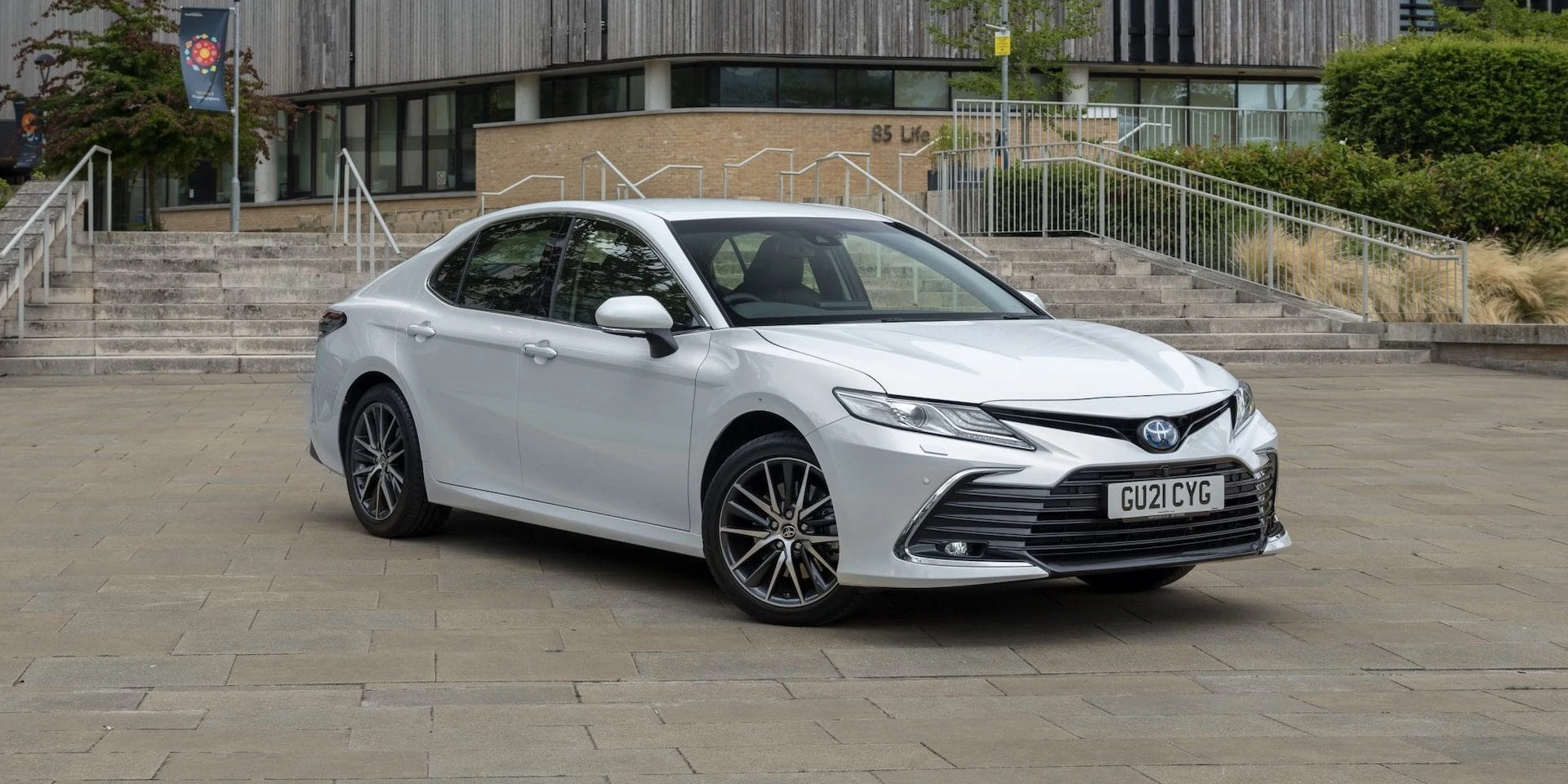
- Engine: 2.5-liter 4-cylinder hybrid engine with electric motors
- Horsepower: 225 hp (front-wheel drive hybrid) / 232 hp (all-wheel drive hybrid)
- Torque: Approximately 163 lb-ft (engine torque)
- Length: 193.5 inches
- Width: 72.4 inches
3. Toyota Camry
The Toyota Camry has been a leading midsize sedan for decades, with a reputation built around reliability, efficiency, and safety.
Its factory headlight systems have received strong recognition in IIHS evaluations, especially in newer generations equipped with LED lighting technology. Toyota has improved the Camry’s lighting design by focusing on better beam coverage, improved visibility distance, and reduced glare.
Modern Camry models use carefully engineered LED headlights that provide a cleaner and more consistent light pattern than older systems. LED technology allows Toyota to create compact designs while improving brightness and efficiency.
These headlights help drivers see lane markings, road signs, and potential obstacles more clearly during nighttime conditions. A well-designed lighting system can make a significant difference during long highway journeys.
The IIHS headlight rating system considers several factors, including how much road is illuminated during different driving situations. The Camry’s strong performance comes from its ability to provide useful visibility in common scenarios.
A driver traveling on a dark road benefits from headlights that spread light evenly rather than creating bright spots surrounded by poorly illuminated areas. Uniform lighting helps reduce eye strain and improves awareness.
Toyota has also integrated its lighting systems with its broader safety strategy. Features such as automatic high beams and driver assistance technologies support safer driving habits. However, these systems work best when paired with headlights that already provide dependable visibility. Technology can assist drivers, but clear vision remains a fundamental part of accident prevention.
The Camry’s continued success shows that safety improvements are not limited to luxury vehicles. Manufacturers are increasingly adding advanced lighting equipment to mainstream models, giving more drivers access to better nighttime performance.
With a combination of proven reliability, efficient design, and strong factory lighting capability, the Toyota Camry remains a competitive choice for drivers seeking a dependable vehicle with excellent visibility.
- Engine: 2.5-liter Skyactiv-G 4-cylinder engine / 2.5-liter turbocharged 4-cylinder engine (available)
- Horsepower: 187 hp (standard) / 256 hp (turbo with premium fuel)
- Torque: 186 lb-ft (standard) / 320 lb-ft (turbo with premium fuel)
- Length: 180.1 inches
- Width: 72.6 inches
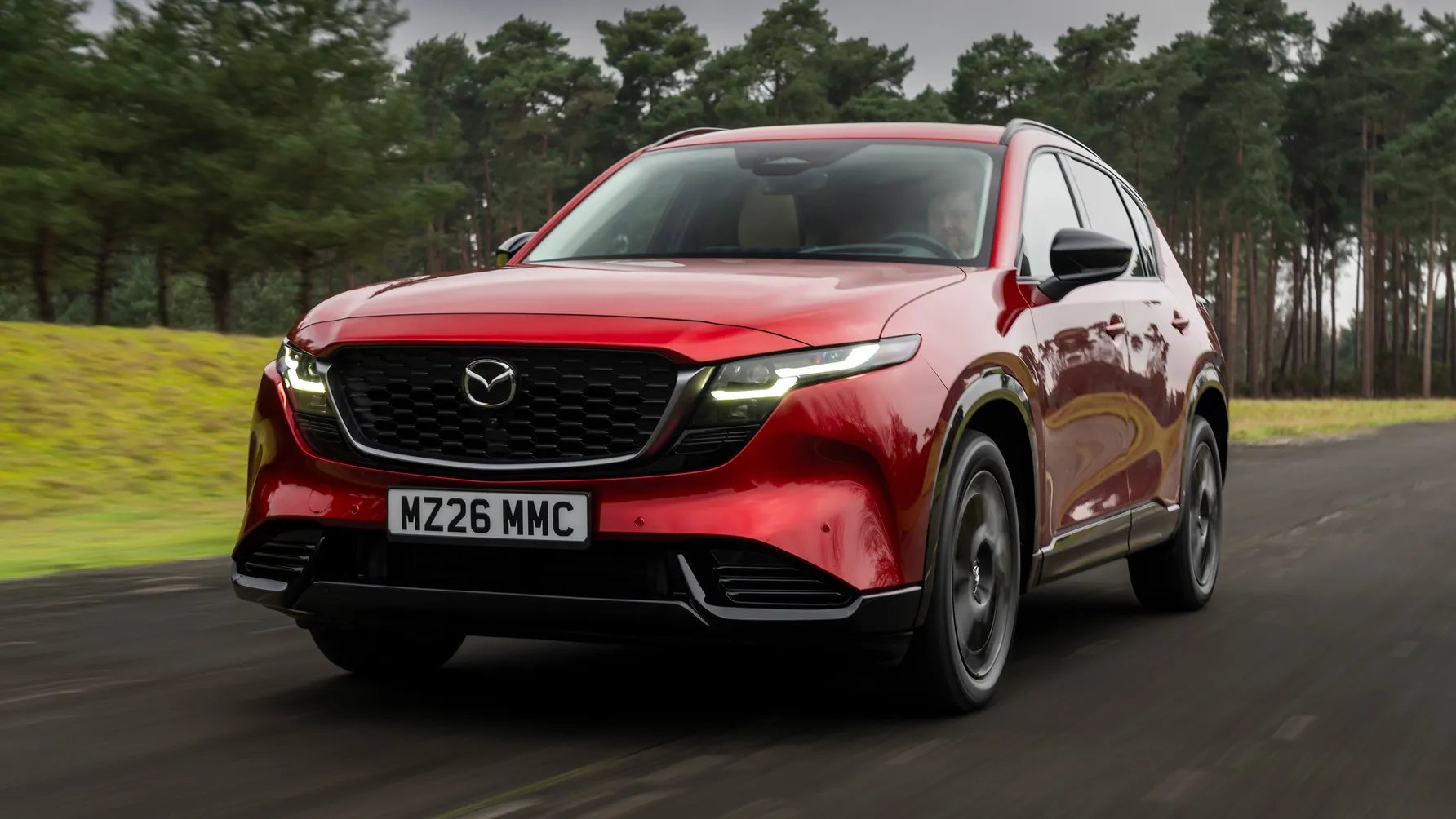
4. Mazda CX-5
The Mazda CX-5 has gained attention among compact SUVs for combining refined driving characteristics with strong safety performance. Its factory-installed LED headlights have contributed to positive IIHS evaluations, particularly in models equipped with advanced lighting features.
Mazda has focused on creating headlights that provide clear illumination while maintaining a balanced appearance and practical performance. The CX-5 demonstrates how a family-oriented SUV can offer strong nighttime visibility without relying on oversized or overly complex lighting systems.
The CX-5 uses LED projector headlights designed to create a precise beam pattern. Instead of simply producing more brightness, Mazda’s engineers focused on directing light where drivers need it most.
This approach helps illuminate important areas of the road, including lane markings, roadside objects, and potential hazards. Proper beam control is especially valuable because poorly aimed headlights can create discomfort for other drivers and reduce road safety.
IIHS headlight testing examines how well headlights perform in various driving situations, including straight roads and curves. The CX-5 has benefited from available adaptive front lighting technology that helps adjust the direction of the beam when the vehicle turns.
This feature can improve visibility on winding roads by allowing drivers to see farther into a curve before reaching it. Better visibility in these situations can provide additional reaction time.
Mazda’s attention to design extends beyond appearance. The company often emphasizes a connection between driver and vehicle, and lighting plays a role in that experience.
- Engine: 2.5-liter turbocharged 4-cylinder engine / 3.3-liter twin-turbocharged V6 engine (higher trims)
- Horsepower: 290 hp (2.5T) / 365 hp (3.3T)
- Torque: 311 lb-ft (2.5T) / 376 lb-ft (3.3T)
- Length: 184.4 inches
- Width: 72.8 inches
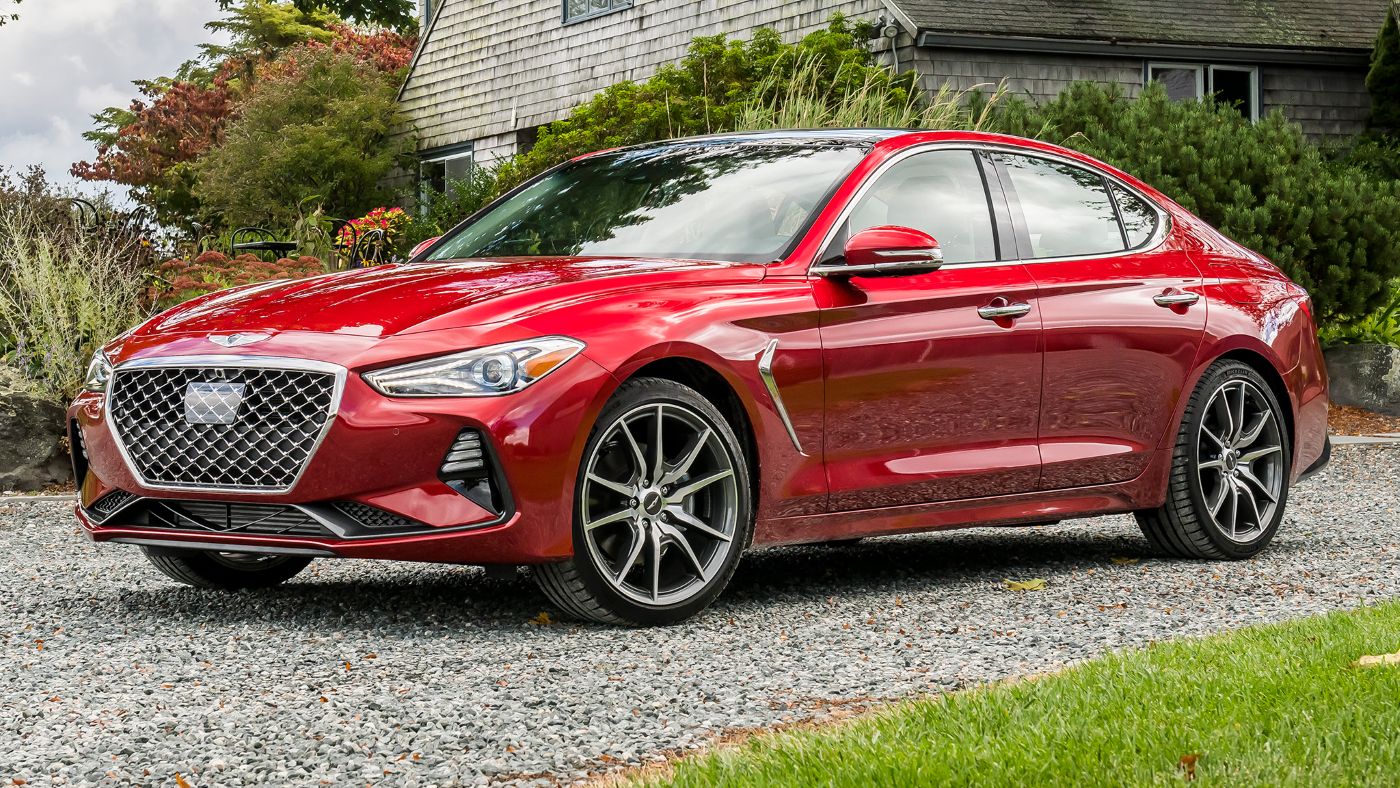
5. Genesis G70
The Genesis G70 represents a luxury sport sedan category where advanced technology and premium design are major priorities. Its factory headlights have received strong recognition through IIHS testing, reflecting the brand’s focus on safety and engineering quality.
Genesis uses sophisticated LED lighting systems that combine strong illumination with precise control. These features help create a safer nighttime driving environment while adding to the vehicle’s premium character.
The G70’s headlights are designed to provide excellent visibility at different speeds and road conditions. LED systems allow engineers to create detailed light patterns that improve forward coverage while minimizing unnecessary glare.
This is particularly important in luxury vehicles because buyers expect advanced features that improve both comfort and safety. The G70 demonstrates how high-end vehicles can use lighting technology as a functional safety tool.
Adaptive lighting technology plays an important role in the G70’s performance. When vehicles travel through curves, fixed headlights may not fully illuminate the direction of travel.
Adaptive systems can adjust the beam angle, helping drivers identify changes in the road ahead. This feature is valuable on unfamiliar roads where unexpected turns, obstacles, or pedestrians may appear.
IIHS evaluations have placed increasing importance on real-world headlight effectiveness. A vehicle may have attractive lighting designs, but performance depends on how well those lights help drivers see. The G70’s strong ratings reflect careful engineering rather than simple visual appeal. The vehicle shows how manufacturers are improving headlights as an important part of active safety.
Luxury vehicles often introduce technologies that later become more common across the automotive market. The Genesis G70’s lighting system represents this trend by offering advanced visibility features that were once limited to expensive models.
Its combination of style, performance, and safety-focused engineering makes it a strong example of how modern headlights can improve the driving experience.
- Engine: 3.8-liter naturally aspirated V6 engine
- Horsepower: 291 hp
- Torque: 262 lb-ft
- Length: 196.1 inches
- Width: 77.8 inches
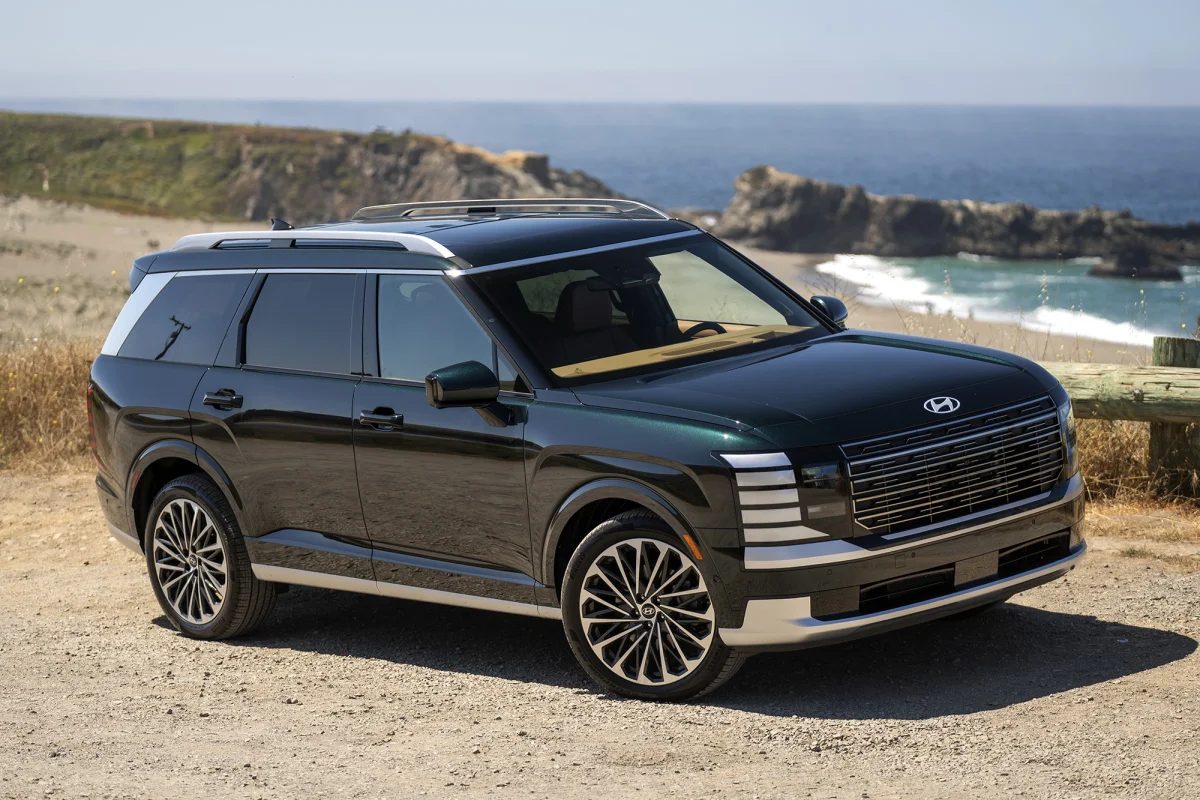
6. Hyundai Palisade
The Hyundai Palisade is a midsize SUV designed for families who need space, comfort, and dependable safety features. Its factory headlights have earned positive attention through IIHS testing, with advanced LED lighting systems helping the vehicle provide strong nighttime visibility.
Hyundai has equipped the Palisade with technology designed to support drivers during different road conditions, including situations where visibility becomes limited.
Large SUVs can face challenges when it comes to headlight performance because their size and height require careful beam positioning.
Hyundai addressed this by developing a lighting system that provides useful illumination without creating excessive glare. Properly designed headlights are especially important on taller vehicles because poorly controlled beams can affect drivers approaching from the opposite direction.
The Palisade’s available LED headlights provide a wider and clearer view of the road ahead. This can be helpful when carrying passengers or traveling on unfamiliar routes.
Drivers often experience increased responsibility when transporting family members, making safety features such as strong headlights valuable additions. Clear visibility allows drivers to better recognize hazards and respond appropriately.
IIHS ratings consider how headlights perform in everyday conditions rather than focusing only on technology names. The Palisade’s performance reflects Hyundai’s effort to create practical systems that improve real driving experiences. Features such as automatic high beams can also assist drivers by adjusting lighting when surrounding traffic conditions change.
The popularity of SUVs has made safety improvements in this category increasingly important. Vehicles like the Hyundai Palisade show that larger family vehicles can provide strong visibility alongside comfort and convenience.
Its factory lighting system contributes to its appeal by giving drivers additional confidence during nighttime trips, long-distance travel, and changing weather conditions.
- Engine: 2.0-liter turbocharged and supercharged 4-cylinder mild hybrid engine / plug-in hybrid option
- Horsepower: 247 hp (B5 mild hybrid) / up to 455 hp (plug-in hybrid)
- Torque: 258 lb-ft (B5) / up to 523 lb-ft (plug-in hybrid)
- Length: 185.4 inches
- Width: 78.7 inches (including mirrors)
- Width (body only): 74.9 inches
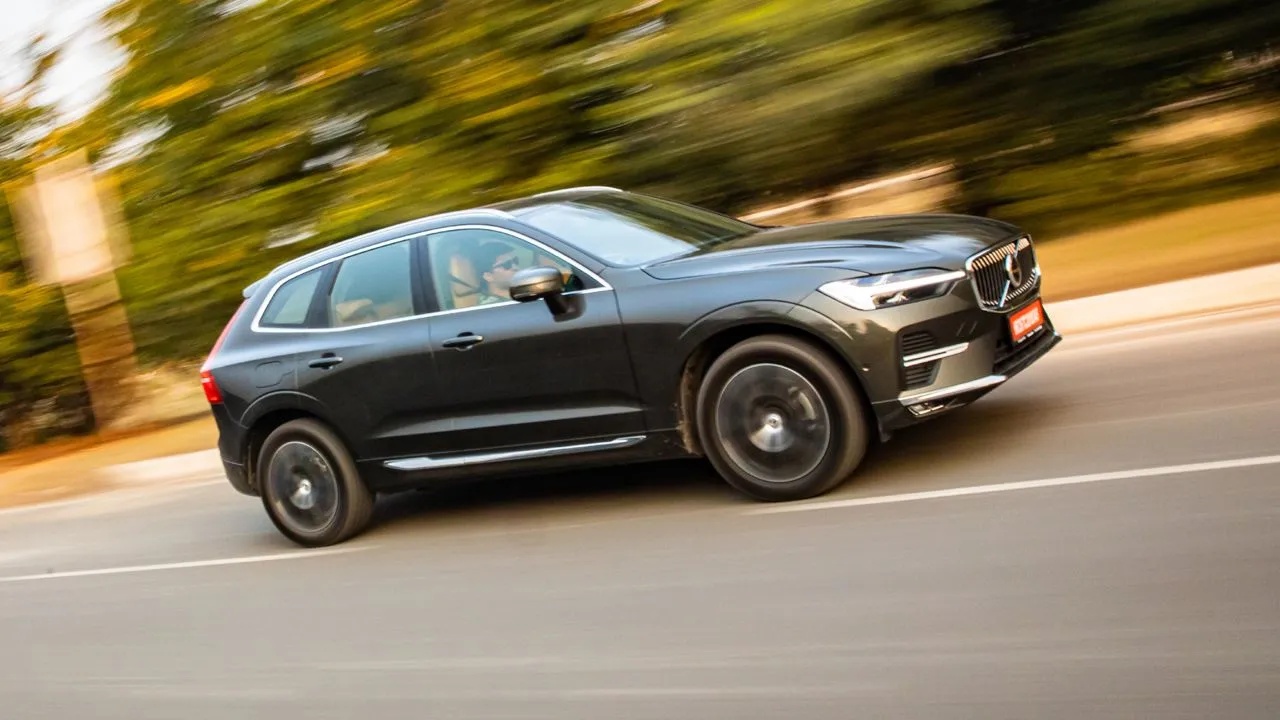
7. Volvo XC60
Volvo has built a strong reputation around automotive safety, and the XC60 continues that tradition with advanced factory lighting technology.
The luxury compact SUV uses LED headlights designed to provide excellent visibility and support safer nighttime driving. Volvo places significant attention on preventing accidents, and effective lighting is a key part of that approach.
The XC60 commonly features advanced LED systems with adaptive capabilities. These headlights can adjust their operation based on driving conditions, helping drivers maintain better visibility on different types of roads. Curved highways, dark country roads, and busy city streets all present different challenges, and adaptive lighting helps address those situations.
IIHS evaluations recognize vehicles that provide consistent and useful illumination. The XC60 performs well because its headlights are designed with both driver needs and road safety in mind.
Good headlights should not simply appear bright from outside the vehicle. They should provide meaningful visibility where drivers need it most.
Volvo’s safety philosophy extends beyond individual features. The company develops vehicles with multiple protective systems working together, including collision avoidance technology and driver assistance tools. However, these systems rely on drivers being able to clearly understand their surroundings. Strong headlights provide the foundation for better awareness.
- Engine: 2.5-liter 4-cylinder Boxer engine (standard) / 2.4-liter turbocharged 4-cylinder Boxer engine (available)
- Horsepower: 182 hp (2.5L) / 260 hp (2.4L turbo)
- Torque: 176 lb-ft (2.5L) / 277 lb-ft (2.4L turbo)
- Length: 191.1 inches
- Width: 73.0 inches
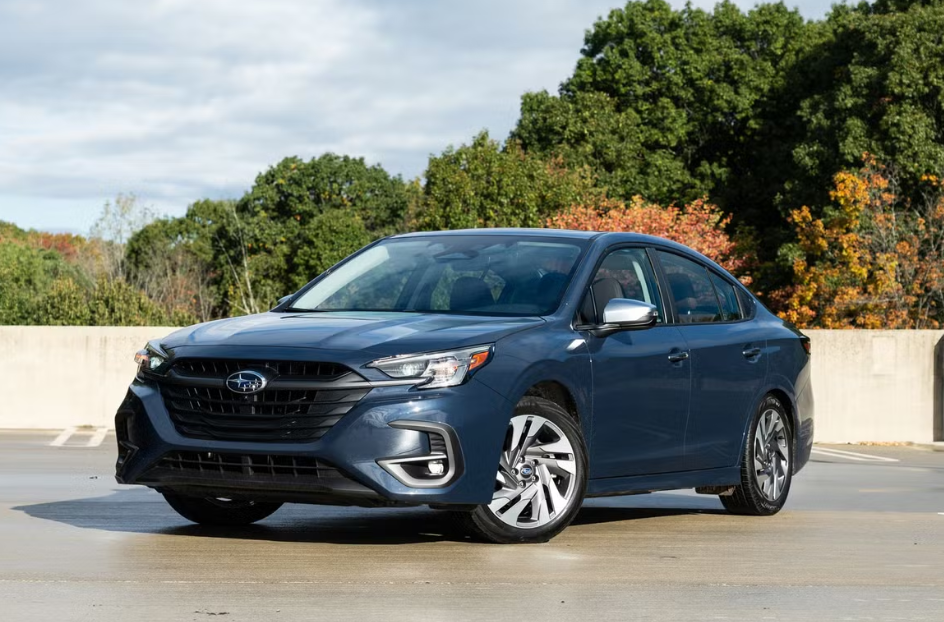
8. Subaru Legacy
The Subaru Legacy is a midsize sedan known for reliability, standard safety equipment, and practical performance. Its factory headlights have received positive IIHS attention because Subaru has prioritized effective lighting across its lineup.
The Legacy uses LED headlights and available steering-responsive technology to improve visibility during nighttime driving.
Sedans like the Legacy benefit from a lower center of gravity and stable handling, but strong headlights remain essential for safe operation after dark. Subaru’s lighting design focuses on creating a clear forward view while reducing glare for other road users. This balance helps make nighttime travel safer for everyone on the road.
The Legacy’s steering-responsive headlights are particularly useful on roads with frequent curves. Traditional headlights remain fixed while a vehicle turns, which can leave darker areas ahead. Adaptive systems help reduce this limitation by directing light toward the path the driver is following.
IIHS ratings help consumers compare vehicles based on real performance rather than marketing claims. The Legacy’s strong headlight results show Subaru’s commitment to including safety features throughout its vehicle range. Drivers do not need to choose an expensive luxury model to access useful lighting technology.
- Engine: 2.0-liter turbocharged 4-cylinder engine / 3.0-liter turbocharged V6 Type S engine
- Horsepower: 272 hp (2.0T) / 355 hp (Type S)
- Torque: 280 lb-ft (2.0T) / 354 lb-ft (Type S)
- Length: 194.6 inches
- Width: 75.2 inches
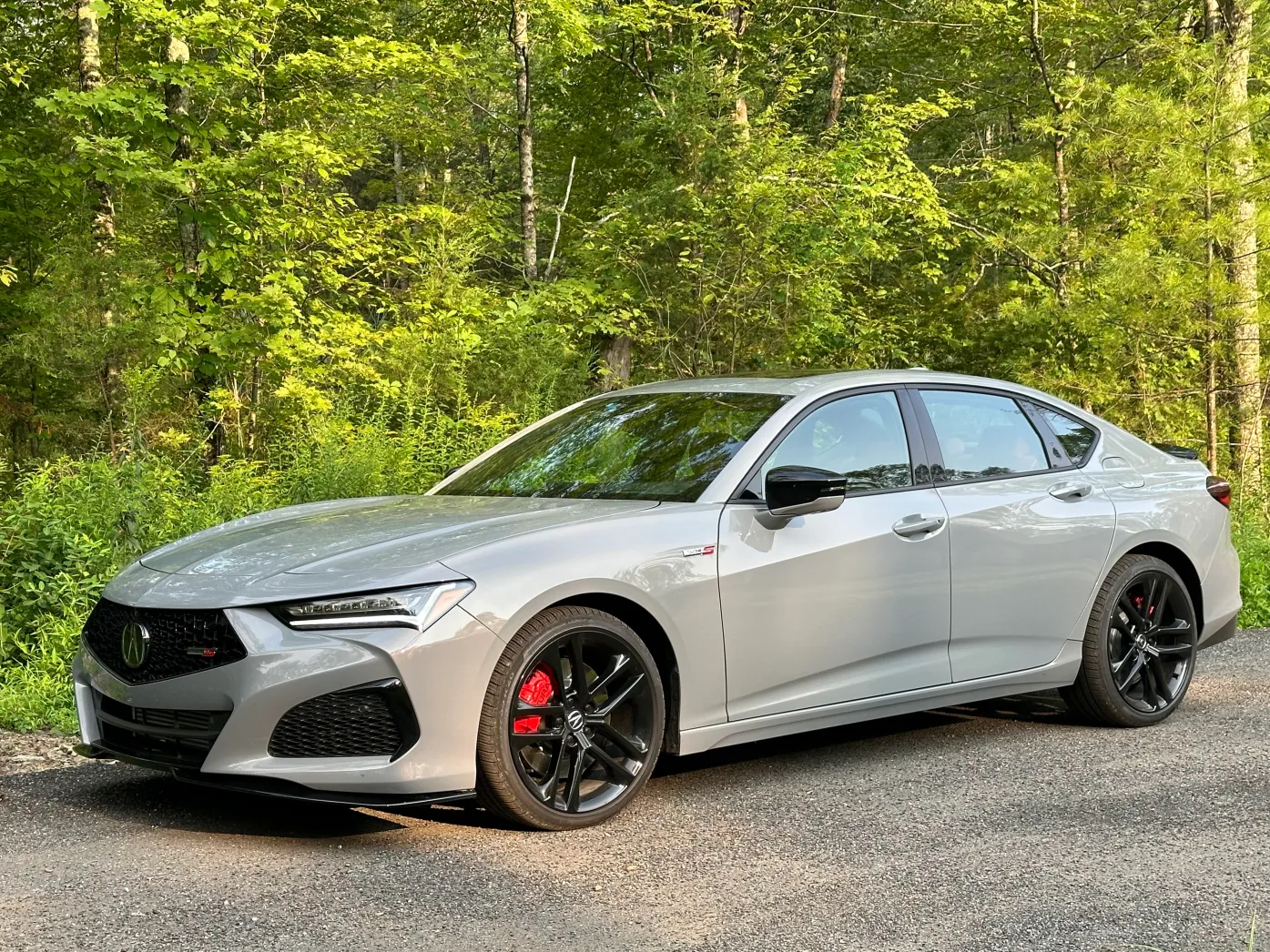
9. Acura TLX
The Acura TLX combines luxury features with strong safety engineering, including advanced factory lighting technology. Its LED headlights have been designed to provide excellent road coverage and improved nighttime visibility. Acura uses precision lighting systems that support both performance and safety.
The TLX benefits from Jewel Eye LED headlights, a design approach that has become associated with the Acura brand. These systems provide a distinctive appearance while delivering functional benefits. Multiple LED elements allow engineers to create controlled and consistent illumination.
IIHS headlight testing rewards vehicles that provide effective visibility without causing unnecessary glare. The TLX’s lighting system demonstrates the importance of balance. Strong headlights should help the driver see clearly while respecting the needs of other motorists.
Luxury sedans like the TLX often include additional lighting features such as automatic high beams and adaptive controls. These technologies help drivers manage changing road conditions more easily. They can be especially useful during long nighttime journeys.
The Acura TLX represents how premium vehicles continue improving safety through intelligent design. Its headlights are not simply a styling feature but an important part of the vehicle’s safety package. Drivers looking for a combination of comfort, performance, and visibility may find the TLX appealing.
- Engine: 2.4-liter turbocharged 4-cylinder engine / 2.5-liter hybrid engine
- Horsepower: 265 hp (turbo) / 243 hp (hybrid)
- Torque: 310 lb-ft (turbo) / 263 lb-ft (hybrid system output)
- Length: 194.9 inches
- Width: 76.0 inches
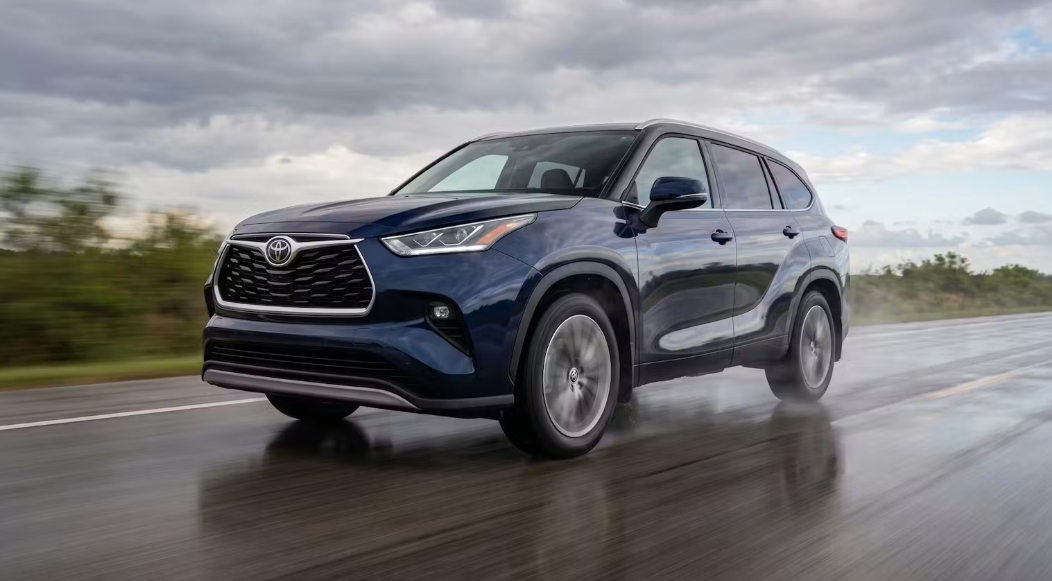
10. Toyota Highlander
The Toyota Highlander is a midsize SUV designed for families, and its strong factory headlights contribute to its safety-focused reputation. Toyota has equipped the Highlander with LED lighting technology that improves visibility while supporting efficient operation. The vehicle demonstrates how practical SUVs can include advanced safety equipment.
SUV drivers often benefit from higher seating positions, but good headlights remain essential because increased height does not guarantee better nighttime vision. Toyota’s lighting engineers focus on creating useful beam patterns that illuminate the road without producing excessive glare.
The Highlander’s available adaptive lighting features improve its ability to handle different driving conditions. Whether traveling through neighborhoods, highways, or darker rural areas, effective headlights help drivers maintain awareness. This is especially important for family vehicles that frequently carry multiple passengers.
IIHS testing provides valuable information about how factory lighting systems perform in real conditions. The Highlander’s results reflect Toyota’s broader commitment to safety across its vehicle lineup. The company continues adding advanced technologies to mainstream vehicles rather than limiting them to premium models.
Also Read: 10 SUVs That Changed the Automotive Industry Forever
