
Garage clearance is one of those practical details many SUV buyers overlook until the first time they raise the tailgate inside a home garage. A vehicle may fit through the garage door with room to spare, yet the liftgate can strike the door or ceiling when fully opened if the packaging is not carefully engineered.
Automakers have gradually improved tailgate geometry by using compact hinges, optimized struts, and smarter lift paths that allow the hatch to reach full height without demanding excessive overhead space.
Many modern SUVs also include programmable power liftgates that stop at a selected height for garages with limited clearance.
This list focuses on SUVs whose tailgates are designed to clear a standard residential garage door opening of approximately 7 feet when parked with typical clearance, making cargo loading easier without constantly worrying about hitting the door.
The selections are based on manufacturer dimensions, packaging design, liftgate geometry, and real-world usability in the U.S. market.
Also Read: 10 Most Expensive Harley-Davidsons Ever Sold
1. Toyota RAV4
The Toyota RAV4 has earned a reputation for practical engineering, and its rear liftgate design is another example of thoughtful packaging.
Although the SUV stands about 67 inches tall in most trims, Toyota designed the rear hatch to swing upward on compact roof-mounted hinges rather than extending far beyond the roofline.
This allows the fully opened tailgate to remain comfortably below the height of a standard 7-foot residential garage door when the vehicle is parked on a level surface.
Toyota also equips higher trims with a height-adjustable power liftgate. Owners can program the maximum opening angle, making the RAV4 especially useful in garages with hanging storage, low ceilings, or overhead garage door tracks.
Instead of stopping abruptly after striking an obstacle, the hatch can memorize a lower opening position, reducing the chance of accidental damage.
Another benefit comes from the hinge placement. Rather than requiring additional clearance behind the vehicle, the liftgate follows a compact upward arc that gives users enough headroom while keeping the highest point controlled.
The cargo opening itself remains wide, making it easy to load groceries, luggage, bicycles with wheels removed, or home improvement supplies.
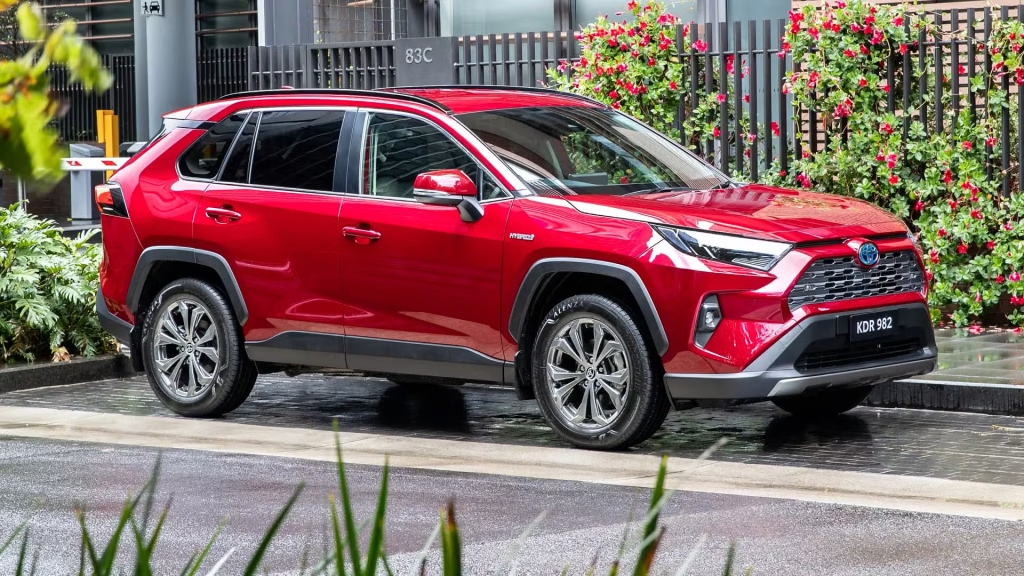
Because the RAV4 combines moderate vehicle height with efficient liftgate geometry, it consistently performs well in suburban garages across the United States. Families who regularly load cargo indoors during bad weather appreciate being able to raise the hatch fully without worrying about contact with the garage door.
Specifications
- Engine: 2.5-liter naturally aspirated inline-4
- Torque: 184 lb-ft
- Horsepower: 203 hp
- Length/Width: 180.9 inches / 73.0 inches
2. Honda CR-V
Instead of relying solely on a shorter roof height, Honda engineered the CR-V’s rear liftgate around efficient movement. The latest generation uses carefully positioned hinges and gas struts that guide the hatch almost vertically before reaching its highest point. This reduces unnecessary upward travel while still providing generous access to the cargo area.
One reason the CR-V works so well in residential garages is its balanced proportions. Standing roughly 66.5 inches tall, it already begins with an advantage compared to many larger SUVs.
Honda then complements that with a liftgate that avoids excessive overextension above the roof. The result is a hatch that comfortably clears a standard garage door opening under normal parking conditions.
Power liftgate-equipped trims also include programmable opening height. Owners can stop the liftgate at virtually any preferred position, then save that setting for daily use. This feature is particularly valuable in homes where garage door openers, bicycles, ceiling-mounted storage racks, or exposed beams reduce overhead clearance.
Cargo usability remains excellent despite the compact motion. The opening is tall and square, making bulky items easier to handle without requiring the hatch to swing dramatically higher. Honda also designed the cargo floor to sit relatively low, reducing lifting effort when loading heavier objects.
The CR-V proves that intelligent packaging matters more than simply building a taller vehicle. Its liftgate clears standard residential garages with confidence while still delivering one of the most accessible cargo compartments in the compact SUV segment.
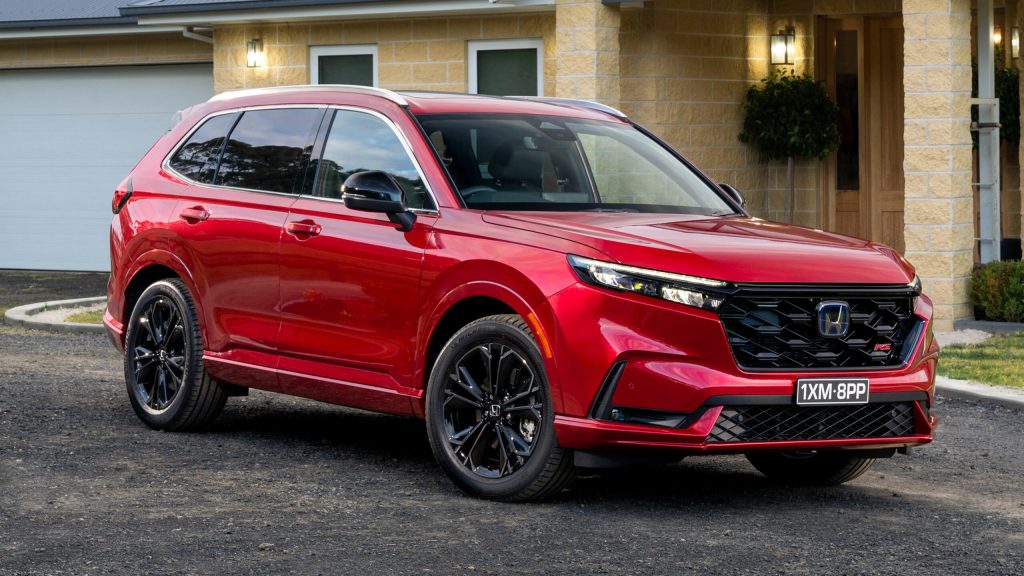
Buyers looking for a daily driver that works effortlessly in suburban homes will appreciate this carefully engineered design.
Specifications
- Engine: 1.5-liter turbocharged inline-4
- Torque: 179 lb-ft
- Horsepower: 190 hp
- Length/Width: 184.8 inches / 73.5 inches
3. Ford Edge
Ford approached the Edge with a focus on making it practical for families, and that philosophy extends to the rear liftgate. While the midsize SUV offers noticeably more cargo capacity than many compact rivals, its engineers avoided creating a liftgate that requires excessive overhead clearance.
Thanks to the Edge’s roof height of roughly 68.3 inches and its compact hinge arrangement, the fully opened hatch generally remains below the clearance offered by a standard 7-foot residential garage door when parked on level ground.
The hinge mechanism deserves particular attention because it allows the liftgate to rise in a controlled arc rather than swinging high above the roof. This keeps the highest point lower while preserving excellent access to the cargo area.
The design benefits homeowners who regularly park inside attached garages, especially when overhead door tracks or storage shelves reduce available space.
Many Edge trims include a hands-free power liftgate with a programmable opening height. Owners can set the maximum lift position to match their garage, eliminating the worry of accidentally contacting a garage door or ceiling-mounted equipment. Once programmed, the system consistently stops at the selected height each time the hatch is opened.
The Edge delivers strong everyday versatility through its thoughtfully designed cargo area. A wide rear opening and low loading height allow owners to easily place in everything from luggage and outdoor gear to strollers and larger household items. Unlike many SUVs that compromise practicality in pursuit of a more aggressive design, the Edge successfully combines attractive styling with functional interior space.
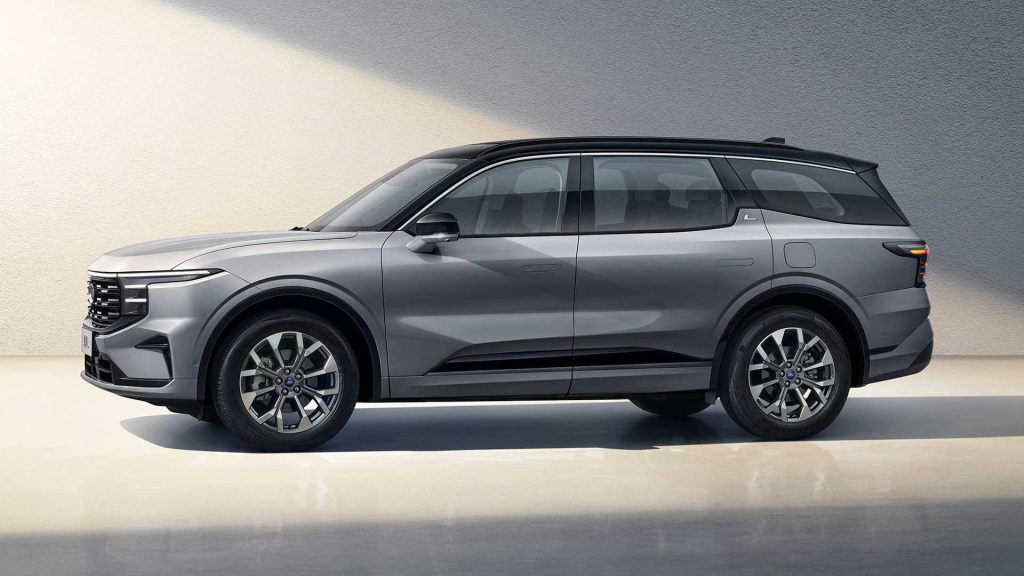
For buyers who need more interior room than a compact crossover but still want hassle-free garage compatibility, the Ford Edge demonstrates how careful packaging can make daily ownership much easier without compromising cargo functionality.
Specifications
- Engine: 2.0-liter EcoBoost turbocharged inline-4
- Torque: 280 lb-ft
- Horsepower: 250 hp
- Length/Width: 188.8 inches / 75.9 inches
4. Subaru Outback
Although Subaru markets the Outback as a crossover wagon rather than a traditional SUV, its raised ride height, standard all-wheel drive, and spacious cargo area place it squarely on many SUV shopping lists.
One advantage of its wagon-inspired shape is exceptional garage friendliness. At approximately 66.4 inches tall, the Outback begins significantly lower than many midsize SUVs, giving the liftgate more room to operate beneath a standard residential garage door.
Subaru designed the rear hatch to open almost straight upward using compact roof-mounted hinges that avoid unnecessary vertical extension.
The result is a liftgate that provides generous standing room while keeping the highest point comfortably within the limits of a typical 7-foot garage opening. Owners rarely need to stop the hatch manually unless additional ceiling obstructions exist.
Higher trims feature a power rear gate with memory height adjustment. This function allows drivers to customize how high the liftgate opens, making it especially valuable in older garages where ceiling-mounted hardware or storage systems reduce clearance. Once stored, the preferred opening height becomes the default setting.
The Outback also benefits from one of the widest cargo openings in its class. Its long roofline and nearly vertical tailgate create an opening that accommodates camping equipment, bicycles with minimal disassembly, pet crates, and large coolers with little effort. The lower roof height even reduces the distance heavy cargo must be lifted.
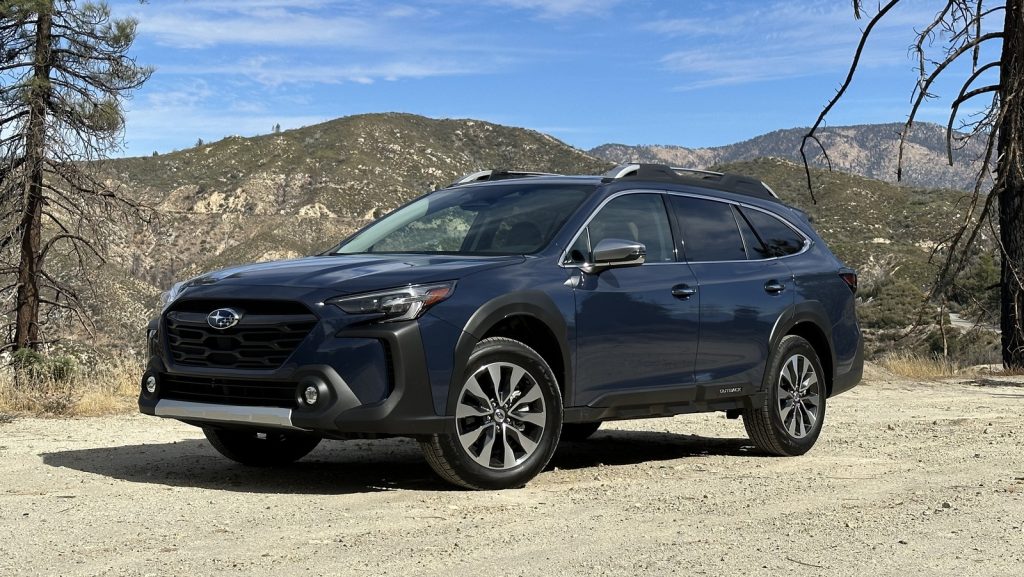
Rather than relying solely on technology, Subaru combines smart body proportions with efficient liftgate geometry. That combination makes the Outback one of the easiest utility vehicles to live with in suburban neighborhoods where garage parking is part of everyday life.
Specifications
- Engine: 2.5-liter BOXER flat-4
- Torque: 178 lb-ft
- Horsepower: 182 hp
- Length/Width: 191.9 inches / 74.6 inches
5. Hyundai Santa Fe
Hyundai completely redesigned the Santa Fe with a more upright, boxy profile, yet it remains remarkably garage-friendly because of how its tailgate is engineered.
A taller roof might suggest the liftgate would need extra overhead room, but Hyundai carefully controlled the hinge geometry so the hatch reaches full extension without climbing excessively above the roofline.
When parked in a standard U.S. residential garage with a 7-foot door opening, the liftgate generally clears the opening comfortably on level ground.
The square rear design offers another advantage that is not immediately obvious. Since the liftgate opens almost vertically, less space is required behind the vehicle compared with hatches that swing outward in a larger arc.
This allows owners to park close to the garage wall while still enjoying full cargo access. Families loading groceries or sports equipment appreciate not having to reposition the SUV every time they need the rear compartment.
Power liftgate models feature adjustable opening height, allowing owners to tailor the hatch to their exact garage dimensions.
Whether the obstacle is a ceiling-mounted storage rack, garage door opener, or exposed beam, the memory function prevents accidental contact. Hyundai also programmed the system to open and close smoothly, reducing stress on the hinges and making operation feel refined.
Cargo versatility remains one of the Santa Fe’s strongest attributes. Its nearly vertical rear opening creates a large rectangular access point, making it easier to slide in luggage, camping gear, or home improvement supplies. The design also improves visibility when loading bulky items because the raised hatch stays clear of the user’s head.
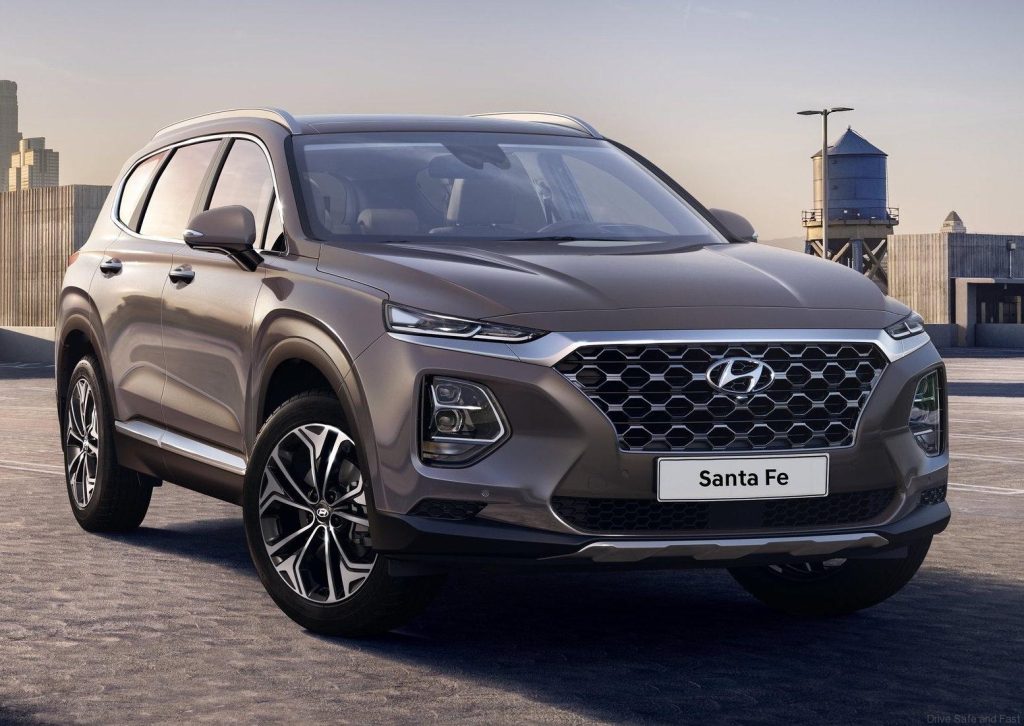
The Santa Fe demonstrates that thoughtful engineering matters more than raw vehicle height. Its packaging allows drivers to enjoy generous cargo capacity while maintaining compatibility with the garages found in most American homes.
Specifications
- Engine: 2.5-liter turbocharged inline-4
- Torque: 311 lb-ft
- Horsepower: 277 hp
- Length/Width: 190.2 inches / 74.8 inches
6. Mazda CX-50
Built for drivers who enjoy outdoor exploration, the CX-50 also offers practical advantages in daily commuting and residential settings. Mazda avoided the increasingly common tall SUV design and instead created a lower, broader shape that provides better clearance flexibility for garages and tighter spaces without sacrificing its rugged character.
Measuring roughly 63.9 inches tall, it starts with one of the lowest rooflines in the compact SUV segment, giving its liftgate plenty of room to operate beneath a standard 7-foot residential garage door.
This lower profile works together with a compact hinge mechanism that keeps the hatch from extending unnecessarily above the roof.
Instead of following a dramatic upward arc, the liftgate rises efficiently and stops at a practical height that still provides excellent standing room for most adults. The result is an SUV that feels easy to live with in garages where ceiling clearance is limited.
Higher trim levels include a programmable power rear liftgate. Drivers can save a preferred opening height in seconds, ensuring the hatch never contacts low-hanging garage hardware or ceiling-mounted storage systems. That feature is particularly valuable for homeowners who frequently park indoors and want consistent operation every day.
Mazda also paid attention to the shape of the cargo opening. The wide rear aperture and low cargo floor simplify loading bicycles, luggage, pet carriers, or outdoor equipment. Since the liftgate does not rise excessively high, shorter drivers often find it easier to reach the inside grab handle when closing it manually.
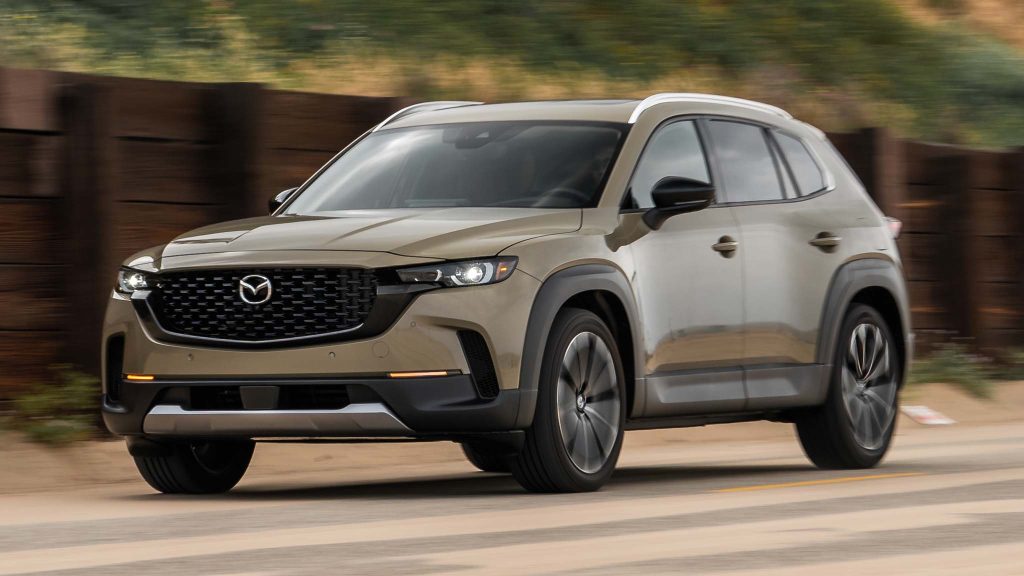
The CX-50 proves that careful packaging can improve daily convenience without sacrificing rugged capability. By combining a low full height with an intelligently designed liftgate, Mazda created an SUV that works equally well on weekend trails and inside a typical American residential garage.
Specifications
- Engine: 2.5-liter naturally aspirated inline-4
- Torque: 185 lb-ft
- Horsepower: 187 hp
- Length/Width: 185.8 inches / 75.6 inches
7. Kia Telluride
Three-row SUVs are often expected to demand more overhead space because of their larger dimensions, yet the Kia Telluride demonstrates how intelligent packaging can overcome that assumption.
Standing approximately 69.3 inches tall, it is one of the taller vehicles on this list, but Kia engineered the rear liftgate with compact roof hinges that keep the highest opening point well controlled.
In a standard U.S. garage with a 7-foot door opening, the hatch typically clears the opening when the vehicle is parked on a flat surface.
Kia also equipped upper trims with a smart power liftgate featuring adjustable opening height. This function is especially valuable for owners who have ceiling-mounted garage door openers, storage platforms, or suspended bicycles.
Rather than risking contact with overhead obstacles, drivers can program the hatch to stop at a precise height that matches their garage. Once stored, the setting remains in memory until changed.
Another strength lies in the liftgate’s movement. Instead of swinging outward dramatically before rising, it follows a controlled upward path that allows users to stand comfortably beneath it while minimizing the required overhead clearance.
This thoughtful motion is particularly useful when loading children’s strollers, sports bags, or travel luggage inside the garage during bad weather.
Despite the conservative lift path, the Telluride still delivers one of the largest cargo openings in the midsize SUV class. The wide tailgate and tall opening simplify loading bulky furniture boxes, coolers, or camping equipment without awkward maneuvering.
Families who frequently use every inch of their cargo area benefit from this combination of generous access and garage-friendly engineering.
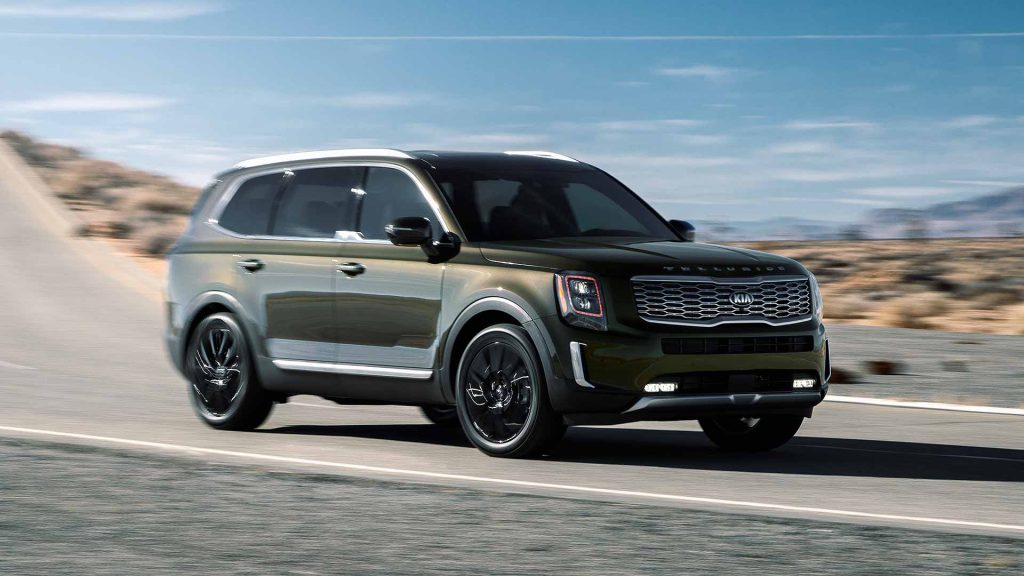
The Telluride proves that a spacious three-row SUV does not automatically require excessive vertical clearance. Through careful hinge placement and adjustable liftgate technology, Kia created an SUV that remains highly practical for everyday suburban ownership.
Specifications
- Engine: 3.5-liter V6
- Torque: 260 lb-ft
- Horsepower: 287 hp
- Length/Width: 196.9 inches / 78.3 inches
8. Chevrolet Equinox
Chevrolet has consistently positioned the Equinox as an easy-to-own compact SUV, and its rear liftgate reflects that philosophy.
With a full height of approximately 65.6 inches, it sits comfortably below many competing crossovers, giving engineers more flexibility to design a liftgate that clears a standard residential garage door without sacrificing cargo accessibility.
The hatch opens fully while remaining beneath the typical 7-foot garage opening in normal parking situations.
The Equinox takes a more practical approach than many SUVs that rely primarily on electronic controls to manage liftgate clearance. Its mechanical design places the hinges near the roofline, allowing the rear hatch to open in a controlled arc while minimizing how much space it requires above the vehicle.
This means drivers can open the hatch confidently even in garages where door tracks and ceiling hardware reduce available space.
Models equipped with the AutoSense Power Liftgate add another layer of convenience. Owners can store a preferred maximum opening height, ensuring the liftgate stops before reaching overhead obstacles.
This feature is especially useful for households with multiple drivers, since the saved position remains consistent regardless of who is operating the vehicle.
From a cargo standpoint, the Equinox makes excellent use of its dimensions. The opening is broad enough for large grocery runs, folding wagons, golf clubs, and medium-sized home improvement materials. Because the liftgate does not extend excessively high, shorter drivers often find it easier to pull the hatch closed without stretching.
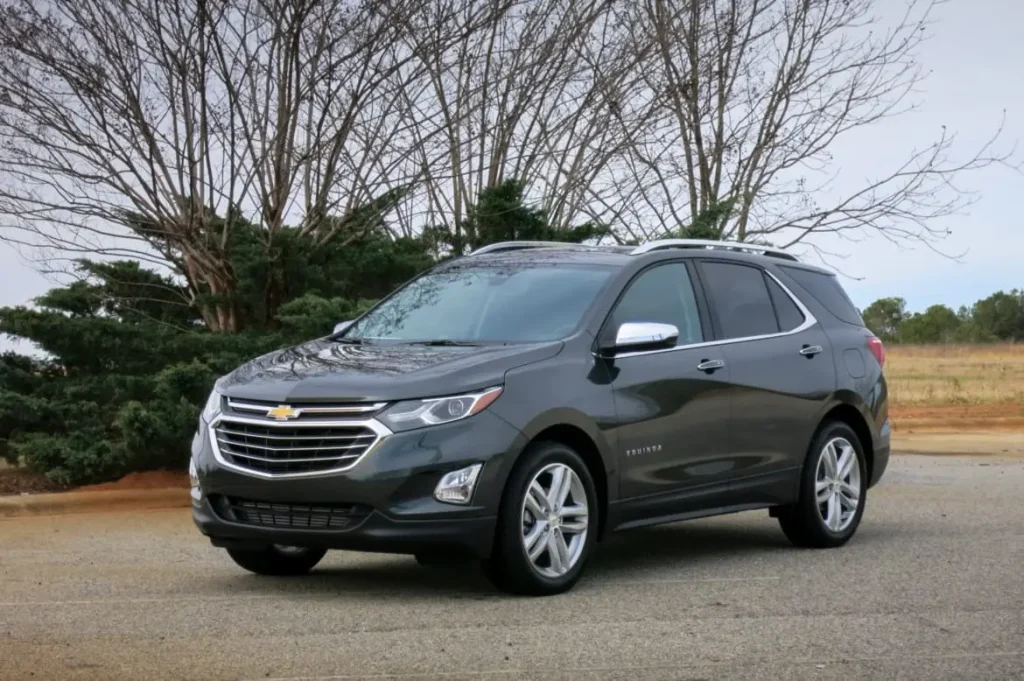
Chevrolet’s attention to practical packaging shows that convenience is not measured only by cargo volume. The Equinox combines manageable exterior dimensions, efficient liftgate geometry, and programmable operation to deliver an SUV that fits comfortably into the routines of American homeowners who rely on garage parking every day.
Specifications
- Engine: 1.5-liter turbocharged inline-4
- Torque: 184 lb-ft
- Horsepower: 175 hp
- Length/Width: 183.2 inches / 74.9 inches
9. Lexus RX
Luxury SUVs often prioritize sleek styling, but the Lexus RX proves that elegant design and practical engineering can coexist. Measuring approximately 67.3 inches in height, the RX fits comfortably within the proportions needed for everyday garage use.
Lexus designed the rear liftgate with compact, roof-mounted hinges that allow the hatch to open fully without rising dramatically above the roofline. In a typical U.S. home garage with a standard 7-foot door opening, the liftgate clears the opening comfortably when the vehicle is parked on level pavement.
One of the RX’s most useful features is its power rear door with customizable opening height. Drivers can stop the liftgate at any preferred position and save that setting into the vehicle’s memory.
Whether the garage has a low ceiling, overhead storage racks, or a centrally mounted garage door opener, the hatch can be configured to avoid contact while still providing excellent access to the cargo compartment.
The liftgate also follows a smooth, controlled path that minimizes unnecessary rearward movement. Owners do not have to leave excessive space behind the SUV before opening the hatch, making it practical in garages where every inch matters.
This efficient motion is particularly noticeable when loading luggage before a trip or unloading groceries after returning home.
Inside, the RX offers a generous cargo opening with a low load floor, allowing heavier items to slide in without significant lifting.
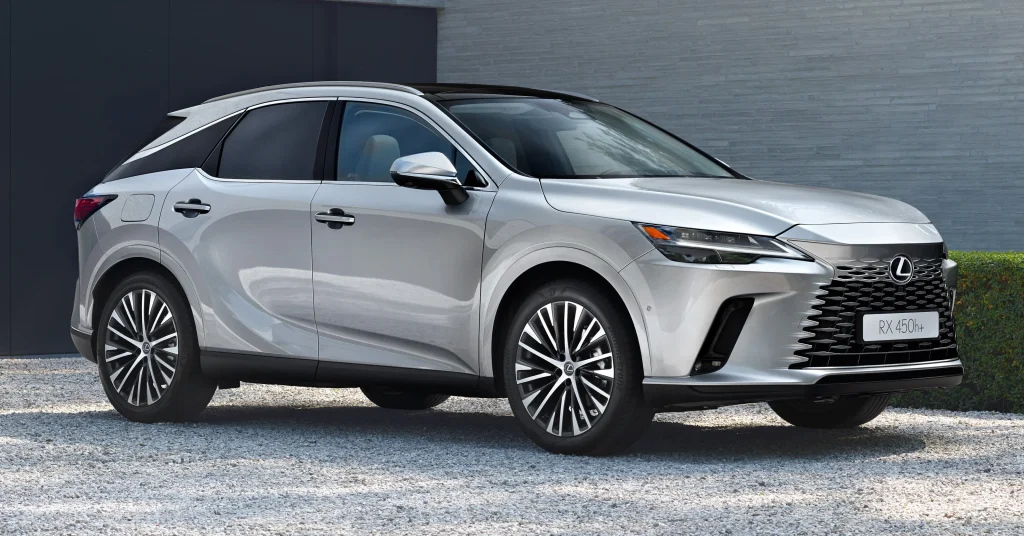
The wide aperture accommodates large suitcases, golf bags, and shopping carts’ worth of groceries with ease. Because the hatch stays clear of the user’s head while remaining within normal garage limits, loading feels comfortable even during extended use.
Lexus demonstrates that premium refinement extends beyond interior materials. Intelligent packaging and careful liftgate geometry make the RX one of the easiest luxury SUVs to own for drivers who park inside residential garages every day.
Specifications
- Engine: 2.4-liter turbocharged inline-4
- Torque: 317 lb-ft
- Horsepower: 275 hp
- Length/Width: 192.5 inches / 75.6 inches
10. Nissan Rogue
The Nissan Rogue rounds out this list by combining compact exterior dimensions with one of the most garage-friendly liftgate designs in the segment. Standing approximately 66.5 inches tall, it begins well below the height of many midsize SUVs.
Nissan then complements that advantage with a rear hatch that opens through a carefully engineered arc, ensuring the highest point remains compatible with the clearance available beneath a standard 7-foot residential garage door.
Rather than emphasizing dramatic styling at the expense of usability, Nissan focused on everyday practicality. The hinge system keeps the liftgate close to the roof throughout its movement, reducing unnecessary upward travel while preserving ample headroom beneath the open hatch.
Drivers can comfortably access the cargo area without worrying about the liftgate striking the garage door or ceiling under normal parking conditions.
Many Rogue trims include a motion-activated power liftgate with adjustable opening height. This feature is particularly beneficial when carrying groceries, luggage, or sports equipment, since the hatch can be programmed to stop at a predetermined position that matches the owner’s garage.
The memory function also helps protect the liftgate from accidental impacts with low-hanging storage shelves or garage door hardware.
Cargo usability remains a major strength. The nearly square rear opening allows larger boxes, folding strollers, pet crates, and recreational equipment to fit without awkward angles. Combined with the Rogue’s low cargo floor, loading and unloading require less physical effort than many taller SUVs in the same class.
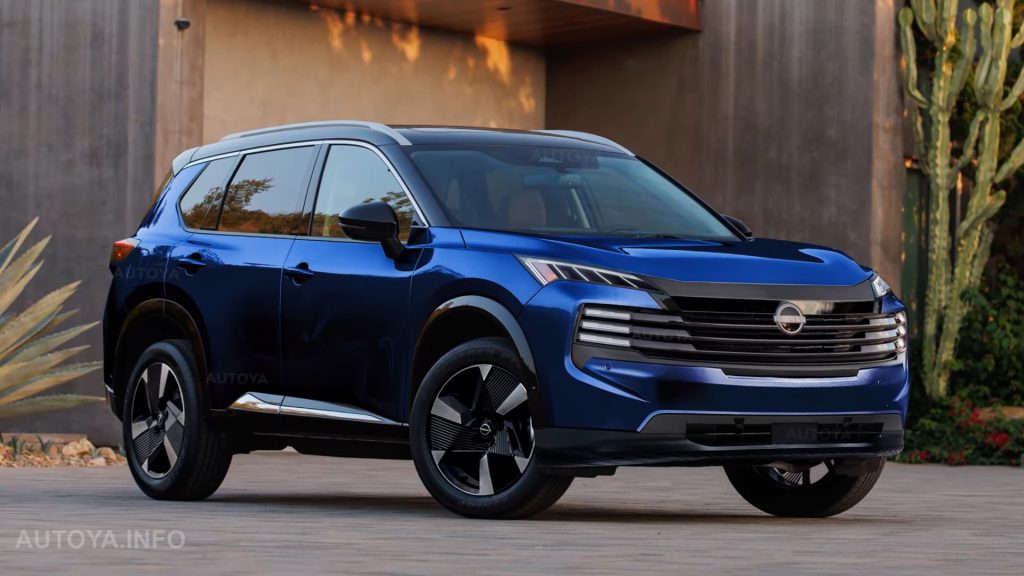
For homeowners seeking a practical crossover that works seamlessly with everyday garage parking, the Rogue offers an excellent combination of compact dimensions, intelligent packaging, and user-friendly liftgate operation. It highlights how thoughtful engineering can improve convenience long after the initial purchase.
Specifications
- Engine: 1.5-liter VC-Turbo three-cylinder
- Torque: 225 lb-ft
- Horsepower: 201 hp
- Length/Width: 183.0 inches / 72.4 inches
Also Read: 10 EVs That Hold Value Better Than a Model 3
